
Are Adjustable Beds Worth It? A Comprehensive Guide
4 February 2026 · Nathan Kerrins · Updated 17 October 2026
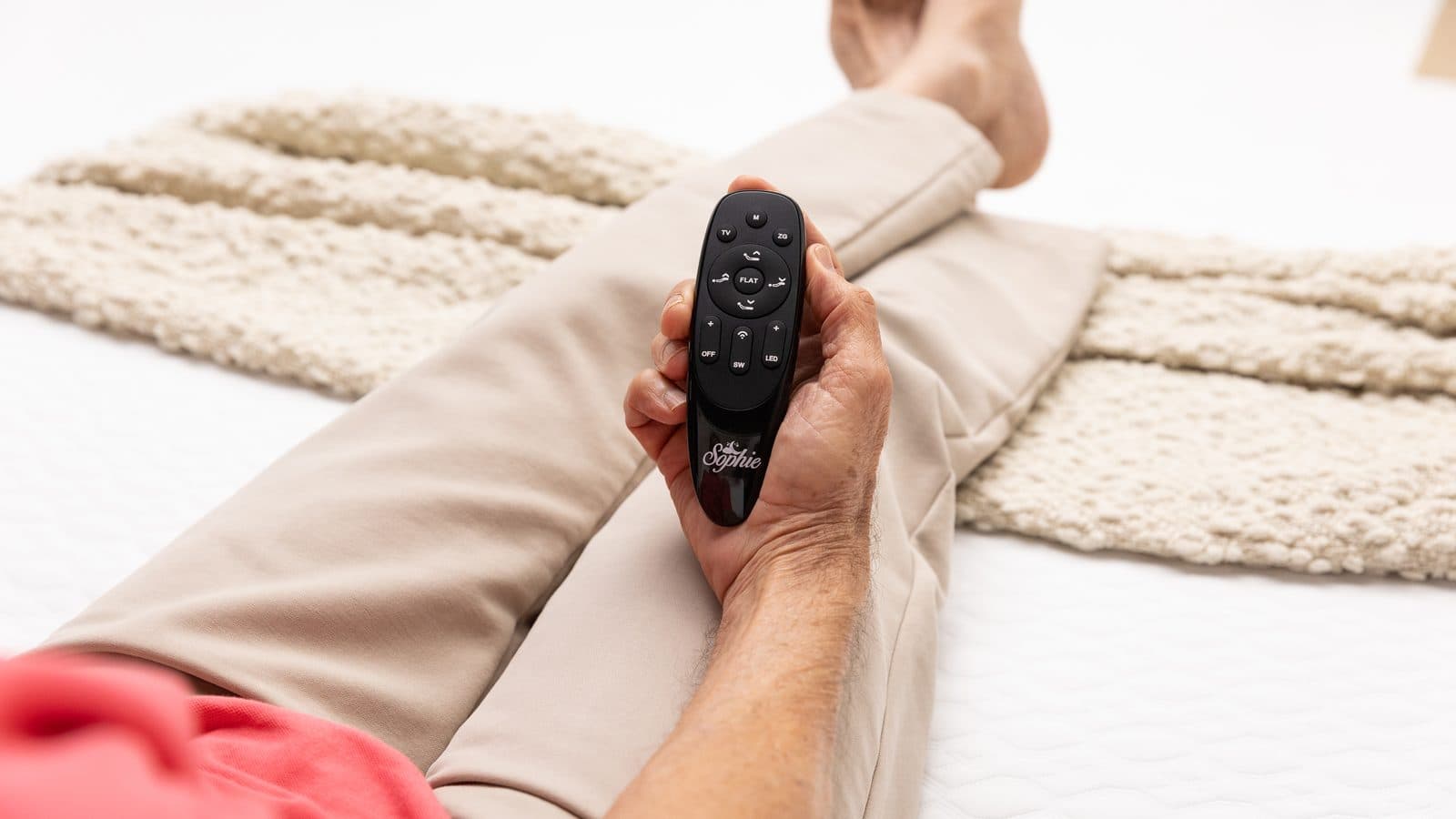
An adjustable bed costs more than a standard frame, so whether it's worth it depends on what you value: comfortable positioning for reading, TV, swelling or reflux; easier entry and exit if mobility is limited; and a base built for years of nightly use. If you already sleep flat and comfortably, a standard bed may suit you just as well.
That's the honest answer, and it's the one most sales pages skip. An adjustable bed is a genuine upgrade for a specific set of people — but it isn't automatically worth it for everyone, and the marketing around this category doesn't always say so plainly. Working through the trade-offs properly takes a bit longer than reading a one-line verdict, but it's the difference between a purchase you're happy with in a year and one you quietly regret.
If you're researching this purchase, you've probably noticed the conflicting information. One site treats an adjustable bed as a near-medical device that will transform your sleep overnight; another dismisses the whole category as an unnecessary gadget; a third lists specifications — exact decibel ratings, exact lift heights in inches, per-feature price breakdowns — that sound precise but often can't be traced to any published source. None of that helps you make the decision. It just adds noise to a purchase that's already a considered one.
This guide sticks to what can actually be sourced: typical Australian market price ranges, published weight ratings and warranty terms, and the specific comfort claims Sleep Sophie is able to make about its own products under Australian therapeutic-goods rules. Where a claim about the wider market can't be sourced, it's left out rather than guessed at. Where a claim about comfort or health is hedged rather than absolute, that's deliberate — it reflects what an adjustable bed can genuinely help with, not what it promises to fix.
We'll cover what the bed actually does, what it costs in Australia, which features are worth paying for, who tends to benefit most, where the trade-offs sit, whether it's worth it without a health condition driving the purchase, how to tell what actually varies between brands, and how to test the decision properly before you commit any money to it.
One more thing worth saying upfront: this article isn't trying to talk you into buying anything. Sleep Sophie sells adjustable beds, so there's an obvious commercial interest in this topic, and it would be dishonest to pretend otherwise. But a considered purchase like this one is exactly the kind of decision that goes badly when the information behind it is stretched to fit a sale — a fabricated statistic or an invented spec doesn't help a buyer, it just sets them up to be disappointed once the bed is actually in their bedroom. Everything below is written with that in mind.
What does an adjustable bed actually do?
An adjustable bed is a motorised base that raises and lowers the head and foot sections independently, so you can change the angle of the mattress instead of relying on a stack of pillows that slips, flattens and never holds the same angle twice. Most ranges, including Sleep Sophie's, control this with a wireless remote and offer a handful of one-touch preset positions — a Zero Gravity setting that lifts both the head and foot to a relaxed, weight-distributed angle is the most common example — so you don't have to hold a button down while the motor slowly finds the position you want.
That's the whole mechanism. There's no hidden technology beyond motors, a control box and a remote. What changes the experience is what those motors let you do: read or watch television without your neck at an awkward angle, elevate your legs at the end of a long day, or find a torso position that feels more supported than lying completely flat. Some ranges, including Sleep Sophie's, also build in extras the motorised base makes possible anyway — USB ports for charging a phone overnight, under-bed lighting for a safer trip to the bathroom, and battery backup so a brief power interruption doesn't leave the bed stuck mid-position.
It's worth separating a modern adjustable bed from the mental image a lot of people still carry — a beige, chrome-railed hospital bed on a ward. That image doesn't describe what's actually sold as bedroom furniture today. A current adjustable bed is designed to look like an ordinary bed frame, upholstered and finished the same way a standard frame would be, and it takes a full-size mattress and ordinary fitted sheets rather than a narrow clinical mattress. The motorised function sits underneath; the bedroom above it is meant to look like a bedroom, not a ward.
It's also worth separating this from two other features people often assume come bundled in. A standard adjustable bed does not change the height of the whole bed off the floor — that's a separate feature found on the Sleep Sophie HiLo range, aimed at carer working height and easier, lower transfers, not at head-and-foot positioning. And "electric" describes how the bed moves, not what condition it's designed to treat; every Sleep Sophie bed is electric, with a remote controlling head and foot movement on the standard range, and powered whole-bed height reserved for the HiLo specifically.
How much do adjustable beds cost in Australia?
Adjustable beds are a genuine investment, and it helps to know the shape of the market before you start comparing individual products. Based on general Australian retail pricing, a Queen or King adjustable bed typically runs from around $5,000 to $24,000, and a Single from around $3,000 to $13,000. Those are broad market ranges, not a quote for any particular brand — think of them as a lower band, a mid band and an upper band you'll see repeated across different retailers, rather than fixed price points tied to any one feature.
What can differ between bands includes how many preset positions are included, whether a mattress is bundled, the length of the comprehensive warranty and what after-sales support looks like — ask which of these applies to the product in front of you. A base at the lower end of the market commonly covers basic head-and-foot lift and little else. A mid-band base typically adds more preset positions and small conveniences like USB charging or under-bed lighting. An upper-band base typically adds a longer warranty term and sometimes app control alongside the remote. None of that is a guarantee about any specific product — it's the general shape buyers tend to find as they move through the market.
Weight rating is the other number worth checking early, and it isn't just about your own body weight — it needs to cover the mattress, the frame components, and the combined weight of anyone who shares the bed. Ratings vary by product line even within the same brand, so ask for the figure that applies to the exact model you're looking at rather than assuming one number covers a whole range. A Sleep Sophie adjustable bed is rated to 320kg; the Sleep Sophie HiLo adjustable bed is rated to 250kg. Those are two different products with two different ratings — never take one figure as a blanket number for a whole range, from any brand.
Neither figure is a downgrade on the other — they're simply the published rating for two different products, each built for a different purpose, and the right one for you depends on whether whole-bed height is actually a feature you need alongside head-and-foot movement.
Warranty length is a genuine differentiator worth asking about directly, because a longer comprehensive warranty on the motors and moving parts tells you something real about how the manufacturer expects the product to hold up. A motorised base earns its keep over years of nightly use, not a single season, so the warranty terms are doing real work in that pricing decision — they're not just a box on a spec sheet.
Australian market pricing (general context)
| What to check | Figure | Source |
|---|---|---|
| Queen / King adjustable bed — Australian market range | $5,000–$24,000 | General Australian retail market context, 2026 |
| Single adjustable bed — Australian market range | $3,000–$13,000 | General Australian retail market context, 2026 |
The table above deliberately doesn't include a Sleep Sophie retail price, because retail prices change and a figure printed in an article goes stale within months. Current pricing for the range sits on the adjustable beds page, which is kept up to date, and interest-free payment options through Humm, Brighte and Payright are available, with no-deposit options available to approved purchasers and a choice of repayment terms — see the adjustable bed financing guide for how that works in practice. If timing is part of your decision, our guide to the best time to buy an adjustable bed in Australia covers the sale periods worth planning around, without promising a discount that isn't genuinely on offer.
Sleep Sophie specifications
| What to check | Figure | Source |
|---|---|---|
| Sleep Sophie Adjustable Bed — weight rating | 320kg | Sleep Sophie product specifications |
| Sleep Sophie HiLo — weight rating | 250kg | Sleep Sophie product specifications |
| Sleep Sophie Adjustable Bed & HiLo — warranty | 5-year comprehensive standard, extendable to 10 years | Sleep Sophie product specifications |
Which features are worth paying for?
Not every extra on a spec sheet earns its price difference, and it's easy to end up paying for something that looks impressive in a showroom but barely gets used at home. A few features are worth genuinely weighing up rather than dismissing as marketing, and a few are worth being more sceptical about:
- Independent head and foot motors. This is the core function, so don't compromise here — a base that only moves as a single unit removes most of the point of buying an adjustable bed in the first place.
- One-touch presets, including Zero Gravity. Genuinely useful day to day, because you stop hunting for "your" position every night and just press one button instead of adjusting head and foot separately by feel.
- Battery backup. Worth having so a brief power interruption doesn't leave the bed stuck mid-position. It's included as standard on the Sleep Sophie adjustable bed, HiLo and Embrace lift recliner.
- App control. A genuine convenience if you'll actually use it, available on the Sleep Sophie Adjustable Bed specifically, not the HiLo — check which model a given feature applies to before assuming it's included across a whole range.
- Comprehensive warranty length. A base has moving parts, and a longer comprehensive warranty says something real about expected lifespan — this matters more than most feature checkboxes on a spec sheet.
- USB ports and under-bed lighting. Genuinely convenient, low-cost inclusions rather than reasons to upgrade a whole tier on their own.
Two features are worth a specific word of caution, not because they're bad, but because it's easy to overpay for something you won't actually use. Massage or vibration functions can be a pleasant addition, but they're an extra, not a reason on their own to justify a large price jump — decide whether you'd genuinely use it a few times a week before you let it move your budget. And any specification quoted with unusual precision — an exact decibel figure, an exact wattage, an exact lift height in inches, with no source attached — is worth treating cautiously; if a retailer can't point you to where that figure comes from, don't let it be the deciding factor.
If you're weighing a lower-cost option against something with more of the above included, our guide to buying an adjustable bed cheaply in Australia and our guide to what an adjustable bed under $2,000 typically includes both walk through what's usually cut to hit a lower price point, so you can decide whether that trade-off suits you. For a broader feature-by-feature walkthrough, see features to look for in an adjustable bed.
How do you choose a good adjustable bed in Australia?
Once you've decided the category is worth it, the harder question is telling a genuinely good base from one that's merely well marketed. A few criteria travel well across brands, so it's worth checking each one against whatever you're comparing rather than relying on a single headline claim:
- Is the weight rating stated for the exact model, not the range? A rating quoted for "our beds" in general, rather than the specific base you're looking at, is a red flag worth asking about directly.
- Is the warranty comprehensive, and how long does it run? A comprehensive warranty on motors and moving parts, ideally five years or more, says more about expected build quality than most other single spec.
- Is the mattress purpose-built for a moving base, or is it a standard mattress placed on top? A mattress designed to flex with the frame will hold up better over years of nightly adjustment than one that wasn't built for the job.
- Can you actually try it before you commit — properly, not just for two minutes? A free in-home demonstration or a genuinely unhurried in-store test tells you far more than a brochure, and a retailer confident in the product should be willing to offer one.
- Are the specifications sourced? If a decibel rating, a wattage figure or a lift-height measurement is quoted with unusual precision and no source, that's worth treating as marketing rather than fact until it's confirmed directly with the manufacturer.
Several Australian retailers specialise specifically in adjustable beds rather than selling them as one line among many, and a specialist is generally worth considering over a generic furniture retailer in this category, simply because after-sales support for a motorised product benefits from a team that knows the product well. That's a criterion, not a recommendation for any single brand — apply it to whoever you're comparing, Sleep Sophie included.
Who benefits most from an adjustable bed?
The people who tend to feel the difference most clearly are the ones already doing something in bed beyond sleeping flat: reading, watching television, working from a laptop propped on their knees, or getting in and out more often than they'd like because of limited mobility. For those routines, an adjustable bed replaces an improvised setup — pillows, cushions, a wedge that slides by midnight — with a position that holds itself and can be changed at the press of a button, without waking a partner who's already asleep.
Couples with different preferences are another group who tend to notice the value quickly. One partner might prefer a flatter position and the other a more upright one for reading; a base with independent head and foot movement on each side means neither person has to compromise on the other's comfort, which a single shared mattress on a fixed frame simply can't offer.
There are also some specific, hedged comfort benefits worth being precise about, because the wording matters and it's the difference between an honest claim and an overclaim. Raise your head to help to alleviate snoring, and lift your legs above your heart to help ease swelling. Sleeping in the zero-gravity position can help to alleviate lower back discomfort — it supports the body with the knees and upper back slightly raised rather than lying flat. Some people also find certain positions more comfortable for snoring or reflux. None of this is a treatment, a cure or a guaranteed outcome, and it isn't a substitute for medical care — talk to your GP, occupational therapist or treating clinician about what's appropriate for your own situation before you rely on positioning alone.
Independence is the other significant benefit, particularly for older adults or anyone with limited mobility. Being able to reposition yourself, or get closer to an upright position before swinging your legs out, without waiting for someone else to help, is a genuine quality-of-life difference that doesn't show up cleanly on a spec sheet but shows up every single night. Sleep Sophie is a registered NDIS provider (provider number 4050070896), and an occupational therapist can help establish whether an adjustable bed fits a participant's plan, funding pathway and actual daily needs — that assessment is worth doing properly rather than assuming eligibility either way.
None of this is limited to people managing a diagnosed condition, though. Plenty of buyers simply want a more comfortable way to spend the last hour of their day before sleep, with no health reason required at all — that's worth covering properly on its own, further down this guide.
Shift workers are another group worth a specific mention, since they're often left out of this conversation entirely. Sleeping during daylight hours or on a rotating schedule already works against the body's natural rhythm, and a bed that lets you sit more upright to read or wind down before an unusual bedtime — rather than lying flat and staring at a ceiling — is a genuinely practical use of the same positioning features described above, independent of any medical need.
What are the pros and cons of an adjustable bed?
The most obvious trade-off is price: an adjustable bed costs meaningfully more than a standard frame, and that gap doesn't disappear no matter how the features are framed. If the extra spend doesn't map to something you'll actually use — positioning, easier entry and exit, or a specific comfort benefit — a standard bed remains the more sensible, and cheaper, choice. There's no shame in reaching that conclusion; it's a legitimate outcome of doing this comparison properly.
Mattress compatibility is the trade-off people underestimate most, and it's worth stating plainly rather than glossing over. A traditional inner-spring mattress is built with a fixed internal coil structure, and a single bend can permanently ruin it — the coils and wires aren't designed to flex at all, so once they've been bent out of shape the mattress won't return flat and will need replacing. This isn't a case of gradual wear from repeated use; one bend is enough to cause lasting damage. Foam, latex and purpose-built hybrid mattresses are designed to flex with a moving base instead, which is why they're the standard pairing for an adjustable frame. If you're planning to keep your current mattress rather than buying one included with the bed, check what it's actually made of before you buy the base, not after it's delivered.
Space and servicing are the smaller, more practical considerations that still matter. A raised head section needs clearance above the bed — against a low window, a shelf, or a sloped ceiling, that clearance can be tighter than expected — so measure before you buy rather than after delivery. And because a base has motors and moving parts, it's mechanical equipment rather than a static piece of furniture. A longer comprehensive warranty matters here precisely because there's something in the frame that could eventually need attention over years of nightly use, unlike a standard bed frame with no moving parts at all to service.
Delivery and installation are worth asking about as well, since a motorised base is heavier and bulkier than a standard frame and usually needs professional assembly rather than a flat-pack job in an afternoon. Confirm what's included in the price before you commit, particularly if you're upgrading a bedroom that's difficult to access — stairs, tight hallways and narrow doorways are all worth mentioning to the retailer before delivery day, not after the truck arrives.
It's also worth being realistic about how long you're likely to keep the bed. Because the cost is higher than a standard frame, the value case improves the longer you own it and the more nights you actually use the positioning features rather than leaving the bed flat by default. If you're likely to move house or change bedrooms within a year or two, that shorter ownership window is a legitimate reason to weigh the purchase more cautiously — the maths behind "worth it" changes meaningfully with how long the bed is actually in use.
Is it worth it if you're not managing a health condition?
Yes, for a lot of buyers — this isn't a category reserved for people with a diagnosed need, and it never has been. Plenty of people choose an adjustable bed purely for comfort: a better angle for reading before sleep, watching television without neck strain, or simply preferring a slightly raised head position over lying completely flat every night. None of that requires a medical reason, and there's nothing to prove or justify before it counts as a legitimate reason to buy one. A comfortable bed is a reasonable thing to want on its own terms.
Where it's less likely to be worth it is if you already sleep flat comfortably, don't do anything else in bed, and aren't planning to keep the bed for long enough to make the higher upfront cost worthwhile. In that case, the honest answer is that a standard bed will do the same job for less money — and reaching that conclusion after reading a guide like this one is exactly the outcome it's meant to produce. This isn't a purchase that needs talking yourself into.
A useful middle-ground test is to think about how you actually spend the twenty minutes before you fall asleep and the few minutes after you wake up. If that time regularly involves sitting up, reading, watching something, or wishing you could get comfortable without a pile of pillows, that's a genuine, everyday use case — separate from any health condition entirely — and it's the kind of use that tends to justify the cost over the years you'll own the bed.
It also helps to be honest with yourself about novelty versus routine. Almost anything feels appealing in the first fortnight after a purchase, including features you'll stop using once the newness wears off. The better test is whether the specific things an adjustable bed does — independent head and foot positioning, one-touch presets, easier entry and exit — map onto something you already do most nights, not something you imagine you might start doing once you own the bed.
How can you tell before you buy?
The most reliable way to know whether an adjustable bed suits you is to actually spend time on one in something close to your own conditions, rather than guessing from a spec sheet or a few minutes in a display setting. Sleep Sophie's approach is a free in-home demonstration: the team brings the bed to your home, sets it up properly, and gives you a full demonstration so you can interact with it for 30 to 60 minutes while they're there. It's obligation-free and there's no cost — the point is to check the product is genuinely fit for purpose in your actual bedroom, with your actual mattress preferences, before you commit to anything.
During that time, it's worth deliberately testing the things a five-minute showroom visit won't show you: how the presets feel after you've used them a few times rather than once, whether the remote's buttons make sense without looking at them, how the bed and its included mattress feel once you've tried a few positions, and whether the room has enough clearance for the head section at its highest setting.
That's different from a showroom or retail store visit, where you're testing the bed for a few minutes in a display setting rather than your own room, your own mattress preferences and your own nightly routine. Both are useful, and they answer slightly different questions. If you'd like a structured way to compare the two, our guides to how to try an adjustable bed before you buy and how to test an adjustable bed in store both cover what to actually check while you're there, rather than just how the bed looks or how it's presented.
Book a free in-home demonstration if you'd rather see the bed in your own bedroom than take our word for it, or start by browsing the current Sleep Sophie adjustable bed range to see what's included at each level before you book anything.
If you're buying on behalf of someone else — a parent, a partner, or a family member with limited mobility — it's worth bringing them along to the demonstration rather than deciding on their behalf and presenting the bed as a finished decision. Comfort and positioning preferences are personal, and the person who'll actually sleep in the bed every night is the one whose reaction matters most, even if you're the one managing the paperwork or the funding.
Putting it together: a simple decision framework
Once you've read through the benefits and the trade-offs, the decision usually comes down to a short set of questions rather than an endless features comparison. Work through these in order, and be specific with your own answers rather than general:
- What would you actually use it for? Reading, TV, easier entry and exit, or a specific comfort preference — name it specifically rather than "general comfort," because that's what determines whether the extra cost is worth it to you personally, not to buyers in general.
- Does your current mattress suit a moving base? Foam, latex and purpose-built hybrids generally flex well; a traditional inner-spring mattress does not, and a single bend can permanently ruin one. If you're not sure what your current mattress is built with, ask before you buy the base, not after.
- Have you checked the weight rating against everyone who'll use the bed? That means the combined weight of anyone sharing it, plus the mattress itself, not just your own body weight on its own.
- What warranty and after-sales support comes with it? A base has moving parts; a longer comprehensive warranty is a genuine signal of how the manufacturer expects it to perform over years, not a box you can safely ignore to save a small amount upfront.
- Have you tried it in your own room, not just a display setting? A free in-home demonstration or a properly conducted in-store test tells you far more than a spec sheet ever will, and it's worth doing before you sign anything.
- Does the timing and finance option actually suit your situation? Interest-free payment options exist through Humm, Brighte and Payright for approved purchasers, and Australian sale periods can genuinely move the price — but neither should be the reason you buy something you wouldn't otherwise choose.
If most of your answers point toward genuine, specific uses — not just "it might be nice" — an adjustable bed is a reasonable purchase to make. If you're struggling to name a concrete reason beyond curiosity, it's worth reading our guide to common adjustable bed buying mistakes before you spend anything, since regretted purchases usually come from skipping one of the steps above rather than from a fault in the product itself.
It's also worth timing the purchase sensibly rather than buying under pressure from a sale deadline — our guide to the best time to buy an adjustable bed in Australia covers the sale periods worth waiting for, without promising a discount that isn't genuinely on offer at any given time.
More questions buyers ask
A few related questions come up often enough to answer briefly here, each with a link through to the full guide:
- Can I get a decent adjustable bed on a tight budget? Yes, within limits — a lower-band base still covers genuine head-and-foot lift, just with fewer extras. See buying an adjustable bed cheaply in Australia and what an adjustable bed under $2,000 typically includes for what's usually cut to reach a lower price point.
- Is there a best time of year to buy? Australian sale periods like EOFY, Black Friday and Boxing Day are genuinely worth watching for, without assuming a specific discount is guaranteed. See the best time to buy an adjustable bed in Australia.
- What mistakes do people usually make? Most come down to skipping the mattress-compatibility check, not confirming the weight rating, or buying before trying one properly. See adjustable bed buying mistakes.
- Showroom or home demo — which tells you more? A home demonstration shows how the bed works in your own room; a showroom lets you compare several beds quickly. Sleep Sophie's free in-home demonstration covers the first, and a store visit is useful too if you know what to check. See how to try an adjustable bed before you buy and how to test an adjustable bed in store.
- Which features matter most day to day? Independent head-and-foot motors, one-touch presets and warranty length matter more than most add-ons. See our full features to look for in an adjustable bed guide.
- Is an adjustable bed only useful for older people? No — buyers span every age group, and plenty choose one for everyday comfort with no mobility or health need driving the decision at all, as covered above.
- Are all adjustable beds basically the same? No — motor quality, preset options, mattress compatibility, weight rating and warranty length all vary between products, which is exactly why the criteria in the section above are worth checking individually rather than assuming one base is interchangeable with another.
The honest bottom line
An adjustable bed is worth it for people who'll genuinely use the positioning — for reading, TV, swelling, reflux, back discomfort or easier entry and exit — and who are prepared to check mattress compatibility and weight rating properly before they buy. It isn't automatically worth it just because it's available at a higher price point, and it's a reasonable, considered decision to stick with a standard bed if you already sleep flat and comfortably and don't expect that to change.
Sleep Sophie is rated 4.8 from 227 reviews on ProductReview.com.au, is a registered NDIS provider, and holds ARTG registration 326115 for the massage function on its beds and chairs. Every Sleep Sophie adjustable bed and HiLo carries a five-year comprehensive warranty as standard, extendable to ten years, and comes with the four-layer, Australian-made mattress included. Every base is delivered and installed by Sleep Sophie's own team rather than a third-party courier.
If you'd like to see whether an adjustable bed suits your own bedroom and routine, book a free in-home demonstration — thirty to sixty minutes, obligation-free, no cost — or start by exploring the current adjustable bed range to see what's included before you decide anything. Either way, the goal of this guide has been the same throughout: a clear-eyed answer to whether the extra cost genuinely buys you something you'll use, not a sales pitch dressed up as one.
Information on this page is general in nature and is not a replacement for professional medical advice. Talk to your GP, occupational therapist or treating clinician about what suits your situation.
This article is general information, not medical advice. For guidance on your situation, talk to your GP or occupational therapist.
Wondering if an adjustable bed would suit your situation?
Our sleep experts talk with Australians in similar situations every day. No pressure, no jargon — just honest answers about what may help you rest more comfortably.
1300 975 337 (1300 9 SLEEP) · Australian-based team · Explore the Sophie adjustable bed range
Rated 4.8 from 227 reviews on ProductReview.com.au · Free in-home demonstration · Interest-free options via Humm, Brighte & Payright for approved purchasers
Using NDIS or Support at Home funding?
Sleep Sophie is a registered NDIS provider (4050070896), and Sophie adjustable beds and lift recliners are ARTG-registered Class 1 medical devices (ARTG 326115). Beds can be funded through NDIS assistive-technology budgets where an occupational therapist recommends them; the Support at Home program has its own equipment pathway. We prepare quotes suitable for plan approval — see how NDIS funding works or Support at Home, or call and we’ll walk you through it.