
Electric Adjustable Bed Financing in Australia: Interest-Free Payment Plans
5 June 2026 · Nathan Kerrins · Updated 3 October 2026
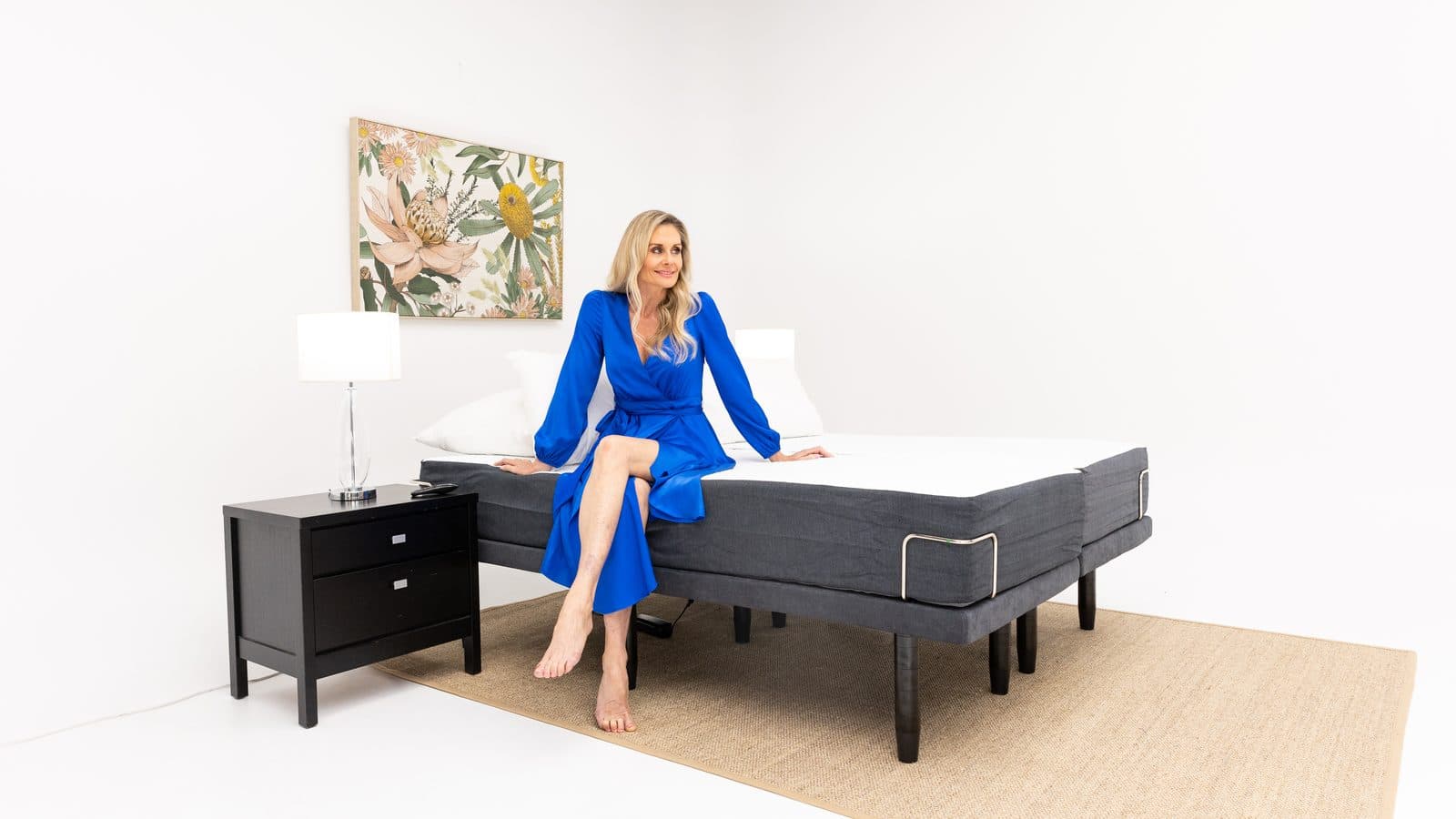
Sleep Sophie offers interest-free payment options through Humm, Brighte and Payright, with no-deposit options for approved purchasers and a choice of repayment terms; check current terms when you apply. If your need relates to disability or aged care, NDIS, DVA, Support at Home or a state scheme may help cover some of the cost.
If you've been putting off an electric adjustable bed because the price feels like it has to be paid all at once, it doesn't. Many buyers spread the cost with interest-free finance, and some find part or all of the purchase is covered by a funding scheme tied to disability, aged care or veteran status. Sometimes it's a mix of both. This guide walks through the actual finance options, how they work in practice, where funding schemes fit in, and the questions worth asking before you sign anything.
It's worth saying upfront why this page reads the way it does. Search for "adjustable bed finance" and you'll find plenty of generic articles listing "compare lenders" and "shop around for the best rate" as if every reader were financing a car or a holiday. An electric adjustable bed sits in a different category for a lot of buyers — it's often tied to a health circumstance, a disability plan, an ageing parent's care needs, or a veteran's entitlement, and the finance decision sits alongside a funding decision that generic finance content never mentions. This page tries to cover both, honestly, without inventing numbers to make the maths look tidy.
What finance options does Sleep Sophie offer?
Sleep Sophie offers interest-free payment options through three finance providers: Humm, Brighte and Payright. No-deposit options are available to approved purchasers, and you can choose a repayment term that suits your budget. Because eligibility, current terms and any conditions can change, the exact figures aren't quoted here — check them directly with the finance provider when you apply, and confirm current pricing on the product page before you compare plans.
This matters more than it sounds. A financing page that quotes a specific weekly repayment figure is really quoting a snapshot of one finance provider's terms on one day, for one bed configuration. Change the term, the provider, or the bed size, and the number changes with it. Rather than publish a figure that's stale within weeks, the more useful approach — and the one this page takes — is to explain how the options work and point you to a live quote.
How does interest-free finance actually work?
Interest-free finance through a provider like Humm, Brighte or Payright works by splitting the purchase price into a series of equal repayments over an agreed term, with no interest charged to approved purchasers. You still pay the full price of the bed — the difference from a standard loan is that there's no interest cost added on top, provided you meet the terms of the agreement.
The application itself is usually quick. You apply with the finance provider directly, they run their own approval check, and if approved you're given the term options available to you along with the exact repayment schedule for your chosen bed. Because approval and terms sit with the finance provider, not with Sleep Sophie, the honest answer to "how much will I pay per week" is "it depends on the provider, the term you choose and your approval outcome" — which is exactly why this page doesn't guess at a number.
A few things stay constant across providers, though. No-deposit options exist for approved purchasers, meaning you may not need to find a lump sum upfront. You choose the term length within what the provider offers. And because it's a third-party consumer finance product, the usual consumer protections around credit contracts apply — which is worth knowing when you get to the "what to check" section below.
It also helps to understand what "interest-free" is actually promising, because the phrase gets used loosely across the finance industry generally. In a genuine interest-free arrangement, the provider isn't charging you a percentage rate on the outstanding balance the way a credit card or personal loan would. That's different from a deal that discounts the sticker price if you pay upfront, and different again from a "buy now, pay later" product with account-keeping or late fees built in instead of interest. The three providers Sleep Sophie works with — Humm, Brighte and Payright — each structure their own products slightly differently, which is exactly why the specific terms, any fees, and the exact repayment schedule need to come from the provider directly rather than from a general guide like this one.
Approval itself typically depends on standard checks any consumer finance provider runs: proof of identity, an assessment of your ability to repay, and sometimes a credit check depending on the provider and the size of the purchase. From there, the finance relationship and the credit contract sit between you and the provider.
Can NDIS or other funding reduce what you need to finance?
For some buyers, yes — and it's worth checking before you finance the full price. NDIS can fund an adjustable bed as assistive technology where it's assessed as reasonable and necessary for your disability needs, generally following an occupational therapist assessment. This isn't automatic, and it doesn't follow just because a bed could be described as helpful — the NDIS looks at your individual plan, your assessed needs and the OT's recommendation. Where a plan is agency-managed, the National Disability Insurance Scheme also requires the purchase to go through a registered provider. Sleep Sophie is a registered NDIS provider, provider number 4050070896 — this matters most for agency-managed plans, since self- and plan-managed participants can generally use any suitable supplier.
Veterans may have a separate pathway: DVA's Rehabilitation Appliances Program can supply an adjustable electric bed through DVA's contracted suppliers for eligible veterans with an assessed clinical need. It's a separate supply route rather than a contribution towards a bed you buy privately.
For older Australians, Support at Home's AT-HM scheme (Assistive Technology and Home Modifications) can fund assessed equipment needs for people eligible under that program.
None of these schemes promise funding, and none of them replace the assessment step — an OT, clinician or the relevant scheme's own process decides what's reasonable and necessary in your situation. But if NDIS or Support at Home might apply to you, it's worth having that conversation before you commit to financing the full amount, because approved funding can reduce or remove the balance you need to finance for a bed you buy privately. DVA's RAP works differently, as a separate supply route rather than a contribution towards a retailer purchase. It's also worth asking whether a scheme covers the full cost or only part of it — many buyers end up financing the gap rather than the whole purchase.
The order of operations matters here. Applying for a funding scheme usually takes longer than applying for interest-free finance — an OT assessment, a plan review or a program application can run to weeks rather than days, depending on the scheme and how busy your assessor is. If your need is urgent, it's reasonable to start the finance conversation in parallel with a funding application rather than waiting on one before starting the other. If funding is later approved, ask your finance provider whether the plan can be reduced, paid out early without penalty, or adjusted — this is one of the questions worth putting to them directly, alongside the others below.
It's also worth being realistic about what these schemes were designed for. They exist to fund assessed needs, not to underwrite a purchase decision that's really about comfort or preference. A bed that helps with genuine transfers, positioning or a documented clinical need has a clearer path through an OT assessment than a bed chosen mainly for extra comfort features. None of that rules funding out — it just means the assessment, not the retailer, decides the outcome.
Is renting a better fit than financing for my situation?
It depends on how long you expect to need the bed. Renting suits a short, clearly-defined need — recovering from surgery, a temporary mobility setback, or bridging the gap while a funding application is assessed. Hired beds are typically hospital-style beds designed for clinical settings, available through equipment-hire providers at a market rate of roughly $65–$140 per week (confirmed across Australian hire listings). You don't own the bed, so ask what mattress is supplied and whether it suits months of nightly use.
Financing a purchase makes more sense once the need looks ongoing or permanent. You end up owning a bed that's yours to keep, chosen for your bedroom and your comfort as well as its function, and an interest-free plan adds no interest, though some providers charge account-keeping or establishment fees, so ask for the total repayable before you sign. If you're not sure which category you're in, it's a fair question to ask yourself honestly: is this a recovery window with an end date, or a change to how you'll need to sleep going forward? The rent-vs-buy decision is covered in more depth in our guide to renting vs buying an adjustable bed in Australia, and the practicalities of hiring are covered in can you rent an adjustable bed in Australia and what adjustable bed rental actually costs.
What should I check before signing a payment plan?
Whichever finance provider you use — for this bed or anything else — a few questions are worth asking every time before you sign:
- What happens if I miss a payment? Ask about any fees, interest that might apply retrospectively, and how a missed payment is reported.
- Is there a fee for paying it off early? Some plans charge an early payout fee; others don't. Know which one you're signing.
- What's the exact term and repayment amount for my bed? Get this in writing from the finance provider once you've chosen your bed and term, rather than relying on a general example.
- Is the "interest-free" period the whole term, or a promotional window? Confirm what happens to the plan after any introductory period ends.
- Does approval depend on anything beyond identity and income checks? Ask what documents the provider needs so you're not caught out partway through the application.
- If I'm applying for NDIS, DVA or Support at Home funding at the same time, how do the two processes interact? Some buyers finance the gap once funding is confirmed rather than the full price upfront — ask the finance provider whether the plan can be adjusted if funding comes through partway.
None of these questions are unique to Sleep Sophie's finance partners — they're the same questions worth asking of any consumer finance provider, for any purchase. Asking them upfront, in writing, is the simplest way to avoid a surprise later.
How do I get started?
Start by looking at the bed itself on the Sleep Sophie adjustable beds range, where current pricing and specifications are always up to date. From there, you can apply directly with Humm, Brighte or Payright to see what term and repayment options you're approved for. If a disability, aged-care or veteran circumstance applies to you, it's worth raising NDIS, DVA or Support at Home funding with your OT, coordinator or case manager before you finalise a finance plan, since approved funding can change how much you need to finance.
If your need is short-term rather than ongoing, it's also worth reading through the rent-vs-buy comparison before committing to either path — for background on general market pricing (rather than a Sleep Sophie figure), our guide to electric adjustable bed prices in Australia covers what beds typically cost across the market and how that compares with financing a purchase.
Key facts at a glance
Whichever route fits your circumstances, the same principle applies: check current terms, current pricing and current eligibility before you commit, rather than relying on a figure that may already be out of date. Sleep Sophie is a registered NDIS provider (provider number 4050070896) and can talk you through which finance or funding path suits your situation — visit the adjustable beds range to see current models and pricing, or get in touch to discuss NDIS, DVA or Support at Home options alongside interest-free finance.
Compare the Sophie range with a real person
No call centres, no scripts — tell us what you need and we’ll give you straight answers on fit, delivery and funding.
1300 975 337 (1300 9 SLEEP) · Australian-based team · Explore the Sophie adjustable bed range
Rated 4.8 from 227 reviews on ProductReview.com.au · Free in-home demonstration · Interest-free options via Humm, Brighte & Payright for approved purchasers
Using NDIS or Support at Home funding?
Sleep Sophie is a registered NDIS provider (4050070896), and Sophie adjustable beds and lift recliners are ARTG-registered Class 1 medical devices (ARTG 326115). Beds can be funded through NDIS assistive-technology budgets where an occupational therapist recommends them; the Support at Home program has its own equipment pathway. We prepare quotes suitable for plan approval — see how NDIS funding works or Support at Home, or call and we’ll walk you through it.
Ask us about this bed
Free delivery and installation, Australia-wide — tell us what you’re after and we’ll get back to you with straight answers.