
Adjustable Bed for Lower Back Stiffness Australia: A Practical Guide
23 March 2026 · Nathan Kerrins · Updated 23 July 2026
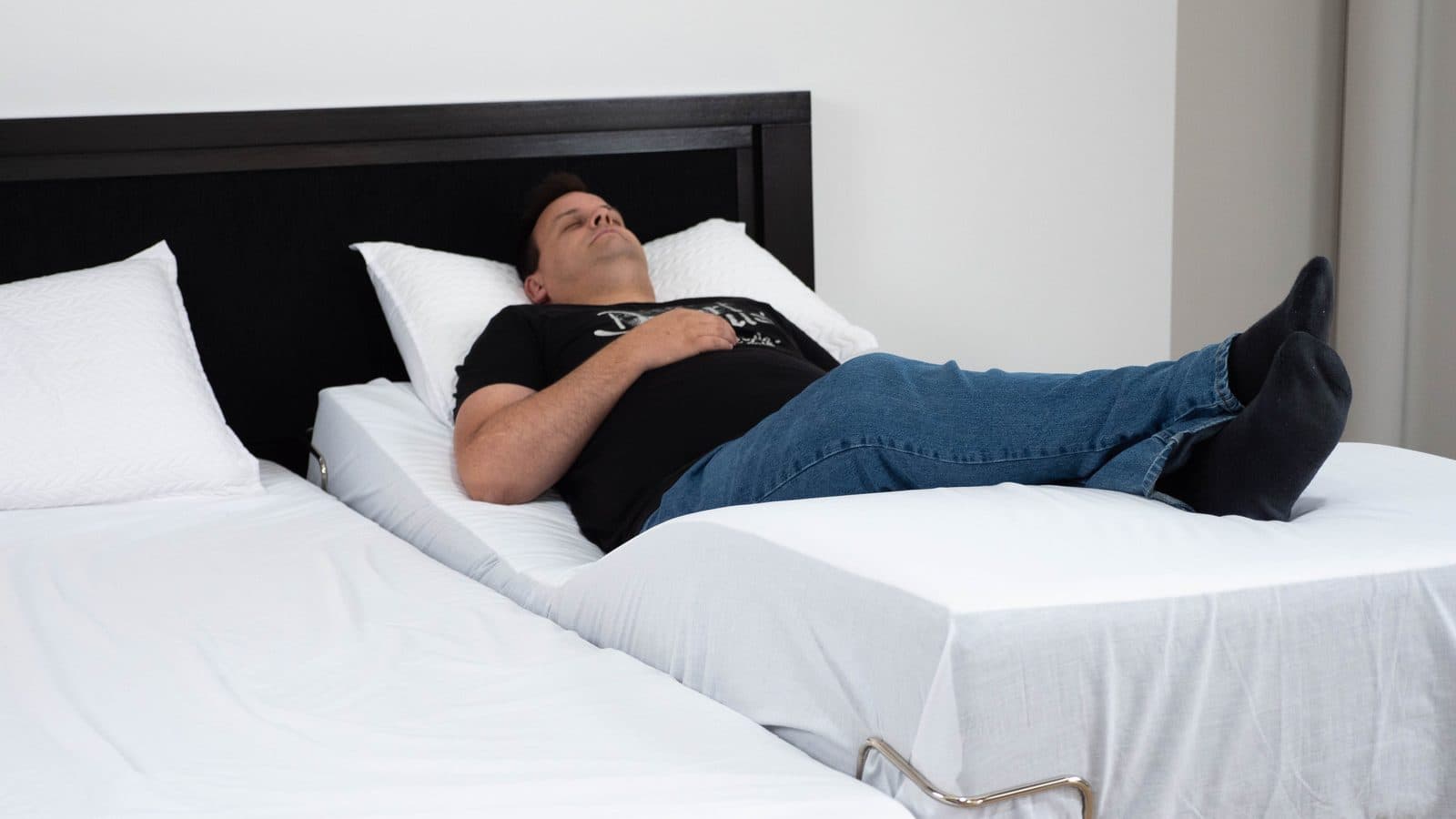
Back pain can ruin your night and your day. If you wake up with a stiff lower back, you know the problem all too well. In this guide you’ll learn how to pick, set up, and care for an adjustable bed for lower back stiffness Australia so you can sleep without ache.
Understanding Lower Back Stiffness and How an Adjustable Bed Helps
Lower back stiffness feels like a tight band across your hips. It often comes from long hours at a desk, heavy lifting, or simply sleeping on a flat surface.
When you lie flat, gravity pulls your spine into a straight line. That straight line can create a gap in the small of your back, leaving the muscles tense all night. An adjustable bed for lower back stiffness Australia lets you tilt the head and foot sections, so your spine can settle into its natural “S” curve.
Research from Ergoflex’s back‑pain mattress guide notes that proper posture while you sleep reduces pressure on the lumbar discs. By raising the knees a few degrees, you take pressure off the disc and let fluid flow back into it, which helps the spine repair.
Heveya’s article on back pain (ways adjustable beds reduce back pain) explains that a neutral spine reduces muscle strain and joint pressure. That is exactly what you get when you use an adjustable bed for lower back stiffness Australia to find a comfortable angle.
Imagine you are a busy parent who works from home. You finish a day of video calls and then try to rest, but your back hurts. By setting the foot of the bed up 10‑15 degrees, you can open the space under the lumbar spine and feel immediate relief. That simple change can turn a restless night into a restorative one.
- Tip: Start with a 5‑degree foot raise and adjust by one degree until the pressure eases.
- Tip: Pair the tilt with a supportive mattress that follows your body shape.
- Tip: Keep a pillow under your knees if you raise the head too high; it balances the curve.
Step 1: Choose the Right Mattress Type for Support
Even the best adjustable bed for lower back stiffness Australia needs a mattress that bends with the frame. The mattress must hold your spine in place while you tilt.
Ergoflex’s 5G memory foam mattress is praised by Australian spinal experts. The mattress uses a 9 cm high‑density visco‑elastic layer that molds to your body and a 5 cm “Cool‑Sleep” airflow core for temperature control. This combo gives a medium‑firm feel that supports the lower back without feeling too hard (Ergoflex mattress details).
Why does firmness matter? If the mattress is too soft, it will sink under your hips and leave the spine unsupported. If it is too firm, pressure points form at the shoulders and hips, pulling the spine out of alignment. A medium‑firm, orthopaedic memory foam mattress hits the sweet spot for most sleepers with lower back stiffness.
Here’s a quick comparison:
| Feature | Memory Foam | Latex | Hybrid |
|---|---|---|---|
| Flex on an adjustable base | High | Very High | Medium |
| Pressure relief | Excellent | Good | Good |
| Temperature control | Cool‑Sleep layer | Naturally breathable | Varies |
| Durability | multi-year warranty | Long‑lasting | Mixed |
For a adjustable bed for lower back stiffness Australia, memory foam like Ergoflex is a safe bet because it stays flexible even when you raise the head or foot sections.
Imagine a retiree who tried a traditional spring mattress on a new adjustable base. When the foot is raised, springs can squeak and the mattress can sag, leaving the lower back hurting. Switching to an Ergoflex 5G mattress can mean feeling supported at every angle, with night sweats reduced thanks to the airflow core.
- Action: Check that the mattress label says “adjustable‑compatible”.
- Action: Test the mattress on a flat surface first; then try it on the adjustable base before buying.
- Action: Look for a multi-year warranty that covers the foam’s performance.
Read more about why a good mattress matters in Are Adjustable Beds good for Back Pain?.
Step 2: Selecting the Ideal Adjustable Base Features
The right base turns a regular bed into a adjustable bed for lower back stiffness Australia. Not all bases are created equal.
Heveya points out that a high‑quality motor is essential. Whisper‑quiet motors prevent you from being woken by clicks, and dual‑motor designs let the head and foot move independently (Heveya motor guide). MobilityShopDirect adds that split bases let each side of a shared bed have its own settings, a big win for couples where only one partner has lower back stiffness (MobilityShopDirect feature guide).
Key features to look for:
- Independent head and foot lift – lets you raise the knees without raising the head.
- Zero‑gravity position – mimics the posture astronauts use to relieve spinal load.
- Wall‑hugging design – keeps the mattress close to your nightstand even when fully raised.
- Weight capacity – aim for at least 250 kg to ensure durability.
And a good remote matters. Wireless remotes avoid tangled cords, while programmable presets let you save your favourite angle for quick use.
Here’s a quick feature table:
| Feature | Why it Helps Lower Back | Typical Price Range (AU$) |
|---|---|---|
| Zero‑Gravity | Elevates legs above heart, decompresses lumbar spine. | 1,500‑2,500 |
| Split Base | Allows partner to keep a flat setting while you tilt. | 2,000‑3,000 |
| Wall‑Hug | Prevents mattress drift that can cause mis‑alignment. | 1,200‑2,000 |
| Quiet Motors | Reduces sleep disruption from motor noise. | 1,000‑2,200 |
Watch this short video that walks through the main controls of a typical adjustable base:
Imagine a freelance writer who spends hours at a laptop, using a split‑base model with independent foot lift. In the morning, raising the feet 12 degrees can take pressure off the lumbar discs. The silent motor means it goes unnoticed, and typing on a laptop while the bed reclines stays comfortable.
- Check: Does the base support a “break‑knee” foot design? It adds a gentle bend that eases lower back tension.
- Check: Are the motors rated for at least 300 Nm torque? Higher torque means smoother lifts.
- Check: Is the warranty covering both motors and frame for at least five years?
For a deeper dive into the best base options, see Hi Lo Bed for Lower Back Pain Australia: A Practical Guide.
Step 3: Setting Up Your Bed for Optimal Comfort
Once you have the right mattress and base, the way you set up the bed matters for a adjustable bed for lower back stiffness Australia.
First, place the bed near a power outlet but not directly under a heavy piece of furniture. Plug the base in, then let the motors run a few cycles without weight to ensure smooth operation.
Next, add a breathable mattress protector. BedWorld suggests a bamboo or Tencel protector to keep the mattress clean and to help regulate temperature (BedWorld maintenance guide).
Now position your pillows. A firm pillow under the head supports the neck when you raise the head section. A smaller lumbar pillow can sit just below the lower back when the foot is lifted. This creates a cradle that holds the spine in a neutral curve.
And don’t forget the foot wedge. A 4‑inch wedge under the calves keeps the knees slightly bent, which reduces strain on the lumbar discs. If you raise the foot higher than 20 degrees, add a second thin wedge for extra support.
Here’s a step‑by‑step checklist:
- Unbox the base and place it on a flat floor.
- Connect the power cord and test the head and foot lifts.
- Lay the mattress on the base, making sure it sits flush.
- Put the mattress protector on.
- Arrange pillows: firm head pillow, lumbar roll, and calf wedge.
- Save your favourite angle with the remote’s preset button.
Imagine a retiree who uses a wheelchair during the day. Setting the head up 20 degrees to read, then lowering it to flat for sleep, is a simple routine. The foot lift makes it easier to swing the legs out of bed without strain, and a lumbar pillow stays in place thanks to the wedge.
For more on how to keep the mattress clean, see the guide from BedWorld (maintenance tips).
- Tip: Run a quick “test lift” each week to catch any squeaks early.
- Tip: Keep a small towel nearby to wipe any spills before they seep into the mattress.
- Tip: Use a non‑slip mat under the foot wedge if your floor is slick.
Step 4: Maintaining Your Adjustable Bed for Longevity
A well‑kept adjustable bed for lower back stiffness Australia will serve you for years. Maintenance is simple if you follow a routine.
Avante’s PDF guide advises a monthly inspection of joints, hinges, and motor vents. Use a soft, dry cloth or a vacuum attachment to clear dust. Avoid water or harsh chemicals, as they can damage the motor’s electrical parts (Avante maintenance guide).
BedWorld adds that you should tighten any loose bolts each month. A loose bolt can cause wobble, which leads to noisy operation and premature wear.
Lubricate pivot points with a silicone‑based spray every 3‑6 months. Silicone reduces friction without attracting dust. Never use oil‑based lubricants, as they can gum up the mechanisms.
Here’s a quick maintenance calendar:
- Monthly: Dust motor vents, tighten bolts, check remote battery.
- Every 3‑6 months: Apply silicone lubricant to joints.
- Annually: Call a professional to service the motors and check wiring.
Imagine an NDIS participant who follows the schedule. The bed stays quiet, and the foot lift never sticks. When a minor squeak appears, tightening a bolt avoids a costly repair.
LifeChangingBeds warns that over‑loading the frame can stress the motor. Stay within the manufacturer’s weight limit—usually 250‑320 kg for a queen‑size base. Avoid jumping on the bed or placing heavy items on the raised foot section.
For detailed cleaning tips, see the BedWorld article (how to care for adjustable bed mechanisms).
- Check: Are the motor vents clear of dust?
- Check: Are all screws snug?
- Check: Is the remote battery still strong?
Following these steps keeps your adjustable bed for lower back stiffness Australia humming quietly and supporting you night after night.
Conclusion
Choosing the right adjustable bed for lower back stiffness Australia starts with a supportive mattress, moves on to a base with the right lift features, and ends with proper setup and routine care. When each piece works together, you give your spine the chance to rest, recover, and stay aligned.
Remember to test mattress firmness, look for independent head and foot lifts, use the zero‑gravity position, and keep the mechanics clean. Small habits like a monthly dust‑off and a quick bolt check can add years to your bed’s life.
If you’re ready to upgrade, browse Sleep Sophie’s range and talk to a specialist who can match a base and mattress to your specific lower back needs. A good night’s sleep is just a few adjustments away—make the move today and wake up refreshed, not stiff.
FAQ
What angle is best for relieving lower back stiffness?
Most experts suggest a 10‑15 degree foot raise combined with a 5‑10 degree head lift. This angle opens the space under the lumbar spine, reduces disc pressure, and keeps the natural curve intact. Adjust in one‑degree steps until you feel less tension. Remember to keep the head low enough that the neck stays neutral.
Can I use any mattress on an adjustable base?
Not all mattresses flex well. Memory foam, latex, and specially‑designed hybrid models are the safest choices. Look for “adjustable‑compatible” tags and avoid traditional Bonnell springs, which can break under repeated bending. A mattress like the Ergoflex 5G offers the right balance of flexibility and support for a adjustable bed for lower back stiffness Australia.
How often should I lubricate the moving parts?
Apply silicone‑based lubricant every three to six months. This keeps the joints smooth and stops squeaks. Avoid oil‑based sprays, as they attract dust. Before lubricating, unplug the bed and wipe away any debris with a soft cloth.
Is a split base worth the extra cost?
If you share the bed with a partner who prefers a flat surface, a split base lets each side move independently. This means you can keep your lower back at a gentle incline while your partner sleeps flat. The added flexibility often justifies the price for couples dealing with back stiffness.
Do I need a special pillow when I raise the foot section?
Yes. A low‑profile wedge or calf pillow helps keep the knees from sliding forward when the foot is lifted. It maintains a gentle bend in the hips, which supports the lumbar curve. Pair it with a lumbar roll under the lower back for extra comfort.
What maintenance tasks can I do myself?
You can dust the motor vents, tighten loose bolts, replace the remote batteries, and apply silicone spray to joints. A monthly check‑list prevents bigger problems later. If the bed makes noise after a few months, it’s often a loose screw or a dry joint that you can fix without a technician.
Information on this page is general in nature and is not a replacement for professional medical advice. Talk to your GP, occupational therapist or treating clinician about what suits your situation.
This article is general information, not medical advice. For guidance on your situation, talk to your GP or occupational therapist.
Wondering if an adjustable bed would suit your situation?
Our sleep experts talk with Australians in similar situations every day. No pressure, no jargon — just honest answers about what may help you rest more comfortably.
1300 975 337 (1300 9 SLEEP) · Australian-based team · Explore the Sophie adjustable bed range
Rated 4.8 from 227 reviews on ProductReview.com.au · Free in-home demonstration · Interest-free options via Humm, Brighte & Payright for approved purchasers
Using NDIS or Support at Home funding?
Sleep Sophie is a registered NDIS provider (4050070896), and Sophie adjustable beds and lift recliners are ARTG-registered Class 1 medical devices (ARTG 326115). Beds can be funded through NDIS assistive-technology budgets where an occupational therapist recommends them; the Support at Home program has its own equipment pathway. We prepare quotes suitable for plan approval — see how NDIS funding works or Support at Home, or call and we’ll walk you through it.