
Adjustable Bed for Menopause Symptoms Australia: A Practical Guide
29 March 2026 · Nathan Kerrins · Updated 23 July 2026
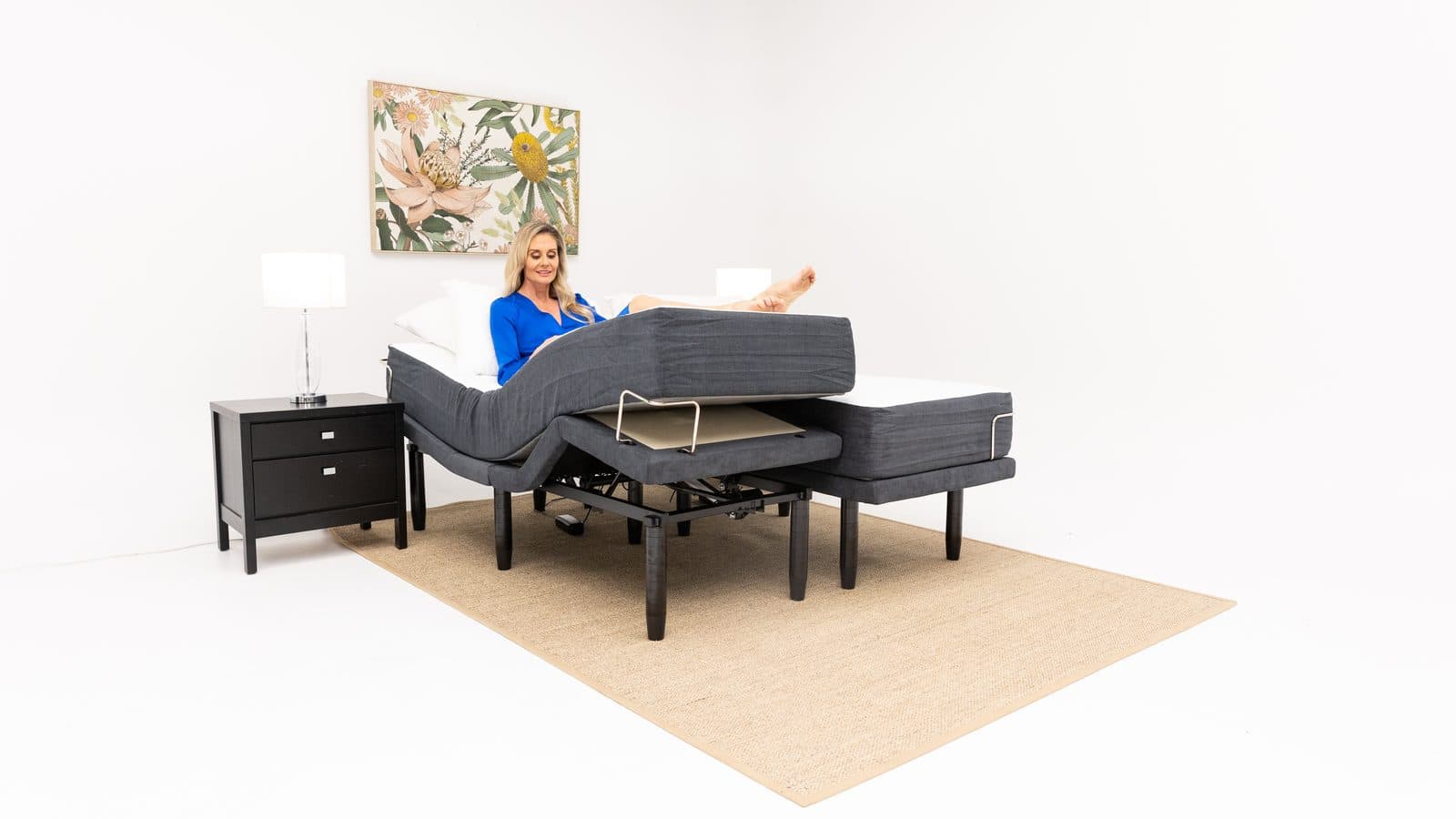
Menopause brings unique sleep challenges that can turn nights into battles against hot flashes, night sweats, and restless tossing. An adjustable bed for menopause symptoms Australia offers a practical solution to these disruptions. You’ll learn how to choose the right features, position your bed for maximum cooling, and maintain your investment for years of better sleep.
| Name | Massage Feature | Source |
|---|---|---|
| Elite Hi-Lo | massage | sleepelectric.com.au |
Step 1: Assess Your Sleep Comfort Needs
Before investing in an adjustable bed for menopause symptoms Australia, you need to understand your specific sleep disruptions. Sleep disturbances affect up to 60% of women during menopause, making this assessment crucial for choosing the right features.
Start by tracking your symptoms for one week. Note when night sweats occur, how often you wake up, and what positions feel most comfortable. Hot flashes typically happen 2-3 times per night for most women. Write down the time, intensity, and how long it takes to cool down.
Temperature regulation becomes your biggest challenge during menopause. Your body’s internal thermostat gets disrupted by declining estrogen levels. This means maintaining your bedroom between 15-18°C (60-65°F) becomes essential. But an adjustable bed can help even more by elevating your upper body slightly, which improves air circulation around your torso.
Consider your partner’s needs too. Many couples struggle when one person needs cooling while the other stays warm. Split adjustable beds solve this problem by allowing independent temperature and position control on each side. You can elevate your head for better airflow while your partner stays flat and cozy.
Pain points often worsen during menopause. Joint stiffness, back pain, and muscle tension increase due to hormonal changes. An adjustable bed addresses these by allowing you to find pressure-relieving positions. The zero-gravity position, with head and feet elevated, reduces pressure on your spine and improves circulation.
Think about your daily bed activities beyond sleep. Do you read, watch TV, or use a laptop in bed? An adjustable bed for menopause symptoms Australia should accommodate these activities comfortably. Look for models with preset positions for reading and relaxation, not just sleep.
Swelling in feet and legs becomes more common during menopause. Elevating your legs above heart level helps reduce this swelling and improves blood flow. This position also helps with restless leg syndrome, which affects many menopausal women. Track whether leg elevation helps your symptoms improve.
Your mattress compatibility matters significantly. Memory foam and latex mattresses work best with adjustable bases because they flex without damage. If you have a traditional innerspring mattress, you might need to upgrade to get full benefits from your adjustable bed investment.
Step 2: Select Adjustable Bed Features for Menopause Relief
Cooling features should top your priority list when selecting an adjustable bed for menopause symptoms Australia. However, few adjustable beds include dedicated cooling technology, despite being marketed for menopause relief. This gap means you’ll need to focus on beds that work well with cooling accessories.
Look for adjustable beds with mesh or perforated surfaces that allow airflow underneath your mattress. Solid platforms trap heat and make night sweats worse. Some models feature built-in fans or air channels that circulate cool air through the base. These features can drop your sleeping temperature by 2-3 degrees Celsius.
Massage functions provide significant relief for menopause symptoms. Clinical vibration therapy helps reduce hot flash intensity and improves sleep quality. Most adjustable beds on the market include massage features, showing manufacturers recognise this need. Choose beds with multiple massage zones and intensity levels.
Wireless remote controls prevent you from fumbling with cords during night sweats. Look for remotes with backlit buttons and simple layouts. Some models offer smartphone apps that let you adjust positions without reaching for anything. This convenience matters when you’re dealing with sudden temperature changes at 2 AM.
Memory positions save your preferred settings for different situations. Program one position for sleeping, another for reading, and a third for watching TV. This feature helps when you need quick adjustments during hot flashes. You can instantly move to your coolest sleeping position without trial and error.
Weight capacity becomes important if you share the bed with a partner. Most quality adjustable beds support 300-400kg total weight. But check individual side limits for split models. Some cheaper beds have lower capacities that might not suit larger couples or those who like heavy bedding.
Quiet motors are essential for menopause sleep. Sleep disruptions worsen menopause symptoms, so noisy adjustments defeat the purpose. Look for beds with DC motors under 45 decibels. This noise level won’t wake your partner when you need position changes during the night.
Edge support prevents you from feeling like you’ll roll off when the bed adjusts. Reinforced sides with foam or steel rails provide stability. This feature matters more for adjustable beds because the changing angles can make edges feel less secure than flat beds.
Height adjustment helps with getting in and out of bed, especially if you experience joint stiffness. Beds that adjust from 45cm to 65cm accommodate different mobility needs. Higher positions make standing easier, while lower settings help shorter people get comfortable.
Step 3: Optimise Bed Positioning to Reduce Night Sweats
Start with a 15-degree head elevation and 30-degree leg elevation. This gentle incline helps hot air rise away from your torso while keeping you comfortable. Many women find this position noticeably reduces hot flash intensity compared to lying flat. Adjust gradually over several nights until you find your sweet spot.
Upper body elevation specifically targets hot flash relief. Raising your head and shoulders 10-20 degrees creates a natural chimney effect, allowing warm air to escape from around your neck and chest. This position also opens airways, reducing snoring that often worsens during menopause due to tissue changes.
Leg elevation improves circulation and reduces swelling that many menopausal women experience. Elevate your legs 6-12 inches above heart level to help blood flow back to your heart more easily. This position also takes pressure off your lower back, which often aches more during hormonal transitions.
Experiment with asymmetrical positioning if you have a split adjustable bed. You might need more head elevation than leg elevation, or vice versa. Some women find that raising just the foot section while keeping the head flat works best for their specific symptoms. Track your comfort levels for each position over a week.
The contoured position supports your spine’s natural curves while providing cooling benefits. Slightly elevate both head and feet to create a gentle S-curve that matches your body’s alignment. This position works well for side sleepers who need hip and shoulder pressure relief during menopause.
Consider seasonal adjustments to your bed positioning. Summer might require more elevation for cooling, while winter allows for flatter positions with warming features. Your hormone levels also fluctuate throughout your menopause journey, so positioning needs may change over months or years.
Timing your position changes strategically helps manage night sweats. If you typically get hot flashes around 2 AM, program your bed to automatically adjust to a more elevated position at 1:45 AM. This preemptive cooling can reduce the severity of temperature spikes.
Combine positioning with cooling bedding for maximum effect. Use moisture-wicking sheets and breathable mattress protectors with your optimised bed angles. The combination of proper positioning and appropriate bedding can noticeably reduce night sweat episodes for many women.
Step 4: Compare Top Adjustable Bed Models Available in Australia
The Australian adjustable bed market offers several options for menopause symptom relief, though publicly available product details are often incomplete. Customer reviews show mixed experiences, with many praising comfort but noting maintenance issues over time.
Sleep Sophie leads the Australian market with comprehensive menopause-focused features. Their models include whole-body massage, wireless controls, and smartphone app integration. The company specifically designs beds for therapeutic needs, making them ideal for women seeking relief from sleep disruptions and pain management. Weight capacity reaches 320kg per bed, accommodating couples comfortably.
Options at the lower end of the market, from about $3,000 for a single, provide basic adjustability but lack advanced cooling features. These models typically offer head and foot elevation with wired remotes. While functional, they may not provide the sophisticated temperature management that menopausal women need for optimal comfort.
Mid-band beds offer better value with wireless controls, quieter motors, and split-base options for couples. This price range balances practicality with premium features, including massage functions and preset positions that benefit menopause symptom management.
| Price Range | Key Features | Best For | Limitations |
|---|---|---|---|
| Lower band (from ~$3,000) | Basic elevation, wired remote | Budget-conscious buyers | No cooling, limited positions |
| Mid band | Wireless control, massage, split options | Most menopausal women | May lack advanced cooling |
| Upper band (toward $24,000) | Premium materials, advanced features | Maximum comfort seekers | Higher maintenance costs |
Premium models toward the top of the band include luxury features like memory foam integration, advanced massage systems, and superior build quality. These beds often feature steel frames and enhanced weight capacities. However, the higher price doesn’t always guarantee better menopause symptom relief compared to well-chosen mid-range options.
Warranty coverage varies significantly across brands. Look for warranties covering motors, electronics, and frame construction for at least 5-7 years. Some manufacturers exclude wear items like remotes or fabric, which can be costly to replace. Read warranty terms carefully before purchasing.
Delivery and installation services add value, especially for heavier adjustable beds. Many Australian retailers offer white-glove delivery, including setup and old bed removal. Some retailers charge for this service and others include it, so check before you buy — it saves significant effort and ensures proper installation.
Customer satisfaction ratings highlight common issues across brands. Noise levels, motor reliability, and remote control durability receive frequent complaints. However, users consistently praise the sleep quality improvements and pain relief benefits when beds function properly.
Step 5: Maintain Your Adjustable Bed for Ongoing Comfort
Regular maintenance keeps your adjustable bed for menopause symptoms Australia functioning optimally for years. Monthly inspections and maintenance every 3-6 months maintain the motor assembly and joint system in proper functioning condition.
Clean moving parts monthly using a soft, dry cloth or gentle vacuum attachment. Dust buildup in joints and hinges causes squeaking and reduces smooth operation. Avoid water or harsh chemicals that can damage metal components and electrical systems. Focus on pivot points, rails, and any visible mechanical parts.
Lubricate joints every 3-6 months with silicone-based spray lubricant. Oil-based solutions create dust problems and harm the equipment, so stick to manufacturer-recommended silicone products. Apply lubricant to all moving metal parts, including pivot points and adjustment mechanisms.
Tighten loose bolts and screws during monthly inspections. Normal use causes components to shift slightly, creating wobbles and annoying squeaks. Use appropriate tools to snug connections without over-tightening, which can strip threads or damage components. Keep a basic tool kit handy for regular adjustments.
Motor care requires special attention since it powers all adjustments. Always unplug the bed before any maintenance to prevent electrical shock. Vacuum around motor vents monthly to prevent overheating. Never attempt DIY motor repairs, as this voids warranties and can be dangerous. Contact technicians for motor issues.
Proper usage prevents premature wear and damage. Avoid sitting on elevated sections of the bed, which creates uneven weight distribution and stresses mechanisms. Stay within manufacturer weight limits, including mattress and occupant weight. Distribute weight evenly across the bed surface during adjustments.
Remote control maintenance extends device life significantly. Clean buttons and surfaces with dry microfiber cloths monthly. Replace batteries promptly when low to prevent corrosion damage. Store remotes in protective cases or designated spots to prevent drops and damage. Keep spare batteries available for uninterrupted use.
Document your maintenance routine for warranty purposes. Keep receipts for professional services and maintenance supplies. Many warranties require proof of proper care to honor claims. Take photos of any issues before they worsen to support warranty claims or repair requests.
Professional servicing every 2-3 years ensures optimal performance. Qualified technicians can identify potential problems before they cause failures. They can also update software on smart beds and calibrate positioning systems for accuracy. Schedule service calls during low-use periods to minimise disruption.
Troubleshoot common issues before calling for service. Slow or jerky movements often indicate lubrication needs. Unusual noises typically mean loose bolts or dry joints. Position drift might indicate calibration issues. Many problems have simple solutions that don’t require professional intervention.
Conclusion
An adjustable bed for menopause symptoms Australia provides practical relief from night sweats, hot flashes, and sleep disruptions that affect millions of women. The key lies in choosing features that address your specific symptoms, from cooling-compatible designs to massage functions that help you relax through temperature changes.
Many beds on the market lack the cooling technology that menopausal women expect. This makes it crucial to focus on beds that work well with cooling accessories and offer positioning options that promote natural airflow around your body.
Remember that proper positioning makes the difference between restless nights and restorative sleep. Start with the zero-gravity position and adjust gradually until you find your optimal angle for managing hot flashes and improving circulation. Combine smart positioning with quality cooling bedding for maximum benefit.
Regular maintenance ensures your investment continues providing relief for years. Simple monthly cleaning and quarterly lubrication prevent the mechanical issues that plague many adjustable bed owners. Document your care routine to protect warranty coverage and catch problems early.
The right adjustable bed transforms menopause from a sleep-disrupting challenge into a manageable transition. Take time to assess your specific needs, choose appropriate features, and maintain your bed properly. Your future self will thank you for the investment in better sleep and improved quality of life during this important life stage.
FAQ
Can adjustable beds really help with menopause night sweats?
Yes, adjustable beds can significantly reduce night sweat severity by improving airflow around your body. Elevating your head and upper body creates a natural chimney effect that helps hot air escape from your torso. The zero-gravity position, with head elevated 15 degrees and legs raised 30 degrees, allows better air circulation while reducing pressure points that can trigger temperature spikes during sleep.
What’s the best sleeping position on an adjustable bed for menopause symptoms Australia?
The zero-gravity position offers the most benefits for menopausal women, elevating both head and legs to create optimal airflow and pressure relief. Start with 15-degree head elevation and 30-degree leg elevation, then adjust based on your comfort. This position noticeably reduces hot flash intensity for many women while improving circulation and reducing joint pressure that worsens during menopause.
Do I need special bedding for an adjustable bed during menopause?
Yes, cooling bedding designed for adjustable beds maximises comfort during menopause. Choose moisture-wicking sheets made from bamboo or eucalyptus fibres, breathable mattress protectors, and flexible pillows that move with bed adjustments. Avoid synthetic materials that trap heat. Deep-pocket fitted sheets accommodate the bed’s movement without pulling loose during position changes throughout the night.
How much should I expect to spend on an adjustable bed for menopause relief?
Quality adjustable beds for menopause symptoms start around $3,000 for a single and $5,000 for a queen in Australia, with the middle of the band offering the best balance of features and reliability. Options at the bottom of the band lack cooling compatibility and advanced positioning. Beds toward the top of the band include luxury features but don’t necessarily provide better menopause symptom relief. Focus on massage functions, quiet motors, and cooling-compatible designs rather than price alone.
Will an adjustable bed work with my current mattress?
Memory foam and latex mattresses work best with adjustable beds because they flex without damage. Traditional innerspring mattresses may not bend properly and could void warranties. If you have an innerspring mattress, consider upgrading to a flexible option designed for adjustable bases. The mattress should be no thicker than 30cm for optimal performance and positioning accuracy.
How often do adjustable beds need maintenance for optimal menopause symptom relief?
Perform monthly inspections and cleaning, with thorough maintenance every 3-6 months to keep your adjustable bed functioning properly. Monthly tasks include dusting moving parts and checking for loose bolts. Quarterly maintenance involves lubricating joints with silicone-based spray and tightening connections. Professional servicing every 2-3 years ensures motor health and prevents breakdowns that could disrupt your menopause symptom management routine.
Can couples with different menopause symptom needs share an adjustable bed?
Split adjustable beds solve the problem of different comfort needs between partners. Each side operates independently, allowing one person to elevate for cooling while the other stays flat. Split queen and split king sizes offer individual controls for head and foot sections. This solution works well when one partner experiences night sweats while the other prefers traditional flat sleeping positions.
Are there any safety concerns with using adjustable beds during menopause?
Adjustable beds are generally safe when used properly, but follow manufacturer guidelines for weight limits and positioning. Avoid sitting on elevated sections, which can damage mechanisms. Keep the area around the bed clear to prevent tripping during nighttime adjustments. Use bed rails if you’re concerned about rolling off during position changes. Always unplug the bed before any maintenance or cleaning to prevent electrical hazards.
This article is general information, not medical advice. For guidance on your situation, talk to your GP or occupational therapist.
Wondering if an adjustable bed would suit your situation?
Our sleep experts talk with Australians in similar situations every day. No pressure, no jargon — just honest answers about what may help you rest more comfortably.
1300 975 337 (1300 9 SLEEP) · Australian-based team · Explore the Sophie adjustable bed range
Rated 4.8 from 227 reviews on ProductReview.com.au · Free in-home demonstration · Interest-free options via Humm, Brighte & Payright for approved purchasers