
Adjustable Bed for Depression Relief in Australia: A Practical Guide
8 March 2026 · Nathan Kerrins · Updated 23 July 2026
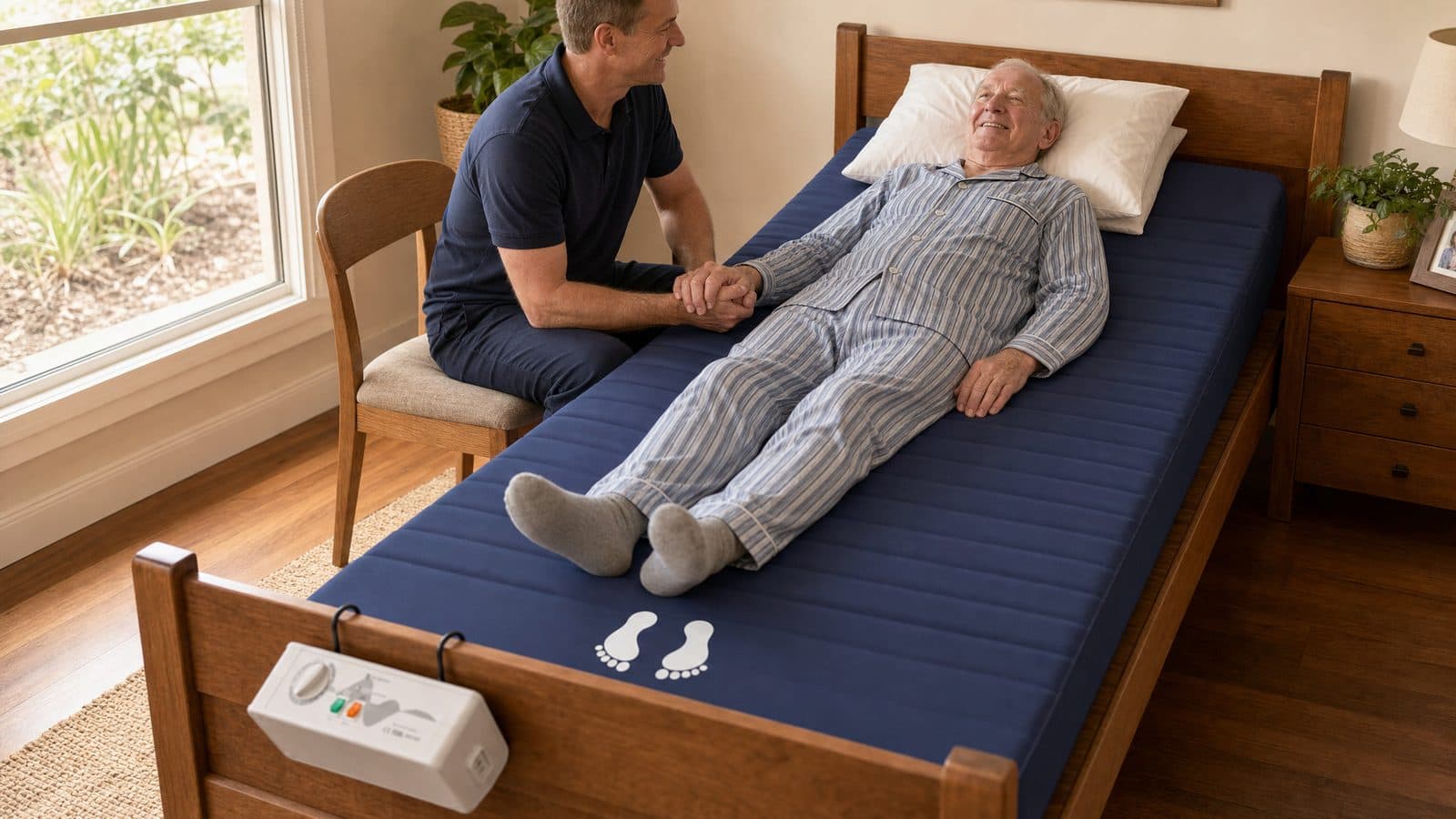
Most people think sleep is just rest, but for anyone battling depression, the quality of that rest can change a day.
When the night feels heavy, a bed that lets you tilt, lift, and find a comfy angle can cut the fog and give your mind a break. Imagine lying flat, then gently raising your head until breathing feels easier, or lowering your legs to ease tension – that simple move can calm nerves without any meds.
Here’s why it matters: depression often brings low energy and poor sleep cycles. An adjustable bed lets you experiment with positions that support a natural sleep rhythm. Start by setting the head at a 30‑degree angle for a few nights. If you feel more relaxed, keep a log of how you sleep and mood shift. If you’re a caregiver, you can help the person you’re caring for find the right tilt without lifting them.
Practical tip: combine the bed’s position changes with a calming bedtime routine – dim lights, soft music, and a few deep breaths. The body gets a signal that it’s time to wind down, and the mind follows.
Sleep Sophie’s range includes models designed for therapeutic use, with quiet motors and easy‑to‑reach controls. You can read more about what to look for in an adjustable bed in the Features to look for in an adjustable bed guide.
Pairing a better night’s sleep with overall wellness support can boost mood over time.
Step 1: Choose the Right Adjustable Bed Features for Mood Support
The right features can lift your mood night after night.
Start with the head‑tilt function. A gentle 30‑degree lift opens the airways and can calm racing thoughts. If that feels good, lock that angle and note how you sleep.
Next, look for a leg‑elevate option. Raising the legs a few inches eases pressure on the lower back and can reduce the heaviness that often comes with low mood.
Quiet motors matter too. A bed that hums softly won’t wake you up and will let the mind drift more easily. Sleep Sophie’s therapeutic line offers this kind of silent lift.
Consider built‑in USB ports or a night‑stand lamp that follows the head‑tilt. Having a light right where you need it can keep the routine smooth.
For extra comfort, pair the bed with soft ear protection if you share a space with snoring or city noise. A guide on silicone earplugs for noise sensitivity shows which style works best for side sleepers.
Health coaching can help you turn these adjustments into lasting habits.
If you need a boost of nutrients to keep energy steady, a trusted supplement source like Great Bite Supps can complement the restful nights you’re building.
Give it a week and see how the change feels.
Step 2: Positioning Your Bed for Optimal Comfort and Light Exposure
First, think about morning light. Soft sunshine can lift mood, harsh glare can pull you back.
Step 1: Pull the curtains just enough for a gentle glow. Then raise the head 10‑15° using the bed’s head‑up function. This opens the airway and lets light reach your eyes without glare.
Step 2: Lower the foot end a few inches. Dropping the legs helps blood flow and eases morning stiffness, especially for anyone with chronic pain.
Match the window
Check where the window sits. If it’s on the left, angle the head to the right so light slides across, not straight at you. If the window is behind the bed, place a low lamp on the nightstand that mimics sunrise.
Test and tweak
Try each set‑up for two nights. In the morning, jot how you feel: rested, groggy, or ready to move.
When you find the sweet spot, save it to the remote’s memory button. One press will bring the bed back to the exact tilt that helped you feel best.
Sleep Sophie’s beds feature quiet motors and easy‑to‑reach controls, making these adjustments simple for you or a caregiver.
By pairing the right tilt with gentle morning light, you give your brain a calm cue to start the day, which can lift mood over time.
Step 3: Incorporate Relaxation Routines with Your Adjustable Bed
First, think about winding down. The bed’s head‑up function can create a cosy angle that lets you read or listen without straining your neck.
Try this: set the head 20‑30° and lower the foot a little. Turn on a soft lamp or a dim night‑light. Let a calm playlist play at low volume. You’ll feel the day melt away.
Gentle stretch before sleep
While the bed holds you in a relaxed pose, do a few easy stretches. Reach your arms overhead, then let them fall loose. Bend your knees slightly and roll your ankles. These moves loosen tight muscles and send a signal to your brain that it’s time to rest.
Breathing cue
Place one hand on your chest, the other on your belly. Breathe in for four counts, out for six. The adjustable position keeps your spine aligned, making the breath feel deeper. Do this for two minutes and notice the tension ease.
If you have a caregiver, they can help set the perfect angle with the remote’s memory button. One press brings you back to the exact tilt that helped you feel calm last night.
Adding a simple aromatherapy diffuser nearby can boost the routine. A whiff of lavender or eucalyptus mixes with the gentle tilt to create a soothing pocket of calm.
These small steps turn your adjustable bed into a nightly sanctuary, a key part of an adjustable bed for depression relief Australia plan.
Step 4: Maintain Your Bed and Monitor Progress
Keeping your adjustable bed in good shape is as important as picking the right tilt. A clean, smooth‑running bed helps you stay comfortable night after night, which is a core part of an adjustable bed for depression relief Australia routine.
Daily care
Wipe the mattress surface with a soft, damp cloth every evening. Spot‑clean any spills right away – a little water and a gentle cleanser are enough. Check the remote batteries once a week; fresh cells keep the memory button reliable.
Give the motor tracks a quick visual scan each month. Look for dust or debris that could jam the gears. A quick vacuum with a brush attachment clears most buildup. If the bed makes odd noises, tighten any visible screws and call a service tech.
Track how you feel
Set up a simple sleep‑mood log. Write down the tilt you used, the time you fell asleep, and a quick 1‑5 rating of how you felt in the morning. Over a week you’ll spot patterns – maybe a 20‑degree head‑up works best, or a foot‑down helps your legs.
Ask a caregiver to add notes if they help you adjust the bed. Their observations can fill gaps when you’re too tired to write.
Review the log every two weeks. If a certain angle consistently yields higher scores, make it a saved preset. If a setting feels worse, tweak it a few degrees and test again.
Sticking to these small habits lets the bed stay reliable and gives you clear data to fine‑tune your sleep environment for better mood.
Step 5: Compare Top Adjustable Bed Models Available in Australia
Finding the right bed feels like a puzzle. You want a model that lifts mood, helps with breathing, and won’t break the bank. Below are three solid picks that cover the most common needs.
Take a look at the full rundown in the Best Electric Adjustable Bed Australia: Top Picks for 2026 guide for deeper specs.
Here’s a quick side‑by‑side view so you can spot the differences at a glance.
| Model | Key Feature | Ideal For |
|---|---|---|
| Sophie HiLo Adjustable Bed | Full vertical Hi‑Lo motion, whisper‑quiet motor, wireless remote | Seniors, NDIS participants, caregivers who need easy bed‑in/out |
| MobilityShopDirect Hi‑Lo Base | Hi‑Lo lift, optional split‑base, mid‑range price | Couples who want independent settings, budget‑aware shoppers |
| Basic Single Incline Base | Head‑up only, wired remote, lower band | Solo sleepers, first‑time buyers looking for simple tilt |
When you compare, ask yourself three quick questions: Does the motor stay silent at night? Can the remote be reached from the side you sleep on? Is the warranty covering at least five years? Answering these will steer you toward the model that feels right for your mood‑support plan.
Conclusion
Choosing the right adjustable bed can change how you feel when the night feels heavy. A quiet motor, easy remote and a tilt that eases breathing give you a simple tool to lift mood.
Remember the three quick checks: does it stay silent, can you reach the controls from your side, and does the warranty last at least five years. If the answer is yes, you’re likely on the right track for an adjustable bed for depression relief Australia.
Start with a gentle head‑up angle, log how you feel each morning, and tweak the setting until you notice a steadier mood. Small habits add up, and the bed becomes part of a broader routine that supports sleep and wellbeing.
Ready to try? Look for a model that matches your needs, set a reminder to check the remote batteries, and give yourself a few weeks to see the difference.
FAQ
What is an adjustable bed for depression relief Australia?
An adjustable bed for depression relief Australia lets you raise or lower the head and foot sections. Changing the angle can ease breathing, lower tension and help you feel calmer at night. In Australia, many people with low mood find that a gentle head‑up tilt reduces night‑time rumination and leads to a steadier mood in the morning. The bed works as a simple tool, not a cure.
How do I choose the right tilt for mood support?
Start with a 15‑30 degree head‑up angle. Sleep for a couple of nights and note how you feel when you wake. If you feel less groggy, keep that setting. If your legs feel heavy, try a small foot‑down tilt. Small tweaks can make a big difference, so treat it like a habit that you test and log. Give yourself a week at each angle before deciding.
Can an adjustable bed help NDIS participants with depression?
Yes. The National Disability Insurance Scheme covers therapeutic bedding when it improves wellbeing. An adjustable bed lets a caregiver set the perfect angle without lifting the person. This reduces strain for both sides and can create a calmer night, which many NDIS users report helps their mood over time. Ask your support planner to include it in your plan if you think it will aid daily living.
Is the noise level important for mental health?
A quiet motor is key. Sudden clicks or hums can interrupt deep sleep and raise stress. Look for models that are marketed as “whisper‑quiet” or have a decibel rating below 40 dB. When the bed runs silently, your brain can stay in the restorative sleep stage longer, which supports a steadier mood. A lower noise level also helps partners or caregivers sleep better, making the whole night more peaceful.
How often should I clean and maintain the bed?
Wipe the mattress surface with a damp cloth each night. Spot‑clean spills right away. Check the remote batteries weekly and tighten any loose screws you see. A quick monthly glance at the motor tracks for dust keeps the bed smooth and prevents noisy hiccups that could disturb sleep. If you hear any grinding, turn off the power and call a service tech before the issue gets worse.
Do I need a special mattress for depression relief?
A firm yet supportive mattress works best with an adjustable base. It keeps the spine aligned when the head or foot is raised. Memory foam or hybrid options that breathe well help regulate temperature, so you stay comfortable all night. Pairing the right mattress with the bed’s tilt gives the best chance for a calm mind. Choose a cover that is easy to wash, so you keep the sleeping area fresh and inviting.
This article is general information, not medical advice. For guidance on your situation, talk to your GP or occupational therapist.
Wondering if an adjustable bed would suit your situation?
Our sleep experts talk with Australians in similar situations every day. No pressure, no jargon — just honest answers about what may help you rest more comfortably.
1300 975 337 (1300 9 SLEEP) · Australian-based team · Explore the Sophie adjustable bed range
Rated 4.8 from 227 reviews on ProductReview.com.au · Free in-home demonstration · Interest-free options via Humm, Brighte & Payright for approved purchasers
Using NDIS or Support at Home funding?
Sleep Sophie is a registered NDIS provider (4050070896), and Sophie adjustable beds and lift recliners are ARTG-registered Class 1 medical devices (ARTG 326115). Beds can be funded through NDIS assistive-technology budgets where an occupational therapist recommends them; the Support at Home program has its own equipment pathway. We prepare quotes suitable for plan approval — see how NDIS funding works or Support at Home, or call and we’ll walk you through it.