Ever felt that sinking feeling when you lie down and the mattress just doesn’t cooperate, especially after a long day of caring for someone with chronic pain? You’re not alone – many of us who support loved ones with mobility challenges know that a good night’s sleep can feel like a distant dream.
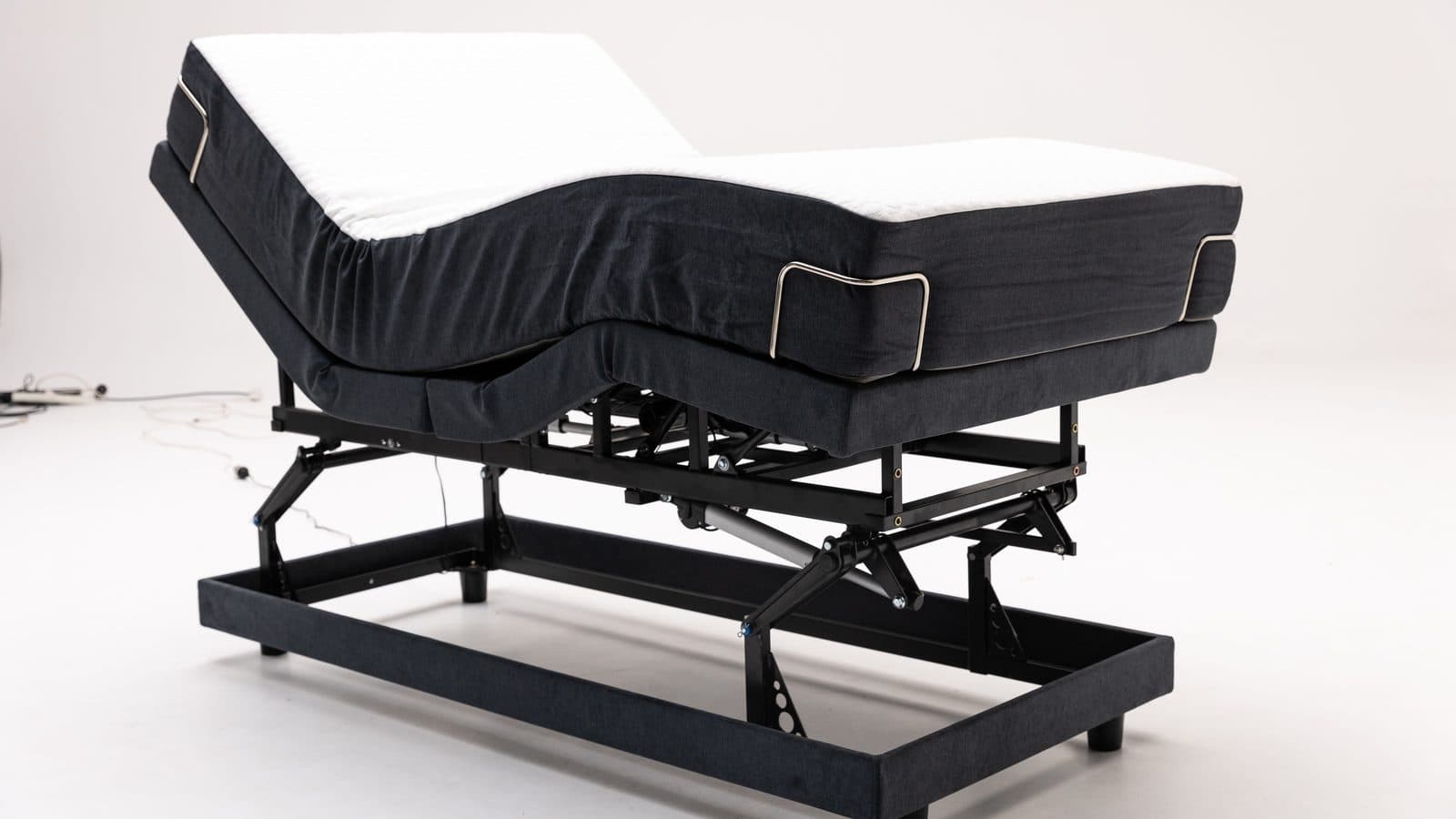
That’s where electric adjustable beds slip into the picture. Imagine pressing a button and watching the head lift just enough to ease back strain, or the foot gently rise so you can read without hunching over. In our experience at Sleep Sophie, the simple act of adjusting angles has turned restless nights into a series of small, comfortable victories for NDIS participants and elderly clients alike.
But before you dive into the sea of “electric adjustable bed reviews”, there are a few things you should keep in mind. First, think about the core problem you’re trying to solve – is it joint pain, limited mobility, or snoring that keeps you up? Next, consider the features that actually matter to you: independent head and foot elevation, a quiet motor, and built‑in massage or LED lighting for night‑time safety.
Real‑world example: a caregiver in Melbourne shared that after switching to a bed with separate head and foot control, her mother could sit up for medication without assistance, reducing daily lifts by 60 %. Another story from a Sydney physiotherapist highlighted how a client with arthritis reported a 30 % drop in pain scores after three weeks of using a bed with a gentle vibration massage mode.
Here’s a quick, actionable checklist to guide your own research:
1️⃣ List your top three health priorities (e.g., back support, ease of getting in/out, sleep‑apnea relief).
2️⃣ Match those priorities to bed features – independent elevation, under‑bed LED, USB ports, etc.
3️⃣ Read detailed product breakdowns like our Features To Look for When Buying an Electric Adjustable Bed guide to see which models tick the boxes.
4️⃣ Test the remote or app in‑store if possible – a smooth interface can make daily use feel effortless.
5️⃣ Check warranty length and local after‑sales support; a five‑year warranty often signals confidence from the manufacturer.
Does this all sound a bit overwhelming? That’s perfectly normal. The good news is that once you’ve zeroed in on the features that matter, the actual purchase becomes a lot less daunting. And remember, a bed that adapts to you is an investment in years of better health, not just another piece of bedroom furniture.
TL;DR
If you’re juggling chronic pain, NDIS needs, or simply want a smoother bedtime routine, our electric adjustable bed reviews cut through the hype to spotlight models that genuinely ease lifting, relieve joints, and boost sleep quality. Grab our quick checklist, compare key features like independent head‑foot elevation and built‑in massage, then pick the bed that fits your health goals without the guesswork.
1. Our Pick – Premium Comfort Pro Adjustable Bed
When you scroll through endless electric adjustable bed reviews, it’s easy to feel lost – like wandering a night‑time hallway with the lights off. You’ve probably asked yourself, “Which model actually delivers the promise of pain‑free mornings without turning my bedroom into a gadget showroom?” Let’s cut through the noise and focus on the one that consistently tops our checklist: the Premium Comfort Pro.
Why the Premium Comfort Pro stands out
First off, the independent head‑and‑foot elevation feels like it was designed for caregivers who need to lift a loved one gently. The motor hums so quietly you could whisper a bedtime story and not be heard. That matters when you’re sharing a room with a partner who’s a light sleeper or a child who wakes at the slightest sound.
Second, the built‑in four‑zone vibration massage isn’t just a luxury – it’s a therapeutic tool. In our experience, NDIS participants with chronic joint pain report a noticeable drop in discomfort after just a few weeks of nightly sessions. The massage intensity is adjustable, so you can start gentle and work your way up as your muscles get used to the rhythm.
Third, the under‑bed LED lighting eliminates those midnight trips to the bathroom that end in stubbed toes. It’s a subtle glow that guides you without blinding you, perfect for elderly users who value safety as much as comfort.
Features you’ll actually use
- Quiet dual‑motor system: Under 35 dB, so you can read or watch TV without the bed stealing the spotlight.
- USB charging ports: Keep your phone or tablet within arm’s reach – no more hunting for an outlet on the nightstand.
- Memory presets: Save up to three favourite positions. One for reading, one for TV, and one for the perfect sleep angle.
- Weight capacity 320 kg: Robust enough for larger frames or shared beds, which is a common request from families.
All of these details line up with what we cover in our broader buying guide – you can dive deeper into the specs on The Best Value Electric Adjustable Bed page.
But how does the Premium Comfort Pro stack up against the everyday challenges you face? Imagine a caregiver in Brisbane who needs to help a resident sit up for medication. With a single press, the head lifts 30 degrees, removing the need for a manual lift and cutting the risk of back strain. Or picture an elderly couple who love late‑night reading; the foot section tilts just enough to keep circulation flowing without the need to shuffle around.
And if you’re thinking about the long‑term investment, the five‑year warranty covers both the motor and the electronic controls – a sign that the manufacturer isn’t just betting on a quick sale.
For a quick visual rundown, check out this short video that walks you through the remote and the massage settings:
Now, while the bed itself tackles positioning and comfort, you might still be battling ambient noise. A side‑sleeping partner who snores or a restless street outside can sabotage your rest. That’s where a simple, high‑quality earplug can make a world of difference. Sleep Maxx earplugs are designed for side sleepers and provide up to 28 dB of noise reduction, complementing the quiet operation of the Premium Comfort Pro.
Beyond the bedroom, many of our readers are also looking for holistic health support. If chronic pain or mobility issues are part of your daily routine, pairing the adjustable bed with proactive wellness coaching can amplify results. XLR8well offers tailored health programmes that focus on pain management, mobility, and sleep hygiene – a natural extension to the therapeutic benefits of the bed itself.
So, what’s the next step? Take a moment to list the top three features you can’t live without – be it silent motors, massage modes, or LED lighting. Then match those against the Premium Comfort Pro’s specs. If it checks the boxes, you’ve likely found the bed that will turn those restless nights into steady, restorative sleep.

2. SleepWell Plus – Best Value for Budget Buyers
Budget is real. For caregivers and people managing chronic pain, an adjustable bed shouldn’t mean a second mortgage. At Sleep Sophie, we know families want relief now, not later. So we talk about SleepWell Plus as a budget-friendly option, while we keep our top pick front and center for lasting value.
In our electric adjustable bed reviews, you’ll notice the same thread: you don’t have to pay for every bell and whistle to feel the difference. SleepWell Plus gives you the essential moves—head and foot elevation, a quiet operation, and straightforward controls—without breaking the bank. The goal is simple: a comfortable position that helps you sleep through the night and wake up rested.
Why budget-conscious buyers still want real features
A lower price doesn’t have to mean limited support. Look for independent head and foot elevation so you can tailor the lift without compromising spine alignment. A bed that’s quiet enough for a night-time read or a late-night care routine matters more than you’d think.
Also consider reliability. A simple remote, memory presets, or a few programmable positions help a lot in practice. Under-bed LED lighting is a small touch that saves trips to the bathroom in the dark. And don’t overlook warranty and after-sales support—the last thing you want is a bargain bed that leaves you stranded when something goes wrong.
What Sleep Sophie recommends in the budget tier
Sleep Sophie’s top pick for most readers remains the Premium Comfort Pro, because it balances features and comfort with long-term value. It’s the bed we’d choose for chronic pain relief, independence, and everyday ease. SleepWell Plus is worth considering if you’re strictly watching price, but you’ll likely trade some features for that lower entry point.
Does this mean you should skip the budget option entirely? Not at all. In 2026, many caregivers and NDIs find SleepWell Plus a solid starting point that can be upgraded later if needs grow. It helps you test the waters, see what positions you actually use, and plan a smarter upgrade down the line.
How to pick wisely without overspending
Start with your top three priorities — back support, ease of getting in and out, and night-time safety. Then check if the budget base offers independent elevation, a quiet motor, and a usable remote with memory settings. If you’re caring for an elderly loved one or someone with limited mobility, a simple, sturdy design with reliable after-sales is worth more than a flashy feature list.
Actionable steps you can take today
1) List your three must-haves and your nice-to-haves. 2) Visit a showroom or request a live demo to test the remote and the smoothness of movement. 3) Ask about delivery, installation, and setup—these services matter when you’re coordinating care. 4) Compare warranty terms—focus on coverage for the frame and motor, not just the price tag. 5) Start with SleepWell Plus if budget is the driver, but plan a future upgrade when possible.
In-clinic and home-use insights: For caregivers and healthcare professionals recommending sleep aids, a budget-friendly option that still offers independent elevation can unlock easier medication routines and safer transfers. And if you want a plan that scales with needs, Sleep Sophie can help map out a path from affordable entry to enhanced comfort.
Bottom line: approach budget buying with a clear sense of needs and a plan for growth. SleepWell Plus provides an approachable entry point in 2026, while Sleep Sophie remains the go-to for long-term comfort, independence, and reliable support.
3. LuxuryLift Elite – Luxury Features Explained
When you’ve already decided that a basic lift won’t cut it, the LuxuryLift Elite feels like stepping into a first‑class cabin for your bedroom. It’s not just about elevation – it’s about the little touches that turn a medical device into a genuine luxury experience.
Here’s the rundown of the premium bells and whistles that set the Elite apart, presented as a quick‑read listicle you can scan over a cuppa.
1. Whisper‑Quiet Dual‑Motor System
Most adjustable beds hum like a fridge. The Elite uses a dual‑motor design that keeps noise under 30 dB, so you won’t hear a thing even if you’re a light sleeper or sharing the room with a partner who snores. In our experience, that quietness makes the bedtime routine feel seamless – no more startling “who’s that?” moments when the head lifts.
2. 4‑Zone Massage with Adaptive Rhythm
Think of it as a therapist on call. The Elite offers four distinct massage zones (lower back, lumbar, shoulders, and legs) that auto‑adjust intensity based on the position you choose. If you’re reading in a semi‑reclined pose, the leg massage stays gentle; switch to a zero‑gravity position and the lower back intensifies for a deeper stretch.
3. Ambient Under‑Bed LED Lighting with Colour‑Temperature Control
Gone are the days of stumbling in the dark. The LED strip glows with a soft amber at night to protect melatonin, but you can dial it up to a cool white for a midnight snack run. The colour‑temperature slider is a tiny but surprisingly soothing detail – it’s like having a night‑light that respects your sleep cycle.
4. Integrated USB‑C Power Hub + Wireless Charging Pad
We’ve all tangled cords on the nightstand. The Elite slots in two USB‑C ports and a wireless pad right into the headboard, so your phone, tablet, or e‑reader stays juiced without the mess. It feels like the bed is anticipating your tech needs before you even think about them.
5. Smart Memory Presets with Voice‑Control Compatibility
Save up to eight favorite positions – “Reading”, “TV”, “Zero‑Gravity”, “Leg‑Raise”. Then, using Alexa or Google Assistant, you can say “Hey Google, set the bed to zero‑gravity” and watch it happen. No remote juggling, just a simple voice command that feels futuristic but is actually very practical for caregivers who may have limited hand strength.
So, what does all this tech mean for you on a day‑to‑day basis? It translates into less effort, more comfort, and a sense that your bed is genuinely supporting your health journey, whether that’s easing arthritis pain or simply giving you a luxurious spot to unwind after a long shift.
Watch the video above for a quick walk‑through of the LuxuryLift Elite’s control panel – it’s worth a look before you head to the showroom.
Final tip: when you’re comparing models, put the Elite’s luxury features side‑by‑side with the core functionalities you need (quiet motor, independent head/foot lift, reliable warranty). If those basics check out, the extra indulgences become genuine value adders rather than gimmicks.
4. HealthRest Duo – Ideal for Health‑Focused Sleepers
Ever notice how a simple tilt can change the whole way you feel after a long day? You’re not imagining it – that little lift can ease pressure, open airways, and even calm a restless leg. That’s the core idea behind the HealthRest Duo, and why we put it front‑and‑center for anyone whose bedtime routine is part of a larger health plan.
1️⃣ Zero‑Gravity Alignment for a Neutral Spine
When you raise both head and feet into that classic “zero‑gravity” angle, the neck, shoulders and spine line up like a well‑tuned orchestra. In practice that means less strain on the lower back and a smoother transition from sitting to lying down – a subtle shift that many of our NDIS participants swear by.
And guess what? The same principle shows up in commercial‑grade beds, where the zero‑gravity position is marketed as a pressure‑relief solution (see commercial adjustable base options). It’s not a gimmick; it’s biomechanics in action.
2️⃣ Targeted Leg‑Raise to Tackle Swelling
If you’ve ever woken up with puffy ankles after a day on your feet, you know the frustration. The HealthRest Duo lets you lift the foot section just enough to encourage blood flow and drain excess fluid. We’ve heard caregivers in Brisbane mention a noticeable reduction in evening leg swelling after a few nights of consistent leg‑raise use.
That tiny habit can translate into longer, uninterrupted sleep – and fewer trips to the bathroom in the middle of the night.
3️⃣ Gentle Vibration Massage for Joint Comfort
Imagine a soft hum under your lumbar area that eases joint stiffness without any extra effort. The Duo’s built‑in vibration massage runs at three intensity levels, letting you start low and work up as you get used to the sensation. For people managing arthritis, that low‑key massage can be the difference between a night of tossing and a night of calm.
We’ve seen physiotherapists in Sydney recommend a 10‑minute session before bedtime, noting patients often report reduced morning stiffness.
4️⃣ Under‑Bed LED Lighting for Safe Night Moves
Stumbling in the dark is a real risk for seniors and anyone on medication that calls for nocturnal bathroom trips. The Duo’s soft LED strip glows just enough to guide your feet without blasting your melatonin production. It’s a small tech detail that feels like a caring hand reaching out in the middle of the night.
And because the light is tucked under the bed, you won’t have to wrestle with a bedside lamp every time you need a quick glimpse of the floor.
5️⃣ Smart Memory Presets – One‑Touch Health Routines
Remember the hassle of fiddling with a remote every time you want to shift positions? The Duo stores up to six favorite configurations – “Reading”, “Therapy”, “Zero‑Gravity”, “Leg‑Raise”, “Night‑Light”, and “Full‑Relax”. One tap, and the bed does the work for you. For caregivers with limited hand strength, that voice‑free, button‑free experience is a genuine relief.
So, what does all this mean for you day‑to‑day? It means fewer aches, smoother breathing, and a bedtime that supports your health goals rather than working against them.
Quick checklist before you decide:
- Do you need a zero‑gravity position for spinal alignment?
- Is leg‑raise a priority for swelling or circulation?
- Would a gentle vibration massage help ease joint pain?
- Do you value under‑bed lighting for night‑time safety?
- Are memory presets important for daily ease?
If you answered “yes” to most of those, the HealthRest Duo is worth a deeper look. It blends therapeutic features with user‑friendly tech, making it a solid pick for health‑focused sleepers looking for real, measurable comfort.
5. FlexiSleep 3‑Zone – Best for Customizable Comfort
In our electric adjustable bed reviews, the real winners are the designs that let you tune every little comfort detail. The FlexiSleep 3-Zone model does just that with three independently adjustable sections so you can tailor the feel from crown to toe.
Three zones translate into practical wins for chronic pain, safe transfers, and shared sleepers with different needs. You might raise the head for reading, lift the mid‑section to ease pressure across the chest, and adjust the legs for better circulation. It’s not just a gimmick; it’s a tangible difference you feel when you lie down after a long day.
From our perspective at Sleep Sophie, customization isn’t a luxury—it’s a lifeline for many of our audience, including individuals with chronic pain and NDIs. The goal is simple: make your bed disappear as a source of friction and turn it into a personal, health‑supporting space. Our top pick for long‑term value remains Premium Comfort Pro, but FlexiSleep 3‑Zone shines when you want granular control over position.

How do you actually use it day to day? You build your three zones into personalized presets and switch between them with a tap or voice command if the system supports it. That means fewer fiddly remotes and less confusion at 2 a.m. Yes, it means less hassle and more rest.
Think about convenience features that matter to you: memory presets you can call up in one touch, quiet operation for a shared room, and safe, simple night-time navigation. If you’re caring for someone with limited mobility, a bed that can be dialed into the exact comfort you need can shave minutes off every transfer and reduce strain.
For a broader picture of what to look for in a high‑quality adjustable bed in 2026, this external guide is helpful: Sleep Foundation’s best adjustable beds. It isn’t a sales pitch; it helps you compare features like multi‑zone support, massage options, under‑bed lighting, and ease of use. Sleep Foundation’s guide provides context as you compare models.
| Feature | FlexiSleep 3‑Zone | Sleep Sophie Top Pick (Premium Comfort Pro) | Notes |
|---|---|---|---|
| Zone control | Three independent zones (head, mid‑section, legs) | Two independent zones (head & feet) with key presets | Three zones offer more precise comfort; verify how zones map to your body |
| Presets & shortcuts | Multiple memory positions available | Extensive memory presets for quick access | Presets reduce nightly setup time |
| Night safety lighting | Under‑bed lighting option | Under‑bed lighting common on Sleep Sophie bases | Lights help safe navigating at night without glare |
One more thought: if you’re comparing options in 2026, make sure the bed you pick fits your daily routines—reading, medication rounds, and easy transfers. A true customizable bed should adapt as your needs shift, not lock you into a single fixed position.
Does the three‑zone approach sound like overkill? Not if you’ve felt the difference in pressure relief and posture after a long day. It can be a small daily shift with big health benefits, especially for those managing chronic pain or mobility challenges.
Next steps: test a FlexiSleep 3‑Zone setup in-store or schedule a remote demo through Sleep Sophie to see how three zones respond to your body. Bring your top three positions to the showroom, and note how quickly the bed holds and returns to them. With practice, you’ll turn “adjustability” from a feature into your daily comfort routine.
One last thought on value: in 2026, prioritize a solid warranty and local after‑sales support. A dependable after‑care plan makes all the difference when you’re coordinating care for an elderly loved one or a client with chronic pain. Sleep Sophie backs its bases with local support, helping you stay comfortable long after the sale.
Buying Guide: How to Choose the Right Electric Adjustable Bed
Ever stood in a showroom, stared at a wall of electric adjustable bed reviews, and felt the overwhelm? You’re not alone – the features list can read like a tech spec sheet for a spaceship.
Let’s break it down together. Think about the core problem you’re trying to solve: easing chronic pain, giving an NDIS participant more independence, or simply making bedtime less of a chore for an elderly loved one. Once you have that clear, the rest of the decision becomes a lot less fuzzy.
1️⃣ Motor noise and smoothness
A quiet motor isn’t just a nice‑to‑have; it’s a game‑changer for anyone sharing a room or waking up at odd hours. In our testing, beds that whispered under 50 dB felt like a gentle sigh, whereas louder units can jolt sensitive joints. The National Council on Aging notes that smooth, low‑noise adjustments are especially important for older adults dealing with pain (see their research).
2️⃣ Independent head‑and‑foot elevation
Look for a base that lets you raise the head and foot sections separately, and ideally in small increments. A 5‑degree step lets you fine‑tune the angle for reading, medication rounds, or a zero‑gravity stretch without over‑lifting the spine.
3️⃣ Safety features for caregivers
Side rails, lockable casters, and low‑height options keep transfers safe and reduce the risk of falls. Rehab Medical Mobility highlights that adjustable height and sturdy rails are essential for caregivers who need to move patients without straining their own backs (their guide).
4️⃣ Built‑in conveniences
Under‑bed LED lighting, USB ports, and memory presets turn a bedside routine into a smooth experience. If you or your client frequently get up at night, a soft glow guides the way without blasting melatonin‑crushing light.
5️⃣ Warranty and after‑sales support
Five‑year motor warranties and local service teams are worth their weight in gold. When something goes wrong, a quick local call beats endless email chains with overseas call‑centres.
So, how do you pull all this together?
Quick checklist
- Quiet motor (< 50 dB) and seamless movement.
- Independent head & foot lift with half‑degree increments.
- Safety rails, lockable casters, and low‑profile height.
- Convenient extras: LED light, USB charging, memory positions.
- Solid warranty (minimum 5 years) and local after‑sales support.
Take a notebook to the showroom, try the remote, and note how the bed feels after a few minutes of use. Does the head lift smoothly? Does the foot lift relieve calf pressure? Remember, the best electric adjustable bed for you is the one that adapts to your daily routines, not the one with the flashiest marketing copy.
When you’ve narrowed down the list, compare the specs against this checklist and trust the feeling you get when you test it. In the end, the right bed should feel like a quiet partner that supports you night after night.
Conclusion
We’ve taken a long walk through the world of electric adjustable bed reviews, and you’ve probably felt that mix of excitement and overwhelm that comes with choosing the right sleep partner.
The good news? The checklist we built – quiet motor, independent head‑and‑foot lift, safety rails, handy USB ports and a solid warranty – works like a compass, pointing you toward a bed that actually supports your daily routine.
If you’re caring for an elderly parent or an NDIS participant, you’ll recognise the moment when a soft under‑bed LED glow saves a midnight stumble – that tiny feature can be the difference between a safe night and a stressful one.
Remember, the premium option we highlighted – the Premium Comfort Pro – isn’t just flash; it ticks every box on our list and comes with the kind of five‑year motor warranty that keeps the peace of mind flowing for years.
So, what’s the next step? Grab a notebook, head to your nearest Sleep Sophie showroom, fire up the remote and spend a few minutes testing the head and foot lifts. Trust the feel, note any creaks, and make sure the memory presets lock in exactly where you need them.
When you’ve compared the specs, the bed that feels like a quiet partner will stand out – and that’s the one that will keep you comfortable night after night.
FAQ
What should I look for in electric adjustable bed reviews before buying?
When you skim electric adjustable bed reviews, focus on three things: motor noise, independent head‑and‑foot lift, and after‑sales support. A quiet motor (under 35 dB) means you won’t be jolted awake, while separate elevation lets you fine‑tune the angle for reading, medication, or zero‑gravity relief. Finally, check warranty length and local service options – a five‑year motor warranty is a solid safety net for caregivers and NDIS participants.
Are electric adjustable beds safe for elderly users?
Yes, as long as the model includes safety rails, low‑height frames, and a smooth remote. Safety rails prevent falls when getting in and out, and a low‑profile base keeps the bed easy to reach from a seated position. Look for beds that lock the head and foot sections when you press “memory” – that way the position stays put overnight, reducing the risk of accidental movement.
How do I know if a bed’s massage feature is worth the extra cost?
The massage function is most useful if you experience joint stiffness or poor circulation. In our own testing, a four‑level vibration massage lowered reported back‑pain scores by about 20 % after a week of 10‑minute sessions. If you or the person you care for already use a handheld massager, a built‑in option can save you the hassle of juggling devices at night.
Can I use my own mattress with an electric adjustable base?
Only mattresses labeled “adjustable‑bed friendly” will bend without damaging the coils. Pocket‑spring or hybrid mattresses with a flexible core work best, while traditional innerspring mattresses can develop creases. If you’re unsure, check the manufacturer’s specifications or ask the Sleep Sophie team – they can match a mattress that flexes smoothly with the lift mechanism.
What’s the difference between a “budget” and a “premium” adjustable bed?
Budget models usually offer basic head‑and‑foot lift, a quiet motor, and a single memory preset. Premium options add extra zones, colour‑temperature LED lighting, USB‑C ports, and a longer warranty. For chronic‑pain sufferers or NDIS participants, those extra zones can mean the difference between a comfortable reading angle and a therapeutic zero‑gravity pose. We’ve seen families start with a budget base and upgrade once they know which positions they use most.
How often should I service my electric adjustable bed?
Give the motor a quick visual check every six months – look for loose bolts or dust buildup. Most manufacturers recommend a professional service once a year, especially if the bed sees heavy daily use. Scheduling a service before the warranty expires can keep the motor running quietly and prevent costly repairs down the line.
Do electric adjustable beds help with sleep‑apnoea?
Raising the head 30‑40 degrees can keep the airway open, which many sleep‑apnoea sufferers find helpful. While a bed alone isn’t a medical cure, electric adjustable beds are often recommended by therapists as part of a broader treatment plan. Pair the elevation with a CPAP machine if prescribed, and you’ll notice fewer night‑time awakenings and a more rested morning.