
Buying an electric adjustable bed in Australia feels like stepping into a new level of comfort. You get more than a bed – you get a tool that eases back pain, helps you breathe easier, and lets you read or watch TV without leaving your spot.
But the real peace‑of‑mind comes from knowing your investment is protected. In Australia, most premium brands back their beds with a five‑year motor and frame warranty that covers defects in workmanship and materials. That means if the motor stalls or the frame cracks under normal use, you won’t be left holding the bill. You can read the full Warranty details on our site to see what’s covered and how to make a claim.
Here’s a quick checklist to keep your warranty intact: first, install the bed on a flat, even floor as the warranty requires a proper foundation. Second, avoid using an unsupported or worn‑out mattress that could damage the base. Third, keep your purchase receipt and a photo of the problem ready – the claim process asks for both. Finally, follow the care tips in the user guide, like rotating the mattress every few months and wiping the motor vents clean.
If you’re curious about other ways to protect your home investments, you can explore Your Complete Guide to Photo Booth Rental Temecula for ideas on event safety and equipment care.
Understand the Basics of Electric Adjustable Bed Warranties in Australia
When you buy an electric adjustable bed, the warranty is the safety net that lets you sleep easy. In Australia, most premium beds come with a five‑year motor and frame warranty, but the fine print can be a maze.
First, know what the law says. Under Australian Consumer Law you get a guaranteed right to a replacement for a major failure and compensation for foreseeable loss. That’s separate from the brand’s own warranty terms.
Step 1: Keep Your Proof of Purchase
Store the order confirmation and receipt in a safe spot. You’ll need them when you file a claim. A photo of the defect helps the maker verify the issue quickly.
Step 2: Check What’s Covered
Most warranties cover defects in workmanship and materials while the bed is used for normal domestic purposes. For example, Wholesale Direct lists coverage for motor or frame faults that happen under regular use Wholesale Direct warranty guide. Anything caused by abuse, misuse or unauthorised repairs is usually excluded.
Step 3: Follow the Care Rules
Rotate the mattress every few months. Keep motor vents clean. Use a surge protector if your area gets power spikes. Letto warns that storms and voltage swings can void the electric components warranty Letto warranty details. Simple habits can keep your claim valid.
So, what should you do if something goes wrong? Call the support line, email a brief description of the fault, attach photos, and send your proof of purchase. The maker will decide if the issue meets their warranty criteria and then arrange repair or replacement.
Watch the short video above for a visual walk‑through of the claim process.

Finally, write down the date you start the warranty – it usually begins on delivery. Mark the expiry on your calendar so you can act before it lapses. With these steps, you protect your investment and keep your sleep routine hassle‑free.
Check What’s Covered: Components and Common Exclusions
When you look at an electric adjustable bed warranty in Australia, the first thing to sort out is what parts the maker will actually fix or replace. Most makers cover the motor, the frame and the electronic controls as long as the bed is used for normal home use. That means if the motor stalls after a few months, you can claim a repair at no cost.
But not everything is covered. Anything that comes from a spill, a burn, a drop or a DIY fix is usually left out. For example, a broken remote that you tried to mend yourself won’t be fixed under the warranty. The same goes for wear on the mattress cover or stains that happen because the bed wasn’t kept clean.
Here’s a quick way to check:
- Read the warranty card that came with your bed.
- Make sure you keep the proof of purchase handy.
- Look for a list of “defects in workmanship and materials”.
- Spot the “exclusions” list – it often mentions abuse, unauthorised repairs and damage from pets.
To help you compare, the table below sums up the main parts and the usual exclusions. It’s a handy cheat sheet you can print and stick on the fridge.
One practical tip: keep a short log of any odd sounds or movements. Write the date, what you felt and a quick photo. When you call support, you’ll have the info ready and the claim will move faster.
If you need more detail on common questions, the FAQs page breaks down the fine print in plain language.
For a change of pace, you can also explore ideas outside the bedroom. Your Complete Guide to Photo Booth Rental San Diego shows how event gear can be protected with simple warranties. And if you’re planning a function in a different city, Photo Booth Rental Murrieta: A Complete Guide for 2026 Events gives a clear look at what’s covered and what’s not.
How to Register Your Warranty and Keep Documentation Safe
First thing you do after the bed arrives is find the warranty card. It’s usually tucked in the box or stuck to the base. If you can’t see it, check the quick‑start guide – the info is there.
Step 1: Capture the details
Snap a clear photo of the card with your phone. Then copy the serial number, model name and the purchase date into a notes app. This one line will save you a lot of back‑and‑forth later.
Step 2: Register online or by email
Most makers have a simple web form. Fill in the fields, attach the photo you just took, and hit submit. If the brand prefers email, paste the same info into the body and attach the picture.
And don’t forget to include a short note about why you’re registering – “new bed for chronic back pain” helps the support team understand your needs.
Step 3: Back up the paperwork
Save the email confirmation to a folder called “Bed Warranty”. Put the same folder in a cloud service like Google Drive or OneDrive. That way you can pull it up from any device if the original gets lost.
Also, scan the original receipt with your phone’s scanner app and store that PDF in the same folder. A digital copy is worth its weight in gold when you’re on the phone with support.
Step 4: Mark the start date
Open your calendar app and create an event called “Warranty starts – electric adjustable bed”. Set it for the delivery date and add a reminder 30 days before the 5‑year mark. You’ll get a nudge to check the warranty status before it runs out.
Does this feel like a lot? It really isn’t. A few minutes now stops a headache later.
Step 5: Keep a simple log
Write down any odd sounds, smells or glitches. Include the date, a quick photo and a one‑sentence description. Keep the log in the same cloud folder. When you call support, you’ll have everything they ask for ready to go.
So, what’s the biggest win? You’ve turned a pile of paper into a searchable, safe record. Your electric adjustable bed warranty australia stays active, and you stay in control.
Tips for Making a Warranty Claim: Steps and Who to Contact
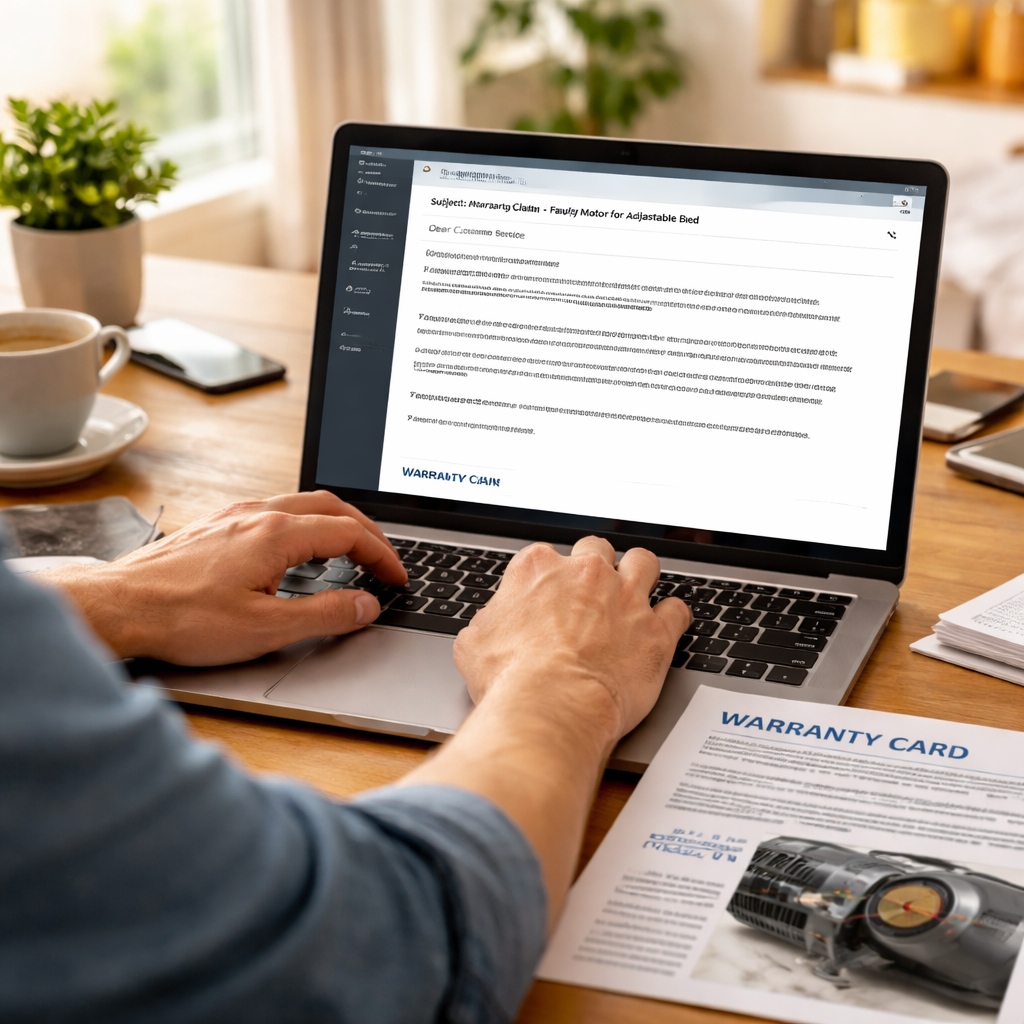
When something goes wrong, you don’t want to waste time hunting for papers or waiting on hold. Below is a quick walk‑through that keeps your electric adjustable bed warranty australia claim moving.
Step 1 – Gather the basics
Pull the purchase receipt, the warranty card photo and a clear picture of the fault. If you have a log entry (date, what you heard or saw) add it now. All of this lives in the cloud folder you set up earlier.
Step 2 – Contact the right team
Most makers have a dedicated warranty email. Look for an address that ends in @sleepsophie.com.au or the “support” line on the warranty card. If you can’t find it, a quick call to the brand’s customer service number works too. Note the name of the person you speak with and the ticket number they give you.
Step 3 – Send the claim package
In your email, write a short description of the problem. Attach the receipt photo, the warranty card and the fault picture. Keep the tone friendly, “I’m having an issue with the motor stopping after a few weeks, could you help?” works well.
Step 4 – Follow up
If you don’t hear back in 5 business days, give them a quick call. Mention the ticket number and ask if they need more info. A polite nudge often speeds things up.
Step 5 – Know what comes next
The maker may ask for a video, a third‑party inspection or to ship the base back. Most will cover the first return shipping cost if the fault is covered by the warranty.
Need a reference for how a claim is usually handled? Elite Bedding’s public warranty guide outlines the claim process and typical remedies Elite Bedding warranty guide. It mirrors the steps most Australian brands follow.
Finally, mark the next check‑in date on your calendar. A reminder before the five‑year mark gives you a chance to act before the warranty ends.
Conclusion
Keeping your electric adjustable bed warranty active is as easy as a few simple habits.
Store the receipt and a photo of the warranty card in a cloud folder. Add a calendar reminder for the five year mark.
If a motor or frame shows a fault, grab a quick video, note the date and send the details to the maker.
Most Australian brands will cover the first return shipping cost when the claim meets the warranty terms. A polite follow up call after five days keeps things moving.
So, what’s next? Make a habit of logging odd sounds now, and you’ll avoid a scramble later.
Need a clear view of what’s covered? Check the Sleep Sophie warranty page for the full list.
Remember to keep the bed on a flat, even floor, it’s a simple step that protects the motor and keeps the warranty valid.
FAQ
What does the electric adjustable bed warranty cover in Australia?
The standard electric adjustable bed warranty in Australia covers defects in workmanship and materials for the motor, frame and electronic controls when the bed is used for normal home use. It does not include damage from spills, drops, unauthorised repairs or misuse. If a component fails under normal conditions, the maker will repair or replace it at no charge.
How long does the standard warranty last and can I extend it?
The basic warranty runs for five years from the purchase date. Many brands, including Sleep Sophie, let you buy an extended plan that adds extra years for a fee. The extension starts when the original period ends, so you don’t lose any coverage time. Keep the purchase proof handy if you decide to upgrade.
Do I need to register my bed to keep the warranty valid?
You don’t have to register the bed to keep the warranty active, but registration makes the claim process smoother. It gives the manufacturer your serial number and contact details, so they can verify ownership quickly. If you skip registration, just be ready to provide the same info when you call support.
What actions can void my electric adjustable bed warranty?
A few simple actions can void your warranty. Placing the bed on an uneven floor, using a non‑supportive mattress, or connecting it to the wrong voltage are common pitfalls. DIY repairs, using third‑party parts or exposing the motor to water also break the terms. Stick to the care guide and you’ll stay covered.
How do I file a claim if a motor stops working?
First, gather your receipt, warranty card photo and a clear picture of the fault. Email or call the support address listed on the card, describe the issue in a sentence or two, and attach the images. The team will let you know if they need a video or a third‑party inspection before sending a technician.
Can I claim shipping costs for a repair under the warranty?
Most Australian makers cover the first return‑shipping cost if the repair is covered by the warranty. Ask the support rep if you need to ship the base back; they’ll usually arrange a prepaid label. Keep the tracking number and note the date you sent it, just in case you need to follow up.