
What Is a Split King Adjustable Bed? A Complete Guide
15 February 2026 · Nathan Kerrins · Updated 23 July 2026
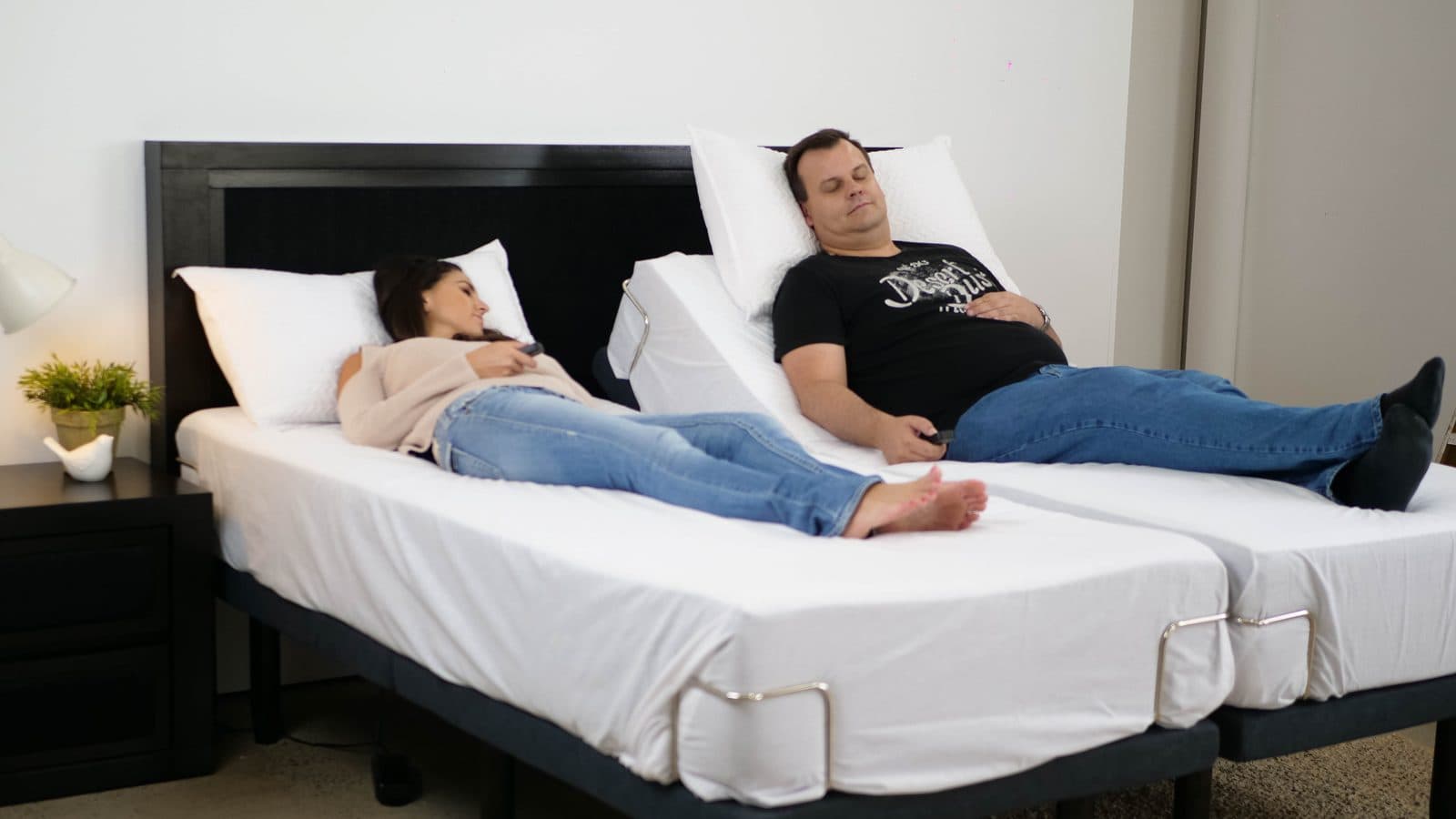
Ever stared at a bedroom layout and wondered why a regular king‑size bed just won’t quite fit the way you need it to? You’re not alone – many couples, caregivers, and even solo sleepers hit that snag when they’re looking for a bit more flexibility. That’s where a split king adjustable bed steps in, literally splitting the problem in two.
In a split king setup, the 184 cm × 203 cm (about 6 ft × 6 ft ¾) sleeping surface is divided into two 92 cm × 203 cm sections, each with its own motor and remote. Think of it as giving each side its own personalised recline, head‑tilt, and foot‑tilt settings. For a caregiver helping an elderly parent who needs the feet elevated for circulation, while their partner prefers a flat surface for reading, the split king makes both worlds work without compromise.
What we often see in our Sleep Sophie showroom is a couple where one partner suffers from chronic lower‑back pain and the other has acid‑reflux. The back‑pain sufferer can lift their upper body to a gentle 30‑degree incline, reducing spinal pressure, while the reflux‑prone partner can raise the foot of the bed just enough to keep stomach acids where they belong. Both controls operate independently, so you won’t be fighting over the remote.
Here’s a quick checklist to see if a split king might be right for you:
- Do you share a bed with someone who needs a different sleeping position?
- Is your bedroom wide enough for a full king but you want separate adjustments?
- Do you need therapeutic positioning – like elevating legs for swelling or raising the head for breathing ease?
If you answered “yes” to any of those, you’re probably looking at a split king. Our customers often start by measuring the space between the bedside tables; you’ll want at least a 5‑cm gap on each side for the motor housings. Next, think about bedding – you’ll need two fitted sheets and possibly a gap filler to keep the surface smooth. For more detailed guidance on common concerns, check out the 6 most common questions when considering purchasing a Split King Adjustable Bed.
Finally, a practical tip: before you commit, test the remote controls in the store. Feel the difference between a gentle head‑tilt and a full‑body recline. That tactile experience often tells you more than any spec sheet. Once you’ve found the sweet spot, you’ll wonder how you ever slept without that personalised comfort.
TL;DR
A split king adjustable bed is essentially two side‑by‑side beds—each 92 cm × 203 cm—with independent motors, letting you and your partner set separate head‑or foot‑tilt positions. It’s perfect for couples, caregivers, or anyone needing personalised therapeutic positioning in your bedroom, so you finally sleep comfortably without fighting over the remote again every night.
Understanding the Split King Design
So you’re asking what is a split king adjustable bed and why it could matter for your sleep. In our experience, it’s really about giving two people their own comfort zone without stepping on each other’s preferences. It’s basically two equal halves sharing one frame, each with its own moves.
A split king uses two adjacent sleep surfaces, each 92 cm wide by 203 cm long, with separate motors and remotes. One side can lift the head or feet for therapeutic positioning, while the other stays flat or adjusts differently. It isn’t magic—it’s two reliable beds working together as one.
For anyone dealing with chronic pain, reflux, or caregiver needs, the ability to tailor positioning on each side changes the game. You can support your lower back on one side with a gentle incline while a partner keeps a straight spine on the other. So, what does that look like in a real bedroom?
Independent control, shared comfort
Each side runs on its own motor, and the remotes control only that side. That means you don’t have to compromise on the overall bed feel, and you can still keep the bed visually seamless. In practice, you can use two fitted sheets or a split top sheet setup without fighting over the remote.
And the result is simple: you get a bed that respects your needs and your partner’s. If one person wants a gentle incline for breathing or circulation, the other can stay flatter or adjust differently. It’s practical, and it just works.
Practical setup and sizing
Most split king configurations use two mattresses mounted side by side within a single frame. The total footprint matches a standard king, but the experience can feel wider because each side moves independently. Measure your space and allow for clearance around the base and bedside tables—about 5 cm on each side is a good rule of thumb for motor housings and any gap fillers.
Bedding matters, too. Two separate top sheets or a split-king duvet keeps the surface tidy and minimises tugging during the night. If you’re shopping for someone with mobility needs, this setup can simplify changes in bed height and head elevation without complicating daily routines.
Does this alignment of two independent zones on one frame fit what you’re after? For Sleep Sophie customers, a split king often translates into steadier sleep, especially when chronic pain, reflux, or caregiving routines are part of nightly life. It’s not just comfort; it’s consistency when you wake up ready to go.
In our experience, choosing the right split king setup is a collaboration between space, bedding, and daily routines. Sleep Sophie’s guidance helps you match the configuration to your needs, whether you’re navigating chronic pain, assisting an elderly family member, or supporting an NDIA plan with therapeutic bedding options. If you’re ready to explore, start with measuring your room, then test the remotes in-store so you can feel the difference between a gentle head lift and a full leg elevation.
Key Components and How They Work
Alright, you’ve imagined the split‑king vibe – two sleek bases humming under a single mattress. But what actually makes that magic happen? Let’s pull back the curtain and look at the nuts‑and‑bolts that turn a regular king into a personalised sleep sanctuary.
Independent motors and dual remotes
Each side of a split king has its own electric motor tucked into the frame. Those little powerhouses lift the head or foot independently, so you can be reading in a gentle 15‑degree incline while your partner stays flat for a midnight snack.
Because the motors are separate, you get a remote for each side. You’ll notice the remotes are tiny, often with back‑lit buttons for those 2‑am adjustments. The real win? No more tug‑of‑war when one of you reaches for the remote – the other side stays exactly where you left it.
So, does having two remotes ever get confusing? Not really. Most brands, including the options we see on Ergomotion’s split‑king lineup, colour‑code the left and right controls, making it easy for anyone to grab the right one.
Mattress compatibility and edge‑to‑edge feel
The mattress sits on top of the two bases like a bridge. For the smoothest transition, you want both halves to be the same height and feel. That’s why many sleepers choose identical Twin XL mattresses – it minimises that subtle dip you might feel when you roll over the seam.
What if you need different firmness on each side? No problem, as long as the overall height matches. A firmer side for a back‑pain sufferer and a plush side for a partner who loves sinking in will still feel cohesive if the top layers line up.
Research from the National Council on Aging points out that split‑king setups can dramatically cut motion‑transfer issues, especially for light sleepers who shift a lot at night NCOA explains why independent frames help. In other words, you’re less likely to be woken up by a partner’s midnight stretch.
Headboard, side rails, and the gap solution
Even with perfect mechanics, the visual gap between the two mattresses can feel “off” if you don’t address it. A wide, solid headboard that spans both bases does two things: it hides the seam and gives the bed a unified look.
Side rails are another practical add‑on. They keep the bases from shifting on hardwood floors and provide a handy place to hang night‑lights or reading lamps. If you have a gap filler – a thin foam strip or a custom‑cut board – you’ll notice an even smoother surface.
Power, wiring, and safety
Each base plugs into the same outlet, but they share a single power cable that splits into two. Make sure the cord is routed away from high‑traffic areas to avoid tripping. Most modern split kings come with an automatic shut‑off after a few minutes of inactivity – a small safety net for those who drift off while adjusting.
Tip: If you’re installing the bed in a bedroom with smart‑home devices, look for models that support voice control or app integration. Being able to say “raise my side” without reaching for a remote can be a game‑changer for caregivers.
Quick‑check table
| Component | What it does | Tip for best results |
|---|---|---|
| Independent motors & remotes | Lift head/foot on each side separately | Colour‑code remotes; test both sides in‑store before buying |
| Mattress compatibility | Provides seamless sleeping surface | Match height and thickness; consider dual‑firmness sets |
| Headboard & gap filler | Hides seam, adds stability | Choose a headboard that spans both bases; add a thin foam strip if needed |
Ready to put the pieces together? Here’s a simple three‑step checklist you can run through on the showroom floor:
- Sit on each side and test the remote – does it move smoothly and stay quiet?
- Lay the mattress halves side by side; check for a noticeable dip and adjust height if possible.
- Inspect the headboard and side rails – do they cover the seam and feel sturdy?
If you tick those boxes, you’re set for a split king that works for both of you, whether you’re battling chronic pain, caring for an elderly loved one, or just hate the nightly remote battle. The components may sound technical, but they’re really just tools to let you and your partner find your perfect night – without compromise.
Choosing the Right Mattress for a Split King Adjustable Bed
When you finally decide that a split king is the answer to your nightly tug‑of‑war, the next big question is: what mattress actually works best? It’s more than just picking something that fits the dimensions – you need a surface that respects the independent bases, the therapeutic goals of each sleeper, and the practical realities of everyday life.
First, line up the basics. A split king is essentially two Twin XL mattresses, so you’ll want both halves to share the same overall height. If one side is a full‑inch taller, the seam becomes a noticeable ridge the moment you roll over. Most of our customers in the NDIS programme swear by mattresses that sit at 12‑inch total height – that’s tall enough for the built‑in support bars to engage, yet low enough to keep the two halves flush.
1. Firmness matching the sleeper’s needs
Think about who’s on each side. A partner with chronic lower‑back pain often benefits from a medium‑firm feel that offers lumbar support without feeling too hard. On the other side, someone who loves to sink in for a bedtime story might prefer a plush, 5‑inch pillow‑top layer. Because the bases move independently, you can pair a firmer mattress on the pain‑management side and a softer one on the comfort‑seeker side – just make sure the top layers are trimmed to the same total height.
For example, picture a caregiver couple where the elder needs a firmer surface for spinal alignment, while the younger partner wants a cloud‑like feel. Choosing a hybrid mattress with a firm core for the elder side and a memory‑foam topper for the partner can eliminate the mid‑night “dip” that usually shows up when the two halves differ too much.
2. Material matters – foam vs. hybrid vs. latex
Foam mattresses excel at conforming to the body and tend to stay flat when the base tilts. Hybrid models, with pocketed coils, add bounce and edge‑to‑edge support – handy if you have kids who hop onto the bed. Latex is naturally breathable and resilient, a solid pick for hot‑climate Australian bedrooms.
Foam‑based split kings are widely reported to reduce motion‑transfer compared with traditional innerspring setups. That means if your partner rolls over at 2 am, you won’t feel it – a lifesaver for light sleepers.
3. Cooling technology
Because the bases can be set to zero‑gravity or elevated for leg‑swelling, airflow underneath the mattress becomes crucial. Look for covers with breathable fabrics, gel‑infused foam, or copper‑infused layers. In our experience, a cooling‑cover mattress paired with a split‑king base keeps the surface around 2‑3 °C lower on a warm arvo.
4. Practical steps to lock‑in the perfect match
Here’s a checklist you can run through in the showroom or when you receive the mattress:
- Lay both halves side by side on a flat surface. Measure the combined height at the seam – it should be within 0.5 inches.
- Press each side with your hand; you should feel a consistent firmness across the width.
- Ask the sales rep to demonstrate the base’s head‑tilt while the mattress is on it. Does the mattress stay level or does a dip appear?
- Check the edge support by sitting on the outer edge of each half. If it feels like it’s going to give, consider a hybrid with reinforced coils.
- Confirm the warranty covers both the mattress and the base for at least many years – this matters for NDIS funding approvals.
Don’t forget the finishing touches. A thin foam bridge or gap filler can smooth out any residual seam, and a wide headboard (like the ones we showcase on Sophie Adjustable Beds) not only hides the split but adds a stylish focal point to the room.
Finally, remember that a great mattress is only half the story. A quiet bedroom amplifies the benefits of any split‑king setup. If you live in a bustling suburb or share walls with a late‑night TV binge, consider adding sound‑absorbing accessories. Our partners at an ear‑plug specialist explain how a simple pair of well‑chosen ear‑plugs can noticeably cut ambient noise – a small tweak that makes the elevated head‑tilt feel even more soothing. Learn more about their guide how we chose earplugs for noisy bedrooms.
Installation and Setup Tips
So you’re asking what is a split king adjustable bed, and how do you install it so it actually feels like one bed, not two?
In Sleep Sophie’s experience, a split king is two Twin XL bases side by side, each with its own motor, so you can lift or lower your head and feet independently while keeping a single sleeping surface. That independence is the whole point, great for a caregiver and a partner who sleep differently, or anyone dealing with pain who benefits from tailored support.
Before you start, measure your space. You’ll want about a 5 cm gap on each side for the motors and housings, plus room for bedding and a headboard that spans both halves.
Bedding matters. You’ll typically need two fitted sheets (or a dual-sheet set) so the surface stays smooth across the seam. A wide headboard helps hide that seam and makes the bed look like a single piece.
Electrical and placement: pick a spot near outlets but away from high-traffic zones. Most split king bases share one power cord that splits into two, so plan a clean run behind the bed and consider cord management to avoid tripping. If you’ve got smart-home devices, check compatibility so you can say, “Raise my side” without grabbing a remote.
Connecting the halves: some setups include straps to keep the two bases together. If yours doesn’t, you can use non-slip furniture coasters under each base to keep things steady on wood or tile floors. A bed wedge or gap filler is another option if you really need a flush seam, but know it will limit independent motion.
For practical guidance, GhostBed’s tips to keep a split king together are straightforward and work in many homes. GhostBed’s tips for keeping a split king together.
If you want a quick visual, this short YouTube explainer can help you picture the setup. YouTube explainer.
Testing the feel: in-store, test both remotes, feel the head-tilt, and check that the surface stays level across the seam. If one side dips when you raise the other, you may need to adjust leg height or mattress height to keep everything fluent.
Finish touches: a wide headboard helps hide the seam and adds a polished look. Add a soft rug, quiet bedside lighting, and a gentle room ambience so the bed’s therapeutic feel shines through. Our splits are designed so you can pair two halves with the same mattress height and a consistent top layer to minimise ridges at the seam.
If you’re navigating care for an elderly relative or a chronic-pain scenario, this setup makes it easy to tailor positions for each person without waking the other. What’s next? Bring your room measurements and a couple of mattress options to the showroom, test the two remotes, and pick a configuration that keeps your spine happy.
Maintenance, Warranty, and Troubleshooting
Alright, you’ve got your split king humming away – but like any piece of tech, it needs a bit of love to keep performing. Think of it like your car: a quick check‑up now saves you a breakdown later.
Routine check‑ups that make a difference
Every few months, give the bases a once‑over. Grab a screwdriver and tighten any loose bolts – you’d be surprised how a squeaky joint can turn a silent night into a rattling concert.
Next, peek at the power cord. Is it tucked neatly away from foot traffic? A stray cord can get tripped on, pulling the motor out of sync.
And don’t forget the dust bunny army. A gentle vacuum around the motor housing and a damp cloth wipe keep the mechanisms breathing easy. Mattress on Demand’s maintenance guide backs this up with a simple step‑by‑step checklist.
Weight limits and mattress pairings
Every split king has a maximum load – most Australian models sit comfortably around 750 lb total. Exceeding that can strain the motors and shave years off the warranty.
If you’re pairing two different mattresses (maybe a firmer side for back‑pain and a plush side for a partner), make sure the overall height matches. A mismatched stack creates a dip that the motors have to work harder to level.
Remote care – don’t be a rough‑handed remote
Those tiny remotes are easy to drop. Keep them in a bedside drawer or a dedicated holder. A cracked case often leads to intermittent signals, and the whole bed can feel stuck.
Should a button stop responding, try replacing the battery first. If that doesn’t help, a quick reset – unplug the base, wait 30 seconds, plug it back in – often clears minor glitches.
Common hiccups and quick fixes
Base won’t lift. First, check the power outlet. Is the cord fully seated? Next, listen for the motor whine; a silent base usually means the safety sensor has tripped – give it a minute and try again.
Noise at night. A high‑pitched whine often points to a loose screw or debris in the gear train. Tighten the bolts, clean the area, and you should be back to a whisper‑quiet sleep.
Gap feeling. If you actually sense a seam, a thin foam bridge or a non‑slip rug pad between the base and mattress can smooth it out. GhostBed’s troubleshooting tips suggest a grip pad for added traction.
Warranty basics you should know
Sleep Sophie offers a 5‑year comprehensive warranty, extendable to 10 years on the base. Keep your purchase receipt and the warranty card in a safe spot – you’ll need them if a motor gives up after a few years.
If you spot a defect, contact the support line within the warranty window. They’ll walk you through a remote reset, and if the issue persists, they’ll arrange a technician visit. Most warranty claims are resolved within a week, so you won’t be stuck on the floor.
Actionable maintenance checklist
- Every 3‑4 months: tighten all visible bolts and inspect the power cord.
- Monthly: vacuum around the motor housing and wipe down the base with a damp cloth.
- Before each move: verify weight distribution – keep each side under the manufacturer’s limit.
- When remote acts up: replace batteries, reset the base, then test each side individually.
- If you notice a gap: place a thin foam bridge or a rug‑grip pad under the mattress.
- Document any issues and keep the warranty paperwork handy.
Picture this: a caregiver helps an elderly parent elevate their legs each evening. One night the base stalls. By following the quick reset steps above, they’re back to a smooth lift in under a minute – no service call, no missed medication schedule.
Another common scenario: a couple with chronic lower‑back pain and a restless teen notice a faint buzzing after a few months. A simple bolt‑tightening session eliminates the noise, and the teen gets back to reading without being disturbed.
Bottom line? A split king is built to last, but it thrives on regular TLC. Treat the motors, cords, and remotes with the same care you’d give a smartphone, and the warranty will have your back when the unexpected happens.
FAQ
What exactly is a split king adjustable bed?
A split king adjustable bed is two Twin XL frames placed together, each equipped with its own electric motor and remote. Think of it as two single beds that magically become one larger surface. Because the motors work independently, you can raise the head or foot on one side without moving the other, giving each sleeper a personalised position.
How does a split king differ from a regular king‑size adjustable bed?
With a regular king the whole surface moves as one unit – one remote controls both sides. A split king gives you two remotes, two motors, and two sets of controls. That means one partner can read with a gentle 10‑degree incline while the other keeps their side flat for a movie, without any tug‑of‑war over the remote.
Can I use two different mattresses on a split king?
Yes, you can mix‑and‑match firmness or material as long as the overall height is the same. A firmer side helps a back‑pain sufferer, while a plush side comforts a partner who likes to sink in. Just trim the top layers so the seam stays flush – otherwise you’ll feel a dip when you roll over.
Is the split‑king design suitable for elderly users or caregivers?
Absolutely. Because each side lifts independently, a caregiver can raise a loved one’s legs for circulation while the partner stays flat for reading. The remote is small enough to fit on a bedside table, and many models offer a quick‑reset button that’s handy if the motor stalls during the night.
What maintenance does a split king require?
Treat it like any other piece of tech: tighten any loose bolts every few months, vacuum dust from the motor housing, and keep the power cord out of high‑traffic zones. If a remote stops responding, swap the battery first, then try a simple power‑cycle – unplug for 30 seconds and plug back in.
Do I need special bedding for a split king?
You’ll need two fitted sheets or a dual‑size sheet set so the surface stays smooth across the seam. A wide headboard that spans both bases hides the gap and gives the bed a unified look. Some people also add a thin foam bridge or a non‑slip rug pad under the mattress to eliminate any subtle ridge.
Will a split king affect my bedroom layout?
Because each half is lighter than a full king, moving it through doorways or up stairs is easier – a big win if you’re relocating. Leave about a 5 cm gap on each side for the motor housings, and plan for a power outlet nearby but away from foot traffic. A well‑placed headboard and side rails keep the bases stable and give the room a polished feel.
Is the warranty any different for a split king?
Sleep Sophie offers a 5‑year comprehensive warranty, extendable to 10 years on the base. Keep the purchase receipt and warranty card handy; if a motor fails within that window, the manufacturer will typically arrange a technician visit and get you back to sleep quickly.
Conclusion
So, what is a split king adjustable bed? In a nutshell, it’s two Twin XL bases working side‑by‑side, each with its own motor and remote, giving you and your partner independent tilt, lift and comfort without fighting over a single control.
We’ve seen how that independence turns a restless night into a personalised sleep experience – whether you’re managing chronic back pain, caring for an elderly relative, or just love reading upright while your partner watches a movie.
Here’s the quick‑check you can run before you buy: make sure both mattresses share the same height, plan for a dual‑sheet set, leave a few centimetres for the motor housings, and pick a headboard that spans the whole width. If those boxes are ticked, you’re set for a seamless surface and a smoother bedtime routine.
And remember, the investment pays off in better sleep quality, fewer night‑time interruptions and a bedroom that feels tailor‑made for both of you. Ready to try it out? Swing by a Sleep Sophie showroom or give the team a call – they’ll help you match the right base, mattress and accessories to your lifestyle.
Take a moment tonight to picture the perfect night: head‑elevated for circulation, feet relaxed, silence all around. That vision is within reach – the split king makes it real.
Not sure it will fit?
We deliver and install free, Australia-wide — and we’ll tell you straight if it won’t work in your room.
1300 975 337 (1300 9 SLEEP) · Australian-based team · Explore the Sophie adjustable bed range
Rated 4.8 from 227 reviews on ProductReview.com.au · Free in-home demonstration · Interest-free options via Humm, Brighte & Payright for approved purchasers
Using NDIS or Support at Home funding?
Sleep Sophie is a registered NDIS provider (4050070896), and Sophie adjustable beds and lift recliners are ARTG-registered Class 1 medical devices (ARTG 326115). Beds can be funded through NDIS assistive-technology budgets where an occupational therapist recommends them; the Support at Home program has its own equipment pathway. We prepare quotes suitable for plan approval — see how NDIS funding works or Support at Home, or call and we’ll walk you through it.