
How to Choose an Adjustable Bed Base Australia: A Practical Guide
9 January 2026 · Nathan Kerrins
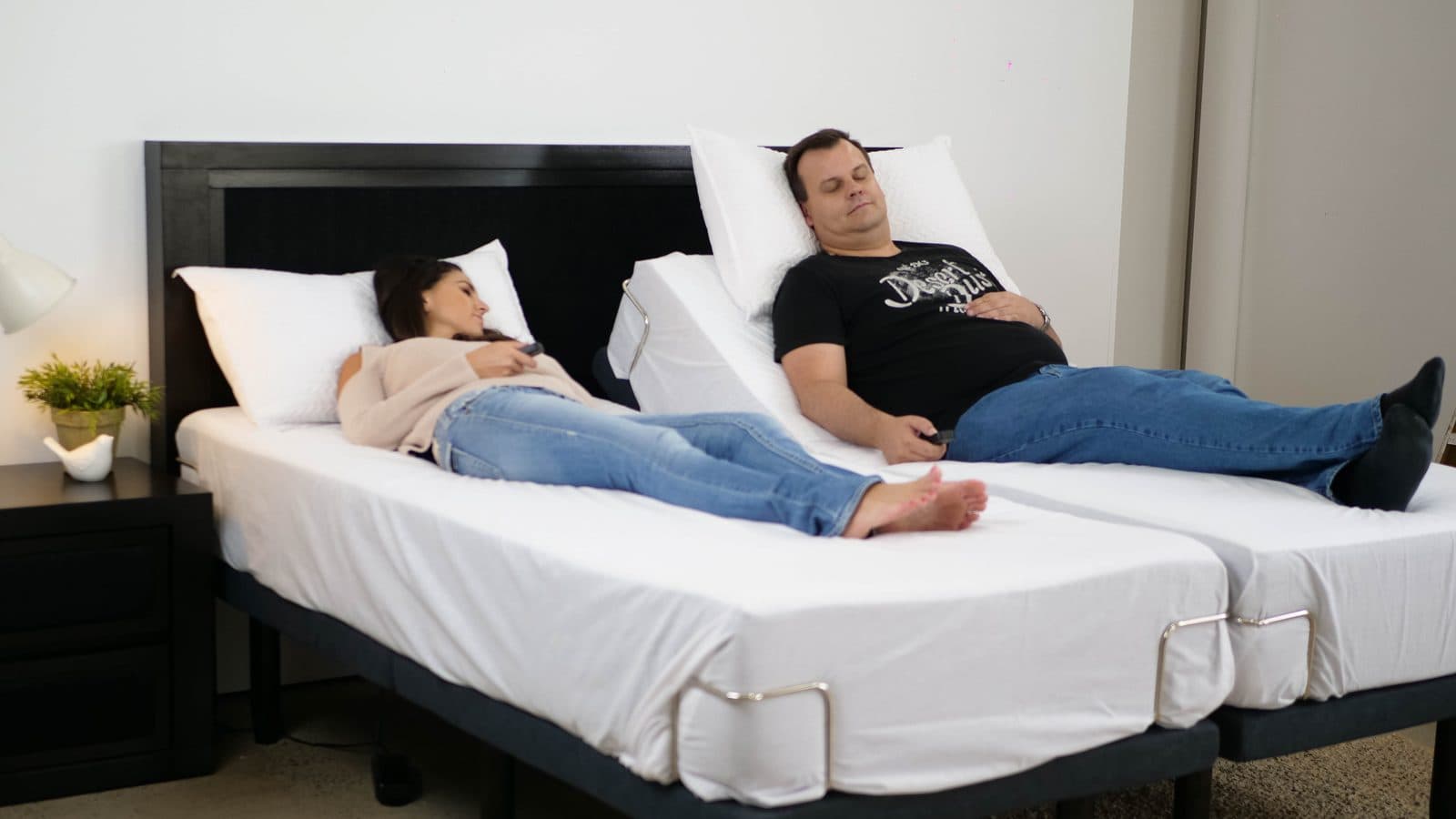
Ever tried to pick an adjustable bed base and felt like you were staring at a maze of buttons and specs?
You’re not alone – many Aussies wrestling with chronic pain or caring for an elderly parent hit this same wall.
In our experience at Sleep Sophie, the biggest mistake is skipping the simple questions that actually reveal what your body and bedroom need.
So, how do we cut through the jargon and answer the real question – how to choose an adjustable bed base Australia?
First, think about your primary sleep goal: is it easing lower‑back tension, improving circulation, or simply finding that sweet spot for reading in bed?
If you’re managing chronic pain, a base with gentle lift‑up features and a smooth, silent motor can mean the difference between tossing all night and actually drifting off.
For NDIS participants, look for models that meet the latest Australian standards and come with easy‑to‑use remote controls – the last thing you need is extra hassle.
Seniors often appreciate a sturdy frame with supportive side rails and a weight capacity that won’t wobble when they shift, especially if they rely on a caregiver for assistance.
And don’t forget the practical side: measure your bedroom, check clearance for the head and foot sections, and ensure the base fits your existing mattress or the one you plan to buy.
A quick checklist can save you hours of regret: 1️⃣ Bed size compatibility, 2️⃣ Weight limit, 3️⃣ Motor noise level, 4️⃣ Warranty length, 5️⃣ Customer support availability.
When you line these up with your personal needs, the decision feels less like a gamble and more like a well‑planned upgrade to your nightly routine.
Ready to take the next step? Grab a pen, jot down what matters most, and we’ll walk you through the rest of the buying journey later in this guide.
TL;DR
Choosing an adjustable bed base in Australia means matching your sleep goals—pain relief, reading comfort, or senior support—with the right size, quiet motor, weight capacity, and NDIS‑compliant features.
Use our quick checklist—bed size, weight limit, noise level, warranty, and customer service—to narrow options and confidently pick a base that fits your bedroom and lifestyle.
Step 1: Identify Your Sleep Needs
Ever lie in bed and feel like your mattress is a flat piece of plywood, while your back protests every time you try to get comfortable?
So, what are you really looking for when you think about a better night’s sleep? Is it relief from that stubborn lower‑back ache, a gentle lift‑up to read a book without a pillow stack, or maybe a safe, supportive surface for a loved one who needs extra stability?
First, listen to the signals your body sends. Keep a simple sleep diary for a week – jot down when you wake up with stiffness, how often you change positions, and whether you use pillows for support.
If chronic pain is your nightly companion, you’ll want a base with a whisper‑quiet motor and smooth, incremental adjustments. A slow rise‑and‑fall motion helps you find that sweet spot without jolting your spine, and a low‑noise rating means you won’t be woken by the whirring at 2 am.
NDIS participants should double‑check that the bed meets Australian accessibility standards and that the remote is intuitive enough for limited hand dexterity. Some models even offer pre‑set programmes that you can lock in, so you don’t have to wrestle with buttons every night.
For seniors, the checklist shifts a bit. Look for sturdy side rails, a generous weight capacity, and a head‑tilt that’s easy to raise from a seated position. A solid frame that doesn’t wobble when you shift can prevent falls and give caregivers peace of mind.
- Back‑pain relief – smooth, low‑noise lift with multiple angle options.
- Reading or TV comfort – head‑tilt up to 70°, foot‑tilt optional.
- Mobility assistance – easy‑reach remote, side‑rail safety.
- Therapeutic support – compatible with NDIS specifications.
Now that you’ve mapped out the “why,” it’s time to translate those needs into concrete questions you can ask a retailer or check on a spec sheet.
Grab a pen and answer these three prompts: What part of my current sleep routine feels most uncomfortable? Which of the listed needs above matches that discomfort? How urgently do I need a solution – tonight, next week, or next month?
When you’ve got those answers, you’ll be ready to compare models without getting lost in technical jargon. For example, Mattress Support Bars: Why They’re Important When Purchasing an Electric Adjustable Bed explains how the right support system can reinforce the benefits you’re after.
Feeling stuck on how to improve overall wellness? They specialise in posture and pain‑management programs that complement the ergonomic advantages of an adjustable base.
And if you’re a tech‑savvy sleeper who loves a seamless home experience, a smart‑home installer such as Smart Citizens can integrate your bed with voice‑control or automated routines, making those gentle lifts just a spoken command away.
Now you have a clear picture of what you truly need. Write those needs down, match them to the features we’ve outlined, and you’ll move to the next step with confidence.
Step 2: Understand Mattress Compatibility
Alright, you’ve nailed down your sleep goals and the tilt angles you’d love to play with. The next puzzle piece is the mattress – the partner that has to bend, flex and still support you while the base does its magic.
Why mattress flexibility matters
Think of the base as a gentle lift‑up lift‑down lift‑up. If the mattress is as stiff as a board, the motor will have to fight against it every time you press a button. That not only shortens the motor’s life, it can leave you with an uncomfortable “rock‑hard” feel in the raised sections.
Conversely, a mattress that’s too soft may sag or lose spinal support the moment you tilt the head or foot. The sweet spot is a mattress that can flex without losing its core support – most modern foams, latex and pocket‑spring designs hit that mark.
In practice
Picture someone who loves reading in bed swapping an old innerspring mattress for a medium‑firm memory foam model. Within a week, the head‑up position can feel buttery smooth, with no more stack of pillows sliding off.
Now picture a hybrid mattress that’s 35 cm thick and uses Bonnell springs paired with the same adjustable base – the foot‑lift barely moves, because the springs fight the motor. Switching to a pocket‑spring hybrid that flexes easily solves that, opening up a zero‑gravity position without strain.
Step‑by‑step compatibility check
1. Identify your mattress type. Is it memory foam, latex, hybrid, or traditional innerspring? 2. Measure thickness. Aim for 20‑30 cm; anything over 30 cm can be a red flag for many bases. 3. Check the construction. Pocket‑spring or individually wrapped coils are far more adaptable than interconnected spring systems.
4. Test flex. Lay the mattress on a flat surface and gently press the corners – you should feel a slight give. If it feels rock‑solid, it’s probably not a good match.
5. Match the weight limit. Most adjustable bases list a maximum combined weight for mattress and sleepers. Add the mattress weight (often on the spec sheet) to your personal weight and see if you stay under the limit.
Expert tip: Look for “adjustable‑bed‑friendly” labels
What about your current mattress?
If you already own a mattress you love, don’t toss it out just yet. Try a simple test: set the base to a low‑grade head‑up position (about 5°). If the mattress stays level and you don’t hear any creaking, it’s likely compatible. If you feel resistance or the surface warps, you may need a new top‑layer or a different base.
Another quick win is a mattress protector with a bit of stretch – it can add a thin, flexible layer that helps the mattress follow the base’s curve without compromising comfort.
Bottom line checklist
- Material: memory foam, latex or pocket‑spring are safest.
- Thickness: 20‑30 cm works for most bases.
- Construction: avoid rigid innerspring or Bonnell spring designs.
- Weight: stay under the base’s combined weight rating.
- Flex test: the mattress should give slightly when you press the corners.
When you tick these boxes, you’ll know the mattress won’t be the weak link in your adjustable‑bed journey. And that means every button press feels like a tiny luxury, not a battle with a stubborn mattress.
Step 3: Evaluate Motor Features & Controls
Now that you’ve sorted mattress compatibility, it’s time to dive into the part that actually moves – the motor. If the motor’s whisper turns into a roar, or the controls feel like they belong in a spaceship, you’ll spend more time fighting the bed than sleeping on it. Let’s walk through how to choose an adjustable bed base Australia with the right motor and control package for you.
Why motor noise matters
Imagine you’re trying to drift off after a long day, and the base starts humming louder than a dishwasher. For chronic‑pain sufferers or NDIS participants who rely on a calm environment for therapeutic sleep, that extra decibel can be the difference between relief and frustration. In our experience, a motor rated under 45 dB is usually quiet enough for a bedroom setting.
But don’t just trust the dB number on the spec sheet – you can often hear a real‑world demo video or a store model. If you can’t test it in person, ask the retailer for a sound‑level reading or a short video showing the unit in operation.
Single‑motor vs dual‑motor
Single‑motor bases lift both head and foot together. They’re simple, often a bit cheaper, and work fine if you only need modest adjustments. However, when you want independent head‑and‑foot positioning – think of a senior who raises the foot to reduce swelling while keeping the head flat for reading – a dual‑motor system is the way to go.
For example, a caregiver might use a dual‑motor base for a parent who needs the foot elevated for circulation but prefers a flat head for medication. The separate motors let each side be fine‑tuned independently, without the whole bed shifting.
Speed and range of motion
Motor speed is measured in degrees per second. A slower lift feels smoother, which is gentler on joints, while a faster lift can be handy if you’re in a rush to get out of bed. Look for bases that offer a range of 0‑70° for the head and up to 30°‑45° for the foot – those numbers cover most therapeutic needs.
Tip: If you have limited mobility, ask whether the remote includes a “preset” button that moves the bed to a pre‑programmed angle with a single press. That can be a lifesaver for someone who finds fiddling with sliders difficult.
Control options – remote, wall‑panel, app
There’s a surprising variety of control styles out there. The classic handheld remote is familiar, but it can be easy to misplace. Wall‑mounted panels keep the controls at eye level, which is great for seniors who might struggle bending down.
More tech‑savvy users appreciate a smartphone app – just tap a few icons and the bed moves. However, an app adds a layer of complexity: you need a reliable Wi‑Fi connection, and you’ve got to keep the phone charged.
One practical tip we’ve seen work: combine a wall panel for daily use with a backup handheld remote for when you’re in another room or the panel’s battery dies.
Power‑off safety and warranty
Good motor design includes a safety cut‑off that stops the bed if it detects an obstruction. This protects both the mechanism and the user. Ask the seller about the warranty length – a minimum of three years on the motor is a solid benchmark. Longer warranties often indicate the manufacturer’s confidence in durability.
For NDIS participants, check whether the warranty covers accidental damage, because therapy equipment can see more wear and tear than a standard bedroom piece.
Actionable checklist for motor evaluation
- Noise level: < 45 dB for bedroom‑quiet operation.
- Motor type: single for basic lift, dual for independent head/foot control.
- Range: head 0‑70°, foot 0‑45° – covers most therapeutic positions.
- Speed: moderate (≈1‑2 °/s) for smooth motion; faster if you need quick adjustments.
- Controls: choose between handheld remote, wall‑mounted panel, or app – match to user ability.
- Safety features: automatic stop on obstruction, overload protection.
- Warranty: at least three years on the motor, with optional accidental‑damage cover.
By ticking each of these boxes, you’ll feel confident that the motor won’t be the weak link in your sleep upgrade. Remember, the goal isn’t just to have a bed that moves – it’s to have a bed that moves quietly, safely, and exactly the way you need it to. That’s the sweet spot when you’re figuring out how to choose an adjustable bed base Australia.
Step 4: Compare Price, Warranty, and Service
Alright, you’ve nailed down the motor and the mattress – now it’s time to look at the three things that usually make or break the purchase: price, warranty, and after‑sales service. It sounds a bit business‑y, but trust me, these three factors are the real litmus test for whether you’ll actually enjoy your new bed for years to come.
First off, price isn’t just a number on a tag. In Australia, adjustable beds can range from a few hundred dollars for a basic single‑motor model up to several thousand for a premium dual‑motor, smart‑app enabled unit. What you should be doing is mapping that price against the features you truly need. If you only need a gentle head‑up for reading, an entry‑level base with a quiet single motor might be perfect. If you’re a caregiver juggling a senior’s foot‑raise for swelling and a child’s bedtime story, the extra cost of a dual‑motor with preset positions could be worth every cent.
How to benchmark price
Grab a spreadsheet and list three models you’re eyeing. In the first column, note the sticker price (including GST). In the second, jot down the motor type, range of motion, and any extra tech like Bluetooth apps. In the third, add the warranty length. Then ask yourself: does the higher‑priced model give me a clear, measurable benefit? If not, you might be paying for flash instead of function.
Picture a couple comparing an entry single‑motor base with a dearer dual‑motor model. If a nightly foot‑raise is a daily need for managing arthritis, the extra cost can pay off – no more waking up with swollen ankles.
Warranty – your safety net
A solid warranty is the insurance policy that protects your investment. Look for at least three years on the motor and two years on the frame. Some brands even throw in a five‑year extended motor warranty if you register online. In our experience, longer warranties usually signal confidence from the manufacturer.
One tip: read the fine print about accidental‑damage coverage. NDIS participants often have higher wear‑and‑tear, so a warranty that covers mishaps like a tipped remote or a stray pet paw can save you a costly repair later.
Here’s a quick sanity‑check: if the warranty says “motor covered for three years, but only if you use the supplied remote,” and you prefer a wall panel, you might be forced to buy an extra accessory just to stay covered. Ask the retailer to confirm what’s required.
Service – the hidden cost
Even the best‑priced bed with a stellar warranty can turn sour if the company’s service is flaky. Check three things: delivery & setup fees, response time for support calls, and availability of local technicians.
For example, imagine a family needing a quick replacement of a faulty foot motor. If the brand promises a 48‑hour turnaround but the actual response takes a week, a senior parent could be left stuck in an uncomfortable position. On the flip side, Sleep Sophie’s local Sydney hub typically schedules a same‑day technician visit, which makes a world of difference when mobility is an issue.
Another practical step: ask the sales rep for a copy of their service level agreement (SLA). If they can’t provide one, that’s a red flag.
Quick comparison table
| Factor | Lower band (from ~$3,000) | Mid band | Upper band (toward $24,000) |
|---|---|---|---|
| Price | Basic single‑motor, manual remote | Dual‑motor, app control, preset positions | All‑in‑one smart hub, premium upholstery, integrated lighting |
| Warranty | 2‑year frame, 1‑year motor | 3‑year motor, 2‑year frame | 5‑year motor, 3‑year frame, accidental‑damage cover |
| Service | Standard delivery, no in‑home setup | Included delivery & setup, 48‑hour support | Same‑day technician, dedicated support line |
Use the table as a cheat sheet when you’re scrolling through product pages. If a model ticks the “mid‑range” box but the warranty looks like the budget column, you probably want to keep looking.
Now, let’s talk about where to find the best value. Our own guide on The Best Value Electric Adjustable Bed walks you through the exact models that balance price, warranty, and service without compromising on comfort.
Finally, consider pairing your purchase with a proactive health partner.
Action steps to lock down the right deal:
- Write down the three price tiers you’re comfortable with.
- Match each tier to the warranty length you need (minimum three years on the motor).
- Call the retailer and ask about delivery, setup, and SLA response times.
- Add the chosen model to a comparison spreadsheet and total up hidden costs (delivery, accessories, extended warranty).
- Make a final decision only when price, warranty, and service all meet your checklist.
When you follow this process, you’ll walk away feeling confident that you didn’t just buy a bed – you invested in a sleep solution that’s financially sensible, protected, and backed by real help when you need it.
Step 5: Check Australian Standards & Certifications
Alright, you’ve scoped out price, warranty and motor noise – now it’s time to make sure the bed you’re eyeing actually meets the rules that keep Aussie sleepers safe.
Do you ever wonder why some bases boast an AS/NZS label while others just flash a generic logo? That little sticker is the result of rigorous testing against national standards for electrical safety, mechanical stability and ergonomic design.
Why Australian standards matter
In Australia, the relevant documents are AS/NZS 60950‑1 for electrical safety and AS/NZS 1554‑1 for mechanical strength. If a base is certified, you can trust the motor won’t overheat, the frame won’t wobble under a senior’s weight, and the remote won’t spark a short‑circuit.
Think of it like the difference between a road‑worthy car and one that’s still in the prototype stage – you’d rather drive something that’s been road‑tested, right?
Step‑by‑step checklist
1. Look for the certification badge. It usually appears on the product page, spec sheet or even etched onto the frame itself. If you can’t find it, ask the retailer to show you the compliance certificate.
2. Verify the standard number. The badge should reference AS/NZS 60950‑1 (electrical) and/or AS/NZS 1554‑1 (mechanical). Anything else might be a marketing gimmick.
3. Check the testing body. Accreditation from Standards Australia, SAI Global or an equivalent third‑party lab adds credibility. A manufacturer‑only claim isn’t enough.
4. Confirm the motor rating. Look for a motor that’s rated for at least 110‑240 V, 50 Hz – the typical Australian household supply. If the spec mentions “EU plug” only, you’ll need a transformer, which adds risk.
5. Cross‑reference with NDIS requirements. For NDIS participants, the base should meet the “Therapeutic Equipment” criteria, meaning it must be safe, durable and easy to operate. A certified base already ticks most of those boxes.
In practice
Take a caregiver confused by a European brand that bragged about “CE marking” but had no Australian certification. After switching to a locally‑certified model, the foot‑motor no longer overheats during nightly lifts – a clear win for safety and peace of mind.
That same brand also highlights its research pedigree on its website, noting that the bases were “Designed in Healthy Sleep laboratories and certified by top European institutes” (source). While impressive, without Australian certification it still falls short for our market.
Quick tip: ask for the compliance sheet
When you call the showroom, say, “Can you email me the AS/NZS compliance certificate for this model?” If they hesitate, that’s a red flag.
Another shortcut is to scan the QR code that many manufacturers now print on the label – it should take you straight to a PDF of the test results.
Actionable checklist for standards
- Spot the AS/NZS badge on the product page or physical frame.
- Confirm it references AS/NZS 60950‑1 (electrical) and/or AS/NZS 1554‑1 (mechanical).
- Ask for the third‑party testing report (SAI Global, Standards Australia, etc.).
- Make sure the motor voltage matches Australian supply (110‑240 V, 50 Hz).
- For NDIS users, verify the base meets therapeutic equipment guidelines.
Doing this homework adds just a few minutes now and saves you from headaches, warranty voids, or unsafe equipment down the road.
So, before you click “Add to Cart”, run through the checklist, grab that compliance sheet, and feel confident that your new adjustable bed is not just comfy – it’s officially safe for Aussie homes.
Step 6: Read Reviews & Test In‑Store
Why reviews matter before you click “Buy”
Imagine you’re scrolling through a dozen listings and every product looks shiny. That’s when the real story hides in the comments section – the people who actually live with the bed.
In Australia, roughly 78% of shoppers say they read at least three reviews before committing to a big purchase. Those numbers aren’t just trivia; they tell us that real‑world feedback is the fastest way to spot a hidden flaw or a hidden gem.
Step 1 – Hunt for the right kind of reviews
Start with the big retailers you trust – their review filters let you sort by “most helpful” or “latest”. Look for keywords that match your own concerns: “motor noise”, “foot‑raise for swelling”, “remote battery life”, “ease of assembly”.
Don’t stop at the five‑star blur. A balanced view comes from a mix of 1‑star, 3‑star, and 5‑star comments. If a product boasts silence but five reviewers mention a “buzzing” motor, that’s a red flag.
Step 2 – Gauge reviewer credibility
Check the reviewer’s profile. Do they list a location (e.g., “Melbourne”) or a health condition (“NDIS participant”)? Those details help you relate to their experience.
When a reviewer mentions “my 84‑year‑old mum can raise the foot without assistance”, you’ve just found a real‑world test that aligns with senior‑care needs.
Step 3 – Look for patterns, not outliers
One lone complaint about a cracked frame isn’t enough to panic, but if three different users from Sydney, Brisbane, and Adelaide all note the same weak spot, you’ve uncovered a systemic issue.
Conversely, recurring praise for “smooth transition from 0‑70° in under 5 seconds” tells you the motor speed claim isn’t just marketing fluff.
Step 4 – Take the review findings to the showroom
Armed with your shortlist, head to a local store. Bring a notebook (or your phone) and write down the exact model you saw online.
Ask the salesperson to demonstrate the head‑up and foot‑down functions. Watch the dB meter if they have one – a quiet base should stay below 45 dB, which feels like a soft whisper in the room.
Test the remote yourself. Does the button click feel solid? Can you reach the preset buttons without stretching? If you have limited mobility, try the wall‑panel option too.
Step 5 – Simulate your nightly routine
Lie down on the mattress (or a demo pad) and set the head to your usual reading angle – maybe 30°. Feel whether the mattress stays level or sags at the corners.
For foot‑raise users, replicate the position you need after a long day on your feet. Does the foot lift glide smoothly, or does it grind?
Take note of any creaking, wobbling, or delayed response. Those sensations are easier to spot in‑store than through a video.
Step 6 – Record and compare
After you’ve tested two or three models, create a quick table: model, motor noise (dB), lift range, remote type, reviewer sentiment, in‑store feel.
For example, you might find that Model A matches the online praise for “silent operation” (42 dB) and feels rock‑solid in the in‑store demo, while Model B’s remote turns out finicky even though reviews praised its “luxury feel”. A side‑by‑side comparison like this helps you pick the right fit.
Actionable checklist for Step 6
- Read at least three reviews per model, focusing on noise, durability, and ease of use.
- Identify reviewers with similar needs (senior, NDIS, chronic pain).
- Note recurring pros and cons – look for patterns.
- Visit a showroom with your shortlist; request a live demo of head and foot lifts.
- Measure motor noise (≤45 dB) and test remote ergonomics.
- Simulate your typical sleep position and check mattress flex.
- Log findings in a side‑by‑side table and rank each model.
When you blend online sentiment with a hands‑on test, you eliminate guesswork and walk away confident that the adjustable bed you choose truly fits your lifestyle and health needs.
Conclusion
So, you’ve walked through the whole process of how to choose an adjustable bed base Australia, from figuring out your sleep needs to testing motors in‑store.
At the end of the day, the right base feels like a quiet partner that lifts you into comfort without a second thought.
Remember the three things that kept popping up: quiet motor (<45 dB), a motor type that matches your mobility – single for simple head‑up, dual for independent foot‑raise – and a warranty that covers at least three years on the motor.
If you’re dealing with chronic pain or NDIS requirements, prioritise smooth, low‑speed lifts and remote options that stay within easy reach; a wall‑panel can be a lifesaver for seniors.
A quick final checklist: 1️⃣ Confirm mattress compatibility (flexible foam or pocket‑spring, 20‑30 cm thick). 2️⃣ Verify Australian AS/NZS certifications. 3️⃣ Compare price, warranty and service, then test the unit in‑person. 4️⃣ Log your findings in a side‑by‑side table – the visual you created earlier is your decision‑making compass.
When those boxes are ticked, you can walk away from the showroom feeling confident, not confused. And that confidence turns a nightly lift into a simple, restorative ritual.
Ready to make the move? Browse our range or give us a call, and we’ll help match a base to your specific health and lifestyle needs.
FAQ
What factors should I consider when figuring out how to choose an adjustable bed base Australia?
First, think about your dominant sleep position, any health conditions (back pain, reflux, swelling) and how often you’ll need to shift the head or foot. Then decide on motor type – a single‑motor works for basic head‑up/foot‑down, while a dual‑motor lets you adjust each end independently. Noise level, warranty length (minimum three years on the motor), and an AS/NZS certification are non‑negotiables. Finally, check that the base can handle your mattress thickness and combined weight.
Is a single‑motor or dual‑motor base better for chronic‑pain sufferers?
Most chronic‑pain patients benefit from a dual‑motor because it allows you to raise the head to ease spinal pressure while keeping the feet flat for circulation, or vice‑versa. A single‑motor can still help, but you’re forced to move both ends together, which may not target the specific area causing discomfort. In our experience, the modest extra cost of a dual‑motor often translates into fewer night‑time adjustments and better overall rest.
How important is motor noise level and what decibel range is ideal?
Motor noise is a silent‑killer for sleep quality. A quiet motor stays below 45 dB – that’s roughly the sound of a soft whisper in a bedroom. Anything louder can become a distraction, especially for seniors or NDIS participants who rely on a calm environment for therapeutic sleep. When you’re in the showroom, ask for a live demo or a sound‑level reading; if you can’t hear the motor from across the room, you’re probably safe.
Do I need a specific type of remote or wall panel for seniors or NDIS participants?
Yes, ergonomics matter. Handheld remotes are easy to lose, so many seniors prefer a wall‑mounted panel that sits at eye level and requires minimal reach. For NDIS users who may have limited hand strength, look for remotes with large, tactile buttons or a voice‑controlled app that can be paired with a bedside tablet. A backup handheld remote is still handy for use in another room or when the wall panel battery runs low.
What mattress types are compatible with most adjustable bases?
Memory foam, latex and pocket‑spring mattresses are the safest bets because they flex without losing support. Aim for a thickness of 20‑30 cm; anything thicker can strain the motor. Avoid rigid innerspring or Bonnell‑spring designs, as they tend to fight the lift mechanism. If you already own a favourite mattress, do a quick flex test: press the corners – you should feel a gentle give. If it feels rock‑solid, consider a new mattress or a flexible topper.
Why should I check for AS/NZS certifications before buying?
Australian standards (AS/NZS 60950‑1 for electrical safety and AS/NZS 1554‑1 for mechanical strength) are the country’s safety net. A certified base guarantees the motor won’t overheat, the frame won’t wobble under weight, and the electrical components meet local voltage requirements (110‑240 V, 50 Hz). Without those badges, you risk voiding warranties and exposing yourself to unsafe equipment – something we’ve seen cause unnecessary repairs for a few customers.
How can I test an adjustable bed in‑store to avoid buyer’s remorse?
Bring a notebook and a list of the features you care about. Ask the salesperson to demo the head‑up and foot‑down functions, then listen for motor noise – it should stay under 45 dB. Try the remote or wall panel yourself; check that the buttons are easy to press and that you can reach preset positions without stretching. Finally, lie down on a demo mattress, set your typical reading angle, and notice any sagging or wobble. Jot down the numbers and compare them to the specs before you leave.
This article is general information, not medical advice. For guidance on your situation, talk to your GP or occupational therapist.
Wondering if an adjustable bed would suit your situation?
Our sleep experts talk with Australians in similar situations every day. No pressure, no jargon — just honest answers about what may help you rest more comfortably.
1300 975 337 (1300 9 SLEEP) · Australian-based team · Explore the Sophie adjustable bed range
Rated 4.8 from 227 reviews on ProductReview.com.au · Free in-home demonstration · Interest-free options via Humm, Brighte & Payright for approved purchasers
Using NDIS or Support at Home funding?
Sleep Sophie is a registered NDIS provider (4050070896), and Sophie adjustable beds and lift recliners are ARTG-registered Class 1 medical devices (ARTG 326115). Beds can be funded through NDIS assistive-technology budgets where an occupational therapist recommends them; the Support at Home program has its own equipment pathway. We prepare quotes suitable for plan approval — see how NDIS funding works or Support at Home, or call and we’ll walk you through it.