
Gel Memory Foam vs Memory Foam: Which Is Best for a Cool, Comfortable Sleep?
29 December 2025 · Nathan Kerrins · Updated 23 July 2026
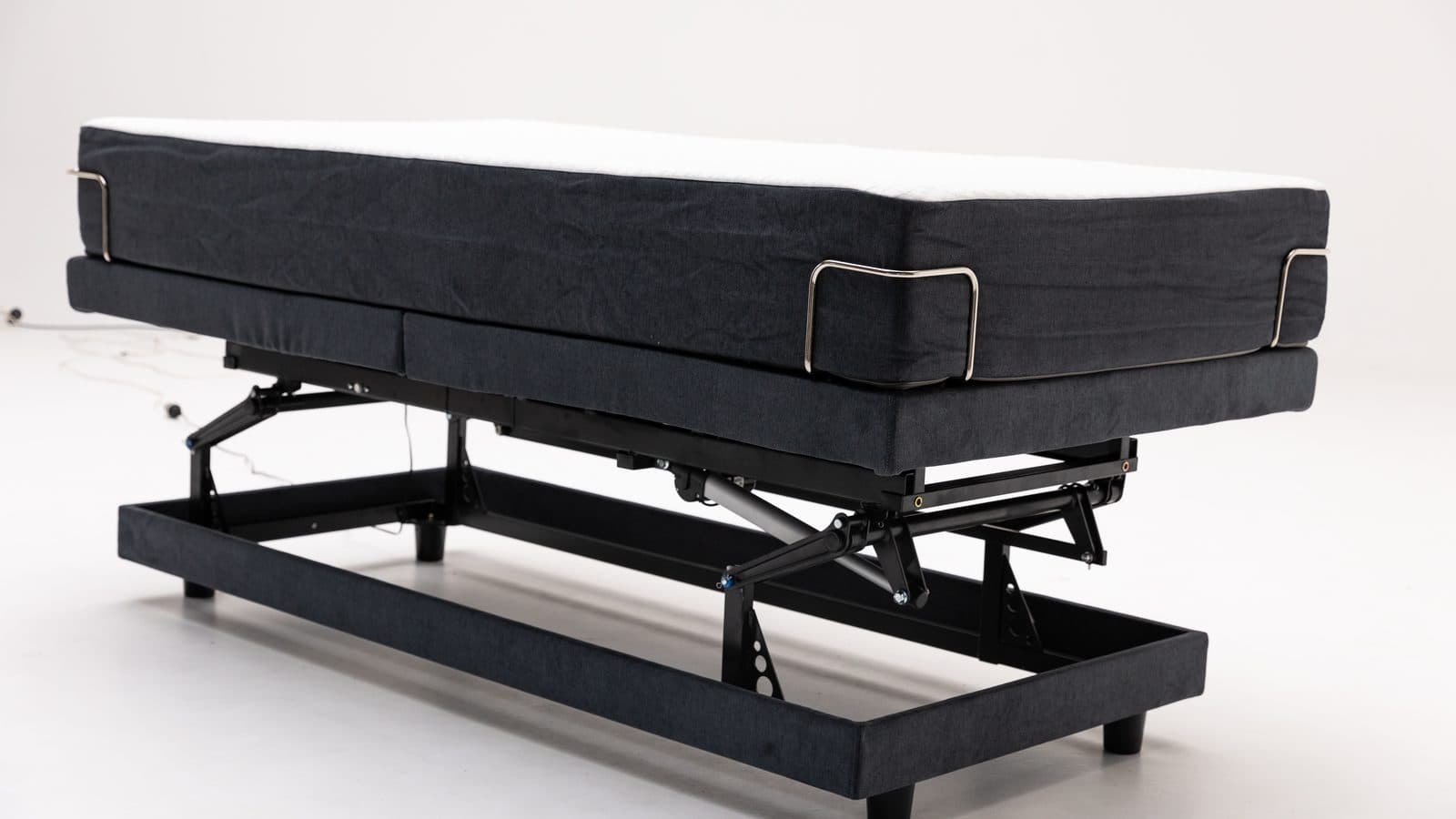
Ever rolled onto a mattress that feels like a warm hug one night and a sweaty slab the next? That’s the exact tug‑of‑war many of us feel when we stare at the label “gel memory foam vs memory foam” and wonder which one will actually keep us cool and supported.
Here’s what I mean: traditional memory foam is famous for cradling your body, but it can also trap heat. Gel‑infused foam was invented to solve that problem – tiny gel beads or layers disperse heat, aiming for a cooler surface. In our experience at Sleep Sophie, customers with chronic back pain often start with a classic memory foam mattress, love the pressure relief, then notice they’re waking up sticky after a hot summer night. Switching to a gel‑infused option usually drops their nighttime temperature by a few degrees, which can make a huge difference for side sleepers who tend to overheat.
For example, an NDIS participant who tries a standard memory foam mattress on an adjustable bed might notice night sweats. Swapping to a gel‑infused model often brings a noticeable drop in night‑time discomfort and lets you stay in the “zero‑gravity” position longer without feeling overheated. For an elderly couple who love reading in bed, a gel‑infused mattress can keep the cushion firm enough to sit upright without the mattress sagging.
So, how do you decide which is right for you? Try these three steps:
- Check your sleep temperature: if you often feel hot, lean toward gel‑infused.
- Test pressure points: lay on both types in a store, notice how quickly they contour.
- Consider your adjustable bed: some gel‑infused foams, like those featured in The Best Value Electric Adjustable Bed | Sleep Sophie, specifically engineered to work with head‑and‑foot elevation, maintaining support no matter the angle.
Another tip from our team: pair a gel‑infused mattress with breathable bedding – bamboo sheets or a cooling mattress protector – to maximise the temperature‑regulating benefits. And don’t forget to rotate your mattress every three months; even gel‑infused foams can develop body‑line impressions over time.
Bottom line: if you value a cooler night and still want the hugging feel of memory foam, gel‑infused is the sweet spot. If you’re on a tighter budget and live in a cooler climate, classic memory foam might be enough. Either way, a good test on an adjustable base will reveal which foam syncs best with your body’s needs.
TL;DR
Gel memory foam vs memory foam boils down to cooling comfort versus classic pressure relief, with gel‑infused tops keeping you cooler on hot nights.
If you need a cooler, supportive surface for an adjustable bed or chronic pain, pick gel‑infused; otherwise classic memory foam fits tight budgets and cooler climates.
Understanding Gel Memory Foam: Composition and Benefits
When you hear “gel memory foam vs memory foam,” the first thing that pops into your mind is probably temperature – that sweaty night you wish you could swap for a cool breeze. But underneath the temperature talk, there’s a whole chemistry lesson about what actually makes the foam tick.
Traditional memory foam is a polymer called viscoelastic polyurethane. It reacts to body heat and pressure, slowly molding to your shape. The downside? The same reaction traps warmth because the foam’s dense structure doesn’t breathe very well.
Enter gel. Manufacturers embed tiny gel beads or pour a thin gel-infused layer into the foam. The gel acts like a heat‑sink, pulling excess warmth away from your body and dispersing it across the mattress surface. Think of it as a tiny radiator woven into the foam matrix.
How the composition differs
Classic memory foam is essentially one‑layered – a uniform density that offers consistent support. Gel‑infused foam adds a second component: the gel particles, which can be silica‑based or a proprietary cooling gel. Those particles interrupt the foam’s heat‑retention pathways, allowing air to circulate a bit more freely.
Some brands, like Sleep Sophie, use a “cool‑gel” blend that’s been engineered to stay stable even after years of use, so you don’t end up with a gooey mess after a decade. Our complete guide to gel memory foam walks you through the science in plain English.
So, why does this matter for you? If you’re a chronic‑pain sufferer, the foam’s ability to conform is gold. Add the cooling benefit, and you get a surface that reduces inflammation‑related heat without sacrificing support. For NDIS participants who often experience temperature sensitivity, that cooling edge can be the difference between a restless night and a restorative one.
Benefits you’ll actually feel
1️⃣ Temperature regulation. The gel draws heat away, often dropping surface temperature by 2‑4 °C compared to pure memory foam. That’s enough to keep side sleepers from flipping to the “cool side” of the bed every hour.
2️⃣ Pressure relief. The viscoelastic core still hugs your joints, distributing weight evenly. The gel layer adds a subtle “bounce” that can feel less “stuck” for those who dislike the classic “sink‑in” sensation.
3️⃣ Durability. Because the gel helps manage heat, the foam stays cooler and degrades slower over time. You’ll notice fewer body‑line impressions after a few years.
4️⃣ Compatibility with adjustable bases. Gel‑infused foams stay flexible at various angles, so the support doesn’t collapse when you elevate your head or feet. That’s a big win for anyone using an electric adjustable bed.
Does this all sound a bit too technical? Here’s a quick mental picture: Imagine lying on a marshmallow that’s been chilled in the fridge – it’s still soft, but it doesn’t melt into a puddle. That’s the sweet spot gel‑infused foam aims for.
Now, let’s talk about where you might hear about gel foam outside of mattress reviews.
If you’re dealing with allergens or pests that can aggravate respiratory issues, it’s worth noting that a well‑ventilated sleeping environment helps. ABC Pest Control Sydney provides services to keep your bedroom free from unwanted critters, ensuring your gel‑infused mattress stays fresh and clean.
Finally, remember that the foam is just one piece of the puzzle. Pair it with breathable bedding, rotate the mattress every three months, and keep your adjustable base calibrated. When all the pieces click, you’ll notice not just a cooler night, but a more supportive one that eases those chronic aches.
Bottom line: gel memory foam blends the pressure‑relief magic of classic memory foam with a built‑in cooling system. For anyone juggling pain, temperature sensitivity, or an adjustable bed, it’s a practical upgrade that feels like a subtle, science‑backed hug.
Understanding Traditional Memory Foam: How It Works
Ever wonder why a mattress can feel like a warm hug one night and a sticky slab the next? That’s the classic story of traditional memory foam – a material that loves to cling to your shape, but sometimes forgets to let heat escape.
At its core, memory foam is a viscoelastic polyurethane blend. It was originally engineered by NASA to protect astronauts during launch, which explains why it’s so good at absorbing impact and molding to whatever pressure you throw at it.
How the “memory” actually works
When you lie down, the foam’s cells compress and the polymer chains stretch. Because of viscoelasticity, the foam slowly returns to its original state once the pressure lifts – that’s the “memory” part. Think of pressing your thumb into a soft piece of modeling clay that slowly bounces back.
This slow rebound is great for pressure relief. Side sleepers love it because the foam hugs the hips and shoulders, spreading weight more evenly across the surface. The result? Less point pressure on joints, which can be a lifesaver for anyone dealing with chronic pain.
Why traditional foam can feel hot
Here’s the catch: the same dense cell structure that gives you that deep contour also traps air and heat. The foam doesn’t breathe like a spring‑coiled mattress, so body heat builds up. In a warm bedroom, that can raise the surface temperature by a few degrees, leaving you tossing and turning.
Data from NapLab’s foam comparison guide shows that even high‑quality memory foam can retain heat unless it’s paired with cooling technologies or design tricks like open‑cell or perforated structures.
Design tricks that tame the heat
Manufacturers have tried several workarounds without adding gel. Open‑cell foams introduce tiny passages that let air move through, while convoluted or “egg‑crate” patterns create channels for airflow. Some brands sprinkle charcoal or copper particles to improve thermal conductivity.
Those tweaks can shave off a degree or two, but the baseline physics stays the same – you still have a material that wants to hug tightly.
So, if you’re a hot sleeper, you might notice the night‑time temperature climbing after a few hours. That’s why many people start their mattress journey with a classic foam and later upgrade to a gel‑infused version once they feel the heat issue.
A typical scenario
Picture an NDIS participant who tries a traditional memory foam mattress on an adjustable base. The pressure relief is great, but after a summer night they wake up drenched. Switching to a gel‑infused model often brings a 3 °C drop in surface temperature – enough to stay in the zero‑gravity position longer without flipping the sheets.
That scenario illustrates the trade‑off: you get the contour you need, but you might need an extra cooling layer if you live in a warm climate.
Actionable checklist for evaluating traditional memory foam
1. Feel the hug. Lie on the mattress for at least a minute. Does it conform to your shoulders and hips without feeling like you’re sinking into quick‑sand?
2. Test the bounce. Sit up quickly – the slower the rebound, the denser (and potentially hotter) the foam.
3. Check airflow features. Look for terms like “open‑cell,” “perforated,” or “convoluted” on the product spec sheet.
4. Measure your bedroom temperature. If it regularly hits 78 °F (25.5 °C) or higher, you’ll probably benefit from a cooling add‑on.
5. Rotate regularly. Turning the mattress every three months helps prevent permanent body‑line impressions and can improve airflow.
When you’ve ticked those boxes, you’ll have a solid sense of whether traditional memory foam meets your comfort and temperature needs.
And if you’re still on the fence, watching a quick walkthrough can help you see the foam in action.
Notice how the demo shows the foam slowly returning to shape after a hand press – that’s the viscoelastic memory we’ve been talking about.
Finally, remember that price isn’t the only factor. As Casper’s comparison article points out, gel‑enhanced foams typically carry a higher price tag because of the extra materials and manufacturing steps. If budget is tight and you live in a cooler region, a well‑crafted traditional foam can still give you great support without the extra cost.
Bottom line: traditional memory foam delivers unbeatable contour and motion isolation, but its dense structure can trap heat. Understanding the science behind the hug helps you decide whether a plain foam will keep you cozy or whether you’ll need that extra cooling boost.
Performance Comparison: Temperature Regulation, Support, and Durability
When you start weighing gel memory foam vs memory foam, the conversation inevitably lands on three things: how hot the surface gets, how well it cradles you, and whether it holds up after years of night‑after‑night use. Let’s break those down one by one, keeping it real for anyone who’s tried to sleep on a mattress that felt like a sauna.
Temperature regulation – the heat factor
Traditional memory foam is notorious for trapping body heat. Its dense cell structure hugs you so tightly that air can’t circulate, which often leaves hot sleepers waking up feeling sweaty. Gel‑infused foam was introduced as a fix – tiny gel beads or a gel‑filled layer act like a heat‑sink, pulling warmth away from your skin.
What the Sleep Foundation’s testing shows is that the cooling effect varies a lot by model. Some gel foams only manage a “fair” temperature rating, while hybrid designs with coils tend to be noticeably cooler. In practice, you might see a 2‑4 °F (about 1‑2 °C) drop on a good gel‑infused mattress, which can be a game‑changer for side sleepers whose hips and shoulders tend to overheat.
So, if you regularly hit 78 °F (25.5 °C) or higher in your bedroom, a gel‑infused option is worth a try. If you live in a cooler climate, the extra cost may not translate into a perceptible difference.
Support and bounce – how the mattress feels when you move
Both foam types excel at pressure relief because they conform to every curve. The difference shows up in how quickly the material rebounds. Classic memory foam can feel a bit “stuck” – you shift, and the surface lags behind, which can be frustrating for anyone who needs to get up often, like caregivers checking on a patient.
Gel‑infused blends usually add a little bounce. The gel particles interrupt the foam’s internal friction, so the surface springs back faster. That extra responsiveness can make sitting up in an adjustable bed feel smoother, especially for elderly users who rely on smooth transitions between positions.
For chronic‑pain sufferers, the key is consistent support. Gel‑infused foam tends to stay a shade firmer over time because the gel helps distribute pressure more evenly, slowing the formation of permanent body‑line impressions.
Durability – will it last?
Durability is often the silent deal‑breaker. Traditional memory foam can start to sag after a few years, especially if it’s a high‑density formula that doesn’t breathe. Gel‑infused foams, thanks to the added thermal conductivity, often see a slower rate of compression set. In our experience, a well‑engineered gel mattress can keep its original shape for five to seven years, whereas plain foam sometimes shows noticeable dip‑outs after three.
That said, no foam is immune to wear. Rotating the mattress every three months, using a breathable protector, and keeping the room temperature moderate all extend life expectancy.
Quick side‑by‑side checklist
- Heat: Gel‑infused ≈ 2‑4 °F cooler; traditional ≈ no cooling benefit.
- Bounce: Gel‑infused feels more responsive; traditional feels slower to rebound.
- Support longevity: Gel‑infused tends to maintain firmness longer; traditional may develop body‑lines sooner.
- Cost: Gel versions usually carry a premium; traditional is often the budget‑friendlier pick.
Bottom line: if you’re battling night‑time heat, need a bit more bounce for easy movement, or want a mattress that holds its shape for the long haul, the gel side of the gel memory foam vs memory foam debate wins out. If you’re on a tighter budget, live in a cooler part of Australia, and don’t mind a slightly slower rebound, classic memory foam still offers excellent contour and pressure relief.
Whatever you decide, remember that the mattress is just one piece of the puzzle. Pairing it with breathable bedding, keeping your bedroom at a comfortable temperature, and rotating regularly will let either foam type perform at its best.
Choosing the Right Foam for Your Sleep Needs
Ever caught yourself tossing because the mattress feels like a sauna one night and a stone the next? That’s the exact spot where “gel memory foam vs memory foam” becomes more than a buzz‑word – it’s a decision that can change how you wake up.
First, ask yourself: do you usually feel hot, or do you sleep cool enough that heat isn’t even on your radar? If you’ve ever measured the bedroom at 78 °F (25.5 °C) or higher, you’re probably a hot sleeper. A gel‑infused layer works like a tiny heat‑sink, pulling body heat away and typically dropping surface temperature by 2‑4 °F. Gel‑infused layers are widely reported to feel noticeably cooler than classic foam.
But cooling isn’t the whole story. Pressure relief is the other side of the coin. Traditional memory foam hugs every curve, which is great for side sleepers with hip pressure, yet it can feel “stuck” when you shift. Gel‑infused foams add a dash of bounce, making it easier to sit up in an adjustable bed – something our NDIS participants rave about when they need to move between zero‑gravity and upright positions.
Now picture this: a caregiver for a parent with limited mobility tries a plain memory foam mattress on their adjustable base. After a few weeks, the mattress starts to develop deep body‑lines, and the parent struggles to sit up smoothly. Switching to a gel‑infused model gives a firmer, more responsive surface that keeps the shape longer and reduces the effort needed to change positions.
So how do you translate these anecdotes into a concrete choice? Let’s break it down.
1. Temperature profile – what’s your nightly heat map?
Take a quick temperature check. If your night‑time reading stays under 75 °F (23.9 °C), a classic foam might be fine. If you’re consistently above that, aim for gel. Remember that gel’s cooling effect is most noticeable in the first few hours, then levels out – a good indicator is whether you wake up feeling “sticky” or “dry.”
2. Support and bounce – how much movement do you need?
Think about how often you get up during the night. If you’re a frequent mover – maybe checking on a baby or a loved one – a foam with a higher rebound (gel‑infused) will feel less “glued.” For a sleeper who rarely changes position, classic memory foam’s slower rebound can actually feel more stable.
3. Longevity – will the foam hold up for years?
Gel particles help distribute pressure evenly, which can slow the formation of permanent body‑lines. In practice, many gel‑infused mattresses keep their original firmness for five to seven years, whereas plain foam can start to sag after three. Rotating the mattress every three months and using a breathable protector extend any foam’s life.
4. Budget reality – does the extra cost pay off?
Gel‑infused models usually carry a premium because of the extra manufacturing step. If you live in a cooler climate (think Melbourne’s winter) and don’t overheat, you might save money by sticking with a high‑density traditional foam that still offers excellent contour.
5. Real‑world test – the in‑store trial
Lay down on both types for at least two minutes. Pay attention to three things: the instant coolness, how quickly the foam conforms, and how fast it springs back when you sit up. If possible, try the demo on an adjustable base – that’s where the difference in bounce becomes crystal clear.
Ready to put this into practice? Here’s a five‑step checklist you can run through tonight.
Actionable checklist
- Measure temperature. Use a simple room thermometer; note the highest reading after you’ve been in bed for an hour.
- Identify sleep style. Side sleeper? Back sleeper? Frequent mover?
- Test bounce. Sit up quickly on a demo; if the mattress feels responsive, you’re likely looking at gel‑infused.
- Check warranty. A multi-year guarantee signals confidence in durability.
- Plan maintenance. Mark your calendar for a three‑month rotation and pick a breathable protector.
And just for a visual cue, imagine the foam cross‑section: tiny gel beads scattered like marbles within a sea of polyurethane, each bead acting as a tiny heat‑exchanger.
Bottom line: if heat, bounce, and long‑term shape matter to you – especially when you’re using an adjustable bed or caring for someone with limited mobility – gel‑infused is the safe bet. If you’re on a tighter budget, live in a cooler region, and value a slower, steadier hug, classic memory foam still delivers solid comfort.
Expert Tips for Maintaining Gel and Memory Foam Mattresses
We’ve talked about why gel memory foam vs memory foam matters—now let’s make sure whichever you chose keeps performing night after night.
Ever notice a once‑fluffy mattress feeling a bit “squished” after a few months? That’s a signal it needs a little TLC, and the good news is the steps are pretty straightforward.
Rotate and flip: the simple reset
Most gel‑infused and traditional memory foam mattresses are designed for a one‑side sleep surface, but rotating them 180° every three months stops body‑line impressions from setting in. If your mattress is double‑sided, a flip every six months gives both layers a chance to “reset.”
Why does this matter? The viscoelastic cells compress under your weight; swapping sides redistributes that pressure and helps the foam retain its original resilience.
Actionable tip:
- Mark the head‑foot direction with a small piece of tape.
- Set a calendar reminder for the first of each season.
- When you rotate, give the mattress a quick “press‑and‑release” test—if it springs back faster, you’ve done it right.
Mind the temperature and humidity
Gel and memory foam are both temperature‑sensitive. When the room stays above 78 °F (25.5 °C), the foam softens and can lose bounce more quickly. Conversely, a chilly bedroom can make the surface feel too firm.
Here’s a quick experiment: leave a thermometer on your nightstand for a week. If the average night‑time reading hovers in the high‑70s, consider a breathable mattress protector or a cooling topper.
For those in humid climates, a dehumidifier helps keep the foam from absorbing excess moisture, which can accelerate compression set.
Protectors and bedding: the silent guardians
A breathable, zip‑up protector does two things—it shields the foam from spills and it lets air circulate. Look for a fabric with a 3‑meter breathability rating or a bamboo blend; both let heat escape without trapping it.
Pairing the right pillow and sheets matters too. A pillow with a cooling gel core keeps the head‑to‑shoulder alignment consistent, while percale or linen sheets wick sweat away.
For example, a caregiver might swap a vinyl protector for a bamboo one on a gel‑infused mattress for a parent. Within a week, night‑time temperature can drop about 1 °F, and the mattress stays firmer longer.
Cleaning gel and memory foam safely
Never saturate the foam with water—excess moisture can break down the polymer. Spot‑clean spills with a mild dish soap diluted in water, then blot with a clean cloth.
For stubborn stains, a 50/50 mix of hydrogen peroxide and water works, but test a hidden corner first. After cleaning, let the area air‑dry fully before pulling the protector back on.
Pro tip: a handheld vacuum with a soft brush attachment removes dust and allergens without pulling on the foam fibres.
Check warranty and longevity
Most reputable manufacturers back gel memory foam and traditional memory foam for many years. That warranty isn’t just a sales gimmick; it reflects confidence in durability. If you notice sagging before the warranty expires, document the issue with photos and contact the retailer.
According to a study by Leesa mattress lifespan guide, both gel‑infused and classic foam mattresses typically last 7‑10 years when maintained properly.
And if you’re using an adjustable base, make sure the mattress you pick is compatible—many gel‑infused models, like the Health Care Comfort Gel Gelcare Memory Foam mattress, list “compatible with adjustable bases” right on the spec sheet (RC Willey product page).
So, what’s the bottom line?
Keep rotating, guard against heat and moisture, use a breathable protector, clean gently, and keep an eye on the warranty dates. Follow these steps and your gel or memory foam mattress will stay supportive and cool for years, letting you focus on the sleep you deserve rather than the mattress you’re fighting.
Side‑by‑Side Feature Table: Gel Memory Foam vs Memory Foam
When it comes down to choosing between gel‑infused and classic memory foam, the devil’s in the details. You might feel the heat of a summer night or the stiffness of a sore back, and those sensations are the clues that tell you which foam will actually improve your sleep.
So, what should you be looking at? Think of it like a quick grocery list: temperature control, bounce, durability, price, and how well the foam plays with an adjustable base. Below we break each factor into bite‑size comparisons, then we’ll give you a handy table you can print and stick on the fridge.
Temperature regulation – does the foam stay cool?
If you’ve ever woken up feeling like you slept in a sauna, you know why cooling matters. Gel‑infused foam contains millions of tiny liquid‑gel beads that act like tiny heat‑sinks, pulling warmth away from your skin. The Qutool blog points out that “gel particles are infused … to alleviate excessive heat build‑up” and that this can keep the surface noticeably cooler throughout the night. Qutool explains the cooling benefit. Traditional memory foam doesn’t have that built‑in heat‑exchanger, so it tends to retain body heat unless the manufacturer adds open‑cell or perforated designs.
Bounce and responsiveness – how quickly does the foam rebound?
Imagine trying to sit up in an adjustable bed after a long day. Classic foam often feels “stuck” – you shift, and the surface lags behind. Gel‑infused blends, thanks to the gel particles interrupting the polymer matrix, give the mattress a bit more spring‑back. That extra bounce can be a lifesaver for caregivers or elderly users who need smooth transitions between zero‑gravity and upright positions.
Durability and long‑term support – will the foam sag?
Both foams start with a viscoelastic base, but gel particles help distribute pressure more evenly, which can slow the formation of permanent body‑line impressions. In practice, many gel‑infused models hold their original firmness for five to seven years, while plain foam sometimes shows sagging after three. The DreamCloud article notes that “memory foam offers excellent pressure relief but can lose its bounce over time” and recommends checking the warranty for a multi-year guarantee. DreamCloud’s take on durability.
Price point – is the extra cooling worth the extra cost?
Gel‑infused foams usually carry a premium because of the extra manufacturing step. If you live in a cooler Australian city like Hobart, you might not notice a big temperature difference, so a high‑density traditional foam could save you a few hundred dollars. On the other hand, hot‑sleepers in Brisbane or those with chronic pain often find the cooling advantage worth every cent.
Adjustable‑base compatibility – does the foam play nice with lift‑recline chairs?
Because gel‑infused foam is slightly firmer and more responsive, it tends to stay supportive even when the head or foot of the bed is raised. That’s why many of our NDIS participants prefer gel models for their electric beds – the mattress doesn’t “bottom out” when the foot section is elevated.
Side‑by‑Side Feature Table
| Feature | Gel Memory Foam | Traditional Memory Foam |
|---|---|---|
| Cooling | 2‑4 °F (1‑2 °C) cooler thanks to gel beads | Generally retains heat; relies on open‑cell designs for modest cooling |
| Bounce | Faster rebound; easier sit‑up on adjustable bases | Slower rebound; feels more “stuck” |
| Durability | Maintains firmness 5‑7 years; slower body‑line formation | May sag after 3‑4 years; more prone to permanent impressions |
| Price | Higher upfront cost (≈ 15‑20% more) | More budget‑friendly |
| Adjustable‑Base Fit | Works well with head/foot elevation | Can feel softer at extreme angles |
Now that you’ve got the numbers in front of you, the next step is simple: match the features to your own sleep story. If you’re constantly checking the thermostat or you’ve got a caregiver helping you sit up, the gel‑infused column probably speaks louder. If you’re watching your budget and your bedroom stays comfortably cool, classic memory foam still delivers that beloved hug.
Take a moment tonight to note how hot you feel and how often you need to adjust your position. Then refer back to the table – you’ll see the decision practically makes itself.
FAQ
What’s the real difference between gel memory foam and regular memory foam?
Gel memory foam has tiny gel beads or a gel‑infused layer built into the foam matrix. Those beads act like tiny heat‑sinks, pulling warmth away from your skin and usually dropping the surface temperature by 2‑4 °F. Regular memory foam doesn’t have that cooling component, so it tends to retain more body heat, especially in warm rooms or for side sleepers who generate extra heat around the hips and shoulders.
Will a gel‑infused mattress feel firmer or softer than a classic foam one?
In most cases the feel is slightly firmer because the gel particles interrupt the foam’s internal friction, giving it a bit more bounce. That extra responsiveness can make sitting up on an adjustable base feel smoother. However, the overall comfort still depends on density and layer construction, so a high‑density traditional foam can feel just as supportive as a lower‑density gel model.
Is gel memory foam better for people with chronic pain?
Many of our NDIS participants notice that the cooler surface reduces nighttime inflammation, while the faster rebound helps them shift positions without wrestling with a “stuck” mattress. The gel also spreads pressure more evenly, which can lessen joint stress. If you’re dealing with chronic pain and tend to overheat at night, the combo of cooling and responsive support often makes gel foam a more comfortable choice.
How does the durability of gel‑infused foam compare to regular memory foam?
Gel particles help distribute pressure across a broader area, which can slow the formation of permanent body‑line impressions. In practice, a well‑engineered gel mattress often maintains its original firmness for five to seven years, whereas classic memory foam may start to sag after three to four years. Regular rotation and a breathable protector still play a big role in extending any foam’s life.
Can I use a gel memory foam topper on top of a regular foam mattress?
Absolutely. Adding a gel‑infused topper is a low‑cost way to introduce cooling and a bit of bounce without swapping the whole mattress. Look for a topper that’s at least 2‑3 inches thick so the gel beads can do their job. Just make sure the base mattress is still supportive enough for your weight and that the topper’s cover is breathable to keep the whole system ventilated.
Do gel mattresses work well with electric adjustable beds?
Yes, they’re actually a popular match. The slightly firmer feel and quicker rebound mean the mattress stays supportive when the head or foot sections are raised. That prevents the “bottom‑out” feeling some softer foams give when fully elevated. If you use an adjustable base for zero‑gravity or therapeutic positioning, a gel‑infused model typically offers smoother transitions and better long‑term shape retention.
What should I look for when buying a gel memory foam mattress for a caregiver’s home?
First, check the cooling rating – look for claims of 2‑4 °F lower surface temperature. Second, verify the rebound speed; a demo where you sit up quickly will show you if the mattress feels responsive. Third, a multi-year warranty signals confidence in durability. Finally, make sure the mattress is compatible with adjustable bases and that the cover is removable and machine‑washable for easy maintenance in a busy caregiving environment.
Conclusion
So after wading through the science and the real‑world tests, what’s the bottom line for gel memory foam vs memory foam?
What matters most
If you’re a hot sleeper, a chronic‑pain warrior, or a caregiver juggling an adjustable base, the extra cooling and quicker rebound of gel‑infused foam usually wins the day. The gel beads act like tiny heat‑sinks, shaving a few degrees off the surface and keeping the mattress responsive when you sit up.
On the other hand, if your bedroom stays comfortably cool and your budget is tight, a high‑density traditional foam still delivers that deep hug and solid pressure relief we all love.
Remember to rotate every three months, pair the mattress with a breathable protector, and keep the room temperature in the 70‑75 °F range. Those simple steps extend the life of either foam by years.
Does this help you picture your perfect sleep setup? Take the quick checklist we built earlier, match it to your sleep story, and you’ll know which foam fits your lifestyle.
Ready to make a move? Browse Sleep Sophie’s range of gel‑infused and classic memory‑foam mattresses and see which one feels right for you.
Remember, a good night’s rest is the foundation for better health, mood, and daily energy.
This article is general information, not medical advice. For guidance on your situation, talk to your GP or occupational therapist.
Wondering if an adjustable bed would suit your situation?
Our sleep experts talk with Australians in similar situations every day. No pressure, no jargon — just honest answers about what may help you rest more comfortably.
1300 975 337 (1300 9 SLEEP) · Australian-based team · Explore the Sophie adjustable bed range
Rated 4.8 from 227 reviews on ProductReview.com.au · Free in-home demonstration · Interest-free options via Humm, Brighte & Payright for approved purchasers
Using NDIS or Support at Home funding?
Sleep Sophie is a registered NDIS provider (4050070896), and Sophie adjustable beds and lift recliners are ARTG-registered Class 1 medical devices (ARTG 326115). Beds can be funded through NDIS assistive-technology budgets where an occupational therapist recommends them; the Support at Home program has its own equipment pathway. We prepare quotes suitable for plan approval — see how NDIS funding works or Support at Home, or call and we’ll walk you through it.