
Electric Adjustable Bed Australia: A Complete Guide to Choosing, Setting Up, and Maintaining
17 February 2026 · Nathan Kerrins · Updated 23 July 2026
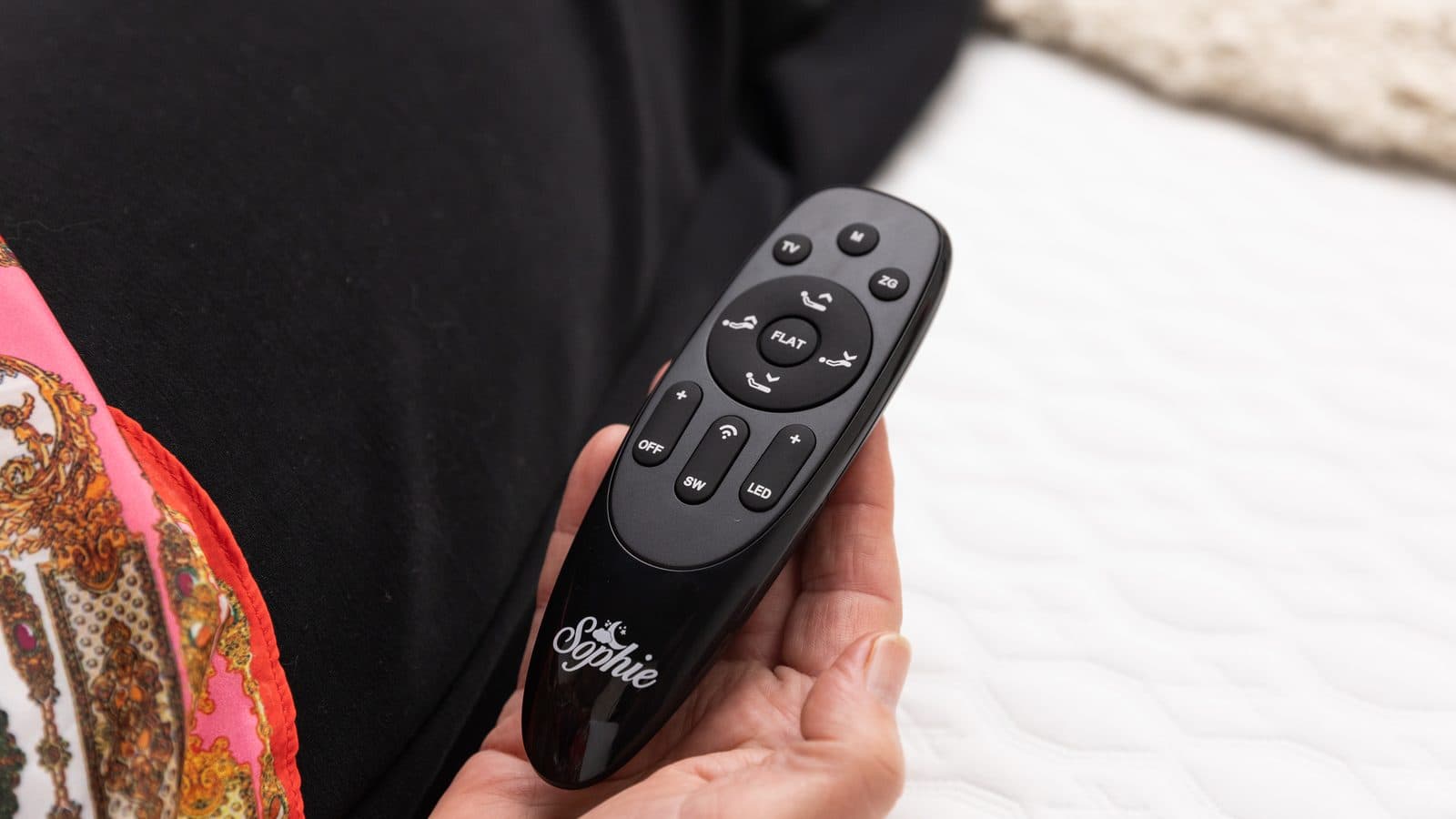
Ever woken up feeling like you’ve been tossed on a rock? You’ve probably spent a night on a bed that just isn’t listening to your body, and that frustration is all too common for anyone dealing with chronic pain, age‑related stiffness, or even a restless night after a long day of caregiving.
What if your bed could actually respond to you? Imagine gently elevating your legs to relieve swollen ankles, or tilting the head just enough to keep acid reflux at bay – all without you having to wrestle with pillows. That’s the promise of an electric adjustable bed in Australia, and it’s not a futuristic fantasy; it’s a reality that’s already improving sleep for thousands across the country.
Picture a retiree recovering from hip replacement surgery who struggles to find a comfortable position. Swapping a traditional mattress for an electric adjustable model can mean raising the upper body for reading and lowering it for sleep, cutting nightly turning‑over time significantly. Or consider an NDIS participant who uses the bed’s programmable presets to switch between a flat position for daytime physiotherapy and a slightly inclined one for night‑time breathing support.
So, how do you start? First, list your top sleep concerns – back pain, snoring, circulation, or mobility. Second, test the range of motion: most Australian models offer independent head and foot adjustments, typically from 0° to 70°. Third, check for safety features like anti‑pinch sensors and easy‑reach remote controls; these are crucial for seniors and caregivers. Fourth, think about tech integration – many beds now pair with smartphone apps, letting you save favourite positions or even sync with smart home routines.
When you’re ready to explore options, a good place to begin is Transform Your Sleep Experience with Sleep Sophie Electric Adjustable Beds. Their beds focus on therapeutic comfort, offering features like massage therapy and quiet motors that won’t disturb a light sleeper.
Finally, give yourself a demonstration option. Most reputable brands in Australia provide a clear returns policy, so you can truly gauge whether the bed eases your aches, supports your health goals, and fits your lifestyle. If you notice less tossing, reduced morning stiffness, or simply feel more refreshed, you’ve likely found the right fit.
Ready to take the next step? Sketch out a simple checklist of your needs, schedule a demo (many showrooms offer in-home demonstrations), and compare specs against the checklist. Within a few days, you could be on your way to a night of uninterrupted, restorative sleep.
TL;DR
Choosing the right electric adjustable bed Australia can transform restless nights into soothing, pain‑relieving rest, especially for seniors, NDIS participants, and anyone battling chronic discomfort. Our guide walks you through key features, safety tips, and trial strategies so you can confidently pick a bed that supports your health and lifestyle daily.
Why Choose an Electric Adjustable Bed in Australia?
Ever felt that the mattress just isn’t listening to your body? You’re not alone. For many of us – especially if you’re dealing with chronic pain, limited mobility, or a partner who snores – the nightly struggle can feel like a never‑ending tug‑of‑war with pillows.
That’s why an electric adjustable bed Australia feels like a quiet revelation. It lets you fine‑tune the angle of your head and feet with the press of a button, turning a rigid platform into a responsive support system that actually adapts to how you feel in the moment.
Therapeutic benefits that matter
Think about the simple act of reading in bed. With a traditional mattress you might prop a pillow, but it never quite feels right. Flip the switch, lift the head, and suddenly you’re upright, eyes relaxed, back supported – no awkward pillow stacks. For seniors, that extra lift can ease breathing and reduce pressure on the hips, which is a game‑changer after a joint replacement.
NDIS participants often tell us they love the programmable presets. One click and the bed moves into a position that aligns with physiotherapy exercises, then another click slides back to a flat, restful posture for sleep. It’s the kind of flexibility that turns a bed from a static piece of furniture into an active part of a care plan.
Why the Australian market is ripe for it
Our climate can swing from cool evenings in Melbourne to balmy aridity in Alice Springs. An adjustable bed lets you respond to those shifts without pulling out a heavy blanket or tossing the thermostat. Raise the foot section for circulation on a hot night, lower it when the air turns crisp – it’s a low‑tech way to stay comfortable while your HVAC does its thing.
And because many Australian manufacturers design their units with quieter motors, you won’t hear a whir that wakes the kids. Quiet operation matters if you share a room with a light sleeper or a baby.
Choosing the right model
When you start looking, ask yourself: do you need independent head and foot controls, or is a single‑motor system enough? Do you want built‑in massage, or is a simple lift sufficient? For most people, the sweet spot is a dual‑motor bed with anti‑pinch safety sensors – they prevent the mechanism from closing on a limb, a feature caregivers appreciate.
One thing we often hear is the desire for smart integration. Some beds pair with phone apps, letting you save favourite positions or even sync with smart home routines. Imagine the lights dimming as the bed gently rises for a night‑time read – that seamless flow can feel surprisingly luxurious.
But don’t just take our word for it. A quick look at holistic wellness solutions shows how broader health technologies are pairing with adjustable beds to create a more comprehensive recovery ecosystem.
Noise can also sabotage sleep, especially if you’re a side sleeper who hears every creak. A recent guide on managing bedroom noise highlights simple tricks – like using quality earplugs – that complement the comfort an adjustable bed provides.
And if you’re curious about how these beds fit into larger health initiatives, check out the work of global health innovation partners who are exploring sleep technology as part of community wellness programs.
So, what’s the next step? Take a moment to list the top three ways your current bed falls short. Then match those pain points to the features we’ve discussed – independent elevation, quiet motors, safety sensors, smart app control. If you can see a clear match, you’re probably ready for a trial.
Ask each brand what trial or return options they currently offer. That means you can test the lift, the massage, the app, and see whether you actually wake up feeling less achy.
Take a breath, picture the gentle rise of the headrest, the quiet hum of the motor, and the sense that your bed finally gets you.
Key Features to Look for When Buying
When you start scrolling through the endless list of electric adjustable bed Australia options, it’s easy to feel overwhelmed. What actually matters for someone who spends nights wrestling with pain or helping a loved one get in and out of bed?
Independent Head & Foot Elevation
Being able to lift the head and the foot sections separately is the baseline feature most people need. It lets you prop yourself up for reading, watch TV without a pillow stack, or elevate your legs to ease swelling after a long day. Imagine a retiree recovering from a hip replacement who can raise their feet by 15 cm – many people in this situation notice a real drop in nighttime turning.
Hi‑Lo Lift
For seniors or NDIS participants, the whole‑frame Hi‑Lo adjustment is a game‑changer. The bed rises a few inches, lowering the effort needed to sit up or get down. Caregivers notice less strain on their backs, and patients feel more independent. For a caregiver, the Hi‑Lo feature can reduce nightly assistance time from around ten minutes to under two.
Split‑Base Capability
If you share a bed, a split base lets each side operate on its own. One partner can keep the foot flat while the other enjoys a gentle incline for reflux relief. The trade‑off is a higher price, so weigh it against your actual need – solo sleepers often skip this without regret.
Motor Noise & Smoothness
Nothing ruins a quiet night like a rattling motor. Look for whisper‑quiet specs (under 40 dB) and seamless transitions. A smooth glide means you won’t wake your partner when you adjust at 2 am.
Safety Tech
Anti‑pinch sensors, sturdy side rails, and a solid five‑year motor warranty are non‑negotiables. These features protect both the user and the investment. Brands that back their motors for at least five years are usually confident about durability.
Massage & Smart Integration
Some premium models include gentle vibration massage or smartphone app control. If you love a quick muscle unwind after a workout, a built‑in massage can feel like a mini‑spa. App control lets you save favourite positions – handy for NDIS participants who need consistent presets.
Mattress Compatibility
Flexible mattresses – memory foam, latex, or hybrid – bend with the base. Inflexible innerspring mattresses can stress the motor and wear out faster. Check the product page for “adjustable‑compatible” labels before you buy.
Checklist for Your Next Purchase
- Independent head & foot elevation (0°‑70° range)
- Hi‑Lo lift if mobility is a concern
- Split‑base only if you share the bed
- Whisper‑quiet motor rating
- Anti‑pinch safety sensors and at least a five‑year motor warranty
- Massage or smart‑app features – optional but nice‑to‑have
- Flexible mattress compatibility
Take this checklist, walk into a showroom, and ask the salesperson to demo each feature. Don’t just watch – spend a night in the exact positions you’ll use daily.
When you’re ready to compare specs, our Features To Look for When Buying an Electric Adjustable Bed guide breaks down each element in plain language, so you can match them to your personal checklist.
Beyond the bed itself, think about the whole sleep ecosystem. Pairing your new electric adjustable bed Australia with proactive health advice can amplify the benefits.
And if noise is still a nuisance, consider adding high‑quality earplugs. This practical guide on earplugs shows how a simple accessory can create a quieter sleep environment, letting you fully enjoy the silent motor of your new bed.
How to Install and Set Up Your Electric Adjustable Bed
Getting an electric adjustable bed Australia up and running isn’t just about the hardware. It’s about making sure you and your caregivers can use it safely and comfortably from night one. In our experience, a quick, organised setup saves you days of frustration and weeks of sore backs.
Think of this like planning a good night’s sleep from the moment you unbox. The bed should respond to you, not fight you. Does this really work? It does, when you approach setup with a clear, steps‑based plan.
Preparation and space
Before you touch a tool, map the room. You’ll want at least 60 cm of clearance on both sides and a bit more at the foot for easy bedding changes. If you’re placing the bed on carpet, a non‑slip mat under the base can stop wobbling and keep movements smooth at 2 a.m. Measure doorways and hallways in advance so you can maneuver the base without scratching walls or doors.
Keep the instruction manual, remote, and power cord all in one accessible spot. You’ll reference them often, especially during the initial setup. This is not the moment to wing it—small prep now prevents big headaches later.
- Unpack and inspect the base and components. Look for cosmetic damage, loose screws, or missing parts. Set aside the remote, power cord, and user manual; you’ll reference them often, especially during first setup. This becomes your quick reference guide during later tweaks.
- Find the right space and layout. Confirm at least 60 cm clearance on each side and extra room at the foot. If you’re moving the base through a doorway, plan a route that minimises turning and avoid tight corners.
- Attach legs and rails per the manual. Most bases have adjustable feet and simple bolt‑on components. Level the frame so it sits solidly on the floor; torque bolts to the manufacturer’s spec without over‑tightening.
- Power up and run basic movements first. Plug into a grounded outlet and test head up, foot up, and the flat return. Listen for smooth starts and stops; any rattling or stalling is a sign to stop and recheck alignment.
- Check mattress compatibility. A flexible, adjustable‑compatible mattress works best with an electric base. If your current mattress is rigid, consider a topper or a model that’s explicitly labelled adjustable‑friendly. This protects the motor and preserves motion across the bed.
- Program and save presets. Create at least two positions for different activities—reading, TV, and sleep. Saving presets saves you from fiddling with the controls every night and helps you settle into your chosen comfort fast.
- Safety first. Ensure anti‑pinch sensors are active and that any side rails are properly engaged. Keep clothing, cords, and pets away from moving parts. If you share the bed, decide early whether you’ll use a split base or a single‑side setup depending on your and your partner’s needs.
- Test in real life. Sit, lie, and shift into your typical positions. Make small 5–10° adjustments and note what feels best for neck, shoulders, and hips. The goal is a natural, supported posture that doesn’t wake you during changes.
- Maintenance checklist. After the first week, wipe the frame with a damp cloth, check screws, and replace remote batteries as needed. If you hear squeaks, address them early with a quick tighten or a dab of silicone lubricant on squeaky joints.
- Documentation and warranty. Register the bed with your retailer and note the motor warranty length. A solid five‑year warranty is a good sign of long‑term durability and service support.
In our experience, Sleep Sophie models are designed with quiet motors and intuitive app control, which makes ongoing use simpler for daily routines. For a detailed, model‑specific installation checklist praised by healthcare professionals, Aidacare’s installation guide for electrically adjustable beds is a reliable reference you can trust.
As of 2026, following these steps helps ensure your electric adjustable bed Australia delivers consistent comfort, supports therapy goals, and integrates smoothly with daily life for seniors, carers, and anyone managing chronic pain.
Comparing Top Electric Adjustable Bed Models Available in Australia
When you start looking at electric adjustable bed Australia options, the sheer number of models can feel overwhelming. You might wonder, “Which one actually gives me the relief I need without breaking the bank?” The answer lies in matching the features that matter most to your daily routine.
How we line up the contenders
We start with three buckets:
- Premium – the all‑rounder: built for heavy‑duty use, quiet motors, Hi‑Lo lift and massage.
- Mid‑range – the balanced pick: solid motor performance, independent head/foot elevation, good warranty.
- Entry‑level – the budget‑friendly starter: basic incline, reliable frame, lower price point.
Below is a quick snapshot of the three categories we see most often in Australian showrooms.
| Model | Key Features | Price Range (A$) |
|---|---|---|
| Sleep Sophie Sophie Adjustable Bed (Premium) | Whisper‑quiet dual‑motor, Hi‑Lo lift, built‑in massage, wireless remote, flexible memory‑foam compatible | 5,500‑7,200 |
| Mid‑Range Australian Brand – “FlexLift 3000” | Independent head/foot elevation (0‑70°), steel frame, 5‑year motor warranty, optional wired remote | 3,200‑4,000 |
| Entry‑Level Option – “BasicRise” | Single‑motor head/foot lift, wired remote, sturdy upholstered frame, weight capacity 120 kg | 1,800‑2,300 |
Why the Sleep Sophie premium model often tops the list
In our experience, the Sleep Sophie Sophie Adjustable Bed checks every box for chronic‑pain sufferers, NDIS participants and caregivers. The dual‑motor design means the head and foot sections move smoothly and silently – you won’t hear a click at 2 am when you adjust for a quick read.
What’s more, the Hi‑Lo lift lifts the whole frame a few centimetres, making it far easier for an elderly parent to sit up or get out of bed without straining their back. That feature alone can save a caregiver a good 15 minutes of nightly assistance, simply by letting the bed do the heavy lifting.
Mid‑range models: solid value for most households
If you’re looking for a dependable bed without the extra massage bells and whistles, the FlexLift 3000 (a typical mid‑range Aussie brand) delivers the essentials. Independent head/foot control lets you and a partner set different angles – perfect for a couple where one side reads while the other watches TV.
Real‑world tip: set up two favourite presets – one for “Reading” (head up 45°, feet flat) and one for “Sleep” (flat or slight knee‑break). You’ll find you spend less time fiddling with the remote and more time actually relaxing.
Entry‑level choices: don’t overlook the basics
For a first‑timer or someone on a tighter budget, the BasicRise model offers the core function of elevating the head and foot sections. It’s a sturdy steel frame with a wired remote that’s hard to lose. While it lacks Hi‑Lo lift, many users report a noticeable drop in nighttime leg swelling just by raising the foot end 10 cm.
Action step: after the first week, test a 5‑degree foot raise each night and log how your ankle swelling feels in the morning. Small data points help you decide if you need to upgrade later.
Expert checklist before you decide
Grab a pen and run through these questions while you’re in the showroom or scrolling online:
- Do you need Hi‑Lo lift for easier entry/exit?
- Is a built‑in massage worth the extra cost for your recovery routine?
- Will you share the bed with a partner who prefers a different angle?
- What is your weight capacity requirement? (Most premium models handle 150 kg+.)
- How quiet does the motor need to be? Look for under 40 dB ratings.
- Is a wireless remote essential, or will a wired remote do?
Answering these honestly narrows the field quickly. If you tick “yes” on Hi‑Lo lift, massage and wireless control, the Sleep Sophie premium model is the logical pick. If you’re okay with a wired remote and don’t need massage, the FlexLift 3000 offers great value. And if you just want basic incline, the BasicRise covers the basics without the extra spend.
Final thought – test before you commit
Ask each retailer what trial or return options they currently offer. Use that window to try the presets you set, check the motor noise, and see how the Hi‑Lo lift feels when you or your caregiver assists you. The bed that feels like a natural extension of your body is the one you’ll keep.
Remember, an electric adjustable bed Australia isn’t just a piece of furniture – it’s a daily health aid. Choose the model that aligns with your specific therapy goals, budget and lifestyle, and you’ll notice the difference within the first few nights.
Maintenance Tips to Keep Your Bed Running Smoothly
You’ve just set up your new electric adjustable bed Australia and it feels like a game‑changer, right? But, like any piece of motorised furniture, it needs a little TLC to stay whisper‑quiet and reliable for years to come.
Monthly Mini‑Inspection
Start by giving the base a quick once‑a‑month walk‑through. Grab a soft, dry cloth or a vacuum attachment and wipe away any dust that has settled on the joints, hinges and metal rails. Dust may look harmless, but it can turn into grit that makes the motor work harder and eventually cause a squeak.
While you’re at it, check every bolt and screw. Over time, the gentle push‑and‑pull of daily adjustments can loosen them. Tightening them with a simple Allen key restores the solid feel you got out of the box.
Does this feel like a chore? Think of it as a short check‑up – like you’d give a car before a long road trip. A few minutes now saves you from a noisy night later.
Lubricate the Moving Parts
The motor is the heart of your adjustable bed, and the pivot points are its arteries. The adjustable bed maintenance guide recommends a silicone‑based spray every three to six months. Spray a light mist on the hinges and pivot joints – avoid oil‑based products because they attract dust.
Here’s a quick step‑by‑step:
- Unplug the bed – safety first.
- Locate the motor’s vent and gently vacuum any lint.
- Apply silicone spray to each moving joint.
- Move the head and foot sections through their full range a few times to work the lubricant in.
After a few cycles you’ll notice the motion feels smoother, and the dreaded squeak fades away.
Mind the Weight Limits
Every model comes with a weight capacity – most premium Sleep Sophie beds handle 150 kg+, but entry‑level frames sit around 120 kg. Overloading not only stresses the motor, it can warp the frame and cause uneven wear.
Ask yourself: are you regularly placing heavy items on the foot end when it’s raised? That extra pressure can shorten the motor’s life. Keep the load within the manufacturer’s spec and you’ll keep the lift responding swiftly.
Keep the Motor Cool
Motors love airflow. If your bed sits directly on carpet, consider a thin foam pad underneath the base to give the motor room to breathe. Also, avoid covering the motor vents with blankets or bedding – a blocked vent can lead to overheating and, eventually, motor fatigue.
Pro tip for caregivers: when you’re helping a resident sit up, use the Hi‑Lo lift instead of manually pressing the foot section. Less strain on the motor equals a longer lifespan.
Troubleshooting Common Glitches
Sometimes the bed will move slower than usual or make a faint grinding noise. First, double‑check that all bolts are still tight. If the problem persists, a quick vacuum of the motor vents (with the unit unplugged) can clear hidden debris.
If you notice the remote isn’t responding, replace the batteries before assuming a deeper fault. A dirty sensor surface can also be wiped gently with a dry cloth.
And remember, if the motor hums loudly despite these steps, it’s time to call the manufacturer’s support line – tinkering with the motor yourself could void the warranty.
Document Your Care Routine
Keep a simple log: date, what you cleaned, any bolts tightened, and when you lubricated. This record becomes handy if you ever need to claim warranty service, and it reminds you when the next maintenance window is due.
Many Australian users find that a disciplined routine – once a month for inspection, every three months for lubrication – extends the life of their bed well beyond the standard five‑year motor warranty.
So, what should you do next?
Set a calendar reminder for the first Monday of each month. When the day arrives, follow the checklist above, and you’ll keep your electric adjustable bed Australia humming smoothly, night after night.
Conclusion
So you’ve seen how an electric adjustable bed Australia can turn a restless night into a gentle, supportive rest. Whether you’re coping with chronic pain, managing NDIS therapy, or simply want a smoother bedtime routine, the right bed makes a real difference.
We’ve walked through the key features you should look for, how to set it up without a headache, and simple maintenance habits that keep the motor whisper‑quiet for years. Remember the small habit of a monthly inspection – it’s like a quick health check for your bed.
Imagine waking up with your legs slightly elevated, your back aligned, and the whole frame ready to lift you gently when you need to sit up. That’s the everyday comfort we aim to deliver.
If you’re ready to take the next step, think about the one thing that’s been holding you back – maybe it’s uncertainty about the trial, or the fear of a complicated install. Trust the process, set a calendar reminder, and give the bed a few nights to prove itself.
In the end, an electric adjustable bed Australia isn’t just a piece of furniture; it’s a partner in your sleep health. Give yourself the chance to experience that partnership today, now.
FAQ
What is an electric adjustable bed Australia, and who benefits most?
An electric adjustable bed Australia is a bed frame with motorized head and foot sections you can raise or lower with a remote. It’s especially helpful if pain, pressure, or mobility issues make getting comfortable hard. In our experience, people with chronic back or joint pain, seniors needing safer transfers, and caregivers coordinating nightly routines see biggest benefits. The model quietly supports your body, reduces pressure points, and makes reading or watching TV feel natural.
How do I choose the right electric adjustable bed in Australia for chronic pain?
Start with your pain profile and routine. Do you need to sit up for long periods, or elevate your legs to ease swelling? Look for independent head and foot elevation, plus a quiet motor and robust safety features. Check mattress compatibility and driving force: a flexible mattress that moves smoothly with the base protects your joints. In practice, test presets for neck support, knee relief, and bedtime transitions to see what actually helps you sleep.
What features matter most for safety and ease of use for seniors or caregivers?
For safety, anti-pinch sensors, rails, and a motor warranty set a baseline. For seniors and caregivers, a Hi-Lo lift on an electric adjustable bed Australia is life-changing—standing visibility and gentle transfers become possible with less effort. Independent head and foot elevation helps adjust for reflux or breathing comfort without sacrificing sleep quality. Look for remotes, presets, and clear instructions. Sleep Sophie models emphasize quiet motors and thoughtful design to keep care routines smooth, not stressful.
Why consider Sleep Sophie as your pick for an electric adjustable bed Australia?
In our experience, Sleep Sophie stands out for its Australian‑made mattresses, comfort‑focused design, and real therapy-minded features. Independent head/foot controls, quiet dual motors, and optional Hi-Lo lifting support everyday activities—from reading to bedside physiotherapy. The brand focuses on therapeutic comfort for chronic pain, seniors, and caregivers, which matches the needs of our audience. If you want a trusted partner in restorative sleep, Sleep Sophie is a strong, evidence-based choice that respects your budget and routine overall.
Can these beds support NDIS therapy goals and independent living?
Yes, many participants find that adjustable beds support activities and therapy plans. Elevating the torso helps with breathing and comfort during prescribed exercises at home, while the Hi-Lo lift supports safer transfers at night. Custom presets let carers set consistent routines, reducing strain. It’s important to choose a model with weight capacity, good warranty, and reliable remote controls. Sleep Sophie’s range is designed with these goals in mind for NDIS participants and their support teams.
What should you expect during a trial, warranty, installation, and maintenance?
Most Australian retailers offer a demonstration option—often 30 days—to ensure the bed meets your needs. During this window you should test comfort, accessibility of controls, and how the motion feels at night. Look for a warranty—five years for the motor is common—and straightforward service terms. Installation usually includes in-home setup and a quick safety run‑through. Monthly maintenance, including wiping down the frame and checking bolts, keeps motors quiet and prolongs life for your family.
Not sure it will fit?
We deliver and install free, Australia-wide — and we’ll tell you straight if it won’t work in your room.
1300 975 337 (1300 9 SLEEP) · Australian-based team · Explore the Sophie adjustable bed range
Rated 4.8 from 227 reviews on ProductReview.com.au · Free in-home demonstration · Interest-free options via Humm, Brighte & Payright for approved purchasers
Using NDIS or Support at Home funding?
Sleep Sophie is a registered NDIS provider (4050070896), and Sophie adjustable beds and lift recliners are ARTG-registered Class 1 medical devices (ARTG 326115). Beds can be funded through NDIS assistive-technology budgets where an occupational therapist recommends them; the Support at Home program has its own equipment pathway. We prepare quotes suitable for plan approval — see how NDIS funding works or Support at Home, or call and we’ll walk you through it.