
Choosing the Right Mattress for Side and Back Sleepers: A Practical Guide
6 January 2026 · Nathan Kerrins · Updated 23 July 2026
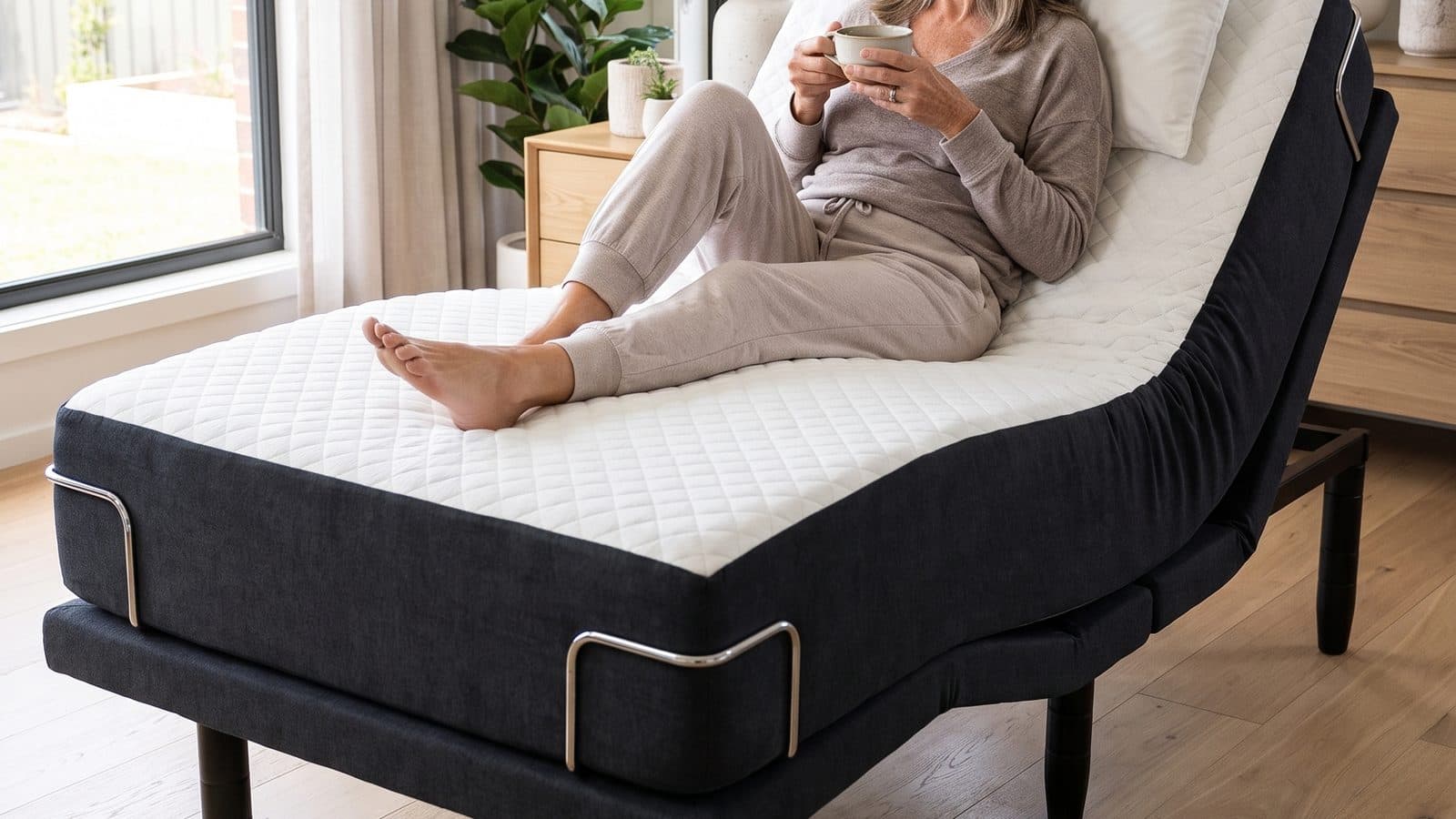
Ever rolled onto your side in the middle of the night, only to wake up with a sore hip, while your back‑sleeping partner tosses like a ship in a storm? That tug‑of‑war between side and back sleepers is more common than you think, and it usually starts with the mattress you chose.
We’ve heard from countless NDIS participants and chronic‑pain patients who swear their mattress is the missing piece in their sleep puzzle. It's a common pattern: one partner keeps waking up with lower‑back stiffness, while the other complains about shoulder pressure from the same bed. The root cause? A surface that can’t balance the differing support needs of a side sleeper’s hips and a back sleeper’s lumbar curve.
So, what makes a mattress truly versatile? First, look for a medium‑firm feel that offers enough plushness for side sleepers to sink just enough to relieve shoulder pressure, while still providing firm enough support to keep the spine neutral for back sleepers. Materials like responsive memory foam or hybrid coils with a comfort layer of gel‑infused foam often hit that sweet spot because they adapt to body shape without feeling too “sinking.”
Second, consider adjustable‑base compatibility. An electric bed lets each sleeper fine‑tune head‑and‑foot angles, reducing pressure on the hips for side sleepers and allowing a slight lumbar tilt for back sleepers. In our experience, pairing a supportive mattress with an adjustable base dramatically cuts night‑time awakenings for mixed‑position couples.
Here’s a quick checklist you can run through tonight:
- Press your hand into the mattress. If it leaves a deep imprint that takes more than a few seconds to bounce back, it’s probably too soft for back sleepers.
- Lie on your side; the mattress should cradle your shoulder without letting your hip drop too low.
- Check the edge support – side sleepers often sit on the edge when reading, and back sleepers need a stable surface to sit up.
Want a deeper dive into what side sleepers should look for? Our Mattress for Side Sleepers Australia: A Practical Buying Guide breaks down materials, firmness ranges, and real‑world test results that can help you choose the right foundation for both you and your partner.
Finally, remember that a mattress is just one part of the sleep ecosystem. Pair it with a supportive pillow, keep your bedroom cool, and, if snoring is an issue, consider simple accessories like earplugs to protect your partner’s rest. With the right combination, you can finally stop the nightly battle and enjoy a night where both side and back sleepers wake up refreshed.
TL;DR
Choosing the right mattress for side and back sleepers means finding a medium‑firm, responsive surface that comfortably eases shoulder pressure while keeping the spine aligned. Pair it with an adjustable base, supportive pillow, and cool bedroom climate, and you’ll wake up refreshed, pain‑free, and ready to tackle the day confidently.
Understanding Sleep Position Needs
When you lie down, your body is quietly asking for two things: pressure relief where it hurts and support where it matters. For a side sleeper that means the shoulder and hip need a gentle cradle, while a back sleeper wants the lumbar curve held in a neutral line. If the mattress can’t read both signals, you end up with a restless night and a sore morning.
Think about the last time you woke up with a tight hip after sleeping on your side. Your spine probably twisted a bit to compensate for a sagging edge or a mattress that was too soft. Now flip the script – imagine a back sleeper rolling onto a mattress that sinks too much under the hips; the lower back flattens, the natural curve disappears, and the next morning feels like a stiff board. That’s the core tension we’re trying to solve.
So, what does a mattress need to satisfy both? First, a responsive comfort layer that can adapt to the contours of a side sleeper’s shoulder without letting the hip drop too low. Gel‑infused memory foam or a hybrid coil core with a plush top layer does that trick nicely – it gives that “sinking” feel on the side but bounces back quickly enough for a back sleeper to stay aligned.
Adjustability matters
One of the biggest game‑changers we see at Sleep Sophie is pairing the right mattress with an electric adjustable base. Raising the head‑of‑bed a few inches can open up the chest for side sleepers, while a slight incline at the foot‑of‑bed helps back sleepers keep a gentle lumbar tilt. This tiny angle difference can be the difference between a night of tossing and a night of drifting.
And don’t forget the pillow. A medium‑loft pillow with good neck support works for both positions – it fills the gap when you’re on your side, yet it’s low enough not to push the head forward when you’re on your back.
Still wondering how to test a mattress before you buy? Press your hand into the surface; if the impression lingers more than a few seconds, it’s probably too soft for a back sleeper. Lie on your side; the mattress should hug the shoulder without letting the hip sink dramatically. A quick edge‑press test can also reveal if the mattress will hold up when one partner sits on the edge to read.
We’ve written a Mattress for Side Sleepers Australia: A Practical Buying Guide that walks you through those checks step‑by‑step, so you can feel confident before you click ‘add to cart’.
Beyond comfort, consider overall health. Chronic pain sufferers often benefit from a holistic approach: a supportive mattress, a good pillow, and proactive wellness.
Below is a quick visual summary of what to look for when you’re comparing mattresses for side and back sleepers:
Notice how the video walks through pressure‑mapping demos – you can see the difference between a too‑soft foam and a well‑balanced hybrid in real time.
And for those who prefer a visual cue on the page, here’s an illustration that captures the ideal pressure distribution for both positions:
Bottom line: the perfect mattress for side and back sleepers marries responsive cushioning with firm enough support, and it shines brightest when paired with an adjustable base, the right pillow, and a few thoughtful accessories. Take a few minutes this week to run the simple checks we’ve outlined, and you’ll be on your way to quieter, pain‑free mornings.
Key Mattress Features for Side and Back Sleepers
When you share a bed with a partner who flips between side and back, the mattress has to do a lot of juggling. It’s not enough to be just “soft” or “hard” – you need a blend that adapts to the shape of both sleepers without compromising spinal alignment.
Adaptive firmness that feels like a hug
Think of adaptive firmness as a responsive handshake. On a side‑sleep night, the shoulder and hip need a little extra give so the pressure doesn’t dig in. Switch to a back‑sleep position and the same surface should spring back just enough to keep the lumbar curve supported.
We’ve seen that a medium‑firm rating—roughly a 6 out of 10—hits that sweet spot for most adults. Materials like gel‑infused memory foam or hybrid coil layers tend to soften under lighter pressure (like a shoulder) but stay firmer where the body is heavier (like the hips or lower back). That dynamic response is what makes a mattress truly versatile for side and back sleepers.
Zoned support for targeted comfort
Zones are like little pockets of tailored support. The central third of the bed—where hips and lower back sit—should be reinforced with denser foam or firmer coils. The outer edges can stay softer, giving side sleepers a gentle cradle for the shoulder while still offering a stable base for the back.
In practice, you’ll feel the difference when you roll over. The hip doesn’t dip lower than the spine, and the shoulder settles without a “pinch.” That alignment trickles down to fewer morning aches, especially for NDIS participants dealing with chronic pain.
Edge stability that doesn’t betray you
Edge support often gets overlooked, but it matters a lot when one partner likes to read or watch TV sitting up. A reinforced perimeter prevents the mattress from sagging, keeping the sleeping surface wide enough for both sleepers.
Test it yourself: sit on the edge for half a minute. If the mattress feels solid and you don’t hear a creak, the edge is doing its job. Strong edges also help back sleepers sit up without wobbling, which is a boon for elderly users who need that extra safety net.
Temperature regulation for uninterrupted rest
Temperature spikes are the silent killers of good sleep. Gel‑infused foams and breathable hybrid constructions pull heat away from the body, keeping you cool whether you’re curled on your side or stretched out on your back.
Look for airflow channels, open‑cell foams, or pocketed coil designs that promote ventilation. When the mattress stays cool, you’re less likely to toss and turn, which is a win for anyone dealing with chronic pain or limited mobility.
So, what does this all look like in a real bedroom?
Take a minute after watching the video to run the quick checks we mentioned earlier: hand‑test the bounce, feel the edge, and note how your shoulder settles. If the mattress feels too soft on your back, consider adding a firmer topper or adjusting the base angle.
Actionable checklist for side‑and‑back sleepers
- Lie on your side – does your shoulder sink just enough to feel cradled?
- Flip to your back – does your lower back stay level without a dip?
- Press the centre with your hand – does it rebound in 2‑3 seconds?
- Sit on the edge – is the surface firm and stable?
- Check temperature – does the surface feel cool after an hour of sleep?
When you tick all these boxes, you’ve likely found a mattress that truly serves both sleeping styles. And remember, pairing the right mattress with an adjustable base—something Sleep Sophie specializes in—lets each of you fine‑tune the incline, further reducing pressure points.
In short, look for adaptive firmness, zoned support, sturdy edges, and breathable materials. Those four pillars are the backbone of any mattress for side and back sleepers that promises a pain‑free morning for you and a restful night for your partner.
How to Test a Mattress Before Buying
Okay, you’ve narrowed the field down to a handful of models and the store is buzzing with shoppers. Before you walk out with a mattress you’ll regret, let’s walk through a quick, no‑pressure test that works for both side‑ and back‑sleepers.
Step 1: Lie on Your Side First
Most people instinctively lie on their back when they try a mattress in a store, but that’s a trap for mixed‑position couples. Grab a pillow, lie on your side, and let your shoulder sink into the cushion. You should feel a gentle hug, not a hard press.
Ask yourself: does the shoulder sink just enough to relieve pressure, and does the hip stay level with the rest of your spine? If your hip drops lower than your shoulder, the mattress is probably too soft for back sleepers.
Step 2: Pressure‑Relief Check
While you’re still on your side, pause for a few seconds and notice any “pinch” points. Your hips and shoulders carry the most weight, so they’re the litmus test.
Imagine a tiny smile forming on your face when the pressure eases—that’s the sweet spot. If you feel a hard edge under your hip, move on; you’ll likely wake up with hip pain.
Step 3: Flip to Your Back
Now roll onto your back. The goal is a flat, neutral spine. Look at the lower back area—does the mattress give a subtle dip that follows the natural lumbar curve, or does it feel like a flat board?
If you feel a pronounced dip, the surface is too soft and will let your hips sink too low, stressing the lower back. If it feels rock‑hard, you’ll lose the gentle contouring you need for side‑sleep comfort.
Step 4: Edge Stability
Side sleepers love to sit on the edge reading or watching TV, and back sleepers need a firm edge when they sit up to adjust blankets. Sit on the edge for about 30 seconds. The mattress should feel solid, not like it’s about to give way.
Press your hand into the perimeter while you’re seated. If the foam or coils give too much, you’ll lose usable sleeping width—a common complaint among couples sharing a bed.
Step 5: Temperature & Motion Test
Take a moment to feel the surface temperature. A cool, breathable top layer signals good airflow, which is especially important for side sleepers who tend to overheat at the shoulders.
Finally, give the mattress a gentle bounce—press the centre with your hand and watch how quickly it rebounds. A 2–3 second bounce is a good indicator of responsive foam or hybrid construction that won’t trap heat or motion.
Quick Checklist (Print‑out Friendly)
- Lie on your side – shoulder cradled, hip level?
- Roll onto your back – lumbar curve supported, no deep dip?
- Press the centre – bounce back in 2–3 seconds.
- Sit on the edge – feels firm, no sagging.
- Touch the surface – cool after a few minutes of lying.
Take a notebook, tick each box, and compare notes across models. The one that checks all the boxes is the mattress that will keep both partners happy.
If you’d like a deeper dive into side‑sleep testing, the Mattress Makers guide walks through the same steps with additional visual cues.
Remember, a mattress is just one piece of the puzzle. Pairing the right surface with an adjustable base—something Sleep Sophie specializes in—lets you fine‑tune the incline for each night, turning a good test into a great night’s sleep.
Comparing Top Mattress Types
Now that you’ve got a feel for how to test a mattress, let’s talk about the big families you’ll see on the showroom floor. Each type has its own strengths and quirks, and knowing which one lines up with a side‑and‑back sleeping duo can save you weeks of restless nights.
Memory‑Foam Mattresses
Memory foam is the go‑to for anyone who craves a hug‑like contour. It sinks around the shoulder and hip, which is great for side sleepers, but it can feel a bit too “sink‑y” when you flip onto your back. Look for models that combine a medium‑firm core with a softer top layer – that way the back‑sleeping side gets enough support while the side‑sleeping side still enjoys pressure relief.
One tip: press the centre with your hand. If the foam springs back in two to three seconds, you’ve got a responsive blend that won’t leave you feeling stuck in the middle of the night.
Hybrid Mattresses
Hybrid mattresses marry pocketed coils with a foam comfort layer. The coils give bounce and edge stability, which back sleepers love, while the foam zones keep side sleepers cushioned. Many hybrids feature “zoned” support – firmer coils under the hips and a softer feel at the shoulders. That zoning is the sweet spot for mixed‑position couples.
Because the coil system promotes airflow, hybrids tend to stay cooler than all‑foam builds. If you or your partner tend to overheat, a hybrid might be the quiet hero of your bedroom.
Latex Mattresses
Natural latex feels bouncy and responsive, that offers solid support for back sleepers while still giving enough give for side sleepers, especially if the latex is “Talalay” – a process that creates a slightly softer, more contouring feel.
Latex also resists dust mites and allergens, a plus for NDIS participants with sensitivities. The trade‑off? Latex can be a bit pricier, and the bounce might feel too lively for those who prefer a “sink‑in” sensation.
Air‑Adjustable Mattresses
Air‑adjustable models let you dial in firmness with a remote control. Imagine setting one side to a firmer 7 for back‑sleep nights and the other side to a softer 5 for side‑sleep comfort – all without buying two separate beds. The technology is great for caregivers who need to tweak the feel as a client’s condition changes.
Just keep an eye on the noise level of the pump; a quiet motor is essential for light sleepers.
Quick Comparison Table
| Mattress Type | Best For | Key Pros | Potential Cons |
|---|---|---|---|
| Memory Foam | Side sleepers who need pressure relief | Excellent contouring, good motion isolation | Can feel too soft for back sleepers, may retain heat |
| Hybrid | Couples with mixed positions | Balanced support, cooler feel, strong edge support | Higher price, bounce may be too firm for some |
| Latex | Back sleepers & allergy‑sensitive users | Responsive bounce, natural material, hypoallergenic | Costly, less “sink‑in” feel |
| Air‑Adjustable | Caregivers & evolving needs | Customisable firmness, adaptable over time | Requires power, can be noisy if low‑quality |
So, which family feels right for you? If you love the feeling of being cradled and don’t mind a bit of warmth, memory foam might be your match. If you need bounce, edge stability, and a cooler night, hybrid is worth a test. If natural materials and allergy‑protection top your list, give latex a look. And if you want the flexibility to tweak firmness as your needs shift, an air‑adjustable system could be the future‑proof choice.
Remember, the mattress is just one piece of the puzzle. Pairing the right surface with an adjustable base – something Sleep Sophie specializes in – lets you fine‑tune the incline for each night, turning a good mattress into a great night’s sleep for both side and back sleepers.
Budget‑Friendly Options Without Compromise
If you’ve been scrolling through endless mattress listings and thinking a good night’s sleep has to come with a price tag the size of a small car, you’re not alone. The truth is, there are plenty of budget‑friendly options that still give side and back sleepers the support they need.
So, how do you find a mattress for side and back sleepers that feels like a custom‑made cradle without blowing your budget? It starts with shifting the way you evaluate value. Don’t get hung up on fancy branding or a million‑year warranty – look for the fundamentals: adaptive firmness, zoned support, edge stability, and breathability. Those four pillars are what keep your hips and shoulders happy on the side, while keeping the lumbar curve aligned when you roll onto your back.
Why price doesn’t have to mean compromise
In our experience, the biggest price drivers are marketing fluff and unnecessary extras. A mattress that touts “luxury gel‑infused foam” might cost extra, but the same gel technology can appear in a more modest model that still delivers a cool, pressure‑relieving surface. The key is to read the spec sheet, not the hype.
Think about it this way: a medium‑firm foam core with a density of around 30‑35 kg/m³ provides the right balance for mixed sleepers. You don’t need a 50 kg/m³ premium foam to get decent support – you just need the right combination of firmness and responsiveness, which many mid‑range brands nail.
Smart ways to stretch your dollars
1. Shop off‑season. Mattress manufacturers often roll out deep discounts during holiday sales or at the end of the financial year. You can snag a high‑quality hybrid for a fraction of the regular price.
2. Consider a “core + topper” approach. Buying a solid, supportive core (often a foam or hybrid) and adding a separate, affordable pillow‑top or latex topper lets you fine‑tune the feel for side sleepers without overpaying for a fully integrated luxury model.
3. Look for “zone‑lite” designs. Some brands offer a simplified zoning system – firmer foam in the middle third and softer foam on the edges – without the complex coil architecture of premium hybrids. That can give you the hip‑support you need and a gentle shoulder cradle.
4. Check for bundled adjustable‑base deals. A modestly priced electric base can sometimes be bundled with a mattress at a discount. Since an adjustable base lets each sleeper tweak the incline, you can afford a slightly firmer mattress and still achieve the same personalised comfort a softer, pricier model would promise.
Adjustable‑base hacks that save money
Even if you’re on a tight budget, an electric base doesn’t have to break the bank. Look for models with a quiet motor but fewer “smart” features – the basic lift and tilt functions are enough to let side sleepers raise the head‑of‑bed a few inches, relieving shoulder pressure, while back sleepers can add a gentle lumbar tilt.
Another tip: use the base to compensate for a mattress that’s a touch too firm. Raising the head side by a couple of inches often creates that extra give for the shoulder, letting a more affordable firm core still feel plush on the side.
And don’t forget the power‑outlet placement. Installing the base near a wall socket avoids the need for extension cords or expensive wiring, keeping the overall setup cheap and safe.
Quick checklist for a budget‑friendly win
- Confirm the core density is 30‑35 kg/m³ – enough support without over‑softening.
- Make sure the mattress lists “medium‑firm” or a 5‑7 rating on a 10‑point scale.
- Look for simple zoning (centre firmer, edges softer) rather than complex coil systems.
- Check for breathable covers or gel‑infused layers that help with temperature regulation.
- Ask the retailer about off‑season discounts or bundled base packages.
When you tick those boxes, you’ll have a mattress for side and back sleepers that feels like a tailored fit, even if you paid less than you expected. It’s all about focusing on the fundamentals and using a bit of savvy shopping to avoid the fluff.
Remember, a good night’s sleep is a partnership between the mattress, the base, and the little habits you build around bedtime. By choosing a budget‑friendly mattress that still checks the core support criteria, and pairing it with an adjustable base that lets you fine‑tune the angle, you get the best of both worlds – comfort for side sleepers, alignment for back sleepers, and a price that leaves room for a cozy duvet.
FAQ
How can I tell if a mattress is truly suitable for side and back sleepers?
Start by doing the hand‑test: press firmly in the centre and watch the material bounce back in two to three seconds. Then lie on your side and see if your shoulder sinks just enough to feel cradled without your hip dropping lower than the spine. Flip onto your back; the lumbar area should stay level, not dip dramatically. If both positions feel balanced, you’ve likely found a mattress for side and back sleepers that meets the core support criteria.
Can an adjustable base compensate for a mattress that feels too firm for side sleeping?
Absolutely. Raising the head‑of‑bed a few inches creates a gentle tilt that reduces pressure on the shoulder, effectively softening the feel without swapping the mattress. For back sleepers, a slight lumbar tilt can add that extra cradle they need. Because the base is electric, you can fine‑tune the angle each night, making a single mattress work for both partners without buying a second one.
What firmness rating should I target when shopping for a mattress for side and back sleepers?
Most experts agree that a medium‑firm rating—around 5 to 7 on a 10‑point scale—hits the sweet spot. It’s firm enough to keep the spine neutral for back sleepers, yet soft enough to allow the shoulder to sink slightly for side sleepers. Look for product descriptions that mention “medium‑firm” or give a numerical rating in that range; avoid extremes like “ultra‑soft” or “extra‑hard” if you share the bed.
Are zoned mattresses really better for couples with mixed sleeping positions?
Zoned designs place firmer foam or coils under the hips and lower back while keeping the outer edges softer for shoulder relief. This targeted support means side sleepers get a plush cradle where they need it, and back sleepers get a solid foundation where they need alignment. In practice, you’ll notice less hip drop and fewer lumbar dips, which translates to fewer morning aches for both partners.
How important is edge support for a shared bed?
Edge stability matters more than you might think. Side sleepers often sit on the edge to read or watch TV, and a sagging perimeter can make the usable width feel cramped. Back sleepers who sit up to adjust blankets also need a firm edge to avoid wobbling. A reinforced perimeter keeps the mattress surface flat and reliable, giving both sleepers confidence to use the full surface without fear of collapse.
Will a gel‑infused foam keep me cool when I switch between side and back?
Gel‑infused foam is designed to draw heat away from the body, which helps maintain a comfortable temperature regardless of sleeping position. When you’re on your side, the shoulder area can get warm; the gel channels disperse that heat. On your back, the larger surface area benefits from the same cooling effect. The result is a more consistent, breathable sleep surface that doesn’t trap warmth.
How often should I rotate or flip a mattress that’s used by side and back sleepers?
For most modern hybrid or foam models, rotating 180 degrees every three to six months is enough to even out wear. Flipping isn’t usually needed unless the manufacturer specifies a double‑sided design. Regular rotation helps maintain consistent firmness across the surface, ensuring that both side and back sleepers continue to get balanced support over the mattress’s lifespan.
Conclusion
By now you’ve seen how a mattress for side and back sleepers can feel like a quiet partner that eases shoulder pressure one night and supports the lumbar curve the next.
If you’ve ever woken up with a sore hip or a stiff neck, you know the difference a well‑chosen surface makes – especially when you share the bed with a partner who flips positions.
What we’ve learned is simple: aim for medium‑firm, adaptive comfort, zoned support in the middle, and solid edge stability. Pair that with an adjustable base and you’ve got a formula that works for chronic‑pain sufferers, NDIS participants and older adults alike.
A quick final checklist helps you put it all together: test the hand‑bounce, check shoulder cradle, verify lumbar alignment, sit on the edge, and feel the temperature after an hour. If any step falls short, consider a topper or a slight tilt on your base.
Remember, the mattress is just one piece of the sleep puzzle. Consistent bedtime habits, a cool room, and a supportive pillow keep the benefits alive night after night.
Ready to upgrade? Explore Sleep Sophie’s range of electric adjustable bases and find the perfect mattress for side and back sleepers that fits your lifestyle and budget.
This article is general information, not medical advice. For guidance on your situation, talk to your GP or occupational therapist.
Wondering if an adjustable bed would suit your situation?
Our sleep experts talk with Australians in similar situations every day. No pressure, no jargon — just honest answers about what may help you rest more comfortably.
1300 975 337 (1300 9 SLEEP) · Australian-based team · Explore the Sophie adjustable bed range
Rated 4.8 from 227 reviews on ProductReview.com.au · Free in-home demonstration · Interest-free options via Humm, Brighte & Payright for approved purchasers
Using NDIS or Support at Home funding?
Sleep Sophie is a registered NDIS provider (4050070896), and Sophie adjustable beds and lift recliners are ARTG-registered Class 1 medical devices (ARTG 326115). Beds can be funded through NDIS assistive-technology budgets where an occupational therapist recommends them; the Support at Home program has its own equipment pathway. We prepare quotes suitable for plan approval — see how NDIS funding works or Support at Home, or call and we’ll walk you through it.