
Adjustable Bed for Elderly Australia: A Complete How‑To Guide
13 March 2026 · Nathan Kerrins · Updated 23 July 2026
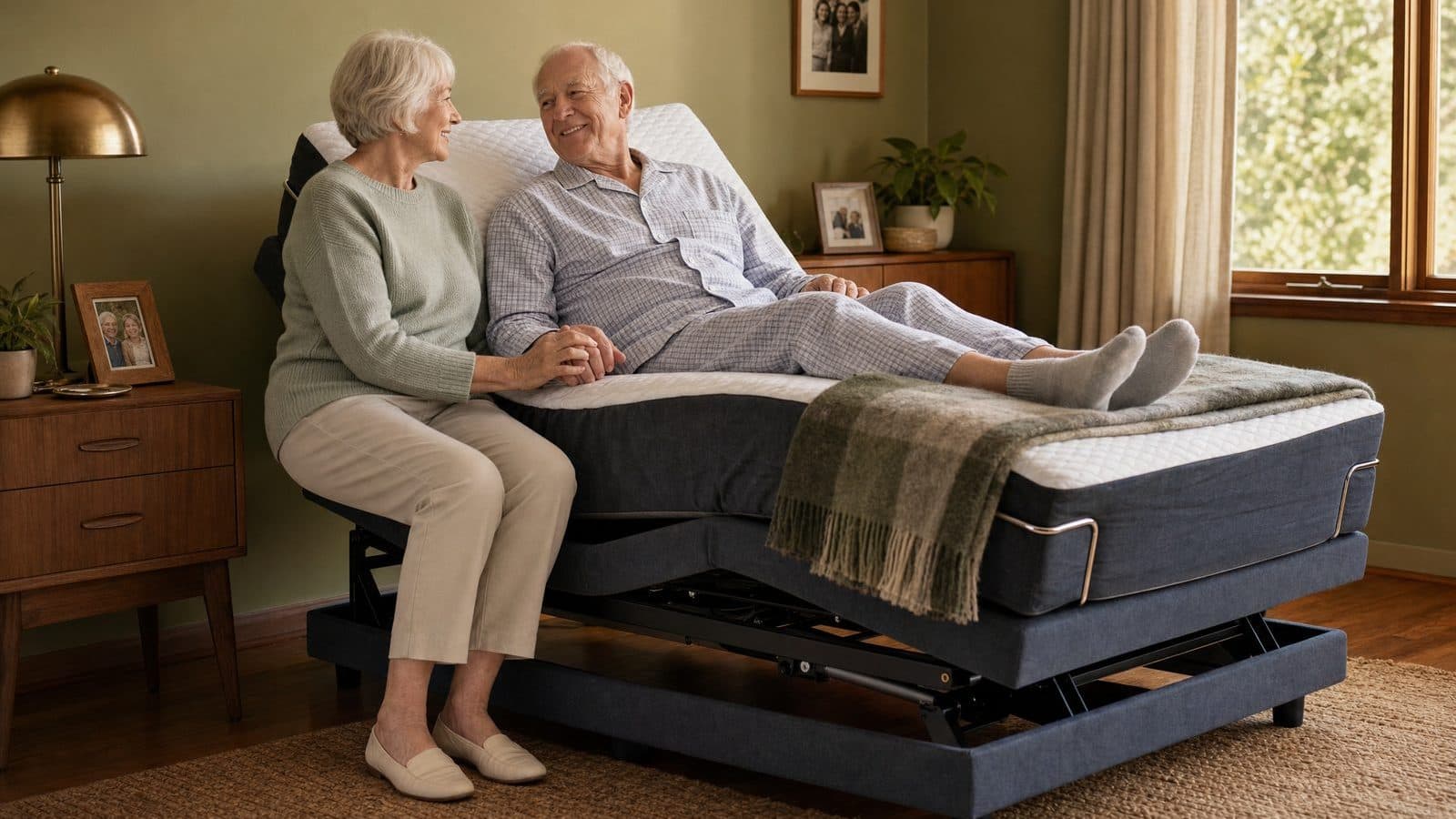
A good night’s sleep can feel like a miracle for many seniors. One simple change can turn tossing and turning into calm rest.
Age‑related aches, limited mobility, and a restless mind often keep the elderly up. Add an adjustable bed and you give the body a chance to find a comfortable position without strain.
The bed can lift the head to ease breathing, lower the feet to improve circulation, and even sit up for reading or meds. All moves are done with a button, so no heavy lifting is needed.
For safety basics, check out our adjustable bed safety tips for seniors Australia, which covers setup, rail use, and caregiver checks.
Noise is another hidden foe; silicone earplugs for tinnitus can mute the night and let the bed do its work in peace.
Start by measuring your space, pick a model with a smooth motor, and ask a caregiver to demo the controls before you buy. A well‑chosen adjustable bed can turn bedtime into a soothing ritual rather than a struggle. You’ll wake up feeling rested and ready for the day.
Choosing the Right Adjustable Bed Features for Seniors
First, think about the motor. A smooth, quiet motor lets you shift positions without a loud whirr that can startle you. Look for a motor rated for low decibel levels and one that offers a gentle glide.
Next, check the range of motion. You want a bed that can raise the head enough to ease breathing and lower the feet to boost circulation. A good range is at least 30 degrees up and 15 degrees down.
Remote control matters too. A simple handheld remote or a wall‑mounted button panel keeps the effort low for hands that may have arthritis. Some models even let you pair a smartphone app for voice commands.
Safety rails are a must. They give a sense of security when you sit up to read or watch TV. Choose rails that lock in place and are easy to lift off when not needed.
Mattress compatibility can’t be ignored. A solid, breathable mattress works best with an adjustable base. If you have chronic pain, a memory‑foam layer can add extra comfort.
For extra peace of mind, check out XL R8 Wellness for health tips that pair well with a new bed, and see what Dr. Dubey says about posture support for seniors.
Measuring Your Space and Bed Placement Tips
The first step to a safe adjustable bed for elderly Australia is to know exactly how much room you have.
Measure the floor from wall to wall, then the length, and note the ceiling height so the head‑up position fits.
Walk the route the bed will travel, measuring doorways and hallways; a split‑king can be 183 cm wide, so clear any narrow spots.
Leave at least 60 cm of clearance on each side of the bed. That space lets side‑rail users swing their legs out and gives a caregiver room to sit.
Match the space to a size. Australian split bed sizes guide lists a Long Single (91.5 × 203 cm) that fits most master rooms and can be split into two single bases for flexibility. If you have a larger room, a King Split (183 × 203 cm) provides each side ample width.
Plan the power outlet. Keep it within arm’s reach of the remote and tuck cords away to avoid trips.
Imagine a caregiver reaching for the remote on a nightstand while the user sits up. If the remote is too far, a short extension cable fixes it without moving the whole bed.
Raising the head and feet can ease breathing and back strain, so choose a position that matches the user’s needs. Benefits of elevating head and feet are especially helpful for seniors.
Add a thin LED strip under the frame; it lights the floor so you can step safely at night.
Setting Up the Bed Controls and Safety Adjustments
First, place the remote where you can reach it from the bed and from a nightstand. A short extension cord can bring power within arm’s reach without pulling the cord across the floor.
Next, test each button. Press the head‑up, head‑down, foot‑up and foot‑down controls. Make sure the motor moves smoothly and stops at the positions you need. If a button feels stiff, check the battery pack or replace the remote battery.
Step 1: Program your favourite positions. Most beds let you save a “reading” or “watch TV” setting. Hold the preset button until the light flashes, then move the bed to the angle you like. Press the button again to store it.
Step 2: Set the side‑rail lock. Pull the rail up, then press the lock button on the side‑rail control. The rail will stay up even if the bed tilts. This prevents a fall if the user rolls over at night.
Step 3: Adjust the height. Use the vertical lift button to raise the whole frame to a comfortable sitting height. This helps a caregiver or a senior who has trouble getting out of a low bed.
Step 4: Add night‑time lighting. Clip a thin LED strip under the frame or plug a low‑watt lamp into the same outlet as the bed. A soft glow lets you see the floor without turning on a harsh ceiling light.
Step 5: Check safety clearances. Keep at least 60 cm on each side of the bed so the user can swing their legs out and a caregiver can sit if needed.
Finally, run a quick safety check each week. Verify that the remote works, the rail locks, and the cords stay tidy. A simple routine keeps the adjustable bed for elderly Australia safe and easy to use.
Comparing Top Adjustable Bed Models Available in Australia
When you shop for an adjustable bed for elderly Australia, the choices can feel endless. The trick is to match the bed’s functions to the user’s daily needs.
Most brands fall into three groups: Hi‑Lo 2‑function, 3‑function, and 4‑function models. A 2‑function bed lifts the head and the whole frame – good for folks who just need a comfy sitting position to read or take meds. A 3‑function adds a knee‑lift, which helps with circulation and back pain. The 4‑function version lets you raise the head, feet, knees, and even a separate lumbar section, offering the most flexibility for people with multiple health concerns.
Here’s a quick way to decide:
- Ask if the senior needs leg elevation for swelling – that points to a 3‑ or 4‑function.
- Check if the bedroom height is an issue. Hi‑Lo beds let you raise the whole frame, making it easier for caregivers to assist.
- Consider noise level. Sleep Sophie’s silent‑motor options keep the room calm, especially for light sleepers.
Below is a simple comparison table that sums up the key points.
| Model | Functions | Ideal Use |
|---|---|---|
| Hi‑Lo 2‑Function | Head & full‑frame lift | Reading, medication, basic mobility support |
| Hi‑Lo 3‑Function | Head, foot, knee lift | Circulation issues, back pain, arthritis |
| Hi‑Lo 4‑Function | Head, foot, knee, lumbar lift | Complex health needs, caregiver assistance, fall‑prevention |
To see a full catalogue of sizes and split‑king options, check out the adjustable bed range from a trusted Australian supplier.
If you want a curated list of the best electric adjustable beds for seniors Australia, look for models that combine quiet motors with easy‑to‑press remote buttons. Once you pick a model, set the head‑up, foot‑down, and knee‑up presets during the first week. That way the user can switch positions without thinking.
Maintaining and Caring for Your Adjustable Bed
Keeping your adjustable bed in good shape means less hassle and longer comfort. A few simple habits go a long way.
Clean the base regularly
Dust loves to hide around the joints. Grab a handheld vacuum and sweep the floor and the space under the frame. Wipe any spills with a damp cloth and a mild soap – never soak the motor area.
Check motors and joints
Turn the bed on and listen. If you hear a grind or feel a wobble, the joint might need a light grease made for furniture mechanisms. A quick check can stop a bigger problem later.
Does your bed feel stiff after a few weeks? That’s a sign to look at the motor connections and tighten any loose plugs.
Mind the weight and cables
Stay inside the weight limit the maker lists. Heavy boxes on the bed can strain the motor and the frame.
Make sure cords aren’t pinched when the bed moves. A short extension cord can keep the plug within reach without a tripping hazard.
So, what should you do if you notice anything odd?
Plan a simple service check
Every six months, give the bed a once‑over. Look for dust build‑up, test each button, and run the bed through its full range of motion.
If something feels off, call a local technician. The adjustable bed maintenance guide walks you through what to look for.
Taking these steps helps your adjustable bed for elderly Australia stay smooth, safe, and ready for daily use.
Imagine a quiet night where the bed lifts without a hiccup – that peace comes from regular care.
Conclusion
Choosing the right adjustable bed for elderly Australia isn’t a puzzle when you focus on comfort, safety and ease of use. You’ve seen why a quiet motor, big remote buttons and sturdy side‑rails matter.
Regular check‑ups keep the bed moving smoothly – a quick dust‑off and button test every six months can stop bigger issues later. Tight cables, proper weight limits and clear clearances around the bed make daily life safer for seniors and caregivers alike.
If you’re ready to upgrade, look for a brand that blends reliable tech with local support. Sleep Sophie offers beds with Australian‑made mattresses that tick those boxes, backed by a helpful local service team.
Take the first step today: measure your space, list the features you need, and give the bed a short trial run. A well‑chosen adjustable bed can turn restless nights into calm, rested mornings.
FAQ
What should I look for in an adjustable bed for elderly Australia?
When you shop, start with motor noise – a quiet motor keeps the room calm. Look for a remote with big buttons that are easy to read. Strong padded side rails add safety when sitting up. Check the weight limit matches the user. A simple height‑lift lets a caregiver help without strain. Finally, make sure the warranty covers parts for at least two years. Also, verify that the frame folds flat for easy moving.
How often should I service an adjustable bed for elderly Australia?
A quick clean once a month keeps dust away from the joints. Every six months give the whole bed a run‑through: lift the head, lower the feet, and watch for odd noises. Swap the remote batteries at the same time. If you hear a grind or the bed stops at a spot, call a local technician before it gets worse. Regular care adds years to the warranty life.
Can an adjustable bed help with breathing issues for seniors?
Raising the head a few inches opens the airways and can ease shortness of breath, especially for those with mild sleep‑apnea or COPD. The move is smooth, so the person doesn’t have to strain to sit up. Pair the bed with a pillow that supports the neck, and keep the bedroom cool. If breathing problems persist, check with a doctor to rule out other causes. Even a small lift can make a big difference in comfort at night.
What safety features should I check on an adjustable bed for elderly Australia?
First, make sure the side rails lock securely when the bed is upright. A padded rail stops a fall and feels soft on the skin. Look for a cord guard that keeps the power cable out of the moving path. The remote should have a clear “off” button in case you need to stop the motor fast. Test the emergency stop during setup. Also, verify that the bed’s weight limit matches the user’s body plus any mattress.
How do I train a caregiver to use an adjustable bed for elderly Australia?
Start with a short demo right next to the bed. Show the caregiver how each button moves the head, feet, and whole frame. Walk them through setting a favourite position and saving it as a preset. Let them practice the lock on the side rail and the height‑lift function. Keep a printed cheat‑sheet nearby with the button symbols and what they do. A quick test after a week helps confirm they’re comfortable with the controls.
Is a battery backup useful for an adjustable bed for elderly Australia?
A battery backup lets the bed move even when the house loses power. That can be a relief if a night‑time fall happens and you need to raise the head quickly. Look for a model that offers at least a few hours of run‑time on a full charge. Keep the battery in a dry spot and check the charge level each month. It also gives peace of mind for caregivers who may be on call overnight.
This article is general information, not medical advice. For guidance on your situation, talk to your GP or occupational therapist.
Wondering if an adjustable bed would suit your situation?
Our sleep experts talk with Australians in similar situations every day. No pressure, no jargon — just honest answers about what may help you rest more comfortably.
1300 975 337 (1300 9 SLEEP) · Australian-based team · Explore the Sophie adjustable bed range
Rated 4.8 from 227 reviews on ProductReview.com.au · Free in-home demonstration · Interest-free options via Humm, Brighte & Payright for approved purchasers
Ask us about this bed
Free delivery and installation, Australia-wide — tell us what you’re after and we’ll get back to you with straight answers.