
Adjustable Bed for Arthritis Hands Australia: A Practical How‑To Guide
2 March 2026 · Nathan Kerrins · Updated 23 July 2026
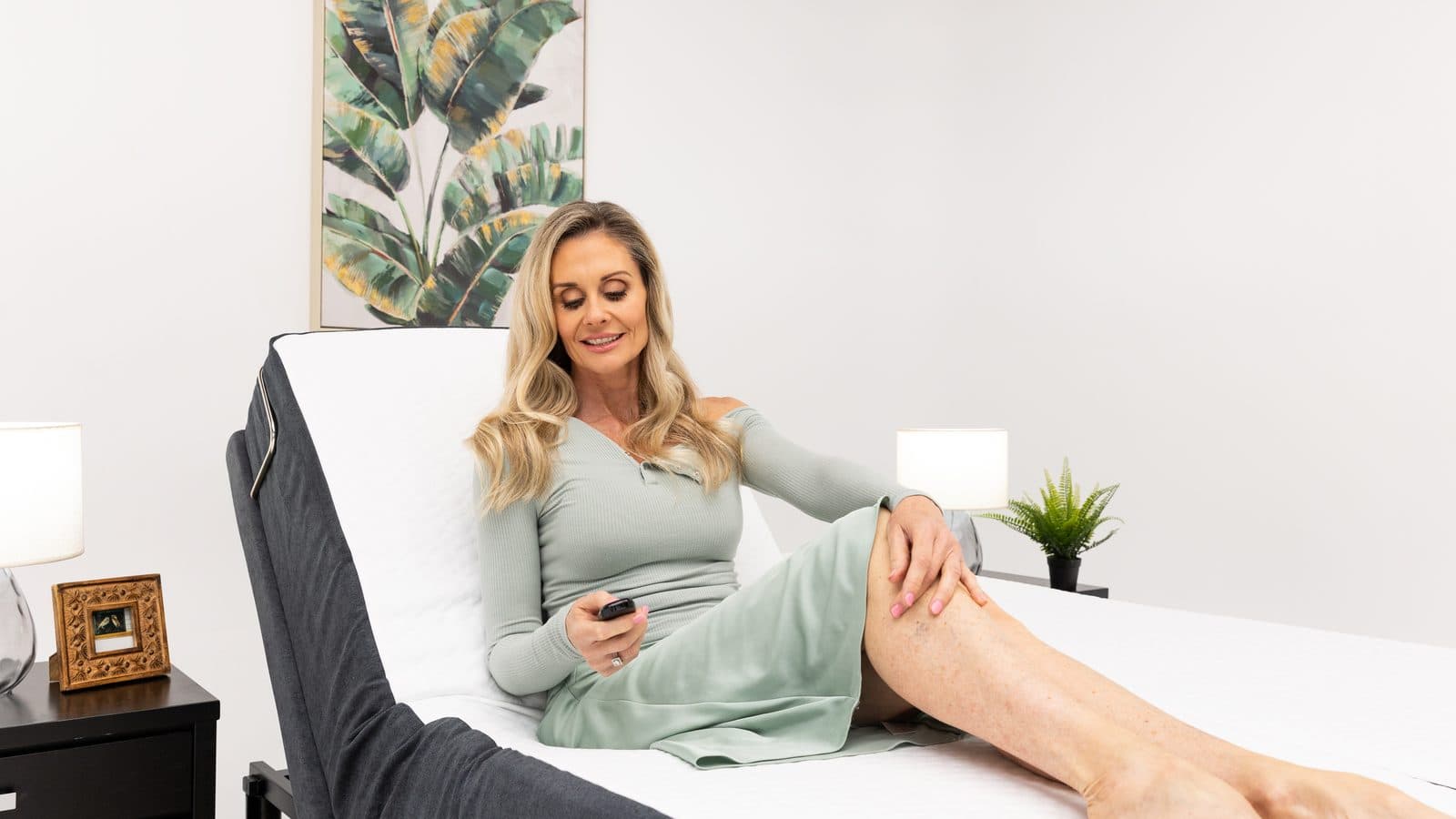
Imagine you’ve been trying to scroll through your favourite streaming service, but the stiffness in your hands from arthritis makes every swipe feel like a tiny battle. You’re not alone – many Aussies with hand arthritis wake up dreading the simple act of pulling the covers or adjusting pillows.
What if the bed itself could do the heavy lifting for you? An Electric Adjustable Bed for Arthritis Pain Australia is designed with motor‑driven head and foot sections that you can raise or lower with just a press of a button. No need to wrestle with cords or struggle with stiff joints – the remote is lightweight, the buttons are large, and some models even offer voice control.
For people whose arthritis flares up in the mornings, the ability to lift the head to a 30‑degree incline can open up the wrist joint, reducing pressure on the tendons. At night, lowering the foot can relieve swelling in the hands by promoting better circulation through gentle elevation of the whole body. The smooth, silent motor means you won’t be startled by a loud clang when you’re trying to relax.
Picture a caregiver who assists a parent with rheumatoid arthritis in the hands. Swapping a standard mattress for a Sleep Sophie adjustable base and setting a “hand‑friendly” preset — head up 20°, foot down 10°, remote placed on the nightstand — can ease morning stiffness within a week, and even let the person grip the remote themselves, giving them a small boost of independence.
Here are three quick steps to get the most out of an adjustable bed for hand arthritis:
1️⃣ Choose a model with a large, tactile remote or optional smartphone app – the bigger buttons are easier on sore fingers.
2️⃣ Program a custom position that lifts the head just enough to open the wrist joint without over‑extending the neck.
3️⃣ Pair the bed with a thin vibration pad (the kind Sleep Sophie sells) to run a gentle 5‑minute session before bedtime, encouraging circulation without demanding hand strength.
Many NDIS participants find that the combination of elevation and vibration reduces the need for frequent medication adjustments, and the remote can be linked to their occupational therapist’s prescribed routine. It’s a low‑maintenance solution that fits into a busy daily schedule.
Their proactive health programmes often include joint‑friendly exercise plans that pair nicely with the night‑time relief an adjustable bed provides.
So, next time you reach for the bedside lamp, think about giving your hands a break and letting the bed do the work. A small change in how you position yourself can translate into noticeable comfort, better sleep quality, and a happier morning.
TL;DR
An adjustable bed for arthritis hands Australia lets you lift and lower your head and feet with a single press, easing wrist strain and improving sleep without the hassle of fiddling with pillows.
Try our easy‑to‑use remote or smartphone app, set a gentle hand‑friendly preset, and wake up feeling more mobile, so everyday tasks feel less like a battle.
Step 1: Assess Your Sleeping Position and Hand Comfort
First thing’s first – how you lie in bed matters more than you probably realise, especially when arthritis makes every little movement feel like a tug-of‑war. You’ve probably spent a few nights tossing, turning, and ending up with a sore wrist because the pillow stack you built felt right but actually bent your hand into an awkward angle.
Take a moment tonight to notice where your hands rest. Are they curled under your chin? Do you reach out to grab the remote and feel a twinge? That tiny sensation is the clue you need to start tweaking your sleep set‑up.
Check the angle of your head and feet
Most adjustable beds let you raise the head 0‑45 degrees. For hand arthritis, a gentle 20‑30 degree incline can open the wrist joint just enough to take the pressure off the tendons. It’s not about sitting upright like you’re at a desk – it’s about finding that sweet spot where your forearms are relaxed and your fingers can rest comfortably on the mattress.
Same goes for the foot end. Lowering the feet a few centimeters can improve circulation throughout the whole body, which indirectly eases swelling in the hands. Try a modest 5‑10 degree drop and see if you wake up with a looser grip.
Feel the remote, not the pillow
Our remote is purposely oversized with tactile buttons, so you don’t have to wrestle with tiny controls. If you’re still struggling, place the remote on a nightstand at waist height – that way you don’t have to stretch a stiff hand to hit the button. Some people even tape the remote to the side of the bed frame for easy access.
And here’s a little trick: before you settle in, press the “head‑up” button while you’re still sitting upright. Your hand gets a quick, low‑effort stretch, and the bed does the heavy lifting for you.
Wondering whether a bit of extra wellness support could help?
Now, let’s talk about posture. When you’re lying down, aim for a neutral spine – imagine a straight line from your ears down to your hips. If you’re a side‑sleeper, place a thin pillow between your knees; if you’re a back‑sleeper, a small pillow under your lower back can keep the curve gentle.
While you’re experimenting, keep an eye on how your fingers feel. If you notice less stiffness after a few nights, you’ve probably hit the right angle.
And yes, you might wonder if skin care matters at all. Surprisingly, keeping the skin on your hands supple can reduce the “tight‑ness” you feel when you move. A soothing, natural option like Sadeskin’s gentle moisturizer can be a nice finishing touch before you climb into bed.
Take a breath, then try the steps we just covered. Adjust the head a bit, lower the foot, place the remote where it feels natural, and notice how your hand responds. If it still feels tight, lower the head a degree or two and try again – it’s a bit of trial and error, but that’s part of the process.
When you find the right combo, you’ll notice you can swipe your phone, turn pages, or even pick up a book without that familiar ache. It’s a small change that adds up to a big win for your daily routine.
Finally, keep a simple checklist by your bedside:
- Head angle: 20‑30°
- Foot angle: –5° to –10°
- Remote location: waist‑high, easy‑reach
- Hand skin care: moisturiser applied before bed
Tick those boxes each night and you’ll train your body (and your joints) to settle into a more comfortable, arthritis‑friendly position.
Step 2: Choose the Right Adjustable Bed Mechanism for Arthritis Relief
Okay, you’ve already scoped out where you lie and how your hands feel. Now the real magic lives in the mechanism underneath the mattress. Think of it as the engine that lets you fine‑tune the angles without forcing your joints to do the heavy lifting.
1. Motor type matters – silent vs. sturdy
There are two main motor families you’ll see on Australian models: whisper‑quiet linear actuators and more traditional gear‑driven motors. For arthritis‑prone hands, the quiet option is a win because you won’t be startled by a sudden whir when you’re trying to settle in. A study from Mobility Shop Direct notes that silent motors improve sleep continuity, which indirectly helps reduce morning joint stiffness.
But don’t let the gentle sound fool you – you still need torque. Look for a motor that can lift at least 150 kg per side; that ensures the mechanism won’t strain when you raise the head to open the wrist joint.
2. Hi‑Lo vs. split‑base – which suits your daily routine?
Hi‑Lo (whole‑frame lift) bases raise the entire bed, giving you a true “standing‑up” position. That’s a lifesaver for seniors or anyone who struggles to get out of a low‑lying mattress. For example, a caregiver using a Hi‑Lo base for a parent with rheumatoid arthritis will find the vertical lift means they can sit up to read the paper without slamming their hands into the nightstand.
Split bases let the head and foot sections move independently. If you share the bed with a partner who prefers a different angle, a split is worth the extra cost. For a single sleeper focused on hand comfort, a single‑section base is usually simpler and cheaper.
3. Remote design – the little button that could
We’ve all fumbled with tiny remotes. Look for a chunky, tactile remote with oversized buttons or a wall‑mounted panel. Some models even offer a smartphone app, which can be a godsend if your fingers are too stiff to press a button. When you’re picking a bed, ask the retailer to demo the remote – press the “head up” and “foot down” and see if you can do it with a single thumb.
Pro tip: many Sleep Sophie beds come with an optional larger‑button remote. That extra surface area can shave seconds off the time you spend wrestling with controls, meaning less strain before you even lie down.
4. Safety features you shouldn’t overlook
Look for built‑in safety stops that prevent the bed from over‑extending. A “soft‑stop” mechanism cushions the motion at the end of travel, reducing the chance of a sudden snap that could jolt your hands. Also, check for a manual release lever – if the power goes out, you’ll still be able to lower the bed safely.
Another handy feature is a low‑profile side rail that folds away when you’re sitting up. That lets you swing your legs over the edge without hitting a hard bar, which can be a hidden source of wrist pain.
5. How to test the mechanism before you buy
When you visit a showroom, ask the staff to run the bed through its full range of motion while you stand nearby. Notice three things: the noise level, the smoothness of the glide, and whether the remote stays steady in your hand. If you can feel a slight vibration through the frame, that’s a sign of a high‑quality motor.
Take a notebook and jot down the angles that feel most comfortable for your wrists – for many, a 15‑20° head lift opens the joint without causing neck strain. Then, ask the salesperson to save that as a preset. If the bed lets you recall the setting with a single press, you’ve hit the sweet spot.
6. Pairing the mechanism with other bedtime habits
Even the best mechanism won’t do much if you’re still using rough, hard‑to‑grip pillows. Swap to a memory‑foam pillow that cradles the neck and reduces wrist extension. And, as a gentle extra, consider a calming scent routine – a quick rinse with lavender soap for a soothing bedtime routine can relax the muscles in your hands before you even get into bed.
By focusing on motor quietness, lift capacity, remote ergonomics, safety stops, and a quick hands‑on test, you’ll choose a mechanism that actually eases arthritis‑related hand pain rather than adding to it. Once you’ve got the right base, the rest of your sleep setup – from the perfect angle to the ideal pillow – becomes a breeze.
Step 3: Setting Up Your Adjustable Bed – Video Walkthrough
Alright, you’ve got the right mechanism, the remote feels good in your hand, and you’re ready to let the bed do the heavy lifting. The next move is getting everything set up so that the bed becomes a true ally for arthritis‑affected hands.
Unpack, place, and level
Start by pulling the box away from the wall – you’ll want a little breathing room. Lay the base on a clean, flat surface and check the built‑in level bubbles. If the floor is a bit uneven, most Sleep Sophie models let you tweak the foot‑leg height with a simple turn of the adjustment screw. A level base means the motor won’t have to fight gravity, which translates to smoother moves and less strain on your joints.
Does the idea of a perfectly level bed sound too technical? It’s really just a quick visual check: the frame should sit flat without wobbling when you give it a gentle nudge.
Plug in and power up
Next, plug the power cord into a nearby grounded outlet – preferably one with a child‑proof switch if you have little hands around. Turn the main switch on; you should hear a soft hum as the motor awakens. If the bed doesn’t respond, double‑check the plug and make sure the circuit breaker isn’t tripped.
Tip: keep the remote on a nightstand within arm’s reach. A chunky remote, like the one Sleep Sophie ships with, is designed for easy thumb operation, which is a lifesaver when finger stiffness kicks in.
Creating your hand‑friendly preset
Now for the fun part: setting the angles that actually ease your wrist pain. Press the “head up” button in 5‑degree increments until you hit that sweet spot where your forearms relax – many folks find 15‑20° just right. Then, tap “foot down” a little if you notice swelling in your hands; a gentle 5‑degree foot lift can boost circulation without feeling like you’re sitting in a recliner.
Once you’ve landed on the perfect combo, hit the “save” or “memory” button (some models label it with a star). Give the preset a name like “Hand‑Help” so you can pull it up with a single press later. This is the moment the adjustable bed for arthritis hands Australia really earns its stripes – you’re turning a complex piece of tech into a single‑tap solution.
Test the motion, then fine‑tune
Before you call it a day, run through the full range of motion. Press “head up” all the way, then back down, watching the movement for any jerky stops. If the bed pauses abruptly, that could be a sign of resistance – maybe the frame is touching the wall or a rug is too thick. Adjust the placement and try again.
While you’re at it, give your hand a quick strength check: can you press the remote buttons without wincing? If you need to grip harder than usual, consider a small piece of non‑slip silicone over the button – it adds surface area and reduces the pressure needed.
Safety first – the soft‑stop and manual release
Most modern bases, including Sleep Sophie’s, come with a “soft‑stop” that cushions the end of travel. It’s a subtle click that tells you the bed has reached its limit without a hard slam. Test it by holding the remote down until the bed stops; you’ll feel a gentle resistance.
And just in case the power flickers, locate the manual release lever (usually tucked under the head rail). Pulling it lets the bed lower safely, so you’re never stuck in a semi‑upright position when the lights go out.
Document and repeat
Grab a notebook or use the notes app on your phone and jot down the exact angles you saved. Having a written record means you can recreate the setup if you ever move the bed or need to show an OT for NDIS funding.
Finally, run through the preset each night before you settle in. The ritual of pressing one button, feeling the bed glide, and knowing your hands are being cared for can turn bedtime from a battle into a breeze.
Need a deeper dive into the technical specs? The adjustable bed guidelines from Avante give a solid overview of motor torque, weight limits, and safety features that line up with what we just covered.
Step 4: Compare Top Adjustable Bed Models for Arthritis Hands in Australia
Okay, you’ve fine‑tuned your angles and you’re ready to pick a bed that actually helps those stiff hands. The market is crowded, but a few models really stand out for hand‑friendly ergonomics.
First up, let’s talk about why the motor matters. A whisper‑quiet linear actuator means you won’t be jolted awake by a sudden whirr – a detail that matters when your fingers are already sensitive to vibration.
Second, the remote. If you need to press a button with a thumb that feels like a rock, a chunky, tactile remote is a lifesaver. Some bases even offer a wall‑mounted panel, so you never have to chase a wandering remote.
Third, the lift type. Hi‑Lo lifts raise the whole frame, making it easier for seniors or anyone who struggles to swing their legs over a low mattress. Split bases give each side its own control, but they add cost and a central gap that not everyone likes.
So, which three models should you keep on your shortlist? Here’s a quick rundown.
Model A – Sleep Sophie Sophie Hi‑Lo Base
Our pick for the most hand‑friendly experience. The Hi‑Lo mechanism lifts the entire bed vertically, perfect for getting in and out without bending over. The remote is oversized with raised buttons, and the motor is rated for 320 kg, so it moves smoothly even at the higher angles you might need for wrist relief.
In practice, the Hi‑Lo lift can help a caregiver get a parent sitting up for morning meds with ease. The remote stays steady in the hand without a struggle, and the soft‑stop prevents any sudden snap that could jolt sore joints.
Model B – Sleep Sophie Sophie Split Base
If you share the bed with a partner who likes a different angle, the split version lets each side move independently. The remote includes a memory button – you can save a “hand‑help” preset and recall it with one press.
For a couple, the left side can stay flat for the partner who prefers a flat sleep, while the right side is raised 15° for the person with arthritis. No extra fiddling, just press the star button.
Model C – Budget‑Friendly Hi‑Lo from Mobility Shop Direct
For those watching the budget, the entry‑level Hi‑Lo base from Mobility Shop Direct offers a reliable motor and a simple wired remote. It’s not as plush as the Sophie line, but the motor still hits the 150 kg per side threshold, which is enough to lift the head without strain.
Try it for a month with a saved 20° head‑up preset, and the remote’s large buttons make it possible to adjust without pain.
Now, let’s line those up side by side so you can compare the essentials at a glance.
| Feature | Sleep Sophie Hi‑Lo | Sleep Sophie Split | Mobility Shop Direct Budget Hi‑Lo |
|---|---|---|---|
| Lift Type | Whole‑frame vertical (Hi‑Lo) | Independent head/foot sections (split) | Whole‑frame vertical (Hi‑Lo) |
| Remote Style | Chunky tactile wireless | Wireless with memory star button | Wired, large‑button |
| Motor Capacity | 320 kg total, whisper‑quiet | 320 kg total, whisper‑quiet | 150 kg per side, standard noise |
| Price (A$) | Contact for pricing | Contact for pricing | Lower band |
| Warranty | 5‑year comprehensive | 5‑year comprehensive | 5‑year basic |
How do you choose? Grab a notebook and run through this quick checklist:
- Do you need full‑frame lift for easier entry/exit? If yes, Hi‑Lo wins.
- Is a partner’s preference a factor? Then a split base may be worth the extra spend.
- How important is remote size? Large tactile buttons beat tiny knobs for arthritic hands.
- What’s your budget ceiling? The budget Hi‑Lo still meets the motor torque you need.
- Do you want a long warranty? Sleep Sophie beds come with a 5‑year comprehensive warranty, extendable to 10 years.
Once you’ve ticked the boxes, head to a local showroom (or order online) and ask to test the remote with one finger. Press “head up” a few times – if you can do it without winching, you’ve found a hand‑friendly match.
Finally, remember to program a preset right after you bring the bed home. Name it “Hand‑Help”, set the head to 15‑20°, foot down a touch, and hit save. One button, and you’ll never have to wrestle with tiny controls again.
Step 5: Optimise Mattress and Accessories for Hand Support
With the bed mechanism chosen and your angles dialed in, it’s time to tune the mattress and the tiny, hand-friendly accessories that make every night easier.
For arthritis hands, the mattress core matters as much as the lift. A supportive, pressure-relieving surface helps wrists stay in a neutral, comfortable position as you roll over or edge out of bed.
Think of it this way: you want a surface that cradles you without sinking or pushing back too hard. That balance reduces late-night stumbles and morning stiffness.
1) Pick the right mattress core for arthritis relief
A latex or latex-blend core offers robust support with good contouring, while many memory-foam options can mirror your curves without collapsing under pressure. The key is preventing sharp pressure points on the wrists and shoulders. If you sleep on your back, aim for a medium-firm feel that supports the spine; side sleepers may prefer a touch more cushion at the shoulders and hips.
Edge support matters, too. You don’t want to feel like you’ll slip off the side when you reach for your remote. For arthritis hands, a surface that maintains shape along the edge reduces grip effort and keeps moves smooth.
Want a trusted perspective? The Latex Mattress Australia guide on arthritis-friendly mattresses highlights how the right combination of support and pressure relief can transform sleep for joint pain. It’s a useful reference as you weigh mattress options. Latex Mattress Australia: Best Mattress for Arthritis.
2) Top it with hand-friendly toppers and covers
If you’ve got a mattress you love but need a touch more relief, a latex or memory-foam topper can soften pressure without compromising support. Look for breathable covers that slide easily under your hands and don’t cling when you’re adjusting positions.
Opt for cooler materials if you tend to overheat at night. A thin topper can boost cushion while keeping wrist alignment intact as you move through presets on your Sleep Sophie base.
3) Handy accessories to simplify the grip
Go for a large-button, high-contrast remote or add a wall-mounted panel so you don’t have to fumble. A simple bedside holder keeps the remote within easy reach without gripping or pinching. If you share a bed, a split base still leaves you room to customise on your side while staying on one compact surface.
Consider a thin vibration pad under the mattress to promote circulation and a calmer transition into sleep — it’s a gentle touch that complements the hand-friendly design.
4) Practical testing and setup tips
When you’re shopping, test a few angles in the showroom and then replicate your favourite setup at home. Jot down the exact head elevation (in 5-degree steps) and any helpful tip for wrist comfort. A simple, repeatable preset can shave minutes off each night and reduce morning stiffness.
Maintenance matters too. Keep toppers clean, rotate them if recommended by the manufacturer, and use breathable covers that resist snagging on knuckles. Small routines compound over weeks to deliver real relief.
So, what should you try first? Start with a hand-friendly topper on your current mattress, then experiment with a large-button remote placement and a secure bedside setup. That combo can transform bedtime from a grind into a smooth, predictable routine.
Conclusion
So you’ve walked through how an adjustable bed for arthritis hands Australia can turn a nightly struggle into a smooth, almost effortless routine.
Remember the three things that made the biggest difference: a hand‑friendly remote, a gentle head‑up angle that opens the wrist joint, and a consistent preset you can hit with one thumb.
If you’re still on the fence, picture this: you’re lying back, the bed lifts just enough, you press the big button and feel the tension melt away without a second thought. That’s the kind of everyday relief we’ve seen time and again with our Sleep Sophie bases.
Got a caregiver or an NDIS plan? The same setup can be programmed once and then handed over, so the person you’re supporting never has to wrestle with tiny controls again.
What’s the next step? Grab a notebook, jot down the angles that feel best tonight, and save that “hand‑help” preset before you drift off. One press tomorrow, and you’ll already be ahead of the morning stiffness.
Ready to make bedtime a friend rather than a foe? Give us a call or drop a message – we’ll help you pick the right model and get you set up, so you can start enjoying pain‑free mornings as soon as possible.
FAQ
What makes an adjustable bed suitable for arthritis‑affected hands in Australia?
When your hands are stiff, the last thing you want is a tiny remote that demands a firm pinch. A good adjustable bed for arthritis hands Australia offers a chunky, tactile remote or a wall‑mounted panel, silent motors that don’t startle you, and a memory‑preset button you can hit with a single thumb. The head‑up angle should be gentle enough (around 15‑20°) to open the wrist joint without forcing the neck, and the foot section can be lowered just a few centimetres to boost circulation.
How do I program a “hand‑friendly” preset without hurting my fingers?
Start with the remote in one hand, press the “head up” button in 5‑degree increments until you feel the wrist relax – most people stop around 15°. Then tap the “foot down” button once or twice for a slight lift. Once you’ve landed on the sweet spot, hit the memory/star button and give the preset a name like “Hand‑Help”. From then on you’ll only need one press before you drift off, keeping strain to a minimum.
Can I use a smartphone app instead of the remote?
Absolutely. Many Sleep Sophie bases pair with a simple app that mirrors the remote’s functions. The advantage is you can tap a large on‑screen button or even use voice commands, which is a lifesaver when the thumb is swollen. Just make sure your phone is within reach on the nightstand, and you’ve got a charger nearby so the app stays responsive throughout the night.
Is the motor noise a concern for sensitive joints?
Yes, sudden whirrs can jolt stiff joints. Look for whisper‑quiet linear actuators – they glide smoothly and emit only a faint hum. In our experience, the quieter the motor, the less you’ll notice it, and the more you’ll be able to relax into a pain‑free position. If you’re testing a bed in a showroom, ask the staff to run the full range of motion and listen for any harsh clicks.
What about safety features for elderly users?
Safety is built in. Soft‑stop mechanisms cushion the end of travel, so the bed doesn’t slam into place. A manual release lever lets you lower the bed even if the power fails – handy during a blackout. Low‑profile side rails that fold away when you sit up also prevent wrist‑pinch injuries when you swing your legs over the edge.
Do I need professional installation for an adjustable bed?
While the base is fairly straightforward, having a qualified installer ensures the legs are level, the power cord is safely routed, and the remote is positioned for easy reach. Installation also comes with a brief walkthrough, so you’ll leave knowing exactly how to adjust angles and save presets without fumbling.
How can I integrate other hand‑support accessories with the bed?
Think of a thin vibration pad placed under the mattress – it encourages circulation without requiring any grip. Pair it with a large‑button remote holder on the nightstand, and you’ve created a low‑effort routine. A breathable mattress topper can also keep your wrists from digging into hard edges when you shift positions. All these tweaks reinforce the core benefit of an adjustable bed for arthritis hands Australia: fewer movements, less strain, and more comfort.
Additional Tips & Resources
Finding the right adjustable bed for arthritis hands Australia is only half the battle – paying for it can feel like a mountain. Luckily there’s a whole toolbox of government and charity programs that can lift that weight.
NDIS and My Aged Care
If you’re under 65 and have a permanent disability, the NDIS can fund a Hi‑Lo bed, side rails or even a voice‑control remote. For those 65+, My Aged Care packages often include fold‑down side rails and specialised mattresses. Your OT or support coordinator can help you pull the paperwork together.
State‑based schemes and private health
Every state runs its own equipment grant – Victoria’s Home Care Package, Queensland’s Equipment Assistance, and so on. Check your private health policy too; many cover “mobility aids” and will reimburse a portion of the cost.
Shop with a knowledgeable partner
When you browse a supplier, ask for a quote that breaks out NDIS‑eligible items. A retailer that knows the funding landscape can even submit the claim on your behalf, saving you hours of admin.
And don’t forget the little extras that make life easier: a bedside remote holder, a non‑slip mat for the foot legs, or a thin vibration pad under the mattress. All of these small upgrades keep your hands from wrestling with controls each night.
Need a quick start guide? Assistive Tech Hub outlines the exact steps to apply for funding, from eligibility checks to submitting receipts.
Take a notebook, jot down the programs you qualify for, and call a Sleep Sophie advisor to confirm which models meet the funding criteria. One focused conversation can turn a pricey purchase into a funded solution.
Information on this page is general in nature and is not a replacement for professional medical advice. Talk to your GP, occupational therapist or treating clinician about what suits your situation.
This article is general information, not medical advice. For guidance on your situation, talk to your GP or occupational therapist.
Wondering if an adjustable bed would suit your situation?
Our sleep experts talk with Australians in similar situations every day. No pressure, no jargon — just honest answers about what may help you rest more comfortably.
1300 975 337 (1300 9 SLEEP) · Australian-based team · Explore the Sophie adjustable bed range
Rated 4.8 from 227 reviews on ProductReview.com.au · Free in-home demonstration · Interest-free options via Humm, Brighte & Payright for approved purchasers
Using NDIS or Support at Home funding?
Sleep Sophie is a registered NDIS provider (4050070896), and Sophie adjustable beds and lift recliners are ARTG-registered Class 1 medical devices (ARTG 326115). Beds can be funded through NDIS assistive-technology budgets where an occupational therapist recommends them; the Support at Home program has its own equipment pathway. We prepare quotes suitable for plan approval — see how NDIS funding works or Support at Home, or call and we’ll walk you through it.