
Ever lie awake at night because your arthritis joints feel like they’re grinding against each other? You’re not alone – countless Aussies with osteoarthritis describe that stiff, aching sensation that makes turning over feel like a chore. The good news is there’s a surprisingly simple bedroom upgrade that can change the whole game: an electric adjustable bed.
When you raise the head or foot of the bed just a few degrees, you’re actually using gravity to ease pressure on swollen joints. Imagine easing the weight off your knees while watching a footy match, or propping your shoulders up to keep the morning stiffness at bay. It’s not a magic cure, but it can turn those ‘ouch’ moments into ‘ah, that’s better’ moments.
Here’s a quick rundown of why this matters for arthritis pain in Australia:
- Joint alignment: Slight elevation promotes a more natural joint angle, reducing the friction that triggers pain.
- Improved circulation: Raising the feet encourages blood flow back to the heart, helping to flush out inflammatory fluids.
- Customisable comfort: You can save your favourite positions – whether it’s a gentle incline for morning stiffness or a semi‑flat setting for nighttime comfort.
Real‑world examples make it clearer. Sarah, a 68‑year‑old from Melbourne, struggled to get out of bed because her hip arthritis flared every morning. After switching to an electric adjustable bed, she set the foot end to a 15‑degree lift, which took the pressure off her hips and let her swing her legs out more easily. Within a week, she reported a noticeable drop in pain and was back enjoying her garden walks.
John, a busy dad managing rheumatoid arthritis, found that a 10‑degree head raise helped keep his shoulders from hunching while he read on the couch. The subtle tilt reduced the strain on his neck joints, letting him binge‑read without the usual sore‑neck after‑effects.
If you’re thinking about trying one, follow these three steps:
- Identify your most painful joints and experiment with small inclines (5‑15 degrees) on the head or foot end.
- Use the remote to save the position that feels best, labeling it “Morning Relief” or “Evening Ease”.
- Combine the bed’s position with supportive pillows – a lumbar pillow for the lower back, or a knee pillow for the knees – to fine‑tune the alignment.
Remember, not every bed is created equal. Look for models with independent head and foot elevations, a sturdy weight rating, and built‑in massage options that can further soothe aching muscles. Our range of Sophie Adjustable Beds checks all those boxes and is designed with Australian users in mind, from coastal retirees to active families dealing with arthritis.
So, if joint pain has been stealing your sleep, consider an electric adjustable bed as a practical, non‑invasive step toward more comfortable nights and easier mornings.
TL;DR
If joint pain keeps you tossing at night, an electric adjustable bed for arthritis pain australia can gently elevate your head or feet, easing pressure and improving circulation.
Try a 10‑degree head lift or 15‑degree foot raise, save the setting, and wake up feeling lighter, more mobile, and ready today.
Understanding Arthritis Pain and Sleep Needs
Ever notice how the night feels like a tug‑of‑war between your joints and the mattress? You’ve probably curled up, tried a pillow, and still woke up feeling like the joints are staging a protest. That’s because arthritis doesn’t just flare up during the day – it can hijack your sleep, leaving you exhausted before the sun even rises.
So, why does arthritis make bedtime such a battleground? The simple answer is inflammation and stiffness. When you lie flat, fluid can pool in the joints, swelling the capsule and pinching nerves. Add a night‑time habit of reaching for the remote to read the news, and you’re basically giving your joints a marathon of pressure.
How elevation changes the game
Think of your bed like a gentle slope for your body. Raising the head or foot just a few degrees uses gravity to pull fluid away from swollen joints. A 10‑degree head lift can open up the space around the shoulder and neck, while a 15‑degree foot raise eases pressure on the hips and knees. It’s not a miracle cure, but it’s a low‑tech tweak that feels surprisingly soothing.
We’ve seen many of our Sleep Sophie customers report that after a week of experimenting with small inclines, they can actually turn over without that sharp “ouch” in the morning. It’s that kind of subtle shift that makes a big difference when you’re dealing with chronic pain.
And here’s a thought: have you ever considered how the floor beneath your bed plays a role? A solid, level surface can help the bed’s motors work smoothly, which in turn keeps the elevation steady through the night. If you’re renovating, a quick chat with a specialist like flooring solutions provider Millenaflooring can ensure you pick a floor that supports your adjustable bed’s performance.
Watching a short demo can demystify the remote controls – you’ll see how one‑click presets like “Morning Relief” or “Zero‑Gravity” actually translate into joint‑friendly angles. It’s a visual reminder that you don’t need a degree in biomechanics to reap the benefits.
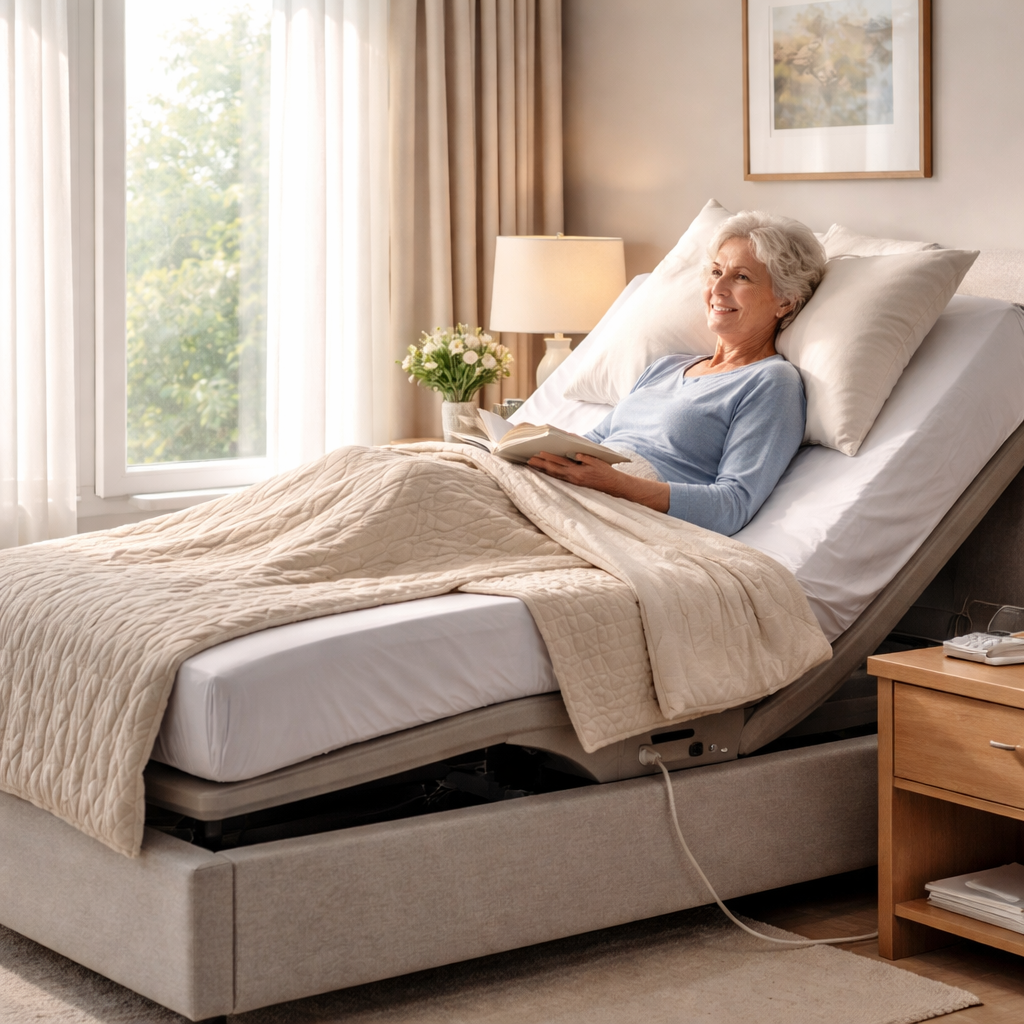
Beyond the mechanics, let’s talk about the rhythm of your sleep cycles. Arthritis pain often spikes at night because cortisol – the natural anti‑inflammatory hormone – dips while melatonin rises. If you can keep the joints in a more neutral position, you give your body a better chance to stay in the deeper, restorative stages of sleep.
Another piece of the puzzle is circulation. When the foot end is elevated, blood can flow back toward the heart more easily, reducing the swelling that fuels morning stiffness. This is the same principle behind the advice from health coaches who point you to a comprehensive wellness guide for improving lymphatic drainage.
Practical steps to tune your sleep environment
1. Start small – try a 5‑degree head raise for a night and note how your shoulders feel. 2. Switch to a 10‑degree foot lift and see if the hips loosen up. 3. Use the remote’s memory function to save the angles that feel best, labeling them “Evening Ease.”
If you’re unsure which angle works for you, picture this: you’re lying on the bed, the remote in hand, and you slowly slide the foot up until the pressure eases. That’s the moment you’ll remember – the instant relief is a clear sign you’re on the right track.
And for those who love visual data, there are handy charts that map joint angles to comfort levels. A graphic resource like MarisGraph’s health visualisations can help you see the correlation between elevation degrees and reduced joint stress.
Bottom line: arthritis pain isn’t a bedtime inevitability. By understanding how elevation, circulation, and even the floor beneath you interact, you can craft a sleep routine that respects your joints. It’s about small, intentional tweaks that add up to a night of real, restorative rest.
Key Features to Look for in an Electric Adjustable Bed
When you’re living with arthritis, every little movement feels like a decision. Does the bed you’re eyeing actually make those tiny adjustments painless, or will you end up wrestling with the remote at 2 am?
Independent head and foot elevation
Being able to raise the head without the feet moving – and vice‑versa – is the cornerstone of an electric adjustable bed for arthritis pain australia. Your hips might need a gentle foot lift, while your shoulders crave a slight head tilt. The freedom to set each end separately means you can fine‑tune the angle without compromising the other joint.
Whisper‑quiet motors
Imagine you’re drifting off and the motor whirs like a kitchen blender. Not ideal, right? Quiet motors let you shift positions without waking yourself or a partner. It’s a small detail that makes the whole experience feel premium rather than a hospital‑style contraption.
Hi‑Lo (vertical) adjustment
For seniors or anyone with limited mobility, the whole frame moving up and down can be a game‑changer. Raising the entire bed brings the mattress closer to the floor, easing the effort needed to swing your legs out of bed. It also helps caregivers avoid straining when they’re assisting you.
Built‑in massage and preset programmes
Some models sprinkle in gentle vibration or massage modes. A light massage after a long day can loosen stiff joints and improve circulation – a nice bonus if you already spend time tweaking the incline. Look for separate intensity levels so you can keep it soothing rather than jarring.
Weight capacity and sturdy frame
Arthritis doesn’t come with a weight limit, and neither should your bed. A solid steel frame rated for 300 kg or more ensures the mechanisms stay smooth for years, even if you add a supportive mattress on top.
Remote usability and optional app control
Think about the last time you tried to program a complicated TV remote – frustrating, right? Look for a simple wireless remote with clear icons, or a phone app that lets you tap a preset like “Morning Relief” without hunting for the controller under the sheets.
So, which of these features matter most to you? If you’re an NDIS participant, the hi‑lo lift and independent elevation might be non‑negotiables. If you’re a caregiver, a whisper‑quiet motor could be the difference between a smooth night and a nightly wake‑up call.
Here’s a quick cheat‑sheet to keep you on track when you start comparing models:
| Feature | Why It Matters for Arthritis | Typical Options |
|---|---|---|
| Independent head/foot lift | Targets specific joint pain without affecting the other side | Separate motors, 0‑30° range |
| Whisper‑quiet motor | Prevents sleep interruptions | Motor sound < 30 dB |
| Hi‑Lo adjustment | Facilitates easier ingress/egress | Vertical lift 0‑12 inches |
| Massage modes | Enhances circulation, eases stiffness | 3‑4 programs, 2‑3 intensity levels |
| Weight rating | Ensures durability for heavier users | 300 kg + steel frame |
What about price? A basic single‑base can sit under $2,000, but once you start adding hi‑lo, massage and premium steel, you’re looking at the $5,000‑plus range. The good news is you don’t have to splurge on every luxury to feel relief. Prioritise the features that directly address your pain points.
For a deeper dive into what Australian shoppers should scrutinise, Mobility Shop Direct breaks down the whole feature set and pricing tiers in a handy guide on electric adjustable beds in Australia. If you’re also curious how an adjustable base pairs with a supportive mattress to reduce joint strain, the team at Heveya explains the back‑pain benefits of a flexible mattress in their recent article.
Bottom line: focus on independent elevation, quiet operation, vertical lift, and a robust frame. Those are the features that turn an electric adjustable bed from a nice‑to‑have gadget into a daily ally for arthritis relief.
Top Electric Adjustable Bed Models Available in Australia
When it comes to finding the right electric adjustable bed for arthritis pain australia, you quickly discover there isn’t a one‑size‑fits‑all answer. Different joints, mobility levels and budget constraints mean the “best” model is the one that lines up with your personal pain points and daily routine.
1. Sleep Sophie Premium Lift Base – our top pick
We’ve seen countless clients – from retirees in Perth to NDIS participants in Brisbane – swear by the Sophie Premium Lift. It offers independent head and foot elevation, a whisper‑quiet dual‑motor system (<30 dB), and a hi‑lo vertical lift that brings the whole frame closer to the floor. The 320 kg steel frame handles a wide range of body types, while four built‑in massage programs give a gentle circulation boost without the need for extra gadgets.
What really sets it apart for arthritis sufferers is the intuitive wireless remote that lets you save presets like “Morning Knee Relief” or “Evening Shoulder Ease” in a single click. Plus, the under‑bed LED lighting is a subtle safety feature for late‑night bathroom trips.
2. Budget‑Friendly Solo Base
If you’re watching the wallet, a single‑base model with basic incline functions can still deliver major relief. Look for a unit that offers at least a 0‑30° head/foot range, a wired remote (harder to misplace), and a motor sound under 35 dB. The Mobility Shop Direct guide breaks down the price tiers – you can find reliable options under A$2,000 that still give you independent elevation and a sturdy steel frame.
While it won’t have massage or under‑bed lighting, the essential features – quiet motor, independent lift and a solid warranty – are enough to reduce joint pressure and improve circulation.
3. Mid‑Range Split Base for Couples
For partners who need different angles, a split base lets each side move independently. This is handy when one person needs a 10‑degree foot raise for knee arthritis while the other prefers a head‑up position for snoring. The trade‑off is a higher price tag, typically A$3,500‑A$4,500, but the extra flexibility can be worth it if you share a bed.
Make sure the split model you choose still meets the hi‑lo criteria – the vertical lift is a lifesaver for seniors or anyone with limited mobility.
4. Luxury Model with Full‑Body Vibration
For those who want every possible perk, look for a base that adds four‑motor control (head, foot, lumbar and leg) and a built‑in whole‑body vibration massage. The added lumbar motor lets you fine‑tune lower‑back support without moving the whole frame.
These high‑end units often come with USB ports, app‑controlled presets and a warranty of up to ten years. The Forbes roundup highlights a similar premium offering, noting its “effortless maneuverability” and “quiet operation” – exactly what arthritis patients need for uninterrupted sleep.
5. Hi‑Lo Vertical Lift Specialist
Some users, especially those recovering from joint surgery, find the vertical lift the most valuable feature. A dedicated hi‑lo model can raise the whole platform up to 12 inches, reducing the effort needed to swing the legs out of bed. Look for reinforced joints and a weight capacity of at least 300 kg to ensure durability.
Pairing a hi‑lo base with a flexible mattress (memory foam or latex) maximises the therapeutic benefit, because the mattress can flex with the frame without developing pressure points.
Bottom line: start with the features that matter most – independent elevation, whisper‑quiet motors, and a robust frame. From there, decide whether you need extra luxuries like massage or split‑side control, and match the price to your budget. Whatever you choose, the right electric adjustable bed can turn a night of joint‑stiffness into a smoother, more comfortable sleep.
How to Choose the Right Bed for Your Arthritis Pain
First off, if you’ve ever tried to swing your legs out of bed and felt like you were wrestling a stubborn rope, you know the struggle. The good news? The right electric adjustable bed can turn that daily battle into a smooth glide.
But where do you start? There are a lot of knobs to turn – literally and figuratively – and it’s easy to feel overwhelmed. Let’s break it down into bite‑size steps that feel doable, even on a sleepy morning.
1. Pinpoint the joints that need the most love
Grab a notebook and jot down which joints ache the most – hips, knees, shoulders, neck? Do you wake up with a tightness in your lower back, or does the pain flare when you try to sit up? Knowing the pain hotspots tells you which end of the bed to lift and by how many degrees.
For example, Margaret from Adelaide found that a 12‑degree foot lift took the pressure off her arthritic hips, letting her swing her legs out without that wince. A simple test: raise the foot end by 10 degrees for five minutes and see if the knee or hip feels less cramped.
2. Choose independent head and foot elevation
If you need a different angle for your shoulders than for your knees, you’ll want a base that lets each end move on its own. That way you can set a gentle head raise for neck comfort while the foot end stays flat for circulation.
Our own experience at Sleep Sophie shows that models with dual‑motor systems keep the movement whisper‑quiet, so you won’t be waking the household every time you adjust a setting.
3. Look for a whisper‑quiet motor
Imagine drifting off and hearing a faint hum like a kitchen blender – not ideal. Motors under 30 dB are the sweet spot. It’s a small detail that makes the whole experience feel premium rather than clinical.
In a recent CHOICE buying guide, they note that quieter motors contribute to better sleep continuity, especially for people with chronic pain who can be sensitive to noise.
4. Decide if you need a hi‑lo (vertical) lift
For seniors or anyone with limited mobility, a whole‑bed lift brings the mattress closer to the floor, making it easier to get in and out. A 0‑12‑inch lift is common and adds a safety boost without a huge price jump.
Tom, an NDIS participant from Brisbane, told us the vertical lift meant he could sit on the edge of the bed to put on his shoes without a helper – a game‑changer for his independence.
5. Consider built‑in massage or vibration
A gentle massage can improve circulation and ease stiff joints after a long day. Look for separate intensity levels so the therapy stays soothing, not jarring.
Our premium Sophie Adjustable Beds offer four massage modes with three intensity levels, which many of our clients find perfect for a quick post‑workout unwind.
6. Check the weight capacity and frame durability
Arthritis doesn’t come with a weight limit, and neither should your bed. Aim for a steel frame rated at least 300 kg. It ensures the motors stay smooth for years, even if you add a supportive mattress on top.
7. Pair with the right mattress
Foam or latex mattresses that are “adjustable‑bed friendly” flex with the base and prevent pressure points. Avoid thick innerspring models – they can resist the gentle bends you need.
A quick tip from CHOICE: choose a mattress at least 15 cm longer than you, because the slight tilt can cause you to slide down the bed over time.
8. Test the remote and preset buttons
Make sure the remote is intuitive – large icons, clear labels, and a memory button for your favourite positions. Being able to label a setting “Morning Knee Relief” or “Evening Shoulder Ease” turns a vague feeling into a repeatable habit.
One of our customers liked the smartphone app that lets them tap a preset without hunting for the remote under the sheets. If you’re not tech‑savvy, a simple wireless remote works just as well.
9. Factor in extra accessories
Grab rails, a lumbar pillow, or a knee pillow to fine‑tune alignment. Support bars keep the mattress from sliding when the bed moves, which is especially important for hi‑lo models.
Our Sophie Adjustable Beds come with corner support bars as standard, so you won’t have to worry about the mattress shifting during a foot lift.
10. Budget wisely and look for funding options
Basic single‑base models start under A$2,000, but add‑ons like massage, hi‑lo lift, and premium frames can push the price above A$5,000. If you’re an NDIS participant, check whether your plan covers an assistive technology purchase – many of our clients have used NDIS funding to offset the cost.
Finally, give yourself a trial period. Most retailers offer a 30‑day return window. Use that time to experiment with different angles and see which combination actually eases your pain.
Bottom line: focus on independent elevation, quiet operation, a sturdy frame, and a mattress that bends with the base. With those basics locked in, you’ll have a bed that feels custom‑built for your arthritis, turning restless nights into restful, pain‑free sleep.
Maintenance Tips and Warranty Considerations
Maintenance might not be glamorous, but it’s the secret to long-lasting comfort with an electric adjustable bed for arthritis pain australia. Regular care keeps the motors smooth, the lifts quiet, and your joints happier night after night.
Start with daily care. Wipe the frame with a damp microfiber cloth, keep the remote clean, and ensure nothing heavy sits on the hinge area. A quick wipe and a check-in daily can prevent sticky mechanisms and pinched cords.
Next, weekly checks help catch small issues before they become big headaches. Listen for unusual sounds, test independent head and foot elevations, and confirm the mattress stays properly supported by the base. If you notice a creak or a lag in movement, it’s time to adjust or call for service.
Power and backup matter. If your remote runs on batteries, replace them before they die. If your model includes a backup battery or power-outage feature, test it so you can still adjust positions when the lights go out. Does this actually work in a blackout? In our experience, yes—it’s a lifesaver for someone who relies on a specific comfort position overnight.
Choosing the right mattress matters
Pairing with the wrong mattress can undo the benefits of the base. Thick inner-spring mattresses resist the bend and create pressure points. Look for foam or latex mattresses designed for adjustable bases. That’s a small but powerful detail for arthritis relief.
Care and fabric maintenance. Use a gentle cleaner, avoid harsh chemicals, and protect the surface with a removable, washable cover. If you’ve got pets or kids, a quick wipe-down after spills keeps the bed feeling fresh and reduces wear on fabrics.
Warranty basics you should know
Warranties aren’t flashy, but they’re essential. Typical coverage includes frame and motor components for a defined period, with conditions about proper setup, use, and maintenance. Always read the fine print—know weight limits, what counts as normal wear, and what voids coverage (such as using an unapproved mattress or DIY repairs). At Sleep Sophie, we back our bases with clear terms and straightforward service processes. It’s not a sales pitch; it’s peace of mind for people who rely on a reliable night’s sleep.
NDIS participants and caregivers—we hear you. Some plans allow assistive-technology purchases to include service or on-site support. If you’re navigating funding, ask about in-home service options and replacement-part availability. A tight warranty saves time and money in the long run.
So, what should you do next? Schedule a quarterly check-in, note any changes in motion or noise, and confirm your warranty coverage with the retailer. Keep receipts and model numbers handy. A simple log helps when it’s time to claim or schedule service, and it gives you one fewer thing to worry about at 3 a.m.
For a broader view on arthritis and electric beds, Aus-Furniture’s arthritis and electric beds guide offers useful context. It reinforces that pressure distribution, independent elevation, and easy operation matter for joint comfort in Australia.
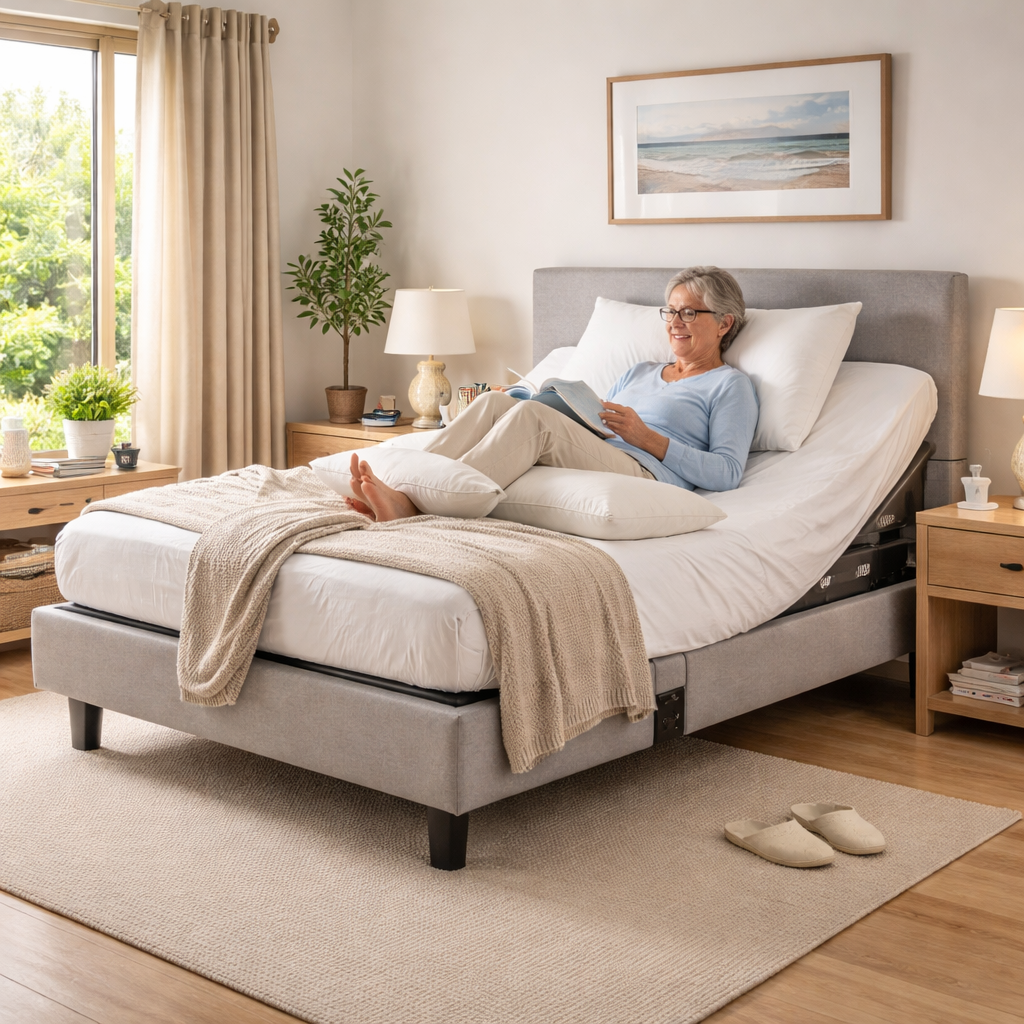
Maintenance is an ongoing practice, not a one-off task. With a well-kept base and clear warranty terms, you’re more likely to wake refreshed and ready to move through the day with less pain. Sleep Sophie is dedicated to helping you keep that promise—and to making sure you can rely on your bed when you need it most.
Frequently Asked Questions
How does an electric adjustable bed help with arthritis pain in Australia?
When you tilt the head or foot just a few degrees, gravity shifts the load off swollen joints, so you feel less grind and more glide. The subtle incline encourages blood to flow back toward the heart, which can ease that stubborn swelling we all hate. In our experience, people who try a 10‑15° foot raise notice a softer morning swing‑out of bed, and the overall night feels less restless.
What angle should I set the head or foot for knee or hip arthritis?
Think of it as a gentle slope rather than a recliner. For knee or hip pain, a 10‑15° foot lift usually does the trick – it takes the pressure off the joint line and brings the mattress closer to the floor, making it easier to sit up. If shoulder or neck stiffness is the culprit, a 5‑10° head raise often opens up the thoracic space and lets you read or watch TV without hunching. Try each for five minutes and note which feels lighter.
Do I need a special mattress to use with an electric adjustable bed?
Yes, you’ll get the best relief with a mattress that bends with the base. Foam or latex models that are labelled “adjustable‑bed friendly” stay supple when the foot end lifts, so pressure points don’t pop up. Thick innerspring mattresses tend to resist the tilt and can actually create new aches. A good memory‑foam or gel‑infused layer will hug your body while the bed does the heavy lifting.
Are whisper‑quiet motors important for light sleepers?
Absolutely. A motor that hums louder than a kitchen blender can yank you awake just as you’re drifting into REM. Look for dual‑motor units that stay under 30 dB – that’s about the sound of a quiet library. When the motors are silent, you and your partner can adjust positions in the middle of the night without a soundtrack of whirring, which is a small detail that makes a huge difference for chronic pain sufferers.
Can I use an electric adjustable bed with NDIS funding?
Yes, many NDIS participants list an electric adjustable bed as an assistive technology item because it promotes independence and joint relief. The key is to have a clear prescription from your occupational therapist that outlines the needed features – independent elevation, hi‑lo lift, and perhaps massage. Once approved, you can purchase through a registered supplier and have the cost covered under your plan, turning a premium health tool into a funded solution.
How often should I maintain the bed and what’s covered by warranty?
Think of maintenance as a quick daily check‑up: wipe the frame, keep the remote batteries fresh, and listen for any odd noises. A weekly test of both head and foot lifts catches wear early, and a quarterly deep clean of the hinges keeps the motors running smooth. Most manufacturers, including Sleep Sophie, offer a multi‑year warranty on the frame and motors – just make sure you’re using an approved mattress and following the care guide, or you could void that protection.
Conclusion
We’ve walked through why an electric adjustable bed for arthritis pain australia can feel like a quiet ally at night – from easing joint pressure to giving you that extra boost of independence.
So, what’s the next step? Grab your remote, try a gentle 10‑degree foot lift and see if your knees feel lighter. If the head end helps your neck, save that setting and call it “Evening Ease”. A few minutes of testing will tell you whether the angle hits the sweet spot.
Remember, the features that matter most – independent elevation, whisper‑quiet motors and a sturdy frame – are the ones that turn a fancy gadget into daily relief. For many of our customers, especially NDIS participants and seniors, those basics make the difference between restless tossing and a night of calm.
If you’re still on the fence, think about the long‑term benefit: fewer morning aches, easier getting in and out of bed, and a simple click that puts you back in control. That’s the kind of freedom we see time and again at Sleep Sophie.
Take a moment today to list the joints that bother you most, set a trial angle, and give yourself the chance to drift off without the usual stiffness. Your body will thank you tomorrow.