
Adjustable Bed for Acid Reflux: How to Choose and Use One for Better Sleep
27 January 2026 · Nathan Kerrins
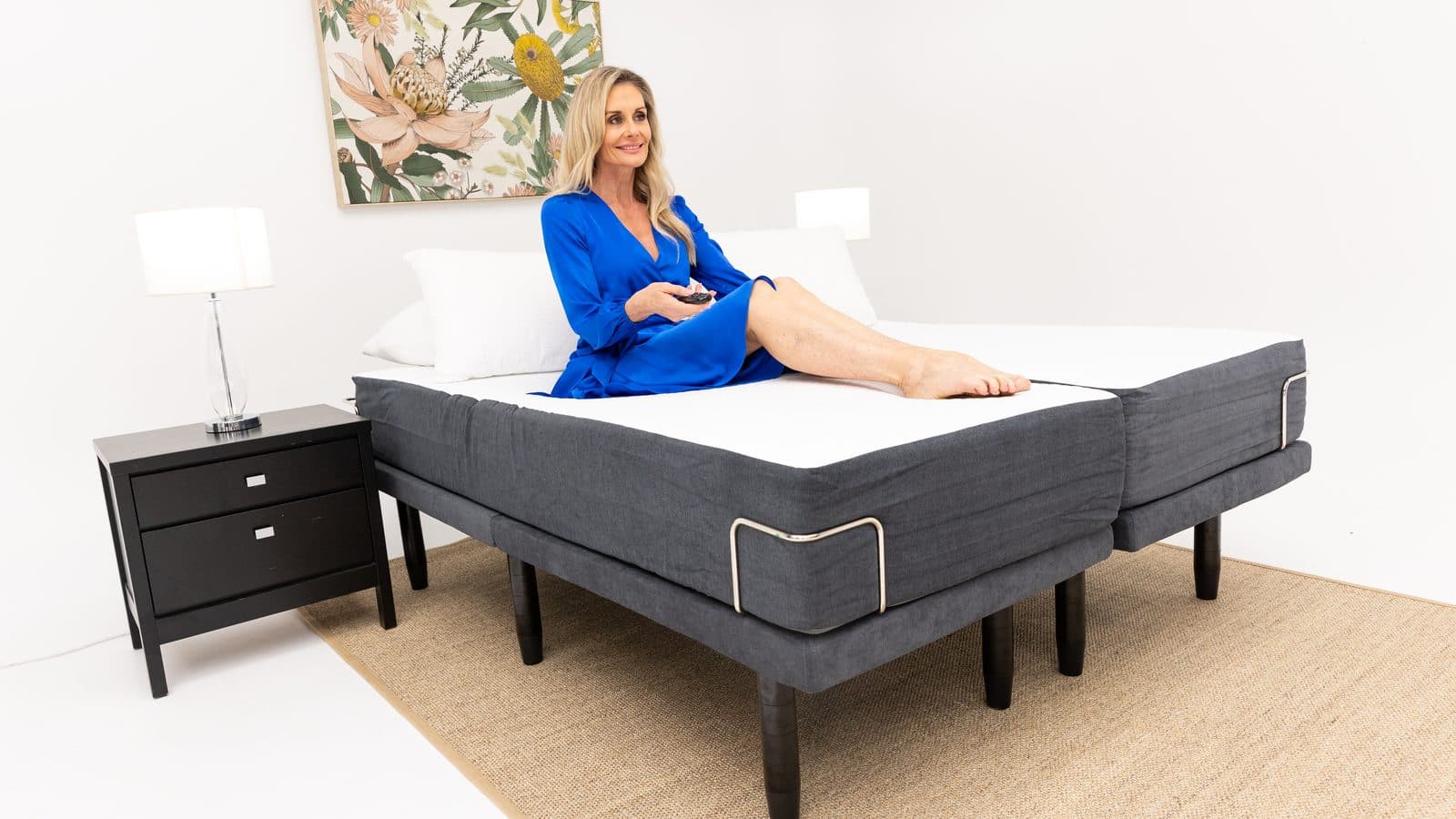
Ever toss and turn because that sour splash in your throat feels like a relentless alarm clock? You’re not alone. Acid reflux can hijack your nightly routine, turning what should be restful into a series of uncomfortable jerks.
Imagine if a simple tweak—just raising the head of your bed—could let gravity do the heavy lifting. Clinical studies point to a 30‑degree lift as a game‑changer, nudging stomach contents down and keeping acid where it belongs.
That’s where an adjustable bed comes in. It’s not just a fancy piece of furniture; it’s a tailor‑made tool that lets you fine‑tune the angle to your exact comfort. Think of it as your personal, nightly anti‑acid ally.
But you might wonder: does an adjustable bed really make a difference for reflux, or is it just another gimmick? Let’s cut to the chase. The science is solid, and for many people, it turns a restless night into a calm, soothing slumber.
Picture yourself lying back, head elevated at a comfortable 30 degrees, breathing easy, and waking refreshed. No more waking up with a burning throat or the urge to reach for an antacid. That’s the promise.
And it’s not just about relief. An adjustable bed can also lift your whole upper body, reducing pressure on the chest and joints—a win for anyone battling chronic pain, NDIS participants, or simply anyone who wants better sleep.
So, what should you do next? The first step is to assess whether you’re a good candidate for an elevation. If you’ve tried over‑the‑counter solutions without lasting relief, or if you’re looking to combine reflux relief with better overall comfort, an adjustable bed could be the missing piece.
In the next parts, we’ll walk through how to choose the right bed, what features matter most for reflux sufferers, and how to set it up for maximum benefit. Let’s dive in and make acid reflux a thing of the past.
TL;DR
Acid reflux can turn bedtime into a battle, but elevating your head to 30 degrees with an adjustable bed lets gravity do the work, keeping acid down.
By choosing a bed that supports a 30‑degree lift, you add a low‑maintenance fix that lets you breathe easier, wake refreshed, and sleep without pain.
Step 1: Assess Your Current Sleeping Position and Symptoms
Let me be completely honest: reflux at night can feel sneaky and relentless, like a simmering alarm you can’t switch off. You’re not imagining the burn or the coughing fits—it’s real, and it drags down your sleep. Step 1 is simply to assess how you’re sleeping now and what exact symptoms tell you something in your setup could be improved.
Think about your current sleeping position. If you’re flat on the back or habitually sleeping on your stomach, your body can invite backflow to creep up. Side sleeping helps a lot of people, but only if the upper body is supported so you don’t slump or roll into a position that worsens symptoms. See where your neck, shoulders, and hips line up—misalignment can make reflux feel worse and wake you more often.
Make a symptom checklist. Do you wake with a sour taste or bitter mouth? Do you cough after you lie down or find it hard to inhale deeply? Do you feel a heaviness in the chest or a burning throat when you sit up in bed? How many times a night does this interrupt your rest? Track it for two or three nights to see patterns.
Inspect your bed setup. Are you stacking pillows until your neck feels stiff? Is your head propped high enough to feel stable, or are you sliding down the incline and waking with facial fatigue? The way you’re supported can change airflow, airway comfort, and how gravity interacts with stomach contents.
Here’s a practical starter: tonight, aim for a gentle elevation that reduces bend in your digestion path while keeping your neck and head comfortable. If you don’t have a bed with a clean 30‑degree angle yet, test with two firm pillows at your back and a smaller one under your shoulders. This gives you a sense of the angle without fighting your spine.
So, does elevation actually help? In our experience, many sleepers report fewer awakenings and longer stretches of calmer sleep when they begin with a modest incline. You might find you sleep through the night without reaching for an antacid. When you’re ready, a Sleep Sophie adjustable bed can dial in that precise angle to fit your body and routine.
A quick note on angles: thorax elevations around 30 degrees are commonly used to support reflux because gravity helps keep contents down the oesophagus. It’s not a magic cure, but that specific angle is what many people use to test whether elevation is right for them.
If you’re curious to see how this looks in practice, check out the quick explainer below.
After watching, you’ll likely have a clearer sense of whether this setup could work in your bedroom. If you’re not ready to upgrade yet, you can still experiment with pillow arrangements and basic bed elevation for a few nights to gauge impact.
Step 2: Choose the Right Adjustable Bed Platform
Now that you know why a 30‑degree lift matters, the next step is to pick the bed that will deliver that angle reliably, comfortably, and without extra hassle.
First, think about the core of the platform: the motor and frame. You want a motor that can lift to at least 15–20° (roughly 6–8 inches) and hold that position all night.
Have you ever watched a friend try to stand up from a bed that just kept lowering? That’s a sign the frame’s weight limit is too low. Most adjustable bases designed for acid‑reflux sufferers have a 700–800 lb rating, which is plenty for most people.
Motor noise and smoothness
Some motors make a humming sound that can wake you or disturb your partner. A 30‑degree lift should feel almost silent. When you’re comparing models, ask a sales rep to demonstrate the lift or read customer reviews about “smoothness.” A low‑decibel motor (under 45 dB) keeps the bedroom atmosphere calm.
Bed presets vs. manual control
Preset positions such as “Zero‑Gravity” and “Anti‑Snore” are great, but you’ll spend most of your nights in a custom angle between 12° and 20°. Look for a model that lets you set a “TV” or “Reading” preset that you can tweak up or down. Some brands offer up to three programmable memory positions – handy if you change your routine or need to adjust the angle for different times of day.
Mattress compatibility
Not all mattresses sit well on adjustable bases. Memory foam can flex with the frame, but innerspring mattresses often need a special “bed‑friendly” design. If you already own a mattress, check its compatibility rating. If you’re buying a new mattress, pair it with a base that offers a 0‑clearance design so the mattress sits flush against the frame – this prevents any gaps that could trap pillows.
Built‑in lumbar support and foot‑rest options
Acid reflux is just one part of the picture. If you also suffer from back pain, a built‑in lumbar support can keep your spine aligned while you’re tilted. Many models also feature a foot‑rest that can be raised independently. The extra elevation can reduce swelling in the legs and improve circulation.
In our experience, the features to look for when buying an electric adjustable bed are the same ones that make a difference for people with chronic pain or who need to move in and out of bed safely. A smooth motor, sturdy frame, and programmable presets are a winning trio.
Practical checklist before you buy
- Can the head of the bed lift 15–20°?
- Is the motor quieter than 45 dB?
- Does the frame support at least 700 lb?
- Can you set at least two custom presets?
- Is the mattress compatible with a zero‑clearance base?
- Does it offer lumbar support or a separate foot‑rest?
Answering these questions in a quick call or a short visit to a showroom will save you months of trial‑and‑error.
Remember, you’re investing in a tool that could transform your nightly routine. Once you’ve chosen the platform, pairing it with the right mattress and pillows will maximise the 30‑degree lift’s benefits.
While you’re planning your purchase, consider complementary lifestyle changes.
Step 3: Optimise Head and Foot Elevation for Acid Reflux Relief
Okay, so you’ve got your adjustable bed set up, but you’re still feeling that sour splash in the morning.
The trick here isn’t about fancy features; it’s about the right angle.
We’re talking about a head lift of 30 degrees, or about six to eight inches.
That’s the sweet spot that lets gravity do the heavy lifting and keep acid where it belongs.
Why 30 Degrees Works
When your head is higher than your stomach, the natural slope of the oesophagus keeps the acid down.
Think of it like a water slide that only goes down, not back up.
A review on Bedplanet review notes that adjustable bases are becoming a go‑to solution for heartburn and GERD sufferers.
Adjusting the Head
Start by turning the head up to 30 degrees. If you’re new to this, set the angle in 5‑degree increments and see how you feel after a few nights.
Check for comfort. If you feel a pinch in your neck or a mild headache, dial it back to 20 degrees and test again.
When you’re settled, lock the position and let the motor hold it through the night. Most models come with a “stay” function that keeps the angle steady.
Foot Elevation Matters Too
Many folks overlook the foot end. Raising your feet by 5–10 degrees can reduce swelling and improve circulation, which in turn eases overall body tension.
Try a gentle foot lift first. If you’re an elder or have mobility issues, a small foot rest can also help you get in and out of bed without a jolt.
Remember, the goal is smooth, stable angles—no sudden jolts when you’re drifting off.
Fine‑Tuning for Your Routine
Once you’ve nailed the head lift, experiment with the foot angle during the day. Some people love to sit upright at 45 degrees for reading or watching TV, then drop back to 30 degrees at night.
Use the memory presets on your remote to lock those positions. A simple tap in the morning and a tap at bedtime can automate the whole process.
Real‑World Check‑In
Give yourself a week of this setup. Track how many heartburn episodes you have and note any changes in sleep quality. If you’re still waking up with a burning throat, consider dialing the head lift up a touch—maybe 35 degrees works better for you.
On the flip side, if you find the head too high, don’t panic; lower it and try again. Small adjustments can make a big difference.
When to Call in the Docs
If symptoms persist despite the right angles, it’s time to speak with a healthcare professional. They might suggest additional measures, like medication or diet changes, to complement your new sleeping position.
But for most people, a properly adjusted bed is a game‑changer for nighttime reflux.
So, are you ready to let gravity take the lead? Start with the 30‑degree head lift, tweak your foot angle, and watch the acid stay where it should.
Common Mistakes and How to Avoid Them
One big misstep is relying on pillows instead of a true incline. Pillows shift overnight, so the angle drops before you wake. Setting the head too high—over 45 degrees—can strain the neck. Also, some forget to lock the motor after adjustment; without it, the bed can roll back to neutral.
Set a routine: 30‑degree head lift, 5‑degree foot lift, double‑check the lock each morning. If any wobble appears, adjust immediately. Consistency matters—uneven angles for even a few nights can let acid come back.
Share the Relief
If you’re a caregiver or healthcare professional, you can share this simple adjustment with patients who struggle with reflux. A few minutes of setting the right angles can improve sleep quality and reduce medication use over time.
Step 4: Incorporate Supportive Mattresses and Pillows
Now that your bed’s head and foot are set, it’s time to pick the mattress and pillows that keep the angle working all night. Think of it like the engine and the wheels – you need a good base and the right accessories to keep the ride smooth.
Why mattress choice matters
Even if you’ve got the perfect 30‑degree lift, a mattress that digs too deep into your spine can send that angle slipping or pull on your back. Memory foam that conforms tightly to your body may feel dreamy, but if it’s too soft, the head‑to‑foot slope can flatten out when you shift.
Clinical studies note that a mattress that offers medium‑firm support reduces pressure on the lumbar spine while still contouring enough for side sleepers. That balance is key for people with acid reflux, especially those who also juggle chronic back pain.
Choosing the right mattress
Start with the “best overall” rating on trusted review sites. One resource highlights a memory‑foam hybrid that scores well for contouring and edge support while still being compatible with adjustable bases. Another lists a latex‑hybrid that stays cool and offers good pressure relief for side sleepers.
If you’re on a budget, look for a mattress that can handle the 30‑degree incline without breaking. Look for a “zero‑clearance” design so the mattress sits flush against the frame – that prevents a gap where pillows could shift and alter your angle.
For those who love a bit of bounce, a hybrid with pocketed coils gives that give without compromising the incline. If you prefer the hug of foam, a medium‑firm memory foam will hold the angle and soothe joints.
Adding pillows that work
Pillows are the fine‑tuning knobs after the base and mattress are set. A wedge pillow is great for a quick test, but over the long haul you’ll want a pillow that stays in place. Firm, shredded‑fibre pillows hold shape and won’t collapse like a pillow you keep flattening.
If you love to sleep on your side, choose a pillow that fills the gap between your head and shoulder without forcing your neck into an awkward bend.
Remember to keep the pillow height in sync with the head lift. A 6‑inch wedge and a 3‑inch pillow can give you the same overall 30‑degree angle without the bulk of an oversized wedge.
Putting it all together
1. Set your bed at the 30‑degree lift. Lock it in and do a quick test lie for 10 minutes. Notice if your stomach feels supported and if your neck doesn’t feel like a strain.
2. Choose a medium‑firm hybrid or a latex‑hybrid mattress that’s compatible with adjustable bases. If you can’t find a zero‑clearance model, opt for one with a strong edge support so it won’t sag as you roll.
3. Pick a firm pillow or a shredded‑fibre pillow that keeps the head level with the mattress edge. If you’re on the side, a contoured pillow will keep the shoulder alignment smooth.
4. After setting everything, sleep for a night and wake up. If you feel a faint burn or your back aches, tweak the pillow height or try a slightly firmer mattress. A small change can make a big difference.
5. Repeat the check each week for a month. Consistency is the real magic. If you’re an elderly friend or a caregiver, the same routine can help patients maintain reflux control and reduce the need for extra medication.
With the right mattress, pillows, and the 30‑degree lift, you’re not just fighting reflux – you’re giving your body a gentle, gravity‑assisted hug every night.
For a deeper dive into mattress reviews that suit reflux sufferers, check out Sleep Foundation’s guide to the best mattresses for acid reflux.
If you’re looking for a budget‑friendly option, Sleep Basil’s collection highlights mattresses that support an elevated posture while keeping costs low.
Step 5: Implement Maintenance and Habit Changes
Now that your adjustable bed is set at that sweet 30‑degree lift, the real work starts: keeping it that way and turning the setup into a habit that sticks.
Think of maintenance like a gentle morning stretch – a quick routine that keeps your bed (and your body) ready for a night of calm.
Daily Checks: The 3‑Minute Power‑Up
Every morning, give your bed a quick once‑over. Does the head‑level still sit at 30 degrees? If not, a simple tweak on the remote fixes it fast.
Check the lock button too – many models let the bed roll back to flat if it’s not secured. A quick click each night ensures you wake up at the angle you need.
Do this for a week, jotting the angle and any sleep notes in a tiny log. You’ll start to spot patterns – maybe you drift a little higher after a long day or after a glass of wine.
Cleaning Routine: Keep It Fresh
Dust can clog the motor cables and reduce smoothness. Once a month, wipe the bed frame with a damp cloth. If your model has removable covers, launder them following the manufacturer’s instructions.
Remember: a clean surface means less resistance and quieter operation, which is key for a peaceful sleep environment. According to Sleep Foundation’s guide on reflux and sleep, maintaining a clean and stable sleeping environment can improve sleep quality.
Sheet and Pillow Strategy
Choose fitted sheets with deep pockets so they don’t slip when the bed tilts. A split‑size sheet can work wonders if you share the bed.
If your mattress is memory foam, avoid heavy pillows that can push the head back down. Instead, opt for a firm shredded‑fibre pillow that stays in place and complements the 30‑degree angle.
Integrate Bed Use into Your Nighttime Routine
Just as you’d brush your teeth or set an alarm, add a quick bed‑position check to your wind‑down ritual.
Set a timer on your phone for 10 minutes after lights out. In that window, slide the bed to the right angle, lock it, and let the motor run while you settle into a book or gentle music.
This small act turns a mechanical task into a calming cue that signals to your brain it’s sleep time.
Track Progress: The Habit Tracker
Create a simple spreadsheet or use a habit‑tracking app. Log: date, angle, sleep quality (1‑10), heartburn incidents, and any notes.
Review the data weekly. If you notice a dip in sleep quality, cross‑reference it with angle changes or pillow adjustments.
Adjusting the angle by a few degrees can be the difference between a night of restless waking and a smooth, restorative sleep.
When to Call in the Experts
Persistent symptoms after consistent maintenance might signal a need for medical advice. A gastroenterologist or sleep specialist can suggest additional therapies.
For caregivers, keeping a log is invaluable. It provides tangible evidence to share with healthcare providers and helps fine‑tune the bed settings for your loved one’s comfort.
In Practice: Caring for a Parent's Nighttime Reflux
Picture a caregiver managing a parent’s nighttime reflux. Setting a 30‑degree head lift and adding a foot rest, then starting a nightly “bed check” ritual, is a simple routine that can be kept up every night.
With a consistent setup like this over a few weeks, it's common to see heartburn episodes ease off, with the person falling asleep faster and waking feeling more refreshed.
A quick sheet change and a reminder to lock the bed each night keeps the routine consistent and makes the difference measurable.
Remember, the goal isn’t perfection but consistency. A small, daily maintenance habit can keep your adjustable bed delivering the reflux relief it was designed for.
Top Adjustable Beds for Acid Reflux: Feature Comparison
When it comes to beating nighttime acid reflux, the angle you lift your head to matters as much as the mattress you rest on. Below we’ve sifted through the top models that hit the sweet spot of a 30‑degree lift while keeping noise low and support solid. If you’re still wondering which one is the best fit for you or your care‑giving routine, keep reading.
Key Considerations for Reflux‑Friendly Beds
1. Lift range – you need at least a 6‑to‑8‑inch head rise.
2. Motor quietness – a <45‑dB motor won’t rattle a side‑sleeping partner.
3. Weight capacity – a 700‑lb+ rating protects against sagging.
4. Presets & memory – handy for quick switch‑ups during the day.
5. Warranty & service – a long warranty gives peace of mind.
Model Snapshot
We’ve taken the three brands that consistently show up in expert reviews for reflux relief and compared them on the core specs you care about.
| Feature | Tempur‑Ergo Power Base | Nectar Comfort Premier | Saatva Adjustable Base |
|---|---|---|---|
| Head‑to‑Foot Lift Range | 0–60° | 0–45° | 0–60° |
| Motor Noise (dB) | 30 dB | 35 dB | 32 dB |
| Weight Capacity | 750 lb | 850 lb | 750 lb |
| Preset Positions | Zero‑Gravity, Anti‑Snore, TV, Reading, Custom | Zero‑Gravity, Flat, Reading, Custom, Up to 3 Memory | Zero‑Gravity, Flat, Anti‑Snore, Custom, 2 Memory |
| Warranty | 25 yrs (limited) & 3 yrs parts & labor | 10 yrs (limited) | Lifetime (limited) |
Notice the common thread: all three deliver a stable 30‑degree head lift with motors that are quiet enough for a side sleeper. The Tempur‑Ergo’s standout feature is its built‑in massager and USB ports, useful if you also need a little pre‑sleep unwind. Nectar offers a more budget‑friendly option with a solid warranty, while Saatva’s base shines for those who prefer a slimmer footprint and a simple setup.
But you might ask, how does this translate to real‑world reflux relief? For someone with chronic heartburn, switching from a flat mattress to a base like the Tempur‑Ergo with a 30‑degree head lift can bring a meaningful drop in nighttime acid spikes within a few weeks. A quiet motor also matters when a couple shares a bed – it lets one partner set the incline for reflux relief and return to a flat position by morning without disturbing the other with jolts or noise.
When you’re picking a bed, consider the mattress too. Memory foam that can flex with the frame and a zero‑clearance design keep the incline steady. If your existing mattress is a hybrid, check its compatibility rating. If you’re buying a new one, pair it with a base that offers a smooth, stable lift.
Ready to make a move? Before you hit the “buy” button, test the remote or app for intuitive controls and double‑check that the bed locks in place. Transform Your Sleep Experience with Sleep Sophie Electric Adjustable Beds dives deeper into the setup process and how to tailor each position for comfort.
While a comfortable bed is essential, the next step to holistic wellness is exploring complementary technologies that calm the body. If you’re curious about devices that balance physiological rhythms, check out Healy and Maghealy Distribution in Netherland for a quick way to supplement your nighttime routine.
FAQ
What’s the best angle for an adjustable bed to help with acid reflux?
Most studies point to a 30‑degree lift as the sweet spot. It’s tall enough to keep stomach acid where it belongs but not so steep that you feel strained. If you’re new, start at 20 degrees and bump up by 5 degrees a week until you hit 30. Watch how you feel at night and tweak if needed.
Can an adjustable bed really stop heartburn, or is it just a feel‑good myth?
It’s not a cure, but many people notice fewer nighttime flare‑ups. The angle keeps the stomach below the oesophagus, which reduces the chance of acid backing up. Think of it like a gentle slope that keeps the flow down. If you still wake up burning, pairing the lift with a light dinner and sleep‑friendly diet gives the biggest benefit.
Do I need a special mattress to make the lift work?
Not a specific brand, but the mattress should sit flush on the frame. Memory foam that flexes with the base works best because it won’t shift the head‑to‑foot slope. If you already own a hybrid, check the manufacturer’s compatibility rating. A zero‑clearance design keeps the angle steady throughout the night.
Is the motor noise a real problem for a quiet night’s sleep?
Most modern adjustable beds run under 45 decibels, which is quieter than a whisper. If you’re a light sleeper, ask the retailer to demo the lift before buying. A smooth, silent motor means the bed’s only job is to lift, not to talk back while you’re dreaming.
How do I keep the bed locked in place for the night?
After you set the angle, press the lock button on the remote or the base’s control panel. This prevents the bed from drifting back toward flat. Some models have an auto‑lock that engages after a set time. Check your user guide for the exact procedure, or simply test a night and adjust if it rolls.
Will raising my feet help with reflux too?
Yes, a mild foot lift—about 5 to 10 degrees—can reduce leg swelling and improve circulation, which eases overall tension. It doesn’t replace the head lift, but it complements it. Try a gentle foot rest first; if you’re older or have mobility issues, a small foot lift can make getting in and out of bed smoother.
When should I talk to a doctor if I’m still having symptoms?
If you’ve stuck with the 30‑degree angle for several weeks and still wake up with a burning throat or frequent heartburn, it’s time for professional advice. A gastroenterologist or sleep specialist can suggest medication tweaks or dietary changes that work alongside your new bed setup.
Conclusion
We’ve walked through the science, the gear, and the everyday tweaks that turn a restless night into a gentle, acid‑free sleep. The key is simple: keep that head of the bed elevated, lock it in place, and pair it with a mattress that holds the angle.
For people with chronic pain or who need help getting in and out of bed, the 30‑degree lift feels like a small lift of a heavy weight—relief without strain. It’s not a miracle cure, but a reliable ally that lets gravity do the heavy lifting.
Remember the little habits we talked about: a quick morning check, a nightly lock‑in, and a tidy sheet that stays in place. Those tiny rituals add up to a steady rhythm that your body starts to trust.
So, what’s the next step? Pick a bed that can lift to 30 degrees, set up a simple routine, and give it a week to settle. If you notice a drop in heartburn or a smoother wake‑up, celebrate—it means the science and the habit are working together.
Finally, if the acid still nags you, reach out to a health professional for extra tweaks. You deserve nights where you’re not chasing reflux, but catching sleep.
Information on this page is general in nature and is not a replacement for professional medical advice. Talk to your GP, occupational therapist or treating clinician about what suits your situation.
This article is general information, not medical advice. For guidance on your situation, talk to your GP or occupational therapist.
Wondering if an adjustable bed would suit your situation?
Our sleep experts talk with Australians in similar situations every day. No pressure, no jargon — just honest answers about what may help you rest more comfortably.
1300 975 337 (1300 9 SLEEP) · Australian-based team · Explore the Sophie adjustable bed range
Rated 4.8 from 227 reviews on ProductReview.com.au · Free in-home demonstration · Interest-free options via Humm, Brighte & Payright for approved purchasers
Using NDIS or Support at Home funding?
Sleep Sophie is a registered NDIS provider (4050070896), and Sophie adjustable beds and lift recliners are ARTG-registered Class 1 medical devices (ARTG 326115). Beds can be funded through NDIS assistive-technology budgets where an occupational therapist recommends them; the Support at Home program has its own equipment pathway. We prepare quotes suitable for plan approval — see how NDIS funding works or Support at Home, or call and we’ll walk you through it.