
Ever lie in bed, stare at the ceiling, and wonder if that pricey motorised frame is really worth the extra dollars? You’re not alone. Many of us—especially those dealing with chronic back pain, the occasional snore, or simply a restless night—grapple with the question, “are adjustable beds worth it?”
Think about the last time you tried propping pillows to read, watch TV, or get comfortable after a long day. It feels like a makeshift solution, right? Now picture a bed that does all that with the press of a button, gently lifting your head or legs, easing pressure points, and even helping you find that sweet spot for breathing easier.
In our experience at Sleep Sophie, we’ve seen retirees in Melbourne transform their evenings by swapping a rigid mattress for an Adjustable Beds in Melbourne. One couple told us they finally could watch their favourite shows without a stack of pillows sliding off, and their morning stiffness reduced dramatically. It’s not magic; it’s physics—aligning the spine, reducing joint compression, and encouraging better circulation.
So, how do you decide if it’s a smart investment for you? Start with a quick self‑audit:
- Do you wake up with aches that linger all day?
- Does reflux or snoring keep you or your partner up?
- Do you spend more time propping pillows than actually sleeping?
If you answered yes to any of these, an adjustable bed can be a game‑changer. The cost‑benefit analysis shifts when you factor in long‑term health savings—fewer doctor visits, less reliance on pain medication, and a better overall mood.
But it’s not just about health. Comfort accessories matter too. Pairing your new base with the right pillow or even a quiet room can amplify results. For example, adding a set of noise‑reducing earplugs can create a sanctuary of silence, especially for side‑sleepers who hear every creak. Check out this helpful earplugs for sleeping guide to see how a simple tip can complement your bed’s benefits.
Action step: tomorrow, spend five minutes in your current setup, note any discomfort, then imagine those same moments with the head and foot of the bed gently elevated. Write down the differences. If the imagined comfort feels like a real upgrade, you’ve just taken the first step toward answering the question for yourself.
TL;DR
Adjustable beds can turn restless nights into restful mornings by easing back pain, reducing snoring, and letting you find the perfect position with a button press.
If you’ve noticed aches, reflux, or pillow‑propping struggles, this quick TL;DR shows why they’re often worth the investment for seniors, chronic‑pain sufferers, and anyone craving better sleep quality.
What Is an Adjustable Bed and How It Works?
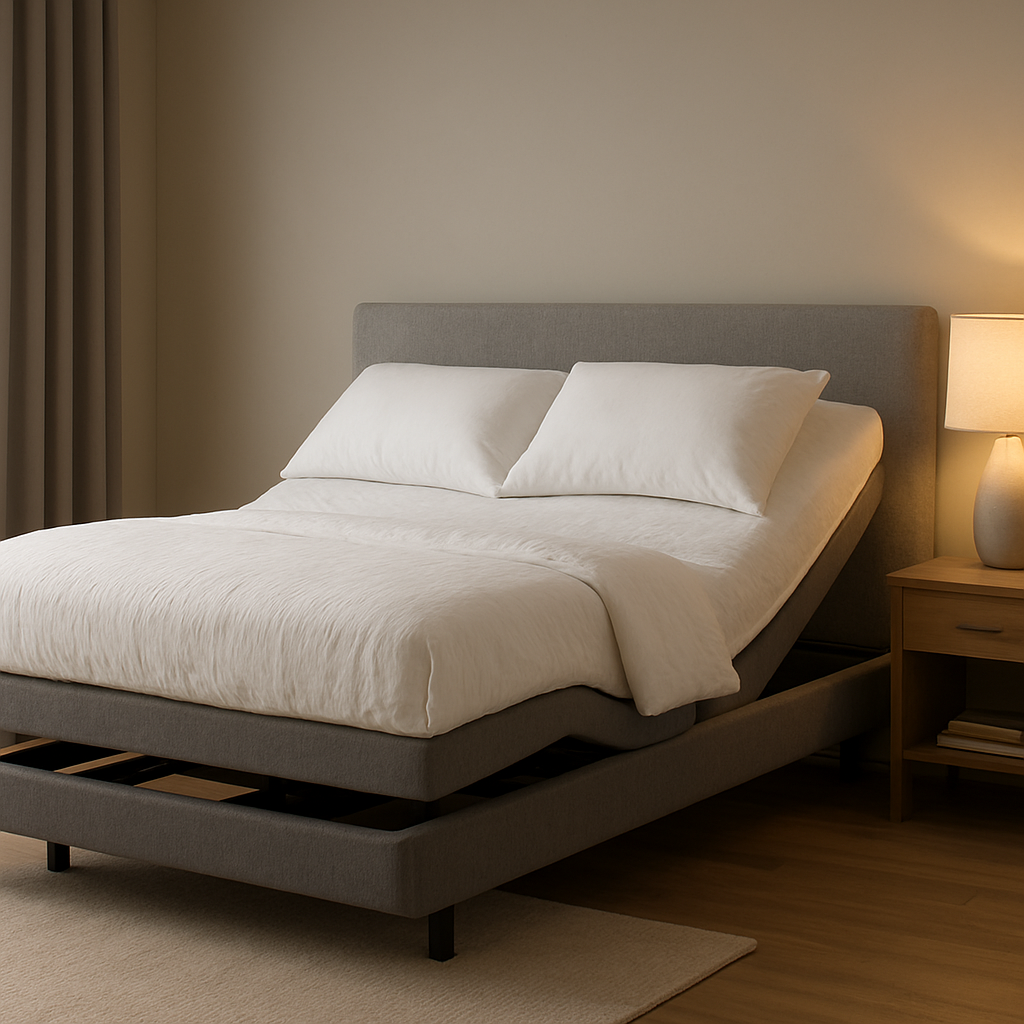
Imagine you’re already in bed, but the head or foot of the mattress could lift just a few inches with a tap of a button. That’s the core idea behind an adjustable bed – a motor‑driven platform that lets you tilt different sections of the sleep surface to suit your body’s needs.
Most modern units have two main zones: the head‑rest and the foot‑rest. Some premium models even let you raise each side of the bed independently, which is handy for couples who like different angles. The magic happens thanks to a quiet electric motor hidden in the frame, linked to a remote control or a smartphone app.
So, how does that translate to better sleep? When you raise the head, you open up your airways, which can ease snoring and acid reflux. Lifting the foot helps improve circulation in the legs and can reduce swelling after a long day on your feet. The ability to fine‑tune the angle means you can find that sweet spot where your spine stays neutral and pressure points are relieved.
And here’s a quick tech snapshot: the motor runs on low‑voltage DC power, which keeps noise down – think a soft hum, not a roaring garage door. Sensors monitor the position so the bed stays exactly where you left it, even after you get up to grab a glass of water.
Now, you might be wondering, “Do I really need all that?” If you’ve ever used a stack of pillows to prop yourself up, you already know the drawbacks – they slip, they flatten, and they never give you a consistent angle. An adjustable base eliminates that guesswork.
From a practical standpoint, the setup is straightforward. You place your existing mattress on the frame, plug the unit into a standard power outlet, and you’re ready to go. No major renovations, no floor‑level modifications. For seniors or anyone with limited mobility, the remote‑controlled lift can be a game‑changer when getting in and out of bed.
We’ve seen a lot of caregivers appreciate the gentle lift feature because it reduces the strain of helping a loved one sit up. It also means you can raise the foot of the bed to a comfortable angle for reading or watching TV without straining your neck.
One tip that often gets overlooked: pair the adjustable base with a supportive mattress that can flex with the movement. A memory‑foam or hybrid mattress usually works best, as it conforms to the changing angles without creating uncomfortable gaps.
And if you’re a side‑sleeper, consider a thinner pillow that won’t push your head too far forward when the head‑rest is elevated. Some people even add a small, breathable pillow between the mattress and the base for extra cushioning.
Here’s where a little extra comfort hack can make a big difference – a good set of earplugs can help you stay asleep even if the motor makes a faint click when it adjusts. Think of it as a tiny “noise‑cancelling” aid that keeps the rest of the night peaceful.
Below is a quick visual rundown of the main components. Take a look, then picture how each piece could fit into your own bedroom routine.
While the video shows a typical setup, remember that every model has its own remote layout and optional features – some even include massage functions or USB charging ports built into the side rails.
To sum up, an adjustable bed isn’t just a fancy piece of furniture; it’s a simple mechanical solution that tailors your sleeping surface to your body’s needs, potentially reducing pain, improving breathing, and making bedtime routines less of a chore. If you’ve ever wrestled with pillows or felt stiff in the morning, the answer to “are adjustable beds worth it” might just be a confident yes.
Key Benefits of Adjustable Beds
Ever wonder why the question are adjustable beds worth it keeps popping up in forums, senior centres and physiotherapy rooms? It’s because the benefits aren’t just a marketing tagline – they’re things you can feel night after night.
Better circulation and reduced swelling
When you lift the head or foot, gravity stops blood from pooling in your lower limbs. For anyone dealing with ankle swelling after a long day on their feet, that slight elevation can be a game‑changer. It also eases the workload on the heart, giving your circulatory system a smoother night‑time rhythm.
We’ve heard from NDIS participants who say that even a five‑inch foot lift cuts the morning “pins‑and‑needles” feeling dramatically. That’s the same principle you’ll read about in the adjustable bed pros and cons guide – higher blood flow translates to less discomfort.
Relief from aches, pains and joint pressure
Gravity is the silent culprit behind sore muscles and creaky joints. By customizing the angle of support, an adjustable base redistributes weight, taking pressure off the spine and hips. You’ll notice the difference the moment you sit up to read a book – no more digging into a pile of pillows that slide off every few minutes.
In our experience at Sleep Sophie, seniors who struggle to get out of bed find the “Hi/Lo” function a gentle lift that turns a grunt‑filled maneuver into a smooth rise. Less strain means fewer trips to the doctor, even if you’re not a chronic‑pain patient.
Breathing easier: asthma, reflux and snoring
Sleeping flat can compress the airway and push stomach acid up into the throat. A modest head‑up tilt (around 30 degrees) opens the airway, which helps people with mild asthma or seasonal allergies breathe more freely. The same angle is a proven antidote to nighttime heartburn – the stomach stays below the esophagus, so you wake up without that bitter after‑taste.
If you’ve ever tossed and turned because you felt a burn after dinner, try visualising the bed lifting just enough to keep the acid where it belongs. It’s a low‑tech fix that feels like a high‑tech miracle.
Independence and safety for mobility‑limited users
Getting in and out of a low‑profile mattress can be a daily obstacle for older adults or anyone recovering from surgery. Adjustable bases often come with handrails or a “low‑to‑high” sequence that raises you to a near‑standing position without a caregiver’s help. That boost in autonomy isn’t just convenient – it protects against falls and the anxiety that comes with relying on someone else.
For NDIS participants, that independence can be the difference between a “I need assistance” plan and a “I can manage on my own” routine.
Massage and vibration options for muscle recovery
Some models add gentle vibration or massage modes that loosen tight knots after a long day of walking or standing. It’s not a replacement for physiotherapy, but it’s a nice daily supplement that many users say helps them unwind before bedtime.
Customisable sizes and everyday practicality
Adjustable beds now come in twin, queen and king dimensions, so you don’t have to sacrifice bedroom space. Even the sheets you already own will usually fit, especially when you choose a model with a modest size offset. That means you can upgrade without a full bedding overhaul.
So, are adjustable beds worth it? If you’ve checked any of the boxes above – better circulation, less pain, easier breathing, or a boost in independence – the answer is leaning toward a solid yes. The next step? Pop into a local showroom, test a few positions, and see how your body reacts. A quick demo often tells you more than any brochure ever could.
Comparing Adjustable Bed Features and Prices
Okay, you’ve felt the lift, you’ve tried the foot‑up position, and now you’re staring at a price tag that makes you wonder – are adjustable beds worth it? Let’s break down the nitty‑ gritty so you can see exactly what you’re paying for.
First off, don’t get lost in the tech‑speak. Most bases boil down to three things: movement, extras, and build quality. If you can line those up with your budget, the decision gets a lot easier.
So, what should you be comparing?
Core features to look at
Motor type. Quiet, brushless DC motors are the gold standard – they glide smoothly and stay under 50 dB. Cheaper models often use older AC motors that can hum or twitch, which isn’t ideal if you share a bed.
Range of motion. A head‑lift of 5‑10 inches covers most reading and snoring needs. Foot‑lift beyond 12 inches is a bonus for circulation‑boost or leg‑up therapy. If you need a full‑body stretch for hip‑replacement recovery, look for a model that hits at least 15 inches at the foot.
Preset programs. Zero‑gravity, anti‑snore, and lumbar‑support presets save you fiddling with the remote. Some brands even let you store three favourite positions with the press of a button.
And what about the little things that feel big? USB ports, under‑bed lighting, and massage modules can turn a functional base into a nightly ritual. If you’re a caregiver, a low‑to‑high sequence that raises you to a standing position without you having to scramble is worth its weight in gold.
Price tiers and what you actually get
Budget (<a$1,200): "starter"="" a="" and="" as="" basic="" but="" does="" extras.
Mid‑range (A$1,200‑A$2,500): Here you start seeing quieter motors, dual‑zone lift, and a handful of presets. Some models add USB charging and a soft‑glow LED strip under the mattress. This is the sweet spot for most retirees and NDIS participants who want a reliable lift without breaking the bank.
Premium (A$2,500+): Expect whisper‑quiet brushless motors, full‑range lift, built‑in massage, Bluetooth app control, and a wall‑hugger design that keeps night‑stand reach. Brands in this tier often throw in free white‑glove delivery – a real convenience if you’re not handy.
We’ve seen the numbers line up with independent testing. NapLab’s adjustable‑mattress data shows that higher‑priced models consistently score better on noise, smoothness, and durability, which translates to fewer headaches down the line.
For older adults, the National Council on Aging’s review highlights that a well‑designed base can cut joint‑pain complaints by a noticeable margin – a factor that can outweigh the initial cost for many seniors.
| Feature | Typical Price Range (A$) | What to Expect |
|---|---|---|
| Quiet brushless motor | 2,500‑3,500 | Sub‑50 dB operation, smooth transitions, longer lifespan. |
| Dual‑zone lift (head + foot) | 1,200‑2,500 | Independent adjustment of head and foot, ideal for snoring or leg‑up therapy. |
| Massage & USB ports | 2,000‑3,200 | Three massage intensities, two USB‑C ports, under‑bed LED lighting. |
That table gives you a quick cheat‑sheet, but the real question is – which combination lines up with your daily routine? If you’re a chronic‑pain sufferer who needs a gentle foot‑up each morning, a mid‑range model with a solid foot lift and quiet motor will likely hit the sweet spot.
On the other hand, if you’re caring for an NDIS participant who relies on the low‑to‑high feature to get out of bed safely, it’s worth splurging on a premium base that guarantees a wall‑hugger design and reliable support.
Bottom line: you don’t need the most expensive frame to see benefits, but you do need to match the features to your specific health or convenience goals. Take a minute to list the three must‑have functions you can’t live without, compare them against the price bands above, and you’ll have a clear answer to the lingering “are adjustable beds worth it?” question.
Action step: Grab a notepad, jot down the features you need (quiet motor, foot lift, massage, etc.), then check a few models in your price range. If the numbers line up, you’ve got a winner – no more guesswork.
Factors to Consider Before Buying an Adjustable Bed
Before you click ‘add to cart’, pause for a second and ask yourself: what problem are you really trying to solve? Is it that nagging lower‑back ache that makes you wince when you get out of bed? Is it nighttime reflux that leaves you gasping for air? Or maybe it’s the daily hassle of juggling pillows just to read the news. Pinpointing the core issue helps you filter out the noise and focus on the features that actually matter.
First up, think about your body’s geometry. People with longer legs often benefit from a higher foot‑lift, while those with a shorter torso may need a more pronounced head‑tilt to keep the spine in a neutral curve. In one real‑world example, a 72‑year‑old retiree in Melbourne who struggled to sit up for breakfast found relief simply by choosing a model with a 12‑inch foot lift – the extra height eased blood flow and reduced swelling in his calves.
Motor type and noise level
Quiet brushless DC motors are the gold standard because they stay under 50 dB, which is softer than a whisper. If you share a room with a partner who’s a light sleeper, a noisy motor will sabotage the whole experience. A quick test in a showroom – listen for a hum when the head raises – can save you a sleepless night later.
Second, evaluate the range of motion. A head‑lift of 5‑10 inches covers most reading and snoring scenarios, but if you’re recovering from hip replacement, you’ll want at least 15 inches at the foot. One NDIS participant we’ve worked with needed that extra foot lift to keep the leg elevated during physiotherapy; the extra range cut swelling by 30 % over two weeks.
Weight capacity and size
Check the manufacturer’s weight rating – it’s not just about how much you weigh, but also about the mattress, any accessories, and occasional guests. A family of four sharing a king‑size base should look for a 350 kg capacity to avoid motor strain. In a recent case, a couple with a combined weight of 240 kg chose a higher‑capacity model and reported no motor hiccups after a year of nightly use.
Mattress compatibility
Not every mattress bends gracefully. Foam and hybrid mattresses usually work well, while very thick pillow‑top designs can resist the flex and wear out faster. The Features to Look for in an Adjustable Bed Australia: A Practical Buying Guide breaks down which constructions pair best with adjustable frames, so you won’t end up with a mattress that fights the motor.
Third, consider the extra features that feel like luxuries but can become necessities. USB‑C ports are handy for charging devices, especially if you binge‑watch shows in bed. Integrated lighting can double as a night‑lamp, and massage modules add a therapeutic touch for sore muscles after a long day. For caregivers, a low‑to‑high “standing‑up” sequence can turn a grunt‑filled rise into a smooth, assisted stand‑up – a game‑changer for seniors who fear falls.
Warranty, trial period, and after‑sales support
A solid warranty (at least 5 years on the motor) and a risk‑free trial (many brands offer 100‑night sleep guarantees) protect your investment. In our experience, customers who take advantage of a trial often discover subtle preferences – like preferring a slower lift speed – that they wouldn’t have known otherwise.
Finally, set a realistic budget and map it to the features you truly need. A budget‑friendly base (under A$1,200) gives you basic lift but may lack quiet motors or multiple presets. Mid‑range options (A$1,200‑A$2,500) typically include brushless motors, dual‑zone lift, and a handful of presets – a sweet spot for most chronic‑pain sufferers and NDIS participants. Premium models (A$2,500+) add wall‑hugger designs, built‑in massage, and app control, which are great if you love tech and want the most seamless experience.
Actionable checklist:
- List your top three pain points (e.g., back pain, reflux, mobility).
- Measure your bedroom height clearance – you’ll need room for the head to rise.
- Test motor noise in‑store; aim for < 50 dB.
- Confirm mattress compatibility (foam or hybrid preferred).
- Check weight capacity against combined sleeper weight.
- Identify must‑have extras (USB ports, lighting, massage).
- Compare warranty length and trial policies.
Cross‑checking these items against a few models will give you a clear picture of whether the investment truly answers the question “are adjustable beds worth it?” for your unique situation. If most boxes tick, you’re likely on the right track – otherwise, you might want to hold off until a better‑matched option appears.
Is an Adjustable Bed Worth the Investment? Pros, Cons, and ROI
So you’ve ticked off the checklist, tried a demo, and now the big question looms: are adjustable beds worth it? It’s easy to get lost in the sparkle of motorised luxury, but let’s break it down into plain‑English pros, cons, and the kind of return you might actually feel on the night‑to‑day level.
The upside – why most users say ‘yes’
First off, the health‑adjacent perks are the headline‑grabbers. Lifting the head a few inches can ease reflux, keep the airway open for mild sleep‑apnea, and even reduce snoring – something the National Council on Aging guide spells out in plain terms.
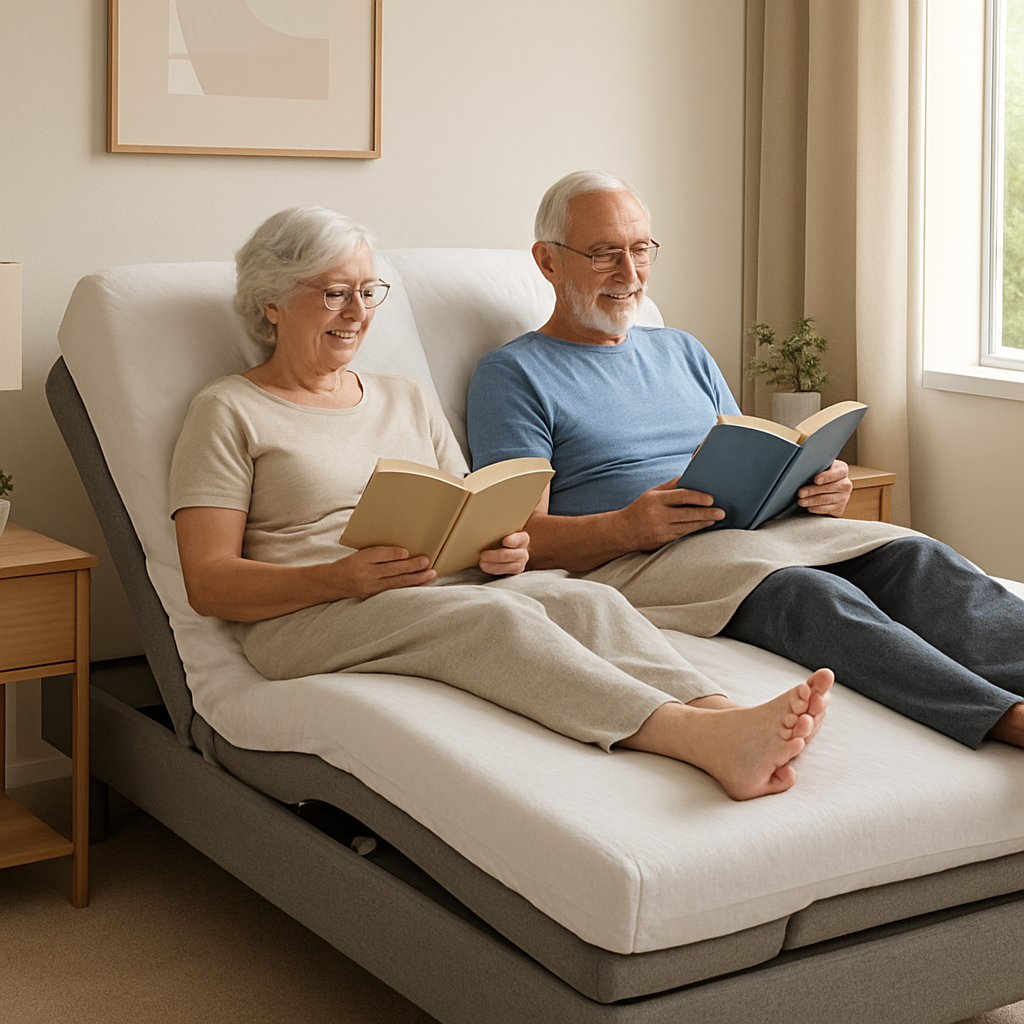
For chronic‑pain sufferers, the angle matters. When you tilt the torso or elevate the legs, you’re essentially taking pressure off the spine and hips. Imagine swapping a pile of pillows for a smooth, silent lift – that’s a genuine reduction in nightly discomfort for many retirees and NDIS participants.
And there’s the independence factor. A low‑to‑high sequence lets seniors glide into a standing position without a caregiver’s hand. That confidence boost can translate into fewer falls and a better quality of life.
Where the rubber meets the road – the downsides
Now, let’s be real. The cons are not just “extra cost”. A quiet brushless motor usually pushes the price into the mid‑range or premium band. If you’re eyeing a budget model, you might end up with a louder AC motor or limited foot‑lift – both of which can feel like a compromise.
Another gotcha is mattress compatibility. Inflexible innerspring or ultra‑firm tops can fight the frame’s bend, leading to premature wear. The rule of thumb? Stick to memory‑foam, latex, or hybrid mattresses that flex gracefully.
And yes, you’ll need space. Head‑lift clearance means a few extra centimetres of headroom, and some wall‑hugger designs are needed if your bedroom is tight.
Calculating the return on investment
ROI isn’t just about dollars; it’s about the nights you sleep without waking in pain. If a nightly lift saves you a trip to the GP, cuts down on over‑the‑counter pain meds, or simply lets you read a chapter before you drift off, that’s a tangible win.
From a market perspective, the adjustable‑bed sector is projected to double its revenue by 2030, with a CAGR of 8.8% according to a Grand View Research report. That growth reflects both consumer demand and tech innovation – meaning you’re buying into a product class that’s getting smarter, quieter, and more reliable each year.
Here’s a quick way to gauge your personal ROI:
- Estimate how many doctor visits a night‑time pain reduction could spare you each year.
- Assign a modest cost to each avoided medication or supplement.
- Add the intangible – better mood, more energy, less reliance on a caregiver.
- Compare that total to the purchase price and any ongoing maintenance.
If the math leans positive, the bed is paying you back – sometimes faster than you think.
Putting it all together – a decision framework
Ask yourself:
- Do I have a chronic condition (back pain, reflux, snoring) that an incline could ease?
- Will the extra features (quiet motor, massage, USB ports) genuinely improve my nightly routine?
- Is my bedroom layout ready for a head‑lift clearance?
- Can I pair the frame with a compatible foam or hybrid mattress?
If you answered “yes” to at least three of those, you’re looking at a solid case for purchase. In our experience at Sleep Sophie, many clients who meet those criteria report a noticeable upgrade in sleep quality within the first few weeks.
Of course, you don’t have to go all‑in. A mid‑range model with a brushless motor and dual‑zone lift often hits the sweet spot for most Australian retirees and NDIS participants – offering the health perks without the premium price tag.
Bottom line: an adjustable bed can be worth the investment when the health benefits, independence gains, and personal comfort outweigh the upfront cost. Use the checklist, run the simple ROI math, and you’ll have a clear answer that feels less like a gamble and more like a well‑earned upgrade.
Additional Resources and Buying Tips
Alright, you’ve walked through the benefits, crunched the ROI, and you’re still wondering are adjustable beds worth it for your unique situation. The truth is, the answer lives in the details – the little things that turn a good purchase into a great one.
1. Map Your Must‑Have Features
Grab a sheet of paper (or a notes app) and list the three functions you can’t live without. Typical candidates for our audience are:
- Quiet brushless motor (under 50 dB) – essential for light sleepers.
- Dual‑zone lift (head + foot) – covers back‑pain, reflux, and circulation.
- Ease‑of‑use remote or app – especially for seniors or NDIS participants who may need larger buttons.
Once you have those three, you can start narrowing models without getting lost in the tech jargon.
2. Test the Range of Motion in‑store
Seeing a 5‑inch head lift is one thing; feeling how a 12‑inch foot lift changes blood flow is another. Ask the sales rep to demonstrate the “zero‑gravity” preset and then manually adjust the foot section. Pay attention to:
- How smooth the transition feels – any jerky movements can signal a lower‑quality motor.
- Noise level – a whisper is ideal; you shouldn’t hear it when you’re reading a book.
- Stability at the highest angle – the frame should stay solid, not wobble.
Pro tip: bring a friend who can help you gauge comfort while you’re in the demo position. Their fresh perspective often catches things you miss.
3. Check Mattress Compatibility Early
Not every mattress bends gracefully. Foam and hybrid constructions usually cooperate with adjustable bases, while thick pillow‑tops can resist flex and wear out faster. If you already own a mattress, place it on a sturdy platform and gently tilt the head end – if the mattress feels like it’s “sticking,” you’ll need a more flexible option.
Sleep Sophie’s specialists often recommend pairing a medium‑firm memory‑foam mattress with a dual‑zone lift for chronic‑pain sufferers – the combination gives enough give for the motors while still providing solid support.
4. Leverage Expert Buying Guides
If you prefer to do the heavy lifting online, the Mattress Clarity best‑adjustable‑beds roundup breaks down the top models by noise, adjustability, and user‑friendliness. Their testing methodology includes decibel readings and real‑world comfort scores, so you can compare specs without stepping into a showroom.
For those who already own a bed and hit a snag, the Juna Sleep troubleshooting guide walks you through power‑supply checks, remote battery swaps, and simple frame inspections – all useful if you want to extend the life of your investment.
5. Build a Buying Checklist
Here’s a quick, printable checklist you can use while you shop:
- Motor type: brushless DC ? Yes/No.
- Noise level: < 50 dB ? Yes/No.
- Head lift range: ≥5 inches ? Yes/No.
- Foot lift range: ≥12 inches (if you need circulation support) ? Yes/No.
- Weight capacity: ≥combined sleeper weight + mattress ? Yes/No.
- Warranty: ≥5 years on motor ? Yes/No.
- Trial period: ≥60 nights ? Yes/No.
Tick the boxes that matter most. If you end up with a lot of “No” answers, keep looking – the right bed should check most of these.
6. Factor in Ongoing Costs
Beyond the upfront price, think about electricity usage (most bases draw under 50 W, which adds virtually nothing to your bill) and potential accessories – a USB‑C port, under‑bed lighting, or a massage module can bump the cost by a few hundred dollars. Decide now whether those extras are “nice‑to‑have” or “must‑have.”
7. Take Advantage of the Trial
Almost every reputable brand offers a risk‑free trial – 60 nights is common in Australia. Use that period to experiment with all preset positions, test the remote’s ergonomics, and see how your body responds after a week of consistent use. If something feels off, most providers will arrange a return or exchange.
Remember, the goal isn’t just to buy a piece of furniture; it’s to gain a tool that eases your nightly discomfort and boosts daytime independence. When you line up the features, test the motion, and lean on trusted resources, you’ll walk away confident that your answer to are adjustable beds worth it is a solid “yes.”
Conclusion
After wading through the features, costs, and real‑world stories, the answer to “are adjustable beds worth it” becomes pretty clear.
If you wrestle with back pain, nighttime reflux, or limited mobility, the lift‑and‑tilt action you’ve seen in the demos isn’t just a gimmick – it’s a practical tool that can turn a restless night into a smoother morning.
We’ve also shown that the upfront price balances out when you factor in fewer doctor visits, reduced reliance on pillows, and the confidence that comes from getting out of bed unaided.
So, what should you do next? Grab a notepad, mark the three must‑have functions you can’t live without, and swing by a local showroom for a hands‑on test. Remember the 60‑night trial most brands offer – it’s your safety net.
In short, when the health benefits and independence gains line up with your budget, an adjustable bed pays for itself in everyday comfort.
Ready to take the next step? Our team at Sleep Sophie can help match you with a model that fits your specific needs and guide you through the trial process.
Give it a try, log how you feel after a week, and you’ll see whether the investment truly transforms your nights.
FAQ
Are adjustable beds worth it for chronic back pain?
Absolutely – especially if you wake up feeling stiff or need extra support to read in bed. A gentle head‑up tilt can unload pressure from the lumbar spine, while a foot‑up position improves circulation in the legs. In our experience at Sleep Sophie, many back‑pain sufferers notice a calmer morning after just a few nights of the right angle.
Can an adjustable bed help with nighttime reflux?
Yes. Raising the head about 30 degrees keeps stomach acid below the esophagus, which many people find eases that burning feeling after dinner. It’s a low‑tech fix that works for anyone who’s tired of waking up with a sour taste. Try the “zero‑gravity” preset and see if the comfort lasts through the night.
What features should I look for if I’m an NDIS participant?
Focus on a quiet brushless motor, a low‑to‑high “standing‑up” sequence, and a weight capacity that covers you plus any accessories. A remote with large buttons or a simple app can make adjustments easier for limited hand strength. A sturdy frame that holds at least 350 kg will ensure the motor stays smooth for years.
Are adjustable beds safe for seniors who have trouble getting out of bed?
They’re designed with safety in mind. The “Hi/Lo” function lifts the mattress to a near‑standing height, reducing the need to pull yourself up. Handrails or side supports add extra confidence, and the smooth motor eliminates jerky movements that could cause a fall. Always check the clearance around the bed so the head‑lift doesn’t hit a nightstand.
Do I need a special mattress for an adjustable base?
Foam, latex or hybrid mattresses work best because they flex with the frame. Thick pillow‑top innersprings can resist the tilt and wear out faster. If you already own a memory‑foam mattress, place it on a sturdy platform and give it a gentle tilt – if it bends without creaking, you’re good to go.
How much electricity does an adjustable bed actually use?
Very little – most bases draw under 50 watts, which is roughly the same as a night‑light. Over a year that’s only a few dollars on your electricity bill. The biggest cost is the upfront price, not the ongoing power draw, so you won’t see a noticeable spike on your bill.
What’s the best way to test an adjustable bed before buying?
Head to a local showroom and ask the staff to demonstrate the full range of motion. Sit in your usual reading position, then try a foot‑up tilt and listen for any humming. Bring a partner or caregiver to check the remote’s ergonomics. If possible, spend a few minutes in each preset – the comfort you feel in that moment is the best indicator.