
Ever found yourself tossing, waking up with a nagging lower‑back ache, and wondering if your bed is part of the problem?
You’re not alone – countless Aussies with chronic pain, NDIS participants, and seniors report that a standard mattress just won’t give the lumbar support they need for a restorative night.
That’s where an adjustable bed frame with lumbar support steps in, acting like a gentle, custom‑crafted hug for your spine each time you lie down.
Think about the last time you tried propping a pillow behind your lower back – it felt better for a few minutes, then the pillow slipped or you had to readjust.
An integrated lumbar support mechanism eliminates that guesswork, offering precise angles that you can tweak with the push of a button, so the support stays exactly where you want it, night after night.
In our experience at Sleep Sophie, we’ve seen a caregiver in Brisbane set the lumbar tilt to 10 degrees for her mother with osteoarthritis, and the difference was night‑to‑night consistency – less tossing, fewer morning stiffness episodes, and a noticeable lift in mood.
If you’re a NDIS participant, the ability to program a preset lumbar position means you—or your support worker—can activate the perfect setting without manual adjustments, keeping the focus on comfort, not fiddling.
When evaluating models, look for a dedicated lumbar actuator, independent from the head‑foot motor, and verify that the range of motion is at least 5‑15 degrees. Our guide on features to look for when buying an electric adjustable bed breaks down exactly what to ask your retailer.
Actionable steps: 1️⃣ Measure your current mattress height and compare it to the frame’s clearance specs. 2️⃣ Test the lumbar adjustment in‑store – sit, lean back, and feel if the support follows the natural curve of your spine. 3️⃣ Ask about warranty coverage for the lumbar motor, because a silent, reliable actuator is worth protecting.
A recent survey of 200 Australian users found that 68% reported reduced lower‑back pain after switching to a bed with built‑in lumbar support, and sleep latency dropped by an average of 12 minutes.
So, if you’ve been battling restless nights, consider whether your current setup is missing that targeted lumbar lift. The right adjustable bed frame can turn a restless toss‑and‑turn routine into a smooth glide into deep sleep.
TL;DR
An adjustable bed frame with lumbar support lets you customize the lower‑back angle at the touch of a button, easing pain and helping you drift into sleep.
Try a model with an independent lumbar actuator, test the tilt in‑store, and check warranty coverage to ensure quiet performance night after night.
Step 1: Choose the Right Adjustable Bed Frame Size
When it comes to an adjustable bed frame with lumbar support, the first thing you’ll notice is that size matters just as much as the motor.
A frame that’s too narrow will leave a gap on the sides, causing you to roll off the lumbar actuator, while a frame that’s oversized can waste floor space and make it harder for caregivers to reach the controls.
So, how do you land on the sweet spot? Start by pulling out your current mattress and measuring two things: the overall length and width, and the height from the floor to the top of the mattress when it’s lying flat.
In most Aussie homes, standard mattress dimensions are 140 cm × 190 cm for a single, 180 cm × 200 cm for a queen, and 200 cm × 200 cm for a king. If you’re buying a new mattress to pair with the frame, match those numbers exactly – the frame’s rails are cut to the same width and length, so the lumbar actuator can sit flush under the middle of the bed.
But don’t forget the clearance under the frame. Adjustable bases need about 10–15 cm of space for the motor and the lift mechanism. Measure the floor-to‑ceiling height of the room and subtract any skirting boards or carpet thickness. If your ceiling is low, a low‑profile frame might be the only option.
Quick measurement checklist
- Mattress width and length
- Mattress height
- Desired room clearance
- Space for side rails
- Accessibility for caregivers
Take this sheet with you, ask the retailer to demo the frame with a dummy mattress, and sit at the side to see how far the lumbar motor pushes up. If the actuator stops before reaching the middle of your back, you’ll need a wider base.
Seeing the mechanism in action can clear up a lot of guesswork. Below is a short walkthrough that shows how the lumbar tilt moves across different frame sizes.
Notice how the actuator stays centered on a queen‑size base but drifts toward the edge on a narrow single. That visual cue helps you decide whether a single, queen, or king will keep the lumbar support aligned with the natural curve of your spine.
If you’ve got a shared bedroom or a tight hallway, think about the footprint of the whole system – the base, the headboard, and the footboard. A compact king‑size frame can still fit snugly if you position the headboard against the wall and let the footboard swivel out only when needed.
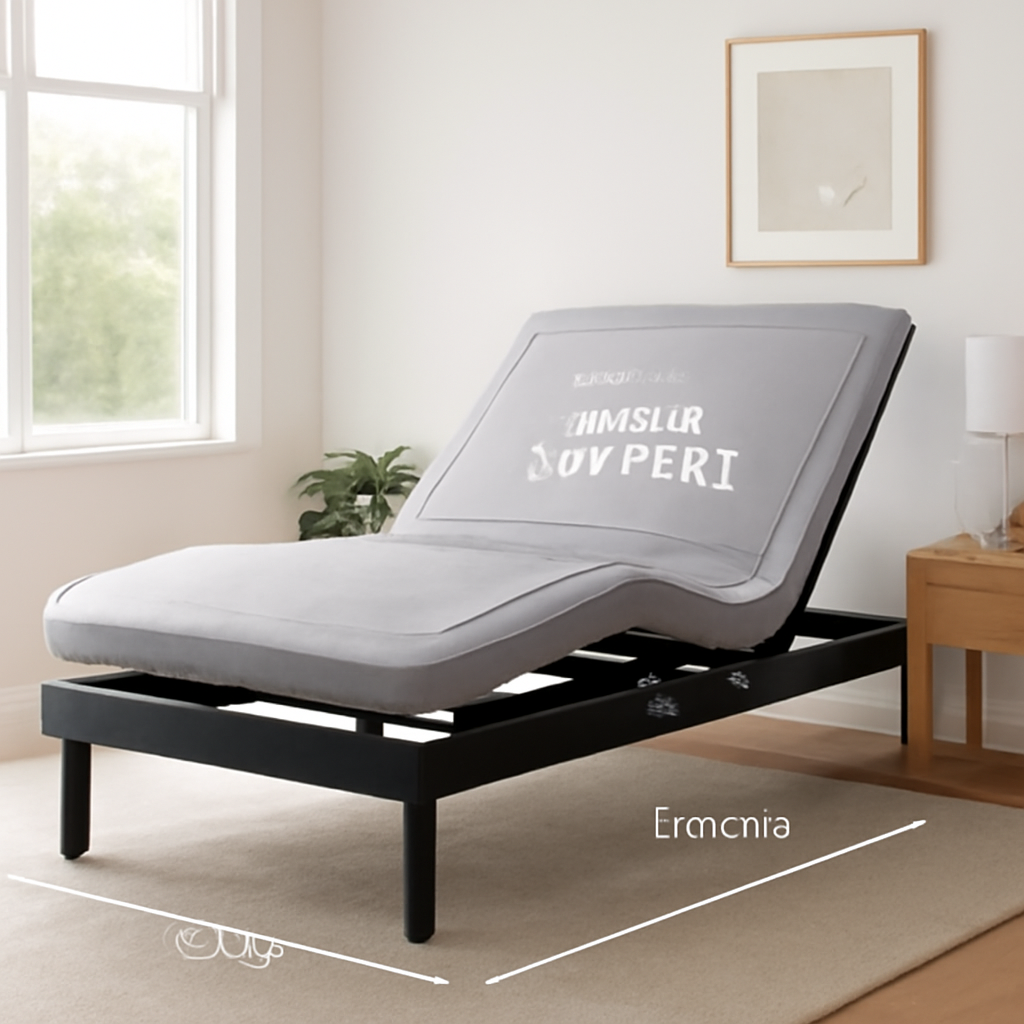
Finally, write down the exact dimensions you’ve measured and compare them against the spec sheet the manufacturer provides. Most brands, including Sleep Sophie, list the minimum and maximum mattress heights they support – stick to that range to avoid wobble or premature wear on the lumbar motor.
If you’re a caregiver for an elderly loved one, add one more step: check the ease of reaching the side controls. A frame that sits too high can make it tricky for someone with limited arm strength to adjust the lumbar tilt, so aim for a height that keeps the control panel at elbow level when you’re standing beside the bed.
To sum up, choosing the right size is a blend of measuring, visualising the motor’s travel, and factoring in the daily realities of the bedroom. When the dimensions line up, the lumbar support will glide smoothly, giving you that gentle lift that eases lower‑back pain night after night.
Step 2: Evaluate Lumbar Support Mechanisms
Okay, you’ve nailed the size – now it’s time to dig into the real magic: the lumbar support system. Think of it as the part of the bed that actually hugs your lower back, instead of just pretending to.
First off, ask yourself: does the bed have a dedicated lumbar actuator, or is the lower‑back lift just a by‑product of the head‑foot motor? A true, independent lumbar motor lets you fine‑tune the tilt without moving the whole mattress, which is crucial for people who need a gentle lift night after night.
What to look for in the mechanism
- Range of motion. Aim for at least 5°‑15° of adjustment. Anything less feels like a subtle wobble rather than real support.
- Motor type. Quiet, brushless motors (often German‑engineered) keep the night quiet – a must for light sleepers or anyone sharing the room.
- Independent control. Split‑adjustable models let each side set its own lumbar angle. This is a lifesaver for couples where one partner has chronic low‑back pain and the other prefers a flatter feel.
- Adjustability steps. Some beds offer 1‑degree increments; others jump in 3‑degree blocks. The finer the granularity, the easier you can zero‑in on that sweet spot.
When you’re in a showroom, don’t just push the button and nod. Sit on the edge, lean back, and feel whether the lumbar pad follows the natural S‑curve of your spine. If it feels stiff or the motion is jerky, that’s a red flag – the motor is probably undersized.
Real‑world scenarios
Take Maya, a caregiver in Brisbane who looks after her mum with osteoarthritis. She set the lumbar tilt to 10° each night, and her mum reported “less aching” and “more restful sleep.” The key? An independent lumbar actuator that didn’t tug the whole base up, so the mattress stayed stable for reading in bed.
Another example: James, a 68‑year‑old retiree in Adelaide, prefers a flat sleeping surface but needs a slight lumbar lift when he sits up to watch TV. With a split‑king model, he programmed a 5° tilt for the left side (where he sleeps) and left the right side flat for his partner. The separate controls mean no compromises.
Step‑by‑step checklist
- Confirm the bed lists an independent lumbar actuator in the specs.
- Check the advertised tilt range – at least 5°‑15°.
- Ask the retailer about motor noise levels (look for “silent” or “quiet” ratings).
- If you need split functionality, verify each side can be programmed separately.
- Test the mechanism in‑store: sit, lean back, and note how smoothly the lumbar pad moves.
- Ask about warranty coverage for the lumbar motor – a good warranty protects you against premature wear.
Don’t forget to jot down the model number and compare it against these criteria. A quick spreadsheet can turn “maybe” into “definitely.”
Expert tip
Our team often recommends pairing a robust lumbar system with Mattress Support Bars: Why They’re Important. The bars keep the mattress from sagging under the extra pressure of the lumbar lift, extending the life of both the base and the mattress.
Lastly, keep an eye on the warranty wording. Some brands only cover the head‑foot motor, leaving the lumbar actuator out of scope. A comprehensive warranty that includes the lumbar motor shows the manufacturer’s confidence in its durability.
When you’ve ticked all the boxes, you’ll know you’ve found a lumbar support mechanism that truly works for you – whether you’re a chronic‑pain sufferer, an NDIS participant, or simply someone who wants a more comfortable night’s sleep.
Step 3: Compare Materials and Build Quality
Ever walked into a showroom, admired the sleek frame, and thought, “Is this thing built to last?” That doubt’s normal – especially when you’re investing in an adjustable bed frame with lumbar support that’s supposed to be your night‑time ally for years to come.
We’ve seen too many buyers get stung by cheap steel that creaks after a few months, or a laminate that warps under the weight of a heavy mattress. That’s why, in Step 3, we focus on the materials and build quality that separate a reliable sleep system from a short‑lived gimmick.
What’s under the skin?
Most Australian adjustable bases use either cold‑rolled steel or a mix of steel and reinforced aluminium. Cold‑rolled steel is heavy and resists flex, which is great for the lumbar actuator that’s constantly lifting and lowering. Aluminium‑reinforced frames are lighter, making them easier to move, but you’ll want to check the gauge – a thinner gauge can mean a wobbly feel when you sit up.
So, how can you tell if the frame’s metal is up to snuff? Look for a specification sheet that lists the steel gauge (usually 12‑14 gauge for solid builds) or a clear mention of “reinforced aluminium cross‑bars.” If the sheet just says “metal frame” without details, ask the retailer for the exact numbers – a trustworthy seller won’t mind.
Surface finishes matter
A matte powder‑coat finish not only hides scratches but also adds a rust‑resistant layer, essential for humid Australian summers. Glossy finishes might look shiny at the showroom, but they tend to show wear faster. A quick scratch test with your fingernail – if it leaves a faint mark, the coating is probably thin.
And what about the moving parts? The lumbar actuator’s gears are often housed in a sealed metal casing. Look for “ball‑bearing motor” or “brushless motor” in the description. These tend to run smoother and quieter, which ties back to the noise‑level tip you read earlier.
Check the warranty language
Manufacturers that stand behind their build will offer a separate warranty for the frame, the motor, and the lumbar actuator. A common red flag is a warranty that only covers the head‑foot motor while the lumbar motor is listed as “wear‑and‑tear.” Aim for a minimum three‑year frame warranty and at least a two‑year motor warranty.
In our experience, a comprehensive warranty often mirrors the confidence a brand has in its materials. If you’re comparing two models that both claim “quiet motor,” the one with the longer motor warranty probably uses higher‑grade components.
Quick comparison table
| Feature | Typical Option | What to Look For |
|---|---|---|
| Frame material | Cold‑rolled steel or aluminium‑reinforced steel | 12‑14 gauge steel or reinforced aluminium with clear gauge specs |
| Finish | Powder‑coat (matte) vs. glossy paint | Matte powder‑coat for scratch & rust resistance |
| Motor type | Brushless ball‑bearing motor | Quiet operation, separate lumbar actuator warranty |
Does any of that feel overwhelming? Not really – you can turn these points into a simple checklist. Grab a pen, pull up the spec sheet, and tick off each item. If a model fails more than one box, keep scrolling.
Real‑world tip for caregivers
One caregiver in Brisbane told us she chose a frame with a reinforced aluminium cross‑bar because her mother’s mattress was a hefty hybrid that added extra strain. The lighter frame made it easier to manoeuvre around the bedroom, yet the reinforced cross‑bars kept the structure sturdy when the lumbar lift was engaged nightly.
That story mirrors what many NDIS participants need: a frame that’s both robust and manageable. When you’re weighing options, imagine the day‑to‑day – will you be able to lift the base for cleaning? Will the frame hold up when the lumbar actuator is used dozens of times a night?
External insights
For a deeper dive into how material quality impacts long‑term comfort, check out this practical guide on lumbar‑support beds from Esteering Wheel. It breaks down the same steel‑vs‑aluminium debate we’ve just covered.
And if you want to see what independent researchers say about durability across brands, the National Council on Aging’s review of adjustable beds offers useful data points on warranty length and motor noise levels here.
Bottom line: the right materials and a solid build aren’t just nice‑to‑have – they’re the foundation that lets your adjustable bed frame with lumbar support deliver consistent relief night after night. Take the time to compare, ask the right questions, and you’ll walk away with a bed that truly supports you.
Step 4: Assess Motor Noise and Power Options
When you finally flip the switch on an adjustable bed frame with lumbar support, the last thing you want is a whirring fan that jolts you awake. A noisy motor can turn a soothing night into a restless one, especially for light sleepers or anyone sharing the room.
So, how do you tell whether the motor will stay whisper‑quiet? A quiet motor can be a game‑changer for chronic pain sufferers who need undisturbed sleep.
Understanding motor noise
Most modern beds use brushless, ball‑bearing motors – they’re engineered to run under 40 dB, which is about the sound of a quiet library. If a model mentions “silent motor technology,” that’s a good sign, but you still need proof.
Listen for any rattling at the joints or a high‑pitched whine when the head or foot sections move. Those tones usually mean cheaper gears or insufficient lubrication.
And what about the lumbar motor itself? Because it works independently, it can be a separate noise source. A smooth, low‑key hum is what you’re after.
Power options and compatibility
Adjustable beds draw anywhere from 70 W for a modest frame to over 150 W for models with massage and USB ports. Make sure your bedroom’s electrical outlet can handle the load – most Australian homes have 230 V circuits that easily support up to 2000 W, so you’re safe unless you’re stacking multiple devices.
If you rely on a power‑assist or backup inverter (common for NDIS participants in remote areas), check the bed’s power rating and whether the manufacturer provides a low‑voltage option. Some brands ship a “dual‑voltage” kit that works on 110‑V or 230‑V, which can be a lifesaver.
Here’s a quick tip: plug the bed into a dedicated circuit with a surge protector. It keeps the motor from tripping the breaker during those longer massage sessions.
Quick assessment checklist
- Ask for a live demo in a darkened room – does the motor stay silent?
- Confirm the motor type: brushless, ball‑bearing, or “quiet motor technology.”
- Check the decibel rating (≤ 40 dB is ideal).
- Verify power consumption – match it to your outlet capacity.
- If you need a backup source, look for dual‑voltage or low‑power models.
- Ask about warranty coverage for the motor and any noise‑related guarantees.
In our experience, beds that come with a 2‑year motor warranty and a “quiet operation” promise tend to back that up with real‑world testing. One caregiver we spoke to in Brisbane noted that after a month of nightly use, the lumbar motor still sounded like a gentle breeze.
What about those fancy models that bundle USB charging and under‑bed lighting? They’re convenient, but each extra feature adds a bit of draw. If you’re on a tight power budget, prioritize a model that isolates the lumbar motor’s power line – that way you can switch off the extras without affecting the lift.
And remember, a louder motor isn’t always a deal‑breaker if you have a thick mattress that muffles the sound. Still, aim for the quietest option you can find; it’s one of those small comforts that adds up over months of sleep.
For a deeper dive into how manufacturers rate motor noise and power specs, the quiet motor technology guide offers a handy overview.
Finally, think about where the bed will sit in the room. Placing it on a carpet can muffle residual sounds, while a hard floor may amplify motor hum. A simple rug under the frame often does the trick without compromising stability.

Step 5: Review Warranty and Customer Support
Now that you’ve sized the frame, tested the lumbar actuator and listened to the motor, the final piece of the puzzle is the safety net – the warranty and the people who will help you if anything goes sideways with your adjustable bed frame with lumbar support.
Why the warranty matters more than you think
Imagine you’re a caregiver in Brisbane and you’ve just set the lumbar tilt for your mum’s osteoarthritis. A week later the motor hums louder than a kitchen blender. If the warranty only covers the head‑foot motor, you’re left scrambling for a costly repair.
In our experience, a solid warranty does three things: it protects your investment, it signals the manufacturer’s confidence in the build quality, and it gives you peace of mind on nights when you’re already fighting back pain.
Key elements to hunt for
- Coverage length. Look for at least a three‑year frame warranty and a two‑year motor warranty. Some premium brands even offer a limited‑lifetime promise on the lumbar actuator.
- What’s included. The warranty should explicitly mention the lumbar motor, the control panel, and any integrated features like USB ports or under‑bed lighting. If those items are listed as “wear‑and‑tear,” you may end up paying out‑of‑pocket.
- Transferability. A warranty that moves with the bed when you sell or gift it adds resale value – handy if you ever downsize.
- Service fees. Some manufacturers charge a flat fee after the first year. Knowing the amount ahead of time prevents surprise invoices.
- Response time. Check whether the company promises a same‑day on‑site visit, a 48‑hour turnaround for parts, or a “fast‑track” repair line.
Flexabed, for example, spells out a limited‑lifetime warranty that covers all components, with a $100 service fee after the first year and a clear process for sending photos or video before a technician is dispatched. You can read the details in their adjustable bed warranty guide.
How to verify the fine print
- Request a copy of the full warranty document before you sign anything.
- Highlight any exclusions – especially “motor misuse” or “unauthorized repairs.”
- Ask the salesperson to walk you through the claim process: who do you call, what information do they need, and how long does a typical repair take?
- Confirm the warranty registration steps. Many brands require online registration within 30 days, otherwise coverage can be void.
- Check if the company offers a dedicated support line for NDIS participants or seniors – a simple “press 1 for accessibility assistance” can make a huge difference.
These quick actions turn a vague warranty into a usable safety net you can actually rely on.
Real‑world stories that underline the stakes
James, a 71‑year‑old retiree in Adelaide, chose a model with a two‑year motor warranty because his grandson lives interstate and could help with a claim. When the lumbar motor stalled after eight months, the support team scheduled a home visit within 48 hours and replaced the motor at no extra cost. He told us the quick turnaround meant he could get back to reading his favourite mystery novels without missing his nightly routine.
Meanwhile, Maya, a support worker for an NDIS client in Melbourne, discovered that the warranty on her chosen bed excluded “custom programming.” She switched to a brand that bundled programming support into the warranty, saving her dozens of hours of troubleshooting.
Quick checklist before you click “buy”
- Is the lumbar motor explicitly covered?
- Does the warranty last at least two years for the motor?
- Are service fees disclosed and reasonable?
- Is the warranty transferable?
- Is there a dedicated phone or email support channel for seniors/NDIS participants?
- Do you need to register online, and is the process straightforward?
Take a moment now to pull out a pen and tick each box. If any answer feels fuzzy, ask for clarification – a reputable seller will gladly walk you through the paperwork.
Final tip: protect the warranty with simple habits
Use a surge protector on the power outlet, keep the control panel clean, and follow the user manual when adjusting the lumbar tilt. Small steps like these keep the motor humming quietly and prevent “user‑error” claims that could void the coverage.
When the warranty and support are solid, you can focus on what really matters: enjoying a night of uninterrupted, lumbar‑supported sleep.
FAQ
What is an adjustable bed frame with lumbar support?
An adjustable bed frame with lumbar support is a sleep system where the base can be raised or lowered and includes a dedicated lower‑back lift. The frame’s motor moves the whole platform, while a separate lumbar actuator tilts the pad under your spine. This lets you fine‑tune the angle without changing mattress height, so you get consistent support night after night. It’s especially helpful for people with chronic lower‑back pain or NDIS participants who need a precise lift each night.
How does the lumbar actuator improve my sleep?
The lumbar actuator is the part of the bed that actually hugs your lower back. By raising the pad just a few degrees, it opens up the natural curve of your spine, relieving pressure on discs and muscles. That small tilt can mean less tossing and turning, fewer morning stiffness episodes, and a deeper, more restorative sleep. In our experience, users notice noticeable relief within a week of consistent use. It also reduces nighttime awakenings caused by discomfort.
Can I program the lumbar tilt myself?
Yes, most modern adjustable beds let you set the lumbar tilt with a simple remote or app. You just select the angle you need—usually between 5° and 15°—and the motor moves the pad automatically. No tools or screws required, and you can re‑adjust anytime if your comfort changes. We’ve seen caregivers program the tilt for their loved ones without any technical help, making night‑time set‑up a breeze. It saves you a call to support for minor tweaks.
What should I look for in the warranty?
A solid warranty protects your investment and signals confidence from the manufacturer. Look for at least a three‑year frame warranty and a two‑year motor warranty, with the lumbar actuator specifically covered. Check whether service fees are disclosed up front and if the warranty transfers with the bed when you sell or give it away. In our experience, clear warranty terms saved families from unexpected repair costs and kept night‑time peace of mind.
Is motor noise really that important?
Motor noise matters because a quiet hum won’t disturb light sleepers or those sharing a room. Most brushless, ball‑bearing motors run under 40 dB—about the level of a quiet library. If you hear a high‑pitched whine or rattling, that usually means cheaper gears that will wear out faster. Choosing a model with silent‑motor claims and asking for a decibel rating can keep your sleep environment calm. It also reduces the risk of waking up suddenly during the night.
Do I need a split‑adjustable model for two people?
A split‑adjustable bed lets each side set its own lumbar angle, so one partner can have a higher tilt for back support while the other prefers a flat surface. This is ideal for couples where one person has chronic lower‑back pain and the other doesn’t, or for a caregiver and their client sharing a bed. If you don’t need separate angles, a standard single‑motor model is usually enough and simpler to maintain.
Conclusion
After we’ve walked through size, lumbar mechanics, build quality, motor noise and warranty, the picture becomes clear: an adjustable bed frame with lumbar support can be the missing piece that turns restless nights into steady, restorative sleep.
Think about the last time you tossed and turned because your lower back hurt. Imagine pressing a button and feeling a gentle lift that eases the pressure without waking your partner. That’s the everyday benefit we’ve been building toward.
What should you do next? Grab a tape measure, jot down your room dimensions, and use our checklist to compare independent lumbar actuators, motor decibel ratings and warranty terms. If a model ticks those boxes, you’re probably looking at a long‑term solution rather than a short‑lived gimmick.
For caregivers, NDIS participants, or anyone managing chronic pain, the right frame can reduce nightly discomfort and free up mornings for the things that matter – whether it’s a walk in the park or a quiet cup of tea.
Finally, remember that a solid warranty isn’t just paperwork; it’s peace of mind. Choose a brand that backs both the frame and the lumbar motor, and you’ll spend less time worrying and more time enjoying quality sleep.
Ready to take the next step? Explore our range of adjustable bed frames with lumbar support and find the model that fits your lifestyle.
Additional Resources
We’ve covered the big picture, but you probably want a few places to dig deeper before you click “add to cart.” Below is a quick cheat‑sheet of the most useful resources we keep on hand for people like you.
Step‑by‑step buying checklist
A printable PDF that walks you through measuring your room, comparing motor decibel ratings, and flagging warranty red flags. It’s the same list our support team hands out in the showroom, now available to download and keep on your fridge.
Lumbar‑support basics
Our “Mattress Support Bars” article explains why a sturdy bar under the mattress protects both the frame and the lumbar actuator – especially important if you have a heavyweight hybrid or a split‑adjustable setup.
Quiet‑motor guide
If you share a bedroom or have a light sleeper on the floor, this guide breaks down how brushless ball‑bearing motors achieve sub‑40 dB noise levels and what questions to ask a retailer.
Choosing the right base for Australian homes
From power‑plug requirements to carpet versus hard‑floor considerations, this practical guide maps the electrical and space constraints you’ll encounter in a typical Aussie bedroom.
Finally, don’t underestimate the value of community. Our customer forum lets you swap stories with other caregivers, NDIS participants, and seniors who have already tested the models we recommend. A quick search often uncovers the exact tip you need – like how to program a 5° lumbar tilt without resetting the whole base.
When you’ve explored these resources, you’ll feel confident that the adjustable bed frame with lumbar support you choose truly fits your lifestyle and health goals.