
What Is Gel Memory Foam Mattress? A Complete Guide to Understanding Its Benefits and How It Works
26 December 2025 · Nathan Kerrins
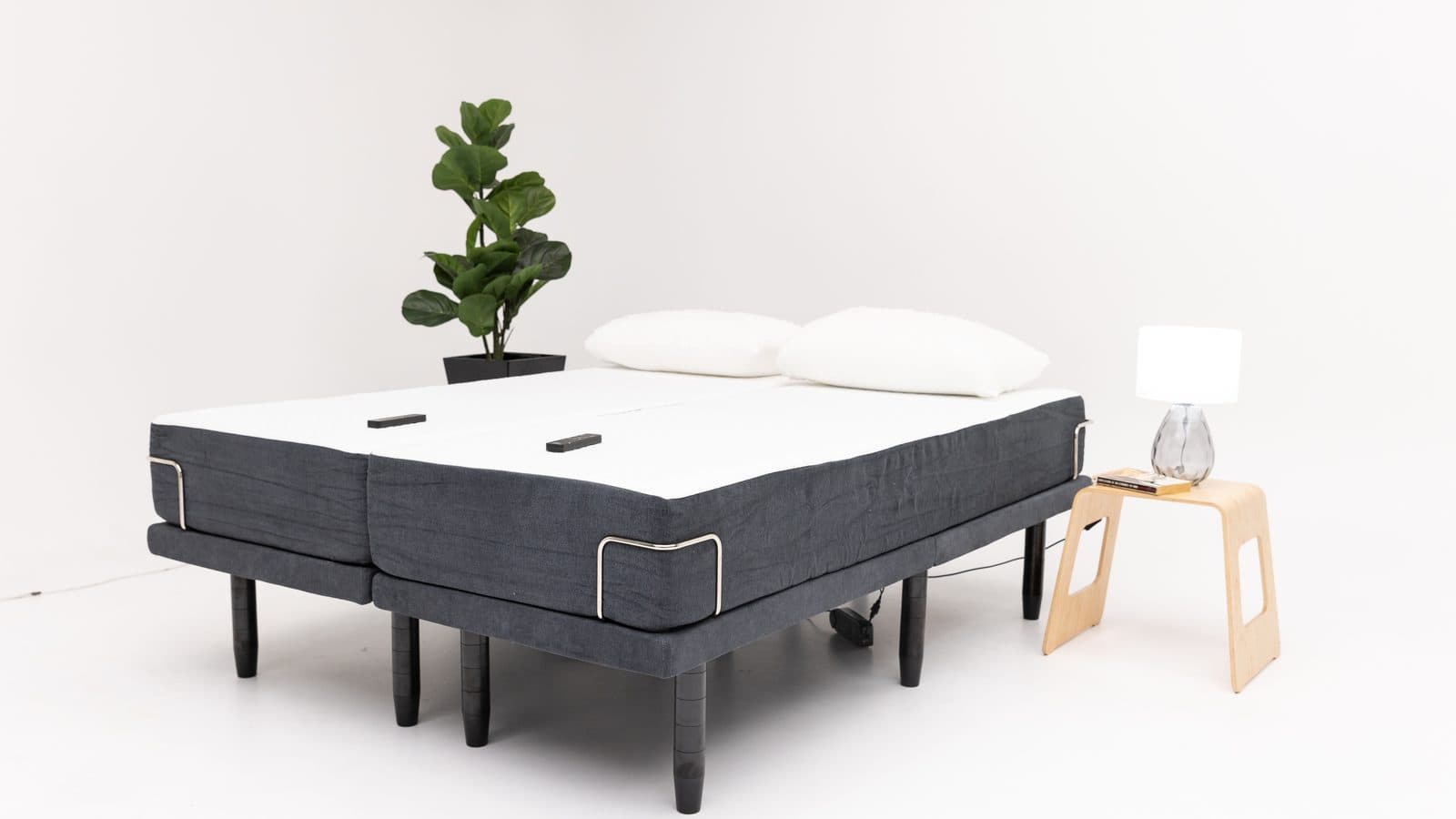
Ever tossed and turned, feeling like the mattress is a hot plate that just won’t let you cool down? That’s the exact moment many of us realise we need to ask ourselves, what is a gel memory foam mattress and why does it matter?
In simple terms, it’s memory foam that’s been blended with cooling gel beads or gel-infused layers. The gel acts like a tiny heat‑siphon, pulling body heat away the way a sweater wick pulls sweat off skin. The result? A surface that still cradles you like classic memory foam but stays noticeably cooler throughout the night.
Think about a chronic‑pain sufferer who spends their evenings reading in bed. On a regular memory foam topper, they might wake up feeling sticky and achy. Switch to a gel‑infused model, and the mattress surface can run about 2–3°C cooler – often enough to fall asleep faster and stay asleep longer. That’s the kind of shift we see often.
Here’s how the technology works: during manufacturing, microscopic gel particles are mixed directly into the foam matrix. As you lie down, the foam conforms to your shape, while the gel absorbs and redistributes heat. It’s a dual‑action system – supportive like classic memory foam, refreshing thanks to the gel.
Why should you care? For hot sleepers, the cooling effect can be a game‑changer. For anyone dealing with pressure‑point pain, the contouring relief reduces stress on joints. And because many gel‑infused foams are treated with Ultra‑Fresh anti‑bacterial agents, they’re also a smart choice for allergy‑prone families.
We’ve seen the benefits stack up in practice. A physiotherapist we work with noted that patients using gel‑infused mattresses reported fewer nighttime aches, aligning with the Australian Physiotherapy Association’s endorsement of several Dunlopillo gel products.
If you’re still unsure, picture this: you set up an adjustable bed, slide in a gel‑memory mattress, and use the head‑tilt feature to read without neck strain. The mattress stays cool even as the lights stay on – perfect for seniors who might need a night‑light but can’t tolerate heat buildup.
Want a deeper dive into how to pick the coolest bed for those warm nights? Check out our guide on choosing the right mattress for hot sleepers – it walks you through material specs, airflow designs, and price points.
TL;DR
A gel memory foam mattress mixes cooling gel beads into classic foam, pulling heat away while contouring your body for pressure relief.
It keeps sleepers cool, eases joint aches, and carries Ultra‑Fresh anti‑bacterial treatment plus Physiotherapy Association endorsement, a smart hypoallergenic option for seniors and NDIS users seeking nightly comfort.
What Is Gel Memory Foam?
So, what exactly is a gel memory foam mattress? In plain English, it’s the classic memory foam you know – the stuff that hugs your body like a gentle hug – but with a splash of cooling gel mixed right in. The gel isn’t just for show; it acts like a tiny heat‑siphon, pulling the warmth you generate away from the surface so you stay cooler throughout the night.
Think of it this way: remember that moment when you step out of a hot shower and reach for a cold towel? The gel does something similar for your mattress, whisking heat away while the foam continues to mold to every curve of your spine, hips, and shoulders. For anyone who wakes up feeling like they’ve been sleeping on a radiator, that temperature‑balancing trick can be a game‑changer.
How the Gel Works Inside the Foam
During manufacturing, microscopic gel beads are blended straight into the foam matrix. When you lie down, the foam softens and conforms, while the gel particles disperse the heat you emit. The result is a dual‑action system: supportive, pressure‑relieving foam paired with a cooler sleeping surface.
Because the gel is evenly distributed, you don’t get the “cold spot” feeling you might with a separate cooling pad. Instead, the whole mattress stays at a more comfortable temperature, which is especially helpful for hot sleepers or those living in warmer climates.
Watching that quick video can help you visualise how the gel particles move within the foam layers. It’s a bit like seeing the inner workings of a coffee grinder – you get a sense of the technology that makes the comfort possible.
One of the biggest benefits for our community – especially seniors and NDIS participants – is the way gel memory foam supports spinal alignment. As the foam contours, it encourages a neutral spine position, which can reduce morning aches without the need for a separate pillow stack.
And because many gel‑infused foams are treated with an anti‑bacterial coating (often marketed as Ultra‑Fresh), they’re also a smart choice for allergy‑prone households. The coating helps keep dust mites and bacteria at bay, meaning the mattress stays fresher longer.
How Gel Memory Foam Mattress Works
When you lie down on a gel memory foam mattress, the magic starts at a microscopic level. Tiny gel beads are blended right into the polyurethane foam during manufacturing. Those beads act like tiny heat‑siphons, pulling body warmth away from your skin and spreading it through the foam’s open cells.
Because the gel is woven throughout the entire layer, the cooling effect isn’t just a surface‑level breeze. It’s a steady, even temperature regulation from head to toe. Think of it like a sweater that wicks sweat away instead of trapping it – you stay cool, not clammy.
But cooling is only half the story. The underlying memory foam still does what it does best: it conforms to every curve of your body. When you roll onto your side, the foam softens just enough to cradle your shoulder and hip, reducing pressure points that can cause overnight aches.
That dual‑action – contouring plus heat dispersion – is why the technology feels so refreshing. It’s not a gimmick; it’s physics. Gel has a higher thermal conductivity than the foam itself, so heat moves faster through the material. Meanwhile, the foam’s viscoelastic properties allow it to slowly return to its original shape, giving you that “sink‑in” feeling without feeling stuck.
Here’s a quick snapshot of the core components:
- Cooling Gel: Infused throughout the top 2‑3 inches, pulling heat away.
- Memory Foam Support: Molds to your body, offering pressure relief.
- Spinal Alignment Layer: A denser base that keeps the spine neutral.
- Hypoallergenic Treatment: Ultra‑Fresh agents inhibit dust mites and bacteria.
For example, imagine a caregiver supporting an NDIS participant who struggles with night‑time overheating. Swapping a traditional foam mattress for a gel‑infused model can bring the surface temperature down about 2 °C on a humid summer night. That cooler surface can help someone fall asleep faster and wake up with fewer joint aches.
Picture an elderly couple using an electric adjustable bed. When they tilt the head‑board to read, the lamp stays on, creating a pocket of warm air. The gel layer draws that heat away, so a couple can read for an hour without feeling sweaty. That’s the kind of day‑to‑day benefit gel memory foam can offer.
If you’re wondering how to get the most out of this technology, try these three actionable steps:
- Give the mattress 24‑48 hours to fully expand after unpacking; the gel needs space to settle into the foam matrix.
- Rotate the mattress 180 degrees every two to three months – don’t flip it. This keeps the gel distribution even and extends the life of the support layer.
- Pair the mattress with a breathable, moisture‑wicking protector. It preserves the gel’s cooling ability and the Ultra‑Fresh antibacterial treatment.
One tip that often flies under the radar: combine the gel mattress with an adjustable base that offers head‑tilt and leg‑elevate functions. The slight incline improves circulation, and the gel keeps the surface from heating up around the head‑board. For a deeper dive on circulation benefits, check out our guide on Can an adjustable bed help to improve your circulation?.
What about certification? Many gel‑infused mattresses carry CertiPUR‑US and OEKO‑Tex® Standard 100 labels, meaning the foams are free from harmful chemicals and the fabrics have been tested for safety. Those stamps give peace of mind, especially for allergy‑prone sleepers.
Finally, a note on durability: The gel doesn’t degrade like liquid‑cooling packs. As long as you follow the rotation schedule and keep the cover intact, the cooling performance stays consistent for years – often well beyond the typical 7‑10 year lifespan of a standard foam mattress.
Bottom line: a gel memory foam mattress works by marrying the pressure‑relieving hug of memory foam with the heat‑moving power of gel. The result is a cooler, more supportive sleep surface that can make a tangible difference for hot sleepers, chronic‑pain sufferers, seniors, and anyone who values a fresh night’s rest.
Key Benefits of Gel Memory Foam Mattresses
Ever woken up feeling like you’ve been sleeping on a hot brick? That sweaty, stiff‑back feeling is the exact problem a gel memory foam mattress was designed to solve. By blending cooling gel directly into the foam, you get the classic hug of memory foam without the night‑time heat trap.
Cooling gel that actually works
The gel beads act like tiny heat‑siphons. As you lie down they pull body heat away and spread it through the foam’s open cells, keeping the surface temperature lower than a regular memory foam slab. Medical News Today notes that “gel memory foam mattresses provide a cooler surface on which to sleep,” which is why hot sleepers notice a drop of a few degrees right away.
What does that mean for you? No more flipping the pillow to the “cool side” every hour, and no more waking up drenched in sweat. It’s a subtle but constant temperature regulation that feels natural, especially during summer nights or in a warm bedroom.
Pressure‑relieving memory foam support
While the gel handles heat, the underlying visco‑elastic foam still conforms to every curve of your body. That contouring eases pressure on hips, shoulders and lower back – a win for anyone with chronic pain or anyone who just wants to sink in without feeling stuck.
Imagine an NDIS participant who spends hours in a wheelchair during the day. When they finally get into bed, the gel‑infused foam cradles their joints, distributing weight evenly and reducing those familiar aches that can linger into the morning.
Spinal alignment for a healthier back
Most gel memory foam models include a denser base layer that keeps the spine in a neutral position. The result is a mattress that supports proper alignment without a hard, unforgiving feel. In practice, you’ll notice fewer morning twists and a smoother transition when you get out of bed.
Hypoallergenic protection
Many of the foams are treated with an Ultra‑Fresh antimicrobial agent that discourages dust mites and bacteria. For allergy‑prone sleepers – seniors, caregivers, or anyone with sensitive skin – that extra layer of protection means less time reaching for the antihistamine and more time enjoying uninterrupted sleep.
Endorsements you can trust
Some Dunlopillo gel mattresses carry an endorsement from the Australian Physiotherapy Association. That stamp of approval isn’t a marketing gimmick; it signals that the product meets clinical standards for spinal support and pressure‑point relief.
Real‑world example
Take Novaform’s ComfortGrande Plus 14‑inch gel memory foam mattress. It combines Phase‑Change gel that “cools when you’re hot and warms when you’re cold” with a firm support core, delivering consistent comfort across a range of temperatures. Read more about Novaform’s cooling technology for a concrete look at how the dual‑action design translates into everyday comfort.
Quick checklist of benefits
- Cooler sleep surface – gel draws heat away.
- Targeted pressure relief – memory foam molds to you.
- Spinal alignment – denser base keeps your spine neutral.
- Hypoallergenic – Ultra‑Fresh treatment fights microbes.
- Clinical endorsement – Australian Physiotherapy Association backing.
So, does a gel memory foam mattress sound like the missing piece in your sleep puzzle? If you’re dealing with night‑time overheating, chronic joint pain, or simply want a mattress that stays fresh for years, the answer is probably yes. Pair it with an adjustable base from Sleep Sophie, and you’ve got a combo that keeps you cool, supported, and ready to tackle the day.
Materials & Construction of Gel Memory Foam Mattresses
Ever wonder what actually sits between you and the mattress that keeps you cool while still hugging your body? That’s the heart of what is gel memory foam mattress – a blend of two very different materials working together.
First up, the base is classic visco‑elastic polyurethane foam. It’s the stuff that remembers your shape, eases pressure on hips and shoulders, and helps keep your spine in a neutral line. On its own, though, it can feel a bit like a warm blanket on a summer night.
Enter the cooling gel. During manufacturing tiny gel beads or a liquid‑gel layer are mixed straight into the foam matrix. The gel has a higher thermal conductivity than the foam, so it pulls heat away from your skin and spreads it through the open cells. The result? A surface that stays noticeably cooler without sacrificing that “sink‑in” feel.
But it’s not just one homogeneous slab. Most quality gel memory foam mattresses are built in layers:
Typical Layer Stack
- Top Cooling Gel Layer – usually 2‑3 inches thick, infused with gel beads or a gel‑infused foam sheet.
- Core Memory Foam – medium‑firm to firm foam that provides body‑contouring support.
- Denser Base Layer – a high‑density foam that anchors the mattress and maintains spinal alignment.
Some brands add an extra “comfort” layer on top of the gel for a plush feel, while others treat the foam with an antimicrobial agent like Ultra‑Fresh. That treatment helps keep dust mites and bacteria at bay – a real boon for allergy‑prone sleepers, seniors, or NDIS participants who need a hygienic sleep surface.
How does all this affect you day‑to‑day? Picture an elderly couple using an electric adjustable base. When they tilt the head‑board to read, a little extra warmth builds up around the lamp. The gel layer actively draws that heat away, so they can stay in a comfortable recline without feeling sweaty.
In our experience, the combination of gel and foam also improves durability. The gel doesn’t break down like a liquid cooling pack would, and the denser base layer protects the softer top layers from sagging too quickly.
Here’s a quick snapshot of the key components and why they matter:
| Layer | Material | Purpose |
|---|---|---|
| Cooling Gel | Gel‑infused foam or bead‑filled layer | Pulls heat away, keeps surface temperature lower |
| Memory Foam Core | Visco‑elastic polyurethane | Contours body, relieves pressure points |
| Denser Base | High‑density support foam | Maintains spinal alignment, adds durability |
Notice how each layer has a distinct job. When they’re all engineered correctly, you get the “dual‑action” promise – supportive like classic memory foam but cooler and more refreshing thanks to the gel.
If you’re still skeptical, take a look at an example from Sleep Innovations. Their 4‑inch dual‑layer gel memory foam topper stacks a plush comfort layer over a cooling gel core, designed for improved airflow and an all‑over plush feel. It’s a good illustration of how manufacturers layer materials to hit both comfort and temperature goals. Sleep Innovations’ dual‑layer gel topper shows the practical side of the construction we’ve been talking about.
So, what should you keep an eye on when shopping?
- Is the gel integrated throughout the top 2‑3 inches, or is it just a thin surface layer?
- Does the mattress list a denser base foam for spinal support?
- Is there an antimicrobial treatment like Ultra‑Fresh for hypoallergenic protection?
Answering those questions helps you match the mattress to your specific needs – whether you’re a chronic‑pain sufferer, an NDIS client, or a senior who values easy‑care bedding.
Bottom line: the materials and construction behind a gel memory foam mattress are what turn a regular foam slab into a temperature‑regulating, pressure‑relieving sleep system. Understanding the layer stack lets you pick a mattress that truly supports your body and keeps you cool night after night.
Comparing Gel Memory Foam to Traditional Memory Foam
So you’ve seen the hype around gel‑infused foam, but you’re still wondering how it really stacks up against classic memory foam. Let’s break it down in plain language – no jargon, just the stuff that matters when you’re choosing a mattress for chronic‑pain relief, NDIS support, or senior comfort.
First off, the core difference is temperature. Traditional memory foam loves to hold onto body heat, which can feel like sleeping on a warm pillow. Gel memory foam adds a cooling agent – tiny beads or a phase‑change layer – that pulls heat away and spreads it through the foam’s cells. That’s why you’ll notice a cooler surface right from the first night.
How the cooling actually works
The gel isn’t a thin surface coating; it’s mixed into the top 2‑3 inches of the foam or sits as a dedicated gel‑infused layer. When you lie down, the gel’s higher thermal conductivity moves heat from your skin to the surrounding air faster than plain foam. AmeriSleep explains that the gel can be swirled in or added on top to dissipate heat, so the mattress stays comfortable even on humid summer nights.
But cooling isn’t the only game changer. Gel also adds a bit of bounce. Traditional memory foam can feel a little “stuck” after you move, whereas the gel particles give the foam a quicker rebound. That means you won’t feel like you’re sinking into a marshmallow every time you shift.
Pressure relief and support
Both types share the same visco‑elastic base, so you still get that body‑contouring hug. The gel doesn’t dilute the foam’s ability to distribute pressure; it actually helps the foam stay a bit more responsive. For someone with hip or shoulder pain, that subtle spring can make it easier to roll over without waking up sore.
And because many gel models include a denser support core, you often get better spinal alignment out of the box. Think of it as a two‑layer sandwich: a plush, cool top layer for comfort, and a firmer bottom layer that keeps your spine neutral.
Durability and lifespan
Traditional memory foam can start to feel “soft” after a few years as the cells break down. Gel‑infused foams tend to hold their shape longer because the gel doesn’t degrade like a liquid cooling pack would. In practice, you might see a gel mattress lasting the full 8‑10 year range that manufacturers often quote.
One thing to watch out for is the temporary nature of some phase‑change gels. If the gel’s chemical composition turns liquid at a certain temperature, the cooling effect can plateau. That’s why it’s worth checking the manufacturer’s specs – a higher gel concentration usually means a more consistent cool‑down.
Health‑focused features
Most gel memory foams are treated with antimicrobial agents like Ultra‑Fresh, which keeps dust mites and bacteria at bay. That’s a genuine win for allergy‑prone sleepers, seniors, and caregivers who want low‑maintenance bedding.
Some brands even have endorsements from the Australian Physiotherapy Association, signalling that the mattress meets clinical standards for spinal support. When you see that badge, you know the product has been vetted beyond just comfort claims.
Curious about how the gel influences motion isolation? Leesa points out that gel‑infused foams retain the near‑zero motion transfer of regular memory foam, which is great if you share a bed and don’t want to be jolted by a partner’s movements.
Practical checklist
- Is the gel integrated throughout the top 2‑3 inches, or is it just a thin surface layer?
- Does the mattress list a denser base foam for spinal alignment?
- Is there an antimicrobial treatment like Ultra‑Fresh?
- Do you see a clinical endorsement (e.g., Australian Physiotherapy Association)?
If you can answer “yes” to most of those, you’re looking at a gel mattress that delivers the cool‑down you crave without sacrificing the pressure relief you need.
Bottom line: traditional memory foam gives you solid contouring, but it can feel warm and a bit “sticky.” Gel memory foam adds a cooling, slightly more responsive layer while keeping the same pressure‑relief benefits. For hot sleepers, chronic‑pain sufferers, and anyone who values a hygienic sleep surface, the gel version usually feels like the smarter choice.
When you pair a gel mattress with an adjustable base – like the ones we recommend at Sleep Sophie – you get the best of both worlds: the ability to tilt, elevate, and still stay cool all night.
Ready to feel the difference? Start by checking the layer composition and look for those key health markers. It’s a small step that can translate into cooler, more supportive sleep for months to come.
Choosing the Right Gel Memory Foam Mattress for You
So you’ve already seen how gel can make a memory‑foam mattress feel cooler. The next question is – which one actually fits your night‑time needs? Let’s walk through the thinking process like we would with a client who’s trying to solve chronic‑pain, heat‑related sleep trouble, or a caregiver looking for a low‑maintenance surface.
Know your sleep profile first
Ask yourself: do you usually wake up feeling hot, or do you spend most of the night shifting because a side‑sleep‑position leaves your hips aching? Hot sleepers tend to benefit from a top‑layer where the gel is blended through the first 2‑3 inches. Side sleepers who need pressure relief should look for a plush gel‑infused comfort layer on top of a firmer support core.
Think about a caregiver supporting an NDIS participant who struggles with night‑time overheating. Swapping a standard foam mattress for a gel‑infused model can bring about a 2 °C drop in surface temperature – often enough to fall asleep faster and stay asleep longer. That kind of shift is exactly what we aim for when we match a mattress to a specific sleep profile.
Decode the layer stack
Not every gel mattress is created equal. The ideal stack looks something like this:
- Top cooling gel layer (2‑3 in) – pulls heat away and adds a subtle bounce.
- Memory‑foam contouring core – conforms to hips, shoulders, and spine.
- Denser base foam – anchors the mattress and keeps the spine neutral.
Some brands also treat the foam with an antimicrobial agent like Ultra‑Fresh. That’s a bonus for seniors or allergy‑prone sleepers because it keeps dust mites at bay.
When you read product specs, watch for phrasing like “gel‑infused foam throughout the top 2‑3 inches” rather than “gel coating.” The former means the gel is truly integrated, which translates to consistent cooling all night.
Check health & safety marks
Certifications matter. Look for:
- CertiPUR‑US – confirms the foam is free from harmful chemicals.
- OEKO‑Tex® Standard 100 – guarantees the fabric cover is safe for skin.
- Australian Physiotherapy Association endorsement – a clinical nod that the mattress supports proper spinal alignment.
Wirecutter’s testing of popular foam mattresses found that higher‑density foams (around 4 lb/ft³) tend to hold shape longer, which is a good proxy for durability when you’re investing in a gel‑infused model (see Wirecutter’s testing). If the product lists a density in that range, you’re likely to get years of consistent cooling performance.
Action plan: three concrete steps
- Make a quick checklist. Write down your top priorities – cooling, pressure relief, hypo‑allergenic surface, and any certifications you need. Then compare each mattress spec against that list.
- Test the feel. If possible, lay on the showroom sample for at least 5 minutes. Notice whether the gel feels “alive” (a gentle spring‑back) or flat. The latter could mean the gel isn’t truly integrated.
- Pair with the right base. An electric adjustable bed, like the ones we recommend at Sleep Sophie, lets you elevate the head‑board without trapping heat. The combination of a responsive gel layer and a slight incline can improve circulation and keep the surface cool even with a bedside lamp on.
One tip we see people overlook: protect the mattress with a breathable, moisture‑wicking protector. It preserves the gel’s heat‑moving ability and extends the life of the antimicrobial treatment. ViscoSoft’s gel‑infused topper talks about how the gel helps “move heat away from the body and optimises airflow” – the same principle applies to full‑size mattresses (ViscoSoft’s gel‑infused topper details). A good protector works hand‑in‑hand with that technology.
Finally, remember that the perfect gel memory foam mattress isn’t a one‑size‑fits‑all. It’s about aligning the cooling technology, support layers, and health certifications with your personal needs. When you follow the checklist, test the feel, and pair it with an adjustable base, you’ll end up with a sleep surface that feels custom‑built for you – whether you’re dealing with chronic pain, managing NDIS requirements, or simply trying to stay cool on a warm Australian night.
FAQ
What exactly is a gel memory foam mattress?
In simple terms, it’s a classic memory‑foam mattress that has cooling gel blended right into the top layers. The gel acts like a heat‑siphon, pulling warmth away from your skin while the foam still molds to your body. The result is the same pressure‑relieving hug you expect from memory foam, but with a noticeably cooler surface throughout the night. You’ll notice the difference the first night you lie down.
How does the gel actually keep the mattress cool?
The gel particles have higher thermal conductivity than the foam itself, so they move heat from your body to the surrounding air faster. Because the gel is mixed throughout the first 2‑3 inches, the cooling effect isn’t just a surface coating – it works across the whole area you lie on. Think of it like a breathable sweater that wicks sweat away instead of trapping it.
Is a gel memory foam mattress right for chronic‑pain sufferers?
Yes, for most people dealing with joint or back pain. The foam contours to hips, shoulders and spine, easing pressure points, while the gel prevents the mattress from heating up and tightening those same spots. In our experience, a cooler surface reduces stiffness that can flare up after a long day, letting you drift off without that “sticky” feeling that sometimes comes with regular memory foam.
Will a gel mattress help if I’m allergic or have sensitive skin?
Many gel mattresses are treated with an antimicrobial agent—often called Ultra‑Fresh—that inhibits dust mites and bacteria. That extra layer means fewer allergens building up in the fabric, which is a big win for seniors, caregivers, or anyone with respiratory sensitivities. While it’s not a medical cure, the hypo‑allergenic treatment does make maintenance easier and the sleep environment more breathable. You’ll notice less sneezing and a fresher scent after a few weeks.
What certifications should I check before buying?
Look for CertiPUR‑US, which guarantees the foam is free from harmful chemicals, and OEKO‑Tex® Standard 100 for the cover material. Some Australian brands also carry an endorsement from the Australian Physiotherapy Association, signalling that the mattress meets clinical standards for spinal support. Those stamps give you confidence that the product is safe, durable and designed with health‑focused performance in mind. When you see those logos, you can trust the mattress has been independently tested.
How do I keep my gel memory foam mattress in top condition?
First, let the mattress expand for 24‑48 hours after unpacking so the gel can settle. Rotate it 180 degrees every two to three months—don’t flip it, as the layers are engineered in a specific order. Use a breathable, moisture‑wicking protector; it preserves the gel’s cooling ability and guards the antimicrobial treatment. Finally, keep the mattress away from direct sunlight, which can degrade the foam over time.
Can I pair a gel mattress with an electric adjustable base?
Absolutely. An adjustable base lets you elevate the head‑board without trapping heat around the lamp or night‑stand. The gel layer continues to draw heat away even when the mattress is slightly tilted, so you stay comfortable while reading or watching TV in bed. Just make sure the base has a solid, flat surface so the mattress doesn’t develop uneven wear.
Conclusion
After everything we’ve unpacked, you’ve probably asked yourself: “Is a gel memory foam mattress really worth the switch?”
If you’ve ever woken sweaty, or struggled with a sore back after a night on a standard foam slab, the answer is a confident “yes.” The dual‑action of cooling gel and contouring foam does exactly what we promised – it pulls heat away while still giving your body the gentle hug it craves.
Think about the everyday scenarios we’ve described – a couple reading on an adjustable base, an NDIS participant who finally feels the mattress stay a few degrees cooler, a caregiver who can trust the Ultra‑Fresh treatment to keep dust mites at bay. Those snapshots aren’t fluff; they show the kind of benefit you can expect night after night.
So, what’s the next step? Start by checking the layer stack: gel‑infused top 2‑3 inches, a supportive memory‑foam core, and a denser base for spinal alignment. Make sure the mattress carries CertiPUR‑US or an Australian Physiotherapy Association endorsement if you need that extra peace of mind.
Finally, remember the simple upkeep tricks – give it 24‑48 hours to expand, rotate regularly, and protect it with a breathable cover. Follow those basics, pair the mattress with an adjustable base, and you’ll have a sleep surface that feels custom‑built for you.
Not sure it will fit?
We deliver and install free, Australia-wide — and we’ll tell you straight if it won’t work in your room.
1300 975 337 (1300 9 SLEEP) · Australian-based team · Explore the Sophie adjustable bed range
Rated 4.8 from 227 reviews on ProductReview.com.au · Free in-home demonstration · Interest-free options via Humm, Brighte & Payright for approved purchasers
Using NDIS or Support at Home funding?
Sleep Sophie is a registered NDIS provider (4050070896), and Sophie adjustable beds and lift recliners are ARTG-registered Class 1 medical devices (ARTG 326115). Beds can be funded through NDIS assistive-technology budgets where an occupational therapist recommends them; the Support at Home program has its own equipment pathway. We prepare quotes suitable for plan approval — see how NDIS funding works or Support at Home, or call and we’ll walk you through it.