
The Complete Guide to Sheets for Adjustable Beds
20 February 2026 · Nathan Kerrins
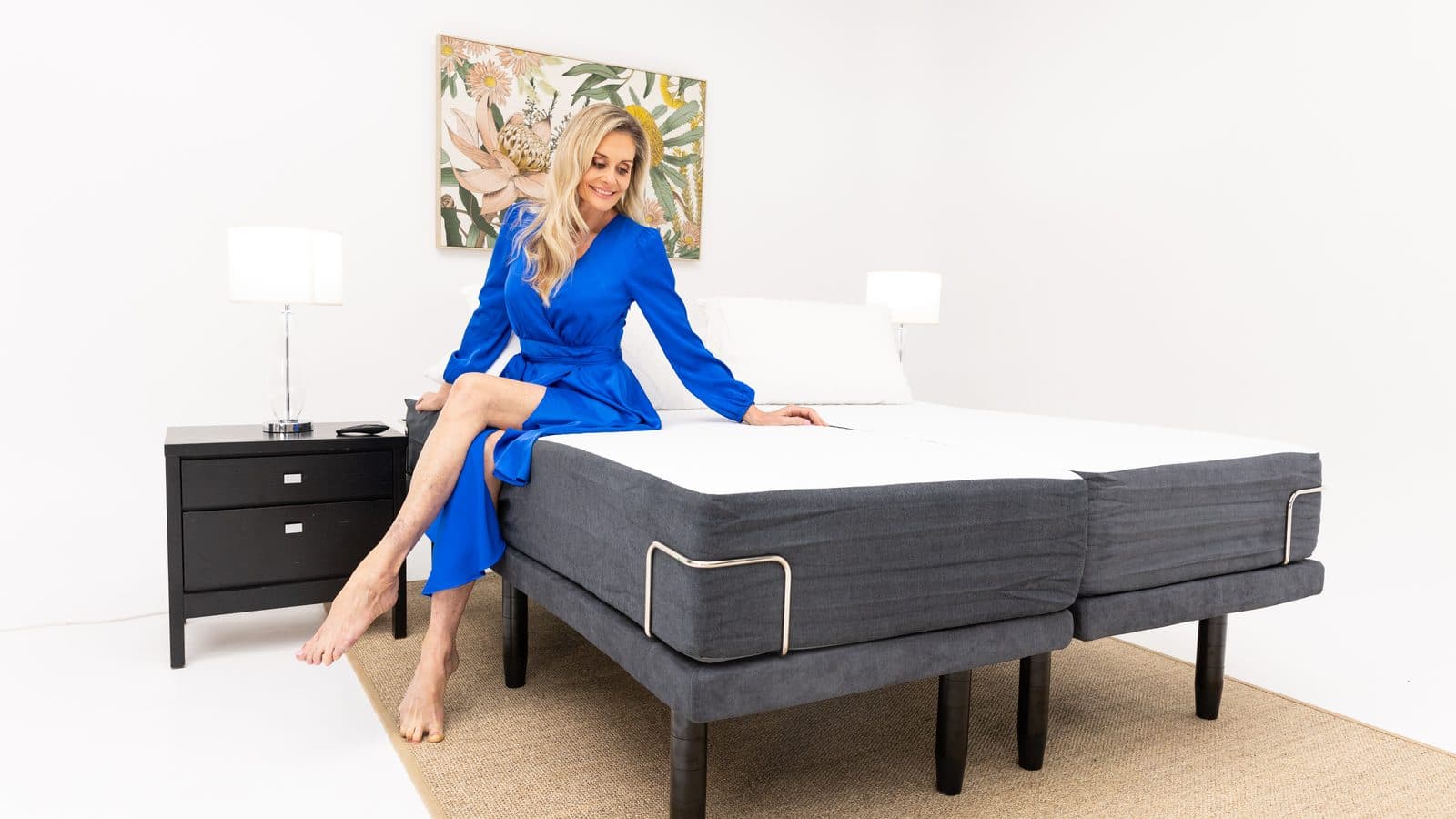
Ever tried pulling a fitted sheet over an adjustable bed and felt it snap back like a rubber band? You’re not alone – the deep‑pocket mattress and the way the head or foot lifts can turn a simple bedtime routine into a mini‑frustration session. In this intro we’ll untangle why “regular” sheets often give up and what you can do right now to keep your bedding snug, breathable, and hassle‑free.
First, picture someone with chronic pain who uses a Sleep Sophie electric bed to elevate their legs each night. They buy a standard king‑size fitted sheet, only to discover that as the foot section lifts, the fabric peels off and bunches up, pulling at the seams. The result? A restless night and a constant need to readjust the sheet – exactly the opposite of the relief they were after.
What we’ve learned from dozens of clients, from NDIS participants to seniors caring for grandparents, is that three factors decide whether a sheet will stay put: depth, elasticity, and fabric weight. Deep‑pocket sheets (usually labelled 38–46cm) give the extra room needed for the mattress to rise. A blend of cotton with a touch of elastane provides stretch without sacrificing the soft feel that sensitive skin craves. And a slightly heavier fabric, like a 300‑thread‑count percale, resists sliding when the bed bends.
Here’s a quick checklist you can run before you click “add to cart”:
- Measure the mattress thickness at both flat and raised positions.
- Choose sheets with pockets at least 5cm deeper than the thickest measurement.
- Prefer cotton‑elastane blends for stretch and durability.
- Look for brushed or percale weaves that stay in place when the head lifts.
If you’re wondering where to start: measure the mattress at its thickest point, buy fitted sheets with pockets at least 5cm deeper than that, and look for a cotton‑elastane blend rather than pure cotton. Everything below is the detail behind those three decisions.
Another common scenario: a caregiver looking after an elderly parent needs a low‑maintenance option because laundry cycles are already a chore. Opting for a microfiber fitted sheet with deep pockets solves it well; the material dries quickly and the extra grip means far less readjusting after the bed is lowered for a nap.
So, before your next bedtime, take a moment to check those pocket depths, feel the fabric, and imagine how the sheet will behave when the bed tilts. A few minutes now saves countless sleepless nights later. Let’s dive deeper into the best fabrics and securing tricks in the sections that follow.
TL;DR
If you’re tired of sheets slipping off your adjustable bed, the right deep‑pocket, stretchy fabric can keep everything snug and comfortable even when the head lifts.
Measure your mattress, pick pockets at least 5cm deeper, choose cotton‑elastane blends, and you’ll enjoy hassle‑free nights without constant readjusting, a relief for chronic‑pain sufferers and caregivers alike.
Understanding Adjustable Bed Sizes and Mattress Depth
When you first think about a sheet, the size of the mattress is the obvious factor. But with an adjustable bed, there’s a hidden dimension that trips most people up – the depth that the mattress can reach when the head or foot lifts.
Imagine you’re lying in a split‑king Sleep Sophie bed, and you raise the foot end to relieve swelling. The mattress suddenly bulges upward, and the fitted sheet that seemed snug a second ago now looks like a loose blanket.
Why depth matters more than you think
Traditional flat beds stay the same thickness, so a standard pocket depth works fine. On an adjustable bed the mattress bends rather than thickens, so the sheet needs slack at each end. That extra rise means the sheet’s pocket needs to be deeper than the flat measurement, otherwise the corners will pop off the moment you press the button.
Think about it this way: a sheet is like a hug. If the hug is too tight, you’ll feel uncomfortable; if it’s too loose, the hug slips away. The same principle applies when the mattress expands.
Measuring the real‑world depth
Measure the mattress while it is flat, at its thickest point — that is the number the sheet has to clear. Australian mattresses commonly run between about 25cm and 40cm thick, and a pillow-top or a topper pushes that higher.
One thing worth clearing up: raising the head or foot does not make the mattress thicker. What changes is the shape. A bent mattress needs more slack than a flat one of the same depth, because the sheet has to travel further around the outside of the bend, and it is the corners that give way when it cannot.
Write the number down. If the mattress measures 30cm at its thickest, you want a sheet with pockets at least 5cm deeper – so aim for 40cm pockets to give yourself a safety margin.
Common size combos and what to expect
Split‑king setups often use two single mattresses side‑by‑side. Each side may have a slightly different depth, especially if one side is set for a heavier user. That’s why you’ll see recommendations for “deep‑pocket” sheets in the 38–46cm range for split‑king configurations.
Queens and singles follow the same rule, just scaled down. A single mattress that’s 25cm flat and 30cm raised still needs a 35cm pocket sheet.
How mattress construction influences depth
Memory foam, latex, and hybrid constructions all behave differently when they flex. Memory foam tends to compress more under weight, then rebound when you raise the bed, adding a subtle extra height. Latex is springier and may lift a bit more visibly. Knowing your mattress type helps you anticipate how much extra depth you’ll need.
In practice, if you’ve got a plush memory‑foam top layer, add a couple of centimetres to your pocket depth. It’s a tiny tweak that saves you from a night of fighting the sheet.
Practical tip checklist
• Measure flat and raised depths.
• Add at least 5cm to the deepest measurement for pocket size.
• Choose sheets labelled “deep‑pocket” or “extra‑deep.”
• Prefer cotton‑elastane blends for stretch and comfort.
That checklist alone can turn a frustrating bedtime into a smooth, slip‑free experience.
Notice how the sheet stays tucked even when the bed bends – that’s the magic of the right pocket depth combined with a little stretch.
Choosing the Best Fabric for Sheets on Adjustable Beds
When you first lay a fresh set of sheets on an adjustable bed, there’s a tiny moment of hope: maybe tonight the fabric will stay put, breathe easy, and feel just right. And then the head lifts, the foot tilts, and you wonder – will this material survive the dance?
That tiny hope is what drives us to pick the right fabric. It’s not just about softness; it’s about how the weave behaves when the mattress bends, how it reacts to skin that sweats a bit, and whether it’ll still feel cosy after a few weeks of nightly adjustments.
Microfiber: The Low‑Maintenance Contender
Micro‑fibre sheets are made from ultra‑fine synthetic fibres – think polyester or nylon‑polyester blends that are tighter than a spider’s web. Because the fibres are so fine, the fabric is lightweight, resists wrinkling, and can soak up to seven times its weight in water. That means spills, night‑time sweat, or a quick wipe‑down won’t leave you with a soggy, clingy sheet.
If you’ve ever felt the sleek, almost silky glide of microfiber, you know it’s a bit like sliding on a polished floor – low friction, easy to pull smooth, and it doesn’t cling to the mattress as it moves. For people with chronic pain who need to adjust often, that slip‑free glide can be a blessing. The downside? Some folks find it a little too “slick” for hot sleepers, because it can trap a bit of heat if the weave is too dense.
Cotton Blends: Breathability Meets Stretch
Cotton is the classic go‑to for anyone who values breathability. A percale weave lets air flow like a gentle breeze, while a sateen weave offers a buttery feel without sealing in heat. When you add a dash of elastane (usually 2‑4%), the sheet gets that stretch you love from deep‑pocket designs, but it still feels natural against the skin.
Organic cotton takes it a step further – no harsh chemicals, softer on sensitive skin, and often hypo‑allergenic. For NDIS participants or seniors with delicate skin, that can mean fewer irritations at night. The trade‑off? Pure cotton can be a bit heavier, and if the weave isn’t tight enough, it might shift a little when the bed tilts.
Hybrid Fabrics: The Best of Both Worlds
Some brands are now blending bamboo, cotton, and a touch of microfiber to create fabrics that wick moisture, stay cool, and still have enough give to hug the mattress corners. Several bedding makers sell ranges aimed specifically at adjustable beds, usually with deeper pockets and more elastane than a standard set.
If you are comparing sets, look for one that states a pocket depth in centimetres rather than a vague “deep”, and check whether the elastic runs all the way round or only at the corners.
How to Match Fabric to Your Needs
1. Identify your heat profile. If you tend to overheat, lean toward breathable percale cotton or a bamboo‑cotton blend. If you’re a cooler sleeper, a microfiber or sateen finish can add a touch of warmth.
2. Consider skin sensitivity. Organic cotton or bamboo fabrics are naturally gentle, making them a safe bet for seniors or anyone with eczema‑prone skin.
3. Think about maintenance. Microfiber dries fast and resists wrinkles – great if you’re a caregiver juggling laundry cycles. Cotton may need a little extra ironing but will get softer with each wash.
4. Check the weave density. A tighter weave (higher thread count) usually means less stretch, which can be good for staying put, but you still want pockets at least 5cm deeper to accommodate the mattress’s rise.
5. Test the feel. If you can, grab a sample or feel the fabric in‑store. Run your fingers along the surface – does it feel crisp, silky, or a bit stiff? That tactile cue often tells you how it’ll behave when the head lifts.
Quick Fabric Decision Checklist
- Microfiber: lightweight, low‑maintenance, best for cooler rooms or quick‑dry needs.
- Pure cotton percale: breathable, great for hot sleepers, naturally hypo‑allergenic.
- Cotton‑elastane blend: stretchy, fits deep pockets, balanced feel.
- Hybrid bamboo‑cotton or bamboo‑stretch knit: moisture‑wicking, soft, ideal for sensitive skin.
At the end of the day, the best fabric is the one that lets you focus on the night’s rest instead of wrestling with the sheets. Choose a material that matches your body’s temperature, skin needs, and how often you adjust the bed. And remember – a good fabric paired with the right pocket depth turns the bedtime routine from a tug‑of‑war into a smooth, relaxed slip‑into‑sleep.
How to Fit Sheets on Adjustable Beds – Step‑by‑Step Guide
Let’s level with you: if you’ve got an adjustable bed, you’re probably tired of sheets that slip, bunch, or pop off as the head and foot lift. It doesn’t have to be that way. Here’s a practical, step‑by‑step approach to get sheets for adjustable beds that actually stay put night after night.
First, measure. You’ll want to know how thick the mattress is when flat and when raised. The base can add extra height, so check both states. This isn’t a drill—knowing the exact depth saves you from endless re‑tucking.
Why? Because the pocket depth you need depends on your thickest measurement. If you ignore it, you’ll be fighting looseness instead of sleeping soundly. Think of it like buying jeans: too tight, they ride up; too loose, they bunch. The right pocket depth keeps everything neat as the bed moves.
Guidelines: aim for pockets at least 5cm deeper than the thickest measurement, with 38–46cm being a common deep pocket for thicker toppers. If you’re between depths, err on the deeper side so the sheet flexes with the bed without slipping.
Fabric matters more than you might think. Look for sheets with a little stretch—cotton‑elastane blends or bamboo blends keep corners snug as the bed moves. A slightly heavier fabric tends to stay put better during frequent adjustments, while still feeling comfortable against the skin.
Choose the right construction: fitted sheets with deep pockets are your best ally. If you already have a fitted sheet that fits well flat, you can add suspenders or elastic corner bands to lock the corners. These little add‑ons aren’t decorative; they’re practical gear for real life with an adjustable bed.
Secure and test: tuck the sheet under the mattress at all corners, then use sheet straps or corner clips to secure. Tilt the bed through a few positions and watch for slipping or pulling. If you notice a corner loosening, re‑tuck and tighten the strap. Small adjustments now prevent bigger headaches later.
Maintenance matters too. Wash sheets on a gentler cycle and avoid aggressive high‑heat drying that can shrink fabric. Drying airily or line‑drying helps maintain elasticity. In practice, a slightly heavier, breathable fabric often stays put longer than ultra‑thin cotton when you’re constantly adjusting the bed.
Quick Fabric Decision Checklist:
- Microfiber: lightweight, low maintenance, quick‑drying—great for caregivers juggling laundry.
- Cotton percale: breathable and cool, ideal for hot sleepers.
- Cotton‑elastane blend: stretchy, fits deep pockets, balanced feel.
- Hybrid bamboo‑cotton: moisture‑wicking, soft, gentle on sensitive skin.
For the exact Sophie bed sizes in centimetres — Long Single through Split Cali King — and which linen size to search for at each one, see our guide to adjustable bed sizes and fit.
So, what should you do next? Measure twice, choose deep pockets, pick a stretchy fabric, and test your tilt positions at home or in store. With the right approach, your bedtime can be smooth, not a tug‑of‑war.
If the sheet still slips
Deep pockets and corner straps solve most cases. If yours is stubborn, the problem is usually grip rather than size, and these are the things that actually help:
- Add grip underneath. A textured or quilted mattress protector under the sheet gives the fabric something to hold onto. A smooth waterproof protector does the opposite — it is the most common hidden cause of a sheet that will not stay on, and people rarely suspect it because it is out of sight.
- Use a full-perimeter tightener. Corner straps pull at four points. A tightener threaded around the whole hem pulls evenly, which matters more on an adjustable bed because the bend does not load the corners equally.
- Hook-and-loop strips on the mattress edge work, at the cost of being permanent. Worth knowing about, worth being sure before you commit.
- Check the mattress edge itself. Dust and lint on the side panel make a slick surface. A wipe down when you change the sheets restores more grip than most people expect.
- Run the bed through its full range before you get in. Raise the head and foot to maximum, drop them back flat, and see what has let go. A corner that survives that will survive the night; one that does not was going to fail at 2am instead.
Maintenance, Care, and Longevity of Adjustable Bed Sheets
Let’s face it – you’ve finally found a sheet set that hugs your adjustable bed perfectly, and then the laundry day looms. What if I told you that a few mindful habits can keep those sheets snug for years, not just a few months?
First off, treat your sheets like a partner in your sleep routine. You wouldn’t run a marathon in shoes that haven’t been broken in, right? The same principle applies to fabric. A gentle wash, a low‑heat dry, and a little extra love for the elastic corners go a long way.
Washing: the gentle reset
Before you toss the sheets in the machine, sort by colour and fabric type – that simple step stops unwanted bleeding and keeps the fibres happy. Use a mild, non‑bleach detergent made for delicate fabrics; harsh chemicals can weaken the stretch that keeps those deep pockets in place.
Check the label for temperature. Most adjustable‑bed sheets thrive in cold or lukewarm water. A gentle or delicate cycle gives the fabric a soft spin without over‑agitating the elastic.
Skip fabric softener. It leaves a residue that can make sheets feel slick, reduce breathability, and tire the elastic faster.
Drying: keep the stretch alive
When it comes to drying, low heat is your friend. If the label says tumble‑dry safe, set the dryer to the lowest heat setting. Too much heat can shrink the fibres and snap the elastic corners.
Even better, air‑dry whenever you can. Hanging the sheets in a shaded spot protects colour and lets the fibres settle naturally. A line‑dry in a breezy Australian arvo not only saves energy but also preserves that crisp, smooth feel.
Line‑drying is a favourite trick for many caregivers – hang the sheets on the balcony after a wash and they’ll often stay stretchy for months. It’s a small habit that adds up.
Storing: protect the fit
Store sheets flat or loosely folded in a cool, dry cupboard. Avoid crushing them under heavy items – that can compress the elastic and cause it to lose its snap over time.
If you have multiple sets, rotate them every few weeks. This gives each set a breather and reduces wear on any single pair.
Maintaining elasticity and a snug fit
Elastic corners are the unsung heroes of adjustable‑bed sheets. Periodically tug each corner to check for looseness. If you notice sagging, a quick fix is to slip sheet suspenders or elastic bands around the corner.
For those who prefer a DIY approach, sew a 4cm wide elastic band around each corner. It adds durability without changing the look of the sheet.
Spot‑treating stains without ruining the fabric
Act fast. Blot (don’t rub) the spill, then apply a small amount of mild detergent mixed with water. Let it sit for 10‑15 minutes before running the full wash.
Avoid bleach on coloured fabrics – it can weaken the fibres and cause the elastic to fray.
For stubborn sweat spots, a vinegar‑water solution (one part white vinegar to three parts water) works wonders without harsh chemicals.
So, what’s the bottom line? A consistent, low‑stress laundry routine preserves both the look and the performance of your sheets, meaning fewer sleepless nights adjusting corners.
Quick checklist before you toss the next load:
- Sort by colour and fabric; use mild detergent.
- Wash cold on a gentle cycle; skip fabric softener.
- Dry low‑heat or line‑dry in shade.
- Check elastic corners; add suspenders if needed.
- Store flat, rotate sets every few weeks.
- Spot‑treat stains promptly with mild solutions.
In our experience at Sleep Sophie, families who follow these steps see their sheets lasting 1½ to 2 years longer – a tangible win for anyone juggling laundry and caregiving duties.
Ready to give your sheets the TLC they deserve? Start with a gentle wash tonight and notice the difference tomorrow night.
Comparing Sheet Types – Materials, Fit, and Price
When you’re sorting through sheets for adjustable beds, it’s not just about soft textures. It’s about how the fabric moves with the bed as you tilt and shift positions. In our experience at Sleep Sophie, the best nights come from three coordinated factors: depth, elasticity, and the weave. Get these right and you’ll notice fewer readjustments and more comfort, even after a long day.
Materials matter more than you might think. A cotton-elastane blend gives you that gentle touch plus enough stretch to hug the deep pockets as the mattress rises. Microfiber keeps things light, easy to care for, and quick to dry, a lifesaver for caregivers juggling multiple loads. Pure cotton percale, with its crisp, breathable feel, stays cooler and feels refreshingly breathable on warm nights. If you’re looking for something more eco-friendly, bamboo blends can wick moisture and feel surprisingly soft, though they often come at a higher price point.
Percale is worth knowing by name if you sleep warm. It is a plain, tight weave that feels crisp rather than silky, breathes well, and tends to last. Sateen is the smoother, slightly warmer alternative. Both come in adjustable-bed depths.
So, what about fit? On adjustable bases, pocket depth matters more than you’d expect. A common target is 38–46cm for deeper toppers, and you should aim for pockets at least 5cm deeper than your thickest measurement. If you have a split mattress, you’ll want two fitted sheets or a design that accommodates two separate cores without tugging at one side. The fabric’s elasticity also matters: cotton-elastane blends balance stretch with softness, while microfiber offers glide and a clean tuck that helps sheets stay put during tilt cycles.
Elastic corners and stay-put features win the night. Look for fitted sheets with robust corners, or add clips and suspenders if needed. A simple corner-band system can transform a nightly chore into a quick, sure tuck. And yes, these details are the reason many Sleep Sophie customers report more restful evenings after switching to sheets designed for adjustable bases.
Maintenance and price go hand in hand. Deep-pocket cotton-elastane blends sit in a middle range, offering durability without the premium of luxury cotton or linen. Microfiber sheets usually come in cheaper price bands and are forgiving for caregivers managing a budget. Hybrid fabrics like bamboo blends often command a higher price, but they can deliver superior moisture management and longer wear in hot climates. It’s a question of what matters most: breathability, longevity, or easy care.
Here is the short version of those trade-offs.
| Feature | Option / Material Type | Notes |
|---|---|---|
| Pocket depth | 38–46cm (deep pockets) | Best for thick toppers; ensure pockets are >5cm deeper than the thickest measurement. |
| Fabric stretch | Cotton-elastane blend | Balanced softness with give; stays snug over bed movements. |
| Other fabrics | Microfiber | Low maintenance, quick-dry, but may trap heat for hot sleepers. |
| Breathability | Cotton percale | Cool, crisp feel; ideal for hot sleepers; tends to soften with washes. |
| Price range | Mid-range to premium | Cotton-elastane blends mid-range; pure cotton or linen higher; microfiber generally budget-friendly. |
So, what should you do next? Measure your mattress thickness in both flat and raised positions, note the deepest pockets you’ll need, and pick a fabric that matches your climate and skin sensitivity. Sleep Sophie’s guidance emphasizes choosing a stay-put design, then testing tilt positions in-store or with a trusted retailer. The right combination can prevent nightly readjustments and make therapeutic sleep routines easier for caregivers and the elderly alike.
FAQ
What depth pockets should I look for in sheets for adjustable beds?
Because the mattress rises when you tilt the head or foot, you’ll want pockets that are at least 5cm deeper than the thickest measurement you recorded. Most deep‑pocket options sit in the 38–46cm range, which covers a typical queen or king topper plus the base height. If you’re on the fence, choose the deeper end – the extra room gives the fabric room to flex without slipping.
Do cotton‑elastane blends really stay put better than pure cotton?
Yes, the stretch from elastane (usually 2‑4 %) adds a gentle give that hugs the mattress corners as they move. Pure cotton percale is breathable but can be a bit stiff, so it may ride up a little when the bed lifts. In our experience, a cotton‑elastane blend balances softness with that low‑key elasticity that keeps the sheet snug night after night.
Can I use flat sheets on an adjustable bed, or do I need fitted sheets?
Flat sheets can work, but they require extra tucking or sheet straps to stay in place when the bed changes angle. Fitted sheets with deep pockets are the hassle‑free choice because the elastic corners do most of the work for you. If you prefer the feel of a flat sheet, pair it with corner clips – they’re cheap, easy to install, and prevent the sheet from popping off.
How often should I wash sheets for adjustable beds?
We recommend a gentle wash every one to two weeks, especially if you or a care‑recipient sweat at night or use the bed for therapy sessions that involve moisture. Use a mild, non‑bleach detergent and wash on a cold or lukewarm cycle to protect the elastic. Skip fabric softener – it can coat the fibres and reduce breathability, which defeats the purpose of a breathable sheet.
Are microfiber sheets a good choice for hot sleepers with an adjustable bed?
Microfiber dries fast and is low‑maintenance, but the tighter weave can trap heat for some users. If you tend to overheat, look for a microfiber with a brushed or open‑weave finish that lets air circulate. Otherwise, a percale cotton blend will usually feel cooler, especially when the bed is in a lower position and airflow is better.
What’s the best way to secure sheets after I’ve tucked them?
After you tuck each corner, slide a sheet strap or elastic band over the corner and pull it tight. This creates a double‑lock that resists the pulling force when the head lifts. Some people even add a small piece of non‑slip silicone under the corner for extra grip – it’s a tiny step that saves a lot of nightly readjusting.
Do I need different sheets for split‑king adjustable beds?
Split‑king setups have two separate mattresses, so you’ll need two fitted sheets, each sized to its half (usually a king‑size split into two twin‑XL sections). Make sure each sheet meets the deep‑pocket requirement for its individual mattress depth. Using one oversized sheet across both halves might look neat, but it can bunch in the middle and slip off when one side tilts.
Conclusion
We’ve walked through everything you need to know about sheets for adjustable beds, from pocket depth to fabric feel. If you’ve ever felt that tug of a sheet slipping just as the head lifts, you’re not alone.
First, measure both the flat and raised height of your mattress and pick deep‑pocket sheets that are at least 5cm deeper than the thickest reading. That extra room give the elastic enough room to stretch without pulling off.
Next, choose a fabric that matches your sleep climate and skin sensitivity – a cotton‑elastane blend offers stretch and breathability, while microfiber shines for quick‑dry low‑maintenance needs. A percale weave keeps hot sleepers cool, and bamboo‑cotton hybrids whisper moisture away.
Don’t forget the care routine: wash on a gentle cycle, skip fabric softener, and tumble‑dry low or line‑dry. Periodically check the corner elastic and add a simple strap if it starts to sag.
So, what’s the next step? Grab a set of deep‑pocket, stretchy sheets, test the tilt in your bedroom, and tweak the fit with a corner clip if needed. A few minutes now means countless uninterrupted nights later.
Remember, the right sheets turn your adjustable bed into a true therapeutic ally, letting you focus on recovery rather than wrestling with bedding.
Not sure it will fit?
We deliver and install free, Australia-wide — and we’ll tell you straight if it won’t work in your room.
1300 975 337 (1300 9 SLEEP) · Australian-based team · Explore the Sophie adjustable bed range
Rated 4.8 from 227 reviews on ProductReview.com.au · Free in-home demonstration · Interest-free options via Humm, Brighte & Payright for approved purchasers
Using NDIS or Support at Home funding?
Sleep Sophie is a registered NDIS provider (4050070896), and Sophie adjustable beds and lift recliners are ARTG-registered Class 1 medical devices (ARTG 326115). Beds can be funded through NDIS assistive-technology budgets where an occupational therapist recommends them; the Support at Home program has its own equipment pathway. We prepare quotes suitable for plan approval — see how NDIS funding works or Support at Home, or call and we’ll walk you through it.