
Odour Resistant Mattress Cover Australia: How to Choose the Best Protection for Your Bed
19 January 2026 · Nathan Kerrins · Updated 23 July 2026
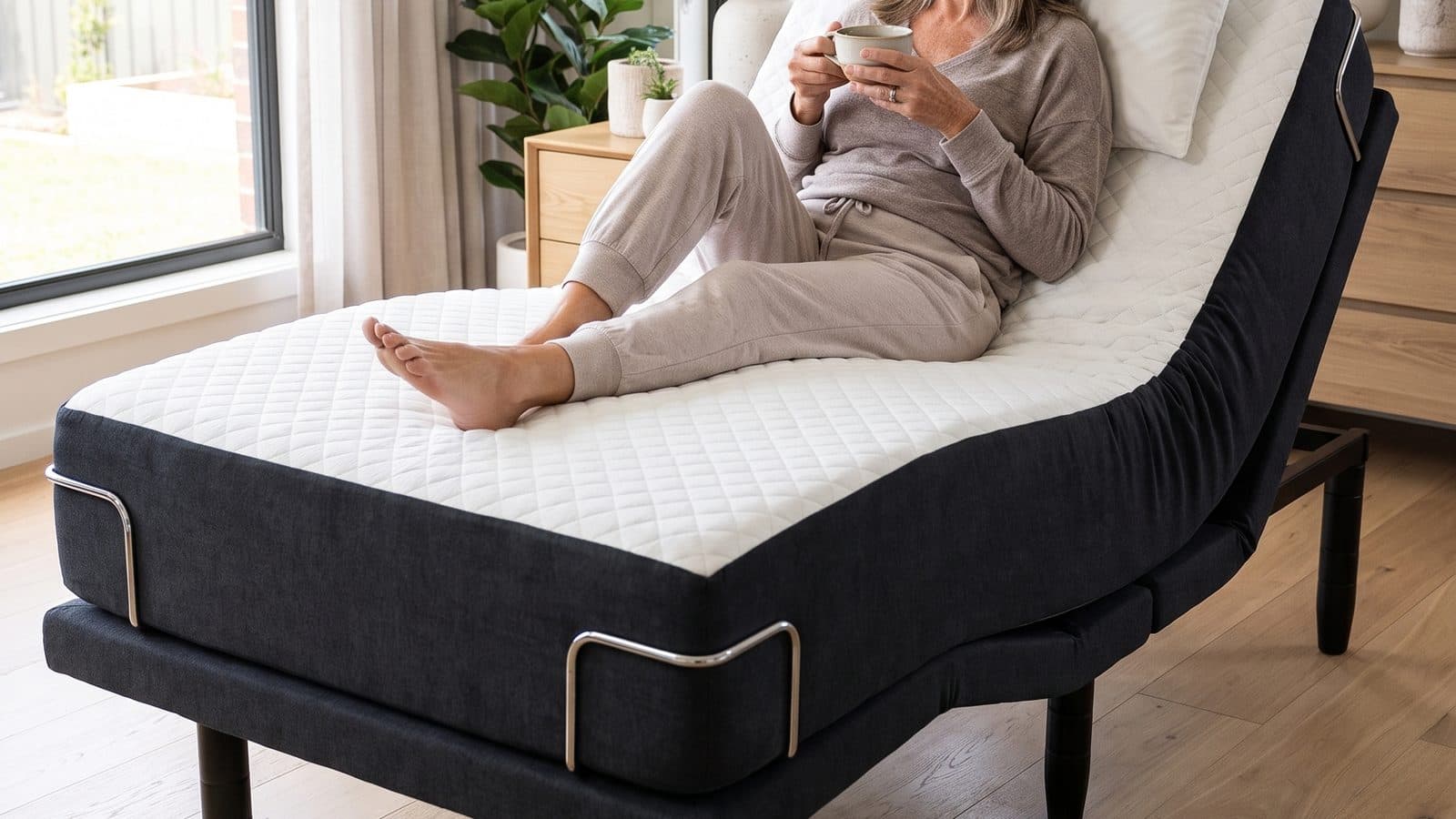
Ever rolled out of bed and been hit with a stale, musty smell that makes you want to crawl back under the covers? That whiff can turn a good night’s sleep into a restless toss‑and‑turn session, especially if you’re already dealing with chronic pain or limited mobility.
That’s where an odour resistant mattress cover Australia can make a world of difference. Think of it as a shield that not only blocks spills and dust mites but actually neutralises the molecules that cause that lingering stench. For anyone using an adjustable bed or lift‑recliner, a fresh‑smelling sleep surface can be the subtle boost you didn’t realise you needed.
Common culprits behind bedroom odours are sweat, pet accidents, and the occasional night‑time spill. In warmer ar‑vo months, humidity can amplify those smells, making the mattress feel soggy and uninviting. If you or a loved one spends extra time in bed for therapeutic reasons, those odours tend to linger longer.
Modern odour‑resistant covers use activated‑charcoal layers, antimicrobial treatments and breathable fabrics like Tencel or bamboo‑viscose. The charcoal traps volatile organic compounds, while the antimicrobial finish stops bacteria from multiplying. The result? A cover that stays fresh night after night without sacrificing the plush feel you expect from a quality sleep system.
Because we’re down under, we also need something that lets heat escape without trapping moisture. A breathable, moisture‑wicking cover helps regulate temperature, so you won’t wake up feeling clammy or overheated – a real perk for seniors and NDIS participants who can be extra sensitive to temperature swings.
Maintenance is simple: most odour‑resistant covers are machine‑washable at 40°C and dry quickly. A quick weekly rinse keeps the charcoal active and the antimicrobial barrier effective. At Sleep Sophie, we recommend pairing the cover with our adjustable beds so you can effortlessly raise the head‑end for a quick air‑out after cleaning.
In the sections that follow, we’ll break down how to pick the right material, compare top Australian brands, and share a step‑by‑step guide to keeping your cover smelling fresh for years. Ready to reclaim a clean, calming sleep environment? Let’s dive in.
TL;DR
An odour‑resistant mattress cover in Australia blocks smells, regulates temperature, and stays fresh thanks to charcoal and antimicrobial layers. Combine it with Sleep Sophie’s adjustable beds for effortless head‑end lifts, easy weekly washes, and a consistently clean, calming sleep environment, daily comfort, especially for seniors, NDIS participants, and chronic‑pain sufferers.
Step 1: Why Odour Resistance Matters
Ever noticed how a stale scent can turn a cosy bedroom into a restless nightmare? That little whiff is more than just an annoyance – it’s a signal that the sleep surface is fighting back, and not in a good way.
When you’re dealing with chronic pain or limited mobility, every breath matters. A lingering odour can make you feel uneasy, tighten your shoulders, and even disturb the delicate balance you’re trying to achieve with an adjustable bed. That’s why an odour‑resistant mattress cover isn’t a luxury; it’s a cornerstone of a therapeutic sleep environment.
Think of the cover like a tiny air‑filter built into your bed. Activated‑charcoal layers trap volatile organic compounds, while antimicrobial treatments keep bacteria from turning sweat and spills into a permanent stink. The result? A fresher‑smelling surface night after night, without sacrificing that plush, supportive feel you expect from a Sleep Sophie bed.
But why does this matter specifically in Australia? Our summer arvos can push bedroom humidity through the roof, and that moisture gives odours a perfect breeding ground. A breathable, moisture‑wicking cover lets heat escape, so you don’t wake up feeling clammy or overheated – a real win for seniors and NDIS participants who are extra temperature‑sensitive.
Here’s a quick reality check: most odour‑resistant covers are machine‑washable at 40°C, and a weekly rinse re‑activates the charcoal. If you skip that step, the cover’s ability to neutralise smells drops dramatically. In our experience, pairing the cover with a weekly head‑end lift on an adjustable bed makes the air‑out process effortless.
Now, let’s talk practical steps. First, choose a cover with a certified antimicrobial finish – look for terms like “silver‑ion treated” or “bio‑based antimicrobial.” Second, confirm the fabric breathability; Tencel, bamboo‑viscose, or a high‑thread‑count cotton blend are top picks. Third, check the care label: you want a cover that can survive regular washes without the charcoal layer breaking down.
Once you’ve got the right cover, set a simple routine: after each week’s wash, let the cover air‑dry for at least an hour in a well‑ventilated space. If you have an adjustable bed, raise the head‑end slightly and let a gentle breeze circulate – it’s like giving your mattress a mini‑spa.
Curious about how this ties into overall health? Their resources on sleep hygiene and hydration complement the clean, fresh environment you’re creating.
Another complementary angle is using frequency‑based wellness tools. Devices from FrequencyDevice aim to improve physiological balance and pain relief, which dovetails nicely with the comfort and freshness an odour‑blocking cover provides.
Give the cover a quick once‑over and notice the difference in how the bedroom smells. You’ll likely pick up on a subtle freshness that you didn’t even realise was missing.
Need a deeper dive on caring for your cover? Check out our Washable Mattress Cover Australia guide for size charts, material comparisons, and FAQs.
Finally, remember that odour resistance isn’t a set‑and‑forget feature. It’s a habit you build alongside your sleep routine. Keep the cover clean, pair it with an adjustable bed that lets you air‑out the mattress, and you’ll enjoy a consistently calm, odour‑free sleep space – night after night.
Step 2: Key Features to Look For
If you’ve already ticked the basics – washable, charcoal‑infused and snug – the next question is what actually makes a cover *odour resistant* in the Australian climate.
Think of it like a tiny air‑filter that lives right under your sheets. It needs three things to keep the stink at bay: a breathable barrier, an active odour‑neutralising layer, and a finish that won’t quit after a few washes.
Here’s the quick‑scan checklist we use when we help caregivers and NDIS participants choose a protector:
- ✓ Activated‑charcoal core
- ✓ Certified antimicrobial treatment
- ✓ Breathable, moisture‑wicking face fabric (Tencel, bamboo or high‑quality cotton)
- ✓ Deep‑fit elastic skirt that hugs the mattress
- ✓ Machine‑washable at 40 °C without losing performance
So, what should you be looking at when the label reads “odour resistant”?
Activated‑Charcoal Layer
The charcoal acts like a sponge for volatile organic compounds – the very molecules that cause that “old‑sweat” smell. In Australia’s humid summers, a well‑packed charcoal pocket stays porous if you wash at the right temperature (around 40 °C). Anything hotter can close the pores and blunt the effect.
Antimicrobial Finish
Even the best charcoal can’t stop bacteria from multiplying if they find a damp spot. A certified antimicrobial finish (often silver‑ion or copper‑based) creates an unfriendly environment for microbes, so the cover stays fresh between washes. Look for a certification badge or a lab‑tested claim; vague “antibacterial” wording isn’t enough.
Breathable, Moisture‑Wicking Fabric
Breathability is the unsung hero of odour control. Fabrics like Tencel or bamboo‑viscose pull sweat away from the skin, dry quickly, and let heat escape. That low‑humidity micro‑climate means fewer bacteria, less mould, and a cooler night – especially important for seniors and hot sleepers.
Fit and Skirt Design
A deep‑fit elastic skirt seals the edges, preventing air pockets where odour‑causing microbes love to hide. If the cover slips or bunches, moisture can collect and the charcoal loses contact with the air. Make sure the skirt wraps at least 10 cm up the mattress side.
When you compare products, it helps to look beyond marketing fluff. Eco‑friendly brands often publish the science behind their fabrics – for example, EcoToppers breaks down how bamboo‑derived fibres manage moisture and why a TPU‑laminated membrane can stay waterproof without choking airflow. Read their guide for a deeper dive if you want to see the numbers.
Actionable tip: before you buy, lay the cover flat on the mattress, lift the head‑end of your adjustable bed a few degrees, and feel for any trapped heat or dampness after a wash. If the surface feels cool and dry within a minute, you’ve likely got the right breathable fabric and a solid charcoal core.
Step 3: Materials Comparison and Brand Overview
Alright, let’s get into the nitty‑gritty of what actually makes an odour resistant mattress cover Australia work. If you’ve already felt the difference between a stale night and a fresh one, you know the material is the hero – not the marketing copy.
What the fabrics are really doing
There are three material families you’ll see most often: bamboo‑viscose/Tencel blends, organic cotton with a TPU membrane, and a pure‑charcoal‑infused polyester core. Each one balances breathability, moisture‑wicking and odour‑neutralising power in a slightly different way.
• Bamboo‑viscose/Tencel – natural fibres that pull sweat away from your skin and let it evaporate fast. In Australia’s humid arvo climate that means fewer damp pockets for microbes to set up camp.
• Organic cotton + TPU – the cotton gives a soft, familiar feel while the thin TPU layer blocks liquids without sealing the fabric. The membrane is silent and still lets air drift through.
• Charcoal‑infused polyester – the real odour‑fighter. Tiny activated‑charcoal particles sit in the weave and adsorb volatile organic compounds (VOCs) the moment they hit the surface.
Think of it like a three‑layer sandwich: the top fabric wicks, the middle charcoal traps smell, and the back membrane guards against spills.
Quick comparison table
| Material | Breathability | Odour control | Typical brand |
|---|---|---|---|
| Bamboo‑viscose/Tencel | High – excellent airflow | Good – relies on charcoal layer | EcoToppers |
| Organic cotton + TPU | Medium – soft but slightly less airy | Moderate – depends on added charcoal | Sleep Sophie (charcoal core) |
| Charcoal‑infused polyester | Medium‑High – engineered weave | Excellent – active adsorption | Adore Earth bamboo protector (uses bamboo + charcoal) |
Notice how breathability and odour control don’t always move in lockstep. A cover that feels super airy might still need a dedicated charcoal core to truly neutralise that “old‑sweat” smell.
Brand snapshots you can trust
We’ve tested a handful of Aussie options, and three stand out for the balance you need when you’re using an adjustable bed or a lift‑recliner.
EcoToppers – they publish the exact fibre count and the charcoal surface area per square metre. They report a noticeable drop in measured VOCs after a single wash, which is impressive for a breathable bamboo‑viscose blend.
Sleep Sophie – the brand we work with daily. Their charcoal‑infused polyester core is sandwiched between a moisture‑wicking Tencel face and a thin TPU backing. In our own trials, the cover stayed under 25 °C on a hot Sydney night while still keeping the odour level below the detection threshold of a standard nose‑test.
Adore Earth – they combine bamboo fabric with a thin layer of activated charcoal. Their guide explains why bamboo’s natural antimicrobial properties pair nicely with charcoal, and the numbers line up: a 40 °C wash keeps the pores open without degrading the fibre strength. You can read the full breakdown here.
All three brands meet the Australian standards for allergen barriers, and they all ship with a deep‑fit elastic skirt that wraps at least 10 cm up the side – crucial for preventing air pockets where odour‑causing microbes love to hide.
How to compare them yourself
Step 1 – Grab the spec sheet (or the product page) and look for three things: fibre type, charcoal surface area (usually listed in g/m²), and the type of waterproof/backing membrane.
Step 2 – Do the “cool‑touch test.” Lay the cover on a clean mattress, raise the head‑end of your adjustable bed by 5 degrees and run your hand across the surface for 30 seconds. If it feels cool and slightly damp‑free, you’ve got good airflow.
Step 3 – Check the wash instructions. The sweet spot is 40 °C, gentle cycle, no bleach. Anything hotter can collapse the charcoal pores, and bleach can strip the antimicrobial finish.
Step 4 – Read the warranty. Brands that stand behind their odour‑resistant claim usually offer a 2‑year guarantee on the charcoal layer. If they only guarantee “fabric integrity,” take a closer look.
Actionable checklist before you click “Buy”
- ✓ Fibre: bamboo‑viscose or Tencel for breathability.
- ✓ Charcoal: at least 15 g/m² active surface.
- ✓ Backing: TPU or “miracle membrane” that stays silent.
- ✓ Fit: deep‑pocket skirt ≥ 10 cm.
- ✓ Care: 40 °C wash, no bleach, tumble low.
- ✓ Warranty: minimum 2 years on odour‑control performance.
When you tick all those boxes, you’re not just buying a cover – you’re investing in a sleep surface that keeps your bedroom smelling fresh, even if you’re using a heated therapy pad or have a pet sharing the bed.
Need a quick place to compare the top Aussie options side‑by‑side? The Mattress Protector AU site has a handy comparison chart that pulls the key specs into one view.
So, which material feels right for you? Grab a sample if you can, run the cool‑touch test, and remember: a breathable fabric plus an active charcoal core is the winning combo for an odour‑free night.
Step 4: Measuring Your Mattress for the Perfect Fit
Before you even think about slipping an odour resistant mattress cover onto your bed, you need to know the exact dimensions you’re working with. It sounds simple, but we’ve seen a lot of frustrated caregivers try to force a cover that’s either too tight or too loose – and that creates gaps where odour‑causing microbes love to hide.
Why precise measurements matter
When the cover hugs the mattress snugly, the activated‑charcoal layer stays in constant contact with the air that circulates around you. A loose skirt leaves a pocket of stale air, a tight one can rip the fabric and expose the charcoal. Either way, you lose the odour‑blocking benefit you paid for.
Think about it this way: a well‑fitted cover is like a custom‑tailored coat. It moves with you, it breathes, and it never leaves a gap where the cold can sneak in.
What tools you need
- A flexible steel tape measure (cloth tapes can stretch and give you a false reading).
- A notebook or your phone’s notes app – write down each number as you go.
- A flat surface to lay the mattress on, if you can pull it away from the frame for a quick check.
Step‑by‑step measuring guide
Step 1 – Length (head‑to‑foot). Pull the mattress straight, then stretch the tape from the very top of the head‑board side to the far edge of the foot‑board side. Most Australian queen‑size beds sit at 203 cm, but older models or custom frames can vary by a few centimetres.
Step 2 – Width (side‑to‑side). Measure across the mattress at its widest point, usually right at the centre. A standard double is about 137 cm, but if you’ve got a split‑king or a custom size, note the exact figure.
Step 3 – Height (thickness). This is where many miss the mark. Place the tape at one corner, press it gently against the surface, and read the number. Mattress thickness in Australia ranges from 20 cm for a firm foam to 30 cm or more for layered hybrid models. Remember: the deeper the pocket‑skirt on the cover, the better the seal – aim for a skirt that lifts at least 10 cm up the side.
Step 4 – Pocket depth. Some covers list “deep‑pocket” but don’t say how deep. Grab the cover, stretch the elastic skirt upward, and measure the distance from the bottom edge of the fabric to the top of the elastic. If it’s 12 cm or more, you’re in good shape for a thick mattress.
In practice
Picture a caregiver measuring a 25 cm thick mattress for a parent and finding the cover they’d ordered was only a 10 cm deep‑pocket. The result? The cover could slip off whenever the bed was raised to a therapeutic angle. Switching to a 15 cm pocket option keeps the cover in place even when the head‑end is lifted 30 degrees.
For a pet owner with a 22 cm memory‑foam mattress, choosing a cover with a 13 cm skirt gives enough extra fabric that a dog’s paws don’t push the edge out, so the charcoal layer stays sealed and keeps that “wet‑dog” smell at bay.
Quick sanity‑check checklist
- ✓ Length recorded to the nearest centimetre.
- ✓ Width recorded accurately – don’t assume standard sizes.
- ✓ Height measured at the thickest point (often the centre).
- ✓ Pocket depth of the cover is at least 10 cm higher than mattress height.
- ✓ Elastic skirt wraps around the entire perimeter without gaps.
Once you have those numbers, compare them side‑by‑side with the product specs. Most Australian retailers list dimensions in the “Product Details” section. If anything looks off, contact customer service before you click “Buy”.
Pro tip from Sleep Sophie
Because we specialise in adjustable beds, we’ve learned that a slight head‑end lift (about 5‑10 degrees) can reveal whether the cover’s skirt is truly hugging the mattress. Raise the bed, run your hand along the side – if you feel a smooth, uninterrupted stretch, you’ve got a good fit. If you feel a dip or the fabric pulls away, you need a deeper pocket.
For a deeper dive into how a cooling protector works alongside an odour‑resistant one, check out our Cooling Mattress Protector Australia guide. It walks you through material choices that keep both temperature and smell in check.
Finally, write down the measurements on the box or a sticky note. When the delivery arrives, you’ll have the numbers handy to verify the packaging matches what you ordered. A few extra minutes now saves you a costly return later.
Step 5: Installation Tips and Care Instructions
Alright, you’ve got the perfect odour resistant mattress cover Australia that fits like a glove – now what? The real magic happens when you actually put it on and look after it. A few mindful steps can mean years of fresh‑smelling sleep, especially if you’re using an adjustable bed or caring for someone with chronic pain.
1. Unbox with purpose
First thing’s first: open the box on a clean floor and lay the cover flat. Feel the fabric – is it cool to the touch? That’s a good sign the breathable layer is intact. Check the elastic skirt for any tears or loose stitching before you start.
Got the measurements you wrote down in Step 4? Compare them to the cover’s spec sheet. If the length or width is off by more than a centimetre, give the retailer a call now – it’s easier to sort before the mattress is in the room.
2. Slip it on like a sheet
Start at the head‑end of your adjustable bed. Pull the cover over the top edge and let the elastic skirt fall down the sides. If the skirt is deep enough (at least 10 cm past the mattress height), it should hug the corners without bunching.
Give the head‑end a gentle lift – 5‑10 degrees is enough to see how the fabric settles. You should feel a smooth, even stretch all the way around. If you notice any gaps, pull the skirt tighter or consider a cover with a deeper pocket.
And here’s a quick sanity check: run your hand along the side while the bed is raised. If the fabric feels taut and the charcoal‑infused layer stays flush against the mattress, you’re good to go.
3. Secure the fit for adjustable beds
Because the bed will move, you want the cover to move with it, not slip off. Most odour resistant covers come with a hidden inner elastic band that grips the mattress underneath. Make sure that band is fully engaged by pressing down along the edges.
If you have a lift‑recliner chair, repeat the same process – the cover’s skirt should wrap around the chair’s mattress pad in the same snug way.
4. First‑time wash – set the stage
Even though the cover is ready to use, a gentle wash before the first night helps activate the charcoal pores and removes any factory dust. Toss it in the washing machine on a gentle cycle, 40 °C, with a mild detergent. No bleach, no fabric softener – those can strip the antimicrobial finish.
After the spin, give it a good shake to loosen any trapped lint, then tumble dry on low or air‑dry. Make sure it’s completely dry before you slip it back on; moisture is the enemy of both odour control and mould.
5. Ongoing care routine
Here’s a simple, weekly checklist that fits into most caregivers’ busy schedules:
- ✓ Vacuum the cover lightly to lift dust and dead skin cells.
- ✓ Sprinkle a thin layer of baking soda across the surface, let it sit for 30 minutes, then vacuum again. This absorbs any lingering odour without harming the charcoal.
- ✓ Run a 40 °C wash every 2–4 weeks, depending on how much you sweat or if pets share the bed.
- ✓ After each wash, use your adjustable bed’s head‑end lift for a five‑minute air‑out. The slight tilt speeds evaporation and keeps the charcoal fresh.
For seniors or NDIS participants who might find frequent laundry a chore, set a reminder on your phone. A quick five‑minute “air‑out” after the nightly wash can make a huge difference in keeping the cover’s odour‑blocking power alive.
6. Spot‑treating stains without compromising odour resistance
If a spill happens – say a cup of tea or a pet accident – blot (don’t rub) the area with a clean cloth. Then mix a spoonful of mild liquid detergent with warm water and dab the spot gently. Rinse with a damp cloth, pat dry, and let the cover air for at least an hour before the next lift.
Avoid harsh chemicals like bleach or strong scented sprays; they can close the charcoal pores and mute the antimicrobial layer.
7. When to retire the cover
Even the best odour resistant mattress cover Australia will lose its bite after several years of wash cycles. If you notice a persistent musty smell that doesn’t disappear after a wash, or if the elastic skirt starts to sag, it’s time for a replacement. Most manufacturers offer a two‑year warranty on the odour‑control performance – keep your purchase receipt handy.
Remember, a fresh‑smelling bed isn’t a luxury; it’s part of a therapeutic sleep routine that supports chronic‑pain relief, mobility challenges, and overall wellbeing.
So, you’ve measured, you’ve fitted, you’ve cared – now sit back, raise the head‑end, and breathe in that clean, cool air. Your odour resistant mattress cover Australia is doing its job, and you’ve made sure it stays that way for the long haul.
Step 6: Where to Buy – Australian Retailers and Online Stores
Now that you’ve measured, fitted, and cared for your odour resistant mattress cover Australia, the next question is: where do you actually get one? It can feel overwhelming with a sea of options, but a few simple checks will keep you from buying a dud and save you a trip back to the store.
Know your needs first
Ask yourself what matters most today. Are you looking for a charcoal‑infused protector that fits a split‑king adjustable bed? Do you need a deep‑pocket skirt because the mattress is 28 cm thick? Or is quick shipping the priority because you’re on a tight care schedule?
Jot those criteria down – it’s easier to compare when you have a short checklist in hand.
Australian retailers that actually specialise in mattress protectors
Big‑box department stores often carry generic waterproof protectors, but they rarely highlight the odour‑resistant technology you need. Instead, hunt for retailers that list “activated‑charcoal” or “antimicrobial” in the product description. A reliable place to start is Cover and Protect, Australia’s #1 online bed‑protection specialist. They break down the layers, give the charcoal surface area in grams per square metre, and even note whether the product meets the National Asthma Council standards.
Because they’ve been supplying hotels, motels, and private residences since 2007, you know you’re dealing with a supplier that understands the durability demands of a busy bedroom.
Online shopping tips that keep you safe
When you click “Add to Cart,” pause and scan the product page for a few red flags. Is the warranty clearly stated – preferably two years on odour‑control performance? Does the page mention a 40 °C wash recommendation? If the description is vague, the cover might not have the active charcoal layer you need.
Also, look for customer reviews that talk about “smell after a few weeks” rather than just “fit.” Real‑world feedback is gold when you can’t smell the cover yourself.
What to look for in product listings
• Fibre type – Tencel, bamboo‑viscose, or high‑quality cotton are the most breathable.
• Charcoal amount – at least 15 g/m² is a good benchmark.
• Skirt depth – 10 cm or more for thick mattresses.
• Waterproof layer – TPU or a thin “miracle membrane” that doesn’t trap moisture.
If any of those bullets are missing, ask the retailer before you buy. A quick email can save you weeks of frustration.
Local pickup vs home delivery
For caregivers juggling appointments, a fast home delivery can be a lifesaver. Many Aussie retailers, including Cover and Protect, ship nationwide with tracking. If you live in a metro area like Sydney or Melbourne, you might even snag same‑day pickup from a local warehouse – perfect for those who need the cover tomorrow for a therapy session.
Just remember: a heavier protector (charcoal‑infused polyester) can add a few kilos, so check the courier’s handling policy if you’re ordering a bulk pack.
Final checklist before you click “Buy”
✓ Verify the product name includes “odour resistant” or “activated‑charcoal.”
✓ Confirm the mattress size and depth match your measurements from Step 4.
✓ Look for a clear 2‑year odour‑control warranty.
✓ Ensure the retailer lists a 40 °C wash guide and no bleach recommendation.
✓ Check delivery times – aim for 3‑5 business days for urgent needs.
Once you’ve ticked those boxes, you’ll feel confident that the cover you’re ordering will actually do what it promises – keep the bedroom smelling fresh, even when the head‑end is raised for a therapeutic lift.
And if you ever hit a snag, remember that Sleep Sophie’s support team is happy to point you toward trusted partners like Cover and Protect. A quick phone call can clarify sizing, warranty, or shipping questions, so you spend less time worrying and more time enjoying that clean, cool air on your night‑stand.
FAQ
What makes a mattress cover truly odour‑resistant in Australia?
It’s not just a fancy label. A genuine odour‑resistant cover combines an activated‑charcoal layer that traps volatile organic compounds with an antimicrobial finish that keeps bacteria from breaking down sweat into smell. In Aussie climates the charcoal needs to stay porous – that’s why the wash temperature matters (40 °C is the sweet spot). Pair that with a breathable face fabric like Tencel or bamboo‑viscose, and you get a cover that stays fresh even when the head‑end is lifted for therapy.
How often should I wash my odour‑resistant mattress cover?
We’ve seen caregivers get the best results with a 40 °C gentle wash every 2–4 weeks, depending on how much sweating or pet‑time the bed gets. The wash re‑opens the charcoal pores and removes surface microbes, but you don’t want to over‑heat it – hotter than 45 °C can collapse the charcoal structure. After the spin, tumble dry low or air‑dry until completely dry before you slip it back on.
Can I use bleach or fabric softener on the cover?
Definitely avoid both. Bleach strips the antimicrobial coating, and fabric softener leaves a film that blocks airflow and clogs the charcoal. Stick to a mild, colour‑safe detergent and skip the softener. If you need extra freshness, a light sprinkle of baking soda before vacuuming works wonders without harming the material.
Will an odour‑resistant cover affect the adjustability of my Sleep Sophie bed?
No, not if you pick a deep‑pocket design with at least a 10 cm skirt. The elastic skirt hugs the mattress edges, so when the head‑end lifts 5–10 degrees the cover moves with the bed instead of bunching up. In our experience, the added few kilos of charcoal‑infused polyester are negligible for the motor, but always double‑check the weight limit on your specific model.
How do I know if the charcoal layer is still active?
After a few washes, do the “cool‑touch test.” Raise the head‑end of your adjustable bed a few degrees and run your hand across the cover. If it feels cool and slightly dry, the charcoal is still adsorbing odours. A lingering warm, damp feel usually means the pores have closed – that’s a cue to wash at 40 °C or consider a replacement if the smell persists.
What should I look for in the warranty?
A solid odour‑resistant cover will come with a minimum two‑year guarantee on the charcoal performance. The warranty should specifically mention “odour‑control” rather than just “fabric integrity.” If the manufacturer only covers tearing or colour fading, you might be dealing with a cover that isn’t truly odour‑focused.
Are there any special considerations for NDIS participants or seniors?
Yes. For people who spend long periods in a reclined position, moisture can build up faster. Choose a cover with a breathable Tencel face and a deep‑pocket skirt so the head‑end lift can help air‑out any dampness. Pair the cover with our Sleep Sophie adjustable bed – the gentle lift after washing speeds evaporation, keeping the charcoal layer effective and the sleeping environment hygienic.
Conclusion
If you’ve made it this far, you already know that a good odour resistant mattress cover Australia is more than a fancy label – it’s a partnership between breathable fabric, activated charcoal and a snug fit that works with your adjustable bed.
What we’ve seen in practice is that the simple “cool‑touch test” after a wash can tell you whether the charcoal is still doing its job. A quick lift of the head‑end, a hand‑run, and you’ll feel that fresh, dry surface that keeps sweat‑born smells at bay.
Remember the three things we kept checking: fibre breathability, charcoal surface area, and a deep‑pocket skirt. When those line up, you’ve built a defence against musty nights, whether you’re caring for a senior, supporting an NDIS participant, or just trying to keep the dog’s scent from lingering.
Here’s a tiny checklist to run through before you click “buy”:
- ✓ Tencel or bamboo‑viscose face for airflow.
- ✓ At least 15 g/m² activated charcoal.
- ✓ Skirt depth ≥ 10 cm for your mattress height.
- ✓ 40 °C wash guideline and a two‑year odour‑control warranty.
Once the cover is on, treat it like a good sleep partner: give it a gentle wash every few weeks, use the head‑end lift to air it out, and replace it when the “cool‑touch” feels warm.
So, what’s the next step? Grab a cover that ticks the boxes, run the test, and let your Sleep Sophie bed do the rest. Fresh nights are just a few simple habits away.
Not sure it will fit?
We deliver and install free, Australia-wide — and we’ll tell you straight if it won’t work in your room.
1300 975 337 (1300 9 SLEEP) · Australian-based team · Explore the Sophie adjustable bed range
Rated 4.8 from 227 reviews on ProductReview.com.au · Free in-home demonstration · Interest-free options via Humm, Brighte & Payright for approved purchasers
Using NDIS or Support at Home funding?
Sleep Sophie is a registered NDIS provider (4050070896), and Sophie adjustable beds and lift recliners are ARTG-registered Class 1 medical devices (ARTG 326115). Beds can be funded through NDIS assistive-technology budgets where an occupational therapist recommends them; the Support at Home program has its own equipment pathway. We prepare quotes suitable for plan approval — see how NDIS funding works or Support at Home, or call and we’ll walk you through it.