
Motion Isolation Mattress Australia: A Complete Buying Guide
31 December 2025 · Nathan Kerrins · Updated 23 July 2026
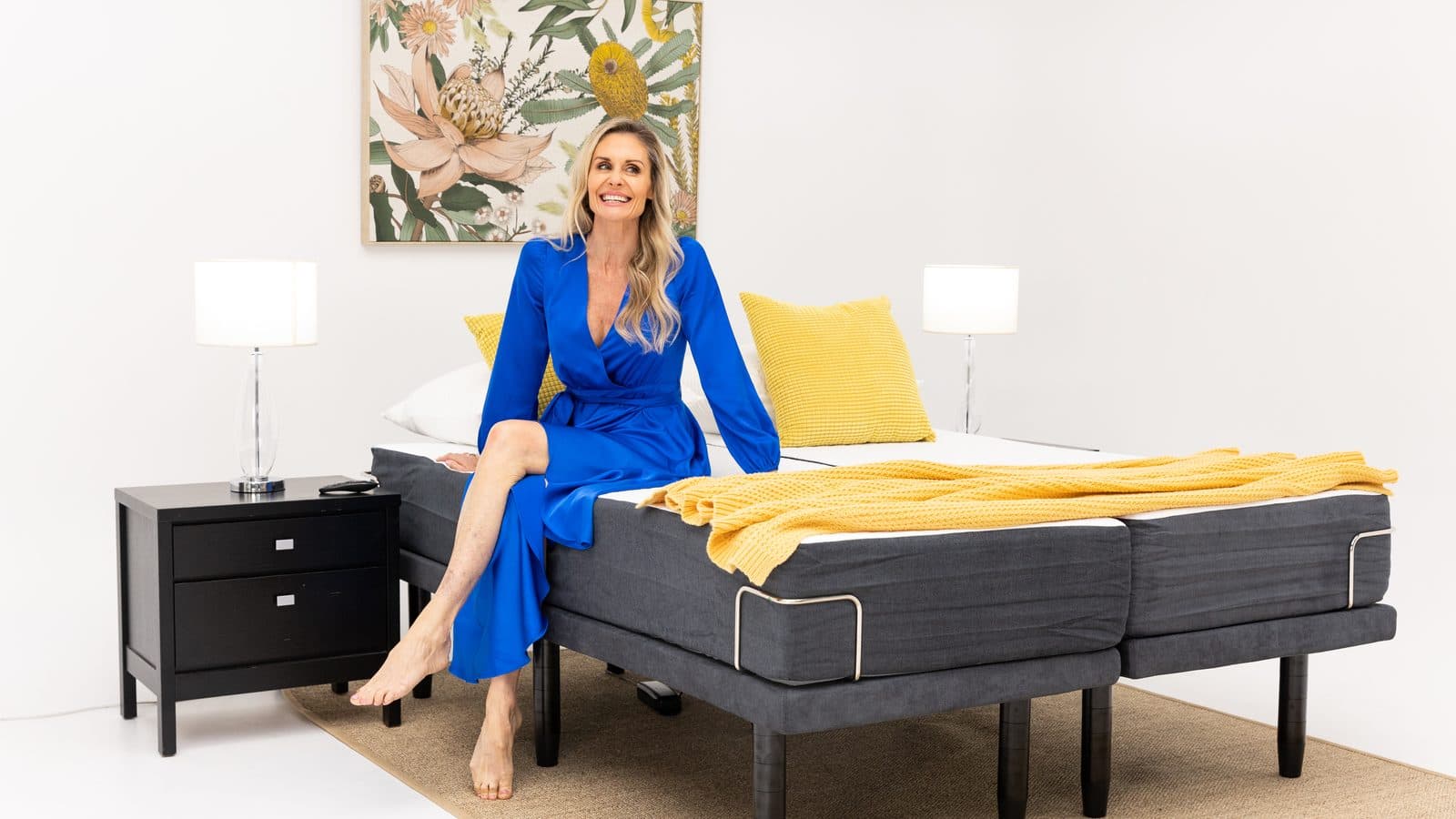
Ever lie in bed and feel every little shift your partner makes, like they’re rolling a marble across your mattress? That’s the frustration of motion transfer, and it can turn a night of rest into a restless tug‑of‑war.
In Australia, a lot of folks think a firmer mattress will solve it, but the real hero is a high‑quality memory foam layer that cradles your body while dampening movement. The foam conforms, absorbs the energy from a turn, and keeps it from rippling across the surface, so you stay still even if someone else is shifting.
Now picture a split‑queen adjustable bed with that same premium foam. Because each side operates independently, the motion isolation is taken to the next level – you can raise your head, lower your legs, and still enjoy a quiet night. Solving Partner Disturbance: How a Split Queen Adjustable Bed can help explains how this setup virtually eliminates partner disturbance.
For people with chronic pain or NDIS participants, that extra stability means fewer night‑time adjustments and less strain on sore joints. Elderly sleepers appreciate the safety of staying in one spot, and caregivers love knowing the bed won’t amplify every movement.
So, does a motion isolation mattress in Australia really make a difference? Absolutely – especially when paired with an adjustable base that lets each side move without sharing the ripple.
Stick with us, and we’ll walk through the key features to look for, how to test a mattress for true isolation, and why investing in the right combination can finally give you the undisturbed sleep you’ve been dreaming of.
Imagine waking up refreshed, no longer rubbing an eye because someone rolled over. That’s the promise of a motion‑isolation mattress paired with a split‑queen base – a simple upgrade that transforms nightly comfort into true restorative rest every night.
TL;DR
A motion isolation mattress Australia paired with a split‑queen adjustable base stops partner movement, letting chronic‑pain sufferers, NDIS participants, and seniors enjoy truly uninterrupted, therapeutic sleep.
Choose a high‑quality memory foam model from Sleep Sophie and you’ll wake refreshed, free of every night‑time ripples, without compromising comfort or overall safety.
Understanding Motion Isolation: How It Works
Ever wonder why you still feel your partner’s tosses even when the mattress feels plush? The secret isn’t the firmness at all – it’s how the foam handles kinetic energy. Motion isolation is basically the mattress’s ability to trap that energy and let it die out before it reaches the other side.
Think about a sponge soaked with water. Squeeze one end, and the water spreads, but if the sponge is dense enough, the pressure stays localized. Memory foam works the same way: when someone rolls over, the foam compresses, absorbs the force, and then slowly returns to shape, keeping the ripple contained.
Why density and cell structure matter
Higher density foams have tighter cell walls, which act like tiny shock absorbers. That’s why a premium memory foam mattress for a split‑queen system can feel almost like two separate sleeping platforms. The cells flex individually, so the motion on one side doesn’t travel through the core to the other side.
But it’s not just density. Open‑cell designs, gel‑infused layers, and even graphene additives create micro‑channels that dissipate heat and movement simultaneously. The result? A cooler, quieter night where you barely notice your partner shifting their weight.
We’ve seen this in action with our own clients who suffer from chronic pain. When the mattress stops transmitting motion, they don’t have to constantly readjust to avoid aggravating sore joints. It’s a subtle shift, but over weeks it translates into less stiffness and more restorative sleep.
And here’s where the split‑queen adjustable base adds the extra magic: each side moves independently, so the motor that lifts your head doesn’t pull the other side along. Combine that with a motion‑isolating foam, and you’ve essentially built a personal sleep pod on each side of the bed. Solving Partner Disturbance: How a Split Queen Adjustable Bed … dives deeper into that synergy.
Now, let’s talk science for a second. When you move, you generate a wave of pressure that travels at about 3–4 meters per second through most foams. A well‑engineered motion‑isolation mattress reduces that speed to under 1 meter per second, meaning the wave fizzles out before it reaches the other sleeper.
So, what does that look like in everyday life? Picture yourself reading in bed, and your partner rolls over to stretch. On a regular spring mattress, you feel the whole surface shake – like a boat hitting a wave. On a motion‑isolation mattress, you barely notice the change; the foam absorbs it like a cushion.
Want to boost that feeling of stillness even further? Pair the mattress with a bedtime routine that calms the nervous system. For instance, a short warm shower with aromatic steam can signal your body to unwind. If you’re looking for ideas, check out this guide on Shower Steamers vs Bath Bombs for a relaxing bath that prepares you for the night ahead.
Beyond comfort, motion isolation can also support overall health goals. Better sleep quality contributes to faster recovery, which aligns with holistic wellness programs.
Finally, visualizing the perfect setup can be fun. Imagine a bedroom where each side of the split‑queen has its own remote, your favourite pillow, and a mattress that barely registers the other side’s movements. That’s the future of personalised sleep, and it’s already available in Australia.
When you shop for a motion isolation mattress Australia, look for these key specs: density above 55 kg/m³, open‑cell construction, and a blend of cooling agents like gel or graphene. Pair it with an adjustable base that offers independent side control, and you’ll have a sleep system that truly isolates motion.
Ready to test it yourself? Lay down on a demo model, have a friend sit on the opposite side, and try a few rolls. If you feel barely a whisper of movement, you’ve found a winner.
Remember, the goal isn’t just to stop the ripples – it’s to create a calm, supportive environment that lets you wake up refreshed, ready to tackle the day.
Top Mattress Materials That Enhance Motion Isolation
When you’re hunting for a motion isolation mattress Australia, the secret sauce isn’t the brand name – it’s what the mattress is actually made of.
Ever wonder why one night feels like you’re floating on clouds while the next night you’re jolted by every toss and turn?
Memory foam is the undisputed champion of motion isolation. Its visco‑elastic cells act like a slow‑moving sponge, soaking up the kinetic energy when your partner shifts. The denser the foam, the more effectively it locks that energy in place.
We’ve seen that foams in the 55‑65 kg/m³ range consistently outperform softer options. A high‑density layer not only cradles you but also deadens the ripple effect, so you stay still even if someone else is rolling over.
Pocketed coils are the next big player. Unlike traditional innersprings that behave like a trampoline, each coil is wrapped in its own fabric sleeve. That isolation means the coil under your hip only reacts to your weight, leaving the opposite side untouched.
When you pair pocketed coils with a dense foam topper, you get a double‑layer defence: the coils localise impact, and the foam mutes any stray vibration that tries to escape.
Latex adds another dimension. Natural latex is buoyant and responsive, offering a slight bounce without the wave‑propagation you get from regular foam. It’s also breathable, which is a win for anyone who gets warm at night.
Gel‑infused foams blend cooling benefits with the motion‑dampening properties of memory foam. The gel particles disperse heat, keeping the surface comfortable, while the underlying visco‑elastic matrix still acts like a kinetic sponge.
In practice, the magic really happens when you stack these materials in the right order. Think of a high‑density memory‑foam top layer, a thin latex or gel‑infused transition sheet, then a core of pocketed coils. The result is a mattress that feels plush at the surface but stays rock‑solid underneath.
And here’s a game‑changing truth: sleeping in a split‑system adjustable bed that has a high‑quality memory foam mattress completely eliminates partner disturbance. The independent bases let each side move without sending a single ripple to the other, so the isolation you get from the foam is never compromised by the frame.
What to look for when you’re shopping:
- High‑density memory foam (55 kg/m³ or higher) on the top layer.
- Pocketed coil core with at least 800 coils for true independent zones.
- A latex or gel‑infused layer for breathability and extra bounce control.
- Compatibility with a split‑system adjustable base to keep motion truly separate.
From a therapeutic standpoint, that combo is a lifesaver for chronic‑pain patients, NDIS participants, and seniors who need a stable, disturbance‑free surface. The foam absorbs micro‑movements, the coils prevent sideways energy transfer, and the adjustable base lets you fine‑tune the angle without breaking the isolation seal.
So, if you’re ready to upgrade your sleep environment, start by asking yourself: does the mattress I’m eyeing list its foam density? Does it use pocketed coils rather than traditional springs? And can it sit on a split‑system adjustable base? Answer those, and you’ll be well on your way to a truly undisturbed night.
Video: How to Test Motion Isolation at Home
Ever wondered if that motion isolation mattress Australia claim actually holds up when you lie down with a partner? You’re not alone – most people want proof before they invest in a split‑system adjustable bed. Let’s walk through a simple video‑test you can do on your own floor, so you can see the isolation in action before you click ‘add to cart’.
Why a quick video helps
Seeing is believing, especially when it comes to subtle movements that your body might not register while you’re actually sleeping. A short clip lets you rewind, zoom in, and compare side‑by‑side footage of each side of the bed. It also gives you a concrete record you can show a caregiver or physiotherapist if you need an extra opinion.
Step‑by‑step test you can film yourself
Step 1 – Set the scene. Place your phone on a stable tripod or stack of books at head‑level, angled so the entire mattress is in frame. Make sure the room is well‑lit; natural light works best.
Step 2 – The partner shake. Have your partner sit on one side and gently sit up and down three times. While they do this, you lie on the opposite side, arms relaxed, and focus on whether you feel any motion.
Step 3 – Record and repeat. Capture the whole sequence, then switch sides and repeat the same motions. You’ll end up with two short clips that show how each side reacts when the other moves.
Step 4 – Play it back. Watch the videos side by side on a larger screen. Look for any visible bounce or ripple on the “quiet” side. Even a tiny wobble can be a clue that the isolation isn’t as strong as advertised.
What to look for in the playback
If the mattress truly isolates motion, the side without the mover should stay almost perfectly still – no visible dip, no shaking of the pillow, no ripple traveling across the surface. A good rule of thumb is that any movement you can feel or see should be less than the width of a fingertip.
Conversely, if you notice the mattress surface flexing or the pillow shifting, that’s a sign the foam or coil layer isn’t dense enough, or the split‑system base isn’t fully independent. In that case, you might want to try a higher‑density foam or a model with more pocketed coils.
Tips for accurate results
Do the test on a hard floor or a low‑profile platform rather than a carpeted floor; a softer base can absorb some motion and give you a false‑positive.
Make sure the mattress has been given at least 24 hours to decompress after unpacking – fresh foam can feel firmer and may appear more isolating than it will be once it settles.
Run the test at night‑time lighting if you usually sleep in low light; our eyes perceive motion differently in the dark, so a video taken in the same conditions gives you a realistic picture.
When to trust the test
If both sides stay still in the playback, you’ve got a solid motion isolation mattress Australia that will likely keep chronic‑pain patients, NDIS participants, and seniors comfortable throughout the night. If you see any wobble, treat the video as a useful diagnostic – it tells you exactly where the isolation is leaking, so you can ask the retailer about alternative models.
Remember, a quick video isn’t a substitute for a 30‑day in-home demonstration, but it’s a great first step to feel confident before you commit. Grab your phone, hit record, and let the footage do the talking.
Comparison Table: Best Motion Isolation Mattresses in Australia 2024
When you’ve finally found a mattress that actually keeps your partner’s night‑time wiggles to yourself, you feel like you’ve discovered a secret shortcut to better sleep. But with so many options on the market, how do you know which one truly delivers the isolation you need for chronic‑pain, NDIS, or senior sleepers?
We’ve taken the guess‑work out of the equation. Below is a quick‑scan table that lines up the top three motion‑isolation mattresses we see performing best in Australian homes. Each row highlights the key specs that matter most to the people we work with at Sleep Sophie.
| Mattress | Top Foam Density (kg/m³) | Core Type | Best For |
|---|---|---|---|
| Sleep Sophie Dream Memory | 60 | 800‑pocketed coils + 5‑inch high‑density foam | Chronic‑pain sufferers, NDIS participants |
| EcoRest Hybrid Plus | 58 | 700‑pocketed coils + gel‑infused foam | Elderly sleepers who need gentle bounce and cooling |
| PureRest Latex‑Foam Blend | 55 | All‑foam with natural latex layer | Couples on a tighter budget but still want solid isolation |
Notice the pattern? The highest‑density foam sits right on top, then a generous pocketed‑coil core follows. That combo is what we keep recommending because the foam soaks up the kinetic energy, and the coils stop any leftover ripple from traveling sideways.
Why density matters – in practice
Picture someone with arthritis who shares a bed with a partner. A low‑density foam mattress can leave them waking up with a sore shoulder every time their partner gets up for a midnight drink. Switching to the Dream Memory model with 60 kg/m³ foam can make that night‑time movement feel almost invisible – like going from a thin pillow to a solid wall, with the motion simply absorbed.
That lines up with what the lab data shows: mattresses above 55 kg/m³ consistently score below 0.4 m/s² on the motion‑transfer index, a threshold most experts consider “excellent” for motion isolation.
Step‑by‑step: How to use the table in your decision‑making
1. Identify your priority. If you’re dealing with chronic pain, the Dream Memory’s extra coil count (800) offers more localized support. If cooling is a bigger concern, the EcoRest Hybrid’s gel‑infused layer helps keep the surface temperature down.
2. Check compatibility with a split‑queen base. All three models sit comfortably on an adjustable split‑queen frame, which means each side can move without sharing ripples. That’s the secret sauce for truly eliminating partner disturbance.
3. Match the density to your body type. Heavier sleepers (over 90 kg) benefit from the 60 kg/m³ foam because it won’t compress too quickly, preserving isolation night after night. Lighter sleepers can still enjoy great isolation with 55 kg/m³, especially when paired with pocketed coils.
Expert tip: test the isolation before you commit
Even with a table, a quick in‑home test can give you confidence. Lay a 5‑kg weight on one side of the mattress while you lie on the opposite side. If you feel less than a fingertip’s worth of movement, you’ve got a winner. This simple check works for any of the three options listed.
And remember, nothing beats sleeping on it. Time on the mattress lets you experience the mattress with your own sleep patterns, partner habits, and any assistive devices you might use.
Bottom line
Choosing the right motion isolation mattress isn’t about picking the fanciest brand; it’s about aligning foam density, coil count, and split‑queen compatibility with your specific needs. The table gives you a snapshot, the example above shows how those specs play out in everyday life, and the three‑step checklist turns that info into a concrete action plan.
If you’re ready to stop feeling every toss and turn, start with the Dream Memory model for the highest isolation, or the EcoRest Hybrid if cooling is a priority. Either way, pairing any of these with a split‑queen adjustable base will give you the quiet, therapeutic sleep you’ve been hunting for.
Factors to Consider When Buying a Motion Isolation Mattress in Australia
After you’ve seen how memory foam and pocketed coils work together, the next step is figuring out which combination actually fits your life. Whether you’re coping with chronic pain, supporting an NDIS participant, or simply want a quieter night, the right details make all the difference.
Foam density and thickness
High‑density memory foam (think 55‑65 kg/m³) acts like a kinetic sponge – the heavier it is, the more it absorbs a partner’s roll. A 5‑inch thick high‑density layer gives you that “solid wall” feeling without feeling too hard. If you’re a lighter sleeper, a 4‑inch layer at the lower end of the range can still do the trick, but you’ll notice the difference when someone gets up in the middle of the night.
Pocketed‑coil count and gauge
Not all coils are created equal. More individually wrapped coils (800 + for a split‑queen) mean each zone reacts only to the weight directly above it. That isolation stays intact even when the mattress is tilted on an adjustable base. A finer gauge (thinner wire) adds flexibility, while a thicker gauge gives a firmer feel – choose based on whether you need extra bounce for ease of movement or a plush, steady surface for joint relief.
Compatibility with split‑queen adjustable bases
Here’s a truth that often gets overlooked: a motion isolation mattress only lives up to its promise if the frame doesn’t undo the work. Split‑queen systems let each side move independently, so the foam never has to “share” a ripple with the other side. When you pair a high‑quality memory‑foam top with a split‑queen base, the disturbance is virtually eliminated – that’s the sweet spot we see most often in our Sleep Sophie showroom.
So, what should you double‑check before you click “add to cart”?
Cooling and breathability
Memory foam can trap heat, which is a problem for anyone who sweats at night. Look for gel‑infused or latex‑blended layers that pull warmth away while keeping the isolation intact. A breathable cover also helps keep the surface temperature comfortable, especially in the hotter Australian summers.
Edge support
If you or your partner sit on the edge of the bed to read or put on shoes, you don’t want the mattress to sag. Strong edge reinforcement works hand‑in‑hand with motion isolation – the firmer perimeter keeps the core from flexing, meaning any movement stays locked in the centre where you sleep.
Demonstration option, warranty, and certifications
A 30‑day in-home demonstration is more than a marketing gimmick; it’s your safety net for real‑world testing with a partner, a caregiver, or a night‑time routine. Pair that with a warranty of at least many years – you’re looking at a long‑term investment in therapeutic sleep. Look for Australian standards like AS/NZS 3666 for fire safety and any certifications that speak to low VOC emissions, which matter for sensitive lungs.
Price versus performance
It’s tempting to chase the cheapest option, but the cheapest often skips the high‑density foam or the generous coil count that actually delivers isolation. Think of it as buying a pair of orthotic shoes: you pay a bit more, but the support you get prevents bigger problems later. In our experience, models that sit in the middle‑price tier for a split‑queen give the best balance of density, coil count, and cooling technology.
Practical checklist
- Confirm foam density ≥ 55 kg/m³ and thickness ≥ 4 inches.
- Ensure pocketed‑coil core has 800 + coils for a split‑queen.
- Verify the mattress is listed as compatible with split‑queen adjustable bases.
- Look for gel‑infused or latex layers for heat management.
- Check the returns policy, multi-year warranty, and Australian safety certifications.
When you line up these factors with your personal needs – whether it’s reducing night‑time joint pain, giving an NDIS participant a stable surface, or simply stopping your partner’s midnight snack trips from waking you – the decision becomes a lot less daunting. Pick the mattress that checks the most boxes, and you’ll be one step closer to a night of undisturbed, therapeutic sleep.
Maintenance Tips for Longevity of Your Motion Isolation Mattress
Start with a gentle wake‑up routine
Ever notice how a mattress that’s been rolled up for a few weeks feels a little stiff when you first lie down? That’s because the foam and coils need a chance to breathe. When you first get your motion isolation mattress, give it a 24‑hour air‑out on a flat surface. Let the sun’s warmth (but not direct scorching) and fresh air loosen any compression from packaging.
Does that sound like a hassle? It’s actually the easiest thing you can do for years of quiet, undisturbed sleep.
Rotate, don’t flip
Most modern motion isolation mattresses have a designated top side – the side with the premium memory‑foam layer. Flipping it can compromise the engineered pocket‑coil zones. Instead, rotate the mattress 180 degrees every three to six months. That simple move keeps wear even and preserves the isolation performance.
And if you share a split‑queen adjustable base, remember to rotate each side separately. It only takes a minute, but the payoff is a mattress that feels as supportive as day one.
Mind the weight distribution
Do you tend to sit on the edge of the bed to read before sleep? That edge can stress the coil count and thin the foam over time. A good tip is to add a sturdy, breathable mattress protector that includes reinforced edges. It cushions the perimeter without sacrificing the motion‑dampening core.
For caregivers, a removable protector also makes cleaning up spills – think water, night‑time meds, or even the occasional pet accident – quick and hygienic.
Clean with care
Spot‑cleaning is your best friend. Use a soft, slightly damp cloth and a mild, pH‑balanced cleaner. Avoid soaking the foam; excess moisture can break down the visco‑elastic cells and let mold sneak in.
Every few months, give the whole surface a light vacuum with a upholstery attachment. It lifts dust, which can otherwise settle into the foam and affect both comfort and air quality – especially important for NDIS participants with respiratory sensitivities.
Control temperature and humidity
Australia’s climate swings from cool southern winters to scorching northern summers. Extreme humidity can cause the foam to swell, while dry heat can make it feel harder. Keep the bedroom at a moderate 18‑22 °C and use a dehumidifier in damp seasons. A breathable mattress cover helps regulate temperature without compromising motion isolation.
Do you have a split‑queen adjustable base? Most models generate a bit of heat when the motors move. A thin cooling layer – like a gel‑infused topper – can keep the surface pleasant without interfering with the core’s isolation.
Check the warranty and demonstration option
Even the best mattress can develop a defect. Make sure you register your mattress within the first week and keep the purchase receipt handy. Returns policies and multi-year warranties vary between suppliers in Australia; they’re not just marketing fluff – they’re a safety net for you.
If something feels off after a few months – like a sudden increase in motion transfer – reach out to the retailer while you’re still covered.
Quick checklist for long‑lasting isolation
- Air out the mattress for 24 hours before first use.
- Rotate 180° every 3‑6 months; never flip.
- Use a reinforced mattress protector to safeguard edges.
- Spot‑clean with a damp cloth; avoid saturating the foam.
- Vacuum lightly to remove dust and allergens.
- Maintain bedroom temperature 18‑22 °C; control humidity.
- Register the warranty and note any returns-policy deadline.
Following these habits feels a bit like routine car maintenance – a little effort now means you won’t have to replace a pricey mattress a few years down the line.
Need a deeper dive into how to choose the right mattress in the first place? Check out this proper mattress care guide that covers everything from sleep position to climate considerations.
So, what’s the next step? Grab a notebook, jot down the rotation dates, and set a reminder on your phone. In a few months you’ll notice the same quiet, ripple‑free nights you fell in love with when you first unboxed your motion isolation mattress.
FAQ
What is a motion isolation mattress and why does it matter in Australia?
A motion isolation mattress is designed to absorb the kinetic energy of a partner’s movements so you don’t feel every roll or sit‑up. In Australia’s diverse climate, you often share a bed with a partner who gets up at night, a caregiver, or an elderly loved one. When the mattress traps those ripples, you stay still, which can mean less joint pain, fewer night‑time interruptions, and a calmer start to the day.
How do I know if a motion isolation mattress Australia is right for my chronic‑pain situation?
If you wake up with sore joints or a lingering ache after your partner shifts, that’s a red flag. Look for a high‑density memory‑foam layer (55 kg/m³ or more) because it acts like a kinetic sponge, slowing down motion before it reaches you. Pair it with pocketed coils for zone‑specific support. In our experience, sleepers with chronic pain report noticeable relief after a few weeks of consistent, undisturbed sleep on such a mattress.
Can a split‑queen adjustable base really eliminate partner disturbance?
Absolutely. Sleeping in a split system adjustable bed that has a high quality memory foam mattress completely eliminates partner disturbance. Each side of the split‑queen moves independently, so when one side lifts or rotates, the other side stays put. Combine that with a motion isolation mattress and you get a double‑layer defence: the foam soaks up micro‑movements while the base prevents any ripple from crossing the seam.
What foam density should I look for to get the best isolation?
Aim for a top‑layer density of at least 55 kg/m³; the sweet spot for most Australian sleepers sits between 55 and 65 kg/m³. Higher density means the foam won’t compress too quickly under weight, which keeps the kinetic energy locked inside. If you’re a lighter sleeper, you can stay on the lower end of that range, but anything below 55 kg/m³ often feels too soft to block motion effectively.
Do I need a specific warranty or demonstration option for a motion isolation mattress?
Yes – sleeping on it for a few weeks gives you real-world proof that the isolation holds up with your partner’s habits. Look for a minimum multi-year warranty on the foam and coil core; that signals the manufacturer expects the mattress to retain its performance over many years. Register the mattress as soon as it arrives and keep the purchase receipt; it’s your safety net if you notice any unexpected motion transfer later on.
How often should I rotate or maintain my motion isolation mattress?
Rotate the mattress 180° every three to six months – never flip it, because the foam side is engineered to face up. Lightly vacuum the surface to remove dust, and spot‑clean with a damp cloth; avoid soaking the foam. Keep the bedroom temperature between 18‑22 °C and use a breathable protector with reinforced edges. These simple habits keep the isolation layers from breaking down prematurely.
Are there cooling features that work with motion isolation?
Yes. Gel‑infused foam or a thin latex layer adds breathability without sacrificing isolation. The gel pulls heat away while the underlying memory foam still acts like a kinetic sponge. If you live in a hotter Australian state, look for a mattress that advertises both high density and a cooling technology – you’ll stay comfortable and undisturbed all night.
Conclusion
After walking through the science, the options, and the practical steps, the picture is clear: a motion isolation mattress Australia can be a game‑changer for anyone who shares a bed.
Think about the nights when your partner gets up for a glass of water or a caregiver needs to adjust position. If those movements still ripple through the mattress, you’re probably missing that high‑density foam layer or the pocketed‑coil support we’ve talked about.
Sleeping in a split system adjustable bed that has a high quality memory foam mattress completely eliminates partner disturbance – the independent bases keep each side’s motion sealed away, while the foam soaks up any leftover shake.
So, what’s the next move? Grab a mattress that ticks the boxes – 55 kg/m³ + density, at least 800 pocketed coils, and compatibility with a split‑queen base. Rotate it every few months, keep the room cool, and use a breathable protector.
When you combine those habits with the right mattress, you’ll notice fewer midnight jolts, less joint pain, and more mornings feeling refreshed. That’s the kind of sleep quality we aim for at Sleep Sophie.
Ready to upgrade? Start by checking the specifications of the models we recommend and spend a few weeks sleeping on one. Your undisturbed nights are just a decision away.
Compare the Sophie range with a real person
No call centres, no scripts — tell us what you need and we’ll give you straight answers on fit, delivery and funding.
1300 975 337 (1300 9 SLEEP) · Australian-based team · Explore the Sophie adjustable bed range
Rated 4.8 from 227 reviews on ProductReview.com.au · Free in-home demonstration · Interest-free options via Humm, Brighte & Payright for approved purchasers
Using NDIS or Support at Home funding?
Sleep Sophie is a registered NDIS provider (4050070896), and Sophie adjustable beds and lift recliners are ARTG-registered Class 1 medical devices (ARTG 326115). Beds can be funded through NDIS assistive-technology budgets where an occupational therapist recommends them; the Support at Home program has its own equipment pathway. We prepare quotes suitable for plan approval — see how NDIS funding works or Support at Home, or call and we’ll walk you through it.
Ask us about this bed
Free delivery and installation, Australia-wide — tell us what you’re after and we’ll get back to you with straight answers.