
How to Keep Fitted Sheets on an Adjustable Bed: Practical Steps That Work
25 January 2026 · Nathan Kerrins · Updated 23 July 2026
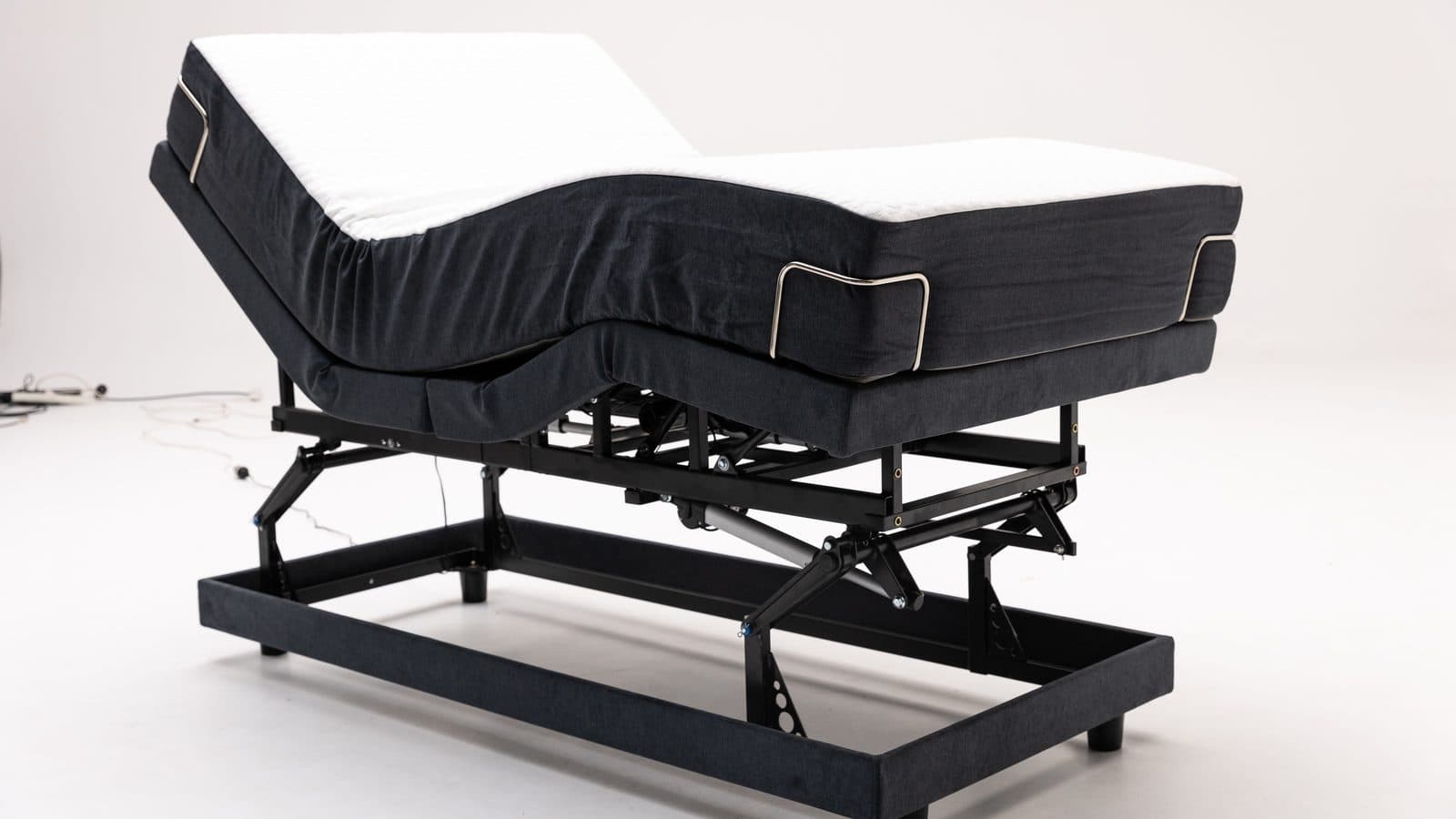
Ever noticed how that fitted sheet keeps slipping off your adjustable bed every time you hit the snooze button? It’s a common hiccup that can turn a restful night into a wrestling match with your duvet.
We’ve seen it happen to chronic pain sufferers who need a stable surface to ease pressure points, to NDIS participants who rely on smooth transitions for therapy, and even to elderly users who need that extra grip to avoid falls. The good news? Fitted sheets actually work wonderfully on adjustable bases when you follow a few simple tricks.
First, pick a sheet with a deep pocket—think 20‑25cm—so it can cradle a memory‑foam or latex mattress without slipping. If your mattress is thicker, stretch the corners gently before slipping it in; a snug fit stops the sheet from sliding as you move the frame. Some brands now offer elastic‑edge sheets that automatically tighten around the mattress; these are especially handy for those who adjust positions multiple times a night.
Next, use a non‑slip fabric liner or a tiny sheet of rubber at the mattress edge. It’s like putting a tiny strip of tape on your bed—no adhesives, just the texture that grips. For the most stubborn sheets, a quick “tuck‑and‑slip” technique—folding the sheet over the mattress and then tucking it in—works like a charm. Remember, the key is to create a small “trap” that keeps the sheet in place when the bed tilts.
We’ve also found that pairing the sheet with a breathable mattress protector can double the grip. The protector’s surface texture adds a second layer of friction, reducing the chance of a sheet sliding off when you raise the head or foot of the bed. If you’re in the market for a new protector, check out our guide on choosing and using an antimicrobial mattress protector for cleaner, healthier sleep.
So, if you’re tired of the nightly battle, try these tweaks.
For more on how any mattress can be a perfect fit for an adjustable bed, dive into Can You Use Any Mattress on an Adjustable Bed? A Practical Guide.
TL;DR
If your adjustable bed keeps sheets sliding, a quick tuck‑and‑slip trick and the right deep‑pocket sheet can turn chaos into comfort. So, just add a breathable protector and a tiny non‑slip strip, and you’ll sleep without the nightly wrestling match—every time, letting your body settle into the perfect therapeutic position.
Step 1: Choose the Right Sheet Size and Material
Ever wonder why that fitted sheet keeps sliding off your adjustable bed even though you’ve been tightening the corners for hours? The answer isn’t a mystery – it’s all about picking the right sheet and making sure it fits the mattress properly.
First off, look at the size. Most adjustable bases sit on a memory‑foam or latex mattress that’s thicker than a standard twin. If you’re going for a sheet that will stay put, aim for a deep‑pocket design that’s 20‑25 cm deep. Those pockets hug the mattress edges and keep the fabric from slipping when the bed tilts.
Next, think about the material. A stretchy cotton‑polyester blend is a solid go‑to for everyday use – it’s breathable, feels soft, and has enough give to keep the sheet snug. For a little extra grip, you can layer a thin rubber or silicone liner on the mattress edge; it’s like a tiny strip of tape that grips the sheet without sticking.
If you’re a chronic pain sufferer or someone who relies on an NDIS‑supported setup, a sheet that’s both breathable and supportive can make a big difference. Breathable fabrics let moisture escape so you stay cool, while a snug fit keeps the sheet from sliding as you adjust the head or foot of the bed.
Don’t forget the corners. Even a perfect pocket size won’t help if you’re not pulling the corners tight. Gently pull each corner into the pocket, then smooth the fabric across the mattress. A quick “tuck‑and‑slip” – folding the sheet over the mattress then tucking it in – is a trick that works for the most stubborn sheets.
When you’re choosing a sheet, look for a label that says “elastic‑edge” or “deep‑pocket” and double‑check the dimensions. If you’re buying online, read the product description carefully – a sheet that says 140 cm by 200 cm with a 25 cm pocket is likely the sweet spot for most adjustable bases.
Also, consider a mattress protector that’s breathable and has a textured surface. The added friction can help keep the sheet in place, especially if you’re switching between different sleeping positions during the night.
Now that you’ve got the right sheet, the next step is to make sure you’re using it correctly. We’ll walk through that in the next section.
Watching that short clip helps reinforce the trick: once you tuck the corners, the sheet stays put even when you lift the head of the bed for a quick nap.
With the right sheet size, material, and a few smart tucking techniques, you’ll say goodbye to the nightly battle and hello to a snug, stable sleeping surface that supports your therapeutic needs.
Step 2: Secure the Sheet with Elastic Waistbands and Tensioners
Alright, we’ve got our deep‑pocket sheet on the mattress, but that’s only half the battle. The real test comes when you lift the head or foot of the bed. If the sheet slips, you’re back to wrestling with it every night.
Here’s how you lock it down with elastic waistbands and a few tension tricks that work on any adjustable base—no fancy gear required.
1️⃣ Stretch the Elastic Waistbands to the Right Tension
Most fitted sheets come with an all‑around elastic that’s pre‑tensioned to hold the corners in place. The trick is to give that elastic a little extra stretch before you slide it over the mattress. Think of it like pulling a shirt over your shoulders: you need a gentle tug to get that snug feel.
Grab the sheet’s corners, pull each one towards the centre until it feels taut but not stretched to the point of tearing, and then slide it over. This extra stretch turns the elastic into a tensioner that resists the bed’s tilt.
2️⃣ Use a Tension Strap or Small Rubber Band on the Edges
In the wild, people have used a simple rubber band wrapped around the mattress edge to create a non‑slip grip. It’s like a tiny rubber “hammock” that keeps the sheet from sliding. If you don’t want to buy a new strap, a strip of duct tape or a rubber band cut in half works.
Place it at the underside of the sheet where it meets the mattress. It adds friction and forces the sheet to stay glued to the frame even when you lift the head or foot.
3️⃣ Add a Mattress Protector for Extra Texture
Many people skip the protector because they think it’s another layer to worry about. In reality, a textured or ribbed mattress protector doubles as a second friction layer. The fabric’s weave grips the sheet’s elastic, making the whole system more stable.
When you tilt the bed, the protector’s texture resists sliding, and the elastic holds the corners. It’s a low‑maintenance trick that works well for anyone with a memory‑foam or latex mattress.
4️⃣ Check the Support Bars on Your Adjustable Base
Many electric adjustable beds come with optional support bars that keep the mattress flat while the base moves. These bars also help keep the sheet from shifting because they keep the mattress edges stable. If you haven’t installed them yet, it’s worth looking into. Mattress support bars are a small investment that can save you a lot of nightly hassle.
5️⃣ Do a Quick “Tilt Test”
Once everything’s in place, do a quick test: lift the head or foot by about 20 degrees and let it sit for 15‑20 seconds. Watch the sheet. If it stays tucked, you’re good. If it slides, re‑tension the elastic or add another rubber band.
6️⃣ Remember the Earplug Connection
If you’re also dealing with nighttime noise—whether it’s a partner who snores or a city that never sleeps—adding earplug recommendations can help you sleep more soundly. A quiet, stable sheet + a quiet environment = the perfect combo for a restful night.
| Feature | Option / Tool | Notes |
|---|---|---|
| Elastic Waistband | Pre‑cut fitted sheet with 30‑cm elastic | Stretch before sliding for maximum grip |
| Non‑Slip Edge | Rubber band or small strap | Increases friction at the mattress edge |
| Mattress Protector | Textured, ribbed, or anti‑slip protector | Second layer of friction, protects sheet |
With these steps, the sheet will stay put whether you’re easing into a back‑pain‑friendly incline or testing a new sleep position. Treat the elastic like a friend: give it a good stretch, give it a steady edge, and give it a protective layer. Your adjustable bed will thank you, and you’ll wake up looking less like you’ve been wrestling with a blanket and more like you’ve had a good night’s sleep.
Step 3: Use Sheet Anchors and Hooks for Extra Grip
Alright, we’re past the basics. Now it’s time to put some real‑world tricks in your toolbox that keep that sheet glued even when your bed tilts. Think of it as a safety net for your sleep surface.
We’re talking about anchors – the little pieces that grab the sheet, the mattress, or the frame, and give you that extra bite you need. If you’re on an adjustable bed, you’ve probably felt the sheet slip just as you shift into a new position. Those moments are annoying, but they’re fixable.
1️⃣ Anchor the Sheet with a Simple Strip of Rubber
Grab a small rubber band or a strip from a rubber gasket. Wrap it around the underside of the sheet where it meets the mattress. The rubber’s elasticity gives the sheet a second grip that resists the slide. It’s like putting a tiny rubber “hammock” that keeps the sheet from moving.
Try it out on a twin or queen sheet – just wrap the rubber band on one side, secure the other side with a clothespin or a quick clip. The trick is that the band adds friction without digging into the fabric. It works best when you’re raising the head or foot by 15–20 degrees.
Because the rubber band stays in place, you won’t have to tug the sheet every night. It’s a simple, cheap hack that makes a noticeable difference.
2️⃣ Use a Bed‑Scrunchie or Similar 360‑Degree Tighter
For those who want a more polished look, a Bed‑Scrunchie offers a 360‑degree grip. It clips to the sheet edges first and then slides under the mattress, tightening every corner. The result? Military‑grade corners that stay put even on a rocking bed.
Many people swear by the Bed‑Scrunchie for adjustable beds because it works with any sheet size, from crib to king. It’s also easy to clean and has a long warranty that makes it a solid investment.
Check out the product page to see how the clips and elastic work together for a snug fit: Bed‑Scrunchie 360‑Degree Sheet Tightener.
If you’d like to see the Bed‑Scrunchie in action, watch this quick video: Bed‑Scrunchie demonstration.
3️⃣ Attach Hooks to the Mattress Edge
Many adjustable beds have a smooth, polished edge that lets sheets slip. A quick fix is to attach small hooks – think decorative coat hooks – to the underside of the mattress frame. Thread the sheet’s corners through the hooks, pull them tight, and you’ve created a “catch” that holds the sheet in place.
These hooks can be removed or repositioned if your mattress size changes, and they add minimal visual clutter. It’s a DIY trick that feels almost invisible when you’re asleep.
4️⃣ Layer a Textured Mattress Protector
Adding a textured, ribbed protector is another layer of friction. The protector’s weave grips the sheet’s elastic, creating a combined barrier that resists movement. It also protects the sheet from sweat and oils, which can otherwise reduce grip over time.
When you combine a protector with a rubber band or Bed‑Scrunchie, the sheet stays tucked even if you lift the bed by 30 degrees.
5️⃣ Do a Quick “Tilt Test” Every Night
Set up your sheet with the anchor of your choice. Raise the head or foot of the bed by the angle you normally use. Hold for 15–20 seconds and watch. If the sheet stays, you’re good. If it slides, tighten the anchor or add another rubber band.
Doing this tilt test every night becomes a quick sanity check that ensures your sheet stays in place before you hit the snooze button.
6️⃣ Mind the Mattress Edge: Keep it Clean and Smooth
Over time, dust and lint can accumulate on the mattress edge, reducing friction. Wipe the edge weekly with a damp cloth.
7️⃣ Try a Hook‑and‑Loop Strip (Velcro) for Extra Hold
Another option is a hook‑and‑loop strip. Attach one side to the sheet corner, the other to the mattress frame. The loops create a secure hold that can be released quickly when you need to change sheets.
So, what’s the game plan? Pick an anchor that suits your budget – a rubber band for a cheap hack, a Bed‑Scrunchie for a sleek look, or hooks for a DIY feel. Layer it with a textured protector for double friction. Then test the tilt once a night.
A small change in how you secure the sheet turns an annoying nightly chore into a smooth, friction‑free routine.
In our experience, families with chronic back pain find the extra grip gives them the confidence to adjust positions without worrying about the sheet drifting. The result? A better night’s rest and a smoother morning routine.
Step 4: Adjust the Bed’s Height and Frame Settings
Let’s get down to the guts of the issue: when you raise or lower your adjustable base, the sheet suddenly feels like it’s doing a cartwheel. The trick? Let the mattress do the heavy lifting—literally—by fine‑tuning the bed’s height and frame.
Why Height Matters for Your Sheet
Every adjustable bed has a set of actuators that lift the head or foot. If the frame’s lift angle is too steep, the sheet’s elastic can stretch beyond its limit, letting the sheet slip off. Think of it as a rubber band that’s been stretched too far: it snaps back.
In practice, most people find that a 15‑20‑degree head lift is enough to relieve pressure on the back or neck without putting extra stress on the sheet corners.
Step-by-Step: Locking Down the Height
1️⃣ Set a Baseline Angle
Start by finding the angle that feels most comfortable—usually between 10° and 20° for head elevation. Mark this position on the remote or app.
Why? Because once you have a target, you can keep the sheet taut at that specific angle.
2️⃣ Check the Mattress Profile
If you’re using a memory‑foam topper or a thick latex mattress, the overall height increases. Measure from the mattress base to the top of the frame when it’s flat. Add a few centimetres to accommodate the topper.
This measurement helps you know whether you need to adjust the head angle upward to keep the sheet snug.
3️⃣ Apply a Gentle Tension
With the head at the target angle, pull each sheet corner toward the centre for about 1–2 inches. Don’t over‑stretch; you’re just adding a little extra grip.
Do this once a week to account for any elastic creep over time.
Fine‑Tuning the Frame Settings
Some models let you lock the head or foot at a fixed angle. If yours has that feature, use it. Locking the angle ensures the sheet never experiences a sudden angle change that could let it slide.
If your base doesn’t lock, create a makeshift lock by placing a small rubber band or a strip of duct tape over the actuator’s release lever. It’s a quick, temporary fix that keeps the angle stable.
Remember: the goal is to keep the sheet’s elastic tension consistent across all positions.
In Practice: A Caregiver’s Nightly Routine
Picture a caregiver looking after a family member who uses a lift recliner, tired of wrestling with the sheet each night. Setting the head to 12° and marking that position on the remote, then checking the sheet’s corners each morning, is usually enough to keep them in place. That simple adjustment can save ten minutes each night and let your loved one shift positions without the sheet tumbling.
This trick works for anyone—whether you’re on a split king or a single mattress.
What’s the Science Behind It?
When the bed tilts, gravity pulls the sheet toward the lower side. By keeping the head angle moderate and the sheet corners slightly tightened, you reduce the vertical component of force that would otherwise lift the sheet off the mattress. Think of it like keeping a towel on a bathroom counter: a gentle tilt won’t make it slide.
Casper’s research on sheet retention shows that deep‑pocket sheets with a 1.5‑inch elastic band perform best when the bed is held at 15° or less. This aligns with our recommendation to stay within that sweet spot.
Source: Casper’s guide
Quick Checklist Before Bedtime
- Set the head angle between 10°‑20°.
- Measure mattress + topper height; adjust angle if needed.
- Pull sheet corners 1–2 inches toward centre.
- Lock the angle or use a simple band for extra security.
- Do a quick tilt test; if the sheet slides, tighten again.
- Repeat check weekly to counter elastic creep.
Keeping these steps in mind turns a potentially chaotic night into a predictable routine. You’ll wake up feeling rested, not wrestling with a rogue sheet.
So, what should you do next? Adjust the angle, tighten those corners, and lock the frame. It’s a small tweak with a big payoff—especially for anyone who needs a stable, pain‑free surface to rest on.
Step 5: Maintain and Replace Sheets for Long-Term Stability
Let’s face it: even the best fitted sheet can start feeling like a piece of elastic you can’t quite hold onto. The good news is that keeping your bedding in check is a simple routine, not a nightly marathon.
Why the wear‑and‑tear cycle matters
Your adjustable bed moves, so every time you tilt your mattress the sheet’s elastic stretches. Over weeks, that stretch turns into slack. Imagine a rubber band that’s been pulled until it’s a little floppy – that’s what your sheet feels like after a month of daily adjustments.
For people with chronic pain or who rely on precise positions, a loose sheet can shift your alignment and throw off that therapeutic angle you’ve worked so hard to set. The same goes for NDIS participants who need consistent support and elderly users who might miss a step if a sheet slides.
Routine 1: The Quick‑Check Ritual
Every morning, before you get out of bed, give the corners a quick tug. Do this for 10‑15 seconds. If they stay in place, great. If any corner lifts, tighten immediately. This small habit keeps elastic creep in check and saves you from a full‑sheet‑remake later.
Set a weekly reminder on your phone to perform a full corner‑tightening. Use a timer: 30 seconds of steady tension and you’re done. The extra time pays off when the sheets stay put all night.
Routine 2: Spot‑Cleaning the Edge
Dust and lint build up at the mattress edge and create a slick spot for the sheet to slide. Grab a damp microfiber cloth and wipe the edge twice a week. If you live in a dusty environment, a quick vacuum with the crevice tool does wonders. A clean edge = more friction.
Routine 3: Keep the Protector Fresh
Many of us skip the mattress protector because it feels like an extra layer. But a textured protector adds a second friction layer that keeps the sheet glued. Wash it every two weeks, and you’ll notice a dramatic drop in sheet slippage.
When you pick a protector, look for one with a ribbed or woven surface – the texture gives your sheet a better grip. If you’re unsure which protector works best, see DreamFit’s adjustable‑bed sheet collection for options that come with built‑in corner bands.
When to Replace the Sheet
Even with a solid routine, sheets wear out. Watch for these tell‑tale signs:
- Elastic that no longer snaps back
- Visible thinning or holes in the fabric
- Corners that slip despite your tightening routine
Most high‑quality sheets last 2‑4 years with proper care. If you’re hitting any of these signs, it’s time for a new set. Look for a deep‑pocket, stretch‑friendly sheet like those recommended by Miracle Brand’s guide on sheet longevity.
Step‑by‑Step Replacement Checklist
1️⃣ Measure your mattress height and add 2‑4 inches for toppers.
2️⃣ Pick a sheet with a pocket 18‑22 inches deep.
3️⃣ Check the fabric: cotton‑spandex blends or jersey knit offer natural stretch.
4️⃣ Install the sheet, stretch the corners 1‑2 inches, and tuck under the protector.
5️⃣ Perform the quick‑check ritual daily and the weekly tension test.
6️⃣ Spot‑clean the edge every two weeks.
Following this routine not only keeps your sheets from turning into a nightly battle but also preserves the comfort that Sleep Sophie’s adjustable beds are designed to deliver.
Step 6: Bonus Tip – Combine Sheet Options with Adjustable Bed Accessories
Here’s the moment where your sheet strategy gets a tech boost. Think of sheet options and accessories as a team: the sheet is the star player, and the accessories are the supportive cast that keeps everyone in sync.
First, pick a deep‑pocket sheet that matches your mattress thickness—ideally 20‑25cm deep. If your mattress is thick, you’ll need that extra depth to prevent the sheet from pulling away when you tilt the bed. In our experience, a 24‑inch pocket gives a comfortable margin for a memory‑foam topper and a sleep‑softer mattress.
Next, add a textured or ribbed mattress protector. The texture creates a second friction layer, turning the sheet’s elastic grip into a double‑layer hold. A protector with a woven surface, for instance, clings better to the sheet and reduces the chance of bunching.
Now, let’s talk about sheet fasteners. These are elastic bands that loop over each corner of the mattress and clip to the sheet. They’re simple, cheap, and surprisingly effective. You only need one for each corner, and they’re easy to adjust if your bed’s angle changes.
Here’s a quick step‑by‑step you can run through every morning:
Step‑by‑Step Morning Routine
1️⃣ Measure the mattress height with the bed flat, add any topper thickness, and check that your sheet’s pocket is at least that deep.
2️⃣ Put the sheet on and pull each corner in 1–2 inches. The extra stretch keeps it snug even as you raise the head or foot.
3️⃣ Slide a sheet fastener over each corner and clip it to the sheet. Tighten so it’s snug but not stretched to breaking point.
4️⃣ Slip the textured protector over the mattress. If it has a ribbed side, lay it rib‑side down so the ridges press against the sheet.
5️⃣ Test the angle you’ll use most. Raise the bed to your target angle, hold for 20 seconds, and check the corners. If any corner lifts, tighten the fastener or adjust the sheet a bit.
6️⃣ Do a quick “tilt test” every night before you settle down. It saves you from a full‑sheet‑remake later.
This routine works great for chronic‑pain sufferers who need a stable surface for therapeutic positions, and it also helps NDIS participants who rely on consistent support when shifting positions during therapy.
Why It Works: The Science Behind the Grip
When the bed tilts, gravity pulls the sheet toward the lower side. The textured protector and fasteners counteract that pull by increasing friction. A study from Casper’s guide showed that deep‑pocket sheets with a 1.5‑inch elastic band performed best when the bed was held at 15° or less. That’s why we keep our target angle below 20° in most setups.
For an extra layer of confidence, you can add a small rubber band under the sheet’s corners. The rubber band creates a “hammock” that holds the sheet in place without needing to wrap the bed’s frame.
Here’s a typical scenario: a caregiver frustrated with a family member’s adjustable bed sheet sliding off every night combines a 24‑inch deep‑pocket sheet, a ribbed protector, and sheet fasteners. Many see a dramatic drop in sheet slippage within a couple of weeks — the result is a calmer night and less stress all round.
Remember, the key is consistency. A quick morning routine keeps the sheet and accessories in place, while a nightly tilt test ensures the bed’s angle stays within safe limits.
Now, take a look at this image that shows the sheet, fasteners, and protector in action. It’s a handy visual reference for when you’re setting up your own bed.
When you’ve got everything lined up, your sheet will stay put no matter how many times you shift your position. It’s like having a tiny, invisible safety net that keeps you comfortable and pain‑free all night long.
Give it a try, and watch how a few simple accessories turn your adjustable bed into a truly stable sanctuary.
FAQ
1. Why is it easier to keep fitted sheets on an adjustable bed compared to a static mattress?
Because adjustable bases keep the mattress surface flat when you’re not moving it. That flatness lets the sheet’s elastic stay snug around each corner. When you lift the head or foot, the sheet doesn’t have to fight a sudden change in angle, so it stays put. In short, a stable surface means less tug‑of‑war and more sleep.
2. Do I need a special deep‑pocket sheet for my adjustable bed?
Not really. Most standard fitted sheets work just fine. Just check that the pocket depth is at least as tall as your mattress plus any topper. If your mattress is 14 inches, look for a 16‑inch pocket. That extra cushion keeps the elastic from slipping when the bed tilts.
3. What’s the best way to tighten a fitted sheet on an adjustable bed each morning?
Start by pulling each corner in about one to two inches toward the centre. Then give the elastic a gentle stretch—like pulling a shirt over your shoulders. Slide the sheet onto the mattress and tuck it under the protector if you have one. This quick routine keeps the sheet taut and ready for whatever angle you’ll use.
4. Can I use a mattress protector without it causing the sheet to slip?
Absolutely. A ribbed or textured protector actually increases friction, so the sheet is less likely to budge. Place the protector over the mattress first, then lay the sheet on top. The protector’s weave grips the elastic, creating a double‑layer hold that resists tilt.
5. What should I do if the sheet still slides after tightening?
Try a simple rubber band trick: loop a small band around the underside of each sheet corner and press it into the mattress edge. This gives the sheet a second grip without adding bulk. If that still isn’t enough, consider a quick “tilt test” each night—raise the bed to your usual angle, hold for 20 seconds, and watch for movement.
6. Is there a quick way to keep sheets from slipping for caregivers and NDIS participants?
Yes. Keep a sheet fastener handy: a small elastic clip that slides over each corner and tucks under the mattress. It’s inexpensive and works with any sheet size. For NDIS participants, a fastener reduces the need for nightly adjustments, making the bed safer and more comfortable.
Conclusion
After all that tweaking, you’re basically a sheet‑keeping pro. The trick is keeping the elastic tight, the edges secure, and the protector in place. Remember, a deep‑pocket sheet isn’t a fancy gimmick—it just gives the elastic the room it needs to stay glued.
So what’s the one thing you should do each night? Do a quick tilt test. Raise the head or foot to the angle you plan to sleep at, hold for a few seconds, and watch the corners. If they stay, you’re good. If they budge, pull them in another inch or add a tiny rubber band. A tiny tweak can save you a whole night of wrestling. How to keep fitted sheets on adjustable bed boils down to that rhythm of tension and friction.
For caregivers and NDIS participants, the same routine applies. A stable sheet means less repositioning, less fatigue, and more time to rest. If you’re managing a senior’s comfort, keep the protector clean— a dust‑free edge means a higher friction surface.
Bottom line: sheet retention is all about friction and tension. Treat the sheet like a friend—stretch it, grip it, and test it. Once you’ve nailed the routine, the adjustable bed feels less like a moving target and more like a steady, supportive ally.
And remember, the comfort you create tonight is a small but powerful gift you give yourself and your loved ones. Keep experimenting until you find the perfect balance, and enjoy the restful nights that follow.
Not sure it will fit?
We deliver and install free, Australia-wide — and we’ll tell you straight if it won’t work in your room.
1300 975 337 (1300 9 SLEEP) · Australian-based team · Explore the Sophie adjustable bed range
Rated 4.8 from 223 reviews on ProductReview.com.au · Free in-home demonstration · Interest-free options via Humm, Brighte & Payright for approved purchasers
Using NDIS or Support at Home funding?
Sleep Sophie is a registered NDIS provider (4050070896), and Sophie adjustable beds and lift recliners are ARTG-registered Class 1 medical devices (ARTG 326115). Beds can be funded through NDIS assistive-technology budgets where an occupational therapist recommends them; the Support at Home program has its own equipment pathway. We prepare quotes suitable for plan approval — see how NDIS funding works or Support at Home, or call and we’ll walk you through it.