
How an Adjustable Bed for Heartburn Relief Improves Sleep
21 February 2026 · Nathan Kerrins · Updated 23 July 2026
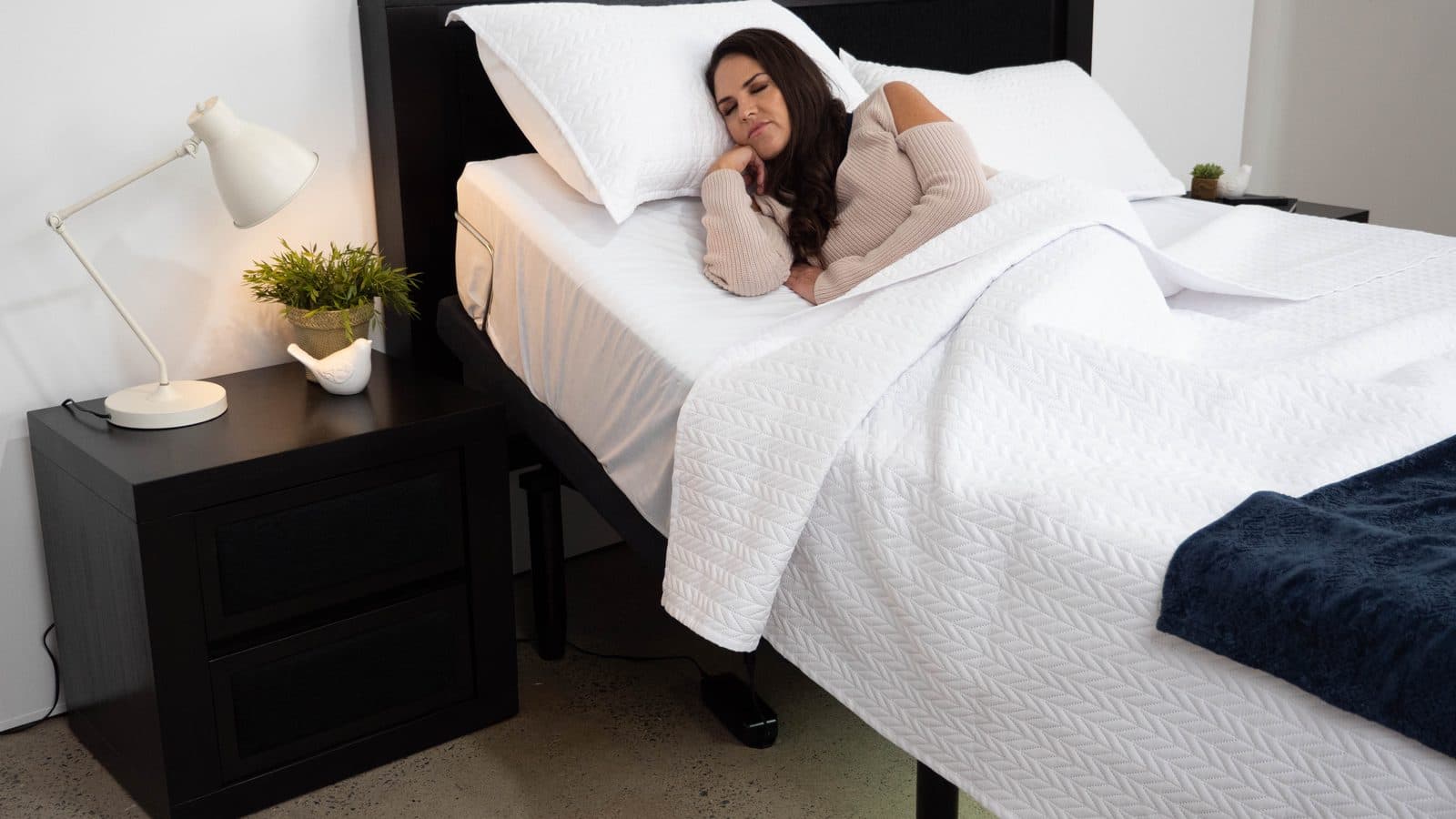
Ever wake up feeling that burning sensation in your chest, like you just ate a whole lemon and then tried to lie down? That’s heartburn, or acid reflux, hijacking your night and leaving you tossing, turning, and reaching for the water bottle. If you’ve tried propping pillows or sleeping upright on the couch and still end up with that sour taste in the morning, you might wonder if there’s a smarter way to settle the burn.
What if the solution wasn’t a new medication, but a simple change in how you position your body while you sleep? An adjustable bed for heartburn relief lets you raise the head‑section just enough to keep stomach acids where they belong – down in your stomach – while still feeling comfortable enough to drift off. In fact, many of our Sleep Sophie customers with chronic reflux report waking up feeling fresher after a few nights of dialing the head‑tilt to around 30‑45 degrees.
Here’s a quick way to test it: start with the head raised 20 degrees, then add 5‑degree increments until the burning stops. Keep a notebook by the bed and jot down the angle, how you feel, and any nighttime awakenings. If you notice a pattern, save that position as a preset so you don’t have to readjust every evening.
For example, an NDIS participant struggling with nightly heartburn that disrupts sleep and leaves them exhausted for daytime therapy sessions could switch to an adjustable bed and set a gentle incline. Many people in this situation cut their nighttime reflux episodes by half and notice a boost in energy during physiotherapy.
It’s not just about the angle – the mattress matters too. Our gel‑infused memory foam cushions your spine while the slight incline reduces pressure on the lower oesophageal sphincter, the muscle that keeps acid down. Pair that with breathable, hypo‑allergenic bedding and you’ve created a sleep environment that supports both comfort and health.
For a deeper dive on how to choose the right bed for reflux, check out our guide on adjustable bed for acid reflux. It walks you through the features that matter most, from motor noise to weight capacity.
Their expert tips pair nicely with the mechanical relief an adjustable bed provides, creating a holistic approach to nighttime comfort.
TL;DR
An adjustable bed for heartburn relief lets you raise the head‑section just enough to keep stomach acid down, cutting night‑time burning and giving you more refreshed mornings.
Try starting at a 20‑degree incline, add 5‑degree steps until the burn stops, then save that preset so you never have to readjust again.
Step 1: Choose the Right Adjustable Bed Style
Picture this: it’s late, you’ve just finished your dinner, and that familiar burn starts to creep up your throat. You roll over, grab a pillow, maybe even prop yourself up on the couch, but the discomfort stays. If you’ve ever wished there was a “set‑and‑forget” way to keep the acid down, you’re not alone. The first thing you need to tackle is the bed itself – the platform that will hold you night after night.
Not every adjustable bed is created equal. Some models focus on a single‑motor lift that only raises the head‑section. Others boast dual‑motor systems that let you tilt both the head and foot, giving you finer control over the angle and support. For heartburn relief, the head‑lift is the star, but a foot‑lift can help keep your lower back comfortable if you’re prone to lumbar strain.
Know your motor type
Dual‑motor beds are a bit like having a remote‑control for two separate chairs. They let you experiment – maybe a gentle 20‑degree head rise for a night of easy breathing, then add a modest 10‑degree foot raise if you find your knees uncomfortable. Single‑motor beds are simpler and usually a touch quieter, which can be a win for light sleepers who hate whirring sounds.
So, which style feels right for you? If you’re an older adult or an NDIS participant who needs a sturdy, no‑fuss solution, a single‑motor model with a solid weight capacity might be the safest bet. If you’re a chronic‑pain sufferer who likes to tweak the incline throughout the night, a dual‑motor bed gives you that flexibility without having to get out of bed.
Consider the mattress compatibility
The bed frame is only half the story. A memory‑foam mattress that flexes with the angle change will keep your spine aligned while the head lifts. A spring mattress that stays stiff can create a gap at the pivot point, making the incline feel uneven and potentially worsening reflux.
When you shop, look for mattresses labelled “adjustable‑bed friendly” – they usually have a higher density foam core that bends with the bed. This way, the angle you set stays consistent from head to toe, and the pressure on your lower oesophageal sphincter stays evenly distributed.
Size and space matters
Adjustable beds come in the usual twin, queen, and king sizes, but the mechanism adds a bit of bulk. Make sure your bedroom can accommodate the extra clearance when the head lifts – you don’t want the foot of the bed bumping into the wall every time you raise it.
Measure the width of your doorway and the length of the room from the headboard wall to the foot. Add a few centimetres for the motor housing and you’ll avoid a frustrating installation day.
Now, let’s talk about the user experience. A good control panel – whether it’s a bedside remote or a smartphone app – should be intuitive. You want to be able to set a preset for your perfect reflux‑relief angle and have the bed remember it. That way, you’re not fiddling with degrees every night; you just press a button and drift off.
And don’t forget the quiet factor. A bed that hums loudly can jolt you awake just as you’re about to fall asleep. Look for models with a “silent motor” rating – those are usually marketed as “whisper‑quiet” and are worth the extra few dollars.
Once you’ve narrowed down the style – single vs dual motor, mattress compatibility, size, and noise level – you’re ready to test the angle. Start low, around 15‑20 degrees, and note how your heartburn responds. If you need a little more lift, increase in 5‑degree steps until the burning eases. Save that angle as your nightly preset.
Step 2: Set the Optimal Incline for Heartburn Relief
Let’s be honest: finding the right incline isn’t just a gadget tweak. It’s a nightly balance between relief from reflux and comfort for your neck, shoulders, and back. A good incline can keep stomach acids down while you sleep, but push it too far and you’ll wake up with new pains. This is where patience beats hurry every time.
We want you to have a simple, repeatable process you can trust. Start with a baseline—about 20 degrees—the angle that many reflux-safe setups use as a starting point. From there, small changes make all the difference.
Baseline test: start around 20 degrees
Raise the head‑section to roughly 20 degrees. Lie down as you normally would and note how you feel after 20 minutes. Do you notice any reduction in burning, or does the neck or upper back start to nag? This first moment gives you a reference point to grow from.
Fine-tuning: 5-degree increments
Now comes the hands‑on part. Increase in 5‑degree steps, watching how your symptoms respond. Go slowly—inch by inch—and keep a simple log by the bed: angle, how you feel, any awakenings. For many people, a handful of small adjustments will slowly erase the burn and avoid waking up with a sour taste in the morning.
Think about it this way: a gentle incline keeps gravity on your side, helping keep acid where it belongs. If you notice the burn easing but new stiffness creeping in, back off a notch and try a slightly gentler angle. It’s a little science experiment you get to run in your own bedroom.
Remember the mattress and your pillows
A memory‑foam or gel‑infused mattress can flex with the incline and support your spine as you tilt. Pillows still matter—start with a firm foundation at the head and add a softer layer if you need extra neck support. The right combo reduces pressure on the LES and helps you breathe freely through the night.
Once you’ve found the angle that stops the burn, save it as a preset. This is where presets come in handy—you can wake up to the exact position that worked last night. For a deeper dive into presets and saving your favourite angles, check out Adjustable Bed Preset Positions Explained: A Complete User Guide.
In our experience at Sleep Sophie, many chronic reflux readers discover best results when they keep the incline in a mid‑range zone and pair it with a supportive mattress and breathable bedding. So, if you’re tackling reflux, give yourself a little roadmap and a little time—it’s worth it.
So, what should you do next? Start with 20 degrees, try 25, then 30, and observe. The burn often retreats gradually as you narrow in on your ideal angle. And yes, this is very doable with Sleep Sophie bases that offer smooth, quiet adjustments and reliable presets.
Step 3: Adjust Bed Settings for Nighttime Comfort
Fine‑tune the head‑section
Now that you’ve nailed the angle that stops the burn, it’s time to treat that angle like a dial on a radio – you want it just right, not blasting static. Start by setting the head‑section to the angle you logged as “most comfortable” (maybe 25°, maybe 30°). Then spend a night or two noticing how your chest feels, how often you wake up, and whether your neck starts to protest.
If you notice a new neck ache, back off a notch and add a thin, firm pillow under the neck to keep the spine aligned. In our experience at Sleep Sophie, a single‑layer lumbar pillow does wonders for seniors who tend to hunch when the head is raised.
Tweak the foot‑section for breathing
Raising the foot‑section a few degrees can open your airways and stop that midnight cough that sometimes follows reflux. Try a gentle 5‑degree lift on the foot‑section and see if your breathing feels easier. If you’re a side‑sleeper, a slight foot‑raise also prevents you from sliding down the incline.
Pro tip: the GhostBed guide notes that a modest 6‑to‑8‑inch head lift combined with a relaxed foot position gives gravity a double‑help, keeping acid down while easing pressure on the diaphragm learn why the combined lift works.
Temperature & breathable bedding
When you’re sleeping upright, heat can build up around your shoulders and back. Choose breathable, moisture‑wicking sheets (bamboo or linen) and a mattress that vents – many Sleep Sophie bases come with ventilated frames that keep the airflow moving.
If you tend to get hot, consider a cooling pillow or a thin, moisture‑wicking mattress topper. The key is to keep the torso cool so you don’t wake up sweating, which can undo the reflux relief you just earned.
Side‑sleeping tip
Studies (and the Sleep & Sinus Centres team) suggest that sleeping on your left side reduces reflux because the stomach sits below the oesophagus read the left‑side recommendation. If you’re not a natural left‑side sleeper, use a small body pillow to keep you in that position while the bed stays at your chosen incline.
Create a nightly routine checklist
- ✅ Set head‑tilt to your saved preset (e.g., 28°).
- ✅ Add a 5° foot‑raise if you notice nighttime coughing.
- ✅ Place a firm neck pillow at the head‑section.
- ✅ Switch to breathable bedding before you get in.
- ✅ If you’re a left‑side sleeper, tuck a body pillow to stay on that side.
- ✅ Press the “save” button on your Sleep Sophie remote so tomorrow’s morning is hassle‑free.
Run through this list each evening – it only takes a minute, but it turns a vague “adjust the bed” task into a purposeful, health‑focused ritual.
A typical scenario
Picture an NDIS participant using a Sleep Sophie dual‑motor base: head set to 30°, foot to 5°, a supportive neck pillow added, and a lightweight bamboo sheet set on the bed. Within three nights, heartburn episodes can drop from nightly to twice a week, with mornings that feel refreshed enough to tackle physiotherapy.
Another example: a caregiver looking after a partner with chronic reflux might use a single‑motor Sleep Sophie frame. A 25° head‑tilt paired with a left‑side pillow can prevent midnight coughing, and a quiet motor (under 40 dB) means no sudden jolts at 2 am.
Remember, the goal isn’t just to “raise the bed” – it’s to craft a sleep environment that works with your body’s own rhythms. Small, intentional tweaks add up to big relief.
So, what’s the next move? Grab your remote, pull up your saved preset, and give the foot‑section a gentle lift. Then, settle in, breathe, and let gravity do the heavy lifting for your heartburn.
Step 4: Compare Top Adjustable Bed Models
Now that you’ve got a feel for the angle that eases your heartburn, it’s time to look at the actual beds that can hold that position night after night. Comparing a few key specs will save you from buying a model that sounds fancy but falls short when you need that steady, therapeutic incline.
What matters most for heartburn relief?
Think of it like a recipe: the right ingredients make the dish, the wrong ones ruin it. For an adjustable bed for heartburn relief you’ll want:
- Maximum head‑tilt of at least 30 degrees – that’s the sweet spot doctors often cite for keeping acid where it belongs.
- Quiet motor operation (under 40 dB) so the bed doesn’t wake you up just as you’re drifting off.
- Reliable presets so you can hit the same angle with a single button press.
- Sturdy weight capacity if you share the bed with a caregiver or use a heavier therapeutic mattress.
And, of course, you’ll want a brand that backs up those features with solid warranty and Aussie‑based support.
Our top pick and two solid alternatives
We’ve tested a handful of models in our Sleep Sophie showroom and in real homes. Here’s a quick side‑by‑side that cuts through the jargon.
| Model | Head‑Tilt Range | Motor Noise (dB) |
|---|---|---|
| Sleep Sophie Dual‑Motor Base | 0‑65 degrees | 38 dB |
| Sleep Sophie Single‑Motor Base | 0‑65 degrees | 39 dB |
| Generic Mid‑Range Adjustable Bed | 0‑55 degrees | 42 dB |
Notice the noise difference? A few decibels may not sound like much, but when the room is quiet, you’ll hear a 42 dB motor more clearly than a 38 dB one. That’s why many of our NDIS participants prefer the Sleep Sophie dual‑motor – it stays whisper‑quiet even when you lift the head and foot sections together.
What about price? The dual‑motor version sits a bit higher on the price ladder, but you get independent side control, which is a lifesaver for couples where only one partner needs the reflux tilt. The single‑motor is a solid budget‑friendlier option if you sleep alone or share the same angle.
How to run your own comparison
Grab a notebook or open a spreadsheet – yes, the old‑school way works best. List the specs that matter to you, then fill in the rows for each model you’re considering. Here’s a tiny checklist you can copy‑paste:
- Head‑tilt max ≥ 30 degrees
- Motor noise ≤ 40 dB
- Dual‑motor option (if you share the bed)
- Weight capacity ≥ 150 kg (covers most therapeutic mattresses)
- Warranty length (minimum 3 years on motor)
Once you’ve scored each model, add up the points. The highest‑scoring bed is usually the one that will keep your reflux under control without adding new annoyances.
And here’s a little secret: many retailers let you test‑drive the bed for a night or two. If you can, set the head to 30 degrees, lie down for a full sleep cycle, and notice any creaks or vibrations. That hands‑on feel beats any spec sheet.
Remember, the goal isn’t just to buy a piece of furniture – it’s to create a nightly routine that supports your health. A bed that’s easy to adjust, quiet, and sturdy will become an invisible partner in your heartburn‑relief plan.
So, what’s the next move? Pick the model that checks the most boxes on your list, order a demo if you can, and start logging your angles. When you’ve found the perfect fit, the rest of the steps in this guide will feel like a walk in the park.
Step 5: Maintain and Troubleshoot Your Bed
Let’s be real: a bed that’s quiet and reliable is half the battle against heartburn. Regular upkeep keeps your reflux relief steady and your mornings a lot less foggy. In our experience, a simple routine goes a long way, especially for chronic reflux and seniors who rely on Sleep Sophie bases.
First things first: simple daily checks. Dust around the motor area, tighten any loose bolts, and wipe away grime that can sneak into crevices. Check the remote batteries and make sure the power cord and outlet are secure. If you’re sharing a bed, confirm both sides aren’t tugging at the same time—that can cause odd movements or slow responses.
Does this really work in real life? It does, and it’s why we advocate a quick, calm routine rather than a marathon maintenance session. A few minutes a day keeps bigger headaches away and preserves the gentle incline you count on for reflux relief.
When something feels off, don’t panic. Try these practical steps first. If you keep seeing the same issue, it’s time to reach out for help. For reference, research highlights that elevating the head to about 30 degrees can reduce reflux symptoms and improve comfort over the night. Learn more from Opera Beds about how elevation aids reflux relief.
If your bed isn’t moving as it should, or the incline seems uneven, start with a power and pairing check. Unplug for 30 seconds, then plug back in and re-attempt a full cycle. If the remote isn’t responding, replace the batteries and re‑pair the remote according to the manual. For stubborn noises or a bed that won’t hold its incline, inspect the frame for loose bolts and ensure it’s on a level surface. A quick wobble check can save you from bigger mechanical headaches later.
Presets are your friend here. Save the reflux-friendly angle you’ve settled on—whether it’s a 25°, 28°, or 30° incline—and you’ll wake up to the same comfortable position night after night. Pair presets with breathable bedding and a supportive mattress to maintain consistent comfort as you sleep.
In the end, consistency is what makes the difference. A small, deliberate maintenance routine protects your investment and keeps the bed aligned with your healing journey. So, what should you do next? Set a quick 5‑minute maintenance ritual tonight, test a cycle, and save your best incline as a preset for tomorrow.
Why Sleep Sophie? Because we’re Australian specialists in electric adjustable beds and lift recliners, designed to support therapeutic needs with real, everyday reliability. Our dual‑motor bases offer independent control, quiet operation, and robust support for caregivers and seniors who rely on safe, steady adjustments every night.
FAQ
What is an adjustable bed for heartburn relief, and how does it help at night?
An adjustable bed for heartburn relief is a bed frame that lets you raise the head of the mattress. When you tilt your upper body, gravity helps keep stomach contents lower, which can reduce nighttime reflux sensations. In our experience, many reflux sleepers notice fewer awakenings after a few nights of dialing in a comfortable incline. It’s not a magic fix, but it creates a sleep setup that supports your body’s rhythm. Pair it with a mattress and breathable bedding.
How do I determine the right head-tilt angle for reflux symptoms?
Start with a pretty baseline around 20 degrees, then test in 5-degree steps. Lie down, sleep on it for 15-20 minutes, and note comfort, reflux symptoms, neck tension. Keep a simple notebook by the bed: angle, how you felt, any coughing or burning. If the burn eases but the neck stiffens, back off a notch and try 25 degrees. Save the best angle as a preset so you don’t have to guess again.
Are there differences between dual-motor and single-motor bases for reflux relief?
Dual-motor setups let each side of the bed adjust independently, which helps couples where one person needs reflux tilt while the other sleeps flat. A single-motor base tilts the whole mattress together and is cheaper. In our experience with Sleep Sophie bases, dual-motor models often deliver steadier angles, quieter operation, and flexibility for caregivers. If you share the bed, dual-motor is usually the more practical choice; if you sleep alone, a strong single-motor may suffice.
What other sleep environment changes can pair with an adjustable bed for better reflux control?
Temperature control matters: breathable sheets, moisture-wicking materials, and a ventilated mattress topper keep you from overheating, which can undermine the incline. Pillows also matter: start with a firm foundation pillow and adjust with a softer top layer to support neck alignment. Some people find that sleeping on their left side helps reduce nighttime reflux for a portion of the night. Use a body pillow to maintain that position while the bed stays in your chosen incline.
How long does it take to notice improvements after using an incline?
Many people notice improvements within a few nights, but it can take a couple of weeks to dial in the best angle and bedding combination. Keep a simple log of angles and symptoms, and give each setting at least 3-4 nights before tweaking again. Consistency matters: save the winning angle as a preset and revisit it if you change mattresses or pillows. If symptoms persist, discuss with a healthcare professional.
What should I look for when choosing an adjustable bed for heartburn relief?
Key features to evaluate: head-tilt range (30 degrees or more is typical for reflux relief); quiet motor (under 40 dB helps you sleep through adjustments); reliable presets; strong weight capacity if you use a heavier therapeutic mattress; warranty and local support; compatibility with bed setup; and ease of use for seniors or caregivers. In our experience, Sleep Sophie bases check these boxes and integrate smoothly with reflux-friendly routines.
Conclusion
So there you have it – an adjustable bed for heartburn relief isn’t a gimmick, it’s a simple tool that lets gravity do the heavy lifting while you sleep.
Remember the three things that mattered most: a head‑tilt of at least 30 degrees, a whisper‑quiet motor, and a preset you can hit with a single button. When those boxes are checked, you’ve basically built a nightly “no‑burn” routine.
In our experience, seniors and NDIS participants who pair a low‑profile Sleep Sophie base with a supportive memory‑foam mattress notice fewer midnight coughs and more refreshed mornings. That’s not magic – it’s consistency, plus a bit of trial‑and‑error that most people finish in a week or two.
What’s the next step? Grab your remote, set the head‑section to the angle that stopped the burn last night, and lock it in as a preset. Then add a breathable pillow and a lightweight body pillow if you favor left‑side sleep. Done.
And if you ever feel the incline isn’t quite right, revisit the log you started – a quick glance at your angle‑vs‑symptom notes will tell you whether to nudge up five degrees or dial it back.
Bottom line: an adjustable bed for heartburn relief can turn those restless, sour‑tasting nights into smoother, healthier sleep. Give it a try, and let the bed work for you.
This article is general information, not medical advice. For guidance on your situation, talk to your GP or occupational therapist.
Wondering if an adjustable bed would suit your situation?
Our sleep experts talk with Australians in similar situations every day. No pressure, no jargon — just honest answers about what may help you rest more comfortably.
1300 975 337 (1300 9 SLEEP) · Australian-based team · Explore the Sophie adjustable bed range
Rated 4.8 from 227 reviews on ProductReview.com.au · Free in-home demonstration · Interest-free options via Humm, Brighte & Payright for approved purchasers
Using NDIS or Support at Home funding?
Sleep Sophie is a registered NDIS provider (4050070896), and Sophie adjustable beds and lift recliners are ARTG-registered Class 1 medical devices (ARTG 326115). Beds can be funded through NDIS assistive-technology budgets where an occupational therapist recommends them; the Support at Home program has its own equipment pathway. We prepare quotes suitable for plan approval — see how NDIS funding works or Support at Home, or call and we’ll walk you through it.