
Electric Lift Recliner Chair: A Practical Guide to Choosing, Setting Up, and Maintaining Your Comfort
1 February 2026 · Nathan Kerrins · Updated 23 July 2026
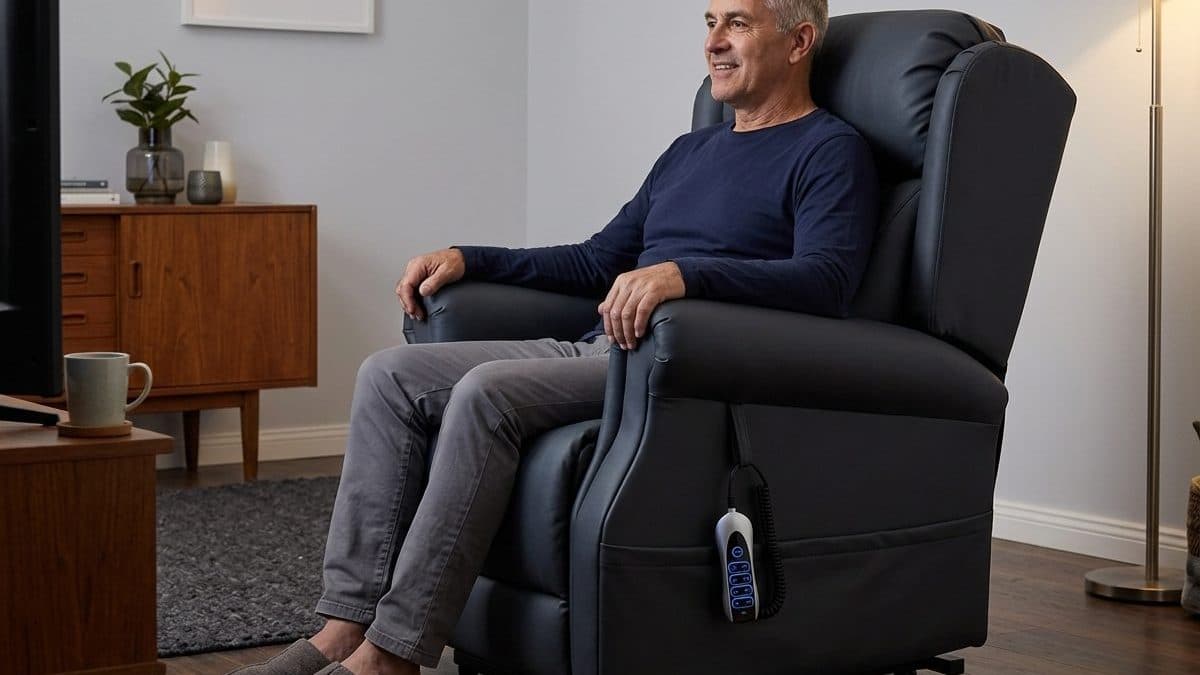
Ever hit the snooze button not once but twice because your back feels like it’s been on a rollercoaster all night? That’s the silent pain many of us wrestle with after a restless sleep, and it’s not just a bad night’s rest—it’s a signal that your comfort setup might be asking for a upgrade.
When we talk about “electric lift recliner chairs,” it isn’t just a fancy piece of furniture. It’s a blend of technology and ergonomics that lets you slide into a reclined position with the push of a button, and then lift out of that position without a single strain on your joints.
For folks who suffer from chronic back pain, arthritis, or even those navigating mobility challenges, this kind of chair can make a tangible difference. Imagine being able to lean back into a soothing recline, then lift yourself up into an upright position for a quick stretch or to grab a glass of water without wincing.
Take the example of a Brisbane retiree named Tom who used to spend the first hour of every morning wrestling with his sofa. After switching to an electric lift recliner, he finds his morning stiffness has noticeably eased – he can simply press a button, lift, and feel the relief of a gentle lift that supports his spine.
Choosing the right model, however, isn’t just about picking the biggest or the most luxurious. You want to focus on three things: lift height, cushion memory, and motor durability. A lift height of 30–40 cm usually covers most adults comfortably, while memory foam or gel layers keep pressure off the hips and shoulders.
Start by measuring the distance you need the seat to rise. Then, look for a chair that offers at least a 2‑year motor warranty—this tells you the manufacturer has confidence in the lift mechanism. Finally, read customer reviews that mention long‑term use; a chair that feels smooth after a year is likely built to last.
Installation is another factor. Most electric lift recliners come with a simple, plug‑in power supply, and many models include a battery backup for power outages. If you’re not comfortable wiring, a professional installer can set it up for a small fee, ensuring the chair is safe and secure.
Price can be a deterrent, but think of it as an investment in daily comfort. A 4‑motor electric lift recliner ranges from about A$4,000 to A$13,000, and when you factor in the reduced doctor visits and extra sleep quality, the return on investment starts to look pretty sweet.
Want a deeper dive into specs, brands, and buying tips? Check out our detailed guide that walks you through every feature you need to consider for the perfect fit.
Electric Lift Recliner Chair Australia: A Complete Buying Guide
Remember, an ergonomic chair is part of a holistic approach to wellbeing.
Ready to make your mornings feel less like a battle and more like a breeze? Start by testing a few models in store or through a trial, and let the lift do the heavy lifting—literally—for you.
TL;DR
Electric lift recliner chairs lift your comfort, letting you glide into a reclined position with a button and rise safely without strain.
They cost from about A$4,000, yet the savings on doctor visits and better sleep make them a smart, long‑term investment.
Try demo or trial before buying to feel the lift.
Step 1: Choosing the Right Electric Lift Recliner Chair for Your Home
Choosing the right electric lift recliner chair is a bit like picking a new kitchen appliance—it’s all about fit, comfort, and the right features for your everyday life.
First, think about the lift height. If your back feels stiff every morning, you want a chair that can raise you about 30–40 cm—just enough to lift the pressure off the hips and shoulders without over‑exerting your joints.
Next up, cushion quality. Memory foam or gel layers give that gentle support, but check the fill weight too; a denser foam keeps shape over time, which is crucial for NDIS participants or caregivers who rely on consistent comfort.
Motor durability is the silent hero. Look for a 2‑year warranty on the lift mechanism—it’s a sign the manufacturer trusts its own tech.
Do you live in an apartment where power outages happen? Some models include a battery backup, so you’re not stuck mid‑recline in the dark.
Now, the fun part: trying it out. If you can, visit a showroom or schedule a home demo. Feel the lift, test the recline angle, and ask about maintenance—like how often the motor needs servicing.
Here’s a quick checklist you can jot down before you shop: 1️⃣ lift height 30–40 cm, 2️⃣ cushion type, 3️⃣ motor warranty, 4️⃣ battery backup, 5️⃣ ease of use, 6️⃣ price vs. value. This will keep you focused and prevent buyer’s remorse.
If you’re unsure how a lift recliner could fit into your daily routine, chat with a sleep specialist or a caregiver. They can point out specific features that help with chronic pain or mobility issues.
For those concerned about financial safety, a resource that explains securing life insurance quotes can turn your recliner purchase into a broader wellness investment. Learn how to secure the best life insurance quotes.
After watching the video, you might be tempted to skip the research phase. Don’t. Take a moment to note the motor type, the recline range, and the build quality.
Remember, buying an electric lift recliner is an investment in your daily wellbeing. The right chair can shave hours of pain and lift your sleep quality, turning each day into a smoother ride.
Before you hit the checkout button, double‑check the warranty, read real reviews that mention longevity, and if you’re a caregiver, look for models with easy cleaning. Then, you’ll feel confident you’ve picked the best fit.
It’s all about pairing the right tech with the right comfort.
So, what’s the next step? Grab a phone, dial a local dealer, and ask for a demo. The feel of a smooth lift is the best preview.
Step 2: Setting Up Your Electric Lift Recliner Chair Safely
Before you let the lift do its magic, make sure the room and the chair are ready to play nice together.
Gather Your Tools
Grab a sturdy ladder, a measuring tape, a pencil, and a notepad.
Set the Stage
Position the chair where you’ll use it most often – usually a quiet corner or a side of the sofa.
Keep a clear path on both sides so you can move in and out without bumping into furniture.
Ask yourself: are there any tripping hazards? If you see a rug that could slide, consider a non‑slip pad.
Secure the Chair
Check the base – the wheels should lock when the chair is in a reclined or upright position.
If the chair has a seat‑lift lock, tighten it firmly before you power it on.
On some models you’ll find a cable that runs from the base to a power outlet. Make sure that cable is tucked neatly and not exposed to cords or pets.
Test the Lift
Power on the chair and press the lift button. The seat should rise smoothly, about 30‑40 cm, without a sharp jerk.
If it feels slow or noisy, read the manual for a quick check on the motor settings.
Watch this video demonstration to see how the lift should behave.
Routine Checks
Every week, run a quick test to make sure the lift still moves evenly. If you notice any wobble, a loose bolt, or a strange sound, stop using the chair until a pro looks at it.
Keep a log in your notepad: note the date, the lift’s performance, and any issues. This simple habit helps catch problems before they become big.
Finally, remind yourself that safety is a daily practice, not a one‑time setup. With these steps, you’ll enjoy a lift chair that works for you – and keeps you safe.
Choose the Right Power Source
Most electric lift recliners plug straight into a standard outlet, but if you’re worried about a power cut, look for a model with a battery backup. This little backup keeps the lift working during a blackout so you never get stuck.
Maintenance Checklist
Every month, wipe the seat, inspect the wheels, and check the power cable for fraying. If you notice any wear, replace the part before it fails.
When to Call a Professional
If the lift stalls, makes a grinding noise, or the lock doesn’t engage, don’t wait. A qualified technician can diagnose motor issues or wiring problems that could be dangerous.
Remember, a well‑maintained lift chair feels like a gentle hand rather than a mechanical beast.
Step 3: Operating and Maintaining Your Electric Lift Recliner Chair
Alright, you’ve set up the chair and you’re ready to give it a go. Now let’s talk about what you’ll actually do each day and how to keep that lift humming like a quiet helper in your living room.
Daily Power‑On Routine
Every morning, before you touch the lift button, do a quick visual sweep. Check the seat cushion for any soft‑spot wear, the wheels for tightness, and the power cord for fraying. A quick 30‑second scan can catch a loose bolt before it turns into a bigger issue.
When you press the lift button, listen for a smooth, steady climb. If you hear a clunk or a grinding hiss, that’s your cue to pause and check the motor. In many models, a faint squeak means the oil needs a top‑off—something you can do yourself with the lubricating spray in the user manual.
Cleaning & Lubrication
Wipe the upholstery with a damp cloth once a week. Avoid harsh chemicals; a mild soap solution is enough to keep the fabric fresh. For the metal frame, a light coat of machine‑grade oil every three months keeps the gears moving without rust. If your chair has a memory‑foam cushion, spot‑clean with a gentle cleaner that’s safe for foams.
Wheel Maintenance
Wheels are the unsung heroes. Check them for scratches or worn treads. If you feel resistance when you roll the chair, it’s time to replace the wheel set—most brands offer a spare set in the warranty box. A smooth wheel means a smoother lift and less strain on your joints.
Battery Backup Check
Even if you live in a reliable power grid, a backup battery keeps you safe during outages. Turn off the chair, unplug it, then press the emergency release. The lift should still rise with the battery engaged. Test this once a month to ensure the backup hasn’t run dry.
When to Call a Technician
If the lift stalls halfway, the motor emits a loud rumble, or the lock mechanism feels loose, stop using the chair and call a professional. A licensed technician can inspect the wiring, motor bearings, and safety lock—areas that are risky to DIY if you’re not a seasoned electrician.
Record Keeping
Keep a simple log in a notebook or a phone note app. Note the date, any unusual sounds, and whether the lift performed as expected. Over months, patterns emerge: a vibration that starts after a few weeks might point to a misaligned gear that you can fix sooner.
For more detailed care schedules and part replacement timelines, Sophie Lift Recliner Chairs offers a handy guide that walks you through every component you’ll need to keep in top shape.
Finally, think about the surface around your chair. If you’re upgrading to a new lift, consider consulting Millena Flooring for a smooth, slip‑resistant floor that supports the chair’s weight and keeps you safe during lift cycles.
Step 4: Top Features to Compare: Electric Lift vs Manual Recliners
So you’ve weighed lift height, cushion feel, and budget. The next step is to line up the features that actually make a day‑to‑day difference.
1. Operation and Effort
Electric lift recliners use a motor and a remote or button. You press a button and the seat rises almost silently. Manual models rely on a lever you pull or push, which can feel like a mini workout each time.
2. Comfort Options
Power chairs often come with extras—massage, heat, memory‑foam layers, or adjustable lumbar support. Manual versions usually offer only basic cushioning because they lack the electronics to power extra functions.
3. Maintenance Load
Electric chairs need periodic motor oil, wiring checks, and battery replacements. Manual chairs are mechanical, so you only need to tighten bolts or replace a worn gear. In practice, that means a power chair can cost a few extra dollars in upkeep per year.
4. Durability and Longevity
With more moving parts, electric chairs can be more fragile if not cared for. But with proper service, a high‑quality motor can last 10–15 years. Manual chairs, being simpler, often outlast their electric counterparts when the user avoids heavy wear.
5. Cost Over Time
Initial prices for 4‑motor electric chairs sit between about A$4,000 and A$13,000, while manual chairs start well below that. Over five years, factoring in maintenance, the total cost of ownership for an electric chair can be comparable or slightly higher, depending on how often you use extra features.
Which Fits Your Lifestyle?
If you’re an elderly user needing a lift for every sit‑up or a caregiver juggling multiple patients, the motorized lift offers a safety net you can trust. For a budget‑conscious shopper who rarely needs to recline, a manual chair can deliver the same basic support without the tech fuss.
Here’s a quick snapshot that pulls the data together:
| Feature | Electric Lift Recliner | Manual Recliner |
|---|---|---|
| Ease of Use | Button‑or‑remote control, minimal effort | Lever or pull‑tab, physical effort |
| Extra Comfort Options | Massage, heat, adjustable lumbar, memory foam | Basic cushioning, limited adjustments |
| Maintenance | Motor oil, wiring checks, battery replacement | Bolts and gear adjustments |
| Longevity | 10–15 years with service | Often outlasts motorized with light use |
| Initial Cost (AUD) | A$4,000–13,000 | Well below electric |
Want the inside scoop on how the motor actually moves the seat? A quick read on the power‑vs‑manual comparison on Garvee guide walks you through the mechanics and gives real user insights. If you prefer visual learning, a video demonstration shows the lift in action; it’s a useful reference when you’re choosing a model.
When you’ve mapped the pros and cons, test the chairs in person. Feel the button vs the lever, watch the lift height, and listen to the motor’s hum. The right choice will feel almost effortless, letting you glide into the right angle without a second thought.
Step 5: Troubleshooting Common Issues with Electric Lift Recliner Chairs
Ever feel your lift chair suddenly going on the fritz? Don’t panic – most hiccups are quick fixes. Let’s walk through the most common snags and how you can solve them without calling a tech.
1. The lift button just won’t budge
If pressing the button feels like pushing a brick, check the power first. Make sure the plug is secure and the outlet is live. A quick test with a lamp can confirm power. If the outlet’s good, the issue is usually the button switch itself. Gently wiggle the button or use a flathead to press the hidden contacts – a tiny bit of pressure often realigns a stuck switch.
2. The chair rises but stalls halfway
When the lift stops mid‑rise, it’s often a motor or belt problem. Check the motor housing for dust or a loose connection. If you have a manual, look for the motor fuse or contact point – the Pride Mobility owner’s manual details how to access these parts. Clean the motor contacts with a cotton swab and a little isopropyl alcohol. If cleaning doesn’t help, the belt may need tightening or replacement.
3. Noisy operation – clunk, squeak, or grinding
Noise usually means the gears need lubrication. Your chair’s manual says to use a machine‑grade oil every three months. Spray the gear box from the top and let the oil work its way through the vents. If the sound persists, the motor bearings might be worn – this is a job for a professional.
4. The chair won’t lock into place
Lock‑out is a safety feature that can fail if the lock lever or pin is bent. Look under the seat cushion for a small metal latch. Use a small screwdriver to realign it, or replace the latch if it’s cracked. A quick visual check of the lock mechanism can save you a trip to a technician.
5. Battery backup won’t engage during a power cut
Battery systems are simple, but they can dry out. Test the backup by unplugging the chair and pressing the emergency release button. If it doesn’t rise, swap the battery pack for a fresh one. The Pride Mobility manual includes battery specs – make sure you’re using the correct type.
Quick checklist to keep your lift running smoothly
- Confirm power supply is stable.
- Clean motor contacts monthly.
- Lubricate gears quarterly.
- Inspect lock lever and replace if damaged.
- Test battery backup every six months.
Most of these fixes are DIY, but if you notice any sparks, unusual smells, or the chair won’t respond to any controls, call a qualified technician. Safety first – don’t force the lift or bypass safety switches.
Want a quick visual walkthrough of a lift in action? The official YouTube demonstration shows the lift mechanism step by step and can help you spot the parts you need to check.
Step 6: Adjusting Height and Position for Maximum Comfort
We’ve already tackled the basics, but getting the lift just right is where the real magic happens. Imagine the chair lifting you up, and you feel that gentle buoyancy as your back realigns. That’s what fine‑tuned height and angle give you.
Why Height Matters
If the seat rises too low, you’ll still feel that stubborn back pain; if it goes too high, you’ll be standing on a narrow edge. The sweet spot is usually a 30–40 cm lift for most adults, but the best way to know is by testing.
Step‑by‑Step Adjustment
1. Start Low. Set the chair to its lowest comfortable angle. Sit, relax, and note how your shoulders feel.
2. Raise Gradually. Use the lift button to bring the seat up in 5 cm increments. After each lift, check for any strain in your hips or knees.
3. Find the Balance. When you can stand without twisting your spine and your legs feel relaxed, that’s your target height. Most power lift chairs let you lock the seat at that exact point.
4. Recline Angle. Once the height is set, adjust the recline to a 110–120° angle for reading or a 140° angle for napping. A higher angle is great for people with spinal stenosis because it reduces pressure on the discs.
5. Secure. Lock both the lift and recline positions. Test the lock by gently rocking the chair. If it holds, you’re good to go.
Fine‑Tuning for Special Needs
For NDIS participants, a slightly higher lift can ease transfers to a wheelchair. If you’re an elderly user who struggles with leg strength, a 35 cm rise and a 120° recline can let you sit comfortably without a step.
Caregivers often need a chair that can be set to a “stand‑up” position that’s easy to reach. A 38 cm lift plus a 150° recline gives plenty of room for a caregiver to assist without overstretching.
Quick Checklist
– Test for smoothness. The lift should move without jolting.
– Check the lock. A secure lock is non‑negotiable for safety.
– Confirm comfort. Your shoulders, hips, and back should feel relaxed.
– Repeat monthly. Wear and tear can shift the settings over time.
For a deeper dive into how different lift chairs perform under real‑world conditions, see this helpful review on ReclinerLand’s guide to power lift recliners. It breaks down each model’s lift height, motor noise, and user‑reported comfort.
Now that you’ve got the mechanics down, go ahead and test the settings in your own space. Take a few minutes to adjust, lock, and then sit back. If it still feels off, tweak the lift slightly higher or lower until you find that “just right” spot. Your back will thank you, and the lift will feel like a personal assistant that knows exactly how to lift you up.
Frequently Asked Questions
What is an electric lift recliner chair and how does it help with chronic pain?
An electric lift recliner chair is a piece of furniture that uses a small motor and hydraulic system to raise the seat while you’re seated, so you can stand up without straining your back or hips. For people with arthritis, stiff joints, or chronic lower‑back issues, the gentle lift removes the awkward bending that usually triggers pain. By shifting the load smoothly, it lets you rise or recline with almost zero effort.
How do I know if I need a lift chair versus a standard recliner?
If you find yourself fighting every time you want to stand, or you have to use a step or assistive device, a lift chair is worth the extra investment. A standard recliner is fine when you’re mostly stationary and can push yourself up manually. Think about your daily routine: if you need to get up for meals, medication, or a quick stretch, a lift chair will save you time and reduce strain.
What should I look for in a lift chair’s motor and warranty?
The motor is the heart of the lift. Look for a 2‑to‑5‑year warranty, which signals that the manufacturer trusts its durability. In our experience, chairs with a sealed hydraulic system and a low‑noise motor tend to last longer. Also check that the motor is easy to service—some models have a user‑serviceable oil reservoir, which keeps the lift smooth for years.
Can an electric lift chair be used by people with limited mobility?
Absolutely. Lift chairs are designed for anyone who needs a little help getting up. They’re especially useful for people on wheelchairs, those with muscle weakness, or anyone who wants to avoid lifting themselves. The chair lifts the seat to a comfortable height, then allows you to stand or sit down with minimal effort, keeping the spine neutral.
What maintenance is required to keep the lift working smoothly?
Maintenance is surprisingly simple. Clean the upholstery weekly, wipe the motor housing monthly, and add a light coat of machine oil to the hydraulic cylinder every few months. Keep an eye on the battery if your model has one, and replace any worn wheels or straps as they show signs of wear. A quick monthly test—press the lift button and watch the seat rise—will catch any emerging issues early.
Do lift chairs come with a battery backup for power outages?
Many modern models include a small battery pack that powers the motor for a short period during a blackout. This feature ensures you can still lift or sit back safely if the mains fail. Check the specifications before buying; if battery backup is a must for you, make it a top priority in your comparison.
How do I set up the chair safely in my home?
Start by choosing a clear, flat area with a stable floor. Position the chair so there’s enough clearance on all sides—no furniture or cords should block the lift path. Secure the base lock before plugging it in, and test the lift several times to confirm smooth movement. If you’re unsure about wiring or placement, consider a professional install—it’s a small investment for peace of mind.
What are the most common troubleshooting issues and quick fixes?
Common hiccups include a stuck lift button, a noisy motor, or a seat that stalls midway. For a stuck button, try gently nudging it or cleaning the switch contacts. A squeaky motor often needs a quick oil top‑off. If the chair stops in the middle, check for a loose cable or a jammed hydraulic line. For any electrical concerns, unplug the unit and let a qualified technician inspect it.
Conclusion
You’ve seen the lift, felt the recline, and maybe even tested a few models.
What matters most is how that gentle lift translates into a calmer day and a sweeter sleep.
When the chair rises, it’s not just a mechanical motion—it’s a moment that lets you breathe, stand, and return to comfort without strain.
For someone juggling chronic pain or caring for a loved one, that small assist can feel like a quiet hero in your routine.
So what should you do next? First, set a realistic lift height that matches your standing reach.
Next, check the motor’s smoothness by running a quick test every week.
Keep a short log: note any noises, delays, or lock issues, and address them before they grow.
Finally, remember that a well‑maintained chair is a partner in wellness, not a gadget you forget about.
Take that first lift again tomorrow, and let the ease of movement become a daily reminder that comfort can be engineered, not just wished for.
At Sleep Sophie, we’ve seen families swap cramped sofas for lift chairs and report a noticeable drop in nightly aches. Our team’s tips—like ensuring proper clearance and routine checks—turn those chairs into reliable allies.
Not sure it will fit?
We deliver and install free, Australia-wide — and we’ll tell you straight if it won’t work in your room.
1300 975 337 (1300 9 SLEEP) · Australian-based team · Explore the Sophie adjustable bed range
Rated 4.8 from 227 reviews on ProductReview.com.au · Free in-home demonstration · Interest-free options via Humm, Brighte & Payright for approved purchasers
Using NDIS or Support at Home funding?
Sleep Sophie is a registered NDIS provider (4050070896), and Sophie adjustable beds and lift recliners are ARTG-registered Class 1 medical devices (ARTG 326115). Beds can be funded through NDIS assistive-technology budgets where an occupational therapist recommends them; the Support at Home program has its own equipment pathway. We prepare quotes suitable for plan approval — see how NDIS funding works or Support at Home, or call and we’ll walk you through it.