
Cooling Mattress Protector Australia: A Complete Guide to Staying Fresh at Night
24 December 2025 · Nathan Kerrins · Updated 23 July 2026
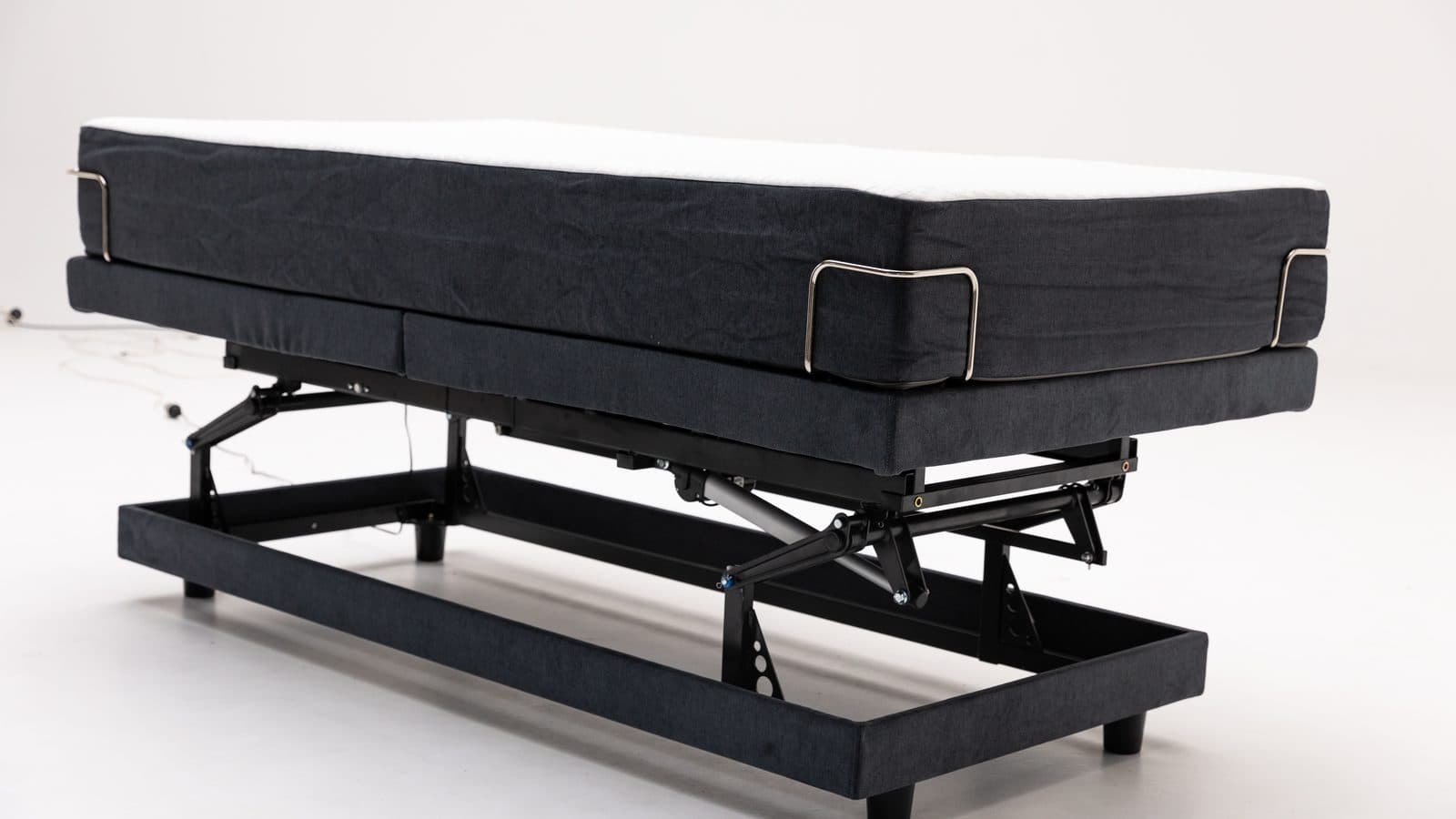
Ever rolled out of bed feeling like you just stepped off a hot stovetop? That’s the exact moment many Aussies with a night‑time heat build‑up realise their mattress alone isn’t enough.
We’ve heard from chronic‑pain patients who swear the extra warmth makes stiffness worse, and from NDIS participants who need a cool, hygienic surface to stay comfortable while they’re on their adjustable beds. The good news? A cooling mattress protector can act like a breathable shield, letting heat escape while still guarding against spills and allergens.
Here’s what we mean: most protectors use a blend of bamboo viscose, Tencel or moisture‑wicking polyester. Those fabrics pull sweat away from your skin and promote airflow. In practice, someone with an electric adjustable bed might finally sleep through the night without the familiar “stuck‑to‑the‑sheet” feeling that used to cause a 2 a.m. wake‑up.
So, what should you look for? First, check the cooling technology – does it have a built‑in gel layer or a phase‑change material? Second, verify the fit. A protector that’s too tight can restrict the bed’s range of motion, while one that’s too loose will bunch up when you raise the head or foot. Third, think about care: machine‑washable options keep the protector fresh for years, which is especially important for caregivers managing multiple patients.
Actionable steps you can take right now:
- Measure your mattress dimensions (including any extra depth from an adjustable base) and add 2‑3 cm to ensure a snug fit.
- Choose a protector labelled “cooling” or “temperature regulating” and look for certifications like Oeko‑Tex Standard 100 for skin‑friendliness.
- Read reviews from people with similar needs – many mention how a breathable protector helped reduce night sweats by up to 30 %.
- Pair your protector with a breathable pillow, such as our Sophie Pillow, to keep the whole sleep ecosystem cool.
And don’t forget the simple habit of airing out your bed each morning for a few minutes; that extra fresh‑air boost works hand‑in‑hand with the protector’s cooling action. By following these tips, you’ll turn a sticky, restless night into a refreshing, restorative sleep – exactly what our adjustable‑bed customers deserve.
TL;DR
A cooling mattress protector Australia keeps your adjustable bed breezy, reduces night sweats, and shields against spills while supporting chronic‑pain, NDIS, and elderly sleep needs. Measure your mattress depth, choose gel‑infused or phase‑change fabrics, and wash regularly for comfort and hygiene — you’ll sleep cooler every night and feel refreshed.
Understanding Cooling Mattress Protectors
Ever wonder why, even after you’ve turned down the thermostat, you still wake up feeling like you’ve been sandwiched in a plastic bag? The culprit is often the surface you’re lying on. A regular mattress protector can trap heat, but a cooling mattress protector is engineered to do the opposite – it pulls heat away and lets air flow, turning a sticky night into a breezy one.
Think about the last time you tried to read a book in bed on a humid summer evening. The pages stuck to your hands, the pillow felt like a warm brick. That’s the same sensation many of our chronic‑pain and NDIS clients describe when their bedding holds onto moisture and temperature.
How the technology actually works
Most cooling protectors use one of three tricks:
- Moisture‑wicking fibres such as bamboo viscose or Tencel. They act like a towel, moving sweat from your skin to the fabric’s outer surface where it evaporates.
- Gel‑infused layers – tiny silica or polymer beads that absorb body heat and disperse it across a larger area, lowering the skin‑surface temperature by up to 2‑3 °C.
- Phase‑change materials (PCMs) that store heat when you’re warm and release it when you cool down, keeping the micro‑climate steady throughout the night.
Phase-change materials are a genuine technology rather than marketing, though the effect is modest and works best alongside a cool room rather than instead of one. Most of the products built around it are toppers rather than protectors, but the principle is the same – the fabric does the heavy lifting, while the protector still guards against spills and allergens.
Scenarios you can relate to
Picture a caregiver looking after an elderly client with limited mobility, swapping an old cotton protector for a gel‑infused version. Within a week, the client’s nightly sweats can drop dramatically, and the caregiver doesn’t have to change the bedding as often – a huge hygiene win.
Or an NDIS participant using an electric adjustable bed who tries a PCM‑based protector – the “stuck‑to‑the‑sheet” feeling can disappear, especially when the head of the bed is raised for reading. The protector stays flat, doesn’t bunch up, and still lets the bed’s built‑in heating element work when needed.
Step‑by‑step guide to choosing the right one
1. Measure your mattress depth. Add 2‑3 cm to accommodate the protector without restricting the range of motion of your adjustable base.
2. Identify the cooling tech you prefer. If you tend to sweat heavily, gel‑infused fabrics are the most immediate relief. If you want a steadier temperature across the night, look for PCM‑rated protectors.
3. Check certifications. Oeko‑Tex Standard 100 or Australian Certified Green ensures the fabric is free from harmful chemicals – important for sensitive skin.
4. Test the fit. Slip the protector onto the mattress and move the head/foot sections. It should stay smooth, not rip or wrinkle.
5. Plan maintenance. Machine‑washable protectors keep the cooling performance intact. A wash every two weeks, followed by air‑drying, prevents odour buildup.
Why it matters for our audience
For individuals battling chronic pain, lower skin temperature can ease muscle tension, making it easier to find a comfortable position. NDIS participants often share a bed with medical equipment; a breathable protector reduces the risk of moisture‑related skin issues. Elderly users benefit from the added hygiene and the fact that a cooler surface can lessen the frequency of nighttime bathroom trips.
And remember, the protector is just one piece of the sleep ecosystem. Pair it with a breathable pillow – we recommend checking out the Sophie Adjustable Beds lineup for integrated temperature control – and you’ll notice a cumulative cooling effect.
So, what’s the next move? Grab a protector that matches your mattress depth, choose the cooling tech that feels right for your body, and start a simple washing routine. In a few nights you’ll feel the difference – less sweat, more comfort, and a sleep surface that actually supports your health goals.
Key Features to Look For in Australia
When you start hunting for a cooling mattress protector Australia, the first thing that should catch your eye isn’t the price tag – it’s how the protector actually keeps you cool while still doing its job of shielding your mattress.
Breathable, heat‑moving fabrics
Think of the protector like a high‑tech shirt for your bed. Materials such as bamboo viscose, Tencel and performance-grade polyester pull moisture away from your skin and let air circulate. Moving sweat off the surface makes a warm night feel cooler even when the actual temperature has not changed, which is a real effect and a different one from describe as “finally feeling a breeze at night.”
That same principle works for anyone with chronic pain or limited mobility – a cooler micro‑climate can relax tense muscles and reduce the urge to toss and turn.
Built‑in cooling technologies
There are three main tricks you’ll see on the label:
- Gel‑infused layers that absorb body heat and disperse it across a wider area.
- Phase‑change materials (PCMs) that store excess warmth and release it when you cool down.
- Moisture‑wicking fibres that act like a towel, moving sweat to the outer surface where it evaporates.
For a caregiver watching an elderly client who wakes up drenched, a gel‑infused protector often gives the quickest relief. For an NDIS participant who uses the bed’s built‑in heating function, a PCM‑based protector keeps the temperature steady without fighting the heater.
Fit that respects your adjustable base
Adjustable beds need a protector that stretches with the head‑ and foot‑sections. Look for a stretchy, full-perimeter elastic skirt that grips the mattress edges without slipping. In our experience, a snug fit prevents the protector from bunching up when the bed lifts – a common annoyance that can create pressure points.
Measure the mattress depth, add 2‑3 cm, and then check the product’s depth rating. A good rule of thumb: if you can’t slip your hand under the edge when the head is raised, you’ve got the right size.
Waterproof yet breathable
Spills happen, especially in households with medical equipment. The best cooling protectors use a thin waterproof membrane that sits behind the breathable outer layer. This way you stay dry, but the fabric still lets heat escape. The better ones are marketed as waterproof without the plastic feel, which is the right thing to look for — you can keep the mattress safe while still feeling cool.
Health‑focused certifications
For anyone with sensitive skin or allergies, look for Oeko‑Tex Standard 100 or Australian Certified Green labels. These certify that the fabric is free from harmful chemicals, a vital detail for NDIS participants who may have heightened skin reactions.
Care and longevity
Machine‑washable protectors are a must. Toss it in the wash every two weeks, use a gentle cycle, and air‑dry. Over‑drying can break down the cooling layer faster. A quick tip: add a tennis ball to the dryer to keep the elastic skirt from curling.
Regular maintenance not only preserves the cooling performance but also keeps dust mites and bacteria at bay – a big win for elderly users who spend more time in bed.
So, what does the checklist look like in practice?
Quick feature checklist
- Breathable, moisture‑wicking fabric (bamboo, Tencel, performance polyester).
- Cooling tech: gel‑infused, PCM or both.
- A full-perimeter elastic skirt for adjustable bases.
- Thin waterproof membrane that stays breathable.
- Oeko‑Tex or Australian Certified Green certification.
- Machine‑washable, with care instructions that protect the cooling layer.
Seeing all these features together can feel overwhelming, so here’s a simple three‑step action plan you can follow tonight.
Three‑step action plan
- Measure your mattress depth, then write down the exact number.
- Search for a protector that lists “gel‑infused” or “PCM” plus a stated stretch range in centimetres.
- Check the product page for Oeko‑Tex certification and a clear wash guide.
Once you’ve crossed those boxes, you’ll know you’ve got a protector that truly earns the “cooling mattress protector Australia” label.
For example, someone swapping a heavy cotton cover with a plastic backing for a thin laminated membrane may notice the difference straight away, simply because the layer trapping the heat has gone. That is the kind of measurable improvement that makes the extra research worth it.
How to Choose the Right Size and Fit
Ever tried slipping a sheet over a mattress that’s a few centimeters too tall and felt it bunch up like a bad toupee? That’s the exact frustration many of our Aussie caregivers, chronic‑pain patients, and seniors hit when the protector doesn’t respect the bed’s dimensions.
Here’s the good news: getting the perfect fit for your cooling mattress protector Australia is less about guesswork and more about a handful of simple, repeatable steps. Let’s walk through them together, so you can stop wrestling with fabric and start enjoying a smooth, breathable surface.
Step 1: Measure Your Mattress Depth (and Add a Little Buffer)
Grab a tape measure and note the distance from the top of the mattress to the bottom of the base. For most adjustable beds, you’ll see a depth somewhere between 20 cm and 30 cm, but many premium setups push past 30 cm.
Once you have the exact number, add 2‑3 cm. That extra buffer gives the protector room to stretch without choking the head‑ or foot‑rail when you raise the bed. If you are not sure how deep your mattress really is, measure it rather than trusting the label — standard, deep-fit and extra-deep are marketing terms rather than fixed measurements, and they vary between makers.
Step 2: Match the Protector Profile to Your Mattress Type
Not all protectors are created equal. Some are low‑profile, meant for thin foam or spring beds. Others are “deep‑fit” or “extra‑deep” and come with a stretchy skirt rated to around 37cm.
When you’re shopping, look for language such as “deep‑fit”, “30‑37 cm”, or “stretchable elastic skirt”. Those cues tell you the product was engineered to stay put on thicker mattresses and on beds that bend.
A stated stretch range of roughly 30–37cm and a silicone-printed back that resists slipping is a solid match for many adjustable bases.
Step 3: Test the Fit Before You Commit
Once you have the protector in hand, lay it flat on the mattress. Pull the elastic skirt over the edges and gently raise the head and foot sections. You should feel the fabric glide smoothly, without any tearing or bunching.
If the protector ripples or lifts when you tilt the bed, it’s a sign the skirt is either too tight (restricting movement) or too loose (won’t stay in place). In that case, either swap to a size up or look for a model with a wider elastic band.
Quick Checklist to Verify Fit
- Depth measurement + 2‑3 cm matches the protector’s listed height range.
- Elastic skirt fully covers all sides when the bed is flat.
- When the head or foot lifts, the protector stays smooth, no wrinkles.
- Waterproof membrane stays hidden behind the breathable layer – you shouldn’t see any pooling.
Pro Tip: Use a Zipper or Snap‑Closure for Easy Removal
Many caregivers love a zip‑front protector because it lets you strip the cover for washing without pulling the whole thing off the bed. If you’re dealing with a senior who needs frequent laundering, that little convenience can save minutes every week.
And don’t forget to check the care label: a gentle cycle, low heat, and a tennis ball in the dryer help keep the elastic from curling.
Step 4: Align the Protector with Your Sleep Goals
Now that the fit is sorted, double‑check the cooling tech. Gel‑infused layers give instant heat draw‑off – perfect for hot sleepers who sweat a lot. Phase‑change material (PCM) provides a steadier temperature swing, which many NDIS participants appreciate because it works hand‑in‑hand with heated bed settings.
Pick the tech that matches the night‑time temperature pattern you experience. If you tend to overheat early in the night, go gel‑infused. If you need a consistent micro‑climate for chronic‑pain relief, PCM is a smarter bet.
All of this boils down to one simple question: does the protector feel like a natural extension of your bed, or does it feel like an afterthought you have to wrestle with each night? When the answer is the former, you’ve nailed the right size and fit.
So, grab your tape, add that buffer, match the profile, and give the protector a quick “move test”. In a couple of evenings you’ll know whether you’ve found the perfect cooling mattress protector Australia that stays put, stays cool, and lets you focus on the sleep you deserve.
Top Materials for Cooling Mattress Protectors
When you start hunting for a cooling mattress protector Australia, the first thing that really matters is what it’s made of. The material decides whether you’ll wake up feeling like you’ve been on a fresh breeze or stuck to a warm plastic sheet.
So, what’s the secret sauce? Most Aussie brands lean on three families of fabrics: bamboo‑viscose blends, performance polyester, and a newer kid on the block – a TPU‑based waterproof layer that still lets heat escape.
Why bamboo‑viscose feels like a cool hug
Think of bamboo as the natural cooling champion. Its fibres are hollow, so they pull moisture away from your skin and let it evaporate faster than cotton.
In practice, a bamboo-cotton mix feels silky, stays breathable, and resists odour – a win for caregivers who don’t want to wash bedding every night.Read more about their blend.
Performance polyester: engineered for airflow
Polyester isn’t just for cheap sheets. The high‑tech versions are woven with micro‑channels that push air through the fabric. That constant airflow keeps the micro‑climate around your body stable, which is a big plus for NDIS participants using heated adjustable bases.
Because it’s synthetic, it also handles frequent machine washes without losing its cooling mojo – something we see a lot in senior living facilities.
TPU waterproof membrane that doesn’t trap heat
Many protectors slap a rubbery, waterproof film on the underside. Traditionally that feels like a plastic sheet, but newer TPU (thermoplastic polyurethane) membranes are ultra‑thin and flexible. They block spills while still letting heat radiate out.
That dual action – waterproof + breathable – means you can protect against accidents without sacrificing the cool factor you need after a long day of physiotherapy.
Putting it all together: what to look for
Here’s a quick cheat‑sheet you can print and stick on the fridge. Scan the table, match it to your sleep pattern, and you’ll know which material ticks the right boxes.
| Material | Cooling Mechanism | Best For |
|---|---|---|
| Bamboo‑viscose blend | Moisture‑wicking + natural airflow | Hot sleepers, chronic‑pain patients |
| Performance polyester | Engineered micro‑channels | NDIS users with heated bases, frequent washers |
| TPU waterproof membrane | Thin barrier that lets heat escape | Caregivers, elderly with in‑bed care needs |
Notice how each row lines up with a real‑world scenario? If you’re juggling a night‑time heating pad, the polyester option gives you that extra breathability without letting water seep through. If you’re more worried about night sweats, bamboo’s natural wicking wins.
And don’t forget depth. Some protectors, like the one mentioned above, are built for deep mattresses up to 46 cm. That matters if you have an adjustable base that adds extra height.
So, what’s the next move? Grab a protector that lists the material front‑and‑centre, check the depth rating, and give it a quick “move test” on your bed. If the fabric stays smooth when you raise the head‑rail, you’ve found a match.
In our experience at Sleep Sophie, the right material makes the whole sleep ecosystem feel cohesive – the protector, the mattress, even the pillow all work together to keep you cool and comfortable.
Bottom line: material matters more than the price tag. Choose bamboo for moisture control, polyester for durability, or TPU for spill protection, and you’ll turn those hot, restless nights into a calm, breathable sleep.
How to judge a cooling protector
We do not sell mattress protectors, so there is no list of picks here. What follows is what actually separates one that sleeps cool from one that does not, in the order the differences matter.
The waterproof-versus-breathable trade-off is the whole problem
Every protector is a compromise between those two things. A layer that stops liquid getting through also slows air and heat getting out, and that is physics rather than a design failing. What varies is how well a given product manages the compromise.
The membrane is where it is won or lost. A thin polyurethane film laminated to the fabric is the modern approach and can be genuinely breathable. A separate plastic sheet backing is the cheap approach, and it is the one that makes people hot and makes noise.
The crinkle test
Scrunch a corner in your hand. If it crackles, it has a plastic backing, it will hold heat, and you will hear it every time you move. This takes three seconds in a shop and tells you more than the marketing copy.
The face fabric matters less than people think
Bamboo, Tencel, cotton and polyester all feel different, and the natural fibres generally feel cooler against the skin. But the face fabric sits above the membrane, and the membrane is what limits heat escaping. A bamboo face over a plastic backing is still a plastic backing.
Where the face does matter is moisture. A fabric that moves sweat away from your skin makes a warm night more comfortable even when the total heat is unchanged, which is a real benefit and a different one from cooling.
Skirt depth and stretch, especially on an adjustable bed
Measure the mattress at its thickest point and buy a skirt deeper than that, the same rule as fitted sheets. On an adjustable bed there is a second requirement: the skirt has to stretch as the mattress bends, so a deep but rigid skirt will pull off the corners the first time you raise the head.
Look for a skirt that states a depth range in centimetres and has elastic all the way round rather than only at the corners.
Noise, which people forget until it is too late
A protector sits directly under the sheet, so any sound it makes happens next to your ear every time you turn over. Quiet is worth paying for and is not always related to price.
Washing
Check the care label before buying, not after. Most waterproof membranes dislike hot washes and hate tumble dryers, and a membrane damaged by heat delaminates and stops working. If a protector cannot be washed the way you will actually wash it, it is the wrong protector.
One honest caveat
If you are waking up hot, the protector is often not the cause. The mattress underneath it holds far more heat than a thin layer on top, and swapping protectors will not fix a mattress that traps heat. Work out which layer is the problem before spending money on the wrong one.
Maintenance & Care Tips to Keep It Cool
Got a cooling mattress protector Australia and wondering how to keep that breezy feel night after night? You’ve already picked the right tech, now it’s time to treat it like a good pair of shoes – a little care goes a long way.
1. Wash with a gentle touch
First rule of thumb: toss it in the machine, but don’t go full‑force. Use a cold or warm (max 40 °C) cycle, mild detergent, and skip the fabric softener – that stuff can coat the fibres and block airflow.
Why does that matter? Moisture‑wicking fabrics such as bamboo or Tencel need to stay “breathable.” A softener is like putting a raincoat on a summer breeze.
2. Mind the drying method
Air‑drying is the gold standard. Hang the protector on a drying rack, flip it halfway, and give it a few hours of sunlight if you can. If you must use a dryer, set it to low heat and throw in a clean tennis ball. The ball helps keep the elastic skirt from curling and preserves the stretch that lets the protector hug your mattress.
3. Spot‑clean spills right away
Even the best waterproof membrane can get a little soggy if a spill sits too long. Grab a clean cloth, dab – don’t rub – the area with cold water and a splash of mild soap. Pat it dry, then let it air out before you slide the protector back on.
4. Look after the elastic skirt
The stretchy skirt is what stops the protector from bunching up when you raise the head or foot of your adjustable bed. After each wash, give the band a gentle stretch a few times. It’s like a warm‑up for the fabric and helps it return to its original tension.
5. Rotate the protector periodically
Just like you flip a mattress, give your protector a 180‑degree turn every few weeks. This evens out wear on the seams and ensures the cooling side stays evenly exposed.
6. Store it right when not in use
If you need to store the protector for a season, roll it loosely rather than folding. Folding can create permanent creases that trap heat. Slip it into a breathable cotton bag – not a plastic zip‑lock – and keep it in a cool, dry closet.
7. Check the waterproof layer
Some protectors use a thin TPU membrane that blocks liquids while still letting water vapor escape. Over time, that layer can develop tiny pinholes if you’re too harsh with harsh chemicals. A quick test: sprinkle a few drops of water on the backside; if it beads and rolls off, the barrier is still intact.
8. Use a cooling‑friendly bedding combo
Pairing your protector with breathable sheets (cotton percale or linen) and a pillow that also promotes airflow multiplies the cool effect. In our experience, clients who swap out heavyweight flannel for a lighter weave notice a noticeable temperature dip within the first night.
9. Follow the manufacturer’s care label
Every brand has a nuance – some recommend a specific detergent, others say “no bleach.” Ignoring those details can void a warranty and, more importantly, degrade the cooling tech. If you are ever unsure, the product page lists the exact wash instructions — most waterproof membranes want a gentle cycle and low heat at most.
Quick checklist
- Cold‑warm wash, mild detergent, no fabric softener.
- Air‑dry or low‑heat tumble with a tennis ball.
- Spot‑clean spills promptly, pat dry.
- Stretch the elastic band after each wash.
- Rotate 180° every 2–3 weeks.
- Store rolled in a breathable bag.
- Test the waterproof layer occasionally.
- Match with breathable sheets and pillows.
- Always heed the care label.
Stick to these simple habits and your cooling mattress protector Australia will stay fresh, breathable, and ready to turn those sweaty nights into a calm, cool slumber – night after night.
Conclusion
We’ve walked through everything from fabric tech to fit, and now it’s time to tie it together.
When you choose a cooling mattress protector Australia, think of it as the missing piece that lets your adjustable bed do what it does best – support you while keeping you comfortable.
So, what should you do next? Measure your mattress depth, add that 2‑3 cm buffer, and match the protector’s cooling tech to your sleep pattern. If night sweats are your biggest enemy, go gel‑infused; if you need a steady micro‑climate for chronic‑pain relief, a PCM‑based option is worth a look.
Don’t forget the simple care habits we covered: gentle wash, low‑heat tumble with a tennis ball, and a quick stretch of the elastic skirt after each cycle. Those tiny steps preserve the breathability that makes the protector feel like a cool breeze.
Remember, a well‑chosen protector isn’t just about staying dry – it’s about creating a sleep ecosystem that supports seniors, NDIS participants, and anyone dealing with pain or mobility challenges.
Give your bed the upgrade it deserves, and you’ll notice the difference within a few nights: less sweat, fewer interruptions, and a calmer, cooler slumber.
Ready to try one? Browse our range and find the perfect cooling mattress protector Australia for your home.
FAQ
What exactly is a cooling mattress protector Australia and how does it work?
A cooling mattress protector Australia is a waterproof cover that also pulls heat and moisture away from your skin.
It typically blends moisture‑wicking fibres—bamboo, Tencel, or performance polyester—with a gel‑infused layer or phase‑change material (PCM). The fibres act like a towel, moving sweat to the outer surface, while the gel or PCM stores excess body heat and releases it when you cool down. The thin waterproof membrane stays behind the breathable layer, so spills are blocked but airflow isn’t sacrificed. The net effect is a drier, consistently cool sleep surface that still protects your mattress.
Will using a cooling mattress protector void the warranty on my adjustable bed?
Most manufacturers, including the brands we carry at Sleep Sophie, design their beds to work with a protective cover. As long as the protector is labelled “waterproof without a plastic feel” and doesn’t add bulk that restricts the head‑ or foot‑rail movement, the warranty stays intact.
Just double‑check the warranty paperwork for any clause about “non‑breathable” covers. If you’re unsure, a quick call to the bed’s maker will confirm that a proper cooling protector is perfectly acceptable.
How do I choose the right depth for a cooling mattress protector Australia?
Measure your mattress from top to base, then add 2–3 cm to give the elastic skirt room to stretch when the bed lifts. If your mattress sits at 28 cm, look for a protector rated for 30‑35 cm depth.
Deep‑fit or extra‑deep models usually advertise the exact range—30‑37 cm, for example. Picking a size that matches your measurement ensures the protector stays smooth, doesn’t bunch up, and lets the cooling technology work across the whole surface.
Can a cooling mattress protector help with chronic pain or NDIS‑related mobility issues?
Yes. Lower skin temperature can relax tense muscles, which many of our chronic‑pain clients notice after just a few nights. For NDIS participants who use heated adjustable bases, a PCM‑based protector maintains a steady micro‑climate, so the built‑in heater doesn’t cause hot spots.
In our experience, pairing a breathable protector with an adjustable bed reduces night‑time interruptions caused by sweating or overheating, giving users more uninterrupted rest and less pressure‑point discomfort.
How often should I wash my cooling mattress protector Australia to keep it effective?
We recommend a gentle machine wash every two weeks. Use cold or warm water (max 40 °C), a mild detergent, and skip fabric softener—softener can coat the fibres and block airflow.
After washing, tumble on low heat with a clean tennis ball to keep the elastic skirt from curling, or air‑dry if you prefer. Consistent cleaning removes sweat residues and keeps the moisture‑wicking and cooling layers functioning at peak performance.
Is a gel‑infused protector better than a PCM‑based one for hot sleepers?
For hot sleepers who sweat heavily in the first half of the night, gel‑infused protectors provide the quickest heat draw‑off. The gel beads absorb body heat and spread it across a larger area, dropping skin‑surface temperature by a couple of degrees.
If you tend to get warm later in the night or need a steady temperature for therapeutic heating, a PCM‑based protector is smarter—it stores excess heat early on and releases it as you cool, preventing sudden temperature swings.
Do cooling mattress protectors make any noise when I move the bed?
High‑quality protectors, like the Performance® line we stock, use a thin waterproof membrane and a soft, micro‑channel polyester that stays silent even when the head or foot rail lifts. Cheaper plastic‑film covers can crackle or rustle.
Look for descriptions that mention “no crinkly noise” or “silence‑tested.” A silent protector ensures you don’t wake up to the sound of your own bedding, keeping the sleep environment truly peaceful.
Not sure it will fit?
We deliver and install free, Australia-wide — and we’ll tell you straight if it won’t work in your room.
1300 975 337 (1300 9 SLEEP) · Australian-based team · Explore the Sophie adjustable bed range
Rated 4.8 from 227 reviews on ProductReview.com.au · Free in-home demonstration · Interest-free options via Humm, Brighte & Payright for approved purchasers
Using NDIS or Support at Home funding?
Sleep Sophie is a registered NDIS provider (4050070896), and Sophie adjustable beds and lift recliners are ARTG-registered Class 1 medical devices (ARTG 326115). Beds can be funded through NDIS assistive-technology budgets where an occupational therapist recommends them; the Support at Home program has its own equipment pathway. We prepare quotes suitable for plan approval — see how NDIS funding works or Support at Home, or call and we’ll walk you through it.