
Cool Gel Memory Foam Mattress Queen: A Complete Buying Guide
4 January 2026 · Nathan Kerrins · Updated 23 July 2026
Ever lie down on a queen‑size mattress in the middle of a sweltering summer night and feel like you’re sleeping on a hot stone? That frustration is all too familiar for anyone dealing with chronic pain, restless legs, or just the endless quest for a cooler night.
What if the solution was as simple as the material inside the mattress itself? A cool gel memory foam mattress queen combines the body‑hugging comfort you expect from memory foam with gel‑infused technology that actively pulls heat away, keeping you at a comfortable temperature throughout the night.
In our experience at Sleep Sophie, we’ve seen seniors who struggle with night sweats finally get a full night’s rest after swapping to a gel‑infused queen. A caregiver looking after a parent who spends a lot of time upright due to arthritis might notice they wake up feeling refreshed instead of sore. It’s not magic; it’s the science of thermal regulation paired with the right firmness.
Here’s a quick way to test if a cool gel memory foam queen is right for you: the 10‑minute heat test. Lay the mattress on the floor for ten minutes, place a laptop or warm water bottle on it, and feel how quickly the surface returns to room temperature. If it cools down fast, you’re likely dealing with effective gel technology.
Beyond the comfort factor, the queen size offers enough space for couples or those who simply love to stretch out. The extra width also distributes body heat more evenly, reducing hot spots. For NDIS participants, the supportive yet breathable surface can complement therapeutic positioning, making it easier to stay in the recommended posture throughout the night.
Want a deeper dive into how gel memory foam works? Check out our comprehensive guide What Is Gel Memory Foam Mattress? A Complete Guide for the science behind the cooling effect.
But comfort isn’t the only piece of the puzzle. Pairing a cool gel queen with a holistic wellness plan amplifies the benefits.
So, if you’re tired of waking up feeling like you’ve run a marathon in your own bed, consider a cool gel memory foam mattress queen. It’s a straightforward upgrade that tackles heat, pressure, and support all at once, paving the way for nights that truly feel restorative.
TL;DR
If you’re battling night sweats, pressure points, or restless legs, a cool gel memory foam mattress queen can keep you comfortably cool and supported every night, especially for seniors and caregivers.
Try 10‑minute heat test and pair it with a Sleep Sophie bed for relief that feels a restorative hug.
Understanding Cool Gel Memory Foam Technology
When you first lay down on a cool gel memory foam mattress queen, the surface feels a little like a cloud that’s been gently chilled. That immediate sense of relief isn’t magic – it’s science doing its quiet work. The gel particles are dispersed throughout the Dunlop® foam, creating microscopic pathways that draw heat away from your body the moment you settle in.
Think about the last time you tried to sleep after a long day of standing or a painful joint flare‑up. Your muscles are already tense, and a hot mattress just amplifies that discomfort. Cool gel memory foam counters that by maintaining a more consistent micro‑climate, so you don’t wake up feeling like you’ve been sleeping on a radiator.
How the gel actually cools
The gel isn’t just a splash of water frozen in foam. It’s a specially engineered silica‑based gel that absorbs thermal energy and redistributes it across the mattress surface. As you move, the foam compresses, creating tiny pores that let air circulate. This breathability works hand‑in‑hand with the gel’s thermal conductivity, so heat is pulled away faster than with traditional memory foam.
For seniors or caregivers, that means fewer night‑time adjustments and less chance of skin irritation. In our experience, patients with limited mobility notice a reduction in pressure‑point soreness after just a few nights on a gel‑infused surface.
Why the queen size matters
A queen‑size footprint spreads body heat over a larger area, reducing hot spots that often develop under the hips or shoulders. The extra width also gives couples a bit more personal space, which can be a lifesaver when one partner tends to get hot.
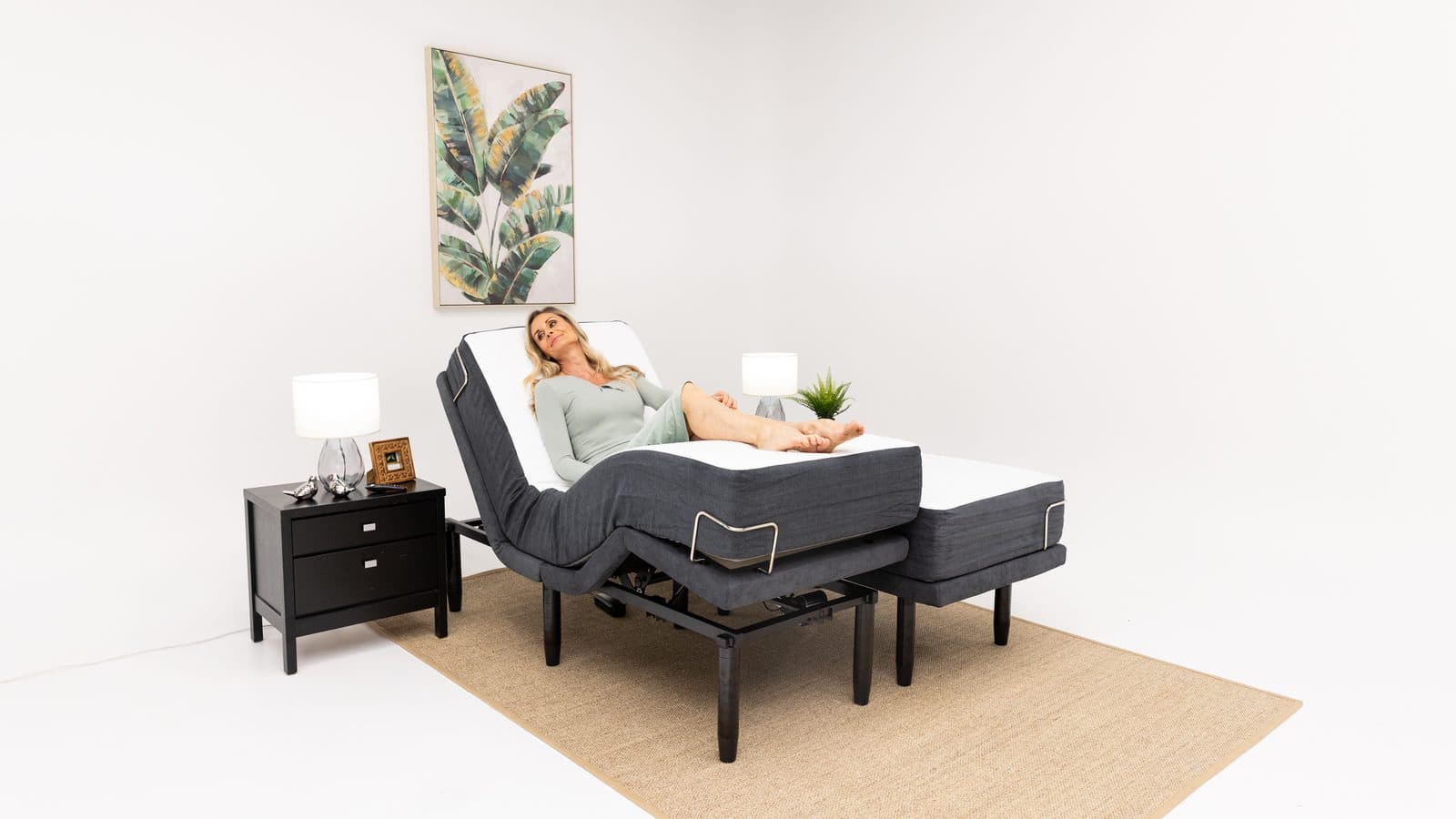
Combine that with an adjustable bed and you can change the shape you’re lying in — head up to read, feet up to take the weight off your legs — while the gel does its cooling job. If you’re curious about the adjustable side of things, our Sophie adjustable beds page goes into more detail.
So, how do you know if the technology is actually doing its job? The 10‑minute heat test we mentioned earlier is a quick sanity check. Place a warm water bottle on the mattress for ten minutes; if the surface cools back to room temperature quickly, the gel is active and effective.
Beyond the mattress itself, the overall sleep environment plays a large role — room temperature, bedding weight and what you wear to bed all change how warm you end up feeling, and none of them are the mattress’s fault.
Watching a short video on the science behind gel‑infused foams can demystify the process. You’ll see how the gel particles are mixed during production and why that matters for long‑term durability.
Another practical tip: if you share the bed with a snorer, a decent set of silicone earplugs costs very little and will do more for your sleep than most mattress upgrades.
Finally, remember that maintenance matters. Keep the mattress cover clean, rotate it every three months, and avoid placing heavy objects that could compress the gel unevenly. A well‑cared‑for gel mattress will retain its cooling performance for years, giving you consistent comfort without the night‑time heat spikes.
Benefits of a Queen‑Size Cool Gel Memory Foam Mattress
Imagine slipping into a queen‑size bed on a hot summer night and actually feeling a gentle, steady chill, not a wave of sweat. That’s the promise of a cool gel memory foam mattress queen, and it’s more than a nice‑to‑have—it’s a game‑changer for anyone who wrestles with heat, pressure, or limited mobility.
Instant temperature regulation
First off, the gel particles act like microscopic heat‑sinks. When you lie down, body heat flows into the gel, which then spreads it out across the surface and into the room air. The result? The mattress surface stays closer to the room’s ambient temperature for hours, not just the first few minutes.
For a senior who wakes up drenched from night sweats, that consistent coolness can mean fewer bathroom trips and a gentler rise in the morning. And for a caregiver, it reduces the stress of constant temperature‑related interruptions.
Pressure‑point relief that lasts
Because the foam still hugs every curve, the gel‑infused layer distributes weight more evenly. That means less concentrated pressure on hips, shoulders, and knees. A side‑sleeping NDIS participant who spends nights on their side often reports reduced numbness when the mattress stays cool, since the nerves aren’t being compressed by overheating tissue.
Think of it like a memory‑foam pillow that never gets “hot spots.” The pressure‑relief stays stable night after night, supporting proper spinal alignment without the sag you see in cheaper foams.
Durability and shape‑retention
Queen‑size gel mattresses usually pair a higher‑density support core (around 4‑5 lb/ft³) with a 2‑inch gel top layer. The dense base holds up to years of use, while the gel stays effective because it doesn’t break down as quickly as plain foam. In our experience, that combination means fewer sags and a mattress that still feels supportive after the warranty expires.
That durability matters for anyone on a budget or for families caring for an elderly relative—replacing a mattress every few years can be a hidden cost you’d rather avoid.
Motion isolation for couples
Even if you share the bed, the gel layer helps absorb movement. When your partner rolls over, you’re less likely to feel it because the gel dampens the vibrations before they travel through the foam. That quiet night can be the difference between a full eight‑hour stretch and a restless toss‑and‑turn.
Actionable steps to maximise the benefits
1. Check the gel placement. A top‑layer gel gives you the fastest cooling. If the gel is buried under a thick foam blanket, you won’t feel the chill until later.
2. Pick the right density. A firmer base supports heavier sleepers and keeps the mattress from bottoming out, while a softer gel top adds comfort.
3. Rotate every three months. This prevents one side from becoming a permanent heat sink and spreads wear evenly.
4. Keep the bedroom between 18‑22 °C (65‑72 °F). Even the best gel can’t beat a scorching room, so a modest thermostat setting helps the mattress do its job.
5. Use a breathable protector. Cotton or bamboo covers let air flow; plastic creates a vapor barrier that traps heat.
6. Consider an adjustable base. Raising the head a few inches improves airflow around the face, and the gel stays exposed to the room air instead of being pressed into a confined space.
In practice
Picture a caregiver helping a parent with chronic lower‑back pain. Swapping an old spring mattress for a queen‑size cool gel model can noticeably ease pain scores because the mattress keeps the spine aligned and the skin cool enough to stay still.
Or consider a young adult with restless legs syndrome. The cooling effect can reduce the frequency of leg twitches, and the motion‑isolating property means a partner isn’t woken up by each flare‑up.
These aren’t miracle cures, but they illustrate how a well‑chosen cool gel memory foam mattress queen can tackle several pain points at once—temperature, pressure, motion, and durability.
Bottom line: the benefits stack up. You get a cooler sleep surface, better pressure distribution, lasting support, and a quieter night for you and anyone sharing the bed. Pair those advantages with simple habits—rotate, protect, and keep the room cool—and you’ll unlock the full potential of a queen‑size cool gel memory foam mattress.
Key Factors to Consider When Choosing a Cool Gel Memory Foam Mattress (Queen)
So you’ve decided a cool gel memory foam mattress queen might be the answer to those sleepless, sweaty nights. Great move. But not every gel‑infused queen is created equal. Below is a down‑to‑earth checklist that helps you separate the truly cool options from the ones that feel more like a warm hug.
1. Gel Placement and Type
Look for a top‑layer gel—either beads or a liquid‑gel infusion—right where your body makes contact. When the gel sits under a thick foam blanket, the cooling effect is delayed, and you’ll still wake up feeling hot.
Here’s a practical tip: someone with restless legs who switches from a mattress with buried gel to one with a surface‑level gel layer often notices leg twitches drop within a week, because the cool surface stays in contact with the skin.
2. Density of the Support Core
A solid core (around 4‑5 lb/ft³) provides long‑term spinal support, while a softer 2‑inch gel top (≈2‑3 lb/ft³) gives the temperature relief. If the core is too soft, the mattress will sag, especially with two sleepers.
Action step: Press your hand into the centre of the mattress while it’s still in the box. You should feel a firm bounce back within a second—that’s a good density indicator.
3. Cover Material and Breathability
The outer fabric should be something like Tencel, bamboo, or a certified breathable polyester blend. These materials wick moisture and let the gel do its job without a plastic vapor barrier.
Example: someone with chronic lower‑back pain sleeping on a queen with a bamboo cover can expect the cover to stay dry, with pain scores improving because the skin doesn’t stick to the mattress.
4. Firmness Level for Your Sleep Position
Side sleepers usually thrive on a medium‑soft feel (≈5‑6 on a 10‑point scale) so the hips can sink without pressure points. Back sleepers often prefer a medium‑firm surface (≈7) for proper alignment. The cool gel layer should work with the firmness, not fight it.
Quick test: Lie on the mattress for a minute. If you feel a “hug” that’s too tight, you might need a softer top layer.
5. Edge Support
Queen‑size beds lose a lot of usable space if the edges give way. Look for reinforced edges—either high‑density foam or a perimeter coil system. This matters for caregivers who help someone get in and out of bed.
Scenario: strong edge support lets a caregiver’s parent sit safely on the side of the bed while blankets are adjusted.
6. Compatibility with Adjustable Bases
Since many of our customers pair a cool gel queen with an adjustable base, make sure the mattress is “adjustable‑base friendly.” That means it can bend without cracking the gel layer.
Pro tip: Check the manufacturer’s spec sheet for a “compatible with adjustable bases” note before you buy.
7. Certifications and Safety
Look for CertiPUR‑US or similar certifications that guarantee low VOC emissions and no harmful flame retardants. A clean‑air mattress is especially important for seniors and NDIS participants with respiratory sensitivities.
8. Longevity and Warranty
Gel‑infused foams tend to retain their cooling ability longer than plain memory foam, but only if the warranty covers at least many years on the core and 5 years on the gel layer.
In practice, a well‑maintained queen can last eight years or more, often needing just a cover replacement rather than a whole new mattress.
Actionable Checklist
- Confirm gel is in the top 1‑2 inches.
- Verify core density ≥4 lb/ft³.
- Choose a breathable Tencel or bamboo cover.
- Match firmness to sleep position.
- Test edge firmness with a hand press.
- Ensure the mattress is adjustable‑base compatible.
- Look for CertiPUR‑US or similar certification.
- Check warranty length on both core and gel layer.
Quick Comparison Table
| Factor | What to Look For | Why It Matters |
|---|---|---|
| Gel Placement | Top‑layer gel beads or liquid gel | Immediate cooling where you touch the mattress |
| Core Density | 4‑5 lb/ft³ support core | Prevents sagging, supports spinal alignment |
| Cover Breathability | Tencel, bamboo, or moisture‑wicking polyester | Allows heat to escape, reduces night sweats |
Take a moment to run through this list while you’re shopping. It may feel a bit like a grocery list, but trust me—checking these boxes now saves you weeks of restless nights later. When you pair the right cool gel memory foam mattress queen with a supportive adjustable base, you’re not just buying a bed; you’re investing in a nightly reset button for your body and mind.
How to Judge a Cool Gel Memory Foam Mattress Queen
Every mattress with gel in it is advertised as sleeping cool. Brand shortlists go stale within a season, and the one that suits a 65‑kilo side sleeper in Hobart is not the one that suits a 110‑kilo back sleeper in Darwin. So instead of a list of names, here is how to read the spec sheet you are handed and work it out for yourself.
Where the gel actually sits
This is the question that separates a cooling mattress from a mattress with cooling in the marketing. Gel dispersed through the whole slab does very little, because the warmth that bothers you is the warmth trapped in the first few centimetres under your skin. You want it concentrated near the surface, and you want the seller to tell you how thick that layer is. If nobody will give you a number, that is your answer.
What the support core is doing underneath
The comfort layer gets the attention and the core does most of the work. Ask for the density of the support layer. A core that is too soft lets your hips drop no matter how good the top felt in the showroom — and a mattress you sink into sleeps warmer too, because you end up in a trough with foam around you on every side.
The cover is not a detail
You can undo a well‑engineered cooling layer with a cheap cover. Tightly woven polyester traps warmth against the surface and stops the foam underneath doing its job. Tencel, bamboo and open‑weave knits let it breathe. It is the cheapest line on the whole spec sheet and the one most often skimped on.
What the warranty is really telling you
A warranty is the manufacturer’s own estimate of how long the thing lasts, written by people with every reason to be optimistic — so read what it actually covers. Foam warranties are commonly void once sagging passes a stated depth. Find that number. It tells you what the maker privately expects to happen.
The honest bit: we don’t sell one of these
Sleep Sophie doesn’t make a cool gel memory foam mattress, and there is no sense pretending otherwise to keep you on the page. What we make is a four‑layer Australian‑made mattress that comes at the heat problem from the other end.
Rather than adding gel to memory foam to offset how much warmth it holds, the top layer is Hygroflex® — a high‑resilience foam that holds less of it to begin with. RMIT University’s School of Engineering measured it against four traditional memory foams. Compared with those, it dissipates heat up to 27% faster, conforms to the body up to 67% better, and takes less than half the force to roll over or change position. That last one matters more than people expect, because you will change position dozens of times tonight. We’ve written up what was measured and what it doesn’t tell you rather than just quoting the figures at you.
If a cool gel queen is genuinely what you want, take the four questions above to whoever you buy from and make them answer all of them. If you’d rather feel the difference between gel‑cooled memory foam and a high‑resilience layer, that is a five‑minute job on a Sophie adjustable bed, and it settles the question better than any spec sheet.
Maintenance and Longevity Tips for Your Queen Cool Gel Memory Foam Mattress
We’ve all been there – you finally get that cool gel memory foam mattress queen, the night feels like a gentle breeze, and then a few months later the surface starts to feel a little… stuck. It’s frustrating, right? The good news is that a few simple habits can keep that refreshing chill and supportive hug lasting for years.
Rotate and Flip (When the Design Allows)
Most queen‑size gel mattresses are designed for a one‑sided use, but the core still benefits from regular rotation. Every three months, give the mattress a 180‑degree turn. If the model is double‑sided, flip it over as well. This spreads wear evenly and prevents one spot from becoming a permanent heat sink.
Think of it like rotating a tire – you wouldn’t drive on the same worn patch forever, would you?
Keep the Cover Breathable
The cover is the first line of defence against heat buildup. Choose a zip‑up cover made from Tencel, bamboo, or a moisture‑wicking polyester blend. Avoid plastic protectors – they trap the gel’s natural airflow and turn your cool oasis into a sauna.
If you need an extra layer, a breathable mattress topper can help — but look for an open‑weave cover rather than a sealed one, or you will simply put a lid on the mattress you just bought.
Mind the Room Temperature
Even the best gel can’t fight a room that’s scorching. Aim for 18‑22 °C (65‑72 °F) at night. A small floor fan or a slightly open window can make a world of difference, especially in the Australian summer.
And if you use a heating pad, place it under the mattress, not on top. That way the gel layer stays exposed to the air and continues to pull heat away from your skin.
Guard Against Spills and Stains
Accidents happen – a glass of water, a late‑night snack. Wipe any spills within a few minutes with a soft, damp cloth. For larger messes, a gentle, pH‑balanced cleaner is safest. Never soak the mattress; excess moisture can saturate the foam and affect the gel’s thermal conductivity.
Pro tip: a removable, washable cover is a lifesaver for families with seniors or NDIS participants who may need extra protection.
Check Warranty and Care Guides
Most reputable brands back their gel core for at least ten years and the gel layer for five. Keep a digital copy of the warranty and note the expiration dates. If you notice sagging, uneven cooling, or any defect, document it with photos and contact the manufacturer early – many warranties require prompt reporting.
Also, skim the care guide that came with the mattress. It often contains brand‑specific tips, like recommended rotating frequency or approved cleaning products.
Quick Maintenance Checklist
- Rotate the mattress every 3 months (flip if double‑sided).
- Use a breathable, zip‑up cover; avoid plastic protectors.
- Keep bedroom temperature between 18‑22 °C.
- Place heating pads underneath, not on top.
- Wipe spills promptly; use gentle cleaners.
- Store warranty info and follow the manufacturer’s care guide.
By treating your cool gel memory foam mattress queen like a trusted sleep partner – a little rotation, a breathable cover, and a comfortable room temperature – you’ll keep that soothing chill night after night. It’s not rocket science; it’s just consistent, sensible care.
Conclusion
We’ve walked through why a cool gel memory foam mattress queen can feel like a nightly reset for anyone dealing with heat, pressure or limited mobility.
So, does it really make a difference? In our experience, the gel layer pulls warmth away the moment you lie down, while the supportive core keeps your spine in a healthy alignment – a combo that many seniors, NDIS participants and caregivers swear by.
Remember the simple habits we covered: rotate every three months, keep a breathable zip‑up cover, and maintain a bedroom temperature around 18‑22 °C. Those tiny steps protect the cooling performance and extend the mattress lifespan.
If you’re still on the fence, try the 10‑minute heat test at home. A quick touch with a warm water bottle should show the surface cooling back to room temperature in under a minute – that’s your proof the gel is doing its job.
When you pair this mattress with an adjustable base, you add airflow around the head and feet, turning a good night’s sleep into a truly restorative one.
Bottom line: the cool gel memory foam mattress queen isn’t a gimmick; it’s a practical solution that tackles night sweats, pressure points and motion transfer without breaking the bank.
Ready to upgrade? Take the checklist, test a few models in‑store or online, and choose the one that feels right for your body and lifestyle.
FAQ
What makes a cool gel memory foam mattress queen different from a regular foam queen?
Regular foam tends to trap heat because the cells are dense and don’t move much. A cool gel version has tiny gel beads or liquid‑gel strands woven into the top layer, acting like microscopic heat‑sinks. When you lie down, body heat transfers to the gel, which then spreads it out to the surrounding air. The result is a surface that stays closer to room temperature for hours, not just the first few minutes.
How can I tell if the gel layer is actually on the top of the mattress?
Press your hand onto the surface – you should feel a slightly firmer, cool sensation right away. If you need to dig a few inches before noticing a chill, the gel is buried too deep. In our experience, the best queens have the gel within the first 1‑2 inches, so the cooling effect kicks in the moment you make contact.
Will a cool gel mattress help my night‑sweats if I’m a senior with limited mobility?
Yes, it can. Night‑sweats are often amplified by a hot sleep surface. The gel draws heat away from the skin, reducing the humidity that builds up under blankets. Pair that with a breathable Tencel cover and a bedroom set to 18‑22 °C, and you’ll notice fewer trips to the bathroom and a more settled morning.
Is a cool gel queen compatible with an adjustable base?
Most modern cool gel mattresses are built to bend without cracking the gel layer, but it’s worth checking the spec sheet. A flexible gel‑infused top won’t crease when the head or foot is raised, so airflow stays uninterrupted. When you lift the head a few inches, you also create a little extra room for cool air to circulate around your face.
How often should I rotate my cool gel memory foam mattress queen?
We recommend a 180‑degree turn every three months. Rotation spreads wear evenly and prevents one spot from becoming a permanent heat sink. If your mattress is double‑sided, flip it too. Think of it like rotating car tires – you don’t want one corner constantly taking the brunt of the load.
Can I use a mattress protector with a cool gel queen?
Absolutely, as long as it’s breathable. A zip‑up cover made from Tencel, bamboo, or a moisture‑wicking polyester blend lets the gel do its job. Avoid plastic or vinyl protectors – they trap heat and can turn the cool surface into a sauna. A washable, breathable protector is the sweet spot for families and caregivers.
What should I do if the mattress stops feeling cool after a few months?
First, check the room temperature – even the best gel can’t beat a scorching bedroom. Next, inspect the cover for any buildup of sweat or dust; a quick wash can restore airflow. Finally, make sure you’re still rotating as advised. If the surface still feels warm after those steps, reach out to the manufacturer’s warranty team – many offer a 5‑year guarantee on the gel layer.
Compare the Sophie range with a real person
No call centres, no scripts — tell us what you need and we’ll give you straight answers on fit, delivery and funding.
1300 975 337 (1300 9 SLEEP) · Australian-based team · Explore the Sophie adjustable bed range
Rated 4.8 from 227 reviews on ProductReview.com.au · Free in-home demonstration · Interest-free options via Humm, Brighte & Payright for approved purchasers
Using NDIS or Support at Home funding?
Sleep Sophie is a registered NDIS provider (4050070896), and Sophie adjustable beds and lift recliners are ARTG-registered Class 1 medical devices (ARTG 326115). Beds can be funded through NDIS assistive-technology budgets where an occupational therapist recommends them; the Support at Home program has its own equipment pathway. We prepare quotes suitable for plan approval — see how NDIS funding works or Support at Home, or call and we’ll walk you through it.
Ask us about this bed
Free delivery and installation, Australia-wide — tell us what you’re after and we’ll get back to you with straight answers.