
Can You Use Any Mattress on an Adjustable Bed? A Practical Guide
22 January 2026 · Nathan Kerrins · Updated 23 July 2026
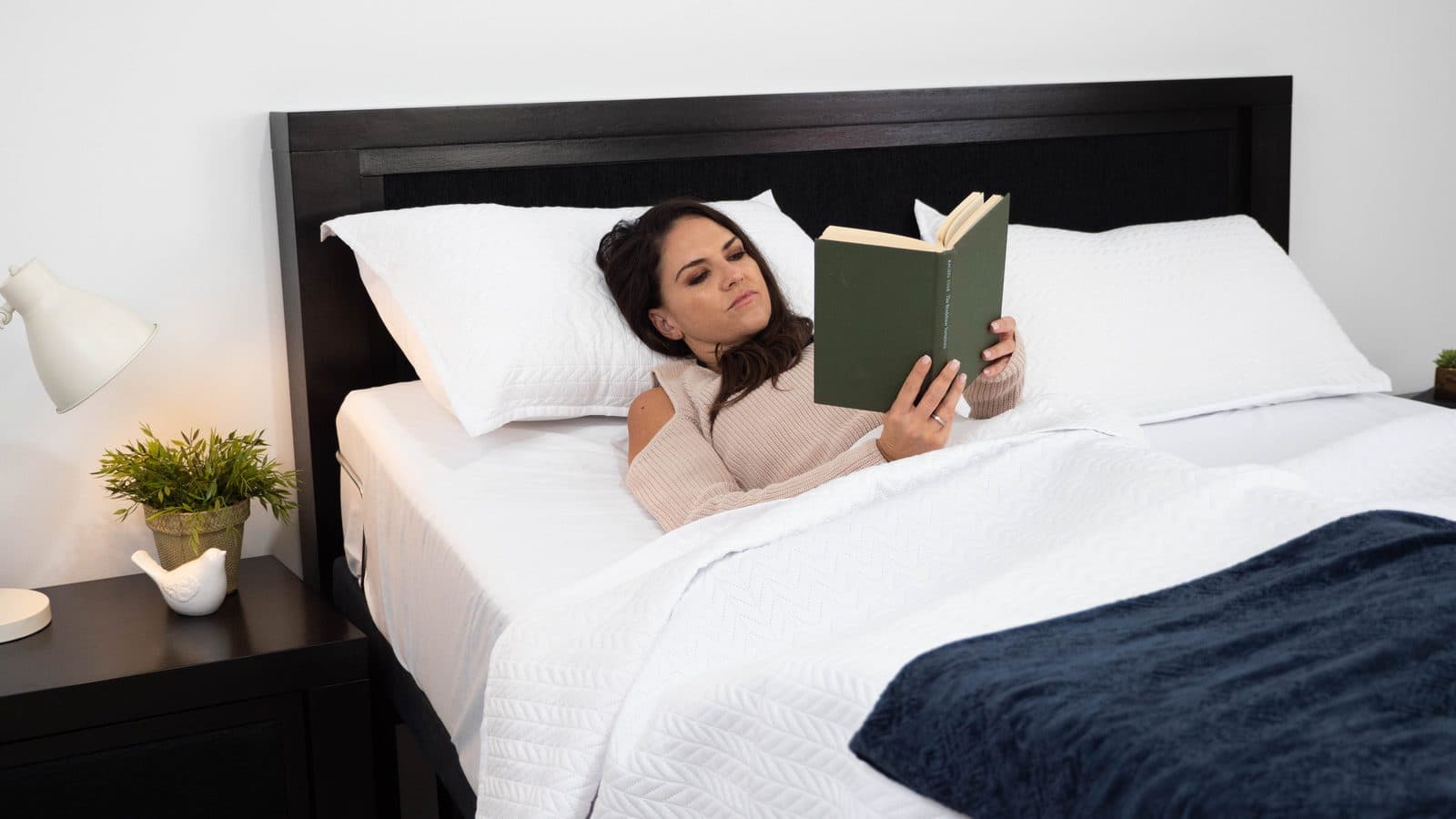
Ever stared at your electric adjustable bed and wondered, “Can I just slap any mattress on it and call it a day?” It’s a common question, especially for folks who’ve just swapped out a traditional bed for a sleek, motorised frame. The short answer is: no. You can’t just use any mattress on an adjustable base.
Think of the bed like a dance floor and the mattress a partner. If the partner is too heavy or too rigid, the dance falls apart. That means uneven support, potential sagging, and in the worst case, damage to the motor or frame.
Memory foam, gel‑infused foam, and hybrid mattresses designed for adjustable bases, on the other hand, are built to flex in sync. They have a softer core, or a ‘floating’ design that lets the base move without a hitch. That’s why Sleep Sophie’s own beds come with recommended mattress types – they’re engineered to move together.
When you’re shopping, look for key phrases: “adjustable‑bed compatible,” “flat‑top” or “slatted‑bottom.” Many Australian retailers now label their products that way, so a quick scan can save you a costly mismatch. And don’t forget the width and weight limits: most adjustable bases handle up to 1,200 kg, but some mattresses can exceed that and strain the motor.
Here’s a quick checklist you can use right now: 1️⃣ Check the mattress type – memory foam or a specially engineered hybrid. 2️⃣ Verify the base compatibility tag. 3️⃣ Confirm the weight rating. 4️⃣ If in doubt, ask the retailer or check the manufacturer’s FAQ. 5️⃣ And, of course, read reviews from people who already use the mattress on an adjustable bed.
Need a solid starting point for your search? What Is Gel Memory Foam Mattress? A Complete Guide covers everything from material science to real‑world use cases.
Once you’ve nailed the type, you’ll need a good mattress. For a seamless pairing, check out Nina‑Bazaar – they’ve got a wide range of Australian‑made mattresses that work perfectly with adjustable bases, plus free shipping on many items.
Bottom line: don’t risk an uneven sleep or damage your investment. Pick the right mattress, double‑check compatibility, and you’ll enjoy that soothing lift and recline all night long.
TL;DR
When you ask if you can use any mattress on an adjustable bed, the short answer is no—inner‑sprung and many other models will strain the motor and compromise support. Opt instead for a mattress engineered for adjustability, such as memory foam or flat‑bottom hybrids, to sync and protect your investment.
How to Verify Mattress Compatibility with Adjustable Beds
When you’re about to upgrade to a motorised frame, the first thing on your mind is the mattress. You might think, “Can I just use any mattress on an adjustable bed?” The short answer is no, and that’s why you need a quick, fool‑proof checklist.
Step 1: Identify the mattress type. Memory foam, gel‑infused foam, and flat‑bottom hybrids are the stars that move in sync with an adjustable base. Inner‑sprung mattresses are a no‑go because they’re too rigid and can dent the motor. If you’re a chronic pain sufferer or an NDIS participant, look for a model that offers contouring support and a softer core.
Step 2: Search for the “compatible” tag. Most Australian retailers use labels like “adjustable‑bed compatible,” “flat‑top,” or “slatted‑bottom.” A quick scan of the product page can save you from a costly mismatch. And if you’re a caregiver, a clear label means less trial and error for your client.
Step 3: Verify weight and size limits. Adjustable bases usually support up to 1,200 kg, but some mattresses can exceed that threshold. If you or a family member is on the heavier side, double‑check the mattress weight rating. A mattress that’s too heavy can over‑stress the motor and shorten its lifespan.
Step 4: Test the movement. Before you commit to a purchase, sit on the base and lift the head or foot section. If the mattress feels stiff or refuses to follow the motion, it’s a red flag. For those who use a lift recliner chair, this step ensures the seat and mattress stay in sync.
Step 5: Ask the experts. The manufacturer’s FAQ often lists recommended mattress models. If you’re still unsure, reach out to the customer support team. Many brands, including Sleep Sophie, have a quick chat function to answer these exact questions.
While you’re at it, you might want to read up on wellness tech that complements your sleep set‑up.
For European users or those curious about global standards, Alexahaz offers a comprehensive guide on mattress materials and how they interact with adjustable systems.
After you’ve done the test, make sure the mattress sits evenly on the base. A simple feel‑check can catch unevenness before you hit “sleep mode.” If everything feels right, you’re good to go.
Remember, the goal is comfort that lasts. A well‑matched mattress and bed make every night feel like a fresh start.
So, what’s the takeaway? Don’t gamble with a random mattress. Stick to memory foam or flat‑bottom hybrids, double‑check weight limits, and run a quick test. Once you’ve done that, you’ll enjoy smooth motion, better support, and a longer lifespan for both mattress and base.
Understanding Mattress Types and Their Suitability for Adjustable Beds
So you’ve already settled on an adjustable base, but now the big question is: can you just slap any mattress on it?
The short answer is a firm nope. Your mattress has to be engineered to move with the bed. Let’s unpack what that really means.
Foam and Memory Foam
Foam is the darling of adjustable bases. Its cells collapse and rebound, so the whole surface flexes smoothly when the head or foot is lifted.
Because it lacks rigid wires, the core stays intact even after dozens of lifts. That’s why we see the bulk of our recommended mattresses fall into this category.
Looking for a quick reference? Good Housekeeping’s comprehensive guide breaks down the top foam models and how they perform.
Hybrid Mattresses
Hybrid mix foam with pocketed coils. If the coils are individually wrapped, they can bend independently, so the mattress keeps its shape.
However, hybrids that use interconnected coil systems or perimeter border wires are a no‑go. The rigid wire would buckle and eventually crack under repeated motion.
So when you’re eyeing a hybrid, confirm it’s “adjustable‑bed friendly” or check the coil design. Many of the best sellers offer a flat‑bottom core that works in tandem with the base.
Traditional Innersprings
Traditional innersprings with Bonnell or offset coils are the least compatible. Their coils run continuously across the mattress, making it impossible to flex without breaking the springs.
Even if the surface feels nice at first, you’ll end up with a warped base and a compromised warranty.
Key Features to Check
- Flat‑Top Design: A flat surface keeps the head and foot sections level.
- No Rigid Border Wires: Look for foam or fabric edge support.
- Thickness: Most bases handle up to 14–16 inches; stay within that limit.
- Label: “Adjustable‑Bed Compatible” is a good sign.
Remember, it’s not just about comfort— it’s about durability and motor longevity.
How the Engineering Makes a Difference
Engineer Fix explains that the core challenge is articulation—the mattress must bend without creating stress points. Foam’s open‑cell structure and latex’s resilience are perfect for this. Hybrids with pocketed coils share the same benefit.
In contrast, a rigid wire frame will buckle and can void warranties if the mattress is used on an adjustable base.
Want a deeper dive into the mechanics? Engineer Fix’s article covers the science behind mattress compatibility.
So, what’s the takeaway? Stick with foam or a verified hybrid. Skip the old‑school innersprings unless they’re specifically engineered for motion.
When you pair the right mattress with your adjustable base, you get smooth, seamless positions—no wobble, no warping, and a longer lifespan for both mattress and motor.
That’s the foundation for a night that actually feels like a reset. You’ve got the bed, now let the mattress do its part.
Common Mistakes to Avoid
First, don’t just trust the “queen size” label. Size doesn’t guarantee adjustability; it only tells you the dimensions.
Second, ignore the weight limit. A heavy hybrid over 80 kg per square metre can over‑stress the base and shorten its life.
Third, assume “memory foam” equals “compatible.” Some budget memory foams have a thick edge wire that will crack.
Finally, don't skip the demonstration. Seeing the bed move before you commit tells you a lot. Without it, you risk a silent failure.
What If You Already Have the Wrong Mattress?
Don’t panic. If you’re stuck with a stubborn innerspring, the simplest fix is to add a mattress topper that’s flat‑top and flexible. It can absorb the motion and keep the base working.
Another option is to switch the base to a “fixed‑frame” bed that doesn’t move. That removes the articulation issue entirely.
But if you love the adjustability, the safest move is to invest in a new mattress that’s certified for your base.
Top 5 Mattress Materials for Adjustable Beds: Pros and Cons
Finding a mattress that sings with an adjustable base is like pairing a good pair of shoes with a great outfit. You want something that moves with you, not something that fights back.
Below are the five star players—memory foam, latex, pocket‑coiled hybrids, gel‑infused foam, and air mattresses. We’ll break down why each works, where they stumble, and how to pick the one that feels right for you.
1. Memory Foam
Memory foam is the classic choice because it’s flexible and moulds to the body. When your base lifts, the foam slides smooth, keeping the head and foot sections level.
Pros: Excellent contouring keeps pressure points happy. Quiet—no squeaky springs. Durable if you pick a high‑density model.
Cons: It can feel a bit sticky in hot rooms. Some cheaper foams have a thick edge that cracks when the base moves.
2. Latex
Latex is naturally resilient, so it flexes without the need for extra layers. Think of it as a rubber band that never snaps.
Pros: Temperature neutral keeps you cool. Eco‑friendly if you choose natural latex. Long‑lasting and doesn’t sag as quickly.
Cons: It’s heavier, which can strain an older base. And the cost? It tends to sit at the higher end of the price spectrum.
3. Pocket‑Coiled Hybrid
Hybrid mattresses combine memory foam on top of pocketed coils. The coils act like individual springs, so they bend independently when the bed tilts.
Pros: Great support for back and side sleepers. Breathable thanks to the open coil design. Forbes’s guide highlights hybrids as top picks, and many come in a split‑king format.
Cons: If the coils are wired together, the mattress won’t flex well. Watch for models with a perimeter wire that can crack.
4. Gel‑Infused Foam
Gel‑infused foam mixes memory foam with a cooling gel layer. It’s like a spa for your mattress.
Pros: Cooler sleep for hot sleepers. Good motion isolation so you won’t feel a partner’s shift.
Cons: The gel can settle over time, reducing the cooling effect. And the extra layer adds a bit of bulk.
5. Air Mattress
Air mattresses let you tweak firmness on the fly. A few pumps and you can shift from a soft pillow to a firm board in a matter of seconds.
Pros: Customisable firmness for each side of the bed. Easy to adjust after you’ve fallen asleep.
Cons: Requires a pump—can be a hassle if you’re a night owl. Some models are pricier and need extra care to avoid leaks.
Does the list make sense? If you’re a chronic pain sufferer or an NDIS participant, the key is a material that flexes with your base without adding extra weight or strain.
What if you’re on a tight budget? A mid‑tier memory foam or a budget hybrid often hits the sweet spot between comfort and cost. Just make sure it has a “flat‑top” design and no rigid edge wires.
Want to test before you buy? Ask what the retailer's returns policy allows. That’s your chance to lift the base a few times and feel for any warping or creasing.
In short, the best mattress for your adjustable bed is one that flexes, breathes, and keeps your spine in line. Memory foam and hybrids lead the pack, but latex and gel‑foam are solid options if you’re looking to stay cool.
Ready to upgrade? Take a quick snapshot of your base’s weight limit, your height preference, and your budget, then match it to one of these five materials. Your future self—sleeping soundly—will thank you.
Comparing Mattress Firmness and Adjustability: A Data Table
We’re not going to beat around the bush—no mattress is a one‑size‑fits‑all when you’re riding the lift on an adjustable base. That means if you’ve ever asked, can you use any mattress on an adjustable bed?, the answer is a resounding no. But how do you decide which one will glide with your motorised frame? Let’s break it down.
First, think of the bed as a stage and the mattress as the performer. If the performer is too stiff, the choreography falls apart. That’s why firmness matters—too firm, and the mattress won’t flex; too soft, and it can sag when the base lifts.
We’ve mapped the top four material‑firmness combinations most people rely on with a quick comparison table. It pulls the key specs, the ideal user profile, and a real‑world tip for each. Feel free to use it as a cheat sheet the next time you’re scrolling through product pages.
| Material | Firmness Range (0‑10) | Best For | Key Consideration |
|---|---|---|---|
| Memory Foam | 4–7 | Side sleepers & moderate pain relief | Look for a flat‑top, no edge wire. |
| Gel‑Infused Foam | 3–6 | Hot sleepers & pressure‑point relief | Check for a breathable gel layer. |
| Hybrid with Pocketed Coils | 5–8 | Back sleepers & those needing edge support | Confirm coils are individually wrapped. |
Now, let’s unpack each row with a bit more depth. Remember, the numbers aren’t rigid—your personal comfort and health needs shape the ideal range.
Memory Foam (4–7)
This classic choice is a favourite for people with mild to moderate chronic pain. Because the foam collapses and rebounds with the body, it stays level when you raise the head or foot. If you’re a side sleeper, a 5‑6 firmness feels like a gentle cradle. But if you’re on the heavier side, the mattress might feel a tad too yielding, so you’d want a 6‑7 or a hybrid backup.
Gel‑Infused Foam (3–6)
For the “I get hot at night” crowd, gel keeps the surface cooler without sacrificing contour. The key to a good gel‑foam mattress on an adjustable base is a Cool Gel Memory Foam Mattress Queen: A Complete Buying Guide—it gives you the full rundown on edge‑wire-free designs that glide smoothly. Just remember, the gel layer can settle over time, so you’ll want a model with a thick support core.
Hybrid with Pocketed Coils (5–8)
Back sleepers or anyone who likes a firmer feel often turn to hybrids. The individual coils mean each section can bend separately, which is a huge win for motorised beds that lift different corners. If you’re an NDIS participant or an elderly person needing extra edge stability, a 7‑8 firmness can help keep the mattress flat when you’re in a high‑angle position.
What about the “can you use any mattress?” question again? The short answer: no. Even the best foam or hybrid will struggle if the base tries to lift a mattress with rigid wire or heavy inner‑spring core. A quick test is to lift the base to 45° and observe if the mattress stays flat—any warping is a red flag.
So, what’s the next step? Grab a weight scale, measure the mattress’s mass, and cross‑check it against your base’s weight limit. Then pick a firmness within the recommended range for your sleep style. If you’re still unsure, ask the retailer what its returns policy allows—use any such period to raise and lower the bed several times and feel for any unevenness.
We’ve also found that pairing a mattress with an adjustable bed base guide can help you spot any hidden incompatibilities. After all, a smooth ride is as much about the motor as it is about the mattress.
Beyond the mattress itself, you might want to think about how firmness ties into overall pain management. If you’re dealing with back or joint issues, a health coach can recommend a firmness level tailored to your condition.
In a nutshell, the key to a pain‑free, adjustable‑bed experience is choosing a mattress that is both firm enough for support and flexible enough for motion. Use the table above as a quick reference, test a few setups in your own home, and remember that a little research—plus a trusted health coach if you’re unsure—can make all the difference.
Budget vs. Premium: What to Expect on Adjustable Beds
So, you’re on the hunt for a new adjustable base but wondering if you can just grab any mattress you like. The short answer is: no. It’s a bit like trying to fit a square peg into a round hole; you’ll either end up with a warped mattress or a motor that quits early.
Why the Material Matters
Think of the mattress as the dance partner to your motorised base. If the partner is rigid—like a classic innerspring—it can’t move with the base’s rhythm. That creates stress points, rattling, and a quicker wear‑out of the motor. Softer, flexible options like memory foam or a pocket‑coiled hybrid keep the whole dance floor level.
For people with chronic pain or NDIS participants who need precise positioning, that flexibility isn’t just a luxury; it’s a functional necessity. A mattress that bends smoothly lets the base lift each side independently, easing pressure on joints and spine.
Budget Picks That Work
If you’re watching your wallet, look for a “flat‑top” memory foam mattress in the lower‑mid price range. Ask what the returns policy allows, so you can test lift cycles before committing. A good budget hybrid with individually wrapped coils can also be a solid choice—just make sure it’s labelled “adjustable‑bed friendly.”
Key signs of a budget‑friendly, compatible mattress: no rigid edge wires, a thickness of 14 inches or less, and a weight that sits comfortably below the base’s 1,200 kg limit. Many retailers offer free shipping on these models, which helps keep costs down.
Premium Options for the Serious Sleeper
Premium mattresses tend to feature higher‑density foams, advanced cooling gels, or proprietary spring designs that maintain firmness while still flexing. These come with longer warranties—often up to five years—and a more refined edge‑support system that keeps the mattress flat even after repeated lifts.
For seniors or those with mobility issues, a premium mattress can mean the difference between a night of restless tossing and a restorative sleep that supports therapeutic positioning. The investment can pay off in reduced back pain and fewer motor repairs.
What to Expect When You Combine the Two
Mixing a budget base with a premium mattress is usually fine, as long as the mattress’s weight stays within the base’s limits. However, pairing a cheap base with a high‑end mattress can lead to the base’s motor struggling to lift the heavier weight. In that case, consider upgrading either the base or the mattress for a smoother experience.
Conversely, a high‑end base paired with an inexpensive mattress can still function, but you might not get the full benefit of the motor’s precision if the mattress isn’t built for motion. In many cases, the cheaper mattress will wear out faster because it’s not designed to flex repeatedly.
Practical Checklist for Your Next Purchase
- Check the mattress label for “adjustable‑bed compatible” or “flat‑top design.”
- Verify the weight rating of the mattress and ensure it’s well below the base’s 1,200 kg limit.
- Look for a demonstration option—at least 30 days—to test lifts and drops.
- Ask about the warranty on both the mattress and the motor; a longer warranty on the motor can be a sign of quality.
- Read user reviews that mention adjustable beds specifically; real‑world feedback often reveals hidden issues.
Bottom line: you can’t just use any mattress on an adjustable bed. The choice of material and construction determines whether the base can move smoothly without compromising support or longevity. Whether you’re on a tight budget or ready to invest in premium comfort, make sure the mattress you pick is engineered for motion. That way, you’ll enjoy the full therapeutic benefits of an adjustable base without the frustration of a wobbling, sagging mattress.
Maintenance Tips for Longevity of Your Mattress on an Adjustable Bed
We’ve all been there: the first night you lift the head of the bed, the mattress wobbles, and you’re left wondering why your new adjustable base feels like a wobbly see‑saw. Trust me, it’s not a fluke – it’s a cue that maintenance matters.
1. Keep the Deck Clean and Dry
Dust builds up faster on an electric frame than on a static one. A soft microfiber cloth every fortnight will keep the metal deck free of grit that can cause the mattress to slip. If you notice a faint sheen, wipe with a lightly dampened cloth and dry it immediately; moisture can sneak into the screws and create rust.
2. Check the Retainer Bars
Most Sleep Sophie bases come with a low‑profile bar that sits at the foot of the bed. It’s designed to lock the mattress in place when you lift the head. After a month or two of use, feel the bar’s edge—if it feels loose, gently tighten the screws. A snug bar is your first line of defence against sliding.
3. Add a Non‑Slip Pad (If Needed)
When the mattress still slides despite a proper bar, it’s time to introduce a high‑friction pad. Materials like rubberized shelf liners or heavy‑duty rug pads work wonders. Cut them to fit the deck and place them directly under the mattress’s centre; the extra grip will hold the surface steady during adjustments. See how to install a retainer bar or pad for a deeper dive.
4. Rotate and Flip Your Mattress
Even a flexible mattress will develop soft spots if you sleep on the same spot all night. Rotate every 3‑4 months and, if the model allows, flip it every 6‑7 months. This spreads wear evenly and keeps the material responsive. If you’re unsure whether flipping is safe, check the manufacturer’s manual or the Blissful Nights guide for best practices.
5. Mind the Weight Limit
Every adjustable base has a maximum load. Exceeding it not only hurts the motor, it can force the mattress to stretch and deform faster. We’ve seen people add a heavy topper without checking the base’s rating; the result? A mattress that starts to sag after a few weeks. Keep your total weight well below the limit—ideally by at least 20 kg—to give your mattress room to breathe.
6. Protect Against Moisture and Spills
Spills happen. A mattress protector that’s both waterproof and breathable keeps the foam intact. When you’re on the move, a quick wipe‑down with a damp cloth will prevent any residue from settling into the seams. Don’t forget to vacuum the surface every few months to keep dust from compressing the fibres.
7. Listen for Strange Noises
If the motor starts rattling or you hear a thudding sound each time you adjust the bed, the mattress might be flexing unevenly. That’s a sign of internal wear. Stop using the mattress until you can test the base without it, and consider replacing it if the sound persists.
8. Follow the Manufacturer’s Routine
Sleep Sophie’s base comes with a care sheet. Stick to the recommended cleaning intervals and component checks. A quick monthly inspection of the screws, hinges and motor can catch loose parts before they become a problem.
By treating your mattress like the partner it is to your adjustable bed—respecting its limits, giving it routine care, and watching for early warning signs—you’ll keep both pieces in top shape for years. The result? A smooth lift, a steady sleep surface, and a longer lifespan for that investment you’re proud of.
Conclusion
Let’s wrap this up in plain talk: if you’re dreaming of a smooth lift, you can’t just slap any mattress on an adjustable bed. Inner‑sprung beds and most wired coils will bite the motor and wear out fast. That’s why a flat‑top, foam‑based mattress built for motion is the only safe bet.
So, what should you do next? First, grab a mattress that carries an “Adjustable-Bed Friendly” tag or a clear flat‑top design. It should have no rigid edge wires and stay under the base’s weight limit. That tiny detail keeps the motor from over‑working and keeps your sleep surface level no matter the angle.
In practice, a memory‑foam or pocket‑coil hybrid gives you the same contouring comfort while letting the bed tilt freely. If you’re a chronic‑pain sufferer or an NDIS participant, that flexibility can be a game‑changer for positioning relief.
Remember, you’re investing in a partnership: the base and the mattress must dance together. Skip the old‑school innerspring and stick to a motion‑friendly model. That’s the sweet spot for longevity, comfort, and a quiet night’s sleep.
So, give your bed the right mate and enjoy the peace of a well‑aligned night—your body will thank you tomorrow, every morning.
FAQ
Can you use any mattress on an adjustable bed?
Short answer: No. Inner‑sprung and wired‑coil mattresses flex poorly, so the motor works overtime and the mattress warps. A flat‑top, foam‑based design is the only type that moves smoothly with the bed, keeping the surface level at every angle. If you’re unsure, check the mattress label for “Adjustable‑Bed Friendly.”
What should I look for on a mattress label?
Look for keywords like “Flat‑Top Design” or “Adjustable‑Bed Compatible.” A clear tag means the core is engineered to bend without creating stress points. If the label is vague, ask the retailer for the technical spec sheet; that will confirm whether the mattress can handle the motor’s lift cycles without damage.
Will a memory‑foam mattress last longer on an adjustable bed?
Yes—when it’s a high‑density, flat‑top model. Memory foam collapses and rebounds evenly, so it distributes weight evenly as the bed tilts. Over time, the foam’s resilience prevents the edges from cracking, meaning you’ll get a longer lifespan for both the mattress and the base’s motor.
Can a hybrid mattress work with an adjustable bed?
Only if the coils are individually wrapped and the mattress has a flat‑bottom core. Pocketed‑coil hybrids flex like foam, so they can move with the bed. Avoid hybrids that use perimeter wires or interconnected coils, as those rigid elements will bite the motor and shorten its life.
What if I already own an innerspring mattress?
It’s safest to replace it with a motion‑friendly model. As a stopgap, you can add a flat‑top topper to absorb the movement, but this is a band‑aid. For full therapeutic benefits—especially for chronic‑pain or NDIS participants—switching to a foam or hybrid mattress is the best long‑term solution.
How does the mattress weight affect the adjustable base?
Most bases have a 1,200 kg limit. If your mattress exceeds that, the motor will strain and wear out faster. Weigh the mattress, compare it to the base’s rating, and keep a margin of at least 20 kg. A lighter, well‑balanced mattress keeps the motor running quietly and extends its warranty.
Do I need a demonstration option before committing?
Absolutely. Time with the bed lets you lift and lower it several times to spot warping or unevenness. If your mattress stays flat and the motor stays quiet, you’ve got a match. If you notice any slippage or noise, it’s time to reconsider the mattress choice.
Is there a quick test I can run at home?
Yes—lift the head of the bed to 45°, then lower it. Watch the mattress surface. If it stays level and the edges don’t lift, it’s compatible. If you see creases or the mattress tilts, the material isn’t designed for motion and should be replaced.
This article is general information, not medical advice. For guidance on your situation, talk to your GP or occupational therapist.
Wondering if an adjustable bed would suit your situation?
Our sleep experts talk with Australians in similar situations every day. No pressure, no jargon — just honest answers about what may help you rest more comfortably.
1300 975 337 (1300 9 SLEEP) · Australian-based team · Explore the Sophie adjustable bed range
Rated 4.8 from 227 reviews on ProductReview.com.au · Free in-home demonstration · Interest-free options via Humm, Brighte & Payright for approved purchasers
Using NDIS or Support at Home funding?
Sleep Sophie is a registered NDIS provider (4050070896), and Sophie adjustable beds and lift recliners are ARTG-registered Class 1 medical devices (ARTG 326115). Beds can be funded through NDIS assistive-technology budgets where an occupational therapist recommends them; the Support at Home program has its own equipment pathway. We prepare quotes suitable for plan approval — see how NDIS funding works or Support at Home, or call and we’ll walk you through it.