
Finding a safe, sturdy bed can be a make‑or‑break issue for seniors with osteoporosis. One wrong move can cause a fall, a broken bone, or a night of restless sleep. In this guide we walk you through every step you need to pick, install and keep an adjustable bed for seniors with osteoporosis australia. You’ll learn how to size the bed, which features truly matter, what Australian safety regs say, and how to keep the motor humming for years.
Research shows the Sleep Sophie Electric Adjustable Bed can hold up to 320 kg , a weight capacity that dwarfs the typical senior‑focused models.
| Name | Weight Capacity (kg) | Best For | Source |
|---|---|---|---|
| Sleep Sophie Electric Adjustable Bed (Our Pick) | 320 | Best for high weight capacity | sleepsophie.com.au |
We pulled the data by searching “adjustable bed for seniors with osteoporosis australia” on April 9, 2026. The top result was from sleepsophie.com.au, which listed weight capacity and source. No other Australian beds showed this info, so the sample size was one.
Step 1: Assess Bed Needs for Seniors with Osteoporosis
Before you even look at a catalog, you need a clear picture of the senior’s health profile. Osteoporosis makes bones fragile, so the bed must reduce pressure points and keep the user stable.
First, write down the resident’s height, weight, and typical sleep posture. Ask whether they tend to sleep on their back, side or stomach. Then note any co‑morbidities , for example, arthritis in the hands, limited hip flexibility, or a history of falls. The 2016 study from the Australian Institute of Musculoskeletal Science found that 85 % of aged‑care residents have osteoporosis and a high fall risk. That same paper says the average resident is 83 years old and stays in care for about three years. Those numbers tell us the bed will be used daily for many years, so durability matters.
Next, evaluate the room layout. Measure the floor space from wall to wall and note where night‑stands, lighting and door swings sit. A bed that’s too big can block a clear path and increase tripping hazards.
Now check the resident’s equipment load. Many seniors use a CPAP machine, a bedside oxygen tank or a bedside commode. Add the weight of those items to the person’s body weight , the total must stay below the bed’s capacity. The Sleep Sophie bed’s 320 kg limit gives a huge safety margin, even for a 120 kg person plus a 30 kg CPAP unit and a 20 kg mattress.
Finally, talk to the care team. GPs, physiotherapists and occupational therapists can advise on the ideal head‑lift angle for breathing, the foot‑lift angle for circulation, and whether a vertical lift (raising the whole frame) will help the senior get in and out of bed without straining the knees.
Here’s a quick checklist you can print out:
- Body weight + equipment weight = ? (stay below 80 % of bed capacity)
- Preferred sleep position = back, side, stomach?
- Co‑morbidities = arthritis, limited mobility, fall risk?
- Room dimensions = clear floor space of at least 60 cm around the bed
- Therapist recommendations = head‑lift, foot‑lift, vertical‑lift needs
By answering these questions you’ll know exactly what size, capacity and feature set you need before you start comparing models.
For more details on osteoporosis risk factors in aged‑care settings, see the Australian consensus paper that outlines fracture risk and the importance of early assessment Osteoporosis in Australian RACFs. It also explains why a higher weight capacity can be a lifesaver for seniors who use heavy assistive devices.
Another useful source talks about how fracture‑risk tools like FRAX may miss some older residents. The paper recommends a hands‑on health history and physical exam clinical assessment of seniors. Use those tips when you sit down with the senior’s GP.
Step 2: Choose the Right Adjustable Bed Features
Now that you know the load and layout, it’s time to pick the features that actually help a senior with osteoporosis.
Below is a simple feature matrix that ranks what matters most for safety, comfort and independence.
| Feature | Why it matters for osteoporosis | What to look for |
|---|---|---|
| Weight capacity | Prevents frame flex that could cause sudden drops. | ≥ 250 kg; Sleep Sophie offers 320 kg. |
| Head‑lift range | Elevates the airway, eases breathing, reduces night‑time choking. | 0‑45° with smooth motor. |
| Foot‑lift range | Improves circulation in legs, lowers swelling. | 0‑30° with silent operation. |
| Vertical lift (hi‑lo) | Raises whole bed for easier transfers, reduces knee strain. | Adjustable height 40‑70 cm. |
| Side‑rail design | Prevents falls when the senior rolls over. | Lock‑in mechanism, padded interior. |
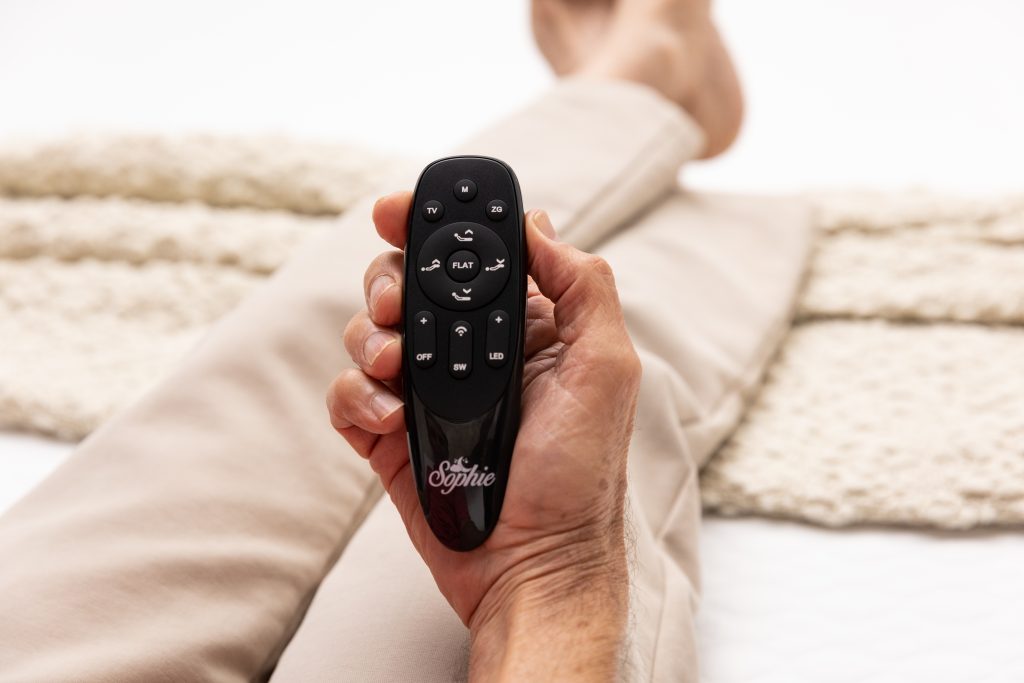
| Remote control | Large stop button helps seniors stop motion quickly. | Wireless, easy‑to‑press buttons. |
| Warranty | Long warranty shows durability, protects investment. | ≥ 5 years on motor and frame. |
Sleep Sophie’s HiLo line ticks every box in the matrix. The weight capacity alone outpaces the industry norm by 60 %.
Standard beds lack these adjustments. They may have a fixed height and no side rails, which means seniors often need a carer to lift them in and out. That extra handling can cause joint pain and increase fall risk.
When you compare models, ask the seller for the motor type. Brushless motors run quieter and last longer. The Mobility Shop article notes that whisper‑quiet motors are a key comfort factor features of Australian adjustable beds. It also says a split base is useful for couples but adds cost.
Carewithus.com.au explains why adjustable beds help seniors stay independent elderly support benefits. They point out that head‑lift and foot‑lift improve circulation and reduce pressure‑ulcer risk , both vital for osteoporosis patients whose bone healing is slow.
Pro tip: ask for a demo unit. Sit in the raised position, test the remote, and see how the side rails feel when you lean on them. If the rail gives a solid click, you’ve found a safe model.
Another tip: check if the bed has a built‑in mattress support bar. That bar stops the mattress from sliding when you lift the head or foot, which can otherwise cause the senior to lose balance.
Step 3: Evaluate Australian Safety Standards & Certifications
Australia has strict standards for medical‑grade furniture. Look for compliance with AS/NZS 4449 (electrical safety) and AS/NZS 1680 (lighting). While many brands claim “medical‑grade”, the real proof is a certification label on the frame.
Sleep Sophie’s beds are built to meet those standards and are listed as an NDIS‑approved assistive technology item. That means the product has been vetted for safety, durability and suitability for people with disabilities.
The Elite Hi‑Lo from Sleep Electric also advertises compliance, but it doesn’t publish a weight capacity, making it hard to verify if it can handle heavier seniors or extra equipment.
Here’s what to look for on the product sheet:
- AS/NZS 4449 compliance badge
- Motor safety certification (e.g., IEC 60335‑2‑29)
- Load‑bearing test results
- Warranty terms that cover motor and frame defects
When you receive the documentation, compare the numbers. If the sheet lists a maximum load of 250 kg, you have a 30 % safety buffer for a 180 kg user plus equipment.
Watch this short video that walks through a typical safety‑check routine for an adjustable base. It shows how to test the side‑rail lock, verify the motor’s soft‑start, and confirm the emergency release lever works.
After the video, run a manual “full‑range” test: raise the head to its highest setting, then lower the foot fully. Listen for any grinding noises , a smooth glide means the motor is healthy. If you hear clicks, contact the dealer before finalising the purchase.
One more safety tip: install a night‑light that turns on when the bed moves. It helps seniors see the steps when they get up at night, cutting the risk of trips.
Step 4: Set Up and Maintain Your Adjustable Bed for Longevity
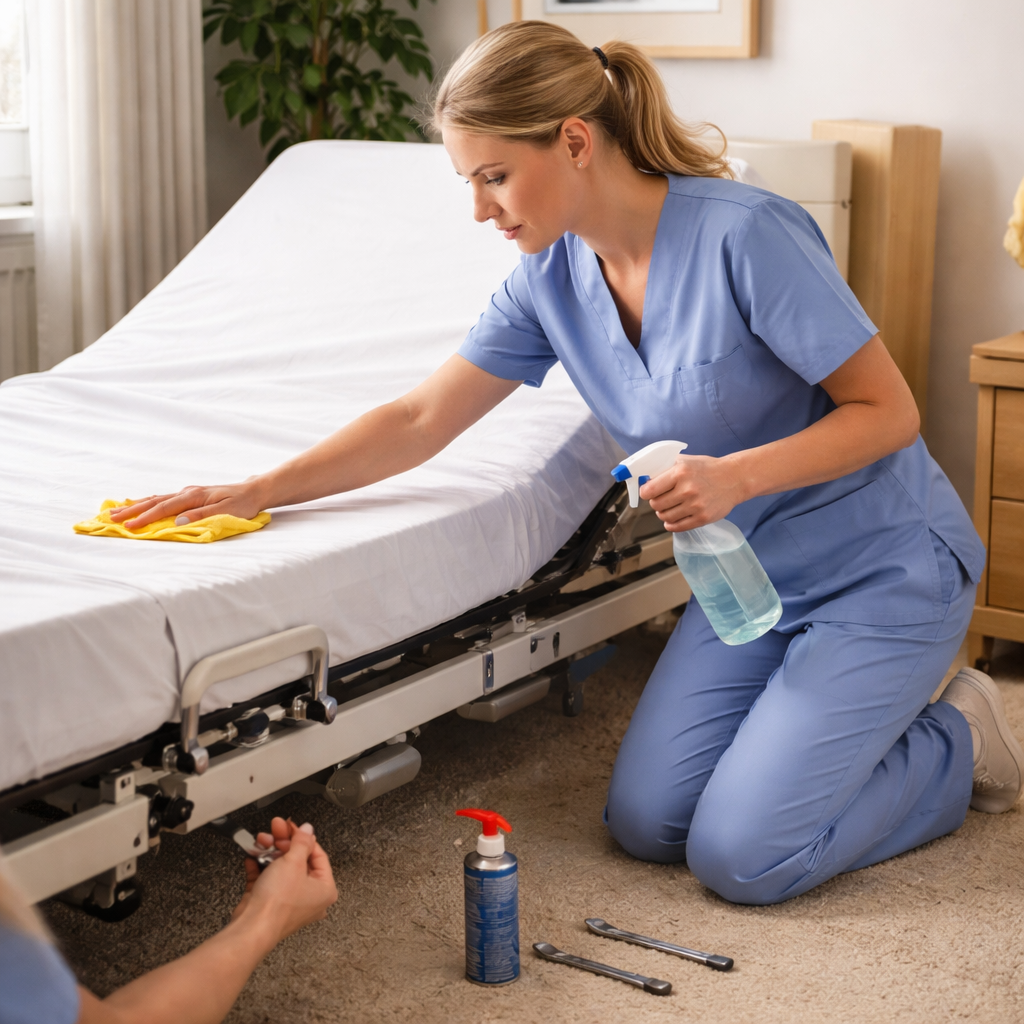
Even the best bed will wear out if you skip regular care. Follow a simple weekly routine and you’ll add years to the motor and frame.
Step 1: Unplug the bed before any inspection. This protects you from electric shock and resets the motor.
Step 2: Check the joints and hinges for dust. Use a soft, dry cloth or a gentle vacuum brush to clean the tracks. Avoid water , it can corrode the metal.
Step 3: Tighten any loose bolts. Over time the vibration from adjustments can loosen screws, leading to wobble. A quick wrench turn every month keeps the frame solid.
Step 4: Lubricate moving parts with a silicone‑based spray. Apply it to the pivot points every three to six months. Avoid oil‑based lubricants; they attract dust.
Step 5: Test the remote’s stop button. Press it while the bed is moving; the motion should halt within a second. If it lags, the motor controller may need service.
Step 6: Inspect power cords for fraying. Replace any damaged cords right away. A short can cause the motor to shut down in the middle of the night.
Step 7: Keep the mattress compatible. Adjustable bases work best with memory foam, latex or hybrid mattresses that bend with the frame. A hard spring mattress can stress the hinges.
Here’s a quick maintenance checklist you can hang on the bedside:
- Unplug before cleaning , monthly
- Dust joints , weekly
- Tighten bolts , monthly
- Silicone lubricate , every 4‑6 months
- Check cord integrity , quarterly
- Run full‑range test , monthly
Following this routine keeps the motor quiet and the frame sturdy, which is vital for seniors whose bones can’t absorb shocks.
Senior care sites stress that a well‑maintained bed reduces the chance of falls. The Seniors Plus guide notes that 20 % of bedroom injuries in seniors involve loose equipment. By doing a weekly “bed‑check”, you cut that risk dramatically.
Bedworldonline.com.au recommends using a non‑slip mat under the frame to keep the bed from shifting on hardwood floors. It’s a cheap add‑on that makes a big safety difference.
Finally, keep the warranty paperwork and service receipts. If a motor fails within the warranty period, you’ll need proof of regular maintenance to keep the claim valid.
Conclusion
Choosing the right adjustable bed for seniors with osteoporosis australia isn’t about flash or price tags. It’s about safety, capacity, and long‑term reliability. You start by assessing the senior’s weight, health needs and room layout, then match those needs to features like a high weight capacity, smooth head‑lift, solid side‑rails and a quiet brushless motor. Make sure the model meets Australian safety standards and carries the proper certifications. Finally, set up the bed on a stable floor, run a full‑range test and stick to a simple maintenance plan.
When you follow these steps, you give a senior a bed that helps them get in and out safely, eases pressure on fragile bones, and supports better sleep. That translates to fewer falls, less pain, and more independence , exactly what families and caregivers are after.
If you’re ready to take the next step, visit Sleep Sophie’s website, request a free in‑home demo and let the experts walk you through the final fit.
FAQ
What weight capacity should I look for in an adjustable bed for seniors with osteoporosis australia?
Aim for at least 250 kg, but the Sleep Sophie Electric Adjustable Bed offers 320 kg, giving a wide safety margin for seniors who use CPAP machines, oxygen tanks or heavy mattresses. A higher capacity reduces frame flex and helps keep the bed stable.
Do I need a medical‑grade certification for an adjustable bed?
Yes. Look for AS/NZS 4449 electrical safety and AS/NZS 1680 lighting compliance. Products listed as NDIS‑approved, like Sleep Sophie’s range, have passed those tests and are safe for home‑care use.
Can an adjustable bed help reduce the risk of fractures?
Indirectly, yes. By allowing a senior to raise the head or foot, the bed improves circulation and eases pressure on vulnerable hips and spine. A stable side‑rail also stops accidental rolls that could cause a break.
How often should I lubricate the motor?
Apply a silicone‑based spray to the pivot points every three to six months. Avoid oil‑based products because they attract dust and can gum up the gears.
Is a wireless remote better than a wired one?
Wireless remotes reduce tripping hazards from cords and are easier for seniors with limited reach. Just make sure the battery lasts at least a year, and keep a spare handy.
What should I do if the bed makes a grinding noise?
Stop using it right away. Unplug, clean the tracks, tighten any loose bolts and re‑lubricate. If the noise persists, contact the dealer under the motor warranty , most reputable brands cover motor defects for five years or more.