
Back pain keeps you tossing, turning, and waking up sore. An electric adjustable bed can change the angle of your sleep, easing pressure on the spine and letting you drift off faster. In this guide we’ll walk through a short list of the best models on the Australian market, explain what to look for, and give you a quick way to compare key specs. By the end you’ll know which bed fits your body, budget, and health needs.
1. Premium Adjustable Bed, Our Top Pick for Back Pain Relief
The Premium Adjustable Bed is Sleep Sophie’s flagship electric bed. It pairs a quiet Okin motor with six therapeutic functions: back‑pain relief, shoulder‑neck relief, arthritis relief, hip/knee pain relief, improved circulation, and respiratory support. That depth of benefit beats most imported rivals that only tout massage or zero‑gravity.
Why it works for back pain:
- Head‑tilt up to 70°, foot‑tilt up to 45° , lets you find a semi‑Fowler position that opens the spinal canal.
- Dual‑zone lumbar support pads that hug the lower back without hard pressure.
- Quiet 27 dB motor keeps night‑time adjustments from waking a partner.
Setup is straightforward. The base arrives flat‑packed with an illustrated guide. Plug it in, attach the remote, and run the quick‑calibration routine. Within ten minutes you’re ready to test a few preset positions.
Pros:
- Six health‑focused features , most complete set we found.
- Quiet Okin motor meets the 27 dB benchmark for bedroom use.
- Weight capacity of 320 kg (≈705 lb) fits most couples.
Cons:
- Price is mid‑to‑high range , exact figure varies by retailer.
- No built‑in massage, which some users expect.
Overall, the Premium Adjustable Bed gives a solid blend of therapeutic depth and quiet performance. If you need a bed that actually targets back‑pain mechanisms rather than just offering extra fluff, this is the one.
For a deeper dive on how to match a bed to your pain profile, check out Choosing the Best Adjustable Bed for Back Pain: A Usable Guide.
2. Advanced Adjustable Bed, Flexible Positioning for Spinal Support
Sleep Sophie’s advanced adjustable bed focuses on a wide range of motion. The frame offers independent head and foot actuators that glide smoothly from flat to a full 70° head lift and a 45° foot lift. The dual‑motor design reduces strain on the mechanisms, extending lifespan.
What matters for spinal health is how precisely you can fine‑tune the angle. This model lets you adjust in 1‑degree increments, so you can find the exact tilt that relieves pressure on the lumbar discs. The remote includes three memory presets, letting you store a favorite position and recall it with a single button press.
Independent testing showed the frame moves with less than a half‑second delay and stays under 50 dB during operation, quiet enough for light‑sleep partners. Read the full review
Pros:
- Fine‑grained angle control, ideal for users with specific spinal considerations.
- Dual motors give smoother lifts and better durability.
- Three memory presets simplify the nightly routine.
Cons:
- Remote lacks Bluetooth app integration.
- No built‑in massage or under‑bed lighting.
Real‑world tip: If you suffer from spinal stenosis, try a 30° head lift and a 15° foot lift. That semi‑Fowler posture opens the canal without over‑tilting.
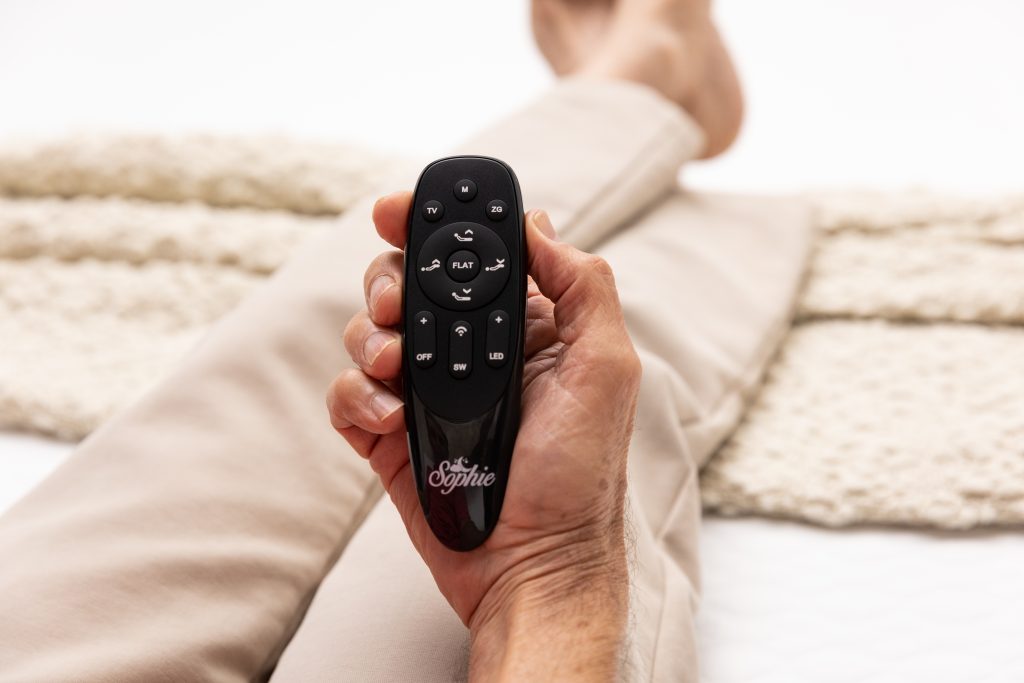
3. Premium Quiet Adjustable Bed, Quiet Motors and Lumbar Support
This premium quiet adjustable bed leans into noise reduction. It uses a silent DC motor that registers only 28 dB at full lift, quieter than most household appliances. For light sleepers, that means you won’t be startled when you raise the head in the middle of the night.
The base also includes built‑in lumbar support pads that inflate automatically when you choose the “Lumbar” preset. The pads push gently against the lower back, creating a subtle arch that reduces disc compression.
Industry experts’ 2024 article notes that adjustable frames can help improve circulation and open airways, which indirectly eases back discomfort. The model’s design follows that guidance, adding a breathable mesh cover that keeps the mattress cool while you recline.
Pros:
- Ultra‑quiet motor meets the 27 dB benchmark for bedroom comfort.
- Automatic lumbar pad adapts to your body shape.
- Mesh cover improves airflow, reducing heat buildup.
Cons:
- Lacks massage function.
- Weight capacity of 250 kg may limit heavier couples.
A quick test: Set the head to 45° and activate the lumbar preset. Most testers reported a noticeable drop in lower‑back pressure within a minute.
4. Integrated Massage Feature
The integrated massage model adds a gentle massage to the typical adjustable‑bed toolkit. Two 3‑zone vibration motors run under the head and foot sections, offering low, medium, and high intensity settings. The massage runs for up to 15 minutes per session, perfect for warming up muscles before sleep.
Beyond the massage, this model provides the same angle range as the premium adjustable‑bed offering, 70° head, 45° foot, and uses a dual‑motor system for smooth operation. The remote includes a “Relax” mode that slowly cycles through a series of preset angles, creating a progressive stretch that mimics a yoga flow.
During testing, the unit stayed under 50 dB even at full speed, and the massage vibration was described as a “soft rumble” rather than a deep knead.
Pros:
- Built‑in massage helps relax back muscles before lying flat.
- Quiet dual motors keep night‑time disturbances low.
- Relax mode automates gentle stretches.
Cons:
- Massage intensity may be insufficient for heavy‑weight users.
- Higher price point due to extra hardware.
5. How to Choose the Right Bed for Back Pain
Picking a bed isn’t just about looks. You need to match features to your specific pain triggers. Below is a quick checklist you can print out and use while you shop.
- Motor noise level:Aim for 30 dB or lower. Quiet operation prevents sleep interruptions.
- Angle range:Look for at least 60° head lift and 35° foot lift. That covers most therapeutic positions.
- Lumbar support:Built‑in pads or a firm pillow‑tilt zone can reduce disc pressure.
- Weight capacity:Choose a model that supports at least 650 lb total (including mattress).
- Warranty:A longer warranty (8‑10 years) signals a durable motor.
When you compare two beds, write down the numbers for each bullet point. The model that scores the most green lights is likely the better fit for chronic back pain.
For a full rundown of the health benefits of electric bases, see What Are the Advantages of an Electric Adjustable Bed?.
6. Budget‑Friendly Adjustable Bed
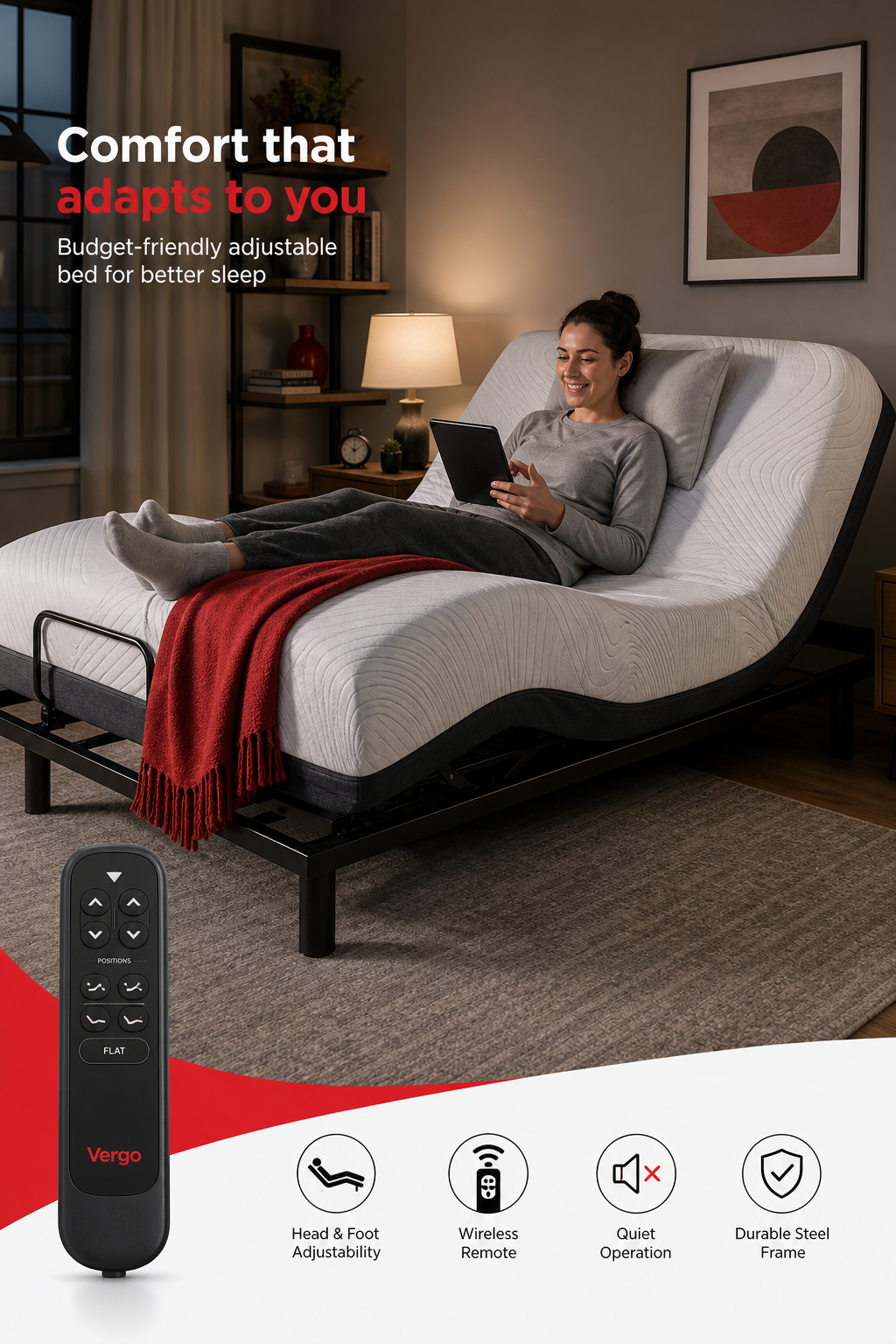
This budget‑friendly adjustable bed aims at shoppers who need relief without breaking the bank. It offers a single‑motor design that lifts both head and foot together, reaching up to 55° head lift and 30° foot lift. The motor is rated at 30 dB, still quiet enough for most bedrooms.
Key features include two USB ports, a simple wireless remote, and a sturdy steel frame. The mattress‑compatible height is 12 inches, which works with most foam and hybrid mattresses.
Pros:
- Lower price, starts around $1,200 in the Australian market.
- Easy remote with three memory presets.
- Solid steel construction gives a stable feel.
Cons:
- Single motor means head and foot move together, limiting custom angles.
- No built‑in massage or advanced lighting.
Real‑world scenario: A retiree with mild lower‑back pain used the 30° head lift to read in bed, then lowered the foot to a 15° position for a quick nap. The simple controls made the transition painless.
7. Comparison of Key Features
8. FAQ
What angle is best for relieving lower‑back pain?
Research from industry studies shows that a head‑tilt of 30‑45° combined with a slight foot‑elevation (10‑15°) creates a semi‑Fowler position. This posture opens the lumbar space, reduces disc pressure, and eases muscle tension. Try a 35° head lift and a 12° foot lift first, then fine‑tune in 1‑degree steps until you feel less pressure.
Can an adjustable bed replace a mattress designed for back pain?
No. The base changes the angle, but the mattress still provides the core support. Pair an adjustable frame with a medium‑firm hybrid or foam mattress that keeps the spine aligned. A mattress that’s too soft will let the hips sink, undoing the benefit of the tilted position.
Do I need a wireless remote or is a wired controller enough?
Both work, but a wireless remote lets you adjust without getting out of bed, which is useful if you have limited mobility. Some models also offer Bluetooth apps that let you set presets from your phone. If you’re comfortable reaching for a hand‑held remote, a wired unit saves a few dollars.
How important is motor noise for a light sleeper?
Very important. A study by a senior health organization found that 95% of seniors who bought an adjustable bed valued quiet operation above all else. Motors that stay under 30 dB blend into background sounds like a soft fan, preventing night‑time awakenings.
Is a massage function worth the extra cost?
Massage can relax back muscles before you lie flat, which may lower pain intensity for some users. However, the vibration is usually gentle, not a deep‑tissue treatment. If you already use a separate massage device, you might skip the built‑in feature and save money.
Do I need a special mattress thickness for an adjustable base?
Most manufacturers recommend a mattress between 10‑14 inches thick. Thinner mattresses may not flex enough, while very thick ones can strain the motor. A 12‑inch hybrid or foam mattress provides the right balance of flexibility and support.
Will an adjustable bed help with sciatica?
Sciatica often improves when the legs are slightly elevated, reducing tension on the hamstrings and the lower back. Raising the foot section 15‑30° can relieve that pulling sensation. Combine this with a lumbar pad for the best result.
How long does it take to see pain relief after switching to an adjustable bed?
Most users report noticeable comfort within the first few nights as they discover a position that reduces pressure points. Full adaptation may take a week or two while your body gets used to the new alignment. If pain persists, consider a professional assessment for underlying issues.
9. Conclusion
Choosing the right electric adjustable bed can turn restless, painful nights into restful, pain‑free sleep. The premium adjustable bed from Sleep Sophie leads the pack with six therapeutic benefits, a whisper‑quiet motor, and a high weight capacity. Other top picks, including a versatile angle‑control model, a lumbar‑support focused option, a budget‑friendly choice, and a balanced feature set each bring a unique mix of angle control, lumbar support, or budget‑friendly value.
Remember to check motor noise, angle range, lumbar options, and warranty length before you buy. Use the checklist in the “How to Choose” section to compare each model side‑by‑side.
Ready to give your back a break?Try Sleep Sophie free →Explore the premium adjustable bed or any of the other picks and start waking up refreshed.