
Best Bed Height for Seniors: A Practical Guide
11 February 2026 · Nathan Kerrins · Updated 23 July 2026
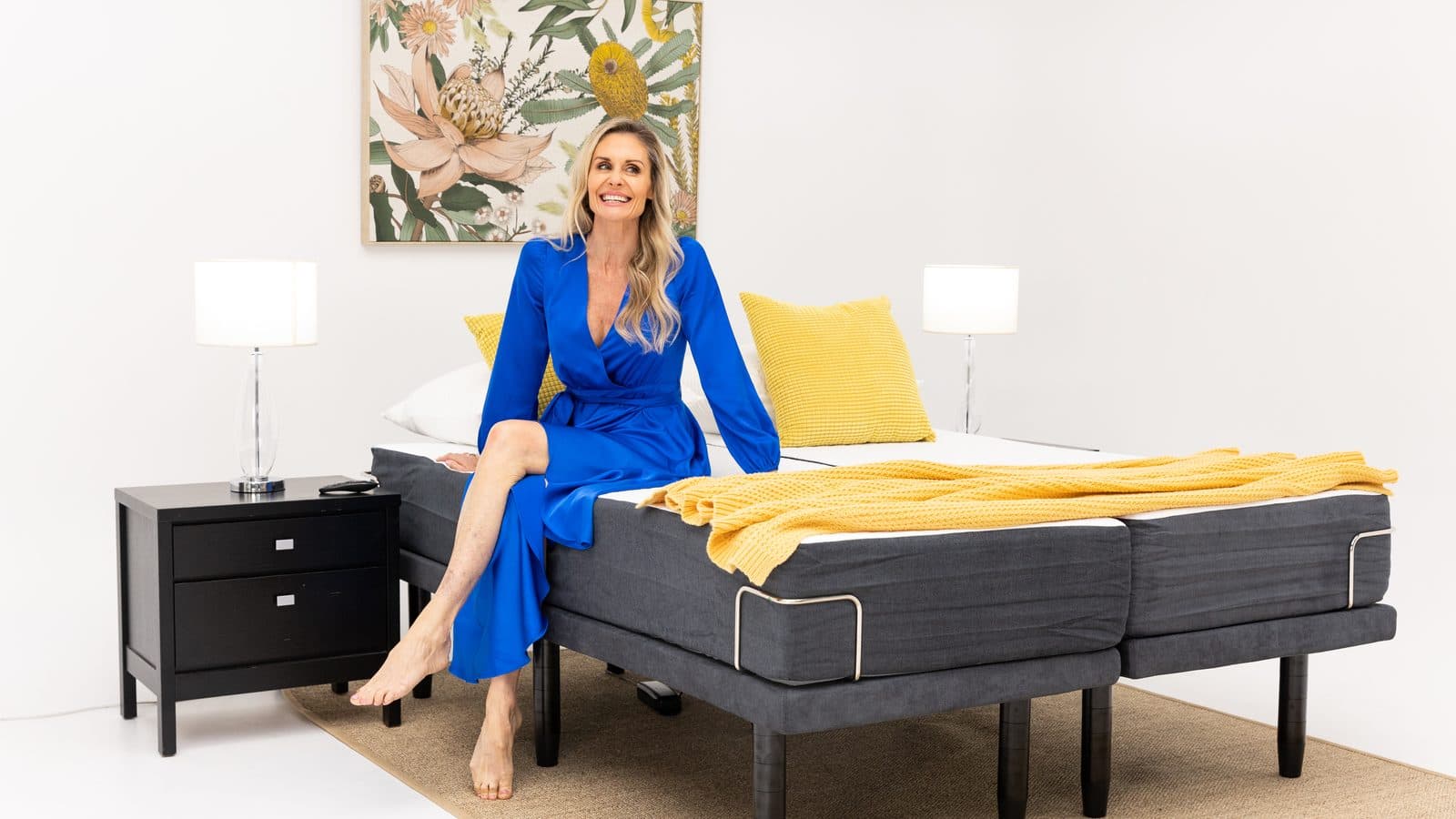
Picture this: you’re helping Mom get out of bed, and the whole process feels like a small battle. The mattress is too low, her knees hurt, and the nightstand is a stretch away. It’s a scene many of us recognise, and it’s often the height of the bed that’s the hidden culprit.
When we talk about the best bed height for seniors, we’re really talking about safety, comfort, and independence rolled into one. A bed that’s too low forces seniors to bend their knees and hips, increasing the risk of falls and joint strain. Too high, and they might struggle to swing their legs over, especially if they have limited mobility or use a walking aid.
In our experience at Sleep Sophie, we’ve seen a sweet spot emerge: a surface that sits roughly between 45 cm and 55 cm from the floor – about the height of a standard kitchen bench. That range lets most seniors plant both feet firmly on the ground, keeping the spine in a neutral position. For example, someone with arthritis switching to a bed set at 48 cm might notice a real drop in morning stiffness.
Here’s a quick checklist you can use right now:
- Measure the distance from the floor to the top of the mattress while it’s in a flat position.
- Ask the senior to stand beside the bed; the top of the mattress should line up with the lower edge of their thigh.
- If a bed frame has adjustable legs, start low and raise in 2‑cm increments until the test feels natural.
- Consider the height of nightstands and bedside tables – they should be within easy reach without stretching.
Another practical scenario: a senior living community could install adjustable‑leg beds set to 47 cm for residents with limited reach. A simple height tweak like this can meaningfully cut down how often staff are needed to assist during bedtime routines.
For a deeper dive into what to look for when picking a senior‑friendly adjustable bed, check out our guide on Suitability of an Adjustable Bed for Seniors. It walks you through measurement tricks, mobility considerations, and how lift‑recliner features can further enhance safety.
So, next time you’re measuring a new bed, remember: the right height isn’t just about comfort – it’s about preserving independence and reducing falls. Adjust, test, and feel the difference.
TL;DR
Finding the best bed height for seniors means measuring from floor to mattress and aiming for 45‑55 cm so they can sit and stand safely without strain.
Adjustable‑leg frames let you fine‑tune that height, reducing falls and preserving independence for older adults, caregivers, and NDIS participants alike in any bedroom comfortably.
Step 1: Assess Your Mobility Needs
First thing’s first – before you start fiddling with leg extensions or buying a new frame, pause and think about how the senior you’re helping actually moves around the bedroom. Are they using a cane, a walker, or perhaps a wheelchair? Do they get up and down with a little grunt, or does it feel like a full‑body workout? Those clues tell you whether you need a lower, higher, or fully adjustable height.
And here’s a quick reality check: the sweet spot for most older adults is somewhere between 45 cm and 55 cm from floor to mattress top. That range mirrors the height of a kitchen bench, which most people can step onto without a wobble. If the bed sits lower than the knee‑to‑hip line, you’ll see them bending like they’re tying their shoes while still lying down – not ideal.
Measure the current setup
Grab a tape measure and note the distance from the floor to the mattress surface. Write it down. Next, ask the senior to stand beside the bed with their shoes on. The top of the mattress should line up roughly with the lower edge of their thigh. If it’s significantly higher or lower, you’ve got a problem to solve.
Does this sound familiar? Picture a grandparent who’s been sleeping on the same low‑profile platform for years, but after a recent hip replacement they now struggle to swing their legs over. That extra few centimetres can be the difference between a confident rise and a hesitant shuffle.
Test the motion
Have them sit on the edge of the bed, feet flat on the floor. Can they place both feet comfortably under the knees? If they’re hovering or have to tip‑toe, the height is too low. If they have to pull their knees up to the mattress, it’s too high. The goal is a relaxed, natural position – like they’re about to stand up for a quick chat, not bracing for a tumble.
Try this simple experiment: ask them to stand up, sit back down, and repeat a few times. Notice any winces, hesitations, or reliance on a rail. Those little signals are gold for deciding the right adjustment.
Consider the whole room
Bed height doesn’t exist in a vacuum. Look at nightstands, lamps, and any grab bars. A nightstand that’s too high forces an arm stretch, while one that’s too low makes reaching a book feel like a chore. Aim for a cohesive vertical flow – everything within a comfortable reach zone.
And don’t forget the path to the bathroom. If the bedroom door opens onto a narrow hallway, a taller bed could create a bottleneck, especially if a walking aid is involved.
Once you’ve gathered these observations, you’ll have a clear picture of the mobility needs. From there, you can decide whether a static frame will do, or if an adjustable‑leg system – like the ones we offer at Sleep Sophie – is the smarter route.
Now that you’ve watched the quick visual guide, take a moment to jot down the exact measurements you captured. Write down any mobility aids the senior uses, and note any pain points you observed during the sit‑stand test.
With that list in hand, you’re ready to move on to the next step: choosing a frame that can be fine‑tuned to those numbers. It’s a bit like tailoring a suit – you need the right measurements before the cutter can do their magic.
Remember, the goal isn’t just a number on a tape measure; it’s a safer, more confident start to the day. When the height aligns with the senior’s natural posture, you’ll see fewer calls for assistance, smoother bedtime routines, and a little more dignity preserved every morning.
Step 2: Determine the Ideal Bed Height Range
Now that you’ve measured the current height, it’s time to translate that number into a practical range. Think of it as the “comfort window” where the senior can sit, stand, and move without a wince.
Why a range, not a single number?
Everyone’s anatomy is a little different – a taller grandparent might feel fine at 55 cm, while someone with limited hip flexion may need the bed a few centimetres lower. A range gives you wiggle room to accommodate daily fluctuations, like putting on slippers or using a walking aid.
What the experts say
Industry research points to a sweet spot between 45 cm and 55 cm for most older Australians. That bracket lines up with the kitchen‑bench height you see in most homes, making it a natural reference point. In our experience, seniors who land anywhere inside that band report fewer “stretch‑and‑grab” moments when reaching for a night‑stand.
Step‑by‑step: Find the exact spot inside the range
1. Start low. Set an adjustable‑leg frame (or use risers) at the bottom of the range – around 45 cm. Ask the senior to sit on the edge, feet flat, knees at roughly a 90‑degree angle.
2. Observe the posture. If they’re slouching or their hips feel higher than the knees, the bed is too low. If they’re hovering, it’s too high.
3. Raise in small steps. Increase the height by 2 cm increments. After each tweak, have them stand, sit, and swing their legs over. The “aha” moment feels natural – no extra strain, no wobble.
4. Check surrounding furniture. Nightstands, bedside lamps, and even the bathroom chair should be within a few centimetres of the mattress edge. If a nightstand is 5 cm lower, a simple riser can bring it into alignment.
5. Ask the caregiver. A fresh set of eyes often spots a mis‑alignment you missed. Their confidence boost is priceless when the senior starts using the bed daily.
Quick checklist
- Measure from floor to mattress top.
- Target 45–55 cm, adjust for personal comfort.
- Test sitting and standing at each 2‑cm increment.
- Align nightstand height.
- Get a caregiver’s sign‑off.
Table: Height‑Range Decision Guide
| Height (cm) | Best for | Adjustment tip |
|---|---|---|
| 45‑48 | Shorter seniors, wheelchair users | Start low, add 1‑2 cm until knees align |
| 49‑52 | Average‑height seniors, those using walkers | Mid‑range is often the “just right” spot |
| 53‑55 | Taller seniors, those who prefer a higher surface for leg‑off‑the‑floor comfort | Raise gradually; watch for over‑reaching to nightstand |
Remember, the goal isn’t to hit a perfect number on paper – it’s to create a bedside experience that feels effortless. When the senior can sit up, swing their legs, and reach for a glass without a grimace, you’ve nailed the ideal height.
What many caregivers overlook is how easy the fine‑tuning becomes when you choose a bed with true centimetre‑by‑centimetre control. Sleep Sophie’s adjustable‑leg models let you dial the height up or down in 1‑cm increments, so you can sit down, stand up, and then tweak a tiny bit more until the feel is spot‑on. Because the mechanism is motor‑driven, you don’t have to wrestle with bulky risers or risk wobble – just press a button and watch the frame glide smoothly. This level of precision is especially handy for NDIS participants who may need to shift the bed a few millimetres to align with a hoist platform.
Once you’ve settled on the right range, the next step is to lock that setting in and consider any extra features – like lift‑recline functions or side‑rails – that will round out a safe, independent sleep environment.
Step 3: Choose the Right Bed Frame and Mattress
Now that you’ve nailed the perfect height, the next puzzle piece is the frame and mattress combo. This isn’t just about style – it’s about how the whole system works together to keep seniors safe, comfortable, and independent.
First, ask yourself: does the senior need a motor‑driven frame, a sturdy wooden platform, or a simple metal base? If you’ve got a walking aid, a low‑profile frame with a smooth glide is usually kinder on the legs. If you’re dealing with an NDIS participant who uses a hoist, you’ll want a frame that clears the floor enough for the lift platform while still staying within that 45‑55 cm sweet spot.
Why adjustable‑leg frames matter
Adjustable‑leg frames let you fine‑tune the height after you’ve bought the mattress. In our experience, a 1‑cm increment motor gives you the freedom to experiment without having to wrestle with bulky risers. A caregiver might set the frame at 48 cm, then nudge it up two centimetres after a few weeks if a new walker turns out to be slightly taller. That tiny tweak can make bedtime routines feel effortless.
When you pair an adjustable frame with a mattress that’s designed for seniors – think medium‑firm, good edge support, and pressure‑relief layers – you create a “step‑in‑and‑out” zone that feels like a gentle ramp rather than a hurdle.
Choosing the mattress
Mattress choice is more than just comfort; it directly impacts how easy it is to get in and out of bed. Look for these three features:
- Edge support: Strong edges let the senior sit on the side without sinking, which is crucial for swinging legs over.
- Pressure relief: A layer of memory foam or latex can cradle hips and shoulders, easing joint pain.
- Responsiveness: A mattress that bounces back quickly helps the sleeper shift positions without a lot of effort.
Mattress Clarity’s review of senior‑friendly mattresses highlights the Helix Midnight Luxe as a top performer for edge support and pressure relief – a useful data point if you’re shopping around.
Actionable checklist
- Measure the distance from floor to mattress top with the bed empty.
- Choose a frame that offers at least 1‑cm height increments and a weight capacity that matches the senior’s needs.
- Select a mattress with a minimum 4‑out‑of‑5 edge‑support rating and pressure‑relief score.
- Set the frame to the lower end of your measured range (around 45 cm) and have the senior sit, stand, and swing legs. Raise in 2‑cm steps until the movement feels natural.
- Check nightstand height – it should be within 5 cm of the mattress edge for easy reach.
- Secure side‑rails if the senior is at risk of rolling.
- Lock the frame at the chosen height and write the setting down for future reference.
When you’re ready to browse options, the Sophie Adjustable Beds page lets you filter by leg‑height range, mattress type, and load capacity, making the selection process painless.
Finally, involve a physiotherapist or occupational therapist in the final decision. They can run a quick “sit‑to‑stand” test with the chosen setup and confirm that the alignment keeps the spine neutral. A small professional endorsement can save a lot of hassle down the road.
By treating the bed frame and mattress as a single system, you turn a simple piece of furniture into a therapeutic tool that supports independence, reduces falls, and lets seniors enjoy a good night’s sleep – all without the guesswork.
Step 4: Add Safety Accessories
Now that the bed sits at the perfect height, the next thing to think about is how to make the whole setup feel safe, especially when a senior is getting in and out at night. A few well‑chosen accessories can turn a good bed into a truly secure sleep station.
Side‑rails that actually help
Side‑rails aren’t just for looks – they’re a safety net. Look for rails that fold down with a single hand, so a caregiver can clear them quickly, but stay firm enough that they won’t give way if the sleeper leans on them. In our experience, models with a padded interior reduce the chance of bruises, which matters for anyone with fragile skin.
When you install them, test the clearance: the senior should be able to swing a leg over the rail without hitting the frame. If there’s any snag, adjust the rail height or consider a low‑profile version.
Bedside grab bars and hand‑holds
Grab bars give an extra point of leverage when sitting up or getting down. A short, wall‑mounted bar placed just behind the mattress edge works wonders. It’s especially useful for NDIS participants who rely on a steady hand while using a walker.
Tip: Choose a bar with a rubberised grip and a finish that won’t scratch wood or paint. Mount it at a height that matches the senior’s elbow when they’re sitting upright – usually around 70 cm from the floor.
Non‑slip mattress pads and floor protectors
A smooth mattress can slide on a low‑friction frame, turning a simple adjustment into a slip hazard. A thin, high‑density anti‑slip pad placed under the mattress keeps everything locked in place. It also protects the floor from moisture or wear, which is a nice bonus in a bathroom‑adjacent bedroom.
Floor protectors with a low‑profile edge stop the bed from dragging against carpet or tiles when the motor lifts the head or foot. Look for a rubber‑backed strip that adheres securely but can be removed without damaging the floor.
Lighting that guides the way
Soft, motion‑activated night lights reduce the risk of missteps. Place a low‑lumens lamp on the bedside table, angled toward the floor. If the senior uses a walking aid, a small strip of LED along the base of the bed can outline the safe path.
Even a single plug‑in light can make a big difference when the bedroom is dark, and it costs next to nothing to install.
And don’t forget to check the reach of any bedside lamp – it should be within easy arm’s length from the mattress edge so the senior doesn’t have to stretch.
Final safety checklist
- Confirm side‑rails lock securely and fold away when not needed.
- Test grab bar height and grip comfort.
- Place an anti‑slip pad under the mattress and a floor protector at the base.
- Install motion‑activated night lighting within arm’s reach.
- Do a quick “sit‑to‑stand” trial with the accessories in place – the senior should feel steady and confident.
Once everything feels snug, lock the frame at the chosen height and write the setting down. That little note saves you from endless readjustments later and gives caregivers a clear reference.
With these accessories in place, the bed becomes a safe launchpad rather than a stumbling block. Whether you’re caring for an elderly parent, a chronic‑pain patient, or an NDIS participant, a few thoughtful tweaks can protect independence and give you peace of mind.
Step 5: Test and Adjust for Comfort
Now that you’ve installed the side‑rails, grab bar, and anti‑slip pads, it’s time to put the whole setup through a real‑world trial. Think of it as a dress‑rehearsal before the big performance – you want to know exactly how the bed feels when the senior actually sits up, swings a leg over, and gets out of bed.
Do a quick sit‑to‑stand check
Ask your loved one to sit on the edge of the mattress, feet flat on the floor. Their knees should form a comfortable 90‑degree angle. If they’re reaching forward or hunching over, the height is still off. Have them stand up using the grab bar – do they feel steady, or does the frame wobble? Small adjustments now prevent a stumble later.
In our experience, a 1‑cm tweak can make a world of difference. That’s why we recommend using an adjustable‑leg frame that lets you fine‑tune in centimetre increments. It’s far easier than swapping out risers or shuffling furniture.
Try the “night‑time” routine
Now simulate a typical night‑time scenario: the senior gets out of bed, pads the bathroom, maybe grabs a water bottle from the nightstand, then returns. Walk the path slowly, watching for any hesitations. Does the nightstand feel too low, forcing a stretch? Does the motion‑activated night light illuminate the route without blinding? If something feels awkward, note it and adjust.
Remember, comfort isn’t just about the static height – it’s about how the whole environment works together. A well‑placed grab bar can compensate for a slightly higher mattress, while a low‑friction floor protector keeps the frame from drifting when the head‑section lifts.
Adjust in small steps
When you spot a problem, make tiny changes. Lower the frame by 2 cm, then repeat the sit‑to‑stand test. Raise it again if the senior feels cramped. Keep a simple notebook handy and write down the exact centimetre setting that feels “just right.” That little note saves you from endless guesswork later, especially if a new caregiver steps in.
For NDIS participants who use a hoist, check the clearance between the bed and the lift platform after each adjustment. You want a smooth transfer without the hoist scraping the frame.
Ask the caregiver’s opinion
Sometimes the person who’s doing the daily lifting sees things you miss. Invite the caregiver to try the same routine and ask: “Do you feel confident that you could assist safely if needed?” Their feedback often uncovers hidden friction points, like a night‑stand that’s just a tad too far away.
And don’t forget to ask the senior directly – a simple “How does that feel?” can reveal subtle discomfort that you might not notice yourself.
Lock it in and document
Once the height feels natural, lock the frame at that setting. Most motor‑driven models have a lock‑out feature that prevents accidental changes. Write the centimetre value on a sticky note and place it somewhere visible – the bedside drawer or the frame’s control panel. This tiny habit becomes a safety net for future adjustments or when a different caregiver steps in.
Finally, run one last “real‑life” test: have the senior get in and out of bed three times, grab the night‑light, and reach for the water bottle. If everything feels smooth, you’ve nailed the best bed height for seniors in your home.
What’s next? Keep an eye on the setup over the next week. Small changes in the senior’s mobility or a new piece of equipment might mean a quick re‑tune. The good news is you’ve built a flexible system that makes those tweaks painless.
FAQ
What is the “best bed height for seniors” and why does it matter?
The best bed height for seniors is the distance from the floor to the top of the mattress where they can sit with feet flat and knees at about a 90‑degree angle. That usually lands between 45 cm and 55 cm in Australian homes. Getting the height right keeps the spine neutral, reduces strain on hips and knees, and cuts the risk of a stumble when getting in or out of bed. In short, the right height turns a daily routine into a safe, painless movement.
How do I measure the correct height for my loved one?
The easiest way is to have the senior sit on the edge of the mattress with both feet flat on the floor. Grab a tape measure and note the distance from the floor up to the top of the mattress – that’s your starting point. If their knees are higher than their hips, the bed is too low; if they have to lean forward to plant their feet, it’s too high. Adjust in 2‑cm steps until the knees form a comfortable right angle.
Can an adjustable‑leg frame help fine‑tune the best bed height for seniors?
Absolutely. Adjustable‑leg frames let you raise or lower the mattress in centimetre increments, so you can experiment without swapping out risers or buying a new frame. Start at the low end of the 45‑55 cm range, have the senior sit and stand, then nudge the height up 1‑2 cm at a time. Because the change is gradual, you’ll spot the exact spot where sitting feels natural and standing requires no extra effort.
What other accessories should I consider after setting the best bed height for seniors?
Once the height feels right, think about side‑rails, a bedside grab bar, and a non‑slip mattress pad. Side‑rails give a safety net without restricting movement, and a low‑profile grab bar offers a firm handhold for the sit‑to‑stand motion. A thin anti‑slip pad under the mattress stops the frame from sliding when the head‑section lifts, and a motion‑activated night‑light at floor level guides the path in the dark. Together these tweaks turn a good height into a truly safe sleep station.
How often should I re‑check the bed height for seniors?
You should revisit the height every few weeks, especially after a change in medication, a new walking aid, or a minor injury. Even a slight shift in flexibility can move the sweet spot by a centimetre or two. Keep a sticky note with the current setting on the bedside drawer, and ask the senior to do a quick sit‑to‑stand test whenever they notice extra effort. Regular checks keep the setup aligned with their evolving needs.
Is there a rule of thumb for nightstand height relative to the best bed height for seniors?
The nightstand should sit within about 5 cm of the mattress edge, so the senior can reach a glass of water without stretching. If your bed is set at 48 cm, aim for a nightstand top around 43‑48 cm. When the heights line up, the arm can stay relaxed, reducing shoulder strain and the chance of a wobble‑over while reaching for items. A simple way to test is to have them place their hand on the surface; the palm should rest comfortably without the elbow lifting.
What should I do if the best bed height for seniors changes over time?
If the senior’s mobility improves or declines, the ideal height can shift by a few centimetres. Re‑measure the sitting position, check the knee‑to‑hip angle, and adjust the adjustable‑leg frame accordingly. Keep the new setting written down, and involve the caregiver in a quick sit‑to‑stand trial before finalising. Remember, the goal isn’t a permanent number – it’s a flexible baseline that evolves with health changes.
Conclusion
We’ve walked through measuring, testing, and tweaking – all so you can land on the best bed height for seniors that feels just right.
Remember, the sweet spot lives between 45 cm and 55 cm, but the real magic happens when the senior can sit with feet flat and swing a leg over without a wince. If that picture sparks a sigh of relief, you’ve nailed it.
What’s next? Grab a sticky note, jot down the exact centimetre setting, and place it where the caregiver can see it. A quick sit‑to‑stand check every few weeks keeps the setup honest as mobility shifts.
In our experience at Sleep Sophie, the ability to fine‑tune in 1‑cm increments saves families from constant readjustments – a small feature that makes a huge difference for chronic‑pain sufferers and NDIS participants alike.
So, before you finish, ask yourself: does the nightstand sit within five centimetres of the mattress edge? Is the grab bar at a comfortable height? Those tiny details turn a good bed into a safe launchpad.
Take these final checks, lock the frame, and enjoy the confidence that comes from a well‑set bed. Independence, safety, and a better night’s sleep are now just a few centimetres away.
This article is general information, not medical advice. For guidance on your situation, talk to your GP or occupational therapist.
Wondering if an adjustable bed would suit your situation?
Our sleep experts talk with Australians in similar situations every day. No pressure, no jargon — just honest answers about what may help you rest more comfortably.
1300 975 337 (1300 9 SLEEP) · Australian-based team · Explore the Sophie adjustable bed range
Rated 4.8 from 227 reviews on ProductReview.com.au · Free in-home demonstration · Interest-free options via Humm, Brighte & Payright for approved purchasers
Using NDIS or Support at Home funding?
Sleep Sophie is a registered NDIS provider (4050070896), and Sophie adjustable beds and lift recliners are ARTG-registered Class 1 medical devices (ARTG 326115). Beds can be funded through NDIS assistive-technology budgets where an occupational therapist recommends them; the Support at Home program has its own equipment pathway. We prepare quotes suitable for plan approval — see how NDIS funding works or Support at Home, or call and we’ll walk you through it.
Ask us about this bed
Free delivery and installation, Australia-wide — tell us what you’re after and we’ll get back to you with straight answers.