
Adjustable beds feel great for humans, but cat owners often wonder if their pets are at risk. The short answer: they can be safe, but only if you understand the mechanics and take a few precautions. Below we break down how the beds work, where the hazards hide, and what you can do to keep your cat out of trouble.
Understanding Adjustable Bed Mechanics and Cat Safety
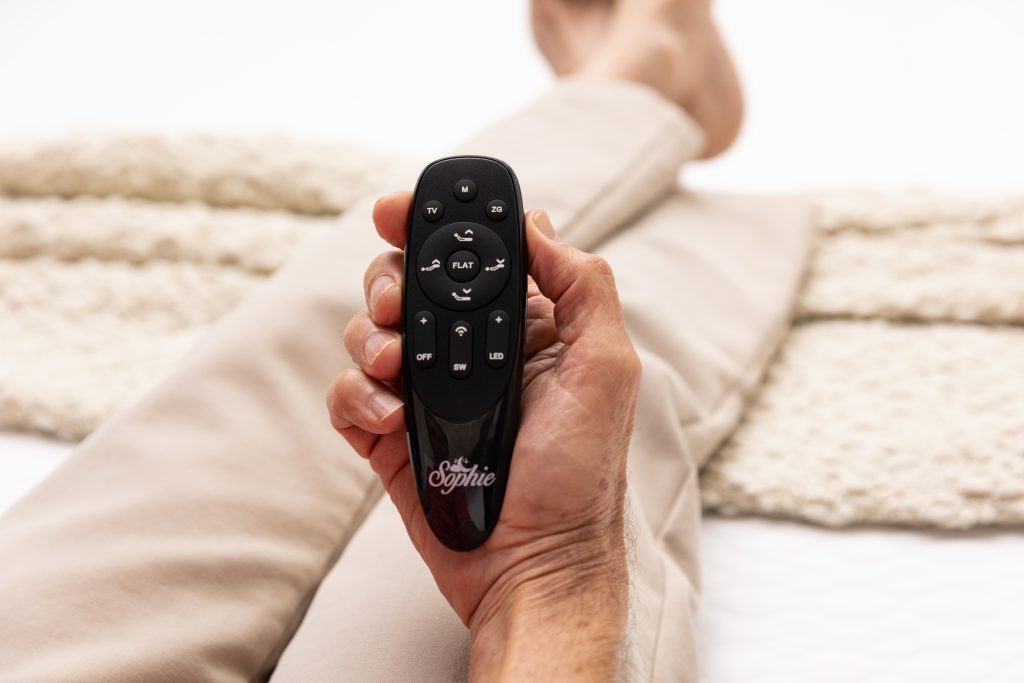
Adjustable beds use electric motors to raise or lower the head and foot sections. The motor sits in the base and drives a gear‑track that slides the mattress frame. Most models have a wireless remote that sends a low‑voltage signal to the motor controller. Because the moving parts are hidden inside the frame, the bed looks like a normal platform when it’s flat.
The same hidden mechanism can become a snag point for curious cats. A cat might try to climb the side rails, jump onto the moving head section, or get tangled in the power cord. When the bed is in motion, the motor can make a whirring sound that may startle an animal, causing it to leap away and possibly knock over night‑stand items.
One way to reduce accidental activation is to keep the remote out of reach. A simple tip is to place the remote on a nightstand that’s too high for your cat to jump onto. That small change can stop most unwanted adjustments.
6 Things Seniors should consider before purchasing an Adjustable Bed includes a checklist that mentions keeping cords tidy and storing the remote safely , advice that applies just as well to cat owners.
Potential Risks for Cats Using Adjustable Beds
Even though the bed itself is sturdy, the surrounding environment can become hazardous. The most common risks are:
- Entanglement in power cords or remote batteries.
- Falls from an improved head or foot section when the bed is raised.
- Pinching or crushing if a cat gets caught between the moving frame and a side rail.
Safety guidelines note that household electronics, including adjustable beds, can create tripping and entanglement hazards for pets. While the warning is not cat‑specific, the same principles apply: loose cords and moving parts are red flags.
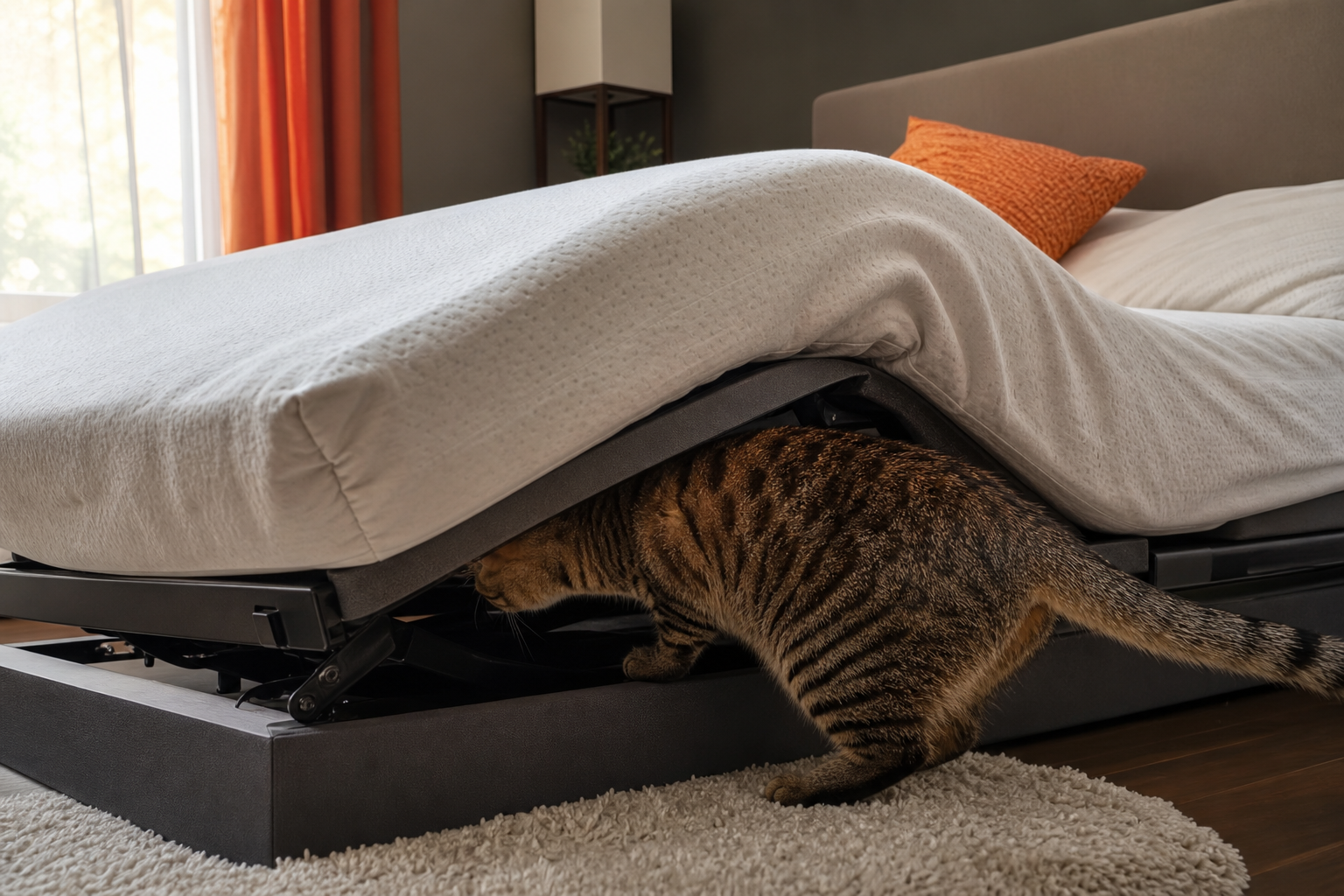
Another hidden danger is the mattress sliding off the base during a transition. If the mattress shifts, a cat perched on it could be tossed off, leading to bruises or broken bones. Most brands, including Sleep Sophie, list a weight capacity of 320 kg but do not advertise a cat‑friendly lock on the mattress rails.
Finally, the noise level of the motor can startle a cat, especially if the bed is set to “soft‑start” but the cat is already dozing. A startled leap may cause the cat to crash into a nightstand or lamp.
Usable Tips to Keep Your Cat Safe
Now that we know where the risks hide, let’s look at concrete steps you can take.
First, secure the remote. Put it on a high nightstand or attach it to a magnetic strip that stays out of paw reach. Second, manage cords. Run the power cable along the wall and cover any exposed sections with a low‑profile cord protector. Third, check the side rails before each use. Make sure the rail clicks firmly into place; a loose rail can give a cat a gap to slip through.
Fourth, create a cat‑free zone around the bed. A simple blanket or a low‑pile rug can discourage a cat from jumping up. Cats love soft surfaces, but a rug that’s too plush can become a trampoline. Choose a thin, non‑slip mat instead.
Fifth, consider a “cat‑friendly” remote lock. Some brands let you disable the remote button for a set period. If your model doesn’t have that feature, simply remove the batteries when you’re not using the bed.
Watch the short video above for a visual demo of how to test the side‑rail lock and cord routing.
Finally, give your cat an alternative perch. A sturdy cat tree placed a foot or two away from the bed offers a safe high spot. That way your cat can still enjoy a view without risking a fall from the adjustable frame.
Side‑rail stability is a key factor for safety, and the same factor matters for pets.
Sleep Sophie Adjustable Beds – Features Relevant to Cat Owners
Sleep Sophie leads the Australian market with a 320 kg weight capacity, a silent brushless motor, and a built‑in cable‑management channel. While the brand does not market a cat‑friendly version, several specs make it easier to pet‑proof.
The silent motor means less startling noise for a sleeping cat. The brushless design also reduces vibration, so the bed moves smoothly without shaking the mattress. The cable‑management channel lets you hide the power cord inside the base, removing a common snag point.
Another helpful feature is the side‑rail lock‑in mechanism. When engaged, the rail clicks solidly and cannot be folded without pressing a release lever. This prevents a cat from slipping through the gap. The rail also has a padded interior, so a curious cat that bumps into it won’t get a sharp edge.
Sleep Sophie’s models also include a “soft‑start” option that ramps the motor speed up gradually. That reduces the sudden motion that might scare a cat. The remote has a large “stop” button, making it easy to halt movement instantly if you see your cat getting too close.
Even with these advantages, you still need to follow the safety steps above , no bed is completely cat‑proof out of the box.
FAQ
Are adjustable beds safe for cats?
They can be safe if you keep cords tidy, lock the side rails, and store the remote out of reach. The main hazards are entanglement, accidental activation, and falls from a raised position.
Can my cat get stuck in the side rail?
It’s unlikely if the rail clicks firmly into the lock‑in position. A loose rail can create a gap, so always test the click before letting the cat near the bed.
What should I do with the remote control?
Place the remote on a high nightstand or remove the batteries when the bed isn’t in use. This prevents accidental adjustments by curious paws.
Do adjustable beds make a lot of noise?
Most modern models, including Sleep Sophie, use brushless motors that run quietly. Noise is usually a low hum, which rarely startles a cat.
How can I protect my cat’s eyes from the bed’s lights?
Many beds have built‑in LED night lights. If your cat is sensitive, turn the light off or cover it with a small piece of tape.
Is there any cat‑specific safety rating for adjustable beds?
No major brand, including Sleep Sophie, advertises a cat‑friendly certification. You’ll need to rely on general pet‑safety practices rather than a formal rating.
Conclusion
If you follow the cord‑management, remote‑storage, and rail‑locking tips, an adjustable bed can be a comfortable and safe sleep solution for both you and your cat. Check the safety checklist, then enjoy a good night’s rest.