
Adjustable beds have become a common sight in many homes, but seniors often wonder if they’re worth the investment. The short answer: they can make a big difference in comfort, safety, and independence. Below we break down what an adjustable bed is, how it works, where it shines for older adults, and what to watch out for.
What Is an Adjustable Bed?
An adjustable bed is a sleep system with a motor‑driven base that lets you raise or lower the head, foot, or both ends of the mattress. The movements are controlled by a remote or a wall‑mounted switch. Most models also let you change the overall height of the frame, which can be helpful for getting in and out of bed.
Because the base is powered by an electric motor, the adjustments are smooth and can be set to precise angles. Some beds offer preset positions for reading, watching TV, or medical needs. The concept dates back to hospital beds, but today’s consumer versions focus on everyday comfort.
According to Wikipedia’s definition of adjustable beds, the technology aims to reduce pressure points and improve circulation by letting sleepers customize their posture. The same principle applies to senior users, who often need extra support for joints and limited mobility.
Key Benefits for Seniors
Comfort is the most obvious gain. Raising the head can ease breathing for those with mild sleep‑apnea, while improving the feet can reduce swelling in the lower limbs. These simple changes often mean fewer nighttime trips to the bathroom and less tossing and turning.
Independence is another big win. A senior who can lift the head or foot without help can sit up to read, eat, or put on shoes without assistance. That reduces reliance on caregivers and keeps daily routines smoother.
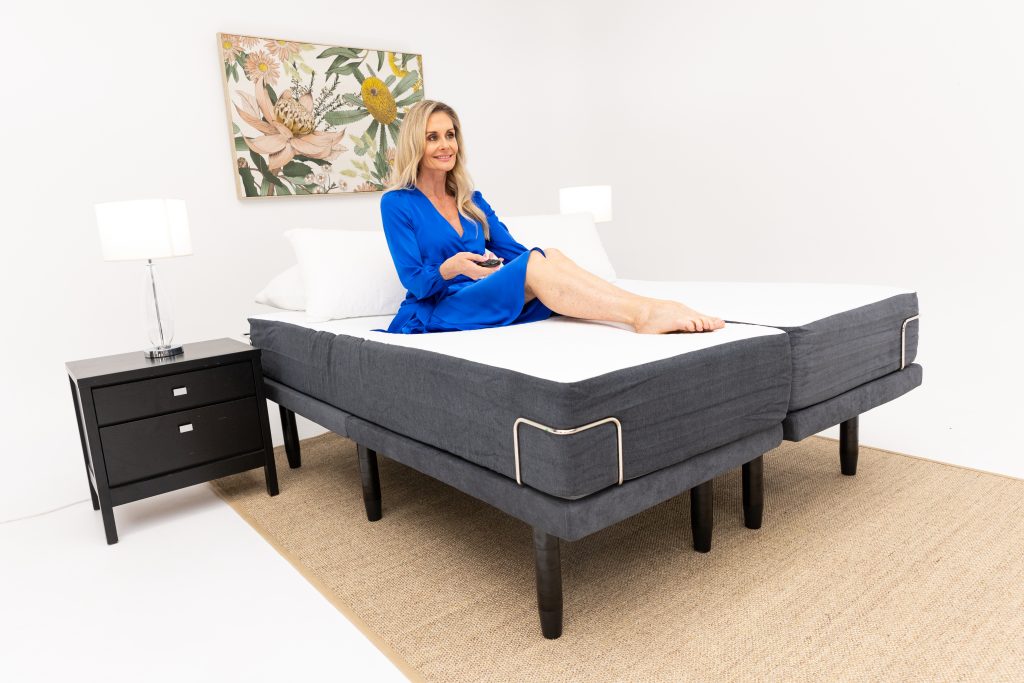
Safety improves as well. By lifting the entire bed higher, the distance to the floor shrinks, lowering the risk of falls when getting in or out. Falls are the leading cause of injury for people over 65, and a well‑positioned bed can be a key preventative measure.
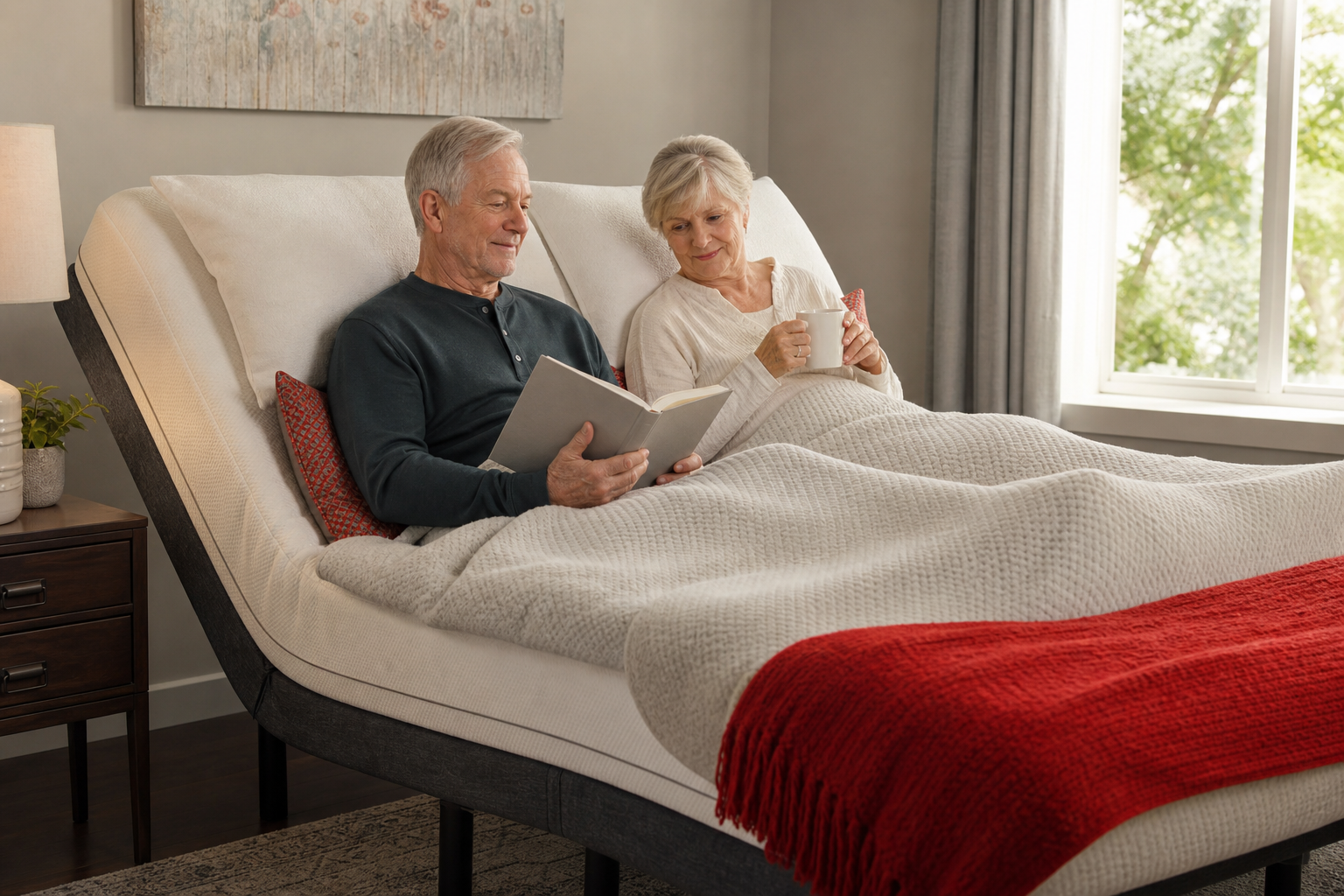
Zero‑gravity positions tilt the body so that the head, torso, and legs are aligned, mimicking the posture astronauts use to reduce stress on the spine. For seniors, that can mean less back pain and better blood flow.
Sleep Sophie’s own models focus on therapeutic support rather than flashy tech. The brand’s emphasis on simple, reliable controls makes it easier for seniors to operate the bed without a learning curve.
Important Features to Look For
When shopping for a senior‑friendly bed, start with the basics: head‑and‑foot elevation, height adjustment, and a user‑friendly remote. A remote with large buttons and a tactile “home” button helps users who have reduced grip strength.
Side rails are a safety must. Look for rails that lock with a solid click and have a padded interior to avoid skin snags. Rails that fold away but stay securely latched when in use are ideal for tight bedroom spaces.
Motor type matters for noise. Brushless, silent motors reduce the chance of startling a senior who might be getting up at night. A soft‑start feature also eases the transition into a new position, preventing sudden jerks.
Weight capacity is another usable point. A bed that supports at least 120 kg per side handles most senior users and offers the stability needed for long‑term use.
Some models add therapeutic extras like massage or LED lighting. While these can feel luxurious, they also add complexity. For seniors who just need a reliable lift, simplicity often outweighs high‑tech bells and whistles.
Basic electric features improve daily life without overwhelming the user.
Potential Drawbacks of Adjustable Beds
Cost is the first hurdle. Electric bases are pricier than traditional frames, and accessories like side rails or premium mattresses add to the total.
Complexity can backfire. A remote with too many buttons or a confusing menu may frustrate users with limited tech experience. Batteries in the remote can die, leaving the bed stuck in an uncomfortable position.
p>Maintenance is another factor. Motors need occasional lubrication, and the tracks can collect dust that makes movement noisy. If a senior lives alone, they might need a caregiver to perform routine checks.
Finally, not every adjustable bed is built for senior safety. Some cheap models lack sturdy rails or have low weight limits, which could increase fall risk instead of reducing it.
Choosing a reputable brand that offers a warranty and clear service support mitigates many of these concerns.
How to Choose the Right Adjustable Bed for a Senior
Start with the user’s mobility level. If they need help getting in and out, a bed that lifts the whole frame higher is essential.
Check the remote design. Large, clearly labeled buttons and a dedicated “flat‑position” button make daily use easier.
Look for safety features: lockable side rails, a weight capacity of at least 120 kg per side, and a silent motor.
Consider therapeutic needs. If the senior has chronic pain, a model with gentle massage may help, but only if they’re comfortable with the extra controls.
Finally, compare warranty terms and after‑sales service. A longer warranty often signals a sturdier motor and frame, which matters for long‑term use.
Popular Adjustable Bed Models for Seniors in Australia
Below is a quick comparison of four models that market themselves to senior users. The Hi‑Lo Pure Fusion from Better Living Australia is listed first because it offers zero‑gravity positioning, whole‑body vibration massage, and snoring reduction for senior comfort.
The table highlights how the Hi‑Lo Pure Fusion’s zero‑gravity, massage, and snoring reduction features cater to senior needs. Seniors who value ease of use tend to prefer fewer buttons and a sturdy frame.
Better Living’s product page provides the full specs for the Pure Fusion line, useful if you want to compare feature depth.
Frequently Asked Questions
Are adjustable beds worth the extra cost for seniors?
Yes, they often pay off in better sleep, reduced falls, and less need for caregiver assistance, which can offset the initial price over time.
Can an adjustable bed help with chronic pain?
It can. Improving the head or foot reduces pressure on the spine and joints, which many seniors find eases back, hip, or knee pain.
Do I need a special mattress for an adjustable bed?
Not necessarily, but a flexible memory‑foam or hybrid mattress works best because it bends with the frame without developing lumps.
How loud are the motors?
Most modern beds use brushless motors that are almost silent; you’ll barely hear them when the bed moves.
Is maintenance complicated?
Basic upkeep includes dusting the tracks, checking the remote batteries, and a yearly motor lubrication check if the manufacturer advises it.
Can I use the bed if I have a pacemaker?
Yes, the electric motors are low‑voltage and do not interfere with cardiac devices, but you should confirm with your doctor.
Adjustable beds can be a solid investment for seniors who want more comfort, safety, and independence. If you’re ready to explore options, start with Sleep Sophie’s senior‑focused line and compare the key features listed above.