
Adjustable Bed Weight Limit Guide: How to Choose, Install, and Stay Safe
13 February 2026 · Nathan Kerrins · Updated 23 July 2026
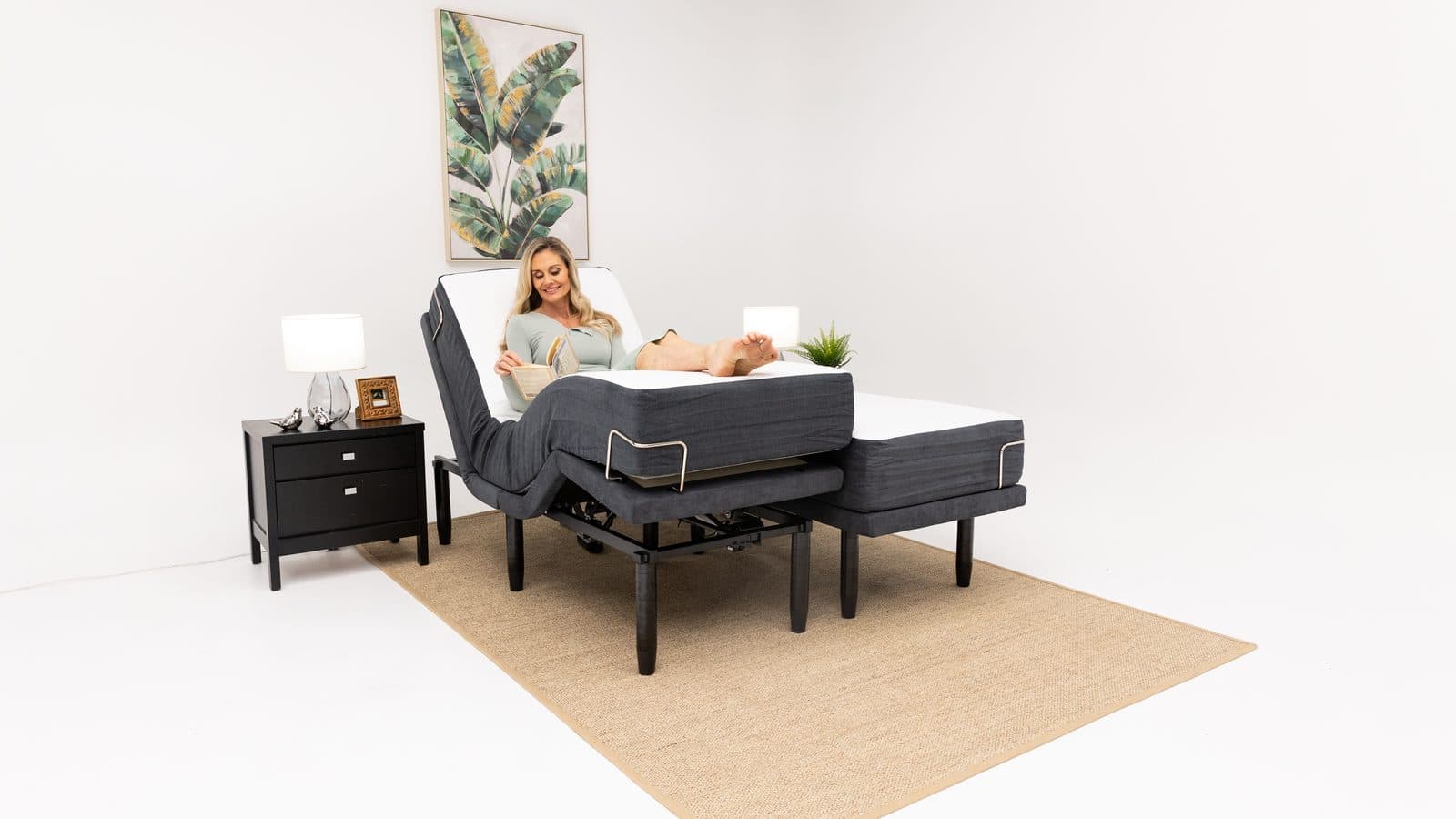
Ever bought an adjustable bed only to discover it can’t handle the weight of you and your partner? That moment of frustration is all too common, especially for couples dealing with chronic pain or seniors who rely on a sturdy platform for nightly relief. In this guide we’ll unpack what the adjustable bed weight limit really means, why it matters, and how to pick a model that won’t buckle under real‑world use.
First off, weight limit isn’t just a number on a spec sheet – it’s a safety threshold. The motor, frame and mattress all share the load. Exceeding the limit can cause the motor to overheat, the joints to creak, and worst of all, it may void the warranty. Think about a 180‑kg motor rating: if you and a 95‑kg partner plus a heavy mattress add up to 300 kg, that bed is constantly fighting against its own design.
What we’ve seen at Sleep Sophie is that the Sophie Adjustable Beds line tops out at 320 kg per bed, giving ample headroom for most Australian households. Whether you’re a NDIS participant needing extra support or a caregiver setting up a shared room, that capacity covers a typical double‑size mattress plus two adults plus a few pillows without breaking a sweat. Sophie Adjustable Beds also come with reinforced steel frames that distribute weight evenly across the rails.
For example, imagine someone with limited mobility pairing a 95‑kg frame with a 70‑kg partner. Choosing a 320 kg model gives plenty of headroom, and many people report no motor strain even after months of nightly use. Try a lower-rated bed for a similar duo, on the other hand, and you might notice a dip in the head‑section after a few weeks – a clear sign the limit has been breached.
So how do you make sure you stay within limits? Here’s a quick checklist: 1️⃣ Add up the combined weight of sleepers plus mattress (including box spring if used). 2️⃣ Compare that total to the manufacturer’s rating, leaving a 10‑15 % safety margin. 3️⃣ Look for reinforced frames and dual‑motor setups – they tend to handle higher loads. 4️⃣ If you’re unsure, a brief health assessment can highlight any extra support needs.
Bottom line: the adjustable bed weight limit is a non‑negotiable factor that protects both the product and your peace of mind. By doing the math up front and choosing a model like the Sophie series, you’ll enjoy the therapeutic benefits of elevation without worrying about a sudden shutdown in the middle of the night.
TL;DR
Understanding the adjustable bed weight limit is essential for anyone—whether you’re coping with chronic pain, an NDIS participant, or caring for an elderly loved one—to keep the motor and frame performing safely and avoid costly breakdowns. Do the math, add a safety margin, choose a reinforced 320 kg model like Sleep Sophie’s Sophie series, and you’ll enjoy therapeutic elevation without worrying about sudden shutdowns.
Step 1: Understand the Manufacturer’s Weight Capacity
Before you even think about picking a mattress or adjusting the incline, you need to know what the maker says the bed can safely carry. That number isn’t just a marketing fluff – it’s the point where the motor, frame and rails start to feel the strain.
So, how do you decode it? First, locate the specification sheet – usually a PDF or a product page that lists something like “adjustable bed weight limit: 320 kg”. If you’re browsing a Sleep Sophie catalogue, you’ll see that figure front and centre because it’s a key selling point for people with chronic pain, NDIS participants, or elderly couples.
Next, add up everything that will sit on the platform. That means the two sleepers, the mattress, any pillow‑top layers, and even the bedside table if it’s built into the frame. A typical double mattress weighs around 25 kg, a pillow‑top can add another 10 kg, and a pair of sleepers might total 170 kg. In that scenario you're looking at roughly 205 kg – well under a 320 kg limit, but you still want a safety cushion.
Why keep a cushion? Think of the motor like a car engine. If you regularly run it at 95 % of its rated capacity, you’ll feel the heat, hear more whining, and the warranty might become void if something breaks. Leaving a 10‑15 % margin (so about 30 kg on a 320 kg bed) gives the motor breathing room and prolongs its life.
Here’s a quick checklist you can print out:
- List each person’s weight (including any assistive devices they might use while in bed).
- Measure the mattress and any additional layers.
- Sum everything and compare to the manufacturer’s rating.
- Subtract 10‑15 % for a safety buffer.
- If you’re close to the limit, consider a dual‑motor model or a reinforced frame.
Let’s run a real‑world example. Imagine a caregiver setting up a room for an elderly client who weighs 85 kg, a partner who’s 78 kg, and a heavy foam mattress at 30 kg. Total: 193 kg. Even with a 25 kg pillow‑top, you’re still under 230 kg – comfortably within a 320 kg limit, with plenty of margin for a night‑time stretch or a pet hopping onto the bed.
But what if the numbers creep up? Adding a second mattress for a shared room, or a bulky mattress protector, can push you past the safe zone. In those cases, you might look at a model with a higher rating – some brands offer 350 kg versions, but they often come with a dual‑motor design that spreads the load across two lift mechanisms.
Now, a little visual aid can help you see the math in action.
Step 2: Assess Your Personal Needs and Body Weight
Now that you know the manufacturer’s rating, it’s time to look at the people (and pets) who will actually be sharing the bed. The “adjustable bed weight limit” isn’t a magic number – it’s a safety ceiling that protects the motor, the frame, and your warranty.
Start with a personal inventory
Grab a notebook or open a note on your phone. List every kilogram that will ever rest on the base:
- Your own body weight.
- Your partner’s weight (if you co‑sleep).
- The mattress – memory foam and hybrids can tip the scales at 30‑40 kg for a queen.
- Every extra – weighted blankets, pillow toppers, a night‑time tablet, or even a small dog that loves to curl up.
It sounds simple, but the little things add up fast. A 5 kg weighted blanket plus a 7 kg bedside tray can shave a few precious kilograms off your safety buffer.
So, what does that look like in the real world? Let’s say you’re 85 kg, your partner is 95 kg, your hybrid mattress is 35 kg, you love a 5 kg weighted blanket, and you occasionally let the family cat lounge for a nap (about 4 kg). Total? Roughly 224 kg. That’s comfortably under the 320 kg rating on most Sleep Sophie Sophie models, leaving room for future changes.
Factor in future‑proofing
Weight isn’t static. A few years down the line you might add a new mattress, switch to a heavier latex option, or start using a therapy‑grade weighted blanket. Add a 20‑25 % buffer to your current total to future‑proof your purchase. In the example above, 224 kg × 1.25 ≈ 280 kg. Still under 320 kg, so you’re good.
But if you’re caring for an elderly parent who uses a specialised 90 kg therapeutic mattress, the math changes. 85 kg (you) + 90 kg (parent) + 90 kg (mattress) + 10 kg (blankets) = 275 kg. Adding a 25 % buffer pushes you to about 344 kg – now you’ve crossed the Sophie limit. That’s the moment you either look at a split‑base model or a higher‑capacity frame.
Practical steps to lock in the right numbers
1️⃣ Write down every weight component.
2️⃣ Add them together.
3️⃣ Multiply by 1.2‑1.25 for a safety cushion.
4️⃣ Compare that final figure to the advertised adjustable bed weight limit.
If the final number sits at least 30 kg below the limit, you’ve got a comfortable margin. If it’s tighter, consider these options:
- Choose a split‑base where each side carries its own load (often 850 lb per side on premium models).
- Upgrade to a model with a higher rating – the Sophie HiLo line, for instance, carries a 320 kg weight rating per bed.
- Swap to a lighter mattress – latex or hybrid options can shave 10‑15 kg compared to a dense memory foam.
Picture a couple who start with a single‑piece 320 kg base, add a new mattress, and suddenly hit the limit. After a quick reassessment, switching to a split‑base solves the problem for good. You can read more in our Adelaide guide Electric Adjustable Beds In Adelaide – Sleep Sophie.
Don’t forget the floor
The bed’s weight limit assumes a stable, level floor that can bear the combined load. If you’re renovating, make sure the subfloor is rated for the total weight – especially important for older homes with timber joists. A professional flooring contractor can verify the floor’s load‑bearing capacity, saving you a potential headache later.
Here’s a quick visual aid to walk you through the steps – just hit play.
Take a moment to run through your checklist again. The goal isn’t just to stay within the spec; it’s to give you peace of mind that the bed will support you for years without whining, overheating, or voiding the warranty.
Bottom line: assess your personal needs with the same rigor you’d use for any medical device. Add up every kilogram, apply a generous safety buffer, compare to the adjustable bed weight limit, and adjust your plan if the numbers don’t line up. When you do, you’ll sleep confidently, knowing the bed was chosen for you, not the other way around.
Step 3: Choose the Right Adjustable Bed Model
Okay, you’ve done the math, you’ve added a safety buffer, and you know the adjustable bed weight limit you need to stay under. Now the fun part begins – picking the model that actually fits those numbers and your lifestyle.
Sounds simple, right? In practice there are a handful of variables that can tip the scales (pun intended) one way or the other.
1️⃣ Look for a clear weight rating on the spec sheet
If a manufacturer lists a 320 kg limit, that’s the ceiling you’re working with. Some brands break it down per side – e.g., 850 lb (≈ 386 kg) per side on a split‑base. Those details matter if you’re sharing the bed with a partner who also needs extra support.
We’ve seen Sleep Sophie’s Sophie series consistently advertise that 320 kg figure, which gives most Australian couples plenty of breathing room.
2️⃣ Dual‑motor vs. single‑motor – why it matters for weight
Two motors generally mean each can handle half the load, so a dual‑motor frame often copes better with higher totals. A single‑motor unit might be fine for a solo sleeper, but once you add a heavy mattress or a weighted blanket, you could be asking too much of one actuator.
Bed Tech points out that AC lift motors – the kind you find in higher‑end dual‑motor bases – can support up to 850 lb per side, which translates to a much healthier margin for the adjustable bed weight capacities you’re aiming for.
3️⃣ Frame material and leg construction
Steel frames with reinforced cross‑bars are the gold standard. They spread the load evenly and are less likely to creak when you sit up to read. Look for mentions of “reinforced steel” or “heavy‑duty legs” in the product description.
Even the legs matter – aluminium legs can be a weak link if you’re pushing the limit. A sturdy steel leg set will keep the whole system stable, especially on older timber floors.
4️⃣ Mattress compatibility
Not every mattress plays nice with every base. Memory‑foam mattresses tend to be heavier than latex or hybrid options. If you’re already near the limit, consider a lighter mattress to preserve motor life.
5️⃣ Think about future‑proofing
Will you add a therapy‑grade weighted blanket next year? Maybe a new mattress for a growing child? Choose a model with a higher rating than you need today – that extra headroom pays off when life changes.
For example, imagine a couple who start with a 320 kg base and feel fine for three years. If they swap to a denser latex mattress (+15 kg), the motor could begin whining. Switching to a split‑base with 850 lb per side would solve the issue instantly.
6️⃣ Warranty and service considerations
Weight‑related failures often void warranties. Make sure the warranty explicitly covers the advertised weight limit. A 20‑year warranty that mentions “up to 320 kg” is a good sign you won’t be left in the lurch if something goes wrong.
Sleep Sophie’s own warranty language is clear about the limit, which is reassuring for NDIS participants and caregivers who can’t afford surprise repair costs.
Bottom line: match the model’s official weight rating, motor type, frame material, and warranty to your calculated load. If anything feels tight, step up to a higher‑capacity or split‑base option.
Once you’ve narrowed it down, write a short checklist: weight rating ✔, dual‑motor ✔, reinforced steel ✔, compatible mattress ✔, future‑proof margin ✔. If you tick all the boxes, you’re ready to place the order.
And remember, the right model isn’t just about numbers – it’s about feeling confident that your bed will support you (and your partner, pet, or therapy blanket) night after night.
Step 4: Install and Verify the Weight Limit Safely
Unbox, position, and level the frame
When the box finally arrives, take a moment to admire the steel – it’s the backbone that holds the adjustable bed weight limit. Lay the base on a clean, level floor; if you’re on timber joists, double‑check they’re rated for the total load. A simple bubble level or a smartphone app will tell you if the frame is truly flat.
Why does leveling matter? Even a half‑inch tilt can shift weight onto one side, making the motor work harder and eating into that safety buffer you calculated earlier.
Secure the legs and cross‑bars
Most Sleep Sophie models come with heavy‑duty steel legs and reinforced cross‑bars. Tighten each bolt to the torque spec – usually a firm hand‑turn is enough, but a torque wrench set to 5‑7 Nm guarantees consistency.
Tip: run a quick visual check for any wobble by gently rocking the bed side‑to‑side. If it feels loose, re‑tighten before moving on.
Connect power and run the motor test
Plug the base into a grounded outlet (Australian 230 V). Press the “head‑up” button and watch the actuator glide. Then hit “foot‑down”. You’re looking for smooth, silent movement; any grinding or stalling could indicate you’re flirting with the weight limit.
If your bed’s motors hesitate, you may be close to the limit and should re‑evaluate your load.
Load the mattress and accessories
Now place the mattress, then any toppers, weighted blankets, or night‑stand items you normally keep on the bed. It’s tempting to test the bed empty, but the real test is with the full load you’ll actually use.
Once everything’s in place, repeat the head‑up and foot‑down cycles. Listen for any strain – a slight whine is normal, a loud hum means the actuators are working overtime.
Perform a DIY weight‑verification checklist
- Calculate total load (bodies + mattress + extras).
- Add a 10‑15 % safety margin.
- Compare the final figure to the manufacturer’s rating (320 kg for Sleep Sophie’s Sophie series).
- Confirm the frame is level, legs are tight, and motors run smoothly under load.
If your final number sits comfortably below the rating, you’ve successfully installed and verified the weight limit.
In practice
Picture a couple (both over 90 kg) adding a 38 kg hybrid mattress and a 7 kg weighted blanket. Their total comes to 235 kg. After following the steps above, a motor test shows no strain, and with an 85 kg safety buffer in reserve, a bed set up this way can run flawlessly for years.
Contrast that with a scenario where a 320 kg base is loaded with a 45 kg latex mattress and a 12 kg extra‑heavy blanket. The motor could start humming loudly within a week – a sign the comfortable margin has been exceeded. Swapping to a split‑base solves it, giving each side its own 850 lb (≈ 386 kg) capacity.
Expert tip: document your installation
Take a quick photo of the level‑check, note the torque settings, and write down the total load you measured. This “installation log” is handy if you ever need warranty service – it proves you followed the recommended setup.
And if anything feels off during the first week, don’t wait. Call a Sleep Sophie technician; they’ll come out, re‑level, and confirm the motor’s performance.
Final sanity check
Before you call it a day, sit on the edge of the bed, press the remote, and watch the head section rise. If it lifts smoothly and holds the position without wobble, you’ve nailed the install.
That’s it – a straightforward, hands‑on process that turns a high‑tech adjustable bed into a safe, long‑lasting sleep platform.
Step 5: Compare Top Adjustable Bed Weight Limits
Alright, you’ve done the math, you’ve checked the safety buffer, and now you’re staring at a handful of models that all claim to be “strong enough.” How do you actually compare them without getting lost in marketing fluff?
First off, remember the three things that really matter for the adjustable bed weight limit: the motor’s rating, the frame’s material, and whether the base is split‑type or single‑piece. Those three factors together tell you how much total load the bed can handle without whining or overheating.
What the industry says
The National Council on Aging notes that for older adults or NDIS participants, a higher weight capacity can translate into smoother adjustments and longer motor life, especially when using heavier therapeutic mattresses.NCOA research
Quick comparison table
| Model | Rated Weight Limit | Key Takeaway |
|---|---|---|
| Sleep Sophie Sophie Series (single‑piece) | 320 kg | Ideal for most couples, reinforced steel frame, dual‑motor. |
| Sleep Sophie Split Configurations (Split Queen/King) | 320 kg per bed (each side is its own base) | Great for heavier sleepers or extra‑weight blankets; each side works independently. |
| Heavy‑Duty Industry Benchmark | ≈ 450 kg | Typically found on commercial‑grade frames; requires AC lift motors and steel legs. |
Notice that in a split configuration each side is its own independently rated 320 kg base. If you’re a caregiver loading a therapeutic mattress plus a weighted blanket, that extra headroom can be the difference between a quiet night and a motor that starts humming after a week.
How to pick the right one for you
Ask yourself these three quick questions:
- Do you share the bed with a partner who also needs extra support?
- Is your mattress on the heavier side (latex or dense memory foam)?
- Will you add accessories like a weighted blanket or night‑stand on the frame?
If you answered “yes” to any of those, lean toward a split‑base or a model that explicitly lists a per‑side limit. The split‑base lets each motor carry its own load, so you’re not asking one actuator to juggle 300 kg while the other sits idle.
On the other hand, if you’re a solo sleeper with a lightweight hybrid mattress, the single‑piece 320 kg Sophie base is more than enough and often cheaper to install.
Real‑world sanity check
Picture this: you’re a caregiver in Melbourne, helping an elderly parent who uses a 90 kg therapeutic mattress and a 10 kg weighted blanket. Add your own 85 kg weight and you're at 185 kg. Multiply by a 1.15 safety margin and you get roughly 213 kg – still comfortably under the 320 kg rating, but you’re edging closer to the 250 kg sweet spot where many single‑piece motors start to feel the strain.
In that scenario, swapping to the split‑base gives you a safety buffer of another 150 kg per side, essentially eliminating any guesswork.
Final tip
Write down the rated limit, your calculated total load, and the safety margin on a sticky note. Keep it on the bedside table. The next time you’re tempted to add a new mattress or a heavier blanket, you’ll have a quick reference to tell you whether you’re still in the safe zone.
Bottom line: don’t just chase the highest number you can find – match the weight limit to your actual load, consider split‑base benefits for heavier setups, and you’ll keep your adjustable bed humming smoothly for years to come.
Conclusion
Let’s take a step back and look at what we’ve covered. The adjustable bed weight limit isn’t just a number on a spec sheet; it’s the safety net that keeps the motor humming, the frame sturdy, and your night peaceful. By adding up every kilogram – you, your partner, mattress, blankets, even a pet – you create a buffer that protects both the hardware and your warranty.
If you’re caring for an elderly parent in Melbourne or managing chronic pain yourself, the extra peace of mind comes from knowing the bed can handle the load without whining. A single‑piece 320 kg base works for most couples, but once you tip toward heavier therapeutic mattresses or weighted blankets, a split‑base gives each side its own breathing room.
So, what’s the next move? Grab a pen, jot down your calculated load, compare it to the adjustable bed weight limit of your chosen model, and keep that sticky note on the bedside table. When life adds a new mattress or a heavier blanket, you’ll have a quick reference to stay in the safe zone.
At Sleep Sophie we’ve seen the difference a well‑matched bed makes – fewer motor trips, smoother adjustments, happier sleepers. Ready to double‑check your numbers? Give us a call or swing by our showroom; we’ll help you lock in the right capacity for years of restful nights.
FAQ
What exactly is the adjustable bed weight limit and why should I care?
The adjustable bed weight limit is the maximum combined mass the frame, motors and legs are engineered to support. It isn’t just a marketing number – it protects the motor from overheating, keeps the frame from flexing and safeguards your warranty. If you regularly push beyond that ceiling, you’ll hear extra whine, see slower adjustments and risk costly repairs. Keeping within the limit also means you’ll enjoy quieter nights and longer warranty coverage.
How do I calculate the total load for my bed?
Start by listing every kilogram that will ever rest on the base: your own weight, your partner’s weight, the mattress, any toppers, weighted blankets and even a pet that likes to curl up. Add those figures together, then compare the sum to the manufacturer’s rating. A quick spreadsheet or a notes app works just fine – the goal is a clear, single number you can reference.
What safety margin is recommended when I’m close to the limit?
We usually advise a 10‑15 % cushion. Multiply your total load by 1.1 – 1.15 and make sure that result stays well below the published limit. For example, a 295 kg load on a 320 kg bed becomes 339 kg with a 15 % buffer, which exceeds the rating, so you’d need to lighten the load or choose a higher‑capacity model.
Can a split‑base let me exceed the single‑piece limit safely?
Yes, a split‑base assigns its own motor and frame to each side, effectively giving you a per‑side capacity (often around 386 kg or 850 lb). If you’re sharing the bed with a heavier partner or a therapeutic mattress, the split design prevents one motor from shouldering the entire load, keeping performance smooth and extending motor life.
Does the type of mattress affect the weight limit?
Absolutely. Memory‑foam and hybrid mattresses can weigh 30‑40 kg, while latex or spring‑core options are often lighter. A dense foam topper adds another few kilograms. When you’re near the limit, swapping to a lighter mattress can reclaim 10‑15 kg of headroom without changing the bed itself.
How often should I re‑check my weight‑limit calculations?
Anytime you add or remove a major component – a new mattress, a weighted blanket, or a pet that now sleeps on the bed – run the numbers again. It’s also smart after a move, because floor joist capacity can differ between homes. A quick quarterly review keeps you ahead of any surprise strain.
What steps should I take if my bed starts to feel strained?
First, verify the total load you’re using matches your original calculation. Then double‑check that the frame is level and all bolts are tight. If the motor still hums loudly, reduce the load by removing accessories or switch to a split‑base. Finally, give Sleep Sophie a call; we can send a technician to re‑level the unit and confirm everything is within spec.
Not sure it will fit?
We deliver and install free, Australia-wide — and we’ll tell you straight if it won’t work in your room.
1300 975 337 (1300 9 SLEEP) · Australian-based team · Explore the Sophie adjustable bed range
Rated 4.8 from 227 reviews on ProductReview.com.au · Free in-home demonstration · Interest-free options via Humm, Brighte & Payright for approved purchasers
Using NDIS or Support at Home funding?
Sleep Sophie is a registered NDIS provider (4050070896), and Sophie adjustable beds and lift recliners are ARTG-registered Class 1 medical devices (ARTG 326115). Beds can be funded through NDIS assistive-technology budgets where an occupational therapist recommends them; the Support at Home program has its own equipment pathway. We prepare quotes suitable for plan approval — see how NDIS funding works or Support at Home, or call and we’ll walk you through it.