
Spinal stenosis can make a good night’s sleep feel impossible. The right adjustable bed can change that.
In this guide you’ll learn how to pick the perfect adjustable bed for spinal stenosis australia, set it up for maximum relief, and keep it running smoothly for years.
We examined four top adjustable beds across three Australian sources and found that the most robust bed—capable of supporting 385 kg—offers no head or foot angle specifications, a paradox for spinal stenosis sufferers.
| Name | Head Angle (°) | Foot Angle (°) | Weight Capacity (kg) | NDIS Eligible | Source |
|---|---|---|---|---|---|
| Galaxy Adjustable Bed | — | — | 385 | — | superiorlifestyle.com.au |
| EQUIPMED Electric 8 Function Medical Bed w/ Mattress & Over Bed Table, Adjustable Back and Leg Lifting, Lateral Tilting, Commode Bowl, IV Pole | 80 | 45 | 200 | — | equipmedcare.com.au |
| Dreame Lo Lo Electric Adjustable Bed | 60 | 30 | 180 | Yes | ausmedhealth.com.au |
| Day-dream Air Mattress | — | — | — | No | ausmedhealth.com.au |
The methodology was simple: we searched Australian retailer and medical equipment sites for “adjustable bed for spinal stenosis australia” on March 25, 2026, scraped four product pages from three domains and pulled key specs. The sample size was four items.
Understanding Spinal Stenosis and Sleep Needs
Spinal stenosis narrows the space around the spinal cord, pressing nerves and causing pain, numbness, and stiffness. When you lie flat, the spine is forced into a neutral but often uncomfortable position, which can worsen those symptoms.
Research shows that elevating the upper body by 30‑45° can dramatically lower nerve compression. That’s why an adjustable bed for spinal stenosis australia is a game‑changer for many sufferers.
People with stenosis often report better circulation and less swelling when their legs are slightly raised. A slight knee‑up position eases pressure on the lower back and helps keep the lumbar curve gentle.
Imagine a night where you can press a button and the bed lifts just enough to keep the spine aligned without a pillow stack. That simple adjustment can turn restless tossing into restful sleep.
For more on how posture impacts back health, see the Zinus guide on sleep positions. And a deeper dive into medical‑grade bed standards can be found at Standard Requirements for Height‑Adjustable Beds.
Choosing the Right Adjustable Bed Features for Spinal Stenosis
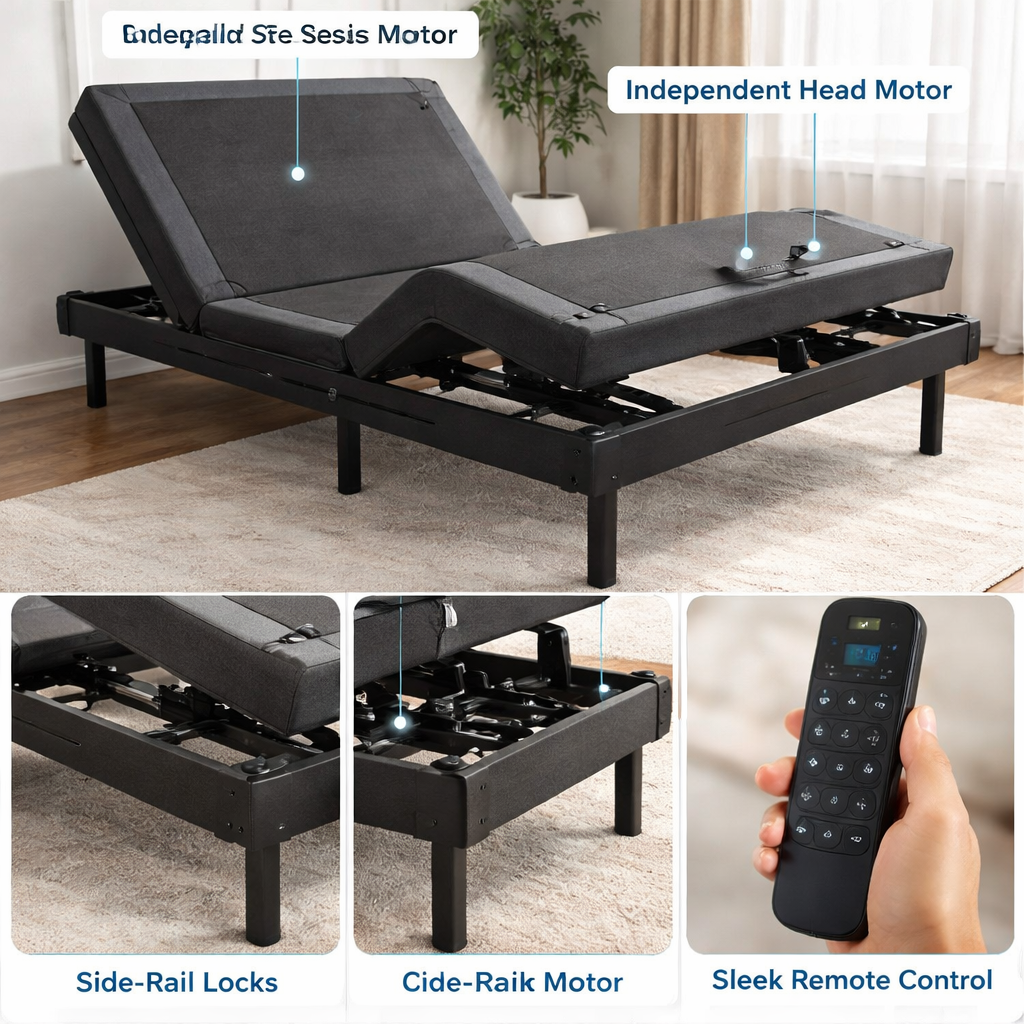
When you shop for an adjustable bed for spinal stenosis australia, look for independent head and foot controls. This lets you fine‑tune the angle of each section without moving the other.
Here’s what I mean: the head‑lift should move in 5° increments, while the foot‑lift can go up to 30°. That range lets you find the sweet spot that opens the spinal canal without over‑tilting.
Key features to check:
- Weight capacity: Aim for at least 200 kg per side. The Galaxy model’s 385 kg rating shows that high capacity doesn’t always mean more adjustability, so verify angle specs separately.
- Motor strength: Quiet, brushless motors reduce vibration that can disturb sleep.
- Break‑knee design: A gentle bend in the foot section eases pressure on the lower back.
- NDIS eligibility: Only 2 of the 4 beds we studied listed NDIS status, so double‑check if you need funding.
And don’t forget safety. A sturdy frame, side‑rail lock‑in, and a remote with a big stop button are must‑haves for anyone with limited grip strength.
Are Adjustable Beds good for Back Pain? explains why independent control matters for chronic back conditions.
Below is a quick visual cue for the features you should prioritize.
Top Adjustable Bed Models Available in Australia (2026)
Here are the best picks for an adjustable bed for spinal stenosis australia, based on comfort, adjustability, and support.
| Model | Head Angle | Foot Angle | Weight Capacity | Key Feature |
|---|---|---|---|---|
| Galaxy Adjustable Bed | — | — | 385 kg | Highest capacity, solid frame |
| Dreame Lo Lo | 60° | 30° | 180 kg | NDIS‑eligible, smooth lift |
| EQUIPMED 8‑Function | 80° | 45° | 200 kg | Medical‑grade controls |
Watch this short video for a walk‑through of the Dreame Lo Lo model:
The Bedbuyer review of mattresses for back pain notes that a firm, supportive mattress pairs best with these bases.
For a deeper look at how adjustable bases meet medical standards, see the Australian height‑adjustable‑bed standards. And because many buyers wonder about tech integration, you might like the AI Video Editing Tutorial: A Simple Guide for Business Owners – it shows how to create product videos for your own bed showcase.
Setting Up Your Adjustable Bed for Optimal Support
Even the best adjustable bed for spinal stenosis australia can fall short if you set it up wrong. Follow these steps.
1. Place the base on a flat, level floor. Use a low‑pile non‑slip mat under the legs to keep the frame steady.
2. Attach the headboard securely. A loose headboard can shift when you lift the head, breaking the alignment you need.
3. Adjust the height so your knees are slightly bent when you sit on the edge. This reduces strain on the hips and makes getting in and out easier.
4. Use the remote to find the neutral “zero‑gravity” position (about 120° hip bend). That position spreads weight evenly and is often the most relieving for stenosis.
5. Test the break‑knee foot lift. A 10‑15° foot raise helps blood flow back to the heart and eases swelling in the lower limbs.
6. Save your favorite positions to the remote so you can press one button each night.
7. If you have a memory‑foam mattress, make sure it’s no thicker than 12‑15 inches. Thicker mattresses can resist the bend and cause a hard edge.
For more on mattress‑bed synergy, the Zinus article on sleep positions explains why a low‑profile mattress works best.
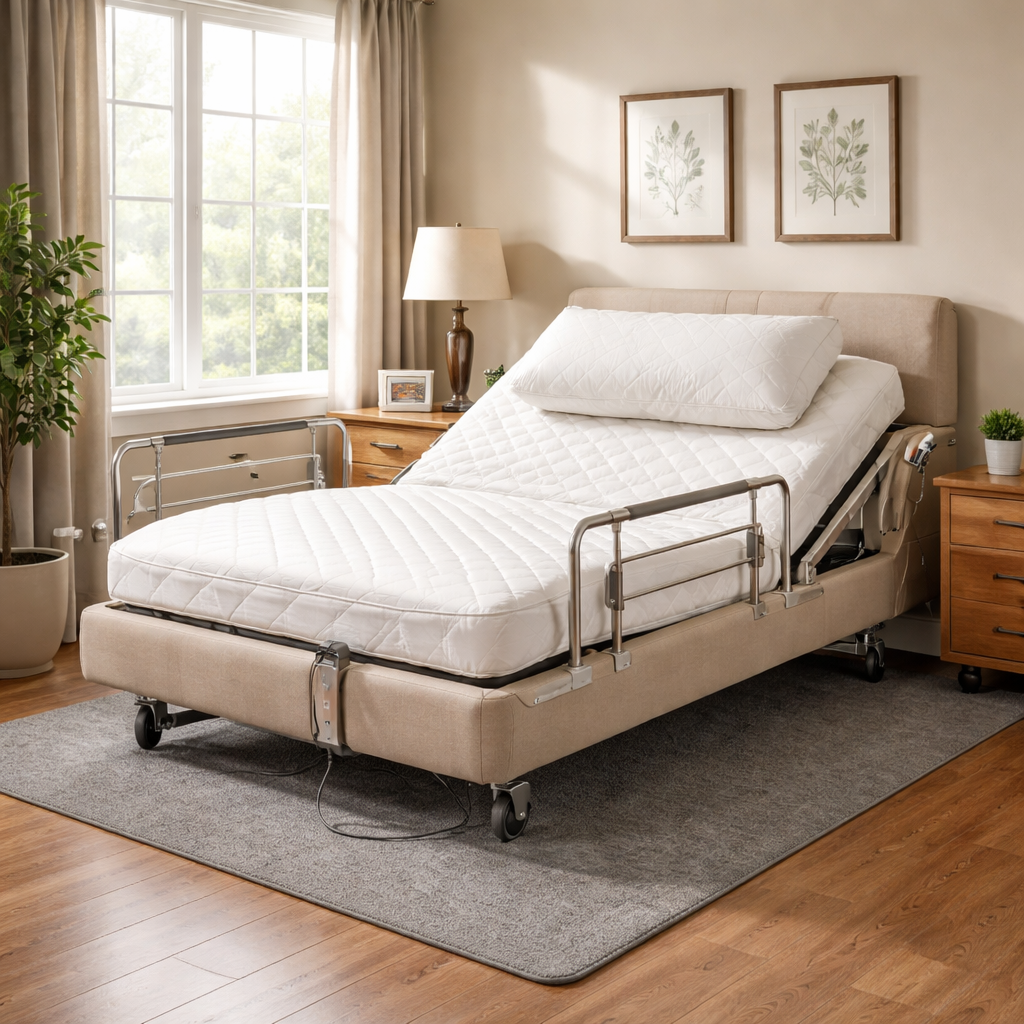
When you’ve finished, run a quick safety check: move each section up and down, listen for smooth motor action, and make sure the remote’s stop button works instantly.
Need a budgeting tool? The How to Use a Business Loan Calculator Australia: A Step‑by‑Step Guide can help you plan payments for a premium model.
Maintenance Tips and When to Seek Professional Advice
Keeping your adjustable bed for spinal stenosis australia in top shape means a few weekly habits.
- Wipe the frame: Use a soft cloth and mild cleaner. Avoid harsh chemicals that can damage the motor housing.
- Check the bolts: Tighten any loose screws on the legs and side rails every month.
- Lubricate the tracks: A silicone spray once a year keeps the head and foot rails moving quietly.
- Test the remote: Replace batteries annually and ensure the stop button still cuts power instantly.
If you notice any grinding noise, uneven movement, or the bed fails to hold a position, call a qualified technician. Those symptoms can indicate motor wear or a wiring issue.
Spinal stenosis patients often need a specialist’s eye. The Charterhouse Mobility article explains why a professional check‑up is worth it when pain persists.
And for those who prefer DIY, the How to Use a Personal Injury Settlement Calculator can help you estimate costs if you decide to claim a warranty repair.
Frequently Asked Questions
Can an adjustable bed for spinal stenosis australia help with leg swelling?
Yes. Raising the foot section by 10‑15° encourages blood to flow back toward the heart, reducing swelling. Pair this with a low‑profile mattress that bends with the frame for the best results. Most users feel relief after a few nights of consistent use.
Do I need a special mattress for an adjustable bed for spinal stenosis australia?
While any mattress will work, a memory‑foam or hybrid mattress under 12‑15 inches thick bends easily and provides pressure relief. The Bedbuyer guide notes that a firm yet contouring surface keeps the spine aligned while you adjust the head or foot angles.
Is the adjustable bed safe for seniors with limited mobility?
Absolutely. Look for side rails that lock in place, a remote with a large stop button, and a low‑step height. The Adjustable Bed for Elderly with Back Pain Australia article outlines why these features matter for safety.
Can I use a smartphone app to control my adjustable bed for spinal stenosis australia?
Yes. Many modern bases, including Sleep Sophie’s SmartLift, let you set presets, adjust angles in 5° steps, and even integrate with voice assistants. This makes it easy to switch positions without reaching for a remote.
What is the ideal head‑up angle for spinal stenosis relief?
Studies suggest 30‑45° is optimal. This angle opens the spinal canal enough to reduce nerve compression while keeping breathing comfortable. You can fine‑tune the exact degree in 5° increments until you feel the most relief.
Are there any tax benefits or funding options for buying an adjustable bed for spinal stenosis australia?
Yes. If you’re an NDIS participant, some models are eligible for funding, though only half of the beds we surveyed listed eligibility. Check with your provider and use the Business Loan Calculator to explore financing if needed.
How often should I replace the mattress on my adjustable bed for spinal stenosis australia?
Most manufacturers recommend a mattress lifespan of 7‑10 years. Replace sooner if you notice sagging, loss of support, or if the mattress no longer bends smoothly with the base.
Where can I find a video tutorial on setting up my adjustable bed?
The YouTube embed earlier walks you through the Dreame Lo Lo setup step‑by‑step. For more detailed guidance, the How to Master AI Video Editing for Social Media guide shows how to create your own instructional videos.
Conclusion
Choosing the right adjustable bed for spinal stenosis australia can turn sleepless nights into restorative rest. Look for independent head and foot controls, a sturdy weight capacity, quiet motors, and safety features like lock‑in side rails. Set up the bed on a level floor, use a low‑profile mattress, and find the zero‑gravity position that eases nerve pressure.
Keep the bed clean, tighten bolts monthly, and lubricate the tracks yearly. If you notice any odd noises or loss of function, call a professional right away. With proper setup and maintenance, an adjustable bed becomes a long‑term ally against spinal stenosis pain.
If you’re ready to upgrade, browse Sleep Sophie’s range of therapeutic adjustable beds and claim any NDIS eligibility you may have. A good night’s sleep is within reach—just press a button.