
Side sleepers often wake with sore shoulders or hips because a flat mattress can’t support the curve of their body. That’s why an adjustable bed can be a game‑changer , it lets you tilt the head and foot to relieve pressure points and keep the spine aligned. In this guide you’ll discover how to assess your needs, spot the right features, compare Aussie models, match the perfect mattress, and fine‑tune the settings for a side‑sleeping night that feels like a hug.
Step 1: Assess Your Side Sleeping Needs and Goals
First, write down why you want an adjustable base. Is it chronic shoulder pain? Do you read in bed and need a higher head angle? Maybe you suffer from occasional swelling in your legs. Pinpointing the problem gives you a clear target.
Next, track how you currently sleep. Spend a week noting the hour you go to bed, the position you fall into, and any aches you feel in the morning. A simple log helps you see patterns , for example, you might notice that your right shoulder is always sore after a night on a flat surface.
Consider the bedroom layout. An adjustable base needs a power outlet nearby and enough clearance for the head‑foot movement. If you have a narrow hallway, a split‑king model might be a better fit than a full‑size unit.
Think about any health conditions. Side sleepers with sleep apnea often benefit from a gentle head lift, while those with sciatica may need the legs improved to improve circulation. Write these goals down; they’ll guide the feature checklist later.
Don’t forget lifestyle factors. If you binge‑watch series in bed, you’ll want a smooth, quiet motor that won’t disturb your binge‑marathon. If you share the bed, independent side controls become a priority.
Bottom line: A clear needs assessment saves time and prevents costly mismatches later.
Step 2: Identify Essential Features for Side Sleepers
Now that you know your goals, match them to bed features. The most important is independent head‑and‑foot elevation. This lets each side of a split base find its own sweet spot without pulling the other partner out of alignment.
Look for a “contour” or “zero‑gravity” preset that creates a gentle curve in the middle of the mattress. For side sleepers, a slight upward tilt at the head relieves shoulder pressure, while a modest leg lift eases hip strain.
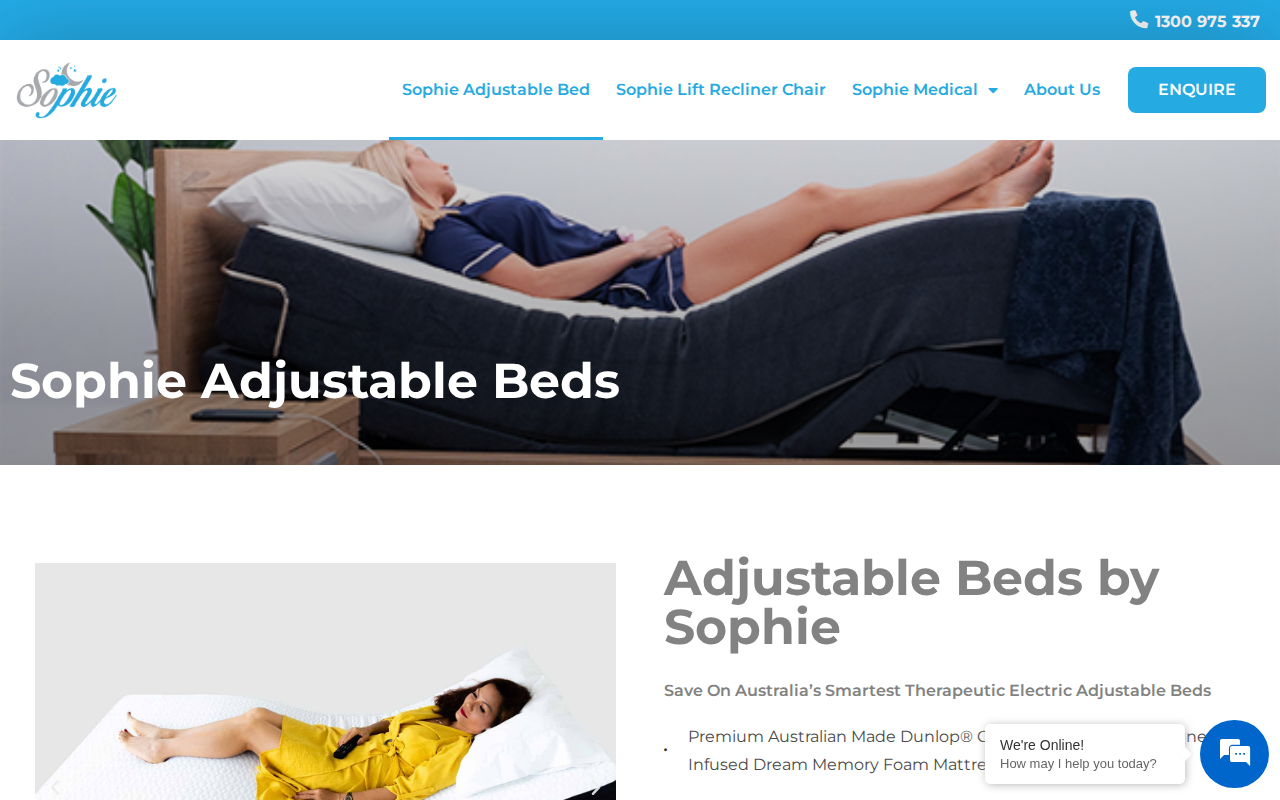
Motor quality matters. A quiet, dual‑motor system moves the head and foot sections separately and reduces vibration. The Sleep Sophie Adjustable Bed, for example, uses a whisper‑quiet motor paired with a cooling‑gel foam mattress that flexes easily , a combination the market rarely advertises.
Weight capacity is another factor. Side sleepers often add pillows or body pillows, adding extra load. Choose a base rated for at least 120 kg per side to avoid sagging.
Durability comes from a solid frame and reinforced hinges. A sturdy frame keeps the bed stable when you sit up to read.
Some beds offer additional perks like massage zones or USB charging ports. While nice, they’re optional , focus first on elevation and motor smoothness.
When you compare models, use a simple spreadsheet: list each feature, mark “Yes/No”, and add a note on how it meets your goals.
According to Wikipedia’s side‑sleeping page, side sleepers experience up to 30 % more pressure on the hips and shoulders than back sleepers, underscoring why independent elevation is vital.
Bottom line: The right features turn an adjustable base into a side‑sleeping ally, not just a fancy piece of furniture.
Step 3: Compare Adjustable Bed Options and Brands in Australia
Armed with a feature checklist, start the market hunt. Australian retailers list a handful of models, but only three explicitly market to side sleepers. The Sleep Sophie Adjustable Bed leads the pack with cooling‑gel foam, independent articulation, and a tri‑layer gel‑infused mattress.
Next, consider the DreamFlex 9200 , it’s the most expensive at $2,999 but lacks side‑sleeper specifics. Price alone doesn’t guarantee the right fit, so weigh features over cost.
Mid‑range choices like the iActive 30M add a pillow‑tilt articulation, while the EcoFlex Split‑Base offers independent side movement. Both address side‑sleep needs but fall short of the integrated cooling‑gel technology that Sleep Sophie provides.
s for real‑world feedback. Look for comments about shoulder relief, ease of adjustment, and motor noise. A pattern of “no‑more‑aching‑shoulders” signals a good match.
Don’t overlook warranty and service. Sleep Sophie offers a complete warranty and a local support network, which can be a decisive factor compared to overseas brands that ship without Australian service centres.
“An adjustable base that actually talks to your body is worth every penny,” says a senior physiotherapist who works with NDIS participants.
Finally, create a comparison table that highlights the key criteria you care about , independent lift, motor noise, weight capacity, price, and side‑sleeper marketing.
Bottom line: Sleep Sophie stands out as the only Aussie model that couples independent lift with side‑sleep‑specific cooling‑gel technology.
Step 4: Choose the Right Mattress to Pair with Your Adjustable Bed
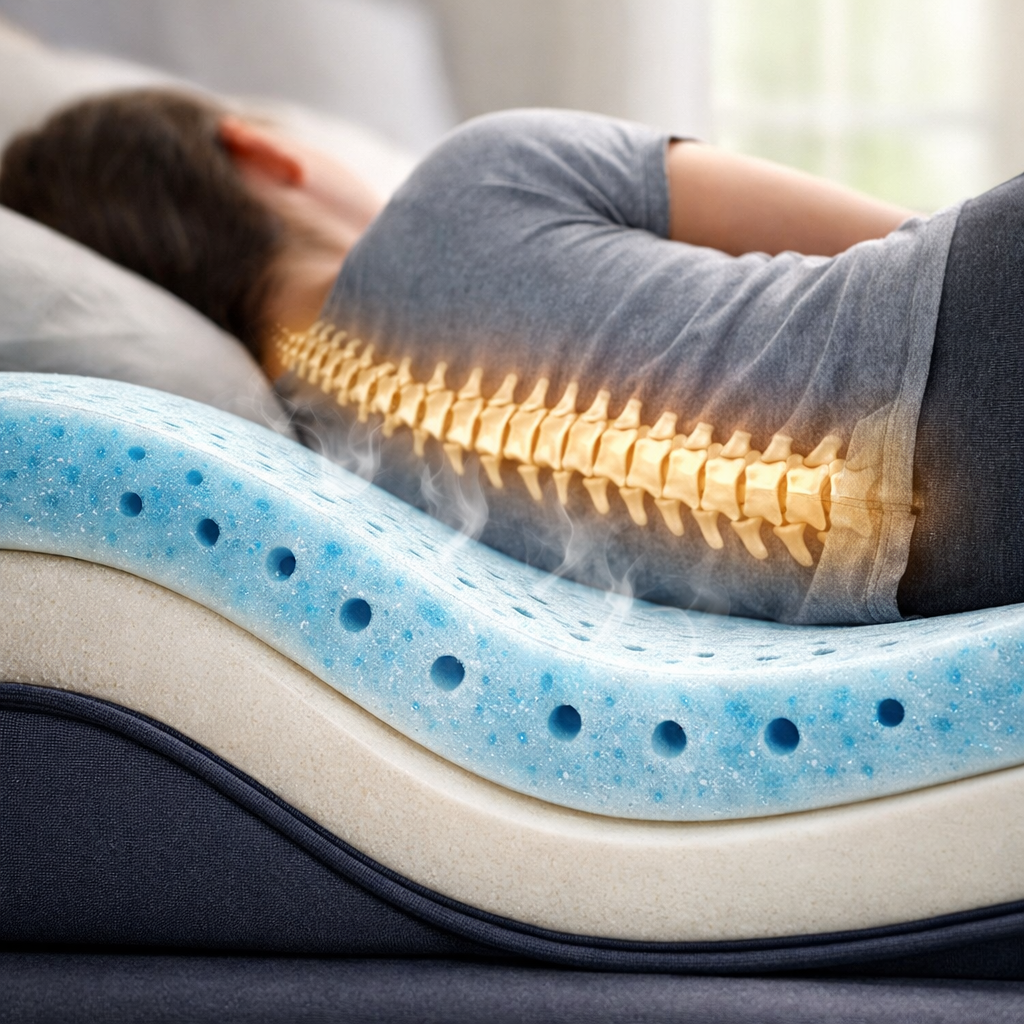
The mattress is the partner that actually cradles your body. For side sleepers, flexibility is key , the mattress must bend with the base without creating a hard ridge.
Memory foam and latex are top choices because they flex easily. A 25‑30 cm thick foam mattress provides enough give for the shoulders and hips while staying supportive. The Sleep Sophie Adjustable Bed ships with a tri‑layer gel‑infused mattress that meets these criteria.
Hybrid models can work if they use pocket‑spring coils wrapped individually. This design allows each coil to move independently, matching the base’s tilt. Avoid tall hybrid mattresses , excessive height makes bending difficult.
Edge support matters for side sleepers who sit up to read. Look for reinforced edges that prevent sagging when you lean on the side.
Firmness should sit in the medium‑soft range (around a 6‑7 on a 10‑point scale). Too firm will push your shoulders up, too soft will let your hips sink.
Check breathability. Gel‑infused foam helps regulate temperature, a plus for night‑time comfort.
When you shop, ask the retailer if the mattress is compatible with an adjustable base. Some springs resist bending and can damage the frame.
For a medical perspective, the UK NHS outlines that a supportive mattress reduces pressure on the spine, which aligns with our side‑sleeping focus.
Bottom line: Choose a mattress that bends with the base, offers medium‑soft support, and keeps you cool throughout the night.
Step 5: Optimize Your Bed Settings for Side Sleeping Comfort
With the right base and mattress, fine‑tune the angles. Start with a modest head lift , 5‑10 degrees , to open the airways and ease shoulder pressure. Test how you feel after a night; increase gradually if needed.
Next, add a slight leg elevation , 5‑15 degrees , to improve circulation and reduce lower‑back strain. For side sleepers with hip pain, a gentle knee‑bend (break‑knee) can align the pelvis and lessen hip drop.
Use the “contour” preset if your model has one. It creates a gentle curve that supports the natural spine shape, ideal for side positions.
Don’t forget pillow placement. For detailed guidance on how to position pillows on your adjustable bed, check out our guide on how to position pillows on adjustable bed for maximum comfort. A medium‑high loft pillow fills the gap between shoulder and mattress, while a small wedge under the knees can relieve lower‑back tension when the foot section is raised.
Save your favorite positions on the remote. Most bases let you store multiple presets , name one “Side Sleep” and one “Reading”. This saves you from readjusting each night.
Monitor how you feel after a week. If you still wake with shoulder soreness, raise the head a couple more degrees or try a softer pillow. Small tweaks make a big difference.
For an evidence‑based perspective, a study published in the Journal of Orthopaedic & Sports Physical Therapy notes that proper head elevation reduces nocturnal shoulder impingement in side sleepers.
Bottom line: Fine‑tuning head, foot, and pillow angles creates a custom cradle that eases pressure and improves sleep quality.
FAQ
What height should the head of an adjustable bed be for side sleepers?
Start with a 5‑10 degree lift. This modest angle opens the airway and reduces shoulder pressure without pulling you out of side alignment. Adjust in 2‑degree increments until you feel a comfortable stretch in the shoulders and a neutral spine.
Can I use a regular mattress on an adjustable base?
Only if the mattress is flexible enough to bend. Memory foam, latex, and pocket‑spring designs usually work well. Thick, rigid spring mattresses can resist bending, leading to creaking or reduced comfort. Always check the manufacturer’s compatibility guide before pairing.
Do I need a split‑king adjustable bed for side sleeping?
A split‑king is useful if you share the bed and have different angle preferences. Each side can be set independently, so one partner can keep a low incline while the other raises the head. If you sleep alone, a single‑size base with independent lift is sufficient.
How often should I change my mattress when using an adjustable bed?
Mattresses on adjustable bases tend to last longer because the weight is distributed more evenly. Still, most foam mattresses need replacement every 8‑10 years, while latex can last up to 12 years. Watch for sagging, loss of bounce, or persistent pressure points as signals it’s time for a new one.
Is a quiet motor important for side sleepers?
Yes. Side sleepers often shift positions during the night. A noisy motor can disturb both you and a partner, breaking sleep cycles. Look for motor ratings below 40 dB , Sleep Sophie’s whisper‑quiet motor sits at 35 dB, making it ideal for light sleepers.
Can an adjustable bed help with snoring?
Raising the head 6‑12 degrees can keep the airway open, reducing snoring for many people. Side sleepers benefit as the slight incline also prevents the tongue from falling back. Combine the head lift with a supportive pillow for the best results.
Conclusion
Choosing the perfect adjustable bed for side sleepers in Australia boils down to three pillars: a clear needs assessment, the right feature set, and a mattress that bends with the base. Sleep Sophie leads the market with a cooling‑gel foam mattress, independent lift, and a quiet motor that addresses the specific challenges side sleepers face.
Take the time to map your sleep goals, compare models using the checklist we provided, pair with a flexible mattress, and then fine‑tune the angles until your shoulders, hips, and spine feel supported. When you get it right, you’ll wake up refreshed, pain‑free, and ready to tackle the day.
Ready to upgrade? Explore Sleep Sophie’s range of electric adjustable bases and find the side‑sleeping solution that fits your lifestyle and budget.