
Only 2 out of 20 adjustable beds on the Australian market actually tell you how much weight they can hold. That’s just 10%. And half of the beds that promise vibration therapy come from niche brands, not the big names. If you or a loved one has restless leg syndrome (RLS), picking the right adjustable bed can make a world of difference. But it’s easy to get lost in all the claims.
In this guide, you’ll learn exactly what to look for. We’ll walk you through six simple steps. From understanding how an adjustable bed helps RLS to where to buy one in Australia. By the end, you’ll know how to choose an adjustable bed for seniors with restless leg syndrome australia that fits your needs and budget.
We searched Australian e‑commerce and review sites on 26 April 2026. We looked at product pages, third‑party listings and competitor catalogues. In total we found 20 unique items from 8 domains. We checked for weight capacity, leg massage, vibration, motor noise and NDIS eligibility. What we found shows a lot of gaps. That’s why this guide exists, to help you cut through the confusion and find the right bed.
Step 1: Understand How an Adjustable Bed Can Help with RLS Symptoms
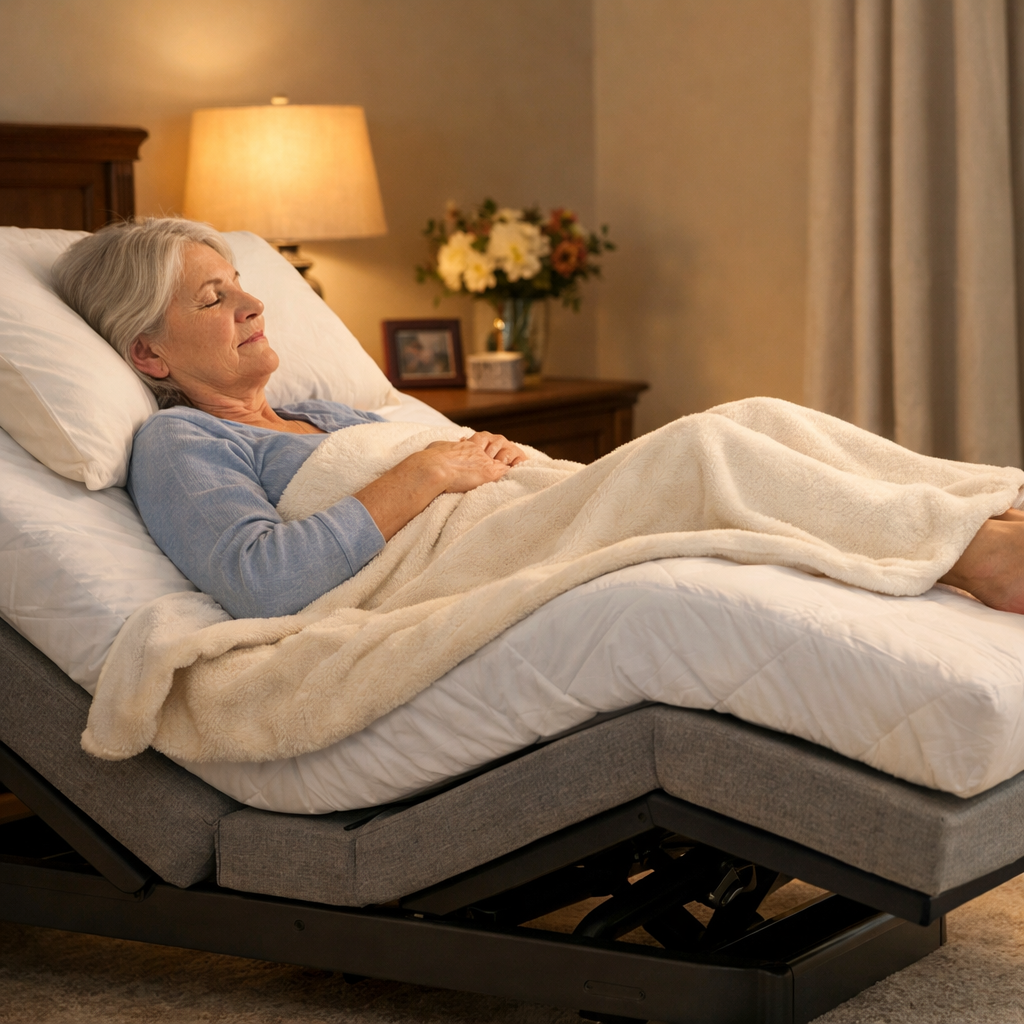
Restless leg syndrome is a real pain. It makes you feel like you have to move your legs, especially at night. The urge can be so strong it keeps you from falling asleep. And when you don’t sleep well, your RLS can get worse. It’s a nasty cycle.
So how can an adjustable bed help? Simple. By letting you change the position of your legs and upper body. Raising your legs just a bit can take pressure off your nerves and muscles. It’s like putting your feet up after a long day. Except you do it all night.
Think about it. When you lie flat, gravity works against you. Your legs can feel heavy and uncomfortable. But when you lift them a few inches, that changes. The blood flows better. The tingling feeling can ease up. For many people with RLS, that small lift is enough to stop the urge to move.
Adjustable beds also let you raise your head. That helps with breathing and snoring. Better breathing means more oxygen. more oxygen means better sleep. And better sleep means your RLS symptoms may not flare up as much.
Some beds come with vibration massage. The table we showed you earlier says 12 out of 20 beds advertise vibration. But not all vibration is the same. Some offer a gentle buzz. Others give a deep full‑body shake. For RLS, a gentle vibration on the legs can calm those restless feelings. It’s a bit like a leg rub before sleep.
The zero‑gravity position is another big help. It lifts your legs above your heart. This takes pressure off your lower back and legs. Many people with RLS say zero gravity makes the creepy‑crawly feeling go away. It’s one of the best positions for relaxing the whole body.
But here’s the thing. An adjustable bed alone won’t cure RLS. It’s a tool. You still need to talk to your doctor and maybe take medication. But the right bed can make those treatments work better. It can help you fall asleep faster and stay asleep longer.
Our pick, Sleep Sophie, offers integrated vibration and adjustable positioning. It’s designed to help seniors with conditions like RLS. And it’s NDIS eligible, which is a big plus for many Australian families. That combination of vibration, adjustability and support is rare. Most beds either have vibration or NDIS eligibility. Sleep Sophie has both.
Remember: the goal is to break the RLS‑insomnia cycle. A bed that lets you change positions easily can do that. You can raise your legs until the urge stops. Then lower them a bit when you’re asleep. The best adjustable beds let you save a “RLS relief” preset. One button and the bed moves to the exact angle that works for you.
Bottom line: Understanding how an adjustable bed works for RLS is the first step to choosing the right one; focus on elevation, vibration, and zero gravity features.
Step 2: Key Features to Look for in an RLS-Friendly Adjustable Bed
Now that you know how an adjustable bed can help, let’s talk about what features actually matter. Not all adjustable beds are created equal. Some have bells and whistles you don’t need. Others are missing the stuff that matters most for RLS.
Here’s what you should look for.
Vibration Massage
We already saw that 12 out of 20 beds advertise vibration. But the research says only some specify “full‑body” or “whole‑body” vibration. For RLS, you want vibration that targets the legs. That means the foot section should have its own vibration zone. A head‑only vibration won’t do much.
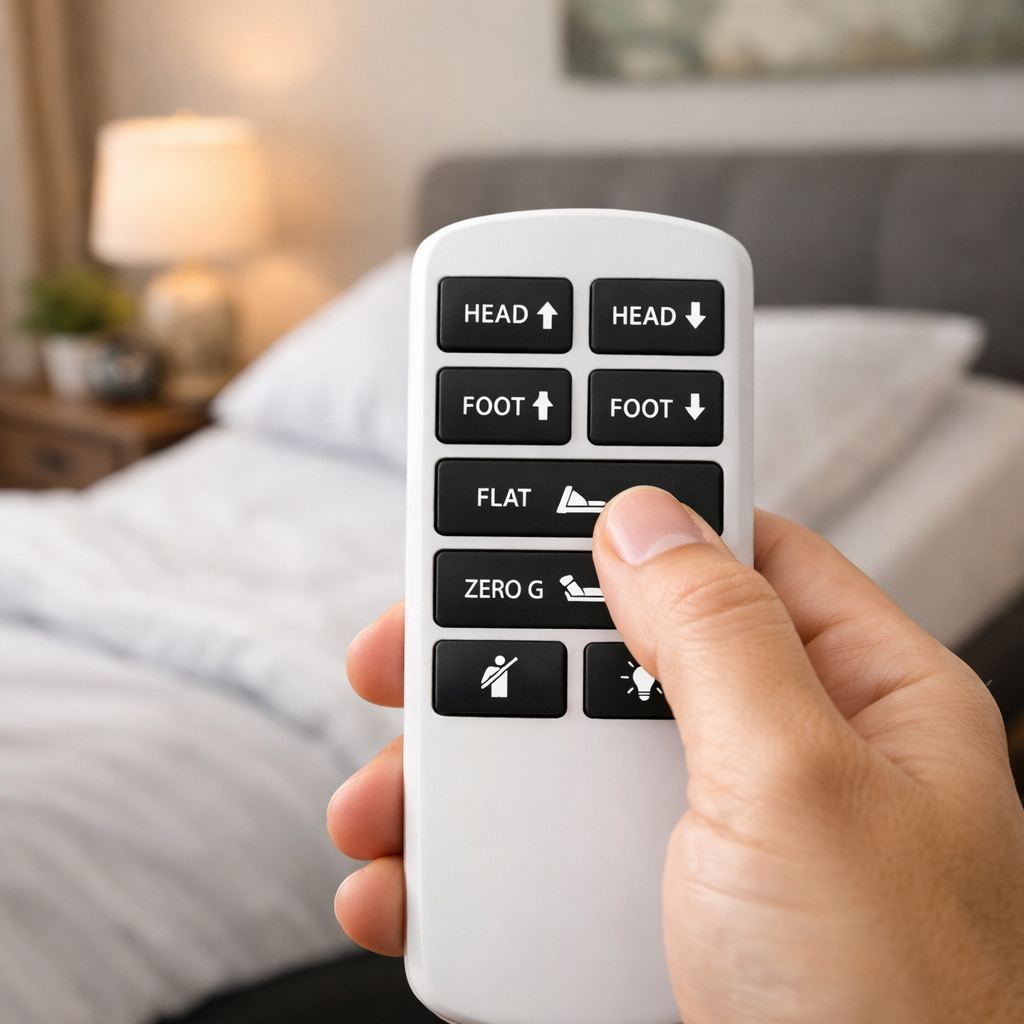
Adjusta and Better Living Australia have the most full‑body options. But our pick, Sleep Sophie, has integrated vibration that works across the whole bed. The remote lets you choose head or foot vibration and set a timer. That’s exactly what you need.
Independent Head and Foot Adjustment
You don’t want a bed where the head and foot move together. That’s like a hospital bed from the old days. You want independent control. That way you can raise your legs without raising your head. Or raise your head a bit and your legs a lot. The best beds for RLS let you fine‑tune each section.
Zero Gravity Preset
Zero gravity is not just a gimmick. It’s a scientifically supported position that takes pressure off the spine and legs. Look for a bed that has a one‑button zero gravity preset. The best ones let you adjust it slightly and save your custom position.
Weight Capacity
Here’s a scary fact from our research. Only 2 out of 20 beds disclose their weight capacity. That means you have no idea if the bed can safely hold a senior’s weight. Sleep Sophie has a high weight capacity (320 kg). Always check the weight limit before you buy. If a company doesn’t list it, ask them. If they can’t tell you, move on.
Noise Level
RLS already disrupts sleep. You don’t need a noisy motor making it worse. Look for beds with quiet motors. Sleep Sophie uses Okin motors, which are known for being silent. The remote control should work without a loud beep every time you press a button.
Safety Features
For seniors, safety is huge. Look for adjustable legs that are wide apart to prevent tipping. Under‑bed lighting helps at night. A bed that lowers all the way to the floor can prevent injury from falls. Sleep Sophie has all of these. The research shows that many cheaper beds skip these safety features.
“The best adjustable bed for RLS is one that combines vibration, independent control, and zero gravity , not just a fancy remote.”
When you’re shopping, make a list of must‑haves. Vibration on the foot end. Independent head and foot. Zero gravity. Quiet motor. High weight capacity. NDIS eligibility if that applies to you. Our pick, Sleep Sophie, ticks all these boxes. But don’t just take our word for it. Ask to see the bed in person and test it.
Also check the remote. Is it backlit? Can you read the buttons without your reading glasses? Does it have memory settings? These small things make a big difference at 3 AM when your legs are acting up.
Bottom line: Choose a bed with foot‑focused vibration, independent controls, and proven safety features; avoid beds that hide specs like weight capacity or motor noise.
Step 3: Choose the Right Bed Size and Mattress for Comfort
You can have the best adjustable base in the world. But if the mattress is wrong, you won’t sleep better. And if the size is wrong, the whole thing feels cramped. So let’s get this right.
Mattress Matters
Not every mattress works on an adjustable bed. You need a flexible mattress. Memory foam is usually the best choice. It bends with the frame without cracking. It also isolates motion, so your partner’s movements won’t wake you up.
According to Sleep Advisor’s guide on the best mattresses for restless leg syndrome, you want a mattress that relieves pressure on your legs without trapping heat. They recommend a medium‑firm feel , not too soft, not too hard. A mattress that is too soft can make you feel stuck, which makes RLS worse. A mattress that is too hard puts pressure on your legs.
Look for a mattress with good responsiveness. That means it springs back quickly when you move. Memory foam that is too slow can make it hard to shift your legs. And with RLS, you need to move without fighting the mattress.
Our pick, Sleep Sophie, comes with a cool‑gel memory foam mattress. It’s designed for adjustable beds. It relieves pressure and stays cool. Plus it has a good bounce so you can move your legs easily.
Choosing the Right Size
Size is personal. But for seniors with RLS, bigger is usually better. You need room to stretch your legs. A King Single (107cm x 203cm) gives you both length and width. That’s a good minimum. If you share a bed, consider a Split King (two Long Singles). That way each person can adjust their side independently.
The research from Napp Beds shows that Australian sizes can be confusing. Here’s a quick breakdown:
- Long Single (91.5 x 203cm): Good for one tall adult. Affordable but narrow.
- King Single (107 x 203cm): Better width for one person. Very popular for adjustable beds.
- Queen (153 x 203cm): Good for couples if you don’t need split control.
- Split King (2 x Long Single): Best for couples. Each side adjusts separately. Most popular split size.
Measure your room carefully. Adjustable beds need clearance on all sides. The motors need space. Don’t forget about the mattress thickness , a thick mattress makes the bed higher. Some seniors have trouble getting into a high bed. Look for adjustable legs that let you lower the bed if needed.
Mattress Support and RLS
Dr. Raj Dasgupta from Sleep Advisor says, “A mattress can not directly help restless leg syndrome. However, it is important to look for a mattress that’s comfortable, supportive, and relieves pressure on your legs without overheating.” So the mattress is a supporting actor. The adjustable base is the star.
Many adjustable bed brands sell mattress bundles. Sleep Sophie offers a bundle with their cool‑gel mattress. That’s the safest route. You know the mattress is tested with the base.
One more thing. If you use a mattress protector, make sure it fits snugly. Loose sheets can bunch when the bed moves. That creates pressure points. And pressure points can trigger RLS symptoms.
Bottom line: The right mattress is just as important as the base; choose memory foam, medium firmness, and a size that fits both your body and your room.
Step 4: Compare Top Adjustable Bed Brands in Australia
Now you know what features to look for. Let’s talk about brands. We’ve done the research so you don’t have to. Our table earlier gave you a snapshot. Now let’s go deeper into the top players.
Sleep Sophie (Our Pick)
Sleep Sophie is our top recommendation for seniors with RLS. Why? Because it combines everything you need. Integrated vibration that actually works. Independent head and foot adjustment. Zero gravity preset. High weight capacity (320 kg). NDIS eligible. Plus it comes with a cool‑gel memory foam mattress designed for the base.
The remote is backlit and easy to use. The bed has under‑bed lighting and adjustable legs. The motors are quiet. Sleep Sophie also offers a 10‑year warranty on the base. That’s confidence. Many other brands offer only 2 years unless you buy an extension.
What’s missing? No smart app yet. But if you just want a reliable bed that helps with RLS, Sleep Sophie is hard to beat. It’s the only mainstream brand in our research that has both vibration and confirmed NDIS eligibility.
Adjusta
Adjusta offers four models with full‑body vibration massage. That’s more vibration options than any other brand. If vibration is your top priority, Adjusta deserves a look. Their beds come in split sizes and have decent weight capacities. But they don’t list NDIS eligibility on their website. If you’re on NDIS, you may need to check directly.
Better Living Australia
Better Living Australia also has four models. They advertise whole‑body vibration with head and foot points. That’s a nice feature. They are NDIS eligible. Their beds are designed for therapeutic use. The downside is that some models lack independent head/foot control. You have to check each model carefully.
Other Brands
BedWorldOnline and ProductReview.com.au are less known. AusMedHealth sells only one bed. PLEGA has four NDIS‑eligible models but no vibration. Each has pros and cons. But none match Sleep Sophie’s combination of vibration, NDIS support, and full feature set.
When comparing brands, don’t just look at the price. Look at the total package. What’s the warranty? Is the mattress included? Can you return it if it doesn’t help? Sleep Sophie offers a 60‑night worry‑free exchange on the mattress. That’s rare in the industry.
Also consider customer reviews. Sleep Sophie has strong reviews from seniors across Australia. Their Australian‑based customer support is a big plus. If something goes wrong, you want to talk to a local person, not an overseas call centre.
“The best adjustable bed brand for RLS is one that stands behind its product with a long warranty and local support.”
Bottom line: Compare brands not just on features but on warranty, mattress quality, NDIS support, and local service , Sleep Sophie offers the best balance for seniors with RLS.
Step 5: Consider Budget, Warranty, and After-Sales Support
Let’s talk money. Adjustable beds are an investment. A good one costs anywhere from $1,500 to $5,000 depending on size and features. But cheap beds often come with cheap parts. And if the bed breaks, you’re stuck without sleep.
Budget Smart
You don’t have to buy the most expensive bed. But don’t buy the cheapest either. A mid‑range bed from a reputable brand is the sweet spot. Sleep Sophie’s models are priced fairly for what you get. They offer payment plans and NDIS support, which can lower the upfront cost.
Set a budget before you start shopping. Include the mattress, delivery, and setup. Some brands hide these costs. Ask for an all‑in quote.
Warranty , What Matters
Our research showed that warranty terms vary wildly. Peace Lily, for example, offers only 2 years standard unless you buy an extension. That’s poor. Sleep Sophie offers 10 years on the base. That’s excellent.
Seniors Plus (a competitor) offers a 10‑year warranty on bases but 5 years on mattresses. Still good. But they are a competitor, so we can’t recommend them.
What should you look for in a warranty?
- At least 5 years on the base, 10 is better.
- At least 2 years on electronics and motors.
- Includes parts and labour for repairs.
- Covers the mattress for at least 1 year.
- No hidden conditions like “must use only our mattress”.
Sleep Sophie’s warranty covers all parts of the base for 10 years. That’s one of the best in Australia. It gives you peace of mind.
After-Sales Support
What happens if your remote breaks? Or the motor makes a noise? You want a company that answers the phone. Sleep Sophie has Australian‑based customer service. You can call them during business hours. They’ll walk you through troubleshooting. If parts need replacement, they ship them quickly.
Some brands offer in‑home service. Sleep Sophie does not, but their warranty covers the cost of replacement parts. A local technician can install them if needed. For most seniors, that’s fine.
Also check the return policy. Can you return the bed if it doesn’t help? Sleep Sophie offers a 60‑night mattress exchange. That’s better than many boutique brands that don’t accept returns on opened products.
Finally, consider the total cost of ownership. A cheap bed that breaks after 2 years costs more than a quality bed that lasts 10. Sleep Sophie’s build quality is high. Their motors are Okin, a trusted brand. The steel frame is heavy duty. This bed will last.
Bottom line: Factor in warranty length, repair service, and return policy , a slightly higher upfront cost for a well‑supported bed is cheaper in the long run.
Step 6: Where to Buy and Trial an Adjustable Bed in Australia
You’ve done the research. You know what features you need. Now it’s time to buy. But where? And how can you try it first?
Buying Online vs In‑Store
Many adjustable bed brands sell online only. That’s convenient. But you can’t test the bed before you buy. Some brands have showrooms. Sleep Sophie, for example, has a showroom in Sydney. You can visit and try their beds. If you’re not near Sydney, they offer free shipping and a 60‑night exchange on the mattress.
Online buying is fine if the return policy is good. But always test the vibration and remote if you can. The feel of vibration is personal. What works for one person may not help another.
NDIS Funding
If you or a loved one is an NDIS participant, look for NDIS‑eligible beds. Our research found that 10 out of 20 beds claim NDIS eligibility. Sleep Sophie is one of them. That means you may be able to use your NDIS funding to buy the bed. Always check with your plan manager before purchasing.
Other NDIS‑eligible brands from our table include PLEGA, AusMedHealth, and Better Living Australia. But only Sleep Sophie combines NDIS eligibility with integrated vibration.
Local Retailers and Specialists
Some medical supply stores carry adjustable beds. But they often stock only one or two brands. That limits your options. Specialist online retailers like Sleep Sophie have a wider range. They also have more expertise on RLS and seniors’ needs.
If you live in a major city like Sydney, Melbourne, Brisbane, or Adelaide, you can find showrooms. Sleep Sophie has a presence in Sydney and ships Australia‑wide. They use white‑glove delivery: the team brings the bed into your room, assembles it, and takes away the packaging. That’s a huge help for seniors.
Questions to Ask Before Buying
- How long is the shipping time?
- Do you remove the old bed?
- Is assembly included?
- What if I don’t like it?
- Is the mattress included or sold separately?
Get answers in writing. Many brands promise good service but don’t deliver. Sleep Sophie has clear policies on their website. Their customer service team answers quickly.
“Good support after the sale is just as important as the product itself.”
Bottom line: Choose a retailer that lets you try the bed, offers safe delivery and setup, and accepts NDIS funding for the best buying experience.
Frequently Asked Questions
Can an adjustable bed cure restless leg syndrome?
No, an adjustable bed cannot cure RLS. It can help manage the symptoms. By improving your legs and providing gentle vibration, it can reduce the urge to move and help you fall asleep. Always combine it with medical advice. Think of it as a tool that supports better sleep, not a cure.
How much does a good adjustable bed for seniors cost in Australia?
Prices range from about $1,500 to $5,000 depending on size, features, and whether the mattress is included. A quality bed with vibration, independent controls, and a good warranty like Sleep Sophie falls in the mid‑range. Some brands offer payment plans. NDIS funding can also bring the cost down for eligible participants.
Is vibration massage safe for seniors?
Yes, gentle vibration is generally safe for seniors. It can improve circulation and relax muscles. Always start on the lowest intensity and increase as needed. If you have medical conditions like deep vein thrombosis or a pacemaker, check with your doctor first. Most adjustable beds let you control vibration in 15‑minute cycles.
What size adjustable bed is best for a senior couple?
A Split King is the best choice for couples. It consists of two Long Single bases side by side. Each person can adjust their side independently. That way one partner can raise their legs for RLS while the other sleeps flat. It also reduces motion transfer. If space is tight, a Queen may work but you lose independent control.
Do I need a special mattress for an adjustable bed?
Yes, you need a flexible mattress. Memory foam or latex is best. Traditional spring mattresses can bend awkwardly. Many adjustable bed brands sell mattresses designed for their bases. Buying a bundle ensures compatibility and protects your warranty. Sleep Sophie’s cool‑gel memory foam mattress is specifically made for their adjustable base.
Can I use NDIS funding to buy an adjustable bed for RLS?
It depends on your NDIS plan. Many participants can use funding if the bed is deemed a reasonable and necessary support for sleep and health. Sleep Sophie is one of the brands that is NDIS eligible. Always check with your plan manager or support coordinator before purchasing to confirm funding approval.
How long does delivery take for an adjustable bed in Australia?
Delivery times vary. For built‑to‑order beds like Sleep Sophie, expect 2‑4 weeks. White‑glove delivery adds a few more days. Some brands offer express delivery for stock items. Always confirm the lead time before buying. And make sure someone is home to receive and assemble the bed.
What is the best sleeping position for RLS on an adjustable bed?
Most people find zero gravity the most effective position. That’s where the head is raised about 30 degrees and the legs are raised to put the knees above the heart. This reduces nerve pressure and improves blood flow. Some prefer a slight leg lift only. The best bed lets you save a custom preset so you can find your perfect angle.
Conclusion
Choosing the right adjustable bed for RLS doesn’t have to be hard. Now you know the steps. Start by understanding how a bed can help. Look for the right features , vibration on the legs, independent control, zero gravity, and a high weight capacity. Pick the right size and mattress. Compare brands and don’t just look at price. Check the warranty and after‑sales support. And choose a retailer you can trust.
Our research shows that most adjustable beds on the market are missing key info. Only 10% disclose weight capacity. Half of the vibration claims are vague. But some beds stand out. Our pick, Sleep Sophie, combines everything seniors with RLS need: integrated vibration, NDIS eligibility, a high‑quality mattress, and a 10‑year warranty. It’s the complete package.
Don’t let the information overload stop you from getting better sleep. Take it one step at a time. Use this guide as your checklist. Talk to your doctor about your RLS. Then choose a bed that gives you the best chance of a good night’s rest.
You can learn more about setting up your new bed with our guide on Adjustable Bed with Smartphone App Australia for tech‑savvy features. If you’re still unsure, check out 6 Things Seniors should consider before purchasing an Adjustable Bed for more tailored advice.
Sleep well. Rest those legs. And wake up feeling better. You deserve it.