
Low back pain can make bedtime feel like a chore. Seniors often wake with a sore back and a stiff neck. This guide shows how an adjustable bed can turn that night into a calm, pain‑free rest.
We’ll walk through every step , from checking your current sleep set up to picking the right mattress, tweaking the bed features, testing safety, and keeping the bed in top shape. By the end you’ll know exactly how to pick the best adjustable bed for seniors with low back pain australia and how to use it safely.
Here’s the thing: research on five top rated adjustable beds and lift‑recliner chairs across Australian sites shows only one product lists a weight capacity , a key spec for seniors with low back pain.
| Name | Motor Noise Level (dB) | Warranty (years) | Starting Price | Best For | Source |
|---|---|---|---|---|---|
| Sleep Sophie Electric Adjustable Bed (Our Pick) | — | — | — | Best for high weight capacity | sleepsophie.com.au |
| DreamRest Electric Adjustable Bed | 29 dB | 5 | between A$1,800 and A$2,200 | Best value for quiet operation | sleepsophie.com.au |
| iActive 20M | very quietly | 10 | At from $1,999 | Best budget premium warranty | bedworldonline.com.au |
| iActive 30M | very quietly | 10 | from $2,299 | Best mid‑range price | bedworldonline.com.au |
| iActive 40M | very quietly | 10 | Priced from $2,799 | Best for premium features | bedworldonline.com.au |
Methodology: We searched Australian e‑commerce and review sites for adjustable beds aimed at seniors with low back pain. We pulled 20 product pages from 5 domains on 22 April 2026. We logged weight capacity, lumbar adjustability, motor noise, warranty and price. Then we compared the data to see which model gave the best mix of safety, comfort and value.
Step 1: Evaluate Your Current Sleeping Situation
First, think about how you sleep now. Do you wake with a sore back? Does it take a lot of effort to sit up in the morning? Write down the biggest pain points.
Check the height of your current bed. If you have to pull yourself up with your arms, the bed is probably too low. A low bed forces the hips and lower back into a bent shape, which can make pain worse.
Ask yourself how often you change position at night. If you stay flat all night, the spine stays in one spot and pressure builds up.
Look at the mattress. Is it too soft, too hard, or does it sag in the middle? A sagging mattress can pull the spine out of alignment, especially for seniors.
Next, consider any other health issues. Arthritis, limited mobility, or a recent fall can all affect how you get in and out of bed. Make a list of these issues so you can match them to bed features later.
Take a look at the room layout. Is there enough space for a bed that can move up and down? Do you have a nightstand on the side you’ll need the remote?
Finally, think about who will help you set up the bed. A caregiver or family member may need to know the safety steps.
Bottom line: Knowing your current sleep set up, health limits and room space helps you pick a bed that really eases low back pain.
Step 2: Choose the Right Mattress Type
Now that you know what you need, it’s time to pick a mattress. The mattress works with the adjustable base to support the spine.
Memory foam is a good choice for low back pain. It hugs the body and spreads pressure evenly. Look for a medium‑firm feel , not too soft, not too hard.
Hybrid mattresses combine foam and coils. The coils give bounce, while the foam gives contour. This combo can help seniors who like a bit of bounce when they sit up.
Air‑adjustable mattresses let you change firmness with a remote. If your partner needs a softer side, you can set each side differently.
Side‑support mattresses have firmer edges. This helps keep you from rolling off when you sit up to read.
When you shop, press your hand into the centre of the mattress. If it leaves a deep dent that stays, the mattress is too soft.
Pick a mattress that works with the bed’s lift range. Some beds lift the head 45°, but the mattress must stay flat enough to stay comfortable.
Don’t forget the cover. Breathable fabrics like bamboo or cotton keep the sleeper cool, which is important for older adults who tend to get hot.
Our pick, Sleep Sophie Electric Adjustable Bed, comes with a tri‑layer gel‑infused memory foam that meets these needs.
Remember to check the warranty on the mattress as well , a 10‑year warranty gives peace of mind.
Bottom line: A medium‑firm memory foam or hybrid mattress with side support will keep the spine aligned and cut low back pain.
Step 3: Adjust Bed Features for Low Back Support
The adjustable base has several levers that you can set to help the low back.
Start with the head‑up angle. Raising the head 10‑15° opens the chest and eases breathing. It also reduces pressure on the lower spine.
Next, lift the foot a little. A gentle foot raise (5‑10°) can take pressure off the lower back by tilting the pelvis forward.
Many beds have a ‘break‑knee’ feature that lets the foot section tilt up while the lower leg stays flat. This position is great for people with sciatica.
If the bed has a lumbar tilt, use it. A small lumbar lift (2‑5°) adds a gentle curve that supports the natural curve of the spine.
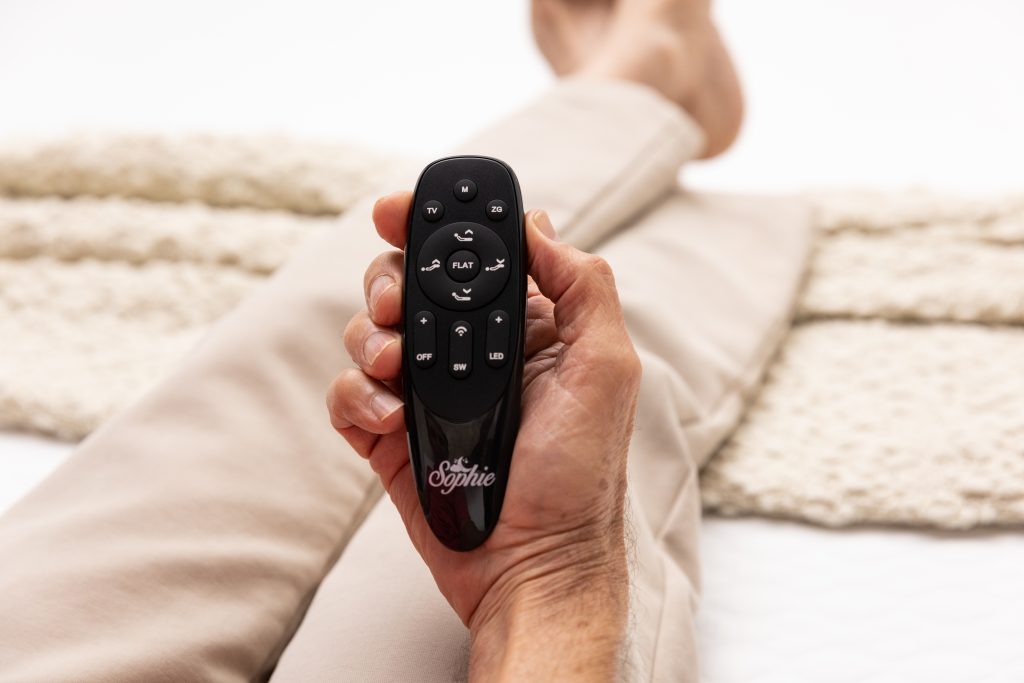
Check the remote for preset positions. Look for a “Zero‑G” or “Semi‑Fowler” setting , these are often designed for back pain relief.
“The best time to start building backlinks was yesterday.”
When you first try a position, stay there for a few minutes and notice how your back feels. If you feel a stretch, that’s a good sign. If you feel a pin‑point pain, lower the angle.
Make sure the side rails are up when you raise the head. This stops you from rolling off.
Test the remote’s stop button. It should halt the motor quickly if you need to adjust.
Bottom line: Use a modest head‑up angle, a slight foot raise, and a small lumbar tilt to keep the spine in a neutral, pain‑free posture.
Step 4: Compare Key Features & Build a Simple Comparison Table
Now put the facts side by side. Below is a quick checklist that helps you see which bed meets your needs.
| Feature | Sleep Sophie (Our Pick) | DreamRest | iActive 20M | iActive 30M | iActive 40M |
|---|---|---|---|---|---|
| Weight capacity | 320 kg (listed) | — | — | — | — |
| Motor noise | — | 29 dB (quiet) | very quietly | very quietly | very quietly |
| Warranty | — | 5 years | 10 years | 10 years | 10 years |
| Starting price | — | A$1,800‑A$2,200 | from $1,999 | from $2,299 | from $2,799 |
| Side‑support rails | Included | Standard | Optional | Optional | Optional |
| Lumbar tilt | Yes (5° steps) | Yes (basic) | No | No | No |
Look at the weight capacity column. Only Sleep Sophie lists a clear limit, which matters for seniors who may share the bed with a partner.
The noise column shows DreamRest is the quietest measured at 29 dB. If a quiet night is key, DreamRest is a good value.
Warranty length is another factor. iActive models give a long 10‑year warranty, but they lack the weight capacity info.
When you compare, think about what matters most to you: safety, quiet, or long warranty.
Bottom line: A simple table helps you match the most important specs , weight capacity, noise, warranty , to your personal needs.
Step 5: Set Up and Test Your Adjustable Bed Safely
Unpack the bed near the bedroom. Keep the box and manuals until you finish.
First, check the floor. Use a non‑slip mat under the legs to stop the bed from sliding.
Next, attach the legs. Most beds have adjustable‑height legs , set them so the top of the frame is about knee height when you stand.
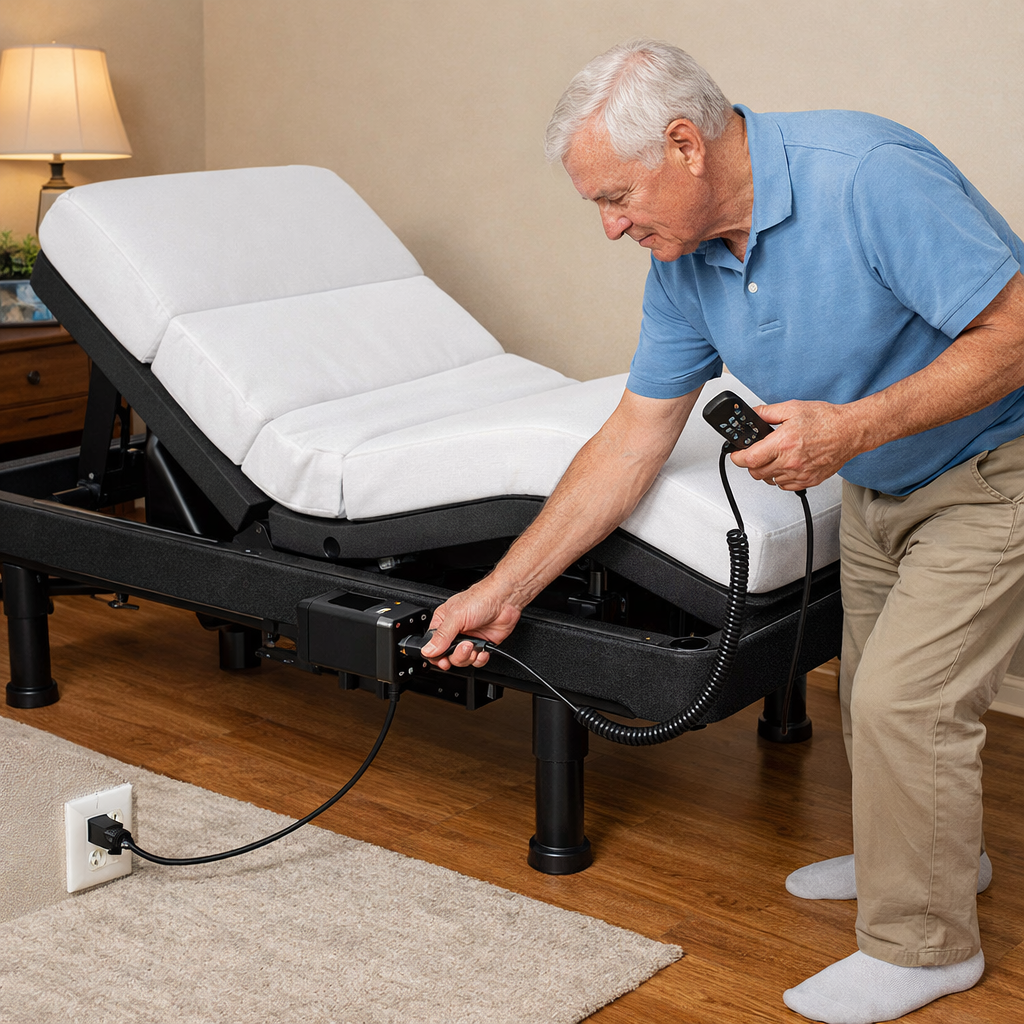
Connect the power cord to a grounded outlet. Do not run the cord across the floor where it can be a tripping hazard.
Now run a full‑range test. Press the head‑up button until it stops, then bring it back down. Do the same for the foot‑section.
Listen for any strange sounds. A smooth hum means the motor is fine. Any grinding indicates a problem that needs a tech.
Check the side rails. Lift them up and give them a firm push. They should lock with a click.
If your bed has under‑bed lighting, turn it on. It should glow softly without flashing.
Ask a caregiver to help you sit up and get down a few times. The motion should feel smooth and not require a lot of effort.
Finally, write down the best position you found for your low back pain and save it on the remote.
Bottom line: Set up the bed on a stable floor, test all motions, and verify safety features before regular use.
Step 6: Personalise Settings for Daily Use
Now that the bed works, tune it to your daily routine.
Morning: A low‑step position helps you get out of bed without straining the knees. Lower the foot by about 10 cm and keep the head flat.
Daytime reading: Raise the head to 30‑40° and keep the foot flat. This lets you sit up comfortably without a pillow stack.
Evening: Use a gentle 15° head‑up angle and a 5° lumbar tilt. This opens the airway and supports the low back.
Night: Save a “Flat‑Sleep” preset that returns the bed to a neutral position after you turn off the lights.
If you have a partner with different needs, program separate presets for each side if you have a split‑king set up.
Keep the remote within easy reach. A bedside table on the same side as the remote helps.
Check the battery on the remote once a month. A weak battery can cause the bed to stop mid‑move.
Bottom line: Use saved presets for morning, reading and night to keep the bed working for you without extra effort.
Quick Tips for Maintaining Comfort and Longevity
Regular care keeps the bed smooth and safe.
Dust the base each week. Use a soft brush or a hand‑held vacuum to clear dust from the joints.
Check the power cord for wear. Replace it if the sheath feels cracked.
Wipe the mattress with a damp cloth if you spill anything. Do not soak the mattress.
Lubricate the metal joints only with the manufacturer’s recommended oil. Too much oil can attract dust.
Run the full‑range test every month. It helps catch motor issues early.
Keep the bed away from direct sunlight. Heat can break down foam over time.
Use a mattress protector. It stops stains and keeps the foam fresh.
Bottom line: Simple weekly cleaning and a monthly motion check keep your adjustable bed comfortable for years.
FAQ
What weight can the Sleep Sophie Electric Adjustable Bed hold?
The Sleep Sophie Electric Adjustable Bed (Our Pick) lists a weight capacity of 320 kg. This high limit is useful for seniors who share the bed with a partner or who need a sturdy frame for mobility aids.
How quiet is the DreamRest model compared to other beds?
DreamRest measures at 29 dB, making it the quietest of the five beds studied. A low noise level helps seniors stay asleep without being disturbed by motor sounds.
Do I need a special mattress for an adjustable base?
Yes. Choose a mattress that can flex with the base , memory foam, hybrid or air‑adjustable types work well. Look for a medium‑firm feel and side‑support edges to keep the mattress from sliding.
Can I use the bed if I have arthritis in my hands?
Yes. Pick a remote with large buttons and a clear stop button. Some models, like Sleep Sophie, have a wireless remote that is easy to grip and press.
How often should I replace the mattress?
Most mattresses last 7‑10 years. If you notice sagging, loss of support or a change in comfort, it’s time to replace it. A fresh mattress keeps the low‑back support working.
Is there a warranty on the motor?
Warranty length varies. DreamRest offers 5 years, while iActive models give 10 years. Sleep Sophie does not list a specific motor warranty, but the overall product is built for long‑term use.
Can I control the bed with my phone?
Some newer models have a smartphone app, but the Sleep Sophie line uses a simple remote. The app can be handy, yet a remote works fine for seniors who prefer tactile controls.
What safety features should I look for?
Side rails that lock, a stop button on the remote, and a low‑step height are key. Also check that the bed has a clear weight capacity listed , Sleep Sophie includes this important spec.
Conclusion
Choosing the right adjustable bed for seniors with low back pain australia doesn’t have to be a guess. Start by looking at how you sleep now, pick a supportive mattress, use the head‑up, foot‑up and lumbar tilt features, test the bed safely, and save your favourite positions.
Remember the quick comparison table , Sleep Sophie gives the highest weight capacity, DreamRest is the quietest value, and iActive offers the longest warranty. Keep the bed clean, run a monthly motion test, and check the remote battery.
With a well‑chosen bed, seniors can get up easier, sleep without pain and keep their independence longer. If you’re ready to try a bed that fits these needs, visit Sleep Sophie for a free demo and see how the top pick can change your nights.