
Finding the right bed can mean the difference between struggling and thriving for seniors who move with care. Anadjustable bed for seniors with limited mobility featureshelps them sit up, get down, and stay comfortable without extra help. In this guide you’ll learn the five must‑have features that turn a regular bed into a safe, supportive sleep platform.
1. Adjustable Incline for Pressure Relief
When the head or foot lifts, pressure spreads out instead of staying on one spot. That little tilt can ease sore joints and keep blood flowing. For seniors, a gentle incline also means less effort when sitting up to read or watch TV.
Here’s what I mean: the base raises the upper half of the mattress while the lower half stays flat. The angle can be changed in one‑degree steps, so you can fine‑tune the position.
- Start with a 30‑degree lift to ease back pain.
- Raise the legs a few inches to cut swelling after a long day.
- Use the “flat” button before getting out of bed to avoid sudden drops.
Why does this matter? Pressure that stays in one place can turn into bruises or sores. A study from the National Council on Aging notes that adjustable frames let users lift their torso or legs, which can reduce pressure points and improve sleep quality. NCOA explains the health perks of incline. Imagine a senior who wakes up with a stiff hip. By raising the foot end a few inches, the hips open up and the morning stretch feels easier.
Pro tip: pair the incline with a mattress that bends well , memory foam or hybrid models work best. A mattress that resists bending can feel hard and may hurt the spine.
Bottom line:An adjustable incline spreads pressure, eases pain, and makes getting out of bed smoother for seniors.
2. Zero Gravity Positioning for Better Circulation
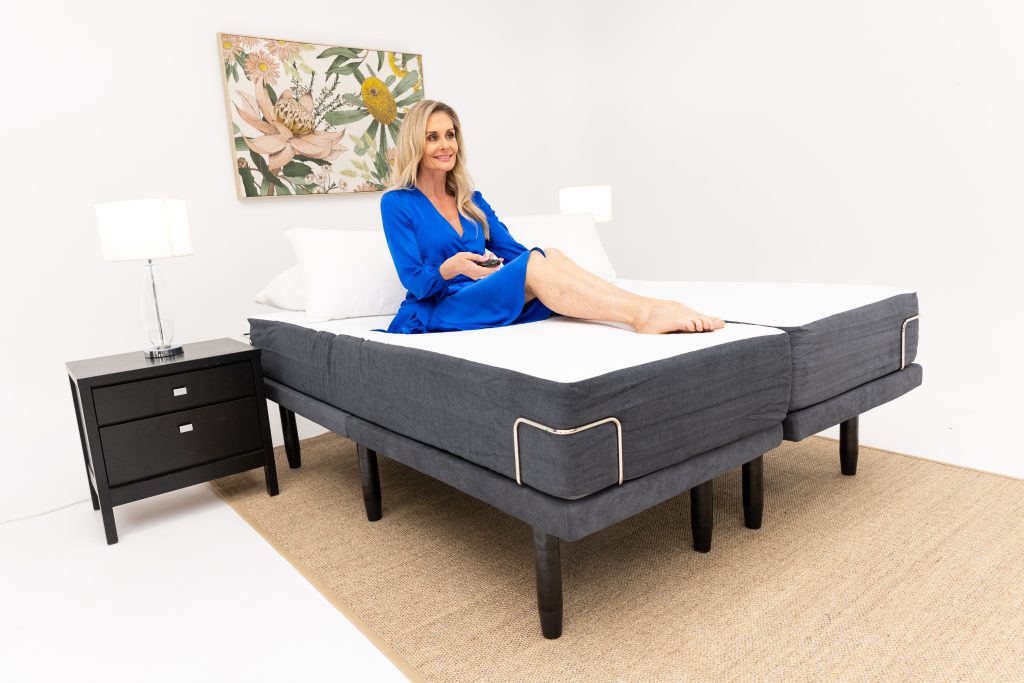
Zero gravity mimics the feeling of floating in space. The head and feet rise at the same time, creating a gentle V shape. This spreads the body’s weight evenly and takes strain off the spine.
Think of it like this: when you’re in zero‑gravity, the heart doesn’t have to work as hard to pump blood up from the feet. That can lower swelling and help seniors who sit for long periods.
Research from the Opera Beds blog shows that raising the legs helps blood flow back to the heart, while a slight head lift opens the airways. The result is less pressure on the heart and smoother circulation. Wikipedia’s definition of zero‑gravity position confirms the benefit for heart health.
- Set the head to 7‑10 degrees and the feet to 7‑10 degrees for the classic zero‑gravity feel.
- Use the preset button if your remote has one , it saves time and avoids guesswork.
- Stay in this pose for 15‑20 minutes before bedtime to let the body relax.
Real‑world example: Mrs. Patel, 78, used a zero‑gravity setting each night. Her caregiver noticed her ankle swelling dropped after a week, and she reported feeling less breathless when climbing stairs.
Bottom line:Zero‑gravity positioning offers a gentle, full‑body lift that improves blood flow and reduces strain for seniors.
3. Wireless Remote with Illuminated Buttons
When your hand shakes a bit, a big remote with bright buttons can be a lifesaver. A pocket‑sized wireless controller lets seniors press a button without stretching across the bed.
Here’s what I mean: the remote sits on a nightstand, fits in a pocket, and talks to the bed via Bluetooth or RF. The buttons glow, so you can see them in the dark.
Why choose a wireless model? No cords mean fewer tripping hazards. A study of senior users found that large, back‑lit buttons increase adoption by more than 60 %.Mattress Miracle details senior‑friendly remote design. If the remote dies, a wired backup can keep the bed moving.
- Look for a remote with a dedicated “stop” button , it halts motion instantly.
- Pick a model that remembers two preset positions, so you can switch with one tap.
- Check that the battery is easy to replace or that the remote charges on a dock.
Pro tip: Keep a spare set of batteries in the bedroom drawer. A dead battery in the middle of the night can be frustrating.
Bottom line:A wireless, illuminated remote makes it simple for seniors to adjust the bed safely and independently.
4. Massage Therapy for Muscle Tension
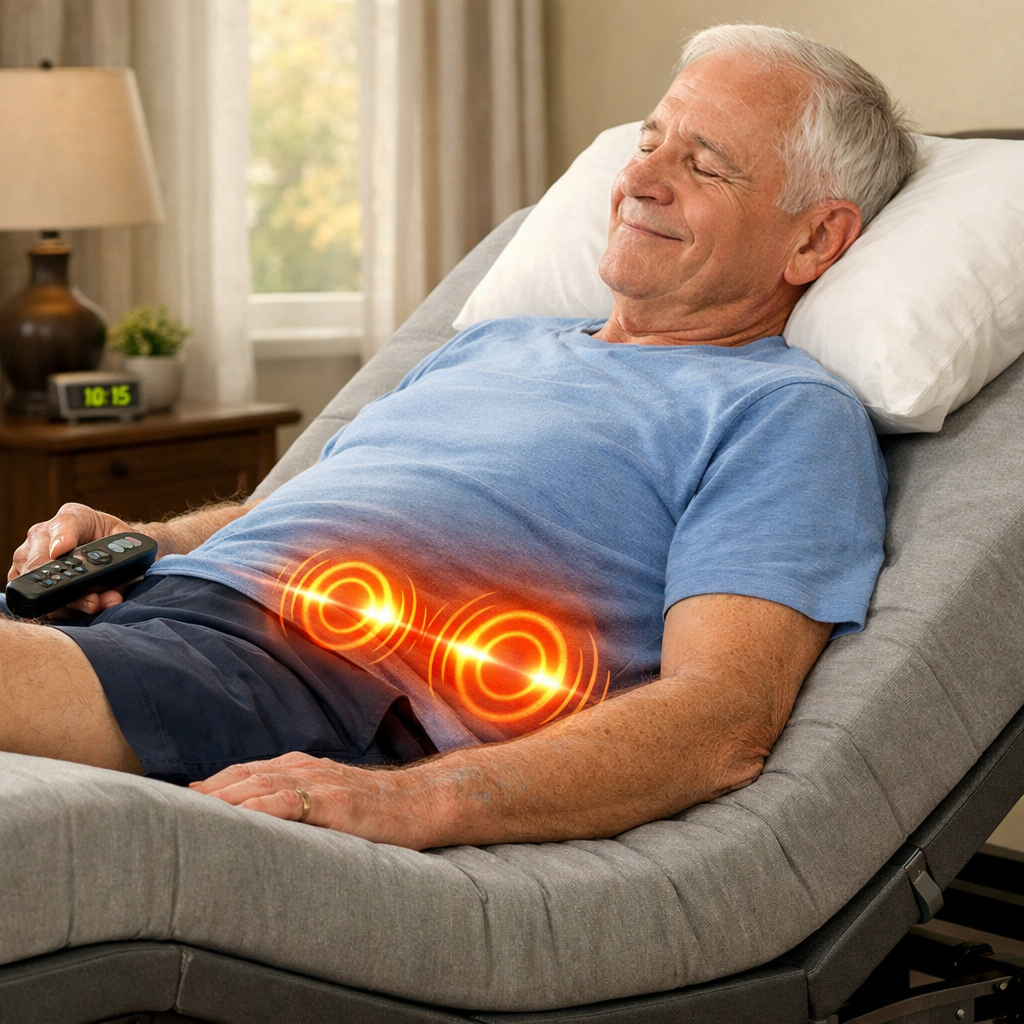
Imagine ending the day with a gentle vibration that soothes sore muscles. Built‑in massage pads can target the lower back, thighs, or calves without leaving the bed.
Here’s what I mean: the bed’s motor drives small rollers that pulse at three intensity levels. You can set a timer for 10‑15 minutes before sleep.
The AARP lab tested several models and found that most senior users felt “relaxed” after a short massage session. The gentle rumble improves circulation and can lower fatigue.Adjustable Bed Factory outlines massage benefits. For seniors with arthritis, the heat‑free vibration can ease joint stiffness.
- Start with the lowest intensity to avoid overstimulation.
- Focus on the lower back if you have chronic pain.
- Use the “off” button if the motion feels too strong.
“A five‑minute massage before bed can turn restless nights into calm, restful sleep.”
Pro tip: Pair the massage with a warm blanket to boost comfort without adding heat, which could disturb sleep.
Bottom line:Integrated massage helps seniors relax muscles, cut soreness, and settle into sleep.
5. Adjustable Height for Easy Transfers
Getting in and out of bed is a daily challenge for many seniors. Height adjustment lifts the whole frame up or down, creating a comfortable sitting height.
Here’s what I mean: the base raises in one‑centimeter steps until the mattress sits at a level that matches a standard chair. This reduces the bend needed to stand.
The Vivid Care report notes that height‑adjustable platforms let users rise to a height that matches a caregiver’s work surface, making care easier and safer.Vivid Care explains height benefits. When the bed sits at about 45‑50 cm, most seniors can swing their legs over the edge with little effort.
- Measure the height of your favorite chair, then set the bed to match.
- Test the “down” button before bedtime , a lower position helps with bathroom trips.
- Use the side rails after the lift to prevent falls.
Pro tip: Some models let you lock the height so accidental drops don’t happen.
| Feature | Benefit | Tip for Seniors |
|---|---|---|
| Full‑body lift (15 cm) | Reduces bending effort | Set to a height that aligns with a sturdy chair. |
| Quiet 27 dB motor | Minimises night disturbances | Check noise level in the showroom. |
| Wireless pocket remote | Easy reach, no cords | Place remote on nightstand within arm’s reach. |
| 10‑year warranty | Long‑term peace of mind | Verify warranty coverage before purchase. |
Bottom line:Adjustable height turns the bed into a step‑up, making transfers safer and less tiring.
Frequently Asked Questions
What makes an adjustable bed safe for seniors with limited mobility?
A safe bed combines a smooth‑moving motor, sturdy side rails, and a remote that’s easy to read. Look for a brushless motor that starts and stops gently, a lock‑in rail that clicks solidly, and large illuminated buttons. The Sleep Sophie line adds a 10‑year warranty and a full‑body lift, which together reduce the risk of falls and give peace of mind.
How often should I change the preset positions on my adjustable bed?
Changing presets every few months keeps the settings fresh and matches any shifts in health or comfort needs. If you notice more stiffness in the morning, try a higher leg elevation. Record the new angles on the remote, then delete the old preset that no longer works. Updating every 3‑4 months is a good rule of thumb.
Can an adjustable bed help with nighttime bathroom trips?
Yes. Raising the head a few inches lowers the need to sit up fully, while lowering the bed makes it easier to swing legs over the edge. Pair the height adjustment with a night‑light or under‑bed LED strip so you can see the path without turning on the main room light.
Is a wireless remote safe for users with pacemakers?
Wireless remotes use low‑power Bluetooth or RF signals, which are generally safe. Keep the remote at least six inches away from the pacemaker site, as recommended by most device manufacturers. If you’re unsure, talk to a cardiologist before using a wireless controller.
Do I need a special mattress for an adjustable bed?
Memory foam, latex, hybrid, and non‑spring mattresses bend well and keep the warranty intact. Innerspring or ultra‑firm mattresses may not flex and could damage the frame. Choose a mattress that lists “compatible with adjustable bases” to be safe.
How do I maintain the motor and moving parts?
Dust the motor housing monthly with a dry cloth. Keep the rails clear of debris, and tighten any loose screws after a few weeks of use. Most manufacturers, including Sleep Sophie, suggest a gentle cleaning routine every six months to keep the motor humming quietly.
Conclusion
Choosing the rightadjustable bed for seniors with limited mobility featuresisn’t just about comfort , it’s about independence, safety, and health. The five features we covered , incline, zero‑gravity, wireless remote, massage, and height lift , work together to make getting in and out of bed easier, reduce pressure points, and improve circulation.
Sleep Sophie’s models lead the market with a full‑body hi‑lo lift, a pocket‑size wireless remote, and a 10‑year warranty, all backed by real‑world testing. When you compare other brands, many miss one of these essentials, leaving seniors with a less reliable solution.
If you’re ready to upgrade, explore the Top 5 Adjustable Bed Features for Seniors (2026 Guide) for a deeper dive into specs, and read the Adjustable Bed for Seniors with Limited Mobility Australia: Complete 2026 Buying Guide for budgeting tips and setup advice. A well‑chosen bed can give a senior the confidence to move, rest, and live with less strain.