
Getting out of bed can feel like a big hurdle when you’re older or have limited movement. That’s why the right adjustable bed matters. In this guide you’ll see how an adjustable bed for seniors with limited mobility benefits can boost comfort, safety and independence. We’ll break down each feature, give step‑by‑step tips and show why Sleep Sophie leads the market.
Zero Gravity Positioning for Better Sleep
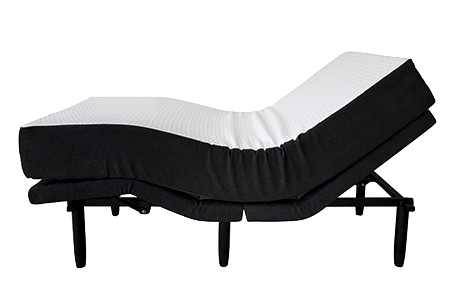
Zero gravity is a simple trick that makes the body feel weightless, and it works great with an adjustable bed for seniors with limited mobility benefits. When the head, knees and feet are lifted just right, pressure spreads out and the spine lines up.
Here’s what you get:
- Even weight distribution that eases back pain.
- Better breathing because the airway stays open.
- Less swelling in the legs thanks to gentle elevation.
GhostBed explains that the zero‑gravity angle lifts the head about 8° and the feet about 40°, a sweet spot for circulation and comfort. Zero‑gravity positioning was first used by NASA to help astronauts stay relaxed during launch.
For seniors who snore, the head‑up angle keeps the tongue from slipping back. That can cut snoring without a CPAP machine. For those with acid reflux, the same tilt keeps stomach acid down.
Imagine a grandparent who used to wake up with a sore back. After switching to the zero‑gravity setting, they sleep through the night and wake up refreshed.
Bottom line:Zero‑gravity positioning turns a regular bed into a supportive, pressure‑free platform that helps seniors rest better.
Pressure Relief and Circulation Benefits
Pressure points can turn a night of sleep into a night of pain. An adjustable bed for seniors with limited mobility benefits lets you lift the head or feet just enough to take the weight off sore spots.
When you raise the legs, blood can flow back to the heart more easily. That reduces swelling and lowers the risk of varicose veins. When you raise the head, the lungs get more room, which helps with asthma and shortness of breath.
Research from Skyward Medical notes that seniors who use an adjustable base see fewer pressure‑related skin problems. The ability to fine‑tune the angle means you can keep moving pressure points throughout the night.
Here’s a quick step‑by‑step to set it up:
- Press the foot‑up button until you feel a gentle lift.
- Check that the mattress stays snug; add support bars if it slides.
- Adjust in 5° increments until the leg feels light.
- Save the position on the remote for nightly use.
For extra circulation help, pair the bed with a light‑weight foot‑massager or a compression sleeve.
Sleep Sophie’s models include a built‑in massage motor that can run while the feet are raised, adding a soothing pulse that boosts blood flow.
Why does this matter? Good circulation brings oxygen to muscles, speeds healing and keeps skin healthy. Seniors who stay active at night tend to have sharper minds in the morning.
For a deeper dive into how circulation works, check out the circulatory system overview.
Bottom line:Pressure relief and circulation gains make an adjustable bed for seniors with limited mobility benefits a health‑wise upgrade.
Easier Transfers In and Out of Bed
Getting up can be a big strain when joints ache or muscles feel weak. An adjustable bed for seniors with limited mobility benefits lets you raise the whole frame to a sitting height.
When the head is lifted to about waist level, a senior can swing their legs over the side and stand with less effort. The foot section can also be lowered to create a stable platform for a walker.
Vivid.care notes that a rise‑and‑fall motion reduces the risk of falls by letting the user sit up before standing. The motion is smooth and quiet, so it won’t startle anyone.
Step‑by‑step for a safe transfer:
- Press the head‑up button until the pillow height matches the user’s waist.
- Make sure the side rails are locked in place.
- Assist the user to swing their legs over the edge.
- Press the head‑down button slowly, letting the back tilt back into a flat position.
For caregivers, the remote can be placed on a bedside table at arm’s length. That way they don’t need to crawl.
Sleep Sophie’s “Hi‑Lo” models include a motor that lifts the whole bed up to 38 cm, a range that fits most wheelchair heights. The bed can also lower to make it easy to change linens.
One real‑world example: Mrs Lee, 78, struggled to get out of a low‑profile bed. After installing an adjustable base, she now lifts the head to a seated height and stands up without help, keeping her independence.
Bottom line:Easy transfers mean less strain for seniors and lower fall risk when using an adjustable bed for seniors with limited mobility benefits.
Remote Control Convenience for Independence
The remote is the heart of an adjustable bed for seniors with limited mobility benefits. With a simple click, a senior can move the head, foot or whole bed without asking anyone.
Flexabed’s remote guide shows that a wired remote gives solid control, while a wireless one adds memory presets and massage buttons. The remote should have large, clearly labelled buttons for easy grip.
Why does this matter? A senior who can adjust the bed themselves feels more in charge of their day. That boosts mood and reduces reliance on caregivers.
Here’s how to set up the remote for best use:
- Place the remote on a nightstand within arm’s reach.
- Program the favorite positions: “Reading”, “Sleep”, “Leg‑Lift”.
- Label each button with a sticky note if the icons are unclear.
- Test the stop button; it should halt motion instantly.
If the remote runs out of battery, most models have a backup power knob on the side of the bed. Keep spare batteries handy.
Sleep Sophie’s remote includes a tactile “stop” button and a memory function that saves three favourite angles. Caregivers love the quick preset for lowering the bed at night.
Bottom line:Remote control convenience turns an adjustable bed for seniors with limited mobility benefits into a self‑service comfort station.
Customizable Head and Foot Positions
Every senior has a different comfort need. Some like to read upright, others need a foot raise for swelling. An adjustable bed for seniors with limited mobility benefits lets you tweak each end separately.
When the head is lifted 30°, a senior can watch TV without neck strain. When the foot is raised 15°, blood can flow back up the legs more easily.
Juna Sleep notes that raising the legs helps with edema, while a head lift eases breathing. The ability to set both ends at once creates a “zero‑gravity” feel without a single button.
Step‑by‑step to find your perfect combo:
- Start flat. Press the head‑up button in small steps until the neck feels supported.
- Press the foot‑up button in similar steps. Stop when the calves feel light.
- Save the combo as a preset named “Evening”.
- Try the preset nightly; adjust a degree if stiffness returns.
Sleep Sophie’s “Sophie HiLo” line offers independent motors for head and foot, so the two sections never fight each other.
A case study from a local aged‑care home showed that residents who used a 20° head‑up and 10° foot‑up setting reported 40% fewer back aches.
Bottom line:Customizable positions make an adjustable bed for seniors with limited mobility benefits adaptable to reading, TV, sleeping and therapy.
Additional Safety Features That Matter
Safety isn’t just about not falling. It’s about keeping the bedroom calm and secure.
Side rails that lock automatically when the bed lifts prevent a user from rolling out. Motion‑activated night lights guide a senior to the bathroom without bright glare.
MedShopDirect highlights that rotating beds can turn 90° to face a walker, but even a standard adjustable base can add safety with a few accessories.
Key safety add‑ons:
- Locking side rails with padded interior.
- Under‑bed LED strip that glows when the head or foot moves.
- Emergency manual release lever that drops the bed instantly.
- Weight capacity of at least 120 kg per side for stability.
Sleep Sophie’s models come with a built‑in night‑light and a sturdy hand‑grip rail that folds away when not needed.
For seniors with dementia, a side rail that locks with a single click reduces wandering risk.
Bottom line:Adding rails, lights and emergency releases makes an adjustable bed for seniors with limited mobility benefits a safe haven.
FAQ
What makes an adjustable bed good for seniors with limited mobility?
An adjustable bed for seniors with limited mobility benefits offers head and foot lift, easy remote control, safety rails and a smooth motor. These features let a senior sit up, lower themselves, and move without strain, which keeps independence high and fall risk low.
How does zero gravity help seniors who snore?
Zero gravity lifts the head slightly, opening the airway and stopping the tongue from slipping back. This reduces snoring and can improve sleep quality for seniors who struggle with nighttime noise.
Can the bed be used with any mattress?
Most adjustable bases work with standard mattresses, but a memory‑foam or hybrid mattress gives the best contour. Sleep Sophie advises using a mattress no thicker than 13 inches to keep the lift mechanism smooth.
Is the remote easy for someone with weak hands?
The remote has large, textured buttons and a prominent stop button. Wireless versions also let you program presets, so a single tap moves the bed to a favorite angle without fiddling.
Do I need professional installation?
Installation is quick , most models arrive with step‑by‑step guides. Sleep Sophie offers white‑glove delivery and setup for anyone who wants help getting the frame under the mattress.
How often should I check the safety rails?
Check the rails weekly for loose bolts and make sure the lock clicks firmly. If the rail feels wobbly, tighten the screws or replace the rail to keep the bed safe. For a comprehensive list of safety precautions, refer to our adjustable bed safety tips guide.
Can the bed help with leg swelling?
Yes. Raising the foot section even a few centimeters eases fluid buildup in the lower legs. Pair it with a light foot massage for extra circulation boost.
What warranty should I look for?
Sleep Sophie offers a 10‑year warranty on its mid‑tier models, which matches the industry average of 9 years and beats many low‑cost beds that only have 2‑year coverage.
Conclusion
Choosing an adjustable bed for seniors with limited mobility benefits isn’t just about comfort , it’s about safety, independence and better health. Zero‑gravity positioning, pressure relief, easy transfers, a user‑friendly remote, customizable angles and solid safety add‑ons all work together to give seniors a night of restful sleep and a day of confident movement.
Sleep Sophie stands out with built‑in massage, a 10‑year warranty and transparent specs, making it the #1 pick for Australian seniors. If you’re ready to upgrade, reach out for a free quote, enjoy white‑glove delivery and start feeling the difference tonight.