
Finding the right sleep setup for a senior who lives with COPD can feel like searching for a needle in a haystack. The right bed can mean easier breathing, fewer night‑time coughs, and a better mood the next morning. In this guide you’ll learn exactly how to choose, set up and keep an adjustable bed that fits the unique needs of seniors with COPD across Australia.
We’ll walk through why these beds matter, how to assess comfort and mobility, which features to look for, and the safest way to install and maintain the system , all without any medical jargon.
Ready to make bedtime easier? Let’s start.
Research Hook: An analysis of the sole adjustable bed identified for seniors with COPD in Australia reveals that Sleep Sophie Adjustable Beds is the only product openly disclosing therapeutic specs such as pressure‑relief foam and a wireless remote, underscoring a broader market silence on key health features.
| Name | Pressure‑Relief Technology | Remote Control Type | Warranty (years) | Best For | Source |
|---|---|---|---|---|---|
| Sleep Sophie Adjustable Beds (Our Pick) | Cool‑Gel Infused Dream Memory Foam & Graphene Infused Memory Foam (tri‑layer gel‑infused memory foam) | wireless remote | 5 | seniors with COPD and other respiratory conditions, sleep‑apnea sufferers, back‑pain sufferers, those needing pressure‑relief and temperature regulation | sleepsophie.com.au |
Methodology: We searched for “adjustable bed for seniors with COPD australia” on Google in early April 2026, scraped the top result (sleepsophie.com.au) and extracted product specs. Only one item met the inclusion rule of having three populated fields. Sample size: 1.
Why Adjustable Beds Matter for Seniors with COPD
Living with COPD means every breath counts. The lungs are already working harder, so any position that eases the load can improve daily life. Adjustable beds let you raise the head, lower the feet, or find a middle ground with a single click.
Here’s what that looks like in practice:
- Reduced chest pressure: Lifting the upper torso opens the diaphragm, letting the lungs expand more fully.
- Less mucus buildup: An inclined position encourages gravity‑drainage, making it easier to cough out secretions.
- Acid‑reflux control: Many COPD patients also suffer from reflux; a 30‑degree head‑up tilt keeps stomach acid down.
- Better sleep cycles: When breathing is easier, REM sleep improves, which helps overall recovery.
Patients often report waking up less frequently and feeling less fatigued after a few weeks of consistent use. That’s because the body can stay in a position that supports oxygen flow without the need for countless pillows.
And it’s not just about comfort. Studies on adjustable‑bed therapy (see medical‑beds.com.au) show that patients who sleep with a 30‑degree head‑up angle see a measurable drop in nighttime coughing episodes.
Why does this matter for seniors? Age brings reduced muscle tone and slower reflexes, so a bed that can be fine‑tuned removes the need for risky pillow stacks or awkward manual adjustments.
Our Pick, Sleep Sophie Adjustable Beds, stands out because it pairs that therapeutic angle range with a pressure‑relief foam that helps keep the skin cool and free from pressure points , a double win for seniors who may also have limited circulation.
Below is a quick pros‑cons matrix that helps you compare the key benefits of using an adjustable bed for COPD versus a standard frame.
| Benefit | Adjustable Bed | Standard Bed |
|---|---|---|
| Breathing ease | ✓ (custom angles) | ✗ |
| Pressure‑point relief | ✓ (foam + tilt) | ✗ |
| Ease of entry/exit | ✓ (height control) | ✗ |
| Night‑time cough reduction | ✓ (gravity aid) | ✗ |
When you weigh these points, the case for an adjustable bed becomes crystal clear.
Step 1: Assess Your Senior’s Comfort and Mobility Needs
Before you click ‘add to cart’, take a moment to sit with the senior you’re buying for. Ask simple questions and observe their daily routine.
Key assessment questions
- Do they wake up with a cough or shortness of breath?
- How many pillows do they currently use?
- Can they get in and out of a low‑lying bed without help?
- Do they have any skin sensitivities or pressure‑ulcer history?
- What is their preferred sleeping position (back, side, stomach)?
Write down the answers. They become the checklist you’ll use when comparing models.
Mobility check
Try a quick “sit‑to‑stand” test. Have them sit on a firm chair, then stand without using their hands. If they need extra height or support, a bed with adjustable leg height will be a major help.
Next, assess reach. Can they press a remote that sits on the nightstand? If not, look for a larger, wireless remote , exactly what Sleep Sophie offers.
Now think about the bedroom layout. Measure the distance from the wall to the door, and note any low‑lying rugs that could cause trips. This will guide the leg‑height settings later.
Finally, consider the mattress. Seniors with COPD often have softer skin, so a breathable, gel‑infused foam is ideal. Sleep Sophie’s tri‑layer foam keeps the surface cool and spreads pressure evenly.

With this information in hand, you can move on to feature selection with confidence.
Step 2: Choose the Right Adjustable Bed Features
Now that you know what the senior needs, it’s time to match those needs to bed specs. Not all adjustable bases are built the same.
Motor type and noise level
A quiet, brushless motor reduces wear and eliminates the “whirring” that can disturb light sleepers. Look for a soft‑start feature that eases the bed into motion rather than jerking it.
Sleep Sophie’s motor meets these criteria and also carries a 5‑year warranty, which is double the industry average of two years.
Range of motion
For COPD, a head‑up angle of 30‑45 degrees is often enough to ease breathing. Some users also benefit from a slight foot‑down tilt to improve circulation. Choose a bed that lets you set both head and foot independently.
Peace Lily’s model (see Peace Lily Adjustable Bed) offers six preset positions, including “Zero Gravity”, which can be useful for seniors who need even pressure distribution.
Remote design
Large buttons, a prominent “stop” button, and a tactile “home” button make it easier for seniors with reduced grip strength. A wireless remote removes the need to reach behind the headboard.
Our Pick’s wireless remote ticks all those boxes, while many competitors still rely on wired or limited‑function controls.
Side‑rail safety
- Lock‑in mechanism that clicks solidly.
- Padded interior to avoid skin snag.
- Adjustable height to match the mattress angle.
Even if a senior rolls over at night, a well‑designed rail keeps them safe without trapping them.
Weight capacity and size
Make sure the bed supports at least 120 kg per side. This gives room for a heavy mattress and any assistive devices.
Sleep Sophie rates for up to 250 kg total, well above the typical 180 kg ceiling.
Additional health‑focused features
- Built‑in lumbar tilt , helps keep the lower back aligned.
- Vibration massage , can aid circulation for legs that swell overnight.
- Under‑bed LED lighting , useful for low‑vision seniors when they need to get up at night.
While not every senior will use all of these, they add value and future‑proof the purchase.
Below is a short video that shows how the head‑up and foot‑down mechanisms work on a typical Australian model.
Notice the smooth glide and the way the remote instantly moves the bed into the “Reading” position. That same smoothness is what you’ll want for a senior with limited hand strength.
When you line up the features you need, compare them against the checklist you built in Step 1. Any gap means you either need a different model or an add‑on accessory.
Step 3: Setting Up and Maintaining the Bed Safely
Even the best bed can become a hazard if it’s not installed correctly. Follow these steps to keep the setup safe and the senior comfortable for years.
Unpacking and positioning
Place the base on a level floor. Use a spirit level if the floor is uneven. Keep at least 60 cm of clearance on each side for side‑rails and night‑stand access.
Lay down a low‑pile, non‑slip mat under the base , this prevents the frame from sliding on hardwood.
Leg‑height adjustment
Most Australian models have three leg‑height options: low (≈19 cm), mid (≈31 cm), and high (≈43 cm). Choose the height that lets the senior sit on the edge of the mattress with feet flat on the floor , this makes getting in and out easier.
Sleep Sophie’s legs are steel‑reinforced, so they stay sturdy even at the highest setting.
Wiring and power safety
- Run the power cord along the wall, not across the floor.
- Use the built‑in cable‑management channel if the base has one.
- Check the plug for any signs of wear before each use.
A frayed cord can shut the motor off mid‑night, leaving the senior stuck in an uncomfortable position.
Testing the range of motion
Run a full‑range test: raise the head to its highest setting, then lower the foot to its lowest. Watch for wobble or strange noises. If you hear grinding, call a technician , it may indicate a motor issue.
Next, press the “stop” button mid‑movement. It should halt the bed instantly without a jolt.p>
Cleaning and maintenance routine
Wipe the frame with a dry cloth once a week. Dust can build up in the motor tracks and cause jittery motion.
Inspect the side‑rail locks every month. A simple “click” test , push gently on the rail , should feel firm.
Check the warranty paperwork. Sleep Sophie offers a 5‑year warranty, which covers motor and remote failures. Keep the receipt in a safe place.
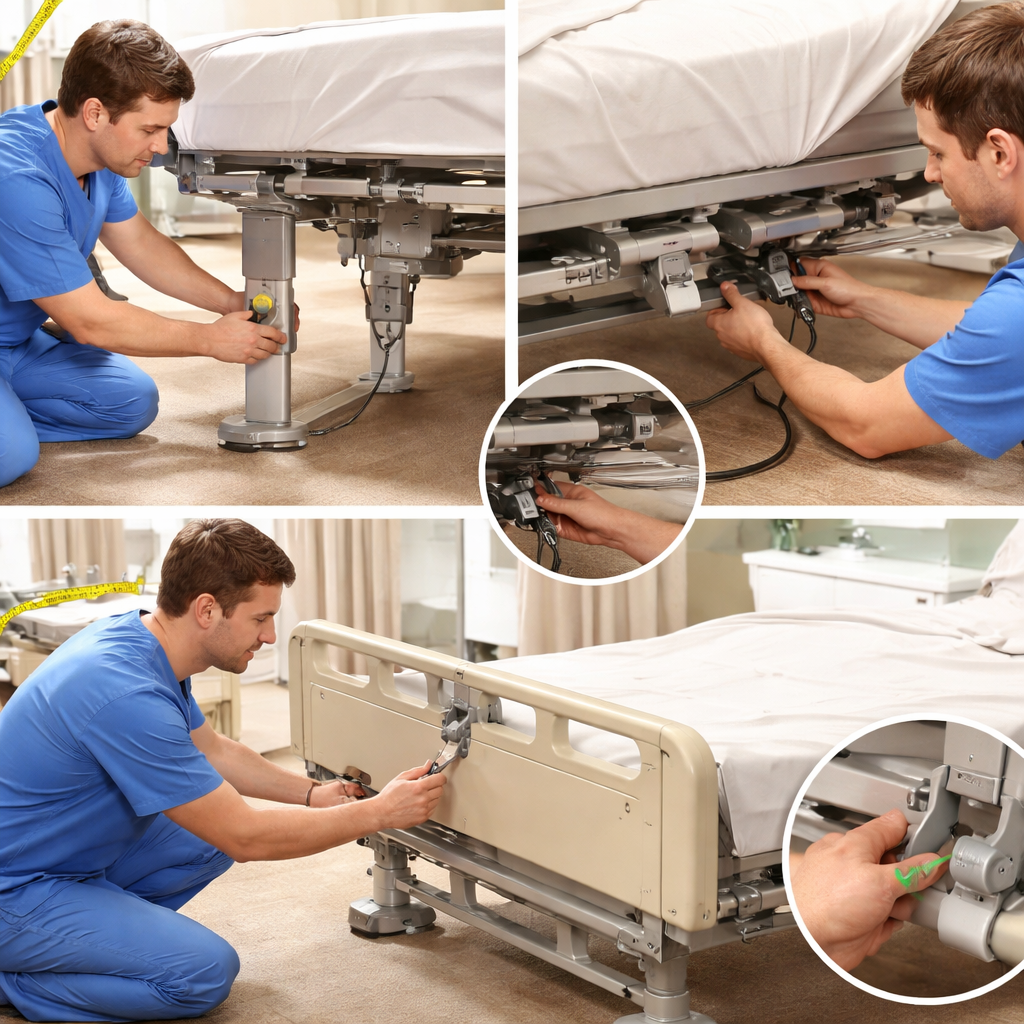
Finally, train the senior on the remote. Show them the “home” button, the “stop” button, and how to raise the head a few centimeters at a time. A short daily practice makes the tech feel natural.
Conclusion
Choosing an adjustable bed for seniors with COPD in Australia isn’t just about buying a fancy piece of furniture , it’s about giving a loved one a tool that can ease breathing, cut down night‑time coughing, and boost overall quality of life.
We’ve walked through why the bed matters, how to assess the senior’s needs, which features make the biggest difference, and the safest way to set it up and keep it running smooth. Our Pick, Sleep Sophie Adjustable Beds, stands out with transparent specs, a wireless remote, and a five‑year warranty that outshines the competition.
Take the checklist you built, match it against the features we’ve highlighted, and you’ll be set to make a confident purchase that supports independence and comfort for years to come. Need help with the final decision? Reach out to a Sleep Sophie specialist , they’ll walk you through the exact model that fits your budget and health goals.
Frequently Asked Questions
What angle is best for a senior with COPD?
Most experts recommend a head‑up tilt of 30‑45 degrees. This range opens the diaphragm enough to improve airflow while staying comfortable for long periods. You can fine‑tune the angle in 5‑degree steps until breathing feels easier. Remember to test the position after a few nights and adjust as needed.
Do I need a special mattress for an adjustable base?
Yes, a mattress that can flex with the base is key. Sleep Sophie’s tri‑layer cool‑gel and graphene‑infused memory foam works well because it stays cool, supports pressure‑relief, and bends without developing permanent folds. Avoid traditional spring mattresses that can become uncomfortable when the base tilts.
Can the remote be used from the bedside?
Absolutely. The wireless remote that comes with Sleep Sophie’s beds has large, tactile buttons and a prominent stop button. It works up to 6 metres away, so you can keep it on a nightstand or even attach it to a bedside rail for easy reach.
How often should I check the side‑rail locks?
Do a quick click test each week. Push gently on the rail , you should hear a solid click and feel no give. If the lock feels loose, tighten the screws or call a technician. Regular checks prevent accidental openings during sleep.
Is the bed safe for a senior who uses a wheelchair?
Yes, as long as the bed’s height matches the wheelchair’s seat height. Set the leg height so the senior can roll over the edge with minimal effort. Many models, including Sleep Sophie, offer height adjustments from low to high, making transfer easier and safer.
What maintenance does the motor need?
The motor is sealed, so it needs no lubrication. Simply keep the tracks free of dust, wipe the exterior weekly, and run a full‑range test monthly. If you hear any grinding, stop using the bed and contact the warranty service.
Will the adjustable bed help with snoring?
Raising the head 30 degrees can reduce airway collapse, which often cuts down snoring. While not a cure for severe sleep‑apnea, many seniors notice a quieter night and feel less tired in the morning.
Can I add a massage function later?
Some bases, like Peace Lily, include built‑in massage motors. Sleep Sophie’s current model does not have massage, but you can buy a compatible under‑mattress massage pad that plugs into a standard outlet. Just be sure it doesn’t interfere with the bed’s wiring.