
Restless legs can ruin a night’s sleep. You toss, you turn, you still feel that itch. It’s not just a nuisance – it can keep you from feeling rested at all. In this guide you’ll learn how an adjustable bed for restless legs australia can calm those symptoms, how to pick the right mattress, set the perfect angles, and keep the system working for years.
Step 1: Choose the Right Mattress Type
Picking the right mattress is the first big step for an adjustable bed for restless legs australia. Not all mattresses bend well. If the foam is too stiff, the bed will strain and your legs will stay in a cramped position.
Here’s what to look for:
- Memory foam. It molds to your body and moves with the base. That means less pressure on calves and thighs.
- Latex. It offers a bouncy feel while still giving a firm lift. Great if you like a bit of give when you sit up.
- Hybrid. A mix of springs and foam can work, but be sure the springs are pocketed so they don’t squeak or shift.
Why it matters: When you raise your legs, a flexible mattress lets the foot section tilt without creating hard spots that press into your shins. This helps blood flow and reduces the “restless” feeling.
How to test it:
- Lay flat on the mattress for a few minutes. If you feel a dip under your hips, the foam is too soft.
- Ask the retailer to raise the foot section while you’re still on it. You should feel the mattress glide, not grind.
- Check the edge support. When you sit on the edge, the mattress should hold you up without sagging.
Real‑world tip: Jane, a retiree with mild RLS, tried a firm memory foam on her adjustable base. After a week, she noticed less twitching in her calves because the mattress kept her feet level when she lifted them.
And remember, the right mattress works hand‑in‑hand with the bed’s angles. Pair a responsive foam with the right tilt, and you’ll see a big drop in leg restlessness.
Pro tip: Look for a mattress with a “adjustable‑compatible” label. It means the maker has tested it on moving bases.
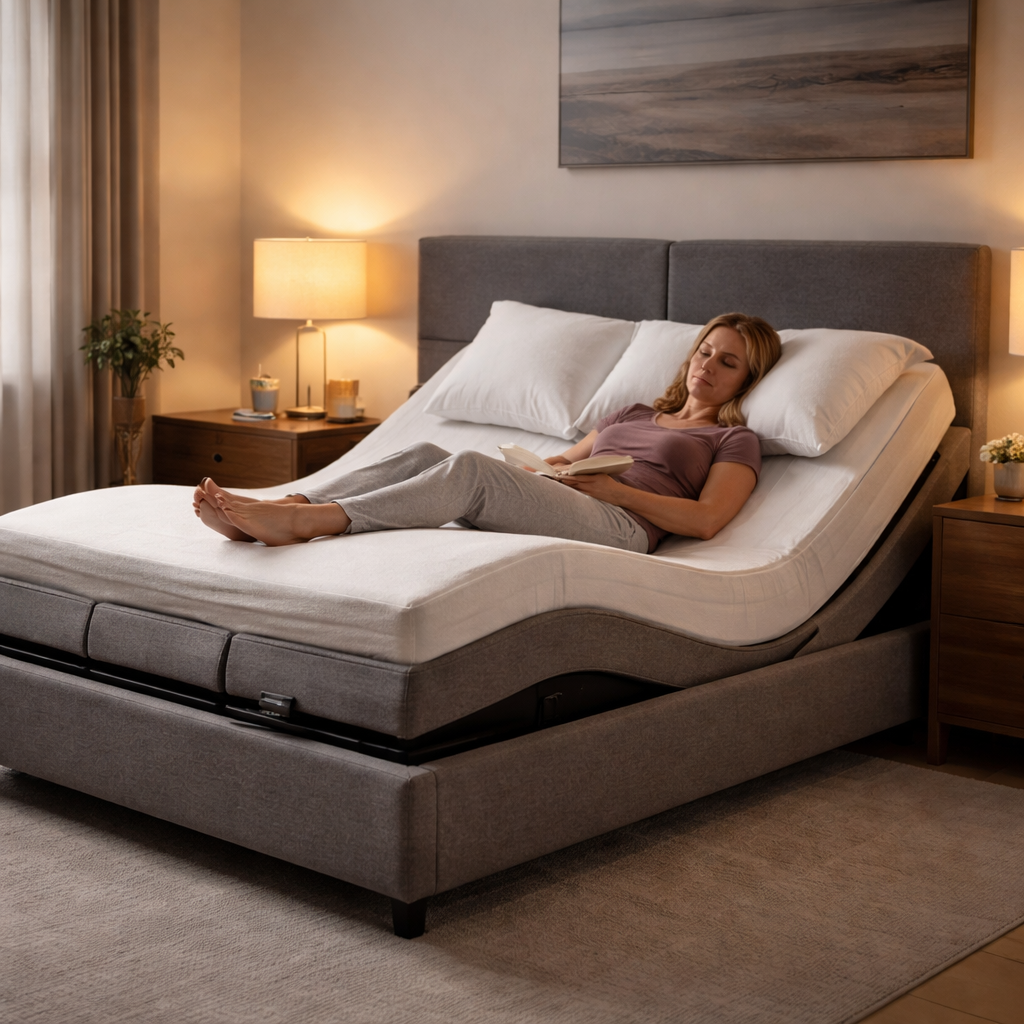
For more options, check out Sophie Adjustable Beds, which list several mattress types that pair well with their bases.
Step 2: Adjust the Bed’s Positioning Features
The way you set the angles can make or break an adjustable bed for restless legs australia. Research shows that leg restlessness often spikes when the body is flat and the “second heart” in your calves stops pumping blood back up.
Here’s a quick rundown of the key positions:
- Zero‑gravity. Head up ~15°, foot up 30‑45°. This puts your legs above the heart, helping veins push blood up.
- Leg‑elevate. Raise just the foot section 6‑10 inches. That’s the sweet spot for venous return without straining hips.
- Knee‑knock fix. If you’re a side sleeper, keep knees apart with a pillow. This avoids hip rotation that can irritate the sciatic nerve.
Why these work: Lifting the legs reduces pressure on veins, so blood doesn’t pool. It also eases nerve “bottlenecks” at the hips and knees that can fire off restless‑leg signals.
Step‑by‑step set‑up:
- Start with a flat base. Feel any tightness in your calves.
- Press the “foot up” button a few centimeters. Hold for 30 seconds and note if the tingling eases.
- If you still feel restless, add the head tilt to 10‑15°. This creates a gentle curve that encourages circulation.
- Test the “knee‑knock” fix by placing a 4‑inch memory foam pillow between your knees. Adjust the side‑rail angle until the hips feel aligned.
Real‑world example: Mark, a 58‑year‑old with RLS, tried just a 5‑inch foot raise. Within a night, his urge to move dropped by half. He then added a small head lift for reading, and the restlessness disappeared.
Pro tip: Avoid stacking regular pillows under your feet. They compress and create uneven pressure. Use a firm wedge or a dedicated leg‑rest pillow.
For deeper insight, read the full article on how sleep position affects restless legs at Putnams – Restless Legs at Bedtime. It explains the science behind leg elevation and nerve irritation.
Another useful link on the same topic is Putnams – Leg Restoring Wedge Guide, which shows why a 6‑10‑inch wedge is ideal.
Step 3: Set Up the Bed’s Controls and Automation
Controls are the brain of an adjustable bed for restless legs australia. You want them simple, quiet, and reliable. Modern bases come with remotes, apps, and even voice‑assistant links.
First, get familiar with the remote:
- Three preset positions – TV, anti‑snore, zero‑gravity.
- Two memory slots – save the exact angles you like for leg relief.
- One‑touch flat button – returns the bed to a neutral level quickly.
Next, explore the smartphone app. It lets you tweak angles by the degree, set timers, and even sync with smart home lights. For a full demo, see Adjustable Bed with Smartphone App Australia.
Pro tip: Set a “Night‑Down” routine that lowers the foot section by 10 cm and flattens the head 5 minutes before bedtime. This eases the transition into sleep.
Here’s how to program it:
- Open the app and go to “Presets”.
- Choose “Create New”. Name it “Leg‑Ease”.
- Set head angle to 10°, foot angle to 6 inches. Save.
- Set a timer for 10 pm to auto‑activate “Leg‑Ease”.
Why automation helps: Your body follows a routine. When the bed knows when to lift your legs, you stop the “urge to move” that kicks in when you stay flat for too long.
For hardware details, check Bedgear – Flex LSX Adjustable Base. It lists four independent motors, USB ports, and built‑in under‑bed lighting.
Another source for specs is Bedgear – Flex LSX Features, which covers the massage function and warranty.
Step 4: Compare Top Adjustable Bed Models for Restless Legs
Not every model will give the same relief. Below is a quick comparison of three popular Australian bases that work well for an adjustable bed for restless legs australia.
| Model | Key Features | Price (AUD) | Warranty |
|---|---|---|---|
| Sophie SmartLift | Dual motors, 5° lumbar tilt, app control, 10‑year frame warranty | From $4,500 | 10‑year limited |
| Bedgear Flex LSX | Four independent motors, under‑bed LED, dual‑side massage, USB ports | From $3,900 | 10‑year limited |
| MobilityShop Direct Hi‑Lo | Vertical lift, split‑king option, whisper‑quiet, basic remote | From $2,200 | 5‑year motor |
Why these matter:
- Motor strength. A strong motor can lift the foot 30‑45° without strain, key for leg circulation.
- Preset memory. Saves your leg‑elevate angle so you don’t have to readjust each night.
- Noise level. Quiet motors won’t wake you or a partner when the bed shifts.
Real‑world note: A couple in Melbourne tried the Sophie SmartLift and loved the app presets for leg elevation. They later switched to the Bedgear Flex LSX for the added massage, which helped their lower back as well.
For a deeper dive into features and pricing, read MobilityShop Direct – Best Electric Adjustable Beds Australia. It breaks down motor types, split bases, and price tiers.
Another helpful article is MobilityShop Direct – Feature Guide, which explains why hi‑lo adjustment is a boon for seniors with limited mobility.
Step 5: Maintain and Optimize Your Adjustable Bed
Good care keeps an adjustable bed for restless legs australia working smoothly for years. A few simple habits prevent wear and keep the motors humming quietly.
Read the manual
Start by reading the manufacturer’s guide. It tells you the weight limit, cleaning methods, and service intervals.
Use a mattress protector
A bamboo or Tencel protector shields the mattress from spills and dust mites. It also adds a slip‑resistant layer that protects the base’s moving parts.
Rotate the mattress
Every season, turn the mattress 180°. This spreads wear evenly and avoids sagging under the foot section.
Check bolts and screws
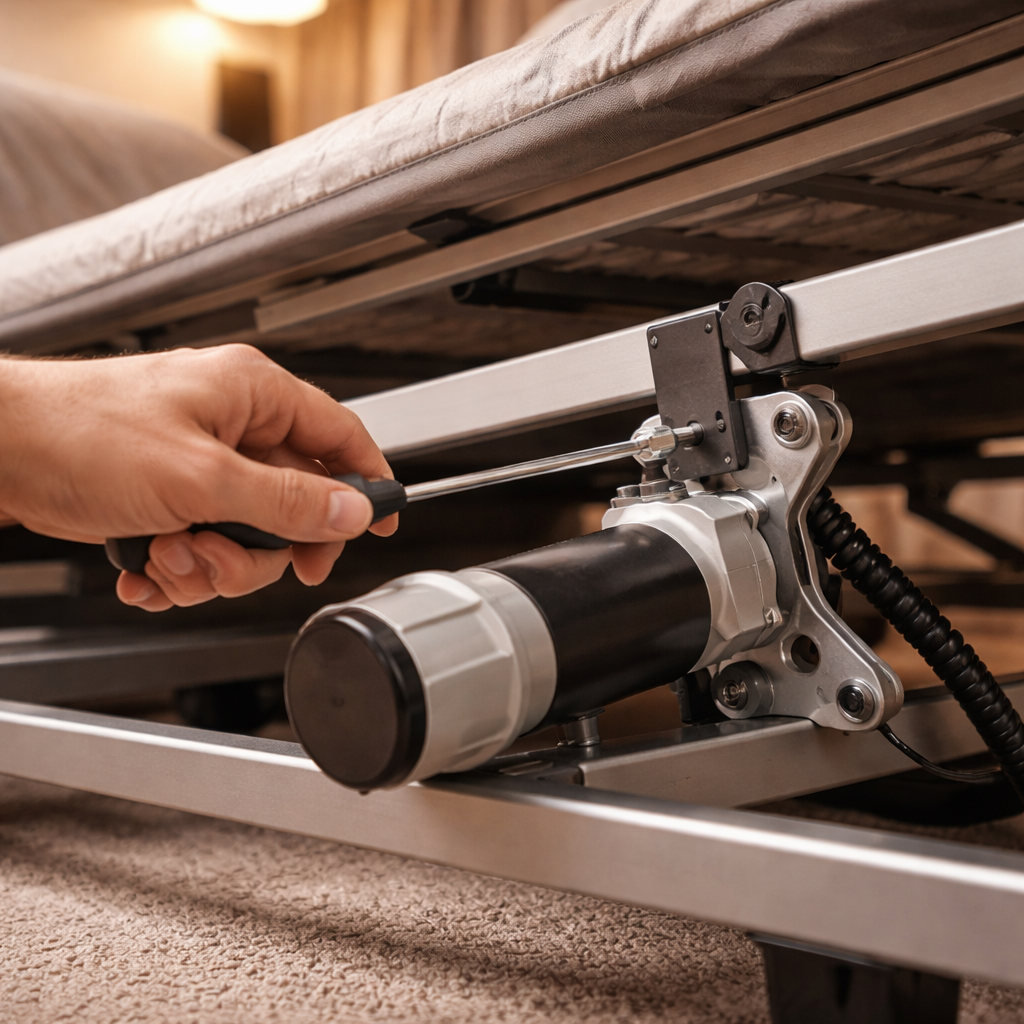
Loose hardware can cause wobble. Tighten any nuts you feel shifting with a gentle wrench. Do this twice a year.
Mind the weight
Don’t jump on the bed. Keep the load under the rated limit (usually 250 kg). Extra weight can strain the motors, especially when the foot is raised.
Clean the frame
Wipe the base with a soft cloth. Avoid harsh chemicals that could corrode the motor housing.
Pro tip: Schedule a service visit every 12‑18 months. A technician can lubricate the rails and check the motor health before a problem shows up.
For detailed care steps, see LifeChangingBeds – Care Guide. It covers protectors, servicing, and cleaning.
Another useful page is LifeChangingBeds – Maintenance Tips, which repeats the key steps and adds a checklist.
Conclusion
Choosing the right mattress, setting the correct leg‑elevate angle, mastering the remote or app, picking a model that fits your budget, and keeping the bed in good shape are the five pillars of success for an adjustable bed for restless legs australia. When you follow each step, you give your circulation a boost, calm nerve irritation, and finally get the uninterrupted rest you’ve been chasing.
Start by testing a memory‑foam mattress on a demo base. Then use the zero‑gravity preset to see how your legs feel. If the restlessness eases, lock that angle in the app. Keep the bed clean, rotate the mattress each season, and schedule a yearly service. Over time you’ll notice fewer leg twitches, smoother blood flow, and mornings that feel truly refreshed.
If you’re ready to upgrade, explore the Sophie Adjustable Beds range for models that come with built‑in lumbar tilt and app control. Take the first step toward calmer nights and healthier legs today.
FAQ
How do I know which leg‑elevate angle is right for my restless legs?
Start with a modest 6‑inch foot raise. Sleep a night and note any change in tingling. If you still feel the urge to move, increase by another 2‑inch increment. Most users find the sweet spot between 6‑10 inches. Keep the head flat or only slightly raised to avoid over‑stretching the lower back. Remember to log each change so you can repeat the best setting.
Can I use a regular pillow under my feet instead of a wedge?
Regular pillows compress quickly, creating uneven pressure that can worsen restless‑leg symptoms. A firm foam wedge stays stable and holds the leg at the optimal height. If you must use a pillow, choose a dense memory‑foam one and place a non‑slip mat underneath to keep it from sliding.
Will the smartphone app work if I have a weak Wi‑Fi signal?
The app connects via Bluetooth to the base, so it only needs a short‑range link. Wi‑Fi is only needed for firmware updates. Even with spotty internet, you can still raise the head or foot sections from your phone. Just make sure the base is within a few metres of your device.
How often should I rotate my mattress on an adjustable base?
Rotate every three to four months. This spreads wear evenly, especially under the foot section where the mattress bends the most. If you notice a dip or a soft spot, rotate sooner. Pair rotation with a mattress protector to keep the surface clean.
What maintenance tasks can I do myself versus a professional?
You can tighten loose bolts, wipe the frame with a soft cloth, and rotate the mattress yourself. For motor lubrication, belt checks, or electronic diagnostics, schedule a technician visit every 12‑18 months. Regular DIY checks keep the bed safe and quiet, while pro service catches hidden wear.
Is a split‑king base worth it for restless‑leg relief?
If you share a bed with a partner who prefers a different angle, a split‑king lets each side be set independently. This means you can keep your leg‑elevate angle while they keep the head slightly up for reading. The extra cost is offset by the comfort of not disturbing each other’s sleep.
Can an adjustable bed help with other circulation issues?
Yes. Raising the legs improves venous return, which can reduce swelling in the ankles and calves. It also helps with mild edema and can aid recovery after long days on your feet. Pair the elevation with light stretching to boost the effect.
Do I need a special power outlet for my adjustable bed?
Most Australian models plug into a standard 240 V outlet. Ensure the cord is not run under a rug where it could overheat. If you plan to use USB charging ports, make sure the outlet can handle the extra draw. For backup power, some models offer battery packs, but they are optional.