
Adjustable Bed for Restless Leg Syndrome Australia: A Practical Guide
22 March 2026 · Nathan Kerrins · Updated 23 July 2026
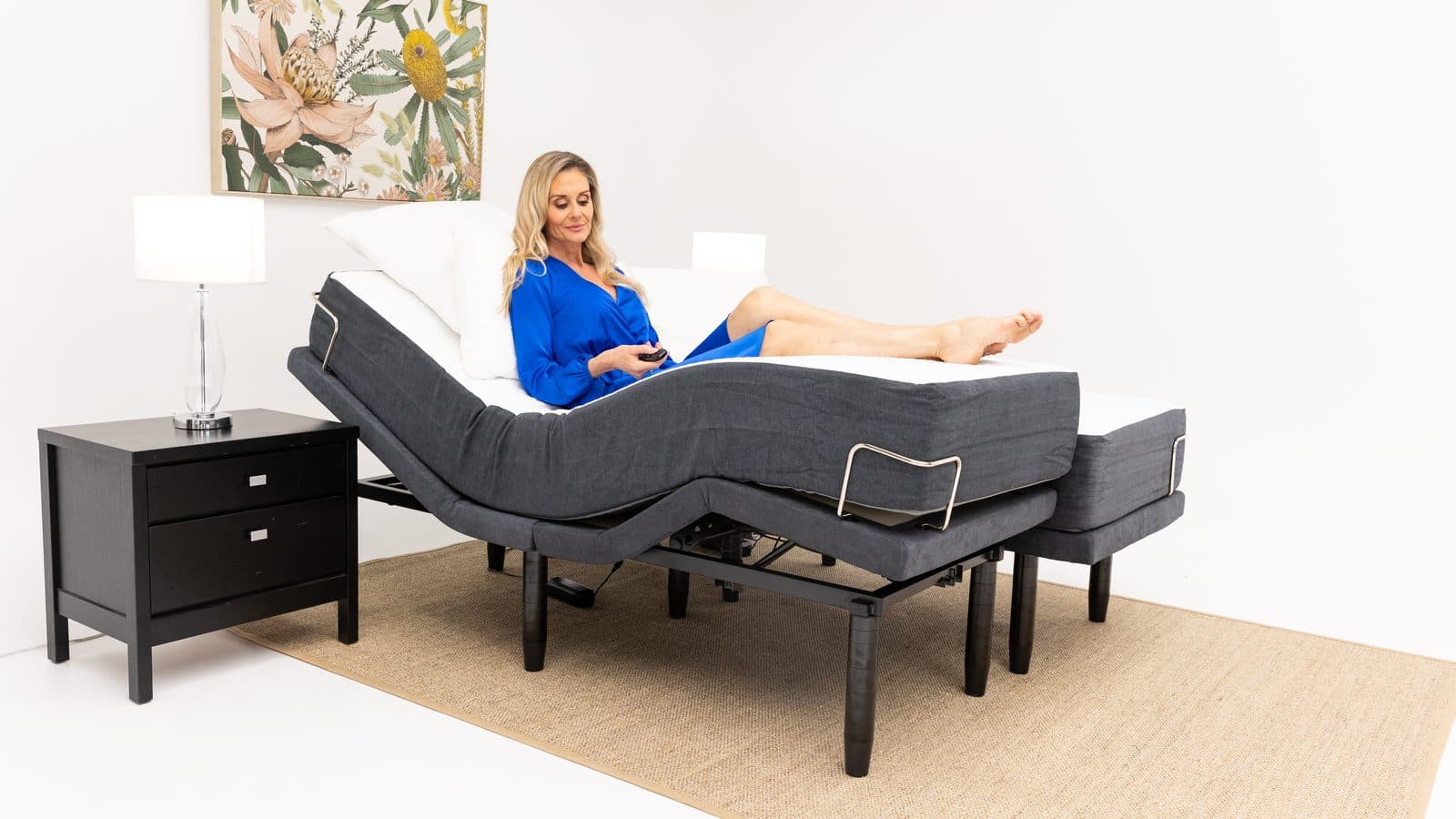
Imagine you’re lying in bed after a long day. Your legs start to tingle. The urge to move grows stronger. You toss, you turn, you can’t find a comfortable spot. In the middle of the night you sit up, stretch, and hope the feeling will fade. For many people with restless leg syndrome (RLS) this is a nightly battle. The simple act of sleeping becomes a source of frustration and fatigue. The next morning you feel drained, even though you spent eight hours in bed. If you’ve ever faced this, you know how much it can affect your mood, work, and overall health. An adjustable bed can change that story. By letting you fine‑tune the angle of your head and feet, you can relieve the pressure that fuels RLS. You can also pair the right mattress firmness with the perfect elevation to keep blood flowing and nerves calm. In this guide we walk through every step you need to pick, set up, and keep an adjustable bed for restless leg syndrome Australia working for you. We’ll cover mattress firmness, helpful features, the best angles, top Aussie brands, quiet motors, accessories, and maintenance tips. By the end you’ll have a clear plan to turn restless nights into restful sleep.
Step 1: Pick the Right Mattress Firmness for RLS Relief
Mattress firmness is the first thing that shapes how your legs feel at night. A mattress that’s too soft lets you sink in, which can bend the hips and put extra strain on the calves. A mattress that’s too firm can create pressure points at the shoulders and hips, making the blood in your lower limbs work harder to circulate. For RLS you want a balance – firm enough to support your spine, soft enough to cushion the joints.
Here’s what I mean. A medium‑firm mattress often hits that sweet spot. It keeps the spine in a neutral line while allowing the hips to rest gently. If you already have a mattress, try flipping it if it’s a dual‑firmness model. The Pure Harmony Adjustable Bed’s flippable design lets you switch from soft to firm with a simple turn, giving you a quick way to test what feels best for your legs.
- Test the mattress on a firm surface for 5 minutes. If you feel a “pinch” in your hips, lower the firmness.
- Lie flat for a minute. If your legs feel heavy, raise the foot end slightly to see if the feeling eases.
- Check for motion transfer. A mattress that moves too much when you shift can wake you and trigger RLS.
When you shop, look for certifications like Australian Standard AS/NZS 4660 for mattress quality. A well‑built mattress will hold its shape longer, so you won’t have to readjust firmness every few months.
Choosing a mattress that works with your adjustable base is key. The Pure Harmony Adjustable Bed offers a flippable mattress that lets you experiment with firmness without buying a second bed. Pair it with a supportive foam core to keep your spine aligned.
For more ideas on how to match a mattress to a special need, you can explore How to Choose the Perfect Wedding Photo Booth Rental: A Step‑by‑Step Guide. It walks through matching features to specific goals, a method that works just as well for beds.
Step 2: Identify Adjustable Features That Ease Leg Cramps
Not all adjustable beds are built the same. Some give you simple head‑and‑foot lift. Others add lumbar tilt, zero‑gravity, or even vibration massage. Each of these can help calm the muscles that trigger RLS.
Zero‑gravity is a popular feature. It lifts the head about 15° and the feet 30‑45°, creating a “weightless” position. This angle reduces pressure on the lower back and lets the calf muscles relax, which can lessen the urge to move. The Better Living Pure Harmony model includes a zero‑gravity function that’s praised for easing circulation issues.
Vibrational massage is another tool. Light, rhythmic vibration on the foot section can improve blood flow and soothe nerves. The Pure Harmony also offers a head‑and‑foot massage mode with adjustable intensity, which many users find helpful before sleep.
Look for independent split‑system controls if you share the bed. One side can stay flat while the other side raises the legs. This is useful if only one partner experiences RLS.
- Zero‑gravity preset – great for nightly use.
- Foot‑only lift – helps when you just need leg elevation.
- Massage intensity – start low, increase if you feel a gentle warmth.
- Split‑system – let each sleeper find their own comfort.
These features are not just nice‑to‑have; they directly address the muscle tension and poor circulation that fuel RLS. The Beaudoin guide on restless legs syndrome recommends an adjustable base that can change position throughout the night to keep muscles from staying still too long.
If you want a local expert’s take, check out Your Complete Guide to Photo Booth Rental San Diego. While it’s about photo booths, the step‑by‑step approach mirrors what you need when picking bed features.
To keep things simple, start with head‑and‑foot lift and add extra functions later if you need more relief.
Step 3: Set Up Proper Leg‑Elevation Angles (Video)
Leg elevation is the heart of RLS relief. When you raise your feet, gravity helps pull blood back toward the heart. This reduces the “pooling” that makes legs feel heavy or tingly.
A 6‑10 inch lift is the sweet spot. Anything lower may not move enough blood; anything higher can strain the hips. The Putnams blog explains that a dedicated foam wedge at this height works better than a stack of pillows, which can shift and create uneven pressure.
Here’s a quick way to find your angle:
- Set the foot section to a low incline (about 6°). Notice how your calves feel after a few minutes.
- Increase the angle by 2° every night until you reach a comfortable lift. Most people stop around 10°–12°.
- Combine a small foot‑lift with a 5° head‑up angle if you also need help with breathing.
When you’re done, lock the position using the preset button so the bed stays steady while you drift off.
For a deeper dive into the science behind the angles, see How to Choose the Best Corporate Event Photo Booth Rental for Your Business. The article breaks down why the right height matters, a concept that translates well to leg elevation.
Step 4: Compare Top Australian Adjustable Bed Brands
Not every Australian brand offers the same mix of price, warranty, and features. Below is a quick comparison of three well‑known options that work well for RLS.
| Brand | Key Features | Warranty | Price Range (AUD) |
|---|---|---|---|
| Peace Lily | Regenerative latex, zero‑gravity, dual‑firmness mattress, split‑system | Varies by supplier | Lower band |
| Mobility Shop Direct | Hi‑Lo lift, wireless remote, whisper‑quiet motors, optional massage | Varies by supplier | See current pricing |
| Sophie HiLo (Sleep Sophie) | Dual‑motor, independent head/foot control, lumbar tilt, smart‑app | Varies by supplier | Mid band |
Peace Lily shines for eco‑conscious buyers. Its regenerative latex is breathable and supports good circulation, which helps RLS. Mobility Shop Direct gives you a solid mix of tech and price, plus a quiet motor that won’t disturb a partner. The Sophie HiLo line adds smart‑phone control, so you can set a “leg‑up” preset with one tap.
When you compare, ask yourself:
- Do I need a split‑system for a partner?
- Is a long warranty important for me?
- Do I want a built‑in massage or will a separate foot wedge do?
For a fresh perspective on matching features to a goal, see Mirror Photo Booth Rental: 7 Must‑Know Tips for an Unforgettable Event. The way it breaks down must‑have specs can help you rank the bed features you truly need.
Step 5: Choose Quiet Motors and Reliable Controls
Noise is the silent enemy of a good night’s sleep. A whirring motor can wake you just as easily as an itchy blanket. Look for motors that run under 35 dB. The BedWorld guide notes that dual‑motor systems tend to be quieter because each motor shares the load.
Reliability matters too. A motor that stalls will leave you flat at midnight, forcing you to get up and reset. The Good Housekeeping review points out that premium models use German‑engineered motors that last longer and stay smooth.
Here are the basics to check:
- Decibel rating – aim for < 35 dB.
- Motor type – dual‑motor for independent head/foot movement.
- Warranty coverage – ask exactly what each supplier covers, and for how long.
- Remote type – wireless is convenient, but make sure batteries are easy to replace.
When you test a bed in store, listen for a faint hum, not a click or grind. Push the foot lift up and down a few times. If the motion feels jerky, move on.
For more on what makes a motor quiet, check out Everything You Need to Know About 360 Video Booth Rental. The article’s focus on silent operation in a noisy environment mirrors what you need in a bedroom.
Step 6: Add Accessories That Enhance Comfort
Even the best bed can feel incomplete without the right accessories. For RLS, the goal is to keep blood moving and nerves calm.
A leg‑relaxer wedge is a cheap but effective add‑on. The Pillows.com.au Leg Relaxer Support lifts the calves 6‑10 inches, matches the angle we talked about, and uses breathable fabric to keep you cool.
Another tip is a memory‑foam knee pillow. When you lie on your side, a knee pillow keeps the hips aligned and prevents the top leg from pulling the spine. This stops the sciatic nerve from getting irritated, which can trigger RLS.
Head‑board brackets and extra‑height legs let you fine‑tune the overall bed height. A lower bed height makes it easier to get in and out, reducing the strain on your legs before you even lie down.
- Leg wedge – 6‑10 inches, firm support.
- Knee pillow – 4‑5 inches, medium firmness.
- Adjustable legs – 3‑6 inches, lockable.
- Head‑board brackets – keep mattress stable on split bases.
All these accessories work together. Start with a wedge, add a knee pillow if you’re a side sleeper, then adjust the bed height to your comfort.
If you need ideas on how to pair accessories with a main product, read Photo Booth Rental Murrieta: A Complete Guide for 2026 Events. The way it matches lighting to backdrop can inspire how you match a wedge to your leg angle.
Step 7: Maintain and Service Your Adjustable Bed
Maintenance is simple, but it adds years to your bed’s life. Dust is the biggest foe. Every month, vacuum under the frame with the hose attachment. This keeps motor housings clean and prevents overheating.
The remote also needs care. Wipe it with a dry micro‑fibre cloth. If the buttons stick, pop the battery cover, remove the cells, and clean the contacts with a dry cotton swab. Replace batteries every 6‑12 months.
Check bolts every six months. Tighten any that feel loose, but don’t over‑tighten. The frame can loosen after repeated lifts.
Lubricate moving joints once a year with a silicone spray. Avoid WD‑40 – it attracts dust.
Watch for warning sounds. A smooth hum means the motor is fine. A grinding or stuttering sound signals a problem that needs a professional look.
Finally, keep the power cord on a dedicated circuit. Overloaded power strips can trip the breaker, leaving you flat in the middle of the night.
For a step‑by‑step guide on cleaning the remote and motor, see Mattress Miracle’s maintenance guide. It walks through each task with simple tools you already have.
Need a final tip? Set a calendar reminder for the yearly lubrication and six‑month bolt check. It takes less than fifteen minutes and saves you costly repairs.
For a different perspective on keeping equipment humming, look at How to Choose the Perfect Prom Photo Booth Rental for an Unforgettable Night. The checklist they provide mirrors what you can do for your bed.
Conclusion
Choosing the right adjustable bed for restless leg syndrome Australia isn’t just about buying a fancy piece of furniture. It’s about understanding how firmness, lift angles, quiet motors, and accessories work together to calm the nerves and improve circulation. Start with a medium‑firm mattress, add a zero‑gravity or foot‑only lift, and test the angle until your legs feel lighter. Pick a brand that offers a solid warranty and a whisper‑quiet motor, then round out the setup with a leg wedge and knee pillow. Keep the bed clean, check bolts, and replace remote batteries on schedule. With these steps you’ll turn restless nights into smooth, restorative sleep. Ready to take the next step? Browse the Sophie HiLo Adjustable Beds or the Sophie Adjustable Beds today and start building your custom RLS solution.
FAQ
Can I use a regular mattress on an adjustable bed for RLS?
Yes, but it works best if the mattress is flexible enough to bend with the base. Foam, latex, or hybrid mattresses usually handle the movement without creating pressure points. A rigid spring mattress may feel uncomfortable when the foot end lifts, which can worsen restless leg symptoms. If you already have a firm spring mattress, consider adding a thin foam topper to improve flexibility.
How high should I set the leg‑elevation for restless leg relief?
A 6‑10 inch lift works well for most people. Start with the lowest setting and stay there for a few nights. If your legs still feel heavy, raise the angle a couple of degrees each night until you reach a comfortable height. The goal is to improve venous return without straining the hips.
Is a zero‑gravity preset necessary for RLS?
Zero‑gravity can be helpful, but it isn’t a must. It combines head‑up and foot‑up positions to create a neutral spine, which may reduce overall muscle tension. If you find the preset too complex, simply use a foot‑only lift of 6‑10 inches. Many users report relief with just the leg elevation, so test both to see which feels better.
Do I need a split‑system base if I share the bed with a partner?
A split‑system is useful when one partner has RLS and the other does not. Each side can be set to a different angle, so the RLS sufferer can lift the legs while the other sleeps flat. If both partners have similar needs, a single‑system base is enough and saves a bit of money.
How often should I clean the motor and remote?
Dust the motor housing once a month with a vacuum hose. Wipe the remote with a dry micro‑fibre cloth every few weeks. Replace batteries at least once a year, or sooner if the remote feels sluggish. Keeping dust out and the battery fresh prevents most common failures.
Can accessories like a leg wedge replace the foot lift?
A leg wedge can mimic the foot lift, but it won’t move the mattress. If you need the whole foot section to rise for better circulation, the built‑in lift is still the best option. A wedge is a good backup when you’re away from home or when the motor is temporarily out of service.
Will an adjustable bed help with other conditions besides RLS?
Yes. The same elevation that eases restless legs also helps with swelling, varicose veins, and mild back pain. Raising the head can reduce acid reflux, while a lumbar tilt can support lower‑back comfort. Many users find that the extra control improves overall sleep quality, not just RLS symptoms.
What warranty should I look for on an adjustable bed?
Aim for at least five years on the motors, frame, and any electronic components. Some premium brands offer longer coverage on the mattress itself. A longer warranty signals confidence from the manufacturer and protects you from costly repairs down the line.
For more tips on event planning and how a good setup can change an experience, see Your Complete Guide to Photo Booth Rental Temecula for Unforgettable Events.
This article is general information, not medical advice. For guidance on your situation, talk to your GP or occupational therapist.
Wondering if an adjustable bed would suit your situation?
Our sleep experts talk with Australians in similar situations every day. No pressure, no jargon — just honest answers about what may help you rest more comfortably.
1300 975 337 (1300 9 SLEEP) · Australian-based team · Explore the Sophie adjustable bed range
Rated 4.8 from 227 reviews on ProductReview.com.au · Free in-home demonstration · Interest-free options via Humm, Brighte & Payright for approved purchasers