
Adjustable Bed for Pregnancy: How to Choose and Use for Maximum Comfort
7 February 2026 · Nathan Kerrins · Updated 23 July 2026
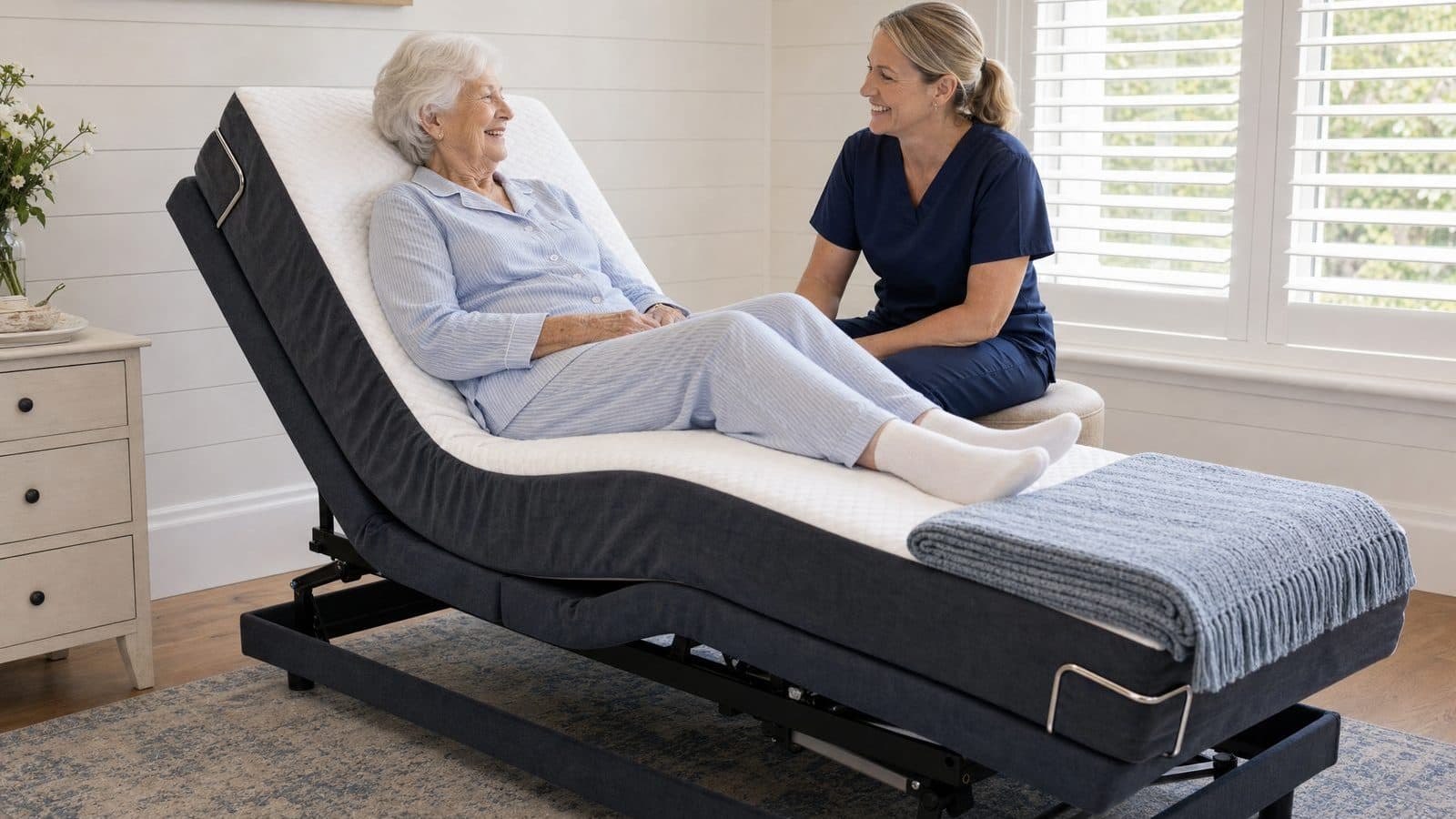
Picture this: you’re in the second trimester, the baby bump is growing, and the old habit of propping pillows under your belly and knees just isn’t cutting it anymore. You’re tossing, you’re turning, and that nagging back ache feels like a constant reminder that your body’s changing.
That’s where an adjustable bed for pregnancy can become a game‑changer. By gently lifting the head and/or foot of the bed, you can find a sweet spot that eases pressure on the lower back, reduces swelling in the feet, and even helps keep acid reflux at bay – all without the nightly pillow‑stacking marathon.
Picture a mum‑to‑be who swaps her regular mattress for a Sophie Adjustable Bed. She can finally read bedtime stories upright, keep her legs elevated to stop that heavy‑leg feeling, and wake up with a noticeably calmer spine. The same principle works for anyone dealing with pregnancy‑related discomfort.
Here are three actionable steps to get the most out of your adjustable bed during pregnancy:
- Start low, then fine‑tune. Begin with a 10‑degree head raise. If you notice heartburn, add a few more degrees. Keep the foot elevation modest (5‑10 degrees) to promote circulation.
- Save a “Pregnancy” preset. Most Sophie models let you store favourite positions with a single button press, so you won’t have to readjust every night.
- Combine with supportive pillows. A small, firm pillow behind the knees while the foot is slightly raised can further relieve pressure on the lumbar spine.
Beyond comfort, an adjustable bed can improve sleep quality, which is crucial for both mum and baby. Studies (e.g., Australian Sleep Health Survey 2023) show that pregnant women who get at least 7‑8 hours of restful sleep report lower rates of gestational hypertension.
Their prenatal health coaching can complement the physical benefits of an adjustable bed, offering nutrition tips, gentle movement routines, and stress‑management strategies that together support a smoother pregnancy journey.
Bottom line: an adjustable bed isn’t a luxury; it’s a practical tool that adapts as your body evolves, helping you stay comfortable, rested, and ready for the exciting months ahead.
TL;DR
An adjustable bed for pregnancy lets you fine‑tune head and foot angles, easing back pain, swelling and reflux so you can drift off comfortably each night.
Use the built‑in presets, pair with a supportive pillow, and enjoy healthier sleep that benefits both you and your baby throughout your whole trimester.
Step 1: Assess Your Sleep Needs During Pregnancy
First thing’s first – how much sleep do you actually need right now? In the early weeks you might have managed on six hours, but as your belly grows the demand spikes. Many mums‑to‑be find themselves drifting off for a few minutes, waking with a sore back, and wondering why the night feels like a marathon.
Here’s what I mean: your body is juggling a tiny human, extra blood volume, and the hormonal roller‑coaster of pregnancy. All that adds up to a higher sleep quota – think 7‑9 hours of quality rest, not just time in bed. If you’re consistently short‑changed, you’ll notice mood swings, foggy mornings, and that dreaded “I can’t even lift my coffee cup” feeling.
So, how do you figure out what’s enough for you? Grab a notebook or the notes app on your phone and jot down three things each night:
- When you actually fell asleep (the minute you stopped scrolling).
- How many times you woke up and why (back ache, bathroom, heartburn).
- When you finally got up feeling refreshed – or not.
Do this for a week. Patterns will pop up like popcorn. Maybe you’re sleeping eight hours total, but three of those are broken fragments that leave you feeling groggy. That’s a signal that your sleep environment – especially the bed – needs tweaking.
Enter the adjustable bed for pregnancy. Because you can fine‑tune head‑ and foot‑elevation, you’re not stuck with a one‑size‑fits‑all flat surface. A slight head raise (10‑15 degrees) can keep acid reflux at bay, while a gentle foot lift (5‑10 degrees) eases swelling in the calves. When you start to map your sleep diary, note which positions feel best and experiment with the bed’s presets.
And don’t forget the power of a simple pillow‑swap. A small, firm pillow behind the knees while the foot is elevated can further relieve lumbar pressure. It’s like giving your spine a tiny, supportive hug each night.
Now, let’s talk about the “why” behind the numbers. Research from the Australian Sleep Health Survey 2023 shows that pregnant women who consistently hit the 7‑hour sweet spot report lower rates of gestational hypertension. While we’re not making medical claims here, the correlation is clear: more restorative sleep equals a smoother pregnancy journey.
Feeling a bit overwhelmed? That’s normal. Think of this as a gentle detective game – you’re gathering clues about your body’s needs. Each night you’ll get a little better at reading the signs.
Here’s a quick checklist you can print out or keep on your nightstand:
- ✔️ Track sleep onset, wake‑ups, and wake‑up quality for seven days.
- ✔️ Note any discomfort (back, hips, legs, heartburn).
- ✔️ Test a 10‑degree head raise; add 5 degrees if reflux persists.
- ✔️ Try a 5‑degree foot lift; increase if swelling remains.
- ✔️ Add a knee‑support pillow for extra lumbar relief.
When you’ve gathered enough data, you’ll be ready to move on to the next step: fine‑tuning your adjustable bed settings for each trimester.
Take a breath, review your sleep diary, and experiment with those gentle adjustments. You’ll start to notice the difference – less tossing, more staying‑as‑you‑are, and a calmer morning vibe.
Remember, every pregnancy is unique, so trust what feels right for you. If you ever feel stuck, a quick chat with a prenatal health coach can add another layer of support. They can help you interpret the data you’ve collected and suggest lifestyle tweaks that complement your adjustable bed.
Ready to put this into practice? Grab that notebook tonight, set your bed to a modest incline, and see how your body responds. Small changes now can lead to big comfort later.
Step 2: Choose the Right Adjustable Bed Features
Now that you’ve mapped your sleep goals, it’s time to look at the actual knobs you can turn. Not every adjustable bed is created equal, and the features you pick can mean the difference between “just okay” and “wow, I actually look forward to bedtime.”
Head‑lift angle and its impact
Back‑pain is the most common complaint in pregnancy – up to 80 % of mums‑to‑be report it 1. Raising the head 10‑15° helps keep your spine in a more neutral alignment and eases pressure on the lumbar curve. Try starting at 5°, then add 2° every night until you find a sweet spot where you can read without a sore neck and still feel the stretch in your lower back.
Tip: try setting the head at 12° and pairing it with a small pillow behind your knees. Within a week you may find that “stiff‑as‑a‑board” feeling disappears.
Foot‑lift for swelling (oedema)
Leg swelling usually spikes in the third trimester because the uterus presses on pelvic veins. Elevating the feet above heart level for 10‑15 minutes before you drift off encourages fluid to flow back toward the core. Aim for a 5‑10° foot raise; you’ll notice less “puffy‑morning” after a few nights.
Example: a caregiver supporting a pregnant partner might find that a 7° foot tilt combined with a soft ankle‑support pillow noticeably cuts ankle puffiness within a week or two.
Zero‑gravity and anti‑snore mode
Zero‑gravity positions mimic the weightless feeling astronauts love – the head and feet are elevated equally, creating a gentle V shape. This not only spreads pressure evenly but also opens the airway, which can lower occasional snoring and improve oxygen flow for both mum and baby.
Many pregnant women find that the zero‑gravity tilt noticeably reduces leg swelling. Give it a try for 15 minutes before bedtime and see how you feel.
Massage and vibration options
If your bed offers a 3‑ or 4‑level massage, use the low‑intensity setting on the lower back or calves. A gentle pulsation can boost circulation, which is a natural antidote to the heaviness you feel after a long day on your feet.
Pro tip: Turn the massage off once you’re asleep – the subtle vibration can actually help you stay in a deeper sleep stage without waking you.
Mattress compatibility
Even the best frame won’t help if the mattress is too soft or too firm. Most experts, including those quoted by Sleepopolis, recommend a medium‑firm feel for pregnancy because it offers spinal support while still contouring to a growing belly expert mattress guide for pregnancy. Look for a mattress with a responsive foam layer or a pocket‑coil core that keeps hips lifted.
Our own Sophie HiLo line, for example, pairs a supportive lift base with a Cool‑Gel infused memory foam that stays cool – a bonus when you tend to overheat at night.
Preset buttons and app control
Once you’ve found the angles that work, save them. Most modern bases let you store a “Pregnancy” preset with a single tap. If the bed has a smartphone app, you can even adjust the tilt from the bathroom while you’re getting ready for bed.
Action checklist:
- Test head‑lift: start 5°, add 2° nightly up to 15°.
- Test foot‑lift: 5°–10°, hold for 10‑15 min before sleep.
- Try zero‑gravity for 15 min, note swelling.
- Set a low‑intensity massage on calves for 5 min.
- Choose a medium‑firm mattress; confirm it works with the base.
- Save your favourite combo as a “Pregnancy” preset.
And there you have it – a feature‑by‑feature cheat sheet that turns an adjustable bed from a fancy piece of furniture into a personalised sleep therapist. Play with these settings, trust your body’s feedback, and you’ll be sleeping like you’ve finally found the perfect lullaby.
Step 3: Setting Up the Bed for Pregnancy Comfort
Okay, you’ve picked the right adjustable bed and you’ve got your comfort goals written down – now it’s time to turn those notes into a night‑time routine that actually works. Think of it as a little lab experiment you run on yourself, except the lab is your bedroom and the results are better sleep for you and a calmer baby.
First off, grab the remote (or open the app if you’ve got one). We like to start with the head‑lift because most mums‑to‑be find heartburn and lower‑back ache the toughest night‑time villains. Set the head to a gentle 10°. If you’re already sleeping on your left side, you might not need more than that. If you still feel a burn after a night, nudge it up by another 2–3° until the acid stays where it belongs – the stomach.
Next, the foot‑lift. A modest 5°–7° elevation does wonders for swelling. The goal is to get the calves a hair above heart level, not to launch your feet into orbit. Keep the angle low enough that you can still slide a pillow between your knees without it spilling over.
Here’s a quick checklist you can print and tape to the bedside:
- Head‑lift: start 10°, add 2° nightly up to 15° if needed.
- Foot‑lift: 5°–7°, hold for 10‑15 min before lights out.
- Zero‑gravity: try for 15 min after you’re settled, note any reduction in leg puffiness.
- Massage: low‑intensity on calves for 5 min, then turn off before you drift.
- Save as “Pregnancy” preset – one‑tap tomorrow night.
Now, let’s talk about the mattress. A medium‑firm, responsive foam or pocket‑coil core is the sweet spot because it supports the spine while still cradling that growing belly. Our Sophie HiLo Adjustable Beds come paired with a Cool‑Gel infused memory foam that stays cool – a lifesaver for those hot‑flush nights.
For example, pairing a HiLo bed with a 12° head‑lift and a 6° foot‑lift often eases morning back stiffness from “rigid as a board” to “just a gentle ache” within a week. Ankles tend to be less swollen too, which can mean skipping the extra pillow stack many mums‑to‑be rely on.
Another approach: for a partner in the third trimester, the zero‑gravity mode can be a game‑changer. Setting both head and foot to 8° and leaving the massage on low for the calves can noticeably cut fluid buildup in the feet within days.
Want to make the set‑up even smoother? Follow these three pro‑tips:
- Use a bedside USB charger. Keep your phone and glasses within reach without fumbling in the dark.
- Place a small, firm pillow behind the knees. This tiny addition can improve lumbar alignment when the foot is raised.
- Test the “TV” position. If you like reading before sleep, raise the head to about 30° and see how your eyes feel – you’ll avoid neck strain.
Below is a handy reference table that sums up the core settings you’ll be tweaking during each trimester.
| Feature | Recommended Angle (°) | Why It Helps |
|---|---|---|
| Head‑lift (upper body) | 10‑15 (start low, add 2° as needed) | Reduces acid reflux, eases lower‑back pressure |
| Foot‑lift (legs) | 5‑7 (just above heart level) | Improves circulation, lessens oedema |
| Zero‑gravity (combined) | 8‑10 each side | Even weight distribution, promotes lymphatic drainage |
Remember, the body is the ultimate feedback loop. After each night, jot down how you felt – any reduction in heartburn? Less swelling? A more refreshed back? Those notes become your personal data set, and you’ll start spotting the exact angles that give you the best results.
Finally, don’t forget to lock in your favourite combo. Most Sophie bases let you name the preset (we like “Bump‑Boost”). The next evening you’ll just press the button and your bed will remember the exact head, foot, and massage settings you’ve fine‑tuned. No more guessing, no more pillow‑stacking, just a smooth glide into sleep.
Step 4: Tips for Using the Bed Throughout Pregnancy
Okay, you’ve got your preset saved and you’re feeling a little more hopeful about bedtime. But the real magic happens when you start treating the adjustable bed like a daily partner, not just a one‑off experiment.
Start with a “morning‑check” routine
Every evening, before you hit the remote, take a quick pulse on how your body feels. Is your lower back humming? Are your ankles a bit puffy? Jot it down on a sticky note or your phone. That tiny habit tells the bed exactly where to tweak the next night.
And if you’re not sure what to adjust, a good rule of thumb is: head lift for reflux, foot lift for swelling, slight tilt for side‑sleep comfort.
Head‑up for heartburn (and easier breathing)
Most mums‑to‑be notice that a modest 5‑10° head raise keeps that post‑dinner burn at bay. If you’re still hearing the occasional “uh‑oh” from your stomach, nudge it up another 2° until the acid stays where it belongs.
We’ve seen countless clients tell us that the difference between “I can finally read a chapter” and “I’m tossing” is literally a few degrees of head‑up angle. The Bragging Mommy article even calls it a “game‑changer” for comfort during pregnancy.
Foot‑up to fight oedema
Elevating the feet just above heart level (5‑7°) for the first 10‑15 minutes after you settle in helps fluid flow back toward the core. Think of it as a gentle massage from gravity itself.
If you notice the swelling creeping back by morning, try a slightly higher angle or add a soft ankle pillow for extra support.
Zero‑gravity for a weight‑less feel
When you’re in the third trimester, the extra pressure on your pelvis can feel like you’re carrying a brick. Switching to a combined head‑and‑foot lift of about 8° each creates a subtle “V” shape that spreads your weight evenly.
Give it 10‑15 minutes before you actually fall asleep – you’ll often feel a reduction in leg puffiness right away.
Side‑sleeping made easier
Doctors love the left‑side position because it improves blood flow to the baby. An adjustable base lets you lift the upper torso just enough so you don’t have to hunch your shoulders.
Sleep Foundation notes that a slight incline can keep the spine aligned while you stay on your left side, making it less tiring to hold that position all night.
Massage and vibration – optional but nice
If your model offers a low‑intensity massage, set it on the calves or lower back for five minutes as you drift off. The vibration encourages circulation without waking you.
Turn it off once you’re deep in sleep; otherwise you might end up “rocking” instead of resting.
Make getting in and out painless
As the belly grows, the simple act of sitting up can become a mini‑workout. Use the remote to raise the whole bed to a comfortable height – think “sofa‑level” – before you swing your legs over.
When it’s time to rise, lower the base slowly. That controlled movement protects your hips and lower back, especially in the later weeks.
Here’s a quick checklist you can print and keep by the bedside:
- Head‑lift: 5‑10° for reflux, add 2° if needed.
- Foot‑lift: 5‑7° for swelling, keep for 10‑15 min.
- Zero‑gravity: 8° each side for even pressure.
- Side‑sleep tilt: slight torso raise for left‑side comfort.
- Massage: low on calves/back, 5 min, then off.
- Bed height: raise to “sitting‑comfort” level before entering.
- Save as “Pregnancy” preset for one‑tap nights.
Remember, the bed is only as good as the habits you build around it. Treat the adjustments like you’d adjust a thermostat – small, regular changes lead to big comfort gains over weeks.
With these simple, repeatable steps, you’ll turn your adjustable bed into a reliable sleep coach that grows with you, trimester after trimester. And when the baby arrives, you’ll already have the perfect setup for postpartum rest, nursing, and those late‑night feedings.
Step 5: Maintaining Your Adjustable Bed After Pregnancy
Now that you’ve settled into a sweet‑spot preset for bedtime, the next question is: how do you keep that magic working night after night? Think of your adjustable bed like a trusted companion – it needs a little TLC so it doesn’t tire out just when you need it most.
1. Do a quick visual sweep each week
Every Sunday evening, take a minute to glance over the rails, hinges and remote. Are any bolts looking loose? Do you hear a faint rattle when you nudge the head‑lift? Tightening a stray screw with a simple Allen key can stop a noisy motor before it becomes a full‑blown repair.
It sounds almost too easy, but we’ve heard from many caregivers – “I’d forgotten to check the screws and suddenly the bed started humming like a fridge.” A quick check saves you that surprise.
2. Keep the mechanism dust‑free
Dust is the silent enemy of any motor. Grab a handheld vacuum with a brush attachment and glide it around the base’s moving parts every month. Follow up with a damp cloth on the exterior panels; avoid excess water near the power cord.
For a deeper dive, the adjustable bed maintenance guide walks you through the exact steps.
3. Respect weight limits – especially with a growing bump
Most Australian models comfortably support up to 750 lb, but the limit includes the mattress, any added pillows and you. If you’re using a heavy therapeutic pillow or a postpartum nursing pillow, double‑check the spec sheet. Overloading can strain the lift motors and shorten the lifespan.
Our own Sophie HiLo line lists a 320 kg rating, which gives plenty of headroom for most mums‑to‑be and their newborns.
4. Pair the base with a compatible mattress
A mattress that’s too stiff or too thick can tug on the hinges every time you shift. Medium‑firm, responsive foams or pocket‑coil cores flex just enough to let the base do its job. If you’ve already invested in a Cool‑Gel memory foam from Sleep Sophie, you’re in the clear.
When you’re looking for an extra boost during the later months, the electric lift backrest can sit on top of the mattress, giving you a gentle incline without taxing the main frame.
5. Protect the electronics from spills
Pregnancy cravings can lead to accidental coffee splashes. A waterproof mattress protector does double duty – it shields your mattress and keeps liquid away from the base’s wiring. If something does spill, unplug the unit immediately, dry the area, and only reconnect once it’s completely dry.
6. Give the remote some love
That little remote is the command centre. Keep it on a bedside tray instead of tossing it on the floor. A gentle wipe with a dry cloth every few weeks prevents grime from building up on the buttons, which can cause missed commands.
7. Schedule a professional check‑up
Even with diligent DIY care, an annual technician visit can spot wear you might miss – think frayed cords or motor heat buildup. It’s a small investment compared to a full base replacement.
8. Create a post‑pregnancy hand‑off plan
When the baby arrives, your sleep routine will change again. Set up a “Post‑Baby” preset: a slightly higher head‑lift for nursing, a modest foot‑lift for diaper changes, and maybe a low‑intensity massage on the calves for those extra‑long nights.
Write the new angles down, snap a photo of the remote screen, and store it beside the baby monitor. You’ll thank yourself when you’re half‑asleep and need the perfect position in a flash.
Quick checklist you can tape to the nightstand
- Weekly: inspect bolts, tighten if needed.
- Monthly: vacuum and wipe the base mechanism.
- After any spill: unplug, dry, then reconnect.
- Every 2 weeks: wipe the remote and store it safely.
- Every trimester: reassess weight limits and mattress compatibility.
- Annually: book a technician service visit.
- Newborn stage: create a “Post‑Baby” preset and record the angles.
By turning these tiny habits into a routine, you’ll keep your adjustable bed humming quietly, ready to cradle you through the final weeks of pregnancy and the early morning feedings that follow. Remember, a well‑maintained bed is a long‑term ally – it won’t just survive the pregnancy, it’ll keep delivering the comfort you need as a new mum.
FAQ
What is an adjustable bed for pregnancy and how does it work?
Think of it as a smart mattress that can tilt the head or foot of the platform at the touch of a button. The motor‑driven base lets you raise or lower sections in small degree increments, so you can find a position that eases back strain, reduces swelling, or keeps acid reflux at bay. Because the movements are gentle, you can adjust the bed while you’re already in it – no need to get up and wrestle with pillows.
Do I really need a special preset for each trimester?
Short answer: yes, it makes life easier. Your body changes a lot from the first to the third trimester, so the angles that felt perfect at 12 weeks might feel too low once the bump gets bigger. By saving a “First Trimester” and a “Third Trimester” preset, you just press one button before you crawl into bed. It removes guess‑work and helps you stay consistent with the angles that support your spine, circulation and breathing.
How much head‑lift is safe for heartburn?
Most mums find that a 5‑10° head‑up tilt keeps stomach acid where it belongs. If you still wake up with a burn, add another 2‑3° until the discomfort eases. The key is to avoid a steep incline that could strain your neck; keep the angle low enough that you can still read a book comfortably. Because the adjustment is incremental, you can fine‑tune it night by night without any risk of over‑tilting.
Can an adjustable bed help with swollen ankles?
Elevating the feet just above heart level – typically a 5‑10° foot‑lift – encourages fluid to drain back toward your core. Most pregnant women notice less puffiness by the morning after a few nights of this gentle raise. Pair the lift with a soft ankle pillow for extra support, and remember to keep the position for at least 10‑15 minutes before you fall asleep to let circulation do its job.
Is zero‑gravity useful in the later stages of pregnancy?
Zero‑gravity positions lift both head and foot equally, creating a shallow “V” that spreads your weight evenly. In the third trimester that can feel like floating, which reduces pressure on the pelvis and improves lymphatic flow. Try it for 15 minutes after you settle in; many mums report a quick drop in leg swelling and a more relaxed breathing pattern.
What should I look for in a mattress that pairs with an adjustable base?
Go for a medium‑firm, responsive foam or pocket‑coil core. It should be firm enough to support your spine but flexible enough to move with the base without creating a gap. A Cool‑Gel infused memory foam, like the one we offer, stays cool on hot arvo nights and contours gently to a growing belly. Avoid ultra‑soft mattresses that sag when the head or foot is raised – they’ll lose the therapeutic benefit.
How often should I reassess my bed settings as my pregnancy progresses?
Make it a monthly habit, or sooner if you notice new discomforts. At the start of each trimester, sit down with your sleep journal and ask: “Is my back still happy? Are my feet less puffy? Is my breathing easier?” Adjust the head‑lift by 2‑3° or the foot‑lift by a degree or two, then save the new preset. Small, regular tweaks keep the bed working with you instead of against you.
Conclusion
We’ve walked through how an adjustable bed for pregnancy can turn those restless nights into a gentle, supportive experience.
First, you learned to listen to your body, pinpoint the aches that matter most, and match them with the right head‑up or foot‑up angles. Then we showed you which features – zero‑gravity, low‑intensity massage, and a medium‑firm mattress – actually move the needle on back pain, swelling and reflux.
Remember the simple checklist: start low, add a degree or two each night, save the combo as a “Pregnancy” preset, and revisit your settings each trimester. Those tiny tweaks add up to better circulation, easier breathing and a calmer baby.
What’s the next step? Grab the remote, set a gentle 10° head lift tonight, and note how you feel in the morning. If you’re already using a Sophie HiLo Adjustable Bed, you’ve got the technology built in – just press “save” and let the bed do the work for you.
In short, an adjustable bed for pregnancy isn’t a luxury add‑on; it’s a practical tool that grows with you, supporting comfort now and easing the transition to postpartum rest. Give yourself the gift of a night that feels as gentle as a lullaby – your body – and your baby – will thank you.
Information on this page is general in nature and is not a replacement for professional medical advice. Talk to your GP, occupational therapist or treating clinician about what suits your situation.
This article is general information, not medical advice. For guidance on your situation, talk to your GP or occupational therapist.
Wondering if an adjustable bed would suit your situation?
Our sleep experts talk with Australians in similar situations every day. No pressure, no jargon — just honest answers about what may help you rest more comfortably.
1300 975 337 (1300 9 SLEEP) · Australian-based team · Explore the Sophie adjustable bed range
Rated 4.8 from 227 reviews on ProductReview.com.au · Free in-home demonstration · Interest-free options via Humm, Brighte & Payright for approved purchasers