
Adjustable Bed for Oedema Swelling Australia: How to Choose the Right One
11 March 2026 · Nathan Kerrins · Updated 23 July 2026
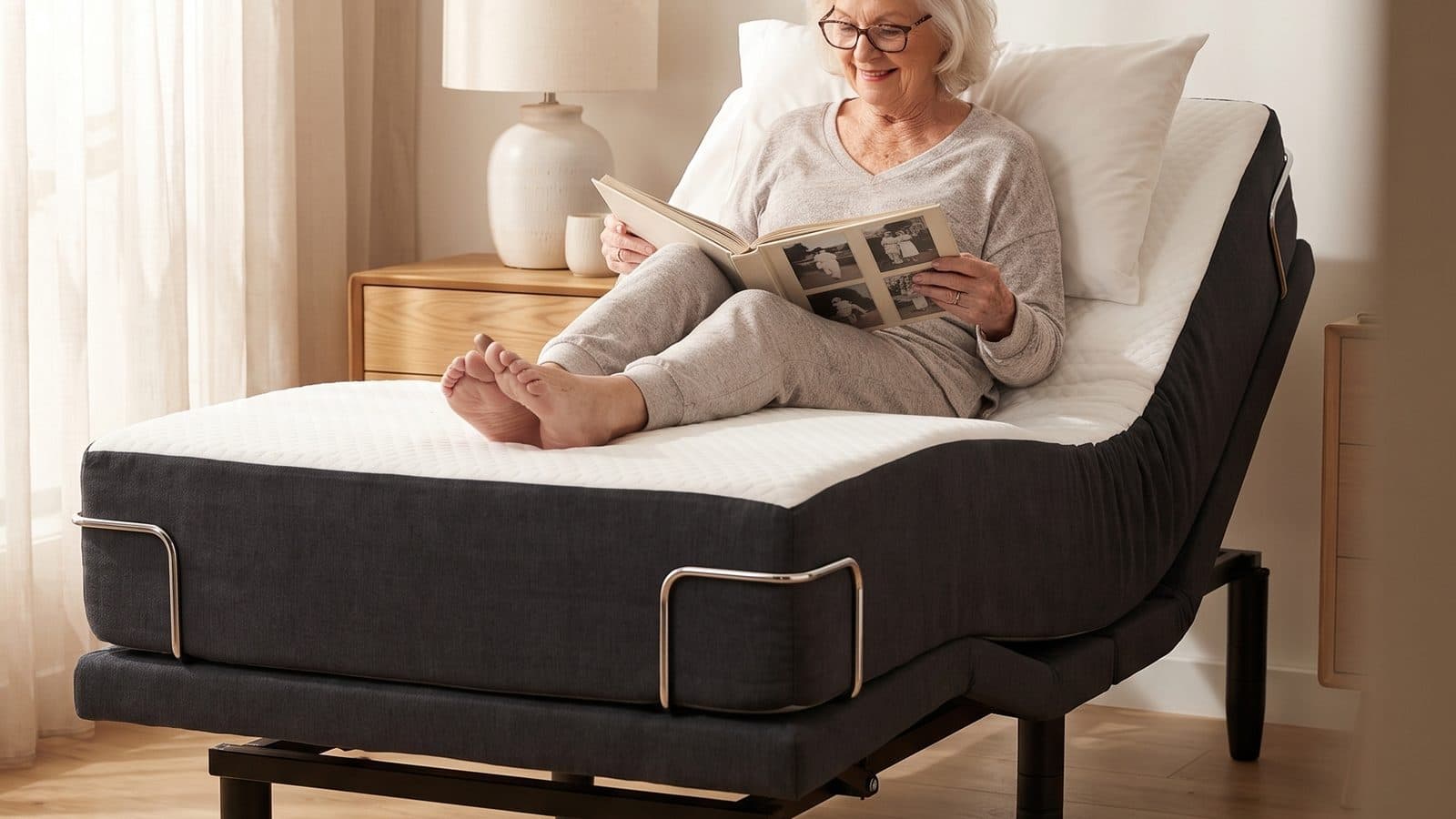
Swelling in your legs or feet can ruin a night’s rest.
When fluid builds up, pressure makes it hard to move and the pain can linger into the morning. An adjustable bed lifts the foot end just enough for gravity to pull the fluid back toward the heart, easing puffiness without a stack of pillows.
Imagine you’re a senior living alone, or an NDIS participant who needs gentle support. You press a button, raise the legs 20‑30 degrees and feel the relief within minutes. That simple motion can cut down on the “heaviness” that makes getting out of bed a chore.
Here’s a practical way to use the bed for oedema:
1. Start with the foot platform flat. 2. Raise it to a comfortable angle – most people find 15‑20 degrees works. 3. Stay in that position for 10‑15 minutes while you read or watch TV. 4. Lower the bed slowly before you lie down to sleep.
Switching positions throughout the day also helps. A quick lift‑and‑lower routine after a walk or a shower keeps circulation moving. If you have diabetes‑related swelling, combine this with proper footwear and a balanced diet – the bed is just one part of the plan.
Sleep Sophie’s range is built for flexibility. Their models have independent head and foot controls so you can fine‑tune the angle without hassle. Check out the Sophie Adjustable Beds for options that fit different room sizes and weight limits.
By making elevation easy, you give your body a chance to drain excess fluid, reduce discomfort, and wake up feeling lighter. Give it a try and see how a few minutes each day can change the way you sleep.
Step 1: Assess Your Swelling and Bed Needs
First, look at how your legs feel when you get up in the morning. Do they feel tight? Is there a soft puff that stays after a walk? Those clues tell you how much fluid your body is holding.
Grab a ruler or just estimate the angle of the foot platform on your adjustable bed. Most people feel relief around 15‑20 degrees. If you’re not sure, start low and add a few more degrees until the heaviness eases.
Know Your Daily Rhythm
Take note of when swelling gets worse. Is it after a long day standing? After a shower? Write down the time and what you were doing. That pattern helps you decide when to lift the bed.
For NDIS participants or seniors, it’s worth checking if any medication or diet changes affect the puffiness. Simple tweaks like staying hydrated and moving a bit every hour can cut the swelling down.
Use the Bed Like a Tool
Set the foot end to the angle you found comfortable. Stay there for 10‑15 minutes while you read or watch TV. Then lower the bed slowly before you actually lie down to sleep. Doing this once or twice a day keeps the fluid moving.
Need a quick tip? Try a short lift‑and‑lower routine right after a walk. It’s a tiny habit that adds up.
Sometimes nutrition plays a part. A guide on men’s multivitamins for hormone support shows how certain nutrients can help fluid balance here. It’s not a magic fix, but it’s a piece of the puzzle.
Design firms that specialize in health‑focused spaces talk about how room layout can aid circulation Maris Graph. Think about placing the bed near a window for fresh air – a small change that feels big.
A few gentle ankle rolls while the bed is raised can boost the effect.
Take a moment to check your posture. Is your back straight? Are your feet relaxed?
Step 2: Choose the Right Adjustable Features
Raising the foot end even a little can shrink swelling fast.
First, pick an angle that your leg can hold without strain. Most people feel relief at 15‑20 degrees. If you’re not sure, start at 10 degrees and add a few more until the puffiness eases. The goal is comfort, not a stiff stretch.
Leg‑section control
Look for a bed that lets you move the leg section independently of the head. That way you can keep the upper body flat while the feet lift. Independent control also lets a caregiver adjust the height without pulling the whole frame.
Assistive Tech Hub notes that a “Hi‑Low adjustable bed” gives this exact flexibility.
Height‑adjustable frame
Being able to raise the whole bed makes it safer to get in and out. A height of about 60‑70 cm from floor to mattress surface is easy on the back. When you lower the bed to a flat position at night, circulation stays steady.
Weight capacity and motor strength
Pick a model that holds at least 150 kg. A strong motor will lift smoothly and stay in place, so the leg stays up for the full 10‑15 minutes you need.
Simple remote or app control
A single‑button remote lets you set and save your favourite angles. Some beds even let you program a “daily oedema routine” so the lift happens automatically while you watch TV.
Beds for Backs points out that leg elevation improves blood flow and can lessen fluid build‑up in the lower limbs.
Action steps:
- Measure your current swelling pattern – note when it’s worst.
- Set the leg angle to 15 degrees and stay there 10 minutes while reading.
- If you feel tighter, lower the angle a degree and try again.
- Write the angle that felt best in your log and use it each day.
With the right features in place, the bed becomes a low‑effort tool that helps you beat oedema without extra pillows or trips to the doctor.
Step 3: Select Mattress and Support Layers
Now that you’ve got the right lift, the surface you lie on matters just as much. A mattress that spreads pressure can keep fluid from pooling while you elevate your legs. That’s why picking the right mattress is a key step for an adjustable bed for oedema swelling Australia.
Choose a pressure‑relieving mattress
Look for foam that gives back pressure, like memory or gel‑infused layers. These materials sink a little where your ankle rests, so the foot isn’t pressed into a hard board. The result is a gentle cradle that lets gravity do the work.
Add supportive base layers
A sturdy support core keeps the bed from sagging when the foot end lifts. Latex or high‑density foam cores are good because they hold shape even at a 15‑degree tilt. If you need extra lift, a thin latex topper can add bounce without losing comfort.
What to check:
- Firmness rating: aim for medium‑firm to support swelling ankles.
- Weight limit: ensure the mattress and base together meet the 150 kg capacity of your frame.
- Cover material: breathable, washable fabric helps keep skin dry.
Try it out. Set the foot end to your usual angle. Lie down for a few minutes and notice if the ankle feels less tight. If you still feel pressure, swap the topper for a softer one or add a thin memory‑foam pad.
Some adjustable‑bed brands, like Sleep Sophie, bundle a tri‑layer mattress that already has a pressure‑relieving top and a firm base layer. If you buy a separate mattress, match the top layer’s softness to your comfort and the bottom layer’s firmness to the lift angle. This way the bed stays level even when the foot section is raised for 10‑15 minutes each day.
When the mattress and support layers work together, the lift feels natural and you spend less time readjusting. That smooth combo is what makes an adjustable bed for oedema swelling Australia a low‑effort ally for seniors, NDIS participants, and anyone dealing with swelling.
Step 4: Compare Top Models and Prices
Now that you know what to look for, it’s time to line up a few real‑world options. Think of it like a quick shop‑walk: you pick a model, check the price, note the warranty, then decide if it fits your budget and swelling‑relief goals.
Our pick is the Sleep Sophie range. It offers independent leg control, a quiet motor, and a weight capacity of 150 kg. The brand backs its beds with a five‑year motor warranty and a solid steel frame. Because the mattress is built for an adjustable base, you won’t lose comfort when you raise the foot end.
For a more budget‑friendly choice, look at the entry‑level models highlighted by Mobility Shop Direct. These start at the lower end of the market, give you basic incline control, and come with a wired remote. They lack split‑base options, but the core lift function works well for oedema relief. The article notes that these units typically include a five‑year warranty on the motor.
If you want luxury features like built‑in massage and USB ports, the Galaxy Adjustable Bed from Superior Lifestyle is worth a glance. It supports up to 385 kg, has dual‑zone massage, and includes a back‑lit remote plus mobile app control. Prices sit above $5,000, reflecting the extra tech and higher weight capacity.
Here’s a quick side‑by‑side look:
| Model | Key Feature | Approx Price (A$) | Warranty |
|---|---|---|---|
| Sleep Sophie Adjustable Bed | Independent leg lift, quiet motor | See current pricing | 5 years motor |
| Basic Mobility Shop Direct Model | Single base, wired remote | Lower band | 5 years motor |
| Superior Lifestyle Galaxy | Massage, USB ports, 385 kg lift | Upper band | 5 years motor |
Action steps:
- Write down the three rows above on a sheet.
- Mark the features you can’t live without – for oedema, leg lift and quiet operation are top.
- Set a max price you’re comfortable with.
- Match your list to the table and see which model stays in the green.
Tip: If a model sits just a bit above your budget, check whether the retailer offers a payment plan or a seasonal discount. That can make a premium bed more reachable without stretching your wallet.
By comparing these three options, you’ll spot the sweet spot where price, comfort, and swelling relief meet.
Conclusion
Putting it all together, an adjustable bed for oedema swelling Australia can turn a restless night into a quick win.
First, log when your legs feel the heaviest and pick a gentle 15‑20° foot lift that you can keep for 10‑15 minutes. Next, choose a bed that lets the leg section move on its own, has a quiet motor and can hold at least 150 kg.
Match that to a pressure‑relieving mattress so the lift feels natural. Then compare the three models we listed, mark the features you can’t live without, and set a price ceiling.
If a top model sits just over budget, ask the retailer about payment plans or seasonal discounts. Finally, give the bed a few days of use and note how the swelling changes.
Ready to try? You can explore the full range of Sophie Adjustable Beds and pick the one that fits your needs.
Remember, consistency is key, keep the leg lift routine every day and adjust the angle if you notice any discomfort. A small daily habit can keep swelling at bay and improve your sleep quality.
FAQ
Can an adjustable bed help reduce oedema swelling?
Yes, raising the foot end lets gravity pull fluid back toward the heart. When the legs sit at a gentle tilt, the extra pressure on the lower limbs drops and swelling eases. Most users notice less tightness after a few minutes. The effect works for anyone who has fluid build‑up, whether from long standing, a medical condition, or just a heavy day.
What angle should I set the foot section for oedema?
Most experts suggest a foot lift of about 15‑20 degrees. That range is high enough to move fluid but low enough to stay comfortable. Use the bed’s angle indicator or a phone app to check the tilt. If 15 degrees feels easy, add a degree or two until the swelling eases without strain. Write down the angle that works best and stick with it each day.
How long should I keep the legs elevated each day?
Most people keep their legs raised for 10‑15 minutes at a time. You can do this while you read a book, watch TV, or simply relax. If the swelling feels better, you can repeat the lift two or three times a day. Just be sure to lower the bed slowly before you lie flat to avoid a sudden drop in pressure.
Is it safe for people with diabetes to use an adjustable bed for swelling?
People with diabetes can use an adjustable bed for oedema, but they should watch their skin closely. The gentle lift helps fluid move, yet extra pressure on the foot can still cause irritation if the angle is too steep. Check the skin each day for redness or soreness, and talk to a health professional before making the bed a daily habit.
Do I need a special mattress with the adjustable bed?
While the bed can lift your legs, a pressure‑relieving mattress makes the lift feel softer. Foam layers that give a little give where the ankle rests stop hard pressure points. Look for a medium‑firm mattress that can hold the same weight as the frame. If you already have a firm mattress, add a thin memory‑foam pad on the foot side for extra comfort.
Can I program the bed to lift automatically?
Many modern adjustable beds let you set a preset position with the remote or a phone app. You can program a 15‑degree foot lift for ten minutes each evening, so you don’t have to think about it. Just press the ‘save’ button and the bed will recall the setting whenever you need it. This works well for a routine that fits your daily schedule.
Information on this page is general in nature and is not a replacement for professional medical advice. Talk to your GP, occupational therapist or treating clinician about what suits your situation.
This article is general information, not medical advice. For guidance on your situation, talk to your GP or occupational therapist.
Wondering if an adjustable bed would suit your situation?
Our sleep experts talk with Australians in similar situations every day. No pressure, no jargon — just honest answers about what may help you rest more comfortably.
1300 975 337 (1300 9 SLEEP) · Australian-based team · Explore the Sophie adjustable bed range
Rated 4.8 from 227 reviews on ProductReview.com.au · Free in-home demonstration · Interest-free options via Humm, Brighte & Payright for approved purchasers
Using NDIS or Support at Home funding?
Sleep Sophie is a registered NDIS provider (4050070896), and Sophie adjustable beds and lift recliners are ARTG-registered Class 1 medical devices (ARTG 326115). Beds can be funded through NDIS assistive-technology budgets where an occupational therapist recommends them; the Support at Home program has its own equipment pathway. We prepare quotes suitable for plan approval — see how NDIS funding works or Support at Home, or call and we’ll walk you through it.