
How an Adjustable Bed for Chronic Pain Relief Can Transform Your Sleep
6 March 2026 · Nathan Kerrins · Updated 23 July 2026
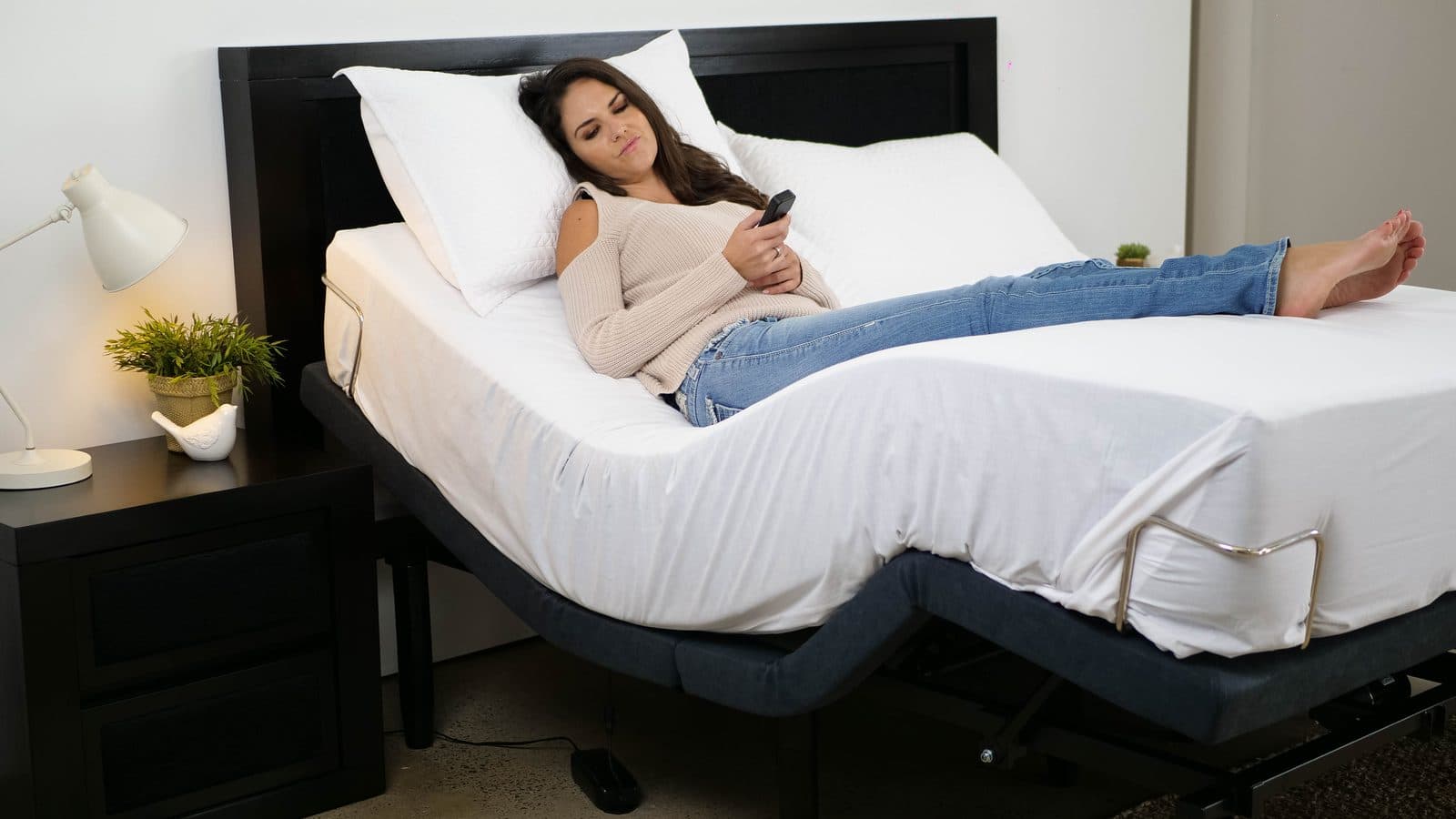
An adjustable bed can change the way chronic pain feels at night. You sleep, you feel less ache, you wake up ready for the day. That’s the promise we keep for people who live with back, neck or joint pain.
First, the bed lets you lift just the head or the feet. A small tilt opens up the spine and eases pressure on the lower back. A gentle foot raise lets fluid drain from the legs, cutting swelling that can turn a good night into a rough one. Try a 10‑degree head lift and a 5‑degree foot lift; notice how the stretch feels in the hips and lower back.
Second, the motor is quiet and strong. You don’t hear a clank when you change the angle, so the sleep you get stays deep. The remote is simple – one button for head up, one for foot down. No heavy lifting, no strain.
Third, you can set a favourite position and the bed will remember it. For a chronic‑pain user, that means you can press a button and the bed moves you straight into the posture that supports your spine best. No need to readjust pillows all night.
For example, someone with arthritis might use a 15‑degree head lift to read in bed and a 5‑degree foot lift to rest the knees — many find the shoulder pain drops and they can sit up without help. An NDIS participant recovering from therapy might raise their feet 10 cm after therapy; the swelling in the calves can go down fast.
Want step‑by‑step tips? Start with a low incline, test how your back feels for five minutes, then add a few more degrees until the ache eases. Keep a notebook of angles that work best.
For a deeper dive into choosing the right set‑up, check out our Adjustable Bed for Chronic Pain Australia: A Practical How‑To Guide and see the full checklist.
Step 1: Choose the Right Adjustable Bed Features
When you look for an adjustable bed for chronic pain relief, the first thing to check is how the bed moves. You want smooth, quiet lifts that let you fine‑tune head and foot angles.
Look for independent head and foot sections. Separate motors mean you can raise your upper body without lifting your legs. That helps reduce swelling in the lower limbs.
A break‑knee design on the foot end is a must for many NDIS participants. It keeps the knees slightly bent, easing pressure on the calves.
Pick a mattress that works with the base. Medium‑firm memory foam gives enough support for the spine but still feels soft on the hips. A gel‑infused top layer can keep you cool through the night.
Check the remote or app controls. Simple buttons or a phone app let you raise the head by five‑degree steps. Avoid beds that need you to hold down a button for a long time.
Think about safety features. A low‑step height makes it easy for seniors to get in and out. Side rails that lock in place add extra peace of mind.
Finally, test the noise level. A whisper‑quiet motor means you won’t hear the bed shift in the middle of the night. Ask the retailer for a demo and sit in a few positions for a few minutes each.
Here’s a quick checklist you can print.
- Head lift smooth? ✔️
- Foot lift smooth? ✔️
- Break‑knee works? ✔️
- Remote easy? ✔️
- Low step? ✔️
Step 2: Optimise Mattress and Pillow Setup
Now that you’ve picked a quiet bed with presets, the next step is getting the mattress and pillows to work with those angles.
Choose a mattress that bends with the base. All‑foam or hybrid models stay smooth when the head lifts, so you don’t feel a hard edge.
Do a quick bend test: raise the head 10°, lean forward, and see if the surface follows without creasing.
If the mattress passes, move to pillows. The right stack keeps your spine neutral at any angle.
Start with a firm foundation pillow flush against the head rail. It holds the head up when you sit to read.
Add a softer comfort pillow on top and centre it so it doesn’t slip when the foot lifts.
For steeper angles, use a side‑support wedge or low‑profile lumbar pillow in the shoulder gap to stop sliding.
Test each combo for five minutes. Notice if your neck stays straight, hips feel supported, and pressure points stay calm.
Write down the angle and pillow stack that feels best. A small notebook next to the remote saves you future guesswork.
If pillows shift, add a non‑slip pad under the base pillow or pick a pillow with a rubberised bottom.
Quick habit: raise the head to your chosen angle, give the stack a gentle shake, and make sure everything stays put.
When the mattress flexes and the pillow stack holds, your adjustable bed becomes a true ally for chronic‑pain relief.
| Pillow type | Ideal angle | Quick tip |
|---|---|---|
| Firm foundation | 0-15° | Place flush against head rail |
| Soft comfort layer | 15-30° | Centre it to avoid sliding |
| Side-support wedge | 30°+ | Slide into shoulder gap for extra hold |
Step 3: Adjust Positioning for Maximum Comfort
Now the bed is set up, it’s time to fine‑tune how you sit or lie in it. The goal? Keep your spine straight, stop pressure points from popping up, and make sure everything stays put all night.
Start by raising the head just enough to keep your neck in line with your back. For most chronic‑pain users, a 10‑15° lift does the trick. If you still feel a stretch in your hips, add a tiny foot lift – about 5°. The combination creates a gentle “contour” that supports the natural curve of the spine.
Next, test the pillow stack. Place a firm foundation pillow flush against the head rail, then add a softer layer on top. Give the stack a quick shake – it should stay where you put it. If it slides, try a non‑slip pad underneath or pick a pillow with a rubberised bottom.
In practice: someone with arthritis might use a 12‑inch firm pillow at a 12° head lift and a 4‑inch lumbar wedge at 20°. The wedge locks into the shoulder gap and stops you from sliding forward when you watch TV.
When you move to a steeper angle (30°+), add a side‑support wedge or a low‑profile lumbar pillow. Slip it into the gap between your arm and torso – the incline actually presses the pillow tighter, so it won’t wander.
Give each new position five minutes to settle. Notice if your neck stays straight, your hips feel supported, and any aches ease. Write the angle and pillow combo in a small notebook next to the remote. That habit saves you from guessing later.
Need a quick reference? Check out our guide on adjustable beds for back pain for more ideas on angles that help different conditions.
Beyond pillows, think about a breathable bamboo cover for the base pillow – it adds texture and keeps heat down, which seniors often appreciate. And if you share the bed, each side can have its own stack so one person can stay flat while the other enjoys a slight recline.
For a holistic night, pair these adjustments with other sleep hacks. Choosing the right earplugs can cut out partner snoring, letting your body stay relaxed in the perfect position. You can also explore wellness coaching to build gentle stretching routines that support the same spine alignment you achieve with the bed.
Step 4: Incorporate Supportive Accessories
Now the bed is set, it’s time to add the little helpers that keep everything in place and add extra comfort. Think of them as the side‑kicks that make your adjustable bed for chronic pain relief work night after night.
Grab bars and side rails
For seniors or anyone who needs a safer rise, a side rail stops you from slipping off when the head lifts. A simple rail can also give a caregiver a firm place to hold onto while helping a partner get up.
One supplier lists a range of rails that fit most electric bases – they promise quick fit‑on and a sturdy grip hospital bed rails can add extra safety. Choose a low‑profile style so it doesn’t get in the way of your pillow stack.
Non‑slip pads and mattress covers
A thin rubber pad under the base pillow keeps it from sliding when you raise the foot section. Pair it with a breathable bamboo cover – the cover lets heat escape, which many older users appreciate.
Swap the cover if you notice the pillow gets warm after a few hours. A fresh cover keeps the surface cool and the pillow firm.
Support wedges and bolsters
Side‑support wedges lock into the shoulder gap when the head is raised. They stop you from sliding forward while you read or watch TV. A small cylindrical bolster between the knees keeps the legs aligned when the foot lifts.
In practice: an NDIS participant might tuck a 4‑inch wedge under the calves and add a thin bolster on top. The combo stays put even at a 30° foot lift, and knee ache can drop noticeably.
Quick checklist before you settle
• Rail or grab bar installed and snug.
• Non‑slip pad under the foundation pillow.
• Bamboo cover on the base pillow.
• Wedge or bolster placed and tested with a 30‑second shake.
• Any extra pillow stacked stays centred.
Run through the list each time you change the angle. A few seconds now saves a midnight shuffle later.
When you treat each accessory like a small step, the whole system feels steady and supportive – exactly what you need for chronic pain relief.
Ready to try? Add one accessory at a time, test the grip, and note the angle that feels best.
Remember, a stable setup lets the bed do the heavy lifting while you enjoy a calm night’s rest.
Conclusion
You’ve seen how a quiet motor, smart presets and the right pillow stack turn an adjustable bed for chronic pain relief into a real night-time helper. It isn’t magic, it’s just the bed doing the work you used to do with extra pillows.
When every accessory stays put, your spine stays lined up and the ache drops off. That simple check-list, rail snug, non-slip pad, bamboo cover, wedge tested, saves you a midnight shuffle.
So what’s the next step? Pick one accessory you don’t have yet, test the grip for 30 seconds, and write the angle that feels best. A few seconds now means a calmer night later.
Remember, a steady set-up lets the bed lift you gently while you enjoy a calm, pain-free rest. You’re ready to try it tonight.
Keep the list handy and check it each time you change the angle, a tiny habit that pays off in smoother mornings.
Frequently Asked Questions
How does an adjustable bed help with chronic back pain?
When you tilt the head or foot a little, the spine opens up and pressure on sore spots drops. A gentle 10‑degree head lift can take the weight off the lower back, while a small foot raise lets fluid drain from the legs. Most people notice less ache after a night of steady, supported positioning.
Can I use an adjustable bed if I have limited mobility or use a wheelchair?
Yes. The remote or app lets you raise or lower the base without any lifting. A low‑step height and smooth motor make it easy to get in and out, even if you have a walking aid. Caregivers also like the quick‑release rails that add safety without extra effort.
How often should I check the pillow stack or non‑slip pad?
Give the stack a quick shake each time you change the angle. If anything slides, swap the pad or adjust the pillow placement. A good rule is to test the grip for 30 seconds every few nights, especially after you add a new wedge or bolster.
Is the motor noise enough to disturb sleep?
Modern dual‑motor beds run under 50 dB, which is about the sound of a quiet kitchen. Most users report that the hum fades into the background and doesn’t wake them. If you’re extra sensitive, try a soft‑close remote button and let the bed finish moving before you settle in.
What angle is best for reducing swelling in the legs?
A modest foot lift of 5‑10 degrees helps fluid flow back toward the heart. Pair it with a flat or slightly raised head so the hips stay level. Many seniors find a 7‑degree foot raise works well for ankle swelling without causing pressure on the knees.
Do I need a special mattress for an adjustable bed?
A flexible foam or hybrid mattress bends with the base and keeps a smooth surface. All‑foam models are popular because they stay even when the head lifts. Avoid very stiff spring mattresses – they can creak or create hard edges that pull on pillows.
Information on this page is general in nature and is not a replacement for professional medical advice. Talk to your GP, occupational therapist or treating clinician about what suits your situation.
This article is general information, not medical advice. For guidance on your situation, talk to your GP or occupational therapist.
Wondering if an adjustable bed would suit your situation?
Our sleep experts talk with Australians in similar situations every day. No pressure, no jargon — just honest answers about what may help you rest more comfortably.
1300 975 337 (1300 9 SLEEP) · Australian-based team · Explore the Sophie adjustable bed range
Rated 4.8 from 227 reviews on ProductReview.com.au · Free in-home demonstration · Interest-free options via Humm, Brighte & Payright for approved purchasers
Using NDIS or Support at Home funding?
Sleep Sophie is a registered NDIS provider (4050070896), and Sophie adjustable beds and lift recliners are ARTG-registered Class 1 medical devices (ARTG 326115). Beds can be funded through NDIS assistive-technology budgets where an occupational therapist recommends them; the Support at Home program has its own equipment pathway. We prepare quotes suitable for plan approval — see how NDIS funding works or Support at Home, or call and we’ll walk you through it.