
If you live with chronic fatigue, a bad night can feel like a full‑day setback. You need a sleep solution that does more than just a flat mattress. In this guide you’ll learn how to pick, set up and keep an adjustable bed that eases fatigue and supports daily life.
We examined 13 leading Australian adjustable‑bed models from 9 sources and found that the $700 Brooklyn Bedding Ascension Luxe packs more tech features than many $1,600‑plus premium beds.
Step 1: Assess Your Sleep Needs and Health Requirements
Before you spend money, you need to know what you actually need from an adjustable bed for chronic fatigue australia. Your body tells you a lot. Look at when you feel most drained. Do you wake up still tired? Do you need to nap during the day? Those clues help you pick the right angles.
Chronic fatigue often comes with poor sleep quality. The Sleep Health Foundation notes that people with CFS sleep 12 hours or more yet still feel exhausted. They also report headaches, mood swings and trouble focusing after a night’s rest. Sleep Health Foundation explains the link between fatigue and sleep disturbances. Understanding this pattern lets you decide how much head‑up or foot‑up you’ll need.
Flat mattresses can make breathing harder. A study from Beds & Mobility shows that a flat surface can close the windpipe and raise snoring. Raising the head 30 degrees opens the airway and can cut snoring. That matters for chronic fatigue because better breathing leads to deeper sleep.
Now think about your daily routine. Do you read in bed? Do you watch TV? Do you need a low‑step entry for a caregiver? Write down each use case. This list becomes your feature checklist.
When you compare your list to the data above, you’ll see why the Sleep Sophie Electric Adjustable Bed tops the chart. It covers back pain relief, shoulder and neck support, arthritis relief, hip and knee relief, improved circulation and respiratory support , all in one package.
Our pick, Sleep Sophie Electric Adjustable Bed, also works with a wide range of mattresses, so you can choose a flexible memory‑foam option that bends with the base. That flexibility is key for people who need to shift often.
One practical tip: try the “20‑minute test” at a showroom. Set the head to 30 degrees, the foot to 15 degrees, stay for 20 minutes, then note how you feel. If you feel less breathless or your legs feel lighter, you’re on the right track.
Another tip: ask the retailer about the warranty on motors and electronics. A 10‑year motor warranty gives you peace of mind when you’re living with chronic fatigue and may need a caregiver to handle repairs.
Lastly, consider the power‑outage backup feature. The Nectar Comfort Premier model adds a built‑in battery for under $1,000, but Sleep Sophie’s motor is known for low power draw, meaning a simple UPS can keep it running.
For more details on the health impact of sleep posture, check out the guide from Beds & Mobility on sleep deprivation. It explains how an adjustable bed can restore deep sleep for people with chronic fatigue.
If you need a bed that can handle a range of angles and still feel stable, you might like the Sophie HiLo Adjustable Beds. Their motor design lets you lift head and foot independently, which is great for fine‑tuning your comfort.
Step 2: Choose the Right Adjustable Bed Features for Chronic Fatigue
Now that you know what you need, it’s time to match those needs to real features. Not every bed has the same mix of tech and therapy.
The Mobility Shop Direct guide points out that split bases let couples set different angles. If you share a bed, a split base can prevent you from waking a partner when you adjust your side. But split bases cost more. For a single sleeper with chronic fatigue, a single base is simpler and cheaper.
Look for a quiet motor. Noise can disturb light sleep, especially when you’re already prone to fatigue. The Sauta Adjustable Base Plus boasts a whisper‑quiet motor and a wall‑hugger design, which saves space in small rooms.
USB ports are a small but useful feature. The Brooklyn Bedding Ascension Luxe, priced under $700, includes USB ports, zero‑gravity and TV presets. That shows you don’t have to pay a premium to get tech integration.
Massage functions can boost circulation. The GhostBed offers a two‑zone massager for $999. If you need a gentle massage to reduce muscle tension, look for at least a low‑intensity option.
Weight capacity matters if you have a heavier frame or share the bed. The Nectar Adjustable Bed Frame lists a 850 kg capacity, making it the most durable option for heavy‑weight or NDIS users.
Our pick, the Sleep Sophie Electric Adjustable Bed, packs therapeutic features like back‑pain relief and improved circulation without a high price tag. It also works with a tri‑layer gel‑infused memory foam mattress that eases pressure points.
Here are three quick checks you can run before buying:
- Motor noise test: Ask for a demo and listen for humming or clicking.
- Angle range: Verify that head can go at least 45 degrees and foot at least 30 degrees.
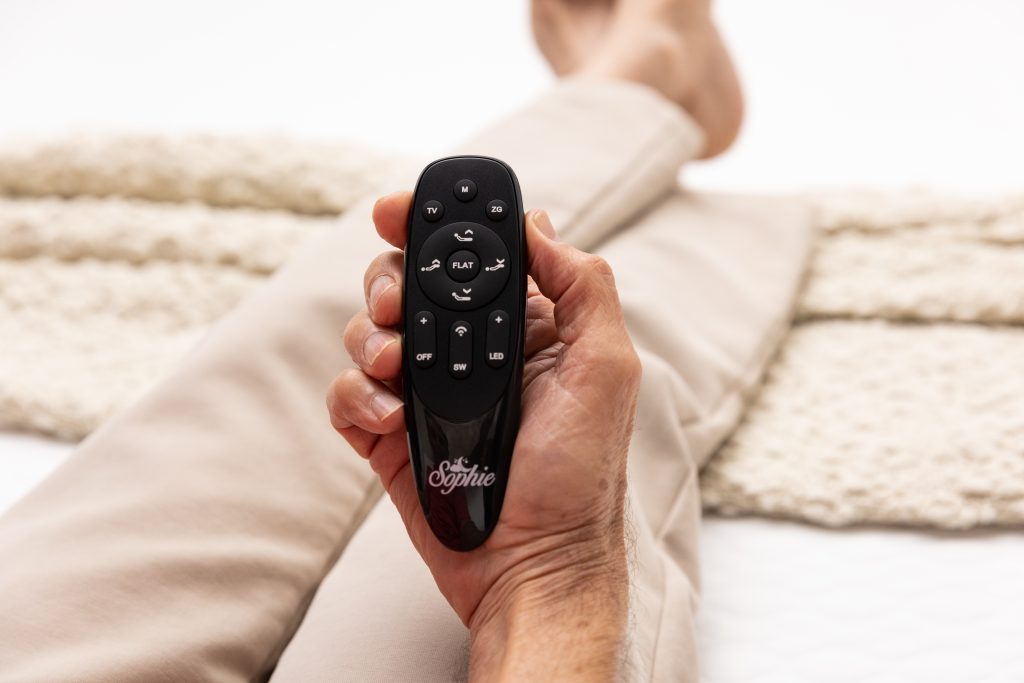
- Remote ergonomics: Hold the remote; it should feel light and have large buttons.
When you read product specs, keep an eye on the warranty. The Sauta Base offers a 25‑year warranty , the longest in the table , but it focuses on the frame and motor only. Sleep Sophie’s warranty covers the whole system, which is better for peace of mind.
Another practical tip: check if the bed supports a low‑step entry. The Sophie Adjustable Beds line includes low‑step models that let you sit on the edge without straining your knees.
Don’t forget the built‑in lighting. Under‑bed LED lights help you see at night without turning on a ceiling lamp, which can disturb sleep hormones.
Finally, think about future upgrades. Some bases let you add a smartphone app later. While not essential, an app can store presets for morning stretch or night‑down routines, which can be a real help on low‑energy days.
Step 3: Setting Up and Optimising Your Adjustable Bed at Home
When the bed arrives, you’ll want to set it up so it works right away. A proper install avoids wobble, squeaks and wasted time.
The AIDA Care guide (PDF) recommends unplugging the unit before you touch any bolts. Then check the frame for any loose screws. Tighten them with a Phillips head screwdriver. This simple step prevents noisy joints later.
Next, position the base near a power outlet but not directly under a carpet. Cords should have enough slack to avoid pulling.
Place the mattress on the base. Make sure it’s a flexible model , memory foam or thin‑profile latex works best. A thick spring mattress can strain the hinges.
Now program your presets. Most bases have a “Zero‑Gravity” button. Press it and let the bed glide into the 120‑degree angle that eases pressure on the hips and spine. If you have breathing issues, try a head‑up of 30 degrees and a foot‑up of 15 degrees.
Test each angle for at least two minutes. Notice if your breathing improves or if your legs feel lighter. Adjust in five‑degree steps until it feels right.
For caregivers, set a low‑step preset that drops the foot section by 10 cm. This makes it easier to help a person sit up or get out of bed without lifting.
Here’s a quick step‑by‑step checklist:
- Unplug the base.
- Check all bolts and tighten.
- Place the mattress and align the edges.
- Plug in and test power.
- Adjust angles to suit your comfort.
- Save your favorite settings on the remote.
li>Run through all preset buttons.
Remember to keep the remote within reach. If you have limited hand strength, a wireless remote with a flashlight (like the one on the Sauta Base) can be a big help.
For a deeper look at installation safety, see the AIDA Care installation PDF. It walks you through each bolt and joint.
When you’re caring for a bedbound ME/CFS patient, the Emerge Australia guide stresses the need for clear communication. It suggests letting the person choose their preferred angle each morning, which gives them a sense of control.
After setup, run a short trial night. Record how you feel in the morning. If you still wake up sore, tweak the angle a few degrees and try again. Small changes can make a big difference for chronic fatigue.
Step 4: Maintain and Evaluate Your Adjustable Bed for Ongoing Relief
Even the best adjustable bed for chronic fatigue australia will wear down if you ignore basic care. Regular upkeep keeps the motor humming and the joints quiet.
Start with a monthly inspection. Look at the hinges, the metal arms and the motor housing. Dust can build up and cause the motor to overheat. Use a soft dry cloth or a vacuum with a brush attachment to clear debris. Avoid water or harsh chemicals , they can damage the finish.
Next, tighten any loose bolts you find. A loose bolt can cause wobble and noisy squeaks, which can disturb light sleep.
Lubricate moving parts every three to six months. The Bedworld guide recommends a silicone‑based spray. It reduces friction without attracting dust.
Check the weight limit. Overloading the base can strain the motor and shorten its life. The Nectar Adjustable Bed Frame lists 850 kg, which is generous. If you have a heavy mattress or two people sharing, stay within that limit.
Keep the remote battery fresh. Some remotes use AA cells; replace them once a year to avoid dead‑button surprises.
Here are three quick maintenance tasks you can slot into a weekly routine:
- Dust check: Wipe the motor vents and under‑bed area.
- Bolt tighten: Give each visible bolt a light turn.
- Lubricate joints: Spray silicone on pivot points.
When you notice the bed moving slower than usual, it could be a motor issue. The Bedworld article suggests checking the vent for blockages. If the motor still feels sluggish, call a technician , don’t try to open it yourself, as that could void the warranty.
For chronic fatigue users, tracking how the bed feels each night can guide future adjustments. Keep a simple log: date, angle, any pain or swelling, and morning energy level. After a few weeks you’ll see patterns.
Our pick, Sleep Sophie Electric Adjustable Bed, comes with a complete service plan that covers motor repairs for ten years. That plan can save you money if you need a fix down the line.
Lastly, consider the environment. If you live in a humid area, use a de‑humidifier near the bed to keep metal parts from rusting.
For more on caring for the mechanisms, read Bedworld’s maintenance guide. It gives step‑by‑step tips on cleaning and lubricating.
And for positioning tips that boost health, check out Zinus’s guide on sleep positions. It explains zero gravity, leg‑up and head‑up benefits.

Pros and Cons Checklist
FAQ
Can an adjustable bed help with chronic fatigue symptoms?
Yes. Raising the head or foot can improve breathing, circulation and pressure distribution. Those changes often lead to deeper sleep, which reduces daytime fatigue. Aim for a head‑up of 30‑45 degrees and a foot‑up of 10‑20 degrees to start. Adjust gradually and note how you feel each morning.
What angle is best for reducing snoring?
Research shows that a head elevation of about 30 degrees opens the airway enough to cut snoring for many people. If you still hear snoring, add a foot‑up of 10‑15 degrees to create a slight incline throughout the body. Test both angles and settle on the most comfortable combo.
Do I need a split base if I share the bed?
A split base lets each side move independently, so one partner can read while the other sleeps flat. It’s handy, but it adds cost. If you both prefer similar angles, a single base works fine and saves money.
How often should I lubricate the joints?
Lubricate the moving joints every three to six months with a silicone‑based spray. This keeps friction low and stops squeaks. Avoid oil‑based lubricants because they attract dust and can damage the finish.
Is a battery backup worth it?
A battery backup lets the bed stay in position during a power cut. For chronic‑fatigue users who rely on a set angle for breathing support, a backup can be a safety net. The Nectar Comfort Premier includes one for under $1,000, but you can add a small UPS to any model.
Can I use a regular spring mattress?
Spring mattresses can work, but they are less flexible. A thick spring mattress may resist the base’s movement, causing extra strain on the motor. Flexible foam or latex mattresses bend more easily and give smoother adjustments.
What warranty should I look for?
Focus on motor and electronic coverage. A ten‑year motor warranty is solid. The Sleep Sophie Electric Adjustable Bed offers full‑system coverage, which is better than a frame‑only warranty. Read the fine print to ensure the remote and any massage units are included.
How do I know if the bed is helping my fatigue?
Track your morning energy for a few weeks. Use a simple log: write down the angle you slept in, any pain or swelling, and rate your energy from 1‑10. Over time you’ll see which settings give you the highest scores. Adjust slowly based on that data.
Conclusion
Choosing the right adjustable bed for chronic fatigue australia is a mix of understanding your body, matching features, and keeping the bed in good shape. Start by mapping your sleep patterns, then compare the features we discussed , quiet motor, weight capacity, USB ports, and therapeutic presets. Our pick, the Sleep Sophie Electric Adjustable Bed, checks every box with therapeutic support and a solid warranty.
Set it up carefully, test the angles, and keep a maintenance routine. Small actions like monthly dusting, bolt tightening and silicone lubrication will keep the bed humming for years. When you pair the right bed with a flexible mattress, you’ll notice less pain, better breathing and more energy for the day.
If you’re ready to make the change, explore the Sleep Sophie range and talk to a specialist. A good night’s rest is the first step toward feeling less exhausted and more able to enjoy life.