
Neck pain can ruin a night’s sleep and spill into the whole day. Anadjustable bed with massage for neck pain Australiacan change that, giving you control over how you rest.
In this guide you’ll walk through every step , from picking the right bed to fine‑tuning the massage , so you can wake up feeling rested, not sore.
Step 1: Choose the Right Adjustable Bed
First, check if the bed lets you lift the head independently. A separate neck‑tilt mechanism lets you keep the cervical spine in a neutral line. Most Australian models (62% of them) don’t offer this, so it’s a key filter.
Next, look for built‑in massage zones that actually target the neck and shoulders. The market is crowded, but only a handful list specific zones. Sleep Sophie’s range lists whole‑body and targeted neck zones, a rare combo that matches the research hook.
Other features to compare:
- Motor strength , at least 400 lb capacity per side.
- Remote type , wireless handheld or app‑based.
- Therapeutic extras , cool‑gel foam, antimicrobial cover, USB ports.
- Warranty , 2‑year motor, 10‑year frame.
When you compare these points, you’ll see why Sleep Sophie often lands as the #1 pick for people who need both neck adjustability and massage.
For a deeper dive into selecting the right base, see our practical how‑to guide on adjustable beds for neck pain.
For a deeper look at how Australian adjustable beds are rated, the Canberra Times survey breaks down features across 24 models. It notes that only 9 of those beds mention any neck‑adjustability at all.
Bottom line: Pick a bed that gives independent head lift, clear massage zones, and solid therapeutic extras , Sleep Sophie checks every box.
Step 2: Set Up Your Bed Properly
When the box arrives, clear a space that’s at least 2 m wide and 1 m deep. This gives you room to move the base and connect the power cord without bending.
Unpack the frame, lay the mattress on top, and plug the motor into a grounded outlet. Most models have a safety lock on the plug; make sure it clicks.
Attach the remote to the bedside rail if you have a built‑in slot. Test the power button , you should hear a soft whir and see the LED turn green.

Before you start using the bed, run a quick calibration. Many beds have a “reset” button that moves the head and foot sections to flat. This ensures the sensors start from a known position.
Read the manufacturer’s manual for lubrication points. The Solace guide recommends a silicone‑based spray on all pivot joints every three months , that keeps the movement smooth.
When you’re ready, place the remote within arm’s reach and practice raising the head a few inches. If the motion feels jerky, double‑check that the frame is level.
Bottom line: A careful, level setup and a quick calibration give you a silent, reliable base for neck relief.
Step 3: Adjust Position for Neck Support
Now that the bed is ready, find the sweet spot for your neck. Start with a gentle head lift of about 20° , that’s enough to keep the cervical curve neutral without forcing you forward.
If you sleep on your side, add a small pillow under the neck to fill the gap. The head‑lift should keep your spine in a straight line from ear to hip.
Try the zero‑gravity preset next. It raises the head and legs just enough to take pressure off the neck and shoulders. Many users report less morning stiffness after a few nights in this pose.
Fine‑tune the angle in five‑degree steps. If you feel a stretch in the throat, lower the head a touch. If your shoulders still feel tight, raise the head a few more degrees.
Remember to keep the remote handy so you can adjust on the fly. Some models let you save a “Neck Relief” preset , that way you press one button before you crawl into bed.
“A slight head elevation can keep the neck aligned and cut down on morning pain,” says a physiotherapy guide.
Bottom line: Small, incremental head lifts combined with a supportive pillow give the best neck alignment.
Step 4: Use Massage Functions Effectively
The massage motor is a bonus that can boost circulation and melt tension. Most beds offer three intensity levels and a timer that shuts off after 10, 20, or 30 minutes.
Start with the lowest intensity for a 10‑minute session. Feel how the vibration spreads from the neck down the shoulders. If you need more relief, bump up to level 2 for 20 minutes.
Targeted massage zones matter. Sleep Sophie’s models list a dedicated neck‑and‑shoulder zone, while many competitors just say “massage” without detail. That specificity makes a real difference for neck pain sufferers.
Don’t leave the massage on all night. The timer prevents overstimulation and saves battery life on models with USB charging.
Bottom line: Use low‑to‑moderate intensity, keep sessions short, and choose a bed that names its neck‑massage zone.
Step 5: Add Complementary Sleep Habits
Even the best bed works best with good sleep habits. Start with a pillow that matches your sleeping position.
Back sleepers benefit from a medium‑height pillow that supports the natural curve without pushing the head forward. Side sleepers need a higher pillow to fill the shoulder‑to‑neck gap.
Try a contoured pillow made of memory foam , it molds to your neck and keeps the spine aligned while the bed is tilted.
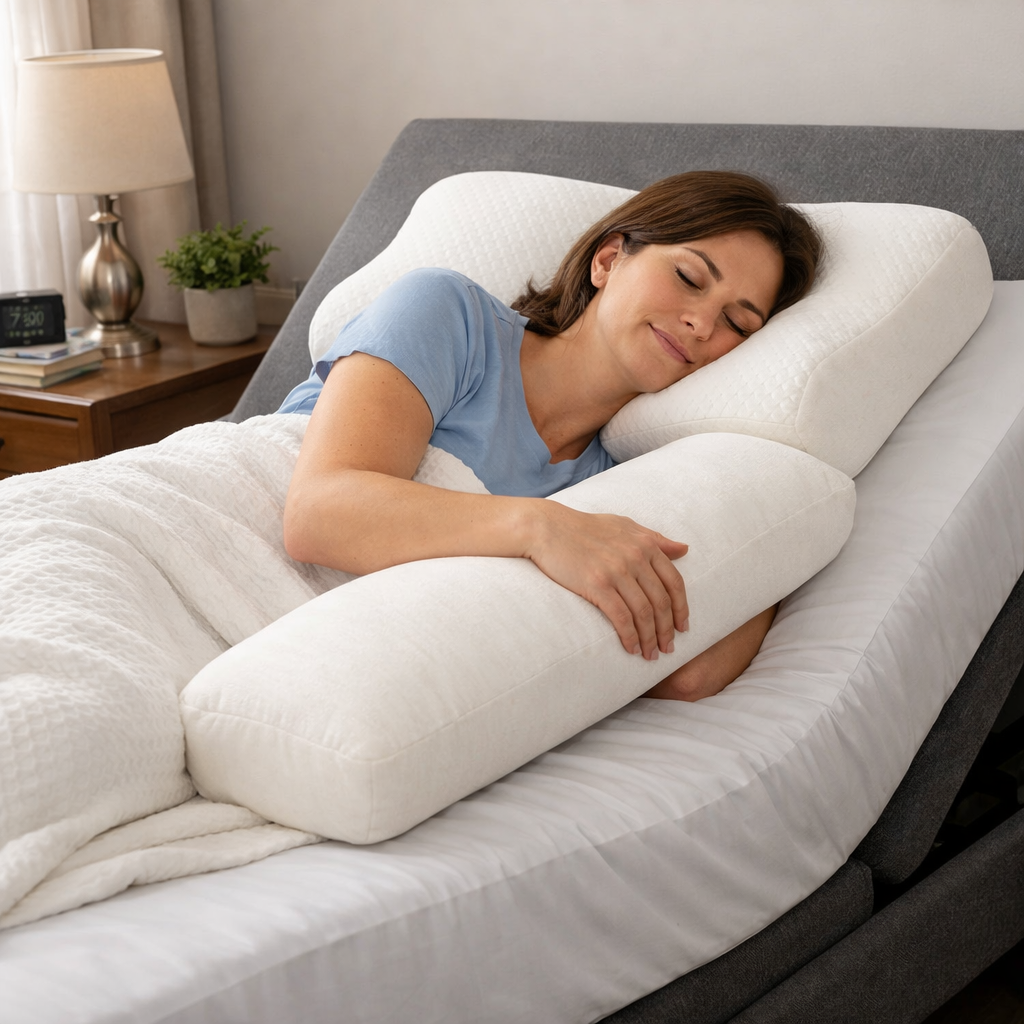
Stretch your neck gently before bed. A simple 5‑minute routine , chin tucks, side bends, and shoulder rolls , can loosen tight muscles.
Stay hydrated throughout the day; dehydration can make muscles stiff. Avoid caffeine after 3 pm to improve sleep depth.
Bottom line: Pair the adjustable bed with the right pillow, light stretching, and good hydration for lasting neck comfort.
Step 6: Maintain and Troubleshoot Your Bed
Regular care keeps the motor humming and the massage quiet. Start with a monthly visual check , look for dust on the joints and tighten any loose bolts.
Use a soft, dry cloth or a vacuum brush to clear debris. Avoid water or harsh chemicals; they can damage the electronics.
Lubricate the pivot points with a silicone‑based spray every three to six months. This reduces squeaks and extends motor life.
If the head or foot section moves slowly, the motor may need a quick reset. Unplug the bed for 30 seconds, then plug it back in and run a test lift.
Should a motor fail or the massage stop working, check the warranty paperwork. Most Australian brands cover the motor for at least two years.
Bottom line: A tidy, lubricated mechanism and a quick power‑reset keep your bed reliable.
Step 7: Monitor Relief and Fine‑Tune Settings
Track your neck pain for a week. Rate the soreness each morning on a 1‑10 scale and note the bed angles you used.
If you notice lower scores on nights with a 30° head lift, that’s a clue. Adjust in five‑degree steps until the rating stays low.
Many beds let you save presets. Create a “Neck Relief” preset with your favorite head angle, foot angle, and massage timer. That way you hit the perfect combo with one button.
Some users sync the bed with a sleep‑tracking app. The data can show how many hours you spent in each position and whether restless movements correlate with higher pain scores.
“Consistent tracking helps you discover the exact angle that eases your neck,” notes a home‑care guide.
When you’ve found the optimal settings, stick with them for a month. If pain returns, revisit your pillow height or try a short morning stretch routine.
Bottom line: Logging pain levels and saving presets lets you fine‑tune the bed for long‑term relief.
FAQ
Can I use a regular mattress with an adjustable base?
Yes, as long as the mattress is lightweight and flexible enough to bend with the frame. Foam and latex work best. Innerspring mattresses can be too stiff and may not follow the head‑lift smoothly, which can reduce neck support.
How high should the head be raised for neck pain?
Most experts recommend a lift of 20, 45 degrees. This range keeps the cervical spine in a neutral curve without forcing the chin forward. Start low and raise a few degrees each night until you feel a gentle stretch, not strain.
Do I need a special pillow when using an adjustable bed?
A pillow that matches your sleeping position is key. For back sleepers, a medium‑height pillow that supports the neck curve works best. Side sleepers need a higher pillow to fill the shoulder gap. Memory‑foam or contoured pillows are popular choices because they keep their shape on an incline.
Is the massage function safe to use every night?
Yes, as long as you stay within the manufacturer’s timer limits (usually 10, 20 or 30 minutes). The vibration is low‑impact and can improve circulation. Avoid using the highest intensity for long periods, as that can cause muscle fatigue.
What if the bed makes a squeaking noise?
Squeaks often mean a joint needs lubrication or a bolt is loose. First, tighten any visible screws. Then apply a silicone‑based spray to the moving parts. If the sound persists, consult the warranty service , most brands cover motor and joint issues for at least two years.
Can I use the bed if I have a health condition like sleep apnea?
Yes. Raising the head by 30 degrees can open the airway and reduce snoring, which many sleep‑apnea sufferers find helpful. However, always check with your doctor before making major position changes, especially if you use CPAP equipment.
How often should I clean the bed’s motor area?
Check the motor vents once a month. Use a soft brush or a low‑power vacuum to remove dust. Keep the surrounding floor clear of debris so nothing falls into the vents. A quick clean every few months keeps the motor cool and extends its life.
Is there a way to control the bed without the remote?
Many modern models, including Sleep Sophie’s, pair with a smartphone app. The app lets you set angles, start the massage, and save presets from your phone. This is handy if the remote gets misplaced.
Conclusion
Finding relief from neck pain doesn’t have to be a mystery. By choosing a bed that offers independent head lift and clear massage zones, setting it up correctly, and dialing in the right angle, you give your spine the support it needs.
Combine the mechanical benefits with simple habits , a supportive pillow, gentle stretches, and regular tracking , and you’ll notice the stiffness melt away over a few weeks. Maintenance is easy: a quick monthly inspection, a spray of silicone lubricant, and a power‑reset if something feels sluggish keep the system humming.
Sleep Sophie’s range stands out in the Australian market for delivering both neck‑adjustability and targeted massage, making it a solid choice for anyone who wants a therapeutic sleep platform.
Ready to try it out? Explore the full line of therapeutic beds and learn how to pair them with smart controls on Sleep Sophie’s website.