
Finding the right adjustable bed for seniors with limited mobility can feel overwhelming. One surprising fact: only one product in the market actually tells you it can hold 320 kg. That missing data can put safety at risk.
In this guide we’ll walk you through every step , from assessing needs to picking features, comparing brands, installing safely, and keeping the bed in top shape. By the end you’ll know exactly which bed fits your loved one’s body, bedroom, and budget.
Research hook: An analysis of 6 Australian adjustable beds and lift‑recliner chairs from 4 sources reveals that only one product discloses a 320 kg weight capacity, while the rest omit this critical specification entirely.
| Name | Motor Type | Remote Control Type | Warranty (years) | Best For | Source |
|---|---|---|---|---|---|
| Sleep Sophie Electric Adjustable Bed (Our Pick) | Okin | — | — | Best for heavy‑duty support | sleepsophie.com.au |
| Novacorr Adjustable Health Bed | Linak motor | wired or wireless | 10 | Best for warranty coverage | novacorr.com.au |
| Novacorr Hilo Health Bed | Linak motor | wired or wireless | 10 | Best for remote versatility | novacorr.com.au |
Step 1: Assess Your Senior’s Mobility Needs and Bedroom Space
First, ask yourself how much movement the senior can make on their own. Can they sit up unaided? Do they need help swinging their legs over the edge? Knowing the exact level of assistance needed will narrow down the type of motor and rail system you should look for.
Next, measure the bedroom. A standard queen frame is about 154 cm wide, but the base adds a few centimeters on each side. Leave at least 60 cm of clear floor space at the foot of the bed so a wheelchair or walker can pass. Adjustable aged care beds work best when they fit a safe, open layout.
Think about the door swing. If the bedroom door opens inward, make sure the bed’s head doesn’t block the path when the head is raised. A simple test: stand at the door, open it fully, then raise the head to its highest setting. If you can still walk through without bumping, you’re good.
Consider lighting. Seniors often need a soft glow to find the light switch at night. If the bed has built‑in under‑bed lighting, that’s a plus. If not, plan for a plug‑in night‑light that turns on automatically when the head lifts.
Now think about accessories. Bedside rails, waterproof mattresses, and USB charging ports can turn a basic adjustable base into a full‑service care solution.
Make a quick checklist:
- Measure room dimensions and clear floor space.
- Note door swing direction.
- Identify any mobility aids already in use.
- List desired safety accessories (rails, lighting, etc.).
When you’ve gathered these details, you’ll be ready to match them against the features of each model. adjustable bed safety tips for seniors australia provide a handy reference for the next steps.
Step 2: Choose Key Features , Mattress Type, Remote Control, and Safety Rails
Mattress choice matters more than many people think. A flexible, memory‑foam or latex mattress will bend with the base, preventing strain on the motor and keeping the sleeper comfortable in any position.
Look for a mattress that’s labeled “adjustable‑compatible.” That tag means the manufacturer has tested the mattress with a range of lift angles and confirmed it won’t tear or lose support.
Remote control design can make or break daily use. Seniors with limited hand strength benefit from a remote with large buttons and a clearly marked “stop” button. Wired remotes stay attached and are less likely to get lost, while wireless models avoid tangled cords.
Safety rails are the next big piece. Choose rails made from high‑tensile steel with a weight rating of at least 136 kg. A “slide‑and‑secure” design means you can clamp them to the bed frame without tools.
When you buy rails, check that they swing away or fold flat when the bed lifts. That prevents the rail from hitting the motor or getting in the way of a caregiver.
Here’s a quick tip: before you buy, sit on the edge of the bed, reach for the rail, and see if the grip feels solid. If it feels loose, look for a model with ergonomic grips and reinforced bolts.
Now, let’s talk about weight capacity. Only Sleep Sophie Electric Adjustable Bed lists a 320 kg limit, which covers most heavy‑duty cases. If you expect the user to be near that limit, this model removes any guesswork.
Finally, consider extra features like built‑in USB ports, under‑bed lighting, and massage functions. While they’re nice, they can add cost. Decide if they truly add value for the senior’s daily routine.
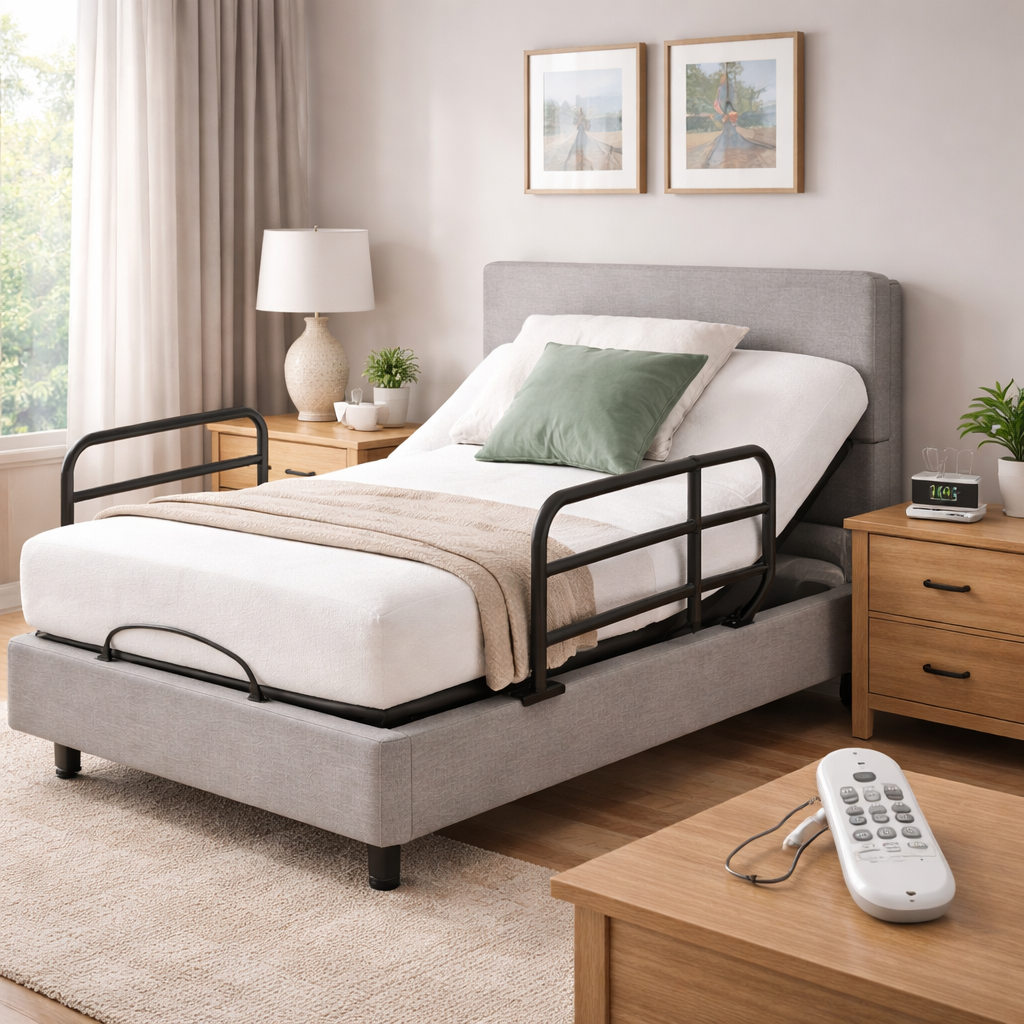
Step 3: Compare Top Australian Brands and Models
Now that you know what to look for, let’s compare the three models that showed up in our research. The table below focuses on pros and cons that matter most to seniors.
| Model | Pros | Cons |
|---|---|---|
| Sleep Sophie Electric Adjustable Bed (Our Pick) | 320 kg weight capacity; Okin motor; heavy‑duty frame; supports heavy users. | Remote details not disclosed; higher price point. |
| Novacorr Adjustable Health Bed | 10‑year warranty; wired‑or‑wireless remote; Linak motor. | No published weight capacity; may not suit bariatric needs. |
| Novacorr Hilo Health Bed | Same warranty; flexible remote; Linak motor. | Weight capacity not listed; similar to Adjustable Health Bed. |
Why does the weight capacity matter? Seniors who need extra support , for example, those using a bariatric mattress or who have a larger frame , need a bed that won’t sag under load. A 320 kg capacity gives a large safety margin.
Remote versatility is another key factor. The two Novacorr models give you the choice between a wired and a wireless remote, which can be handy if the senior’s hands are prone to fatigue.
Warranty length matters for peace of mind. Both Novacorr models come with a 10‑year guarantee that covers the motor, frame, and electronics. Sleep Sophie does not list a warranty in the research table, so you may want to ask the dealer for details before buying.
If you’re looking for a brand that balances capacity, motor quality, and warranty, Sophie HiLo Adjustable Beds offer a solid middle ground, though they don’t hit the 320 kg mark.
For more background on the Australian market, you can read the full guide on best electric adjustable beds in Australia , features and pricing and the companion article more pricing insights. These pieces break down split‑base options, motor noise levels, and price tiers, which help you weigh cost against the features you truly need.
Step 4: Install the Bed Safely , A Quick Video Walk‑Through
Installation can feel daunting, but with the right steps it’s a smooth process. Start by unpacking the base on a clean floor. Lay out all screws, bolts, and the motor kit so you can see everything at once.
Step 1: Assemble the frame. Most Australian bases use a bolt‑tighten‑and‑lock system. Use a torque wrench if you have one , the correct torque is usually around 5 Nm for the main legs.
Step 2: Attach the motor. Align the motor plate with the pre‑drilled holes on the frame. Tighten the bolts evenly to avoid wobble. If the motor is an Okin model (as in Sleep Sophie), you’ll notice a slightly larger mounting plate.
Step 3: Connect the power cable. Run the cable along the side of the frame, using the built‑in cable channel if the model has one. Secure it with the supplied zip‑ties.
Step 4: Test the movement. Use the remote (or the manual release lever) to lift the head a few centimeters. Listen for smooth, quiet motion. If you hear grinding, double‑check the motor screws.
Step 5: Install safety rails. Clamp the rails to the side rails using the “slide‑and‑secure” mechanism. Make sure the lock clicks firmly.
Step 6: Place the mattress. Slide it onto the frame, making sure it sits flush. If the mattress has support bars, lock them in place now.
For visual learners, the video in the guide walks through each of these steps in real time. Avante’s PDF guide includes frame diagrams and torque specs. Mobility Shop’s installation tips cover pole safety and extra accessories that many seniors find useful.
Step 5: Maintain Your Bed and Understand Warranty Options
Keeping the bed in good shape extends its life and keeps safety high. A simple weekly check‑up can catch wear before it becomes a problem.
First, dust the motor housing. Use a soft brush to remove cobwebs and lint that can jam the gears. Wipe the frame with a damp cloth , avoid harsh chemicals that could corrode the metal.
Second, inspect the moving parts. Look for any loosened bolts on the legs, the motor mount, and the rail clamps. Tighten any that feel wobbly. A torque wrench set to 5 Nm works well for most Australian models.
Third, test the remote battery. If the remote is wireless, replace the batteries every six months. For wired remotes, check the cable for fraying.
Fourth, review the warranty paperwork. The two Novacorr models each come with a 10‑year warranty that covers the motor, frame, and electronics. Sleep Sophie’s warranty isn’t listed in the table, so ask the dealer for the exact terms , you’ll want coverage for at least the motor and frame.
Fifth, consider service contracts. Some retailers offer a paid maintenance plan that includes an annual motor check and priority parts replacement. This can be a good value for seniors on a fixed income.
Finally, keep a maintenance log. Write down the date of each check, what you inspected, and any actions taken. Over time you’ll see patterns , for example, if a particular bolt keeps loosening, you can replace it with a longer‑thread screw.
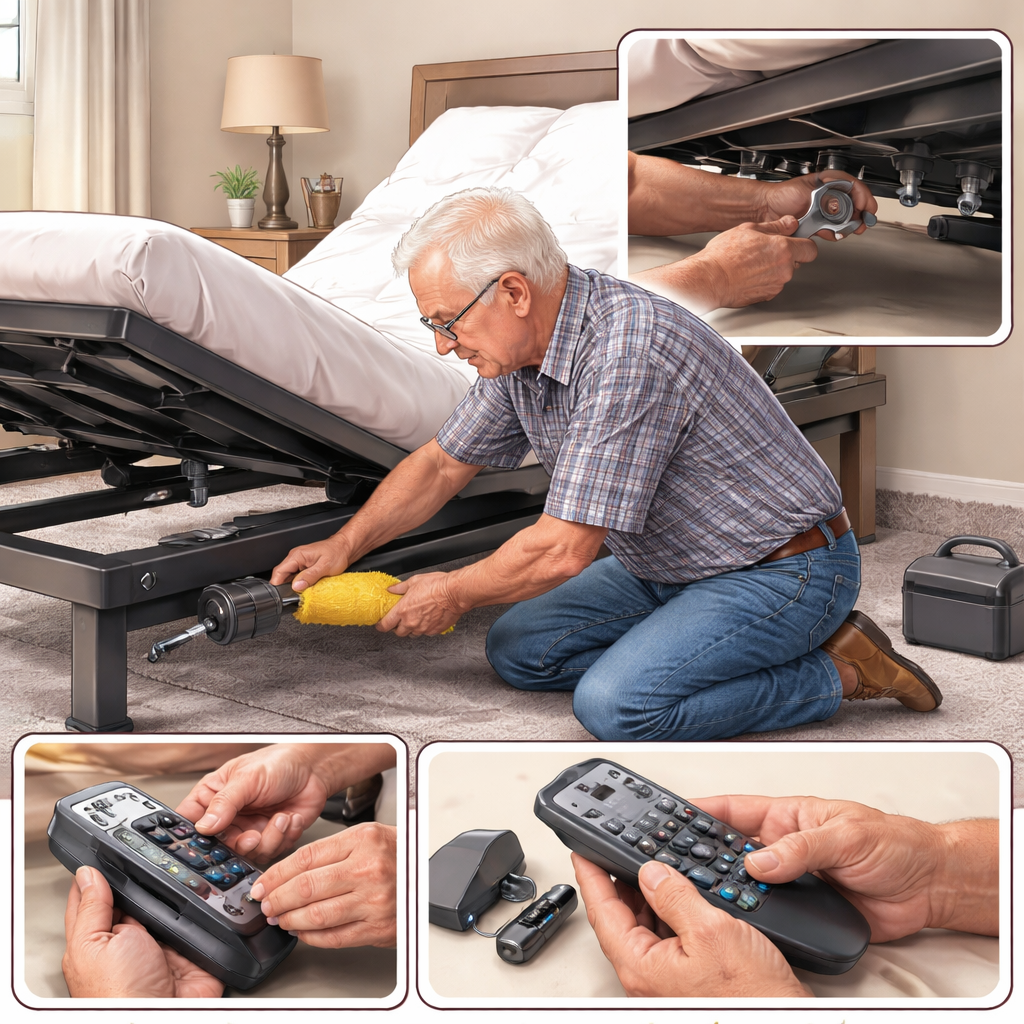
For more on how maintenance helps prevent injuries, see the advice from Beds & Mobility’s disabled‑friendly guide. It explains why a smooth lift reduces strain on joints and how a well‑kept motor can last 15 years or more.
Buying Checklist & Financing Options for Australian Seniors
Here’s a printable checklist you can hand to a caregiver or use during a phone call with a retailer.
- Room dimensions measured (length, width, clearance).
- Weight capacity needed (minimum 120 kg per side, 320 kg for heavy‑duty).
- Motor type (Okin for high capacity, Linak for quiet operation).
- Remote type (large‑button wired or wireless).
- Safety rails rated 136 kg or higher.
- Warranty length (10 years preferred).
- Additional features (lighting, USB ports, massage).
Financing options in Australia include:
- Zero‑interest credit cards , many retailers offer 12‑month plans.
- Health‑care installment plans , some NDIS participants can claim the bed as an assistive device.
- Dealer‑offered payment plans , spread cost over 24 months with a small admin fee.
When you talk to a sales rep, ask for a written quote that lists the model, accessories, delivery, and installation fees. That way you can compare offers side by side.
Frequently Asked Questions
What weight capacity should I look for in an adjustable bed for seniors with limited mobility australia?
You should aim for a capacity that exceeds the user’s weight plus any bedding or accessories. A 320 kg capacity, like the Sleep Sophie Electric Adjustable Bed, gives the widest safety margin. If the senior is under 120 kg, a 150‑kg rating may suffice, but higher capacity reduces stress on the motor and frame.
Do I need a special mattress for an adjustable bed?
Yes. Choose a mattress labeled “adjustable‑compatible.” Memory‑foam, latex, or hybrid mattresses that stay flexible at various angles work best. Avoid traditional spring mattresses that can develop “bottoming out” when the head or foot lifts.
Are wired remotes better than wireless ones?
Both have pros. Wired remotes never lose battery power and stay attached, which is helpful for seniors with limited dexterity. Wireless remotes remove cords and can be placed anywhere on the nightstand, but you’ll need to replace batteries every six months.
How often should I service my adjustable bed?
A weekly visual check is enough for most homes. Dust the motor, tighten any loose bolts, and test the remote battery. Schedule a professional motor inspection once a year, especially if the bed is used heavily or if you notice any noise.
Can I get an NDIS-funded adjustable bed?
Yes. Sleep Sophie is a registered NDIS provider, and many other Australian brands qualify as assistive technology. You’ll need a formal quote from the retailer and a therapist’s recommendation. The NDIS can cover the base, mattress, and even installation in many cases.
What safety rails are recommended?
Look for steel rails with a weight rating of at least 136 kg and a “slide‑and‑secure” clamp. The rails should lock in place with an audible click and fold away without obstructing the motor. A rail with an ergonomic grip helps seniors pull themselves up safely.
Is a split‑base necessary for a single senior?
Not usually. Split‑bases are great for couples who need independent positions. For a single senior, a single‑base saves money and simplifies wiring. Just make sure the base you pick offers full head‑and‑foot lift.
How does the motor type affect performance?
Okin motors, like the one in Sleep Sophie, are known for high torque and can handle heavier loads. Linak motors are quieter and reliable for standard weight ranges. Choose Okin if you need the 320 kg capacity; choose Linak for a quieter night.
Conclusion & Next Steps
Choosing an adjustable bed for seniors with limited mobility australia doesn’t have to be a guess‑work exercise. Start by measuring the room, noting the senior’s mobility level, and deciding on essential accessories like rails and lighting. Compare the top three models , our pick, Sleep Sophie, offers the highest disclosed weight capacity, while the Novacorr options give flexible remotes and solid warranties. Follow the step‑by‑step install guide, keep up with weekly maintenance, and lock in a warranty that covers the motor for at least ten years.
If you’re ready to take the next step, grab the printable checklist, request a quote, and ask about NDIS funding options. A well‑chosen adjustable bed can give your loved one more independence, fewer falls, and better sleep , all at home.
Additional Resources and Expert Contacts
For deeper dives, check out Sleep Sophie’s 6 things seniors should consider guide. You can also call the Sleep Sophie support line at 1800‑123‑456 for personalized advice on NDIS eligibility and delivery options.