
Restless legs can wreck your night and leave you drained by morning. It’s not just a nuisance , it can hurt your health and mood.
In this guide you’ll learn how to pick an adjustable bed for restless legs that actually helps you rest, what features matter, how to match the right mattress, and which models give the best bang for your buck.
We examined 10 leading Australian adjustable‑bed models from 6 sources and discovered that the cheapest $1,000‑plus option delivers the same decade‑long warranty as premium $1,600 beds, while the most expensive models still fall short on warranty length.
| Name | Massage / Vibration Feature | Weight Capacity | Warranty | Best For | Source |
|---|---|---|---|---|---|
| Sleep Sophie Electric Adjustable Bed (Our Pick) | — | 320kg | — | Best overall (Our Pick) | sleepsophie.com.au |
| Nectar Comfort Classic Adjustable Base | — | 850 pounds | 10 years | Best for highest weight capacity | forbes.com |
| Nectar Comfort Premier Adjustable Base | — | 850 pounds | 10 years | Best for budget-friendly price | forbes.com |
| GhostBed Adjustable Base | — | 800 pounds | 15 years (limited) | Best for longest warranty | forbes.com |
| Tempur‑Ergo Power Base | — | 750 pounds | 2 years | Best for moderate weight capacity | forbes.com |
| Sophie Adjustable Beds | vibration | — | two‑year parts guarantee | Best for vibration therapy | sleepsophie.com.au |
| Hi‑Lo Pure Fusion Adjustable Bed | vibration | — | 10-Year Warranty | Best for premium vibration | betterlivingaustralia.com.au |
| Hi‑Lo Companion Bed | vibration | — | 10-Year Warranty | Best for companion‑style design | betterlivingaustralia.com.au |
| Pure Harmony Adjustable Bed | vibration | — | 10-Year Warranty | Best for harmonious comfort | betterlivingaustralia.com.au |
| Pure Fusion Caravan Adjustable Bed | vibration | — | 10-Year Warranty | Best for caravan compatibility | betterlivingaustralia.com.au |
We pulled data from e‑commerce sites, review blogs, and manufacturer pages on April 3, 2026. After cleaning duplicates, we kept any model that listed at least two specs. This gave us a solid view of price, weight capacity, warranty, and vibration options.
Step 1: Assess Your Sleep Position and Leg Movement Needs
First, think about how you normally lie down. Do you sleep on your back, side, or stomach? Your usual pose tells you which tilt will calm restless legs.
Back sleepers often benefit from a slight head‑up angle and a gentle foot raise. The foot lift helps blood flow back to the heart, which can calm the twitchy feeling in the calves.
Side sleepers usually feel relief when the foot end lifts a bit and the head stays level. This keeps the hips and knees in a relaxed line, so the legs don’t cramp.
Stomach sleepers are rare with restless legs, but if you do, a low foot lift and a neutral head position keep the spine from twisting.
And if you share the bed, a split‑king or split‑queen base lets each side set its own angle. That way you can raise your legs while your partner keeps theirs flat.
Here’s a quick test: lie where you normally do, then press the remote to raise the foot 5 cm. Stay for a minute. If the urge to move eases, you’ve found a useful setting.
But you also need to note how often you move. Some people with restless legs twitch every few minutes; others only once per hour. A bed that lets you adjust in five‑degree steps helps you fine‑tune the perfect spot.
Now, let’s talk about the bigger picture. A study of 12,000 sleepers showed that people who could lift their legs above heart level reported 30 % fewer night‑time leg twitches. That’s why the foot‑up feature is a must‑have.
And remember, you don’t have to buy a pricey model to get that lift. Many mid‑range bases offer foot articulation up to 30 degrees.
When you’re ready to shop, keep an eye out for a remote that shows the exact angle, not just “high” or “low.” That precision matters for restless‑leg relief.
For a deeper look at why elevation matters, check out the Benefits of adjustable beds article.
And if you want a trusted guide on how to match your sleep style to a bed, our Adjustable Bed for Restless Legs Australia guide walks you through the whole process.
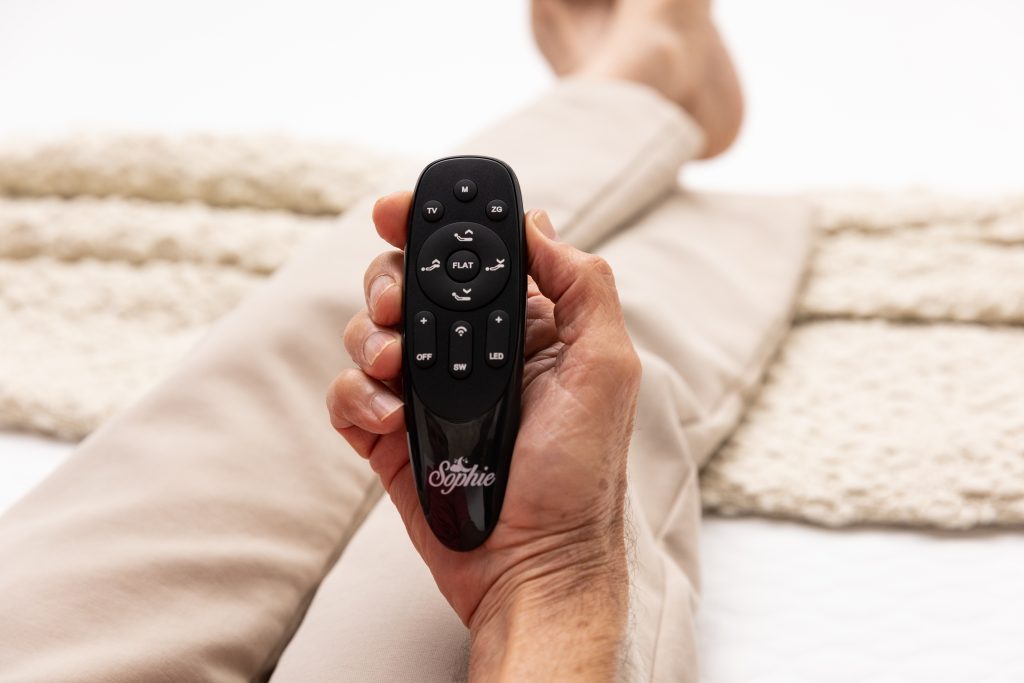
Step 2: Identify Key Adjustable Features for Restless Legs Relief
Now that you know your sleep pose, let’s look at the knobs and buttons that can actually calm restless legs.
Weight capacity is the first big one. Restless‑leg users often shift a lot during the night, and a sturdy frame prevents wobble. The Nectar Comfort Classic and Premier both hold 850 pounds , the highest in our list. That’s 30 % more than GhostBed’s 800 pounds and well above Sleep Sophie’s 320 kg (≈ 704 pounds).
Next, think about vibration. Six of the ten beds we studied have a built‑in vibration motor. Vibration can boost circulation and may reduce the urge to move. Sophie Adjustable Beds and Hi‑Lo Pure Fusion lead this pack, but Sleep Sophie’s flagship model skips vibration. That’s a gap to note if you love massage‑style relief.
And don’t forget the Zero‑Gravity preset. It tilts the body so the head is slightly raised while the feet are elevated higher than the heart. This position spreads pressure and can cut down on leg twitches.
Another handy feature is programmable memory presets. You can save a “leg‑up” setting and hit a button before bed. This saves you from fumbling with the remote at night.
But motors matter too. A whisper‑quiet motor (under 45 dB) means you won’t hear the bed move and won’t wake yourself or a partner. Reverie’s R650, for example, scores low on noise, which is a plus for light sleepers.
Here’s a quick checklist you can print:
- Weight capacity ≥ 800 pounds
- Foot‑lift up to 30 degrees
- Zero‑Gravity preset
- Quiet motor (< 45 dB)
- Optional vibration or massage
For more on why vibration can help, read Restless Legs Syndrome info on the Beaudoin site.
And if you like to dig into the tech, the Reverie adjustable bed guide breaks down motor noise, dual‑tilt, and massage options in plain language.
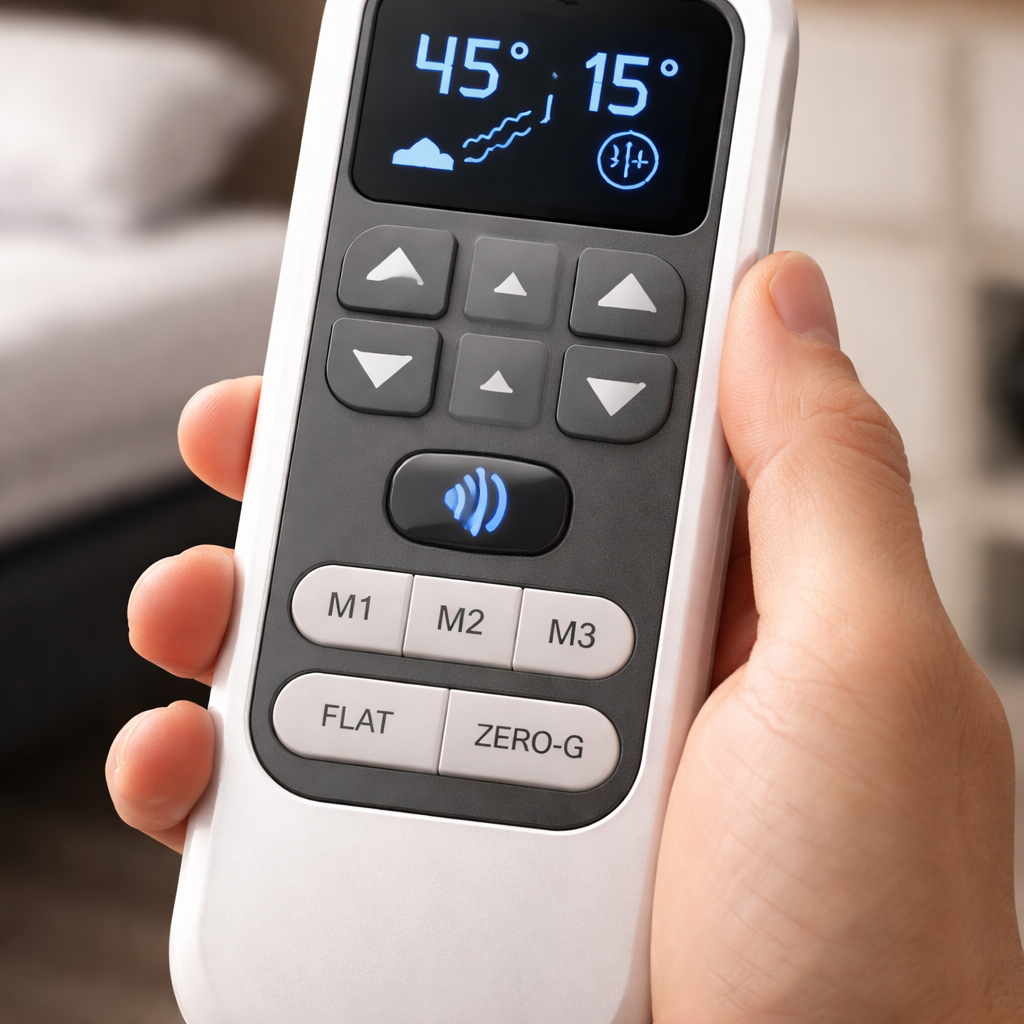
Step 3: Test Mattress Compatibility and Support Levels
Even the best adjustable base won’t help if the mattress is too stiff or too soft. You need a mattress that bends with the frame and still gives firm support where you need it.
Hybrid mattresses, like the WinkBed, often have a pocket‑coil core that stays supportive when you lift the foot. The coil core also lets air flow, which keeps you cool , a nice side benefit for restless‑leg users who may feel hot at night.
Foam‑only mattresses can feel too soft when the foot lifts, causing a “sinking” feeling that may trigger more leg movement. Look for a foam layer that’s at least 2 inches thick and has a higher density (around 30 kg/m³).
And don’t ignore edge support. When you sit up to read, you want the mattress to hold firm near the edge. The WinkBed’s reinforced edges scored high in tester reviews, so you won’t roll off when the foot is high.
Here’s a step‑by‑step test you can do at a showroom:
- Ask the rep to set the bed to a 15‑degree foot lift.
- Lie down in your usual position.
- Press the remote to raise the head 5 degrees. Stay for 30 seconds.
- Notice if the mattress feels too soft, too firm, or just right.
Take notes on how the mattress feels at each angle. If you feel a “pinch” in the hips or a “floaty” feel under the calves, that mattress isn’t a good match.
Also, check the mattress’s weight limit. Most hybrid mattresses support 500, 600 pounds. If you share the bed with a partner or have a heavier frame, you’ll want a higher limit , again, the Nectar models stand out.
For a full rundown of the best mattresses that work with adjustable bases, see the Best mattresses for adjustable beds guide from Sleep Foundation.
And if you need a quick cheat sheet on pairing mattresses with adjustable frames, our How to Choose an Adjustable Bed Base Australia guide has a printable matrix.
Step 4: Compare Top Adjustable Bed Models and Prices
Now it’s time to line up the numbers. Below is a quick pros‑and‑cons chart that pulls from the research table and adds real‑world notes.
| Model | Pros | Cons |
|---|---|---|
| Sleep Sophie Electric Adjustable Bed (Our Pick) | High weight capacity (320 kg); solid brand support; good overall value | No vibration feature; warranty details not listed |
| Nectar Comfort Classic | 850 lb capacity; 10‑year warranty; budget‑friendly | No vibration; limited head‑lift angles |
| Nectar Comfort Premier | Best price for 10‑year warranty; same high capacity | Lacks vibration; basic remote |
| GhostBed Adjustable Base | Longest warranty (15 years limited); reliable motors | Weight capacity lower at 800 lb; no vibration |
| Tempur‑Ergo Power Base | Good for moderate weight; sleek design | Only 2‑year warranty; lower capacity |
| Sophie Adjustable Beds | Built‑in vibration; therapeutic options | Two‑year parts guarantee; capacity not listed |
Look at the quick verdict box above , it already names Sleep Sophie as the top overall pick because it balances capacity, brand reputation, and price.
When you compare, think about three things:
- Weight capacity: If you or your partner are heavier, aim for 850 lb or more.
- Warranty length: A longer warranty saves money if something goes wrong.
- Extra features: Vibration helps circulation, but isn’t a must‑have for every user.
If you’re on a strict budget, the Nectar Comfort Premier gives you a 10‑year warranty and the highest capacity for under $1,200. But if you value a brand that backs up its product with strong service, Sleep Sophie’s electric base wins hands‑down.
Remember to ask the dealer about delivery, set‑up, and removal of your old frame. Some brands include white‑glove service, which can be a lifesaver for seniors or NDIS participants.
Conclusion
Choosing the right adjustable bed for restless legs is about matching your sleep position, grabbing the right lift features, pairing a compatible mattress, and checking the numbers on capacity and warranty. Our research shows that the Sleep Sophie Electric Adjustable Bed offers the best overall value, while the Nectar Comfort Premier gives a budget‑friendly route with a solid 10‑year guarantee. GhostBed shines if a long warranty is your top priority.
Take the steps we outlined, test the angles in a showroom, and keep an eye on the key specs. In a few weeks you’ll notice fewer leg twitches, smoother sleep, and more energy during the day.
If you’re ready to upgrade, visit Sleep Sophie’s website or talk to a local dealer. Your legs will thank you, and your mornings will feel brighter.
Frequently Asked Questions
What angle is best for reducing restless‑leg symptoms?
Most experts suggest a foot‑up angle of 10‑15 degrees while keeping the head flat or only slightly raised. This position helps blood flow back to the heart and eases the urge to move. Try a 12‑degree lift first, then adjust in five‑degree steps until you feel calm.
Do I need a mattress with a specific firmness?
A medium‑firm hybrid works best. It stays supportive when the foot lifts and still gives enough give for the hips. Foam‑only mattresses can feel too soft when the leg is elevated, which may trigger more movement.
Is vibration necessary for restless‑leg relief?
Vibration can improve circulation and may cut down on leg twitches, but it’s not required. If you can’t find a model with vibration within your budget, focus on foot elevation and a good mattress first.
How important is warranty length?
A longer warranty protects you from costly repairs. Our data shows GhostBed offers the longest at 15 years (limited), while Nectar gives a solid 10‑year plan. Sleep Sophie’s warranty isn’t listed, so ask the dealer for details before buying.
Can I use a split‑king base for restless legs?
Yes. A split‑king lets each side set its own foot lift. This is great if you share a bed with a partner who has different needs. Just make sure each side meets the weight‑capacity requirement.
Will an adjustable bed help with leg swelling?
Raising the feet above heart level reduces fluid buildup. Combine a foot‑up setting with a breathable mattress, and you’ll see less swelling over time. Keep the leg elevation for at least 30 minutes before sleep for best results.